Home / Blog
Pai travel blogPai guides, honestly written.
Real guides to Pai by the people who live here — what to see, when to come, what to eat, and where to stay nearby. No fluff, no affiliate spam.
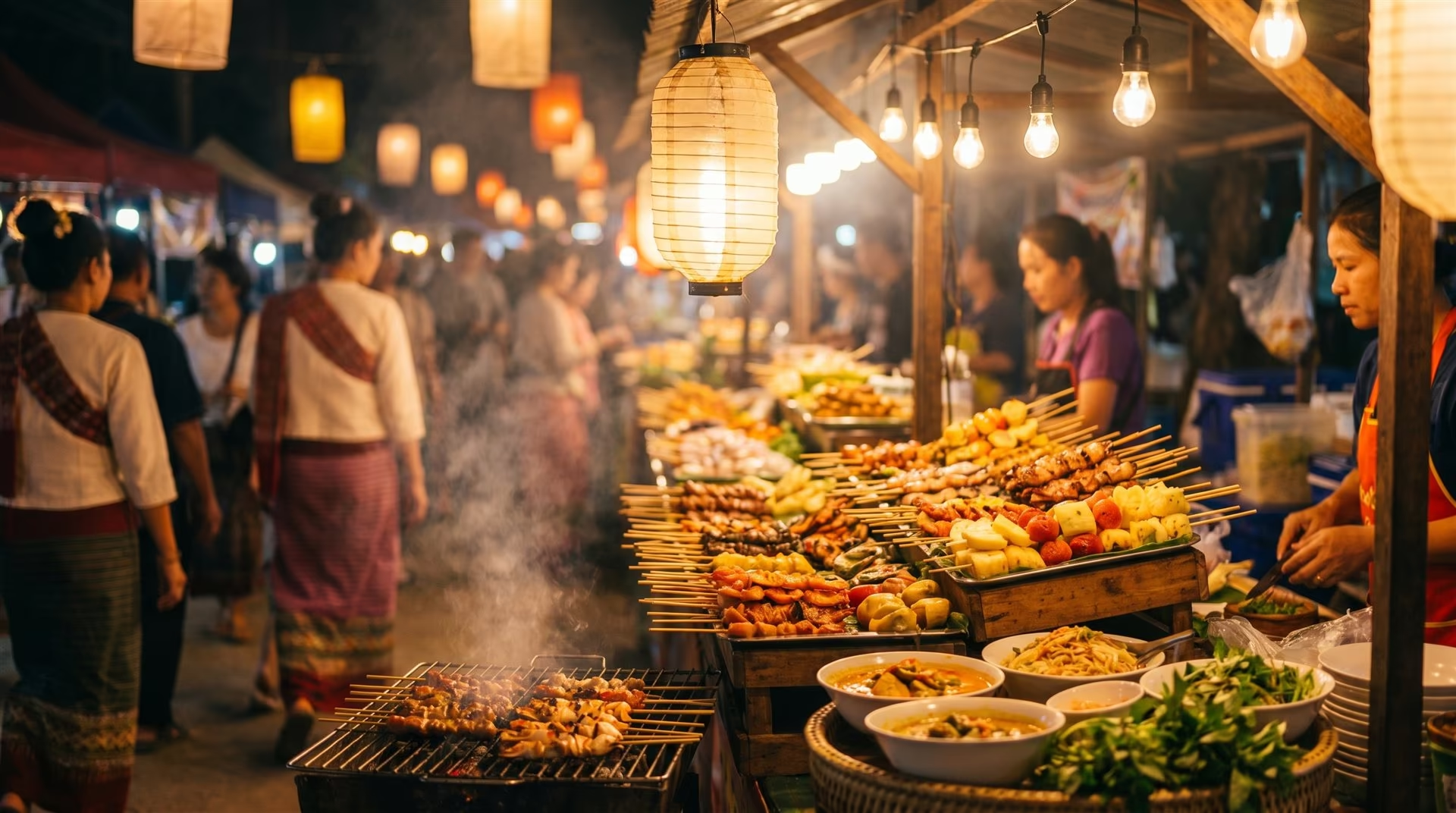
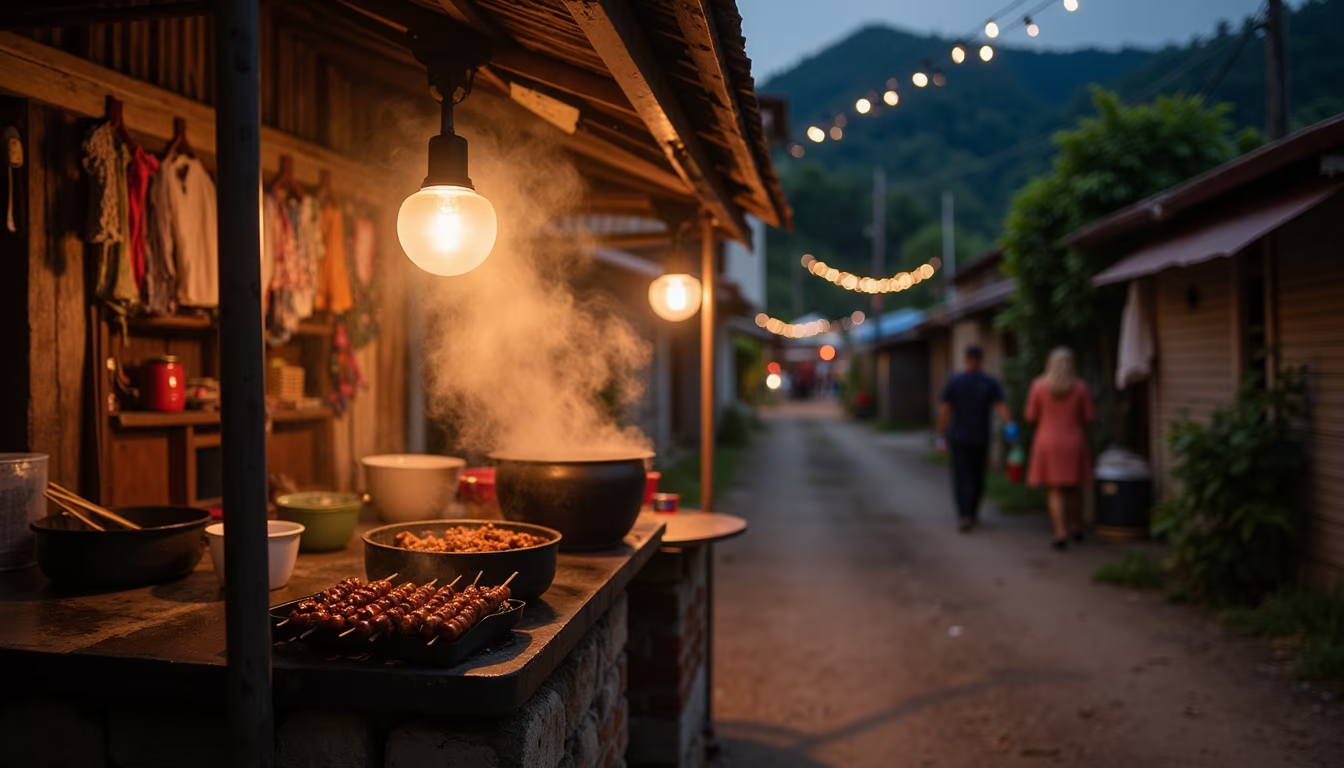
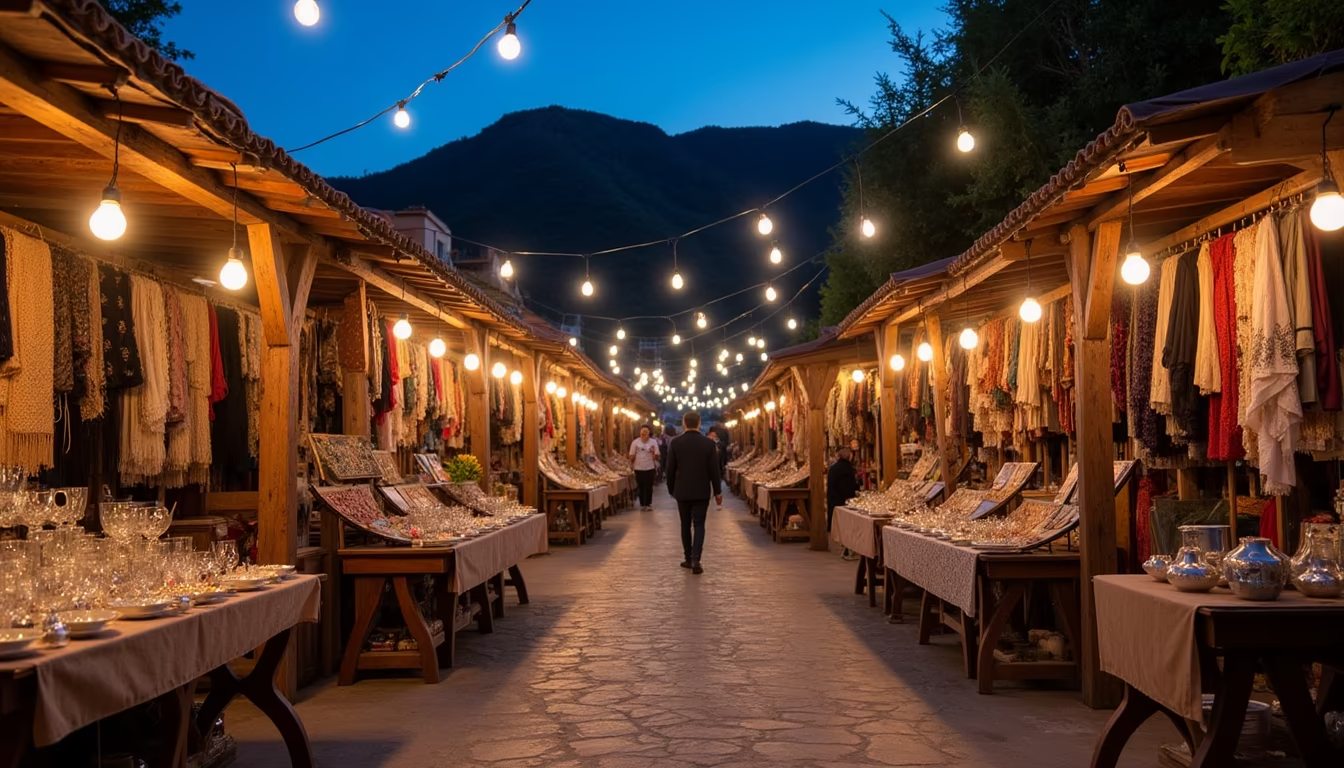
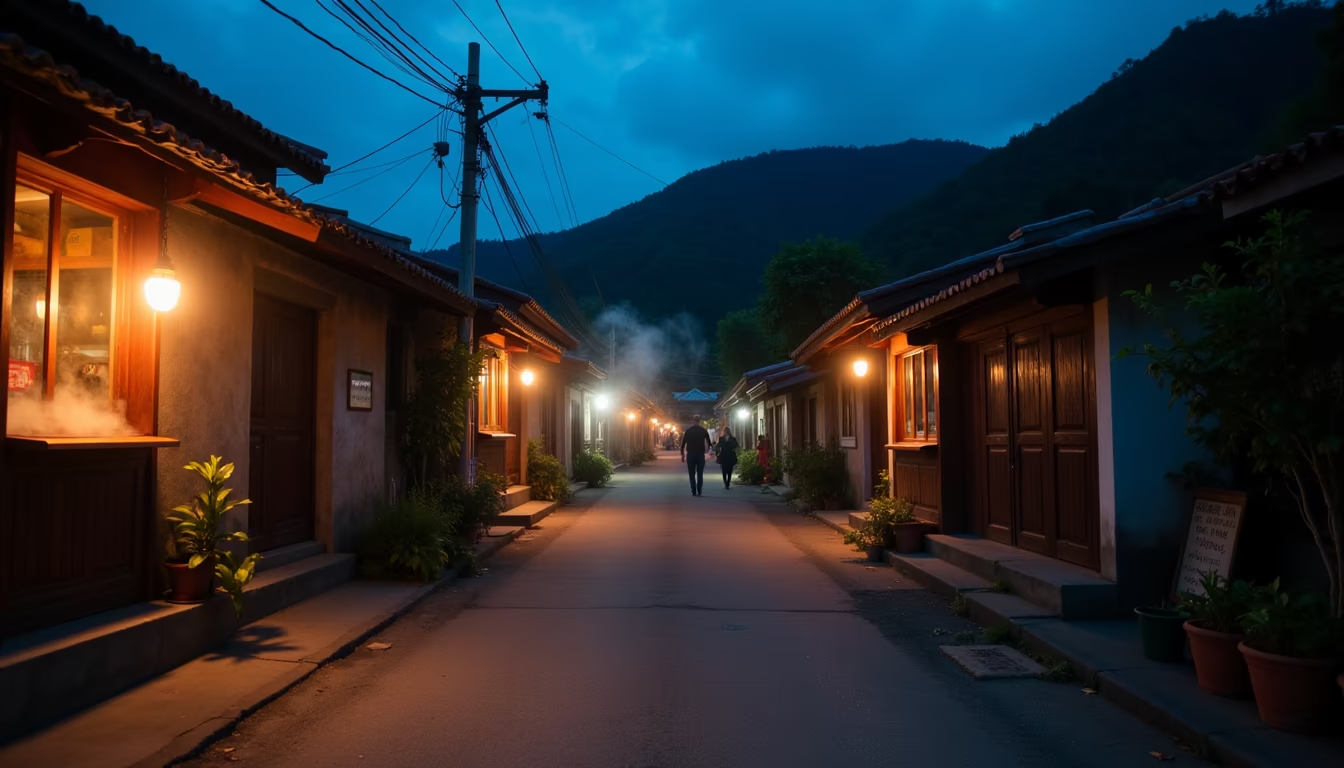
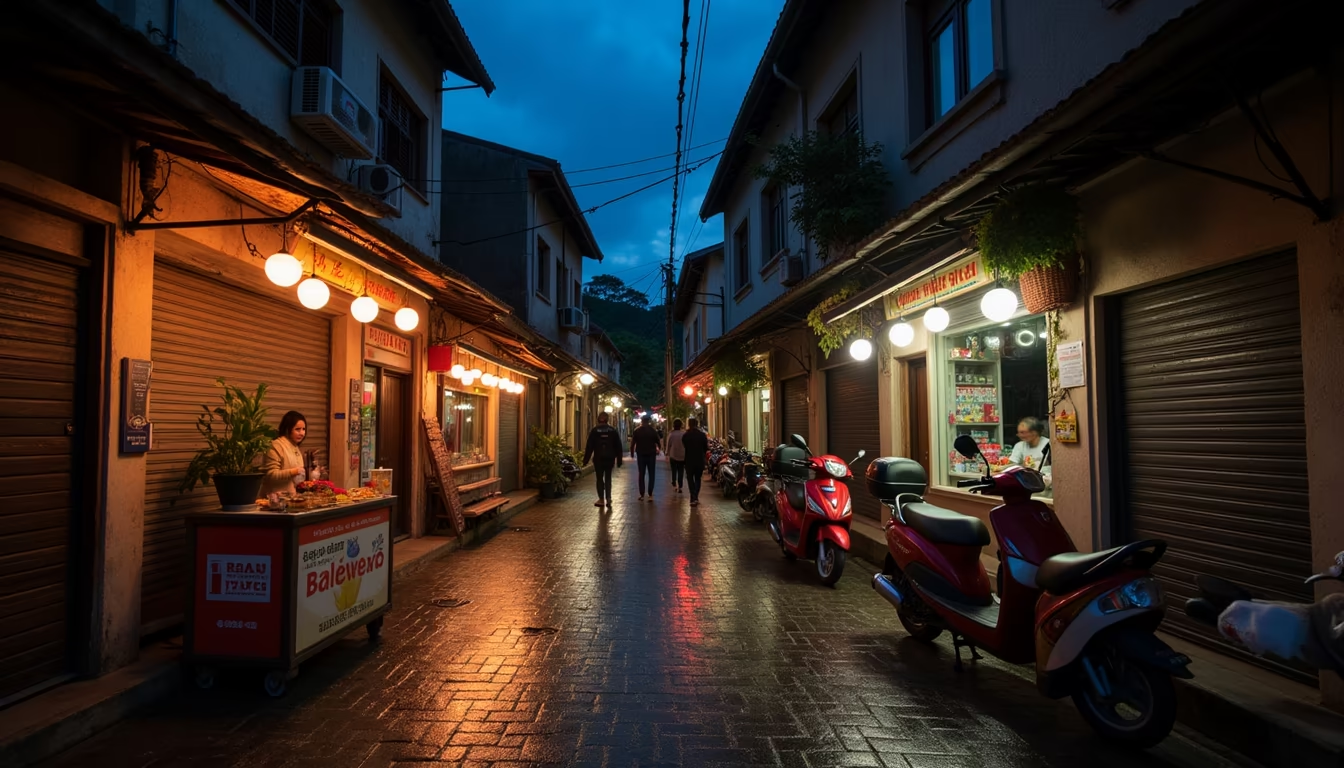
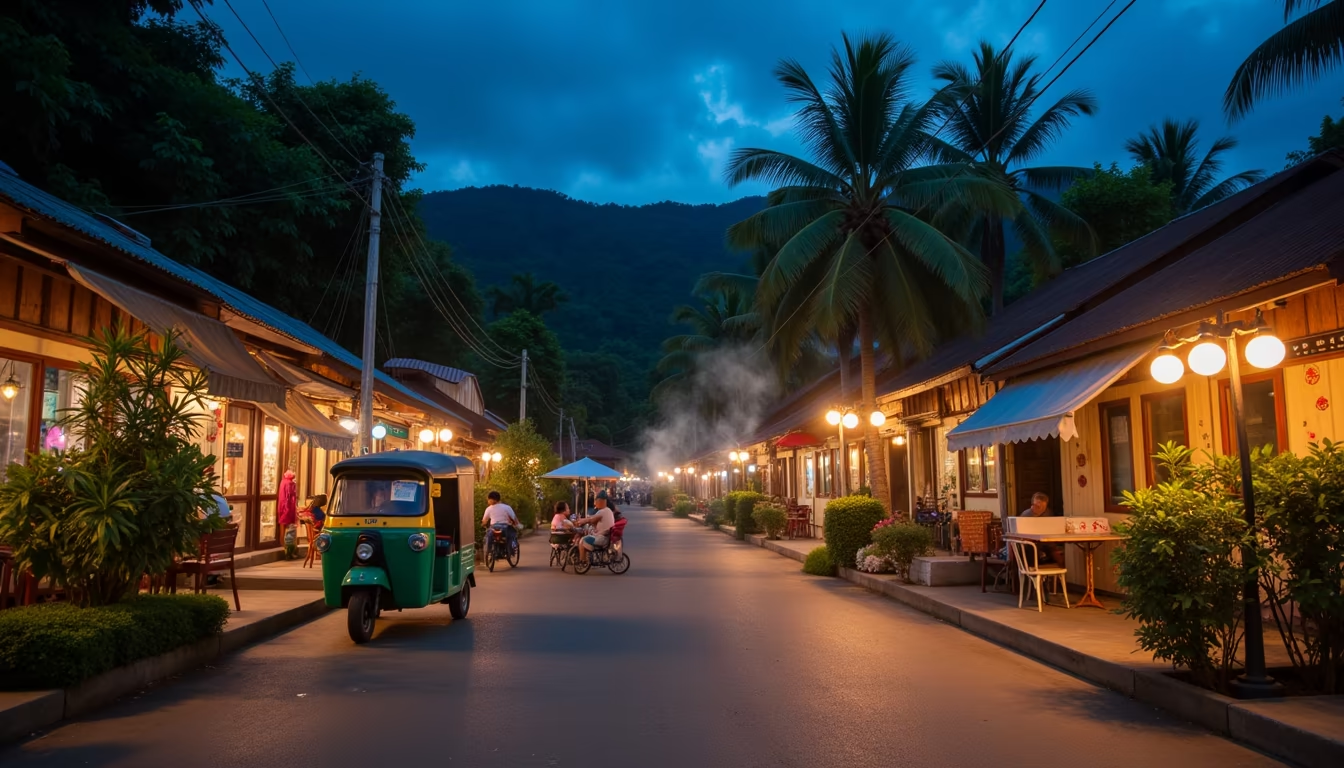
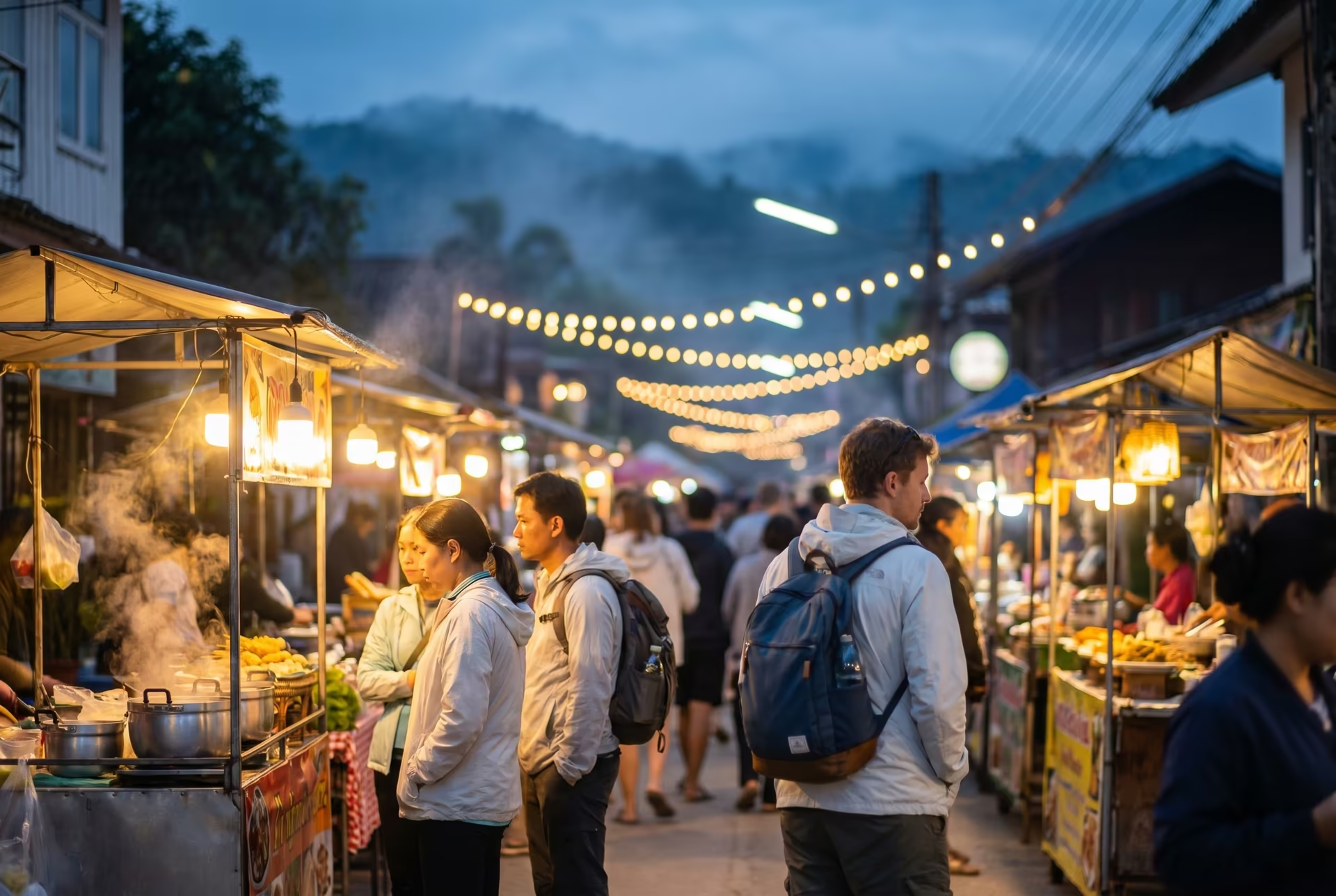
Pai Walking Street is the town's evening night market, running daily from around 6 pm along the main street.
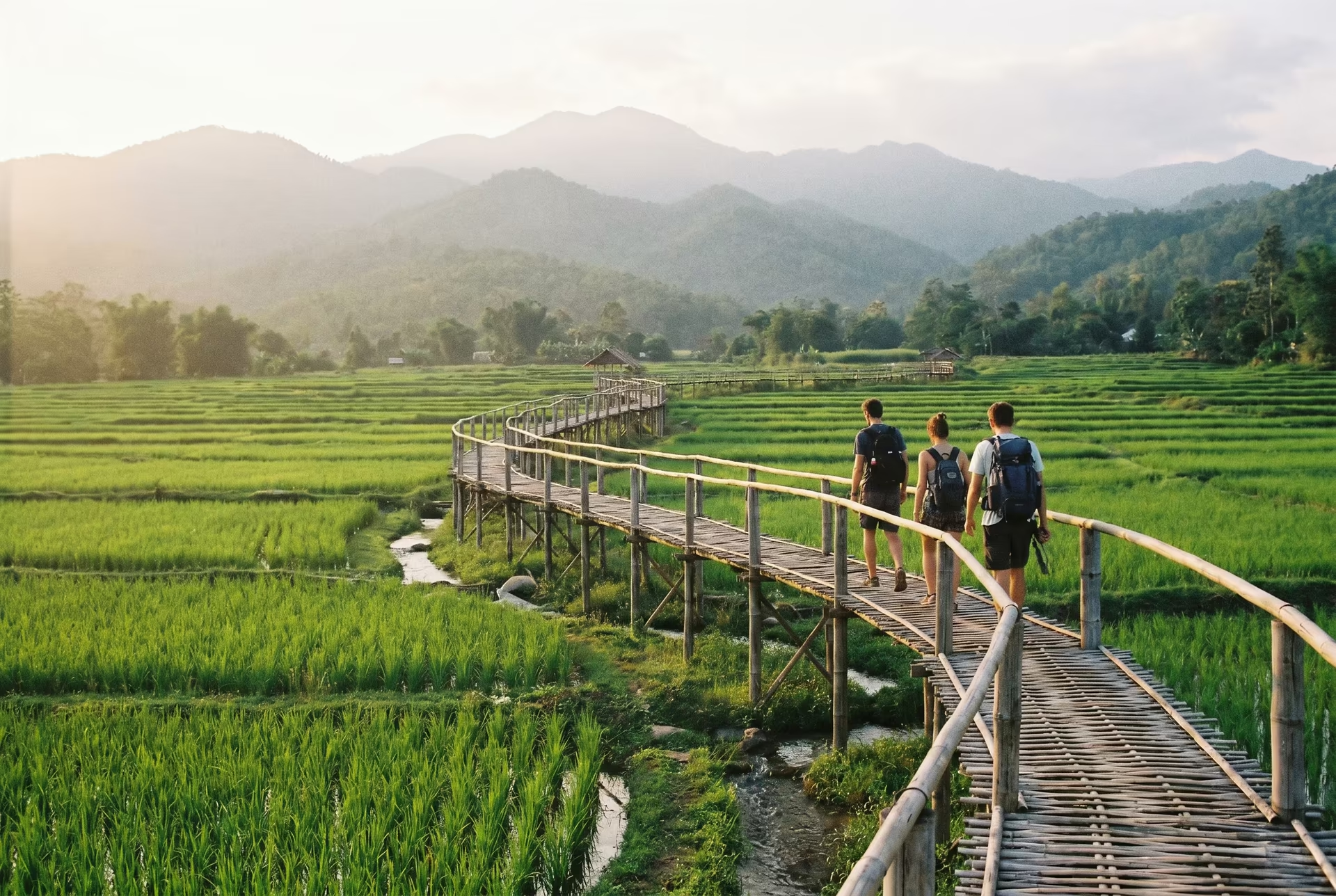
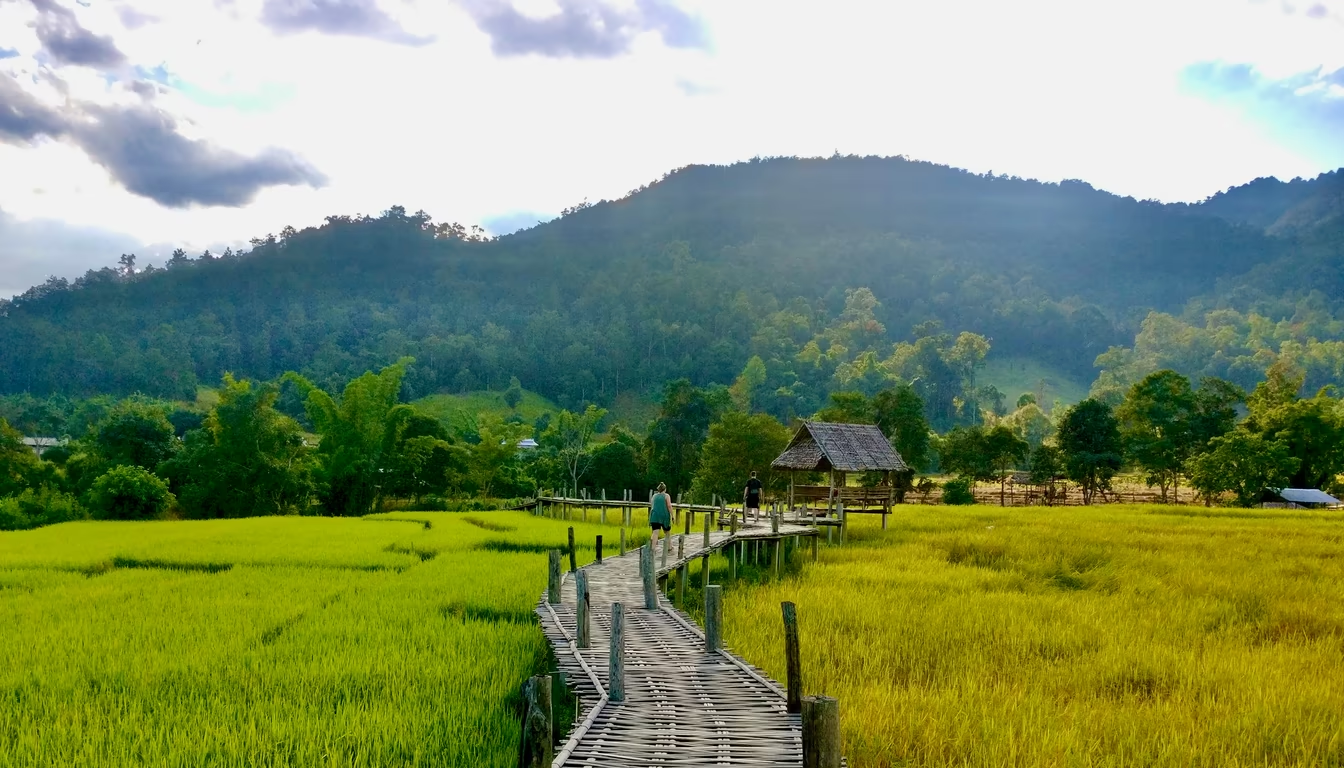
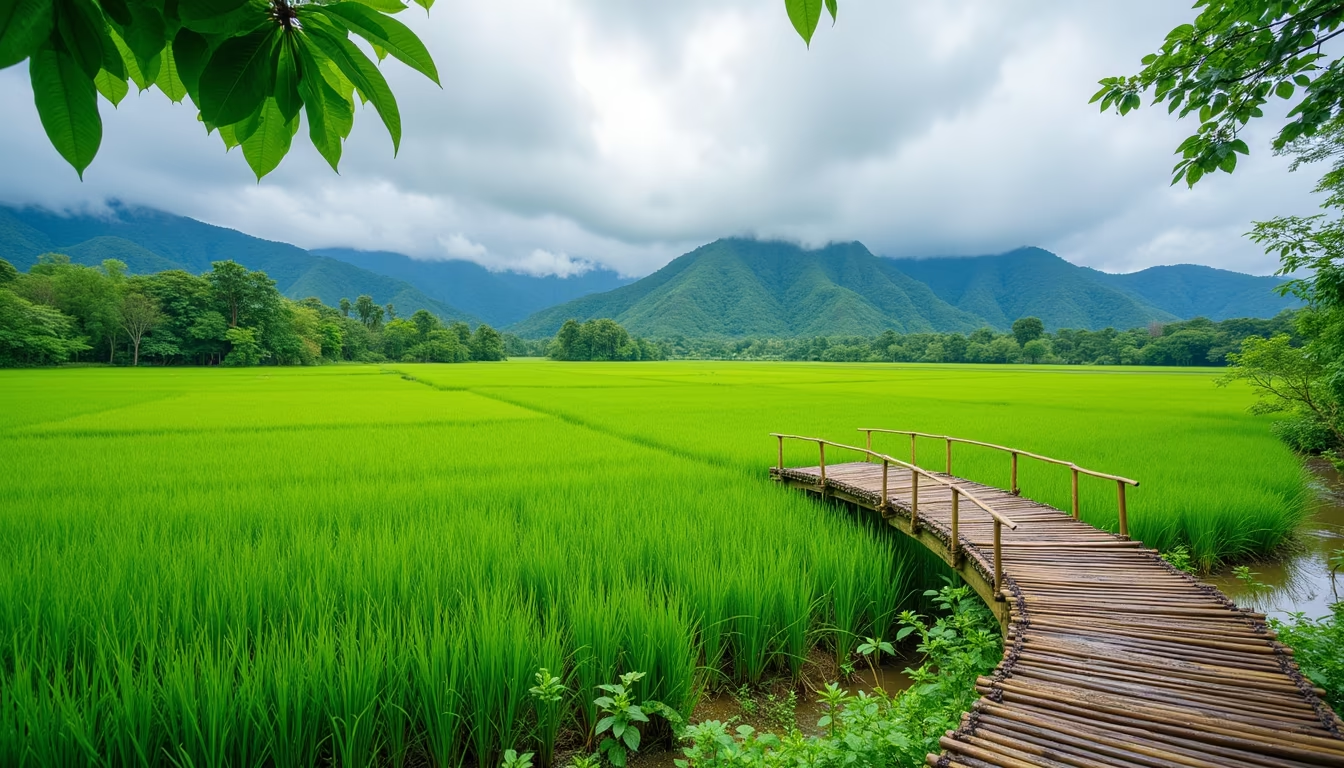
Read guideThe essential Pai hits are Pai Canyon at sunset, the hot springs, the bamboo bridge (Boon Ko Ku So) through the rice fields, a waterfall or two, the Yun Lai and Pai viewpoints, and Walking Street at night.
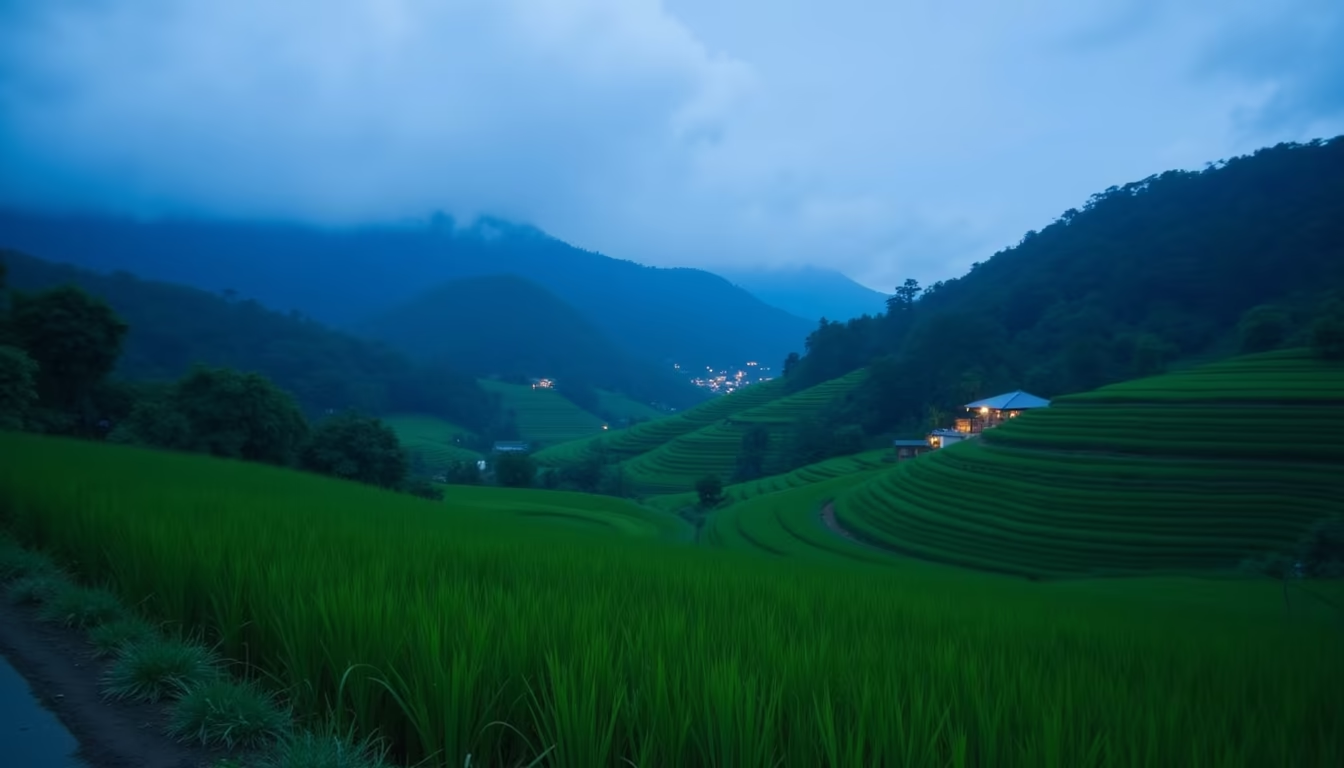
Read guideA perfect Pai trip is 3 days: Day 1, settle in and explore Walking Street; Day 2, the bamboo bridge and rice fields, hot springs, then Pai Canyon for sunset; Day 3, a waterfall, a viewpoint and slow coffee.
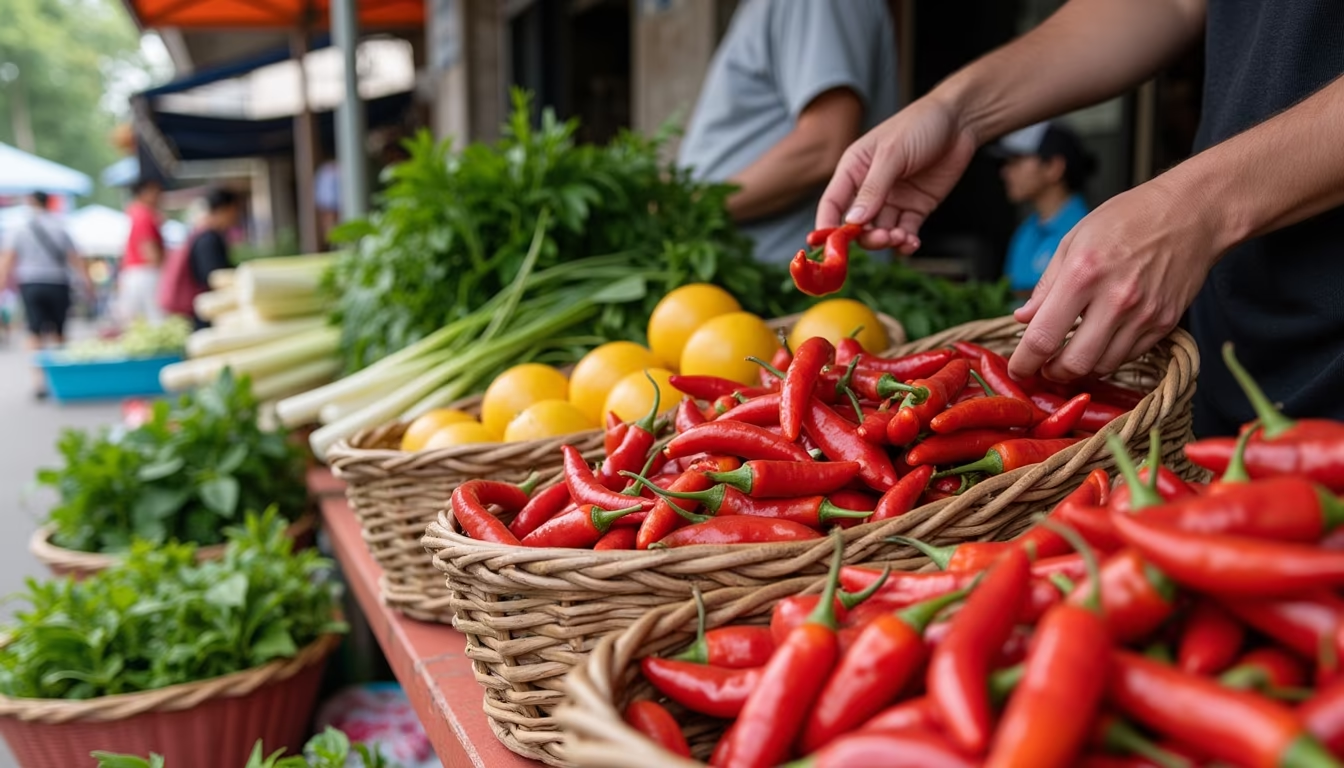
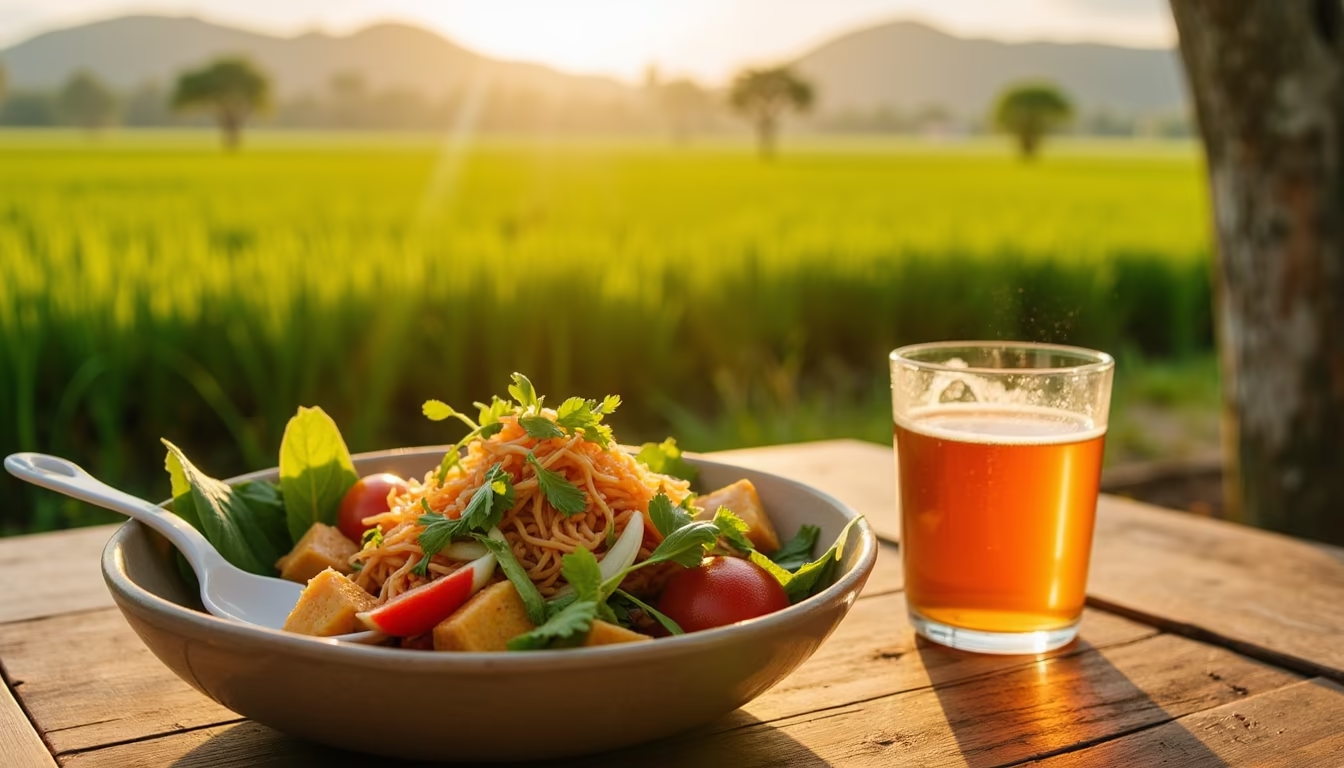
Read guidePai's food runs from the Walking Street night market (cheap, brilliant street food) to cozy cafés and hillside restaurants.
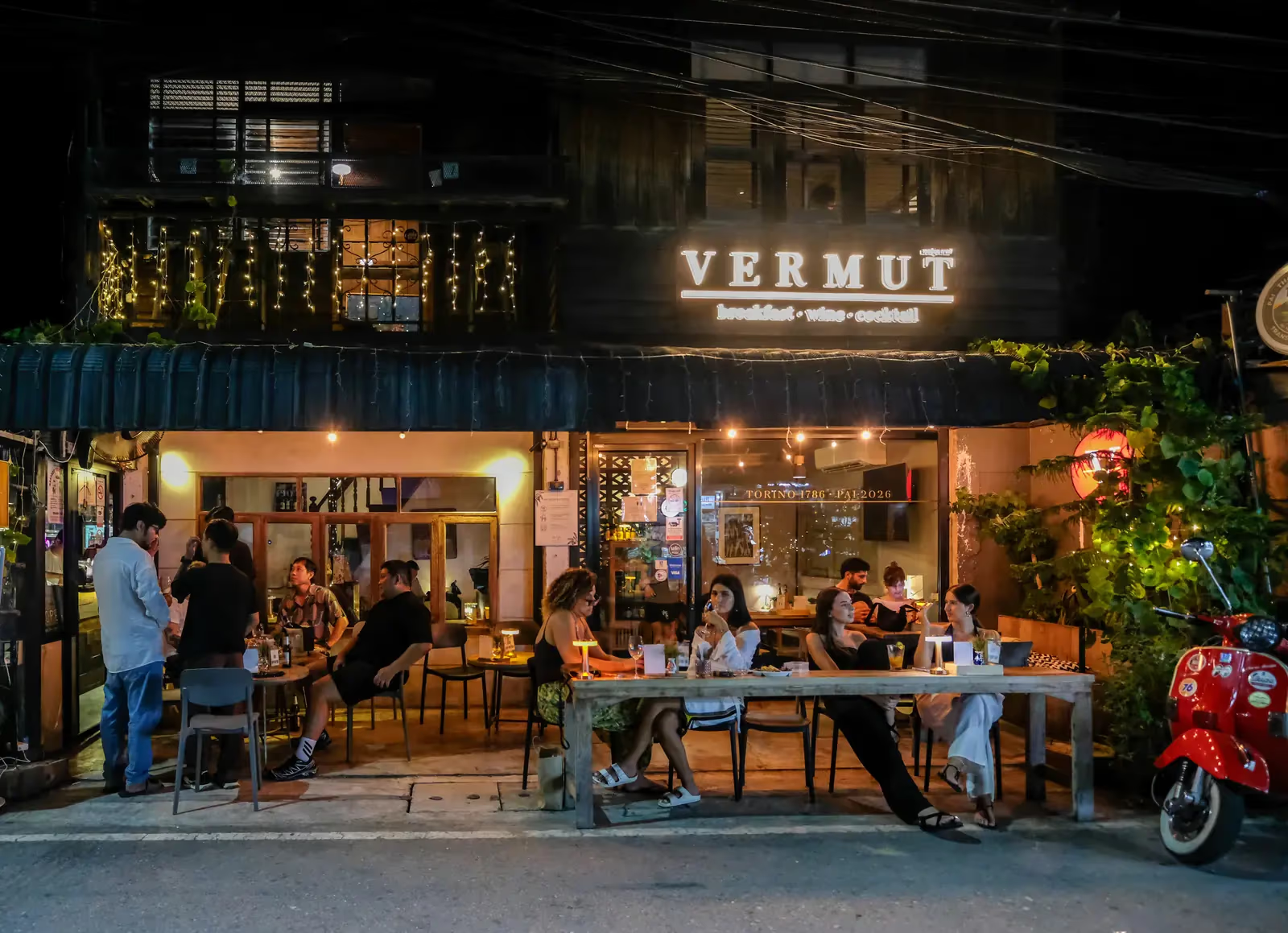
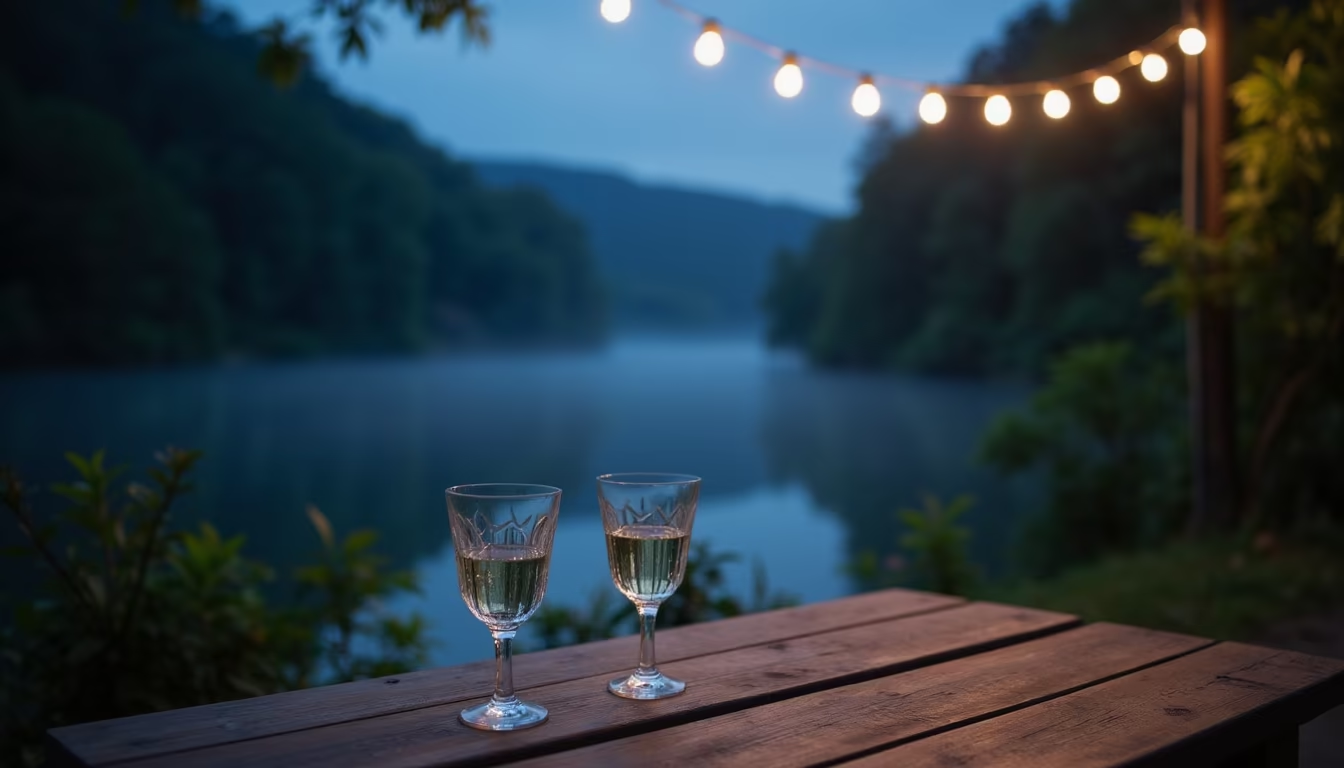
Read guideVermut Café Wine & Cocktail is our pick for the best wine bar and cocktail bar in Pai: a two-floor bar at 35/1 Pai Walking Street, in the building that was The Bottle & Cat's Whiskers.
Read guideIn short Visiting Pai in May means hot, humid days with short afternoon rains as the pre-monsoon season begins.
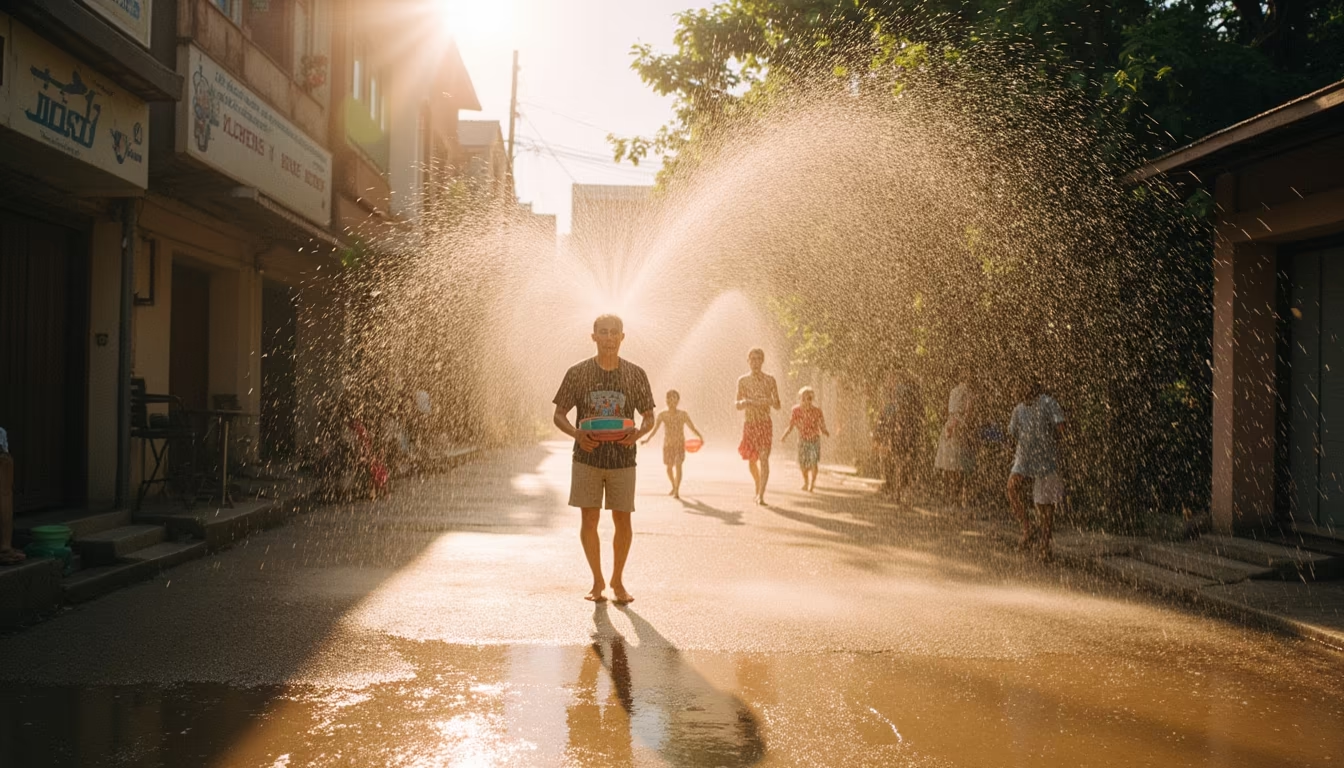
Read guideIn short Pai in April is hot, with afternoons often in the mid to high 30s C, and it brings Songkran, the Thai New Year water festival, around 13 to 15 April.
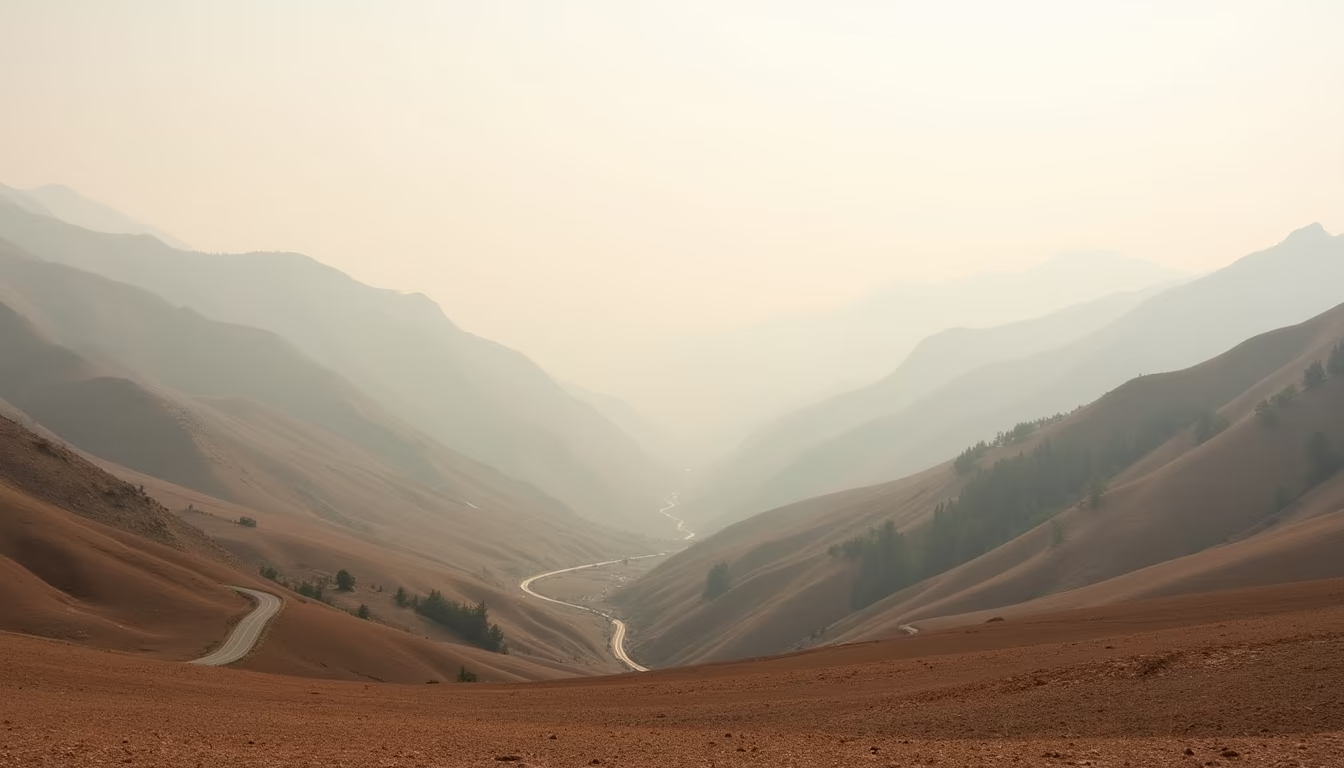
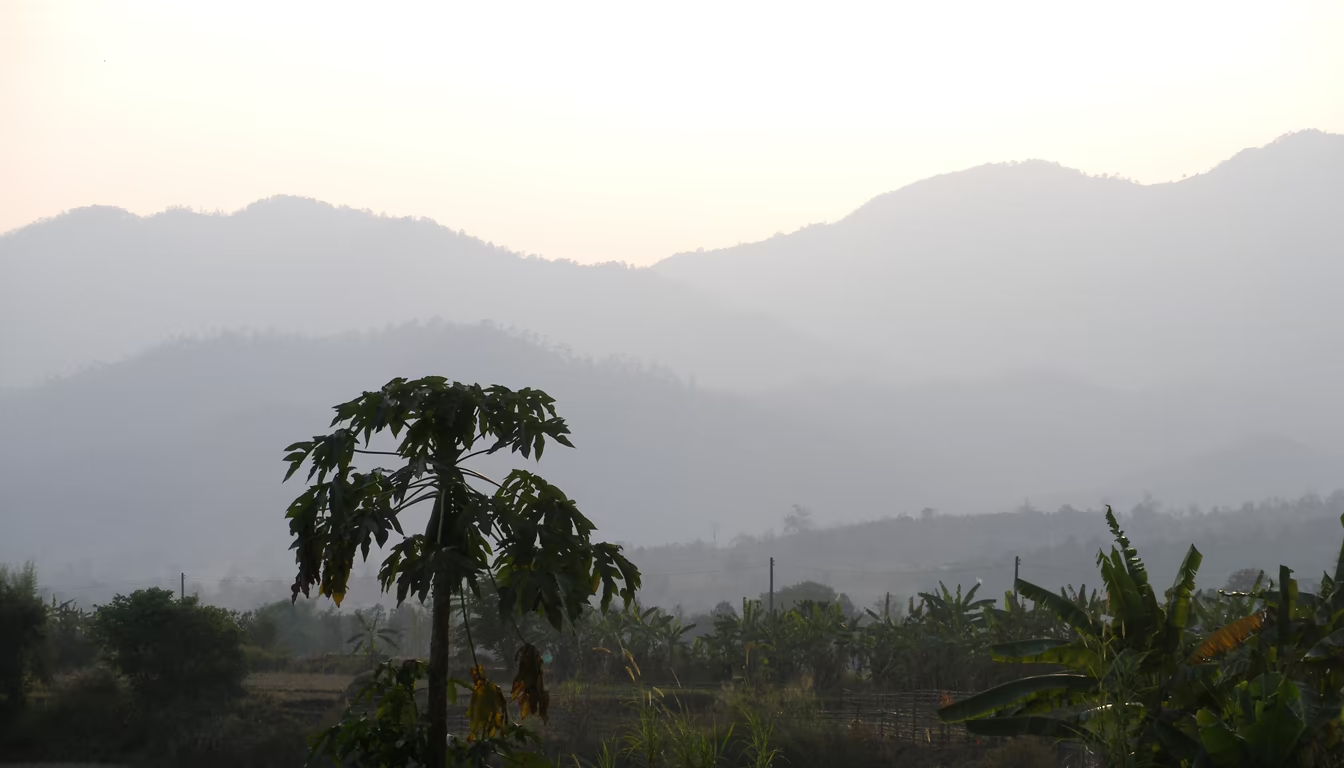
Read guideIn short Visiting Pai in March means hot, hazy days as the regional burning season begins, so long views and crisp photos are unlikely.
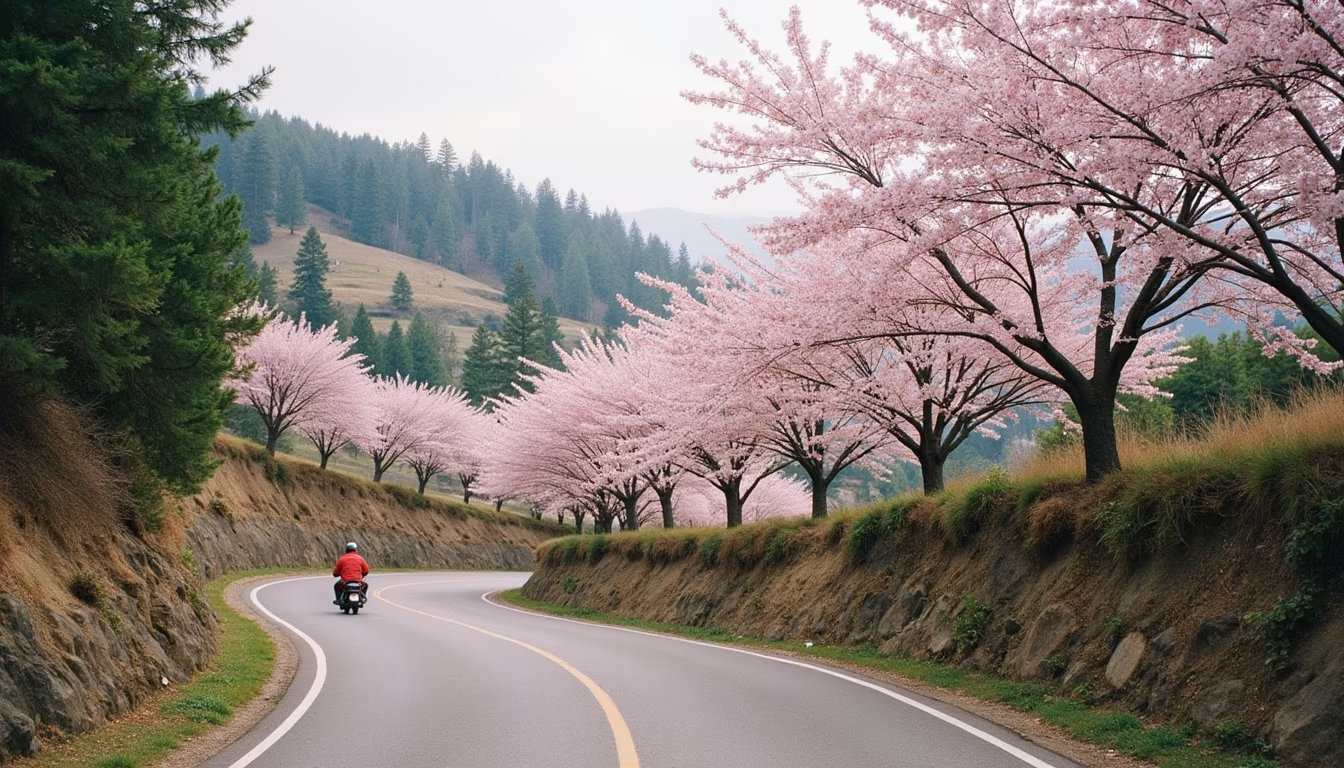
Read guideIn short Visiting Pai in February means cool, dry days, mild nights, and fog that eases as the month goes on.
Read guideIn short Pai in January sits in the peak cool-dry season, with mild days around 25 to 28C and cold nights that can drop to roughly 8 to 12C, so pack a warm layer.
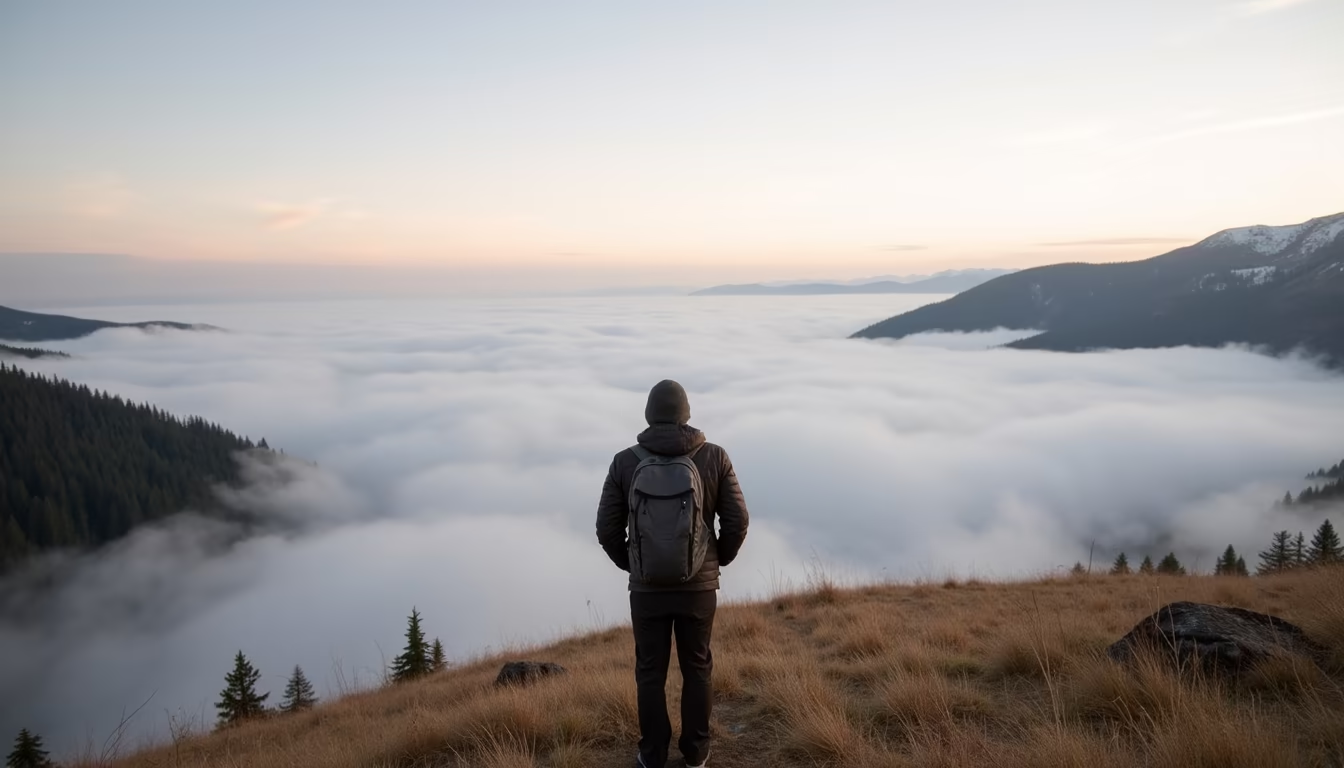
Read guideIn short The best pai photography spots are the sea-of-fog viewpoints at Yun Lai and Kho Ku So at sunrise, the bamboo bridge over the rice fields, Pai Canyon at sunset, the Memorial Bridge, and a few scenic cafes.
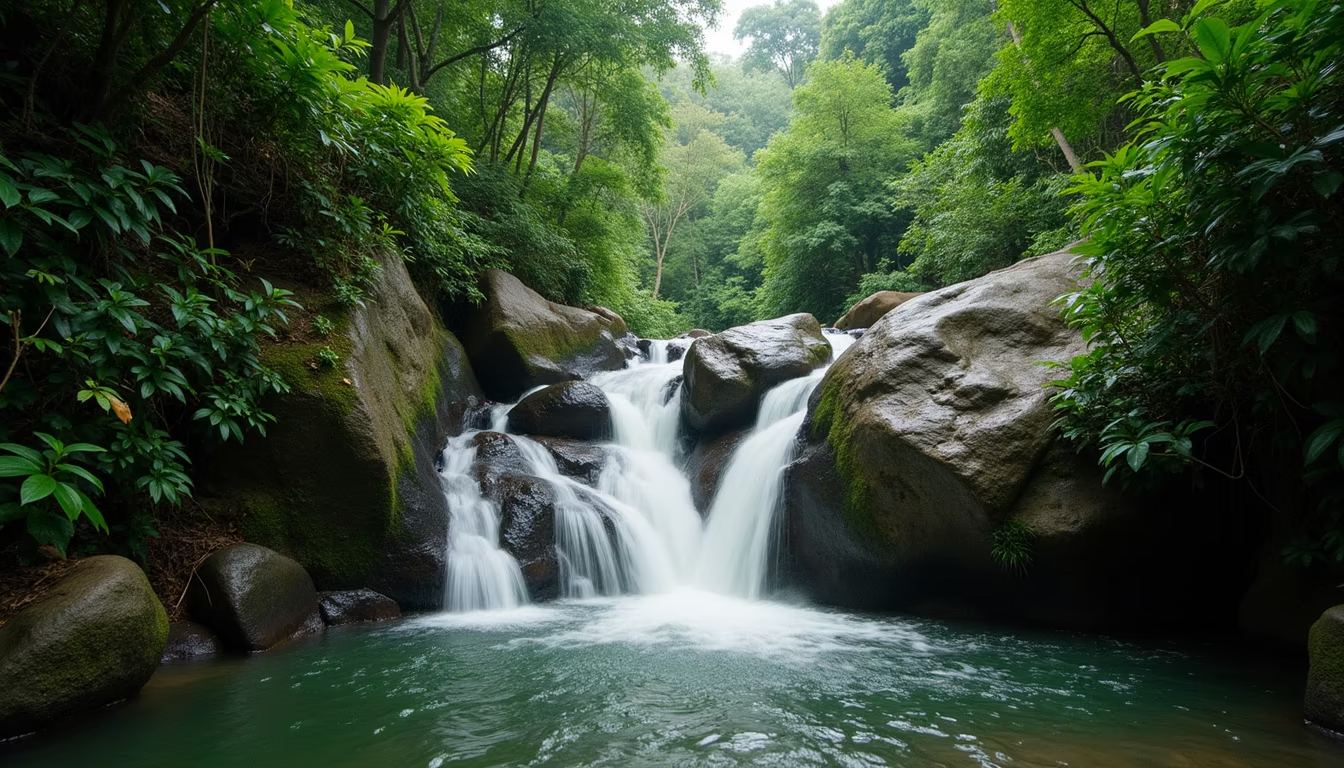
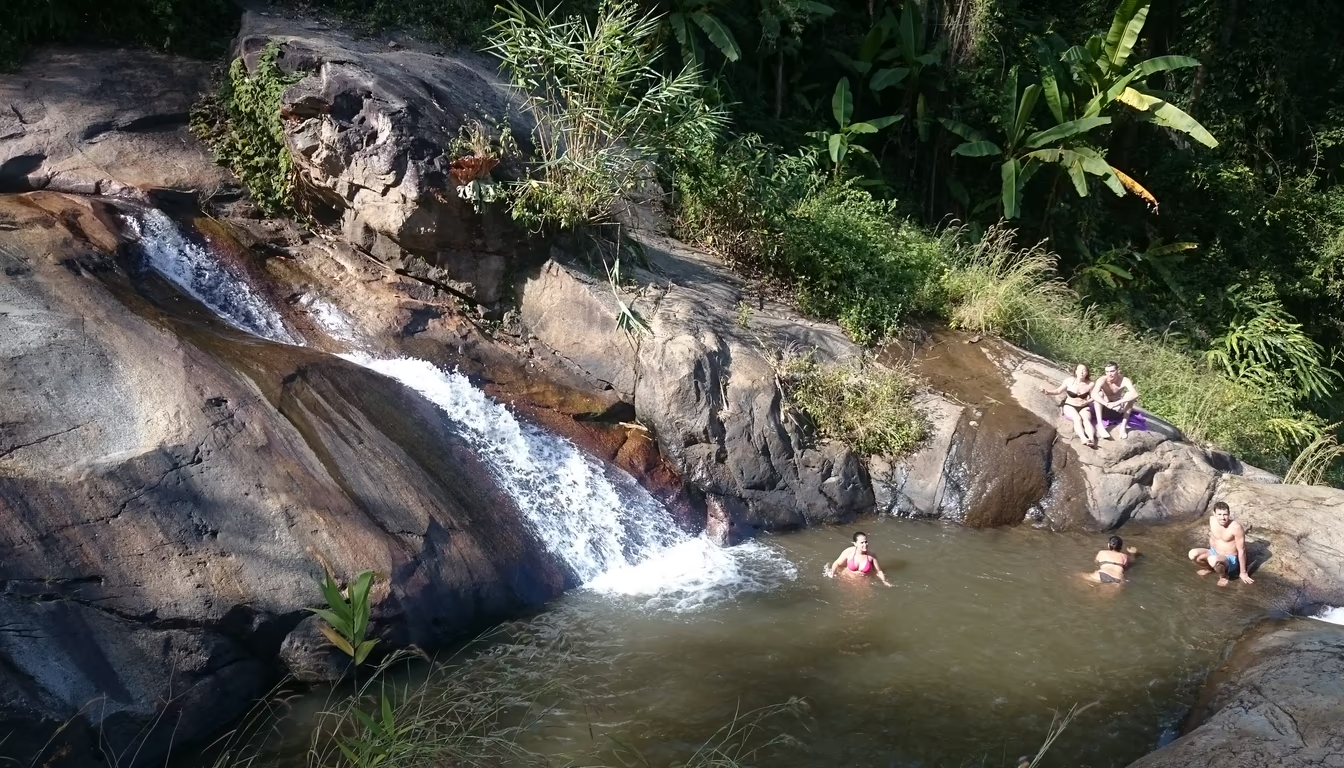
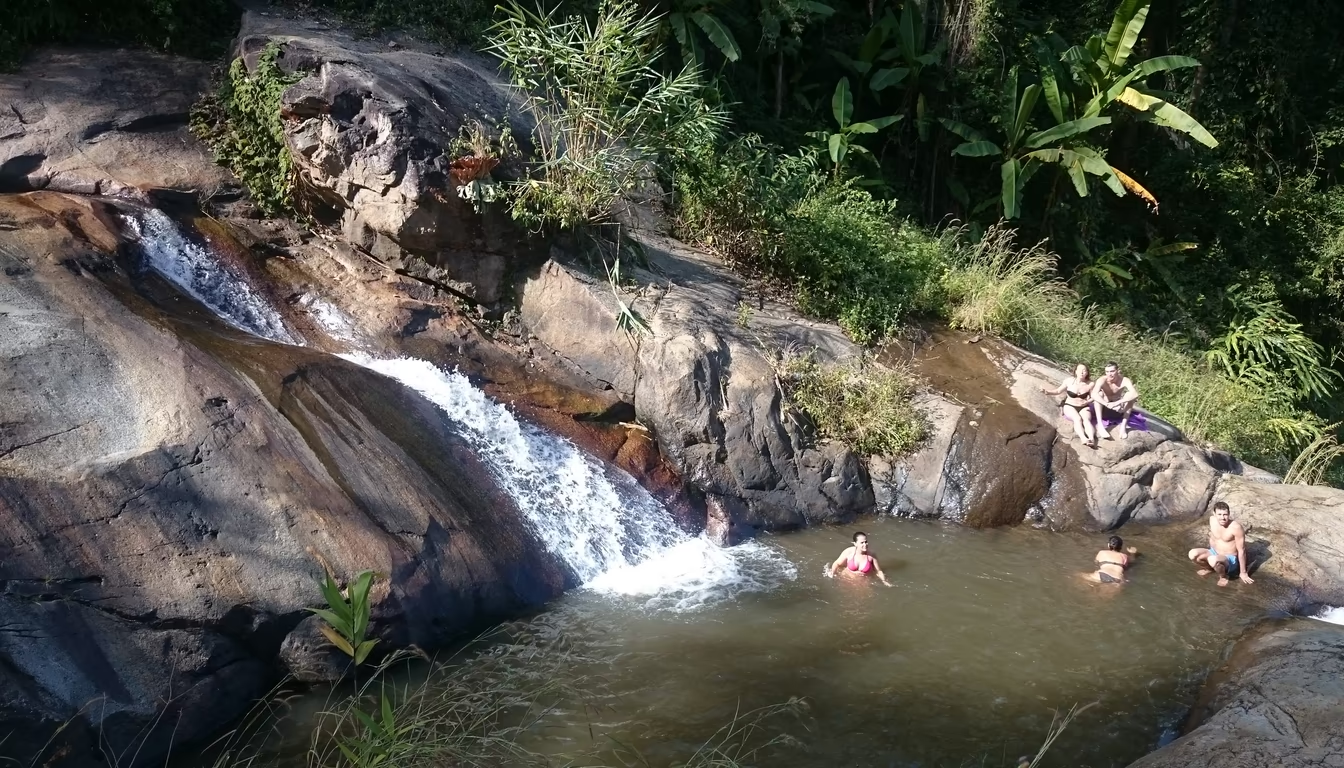
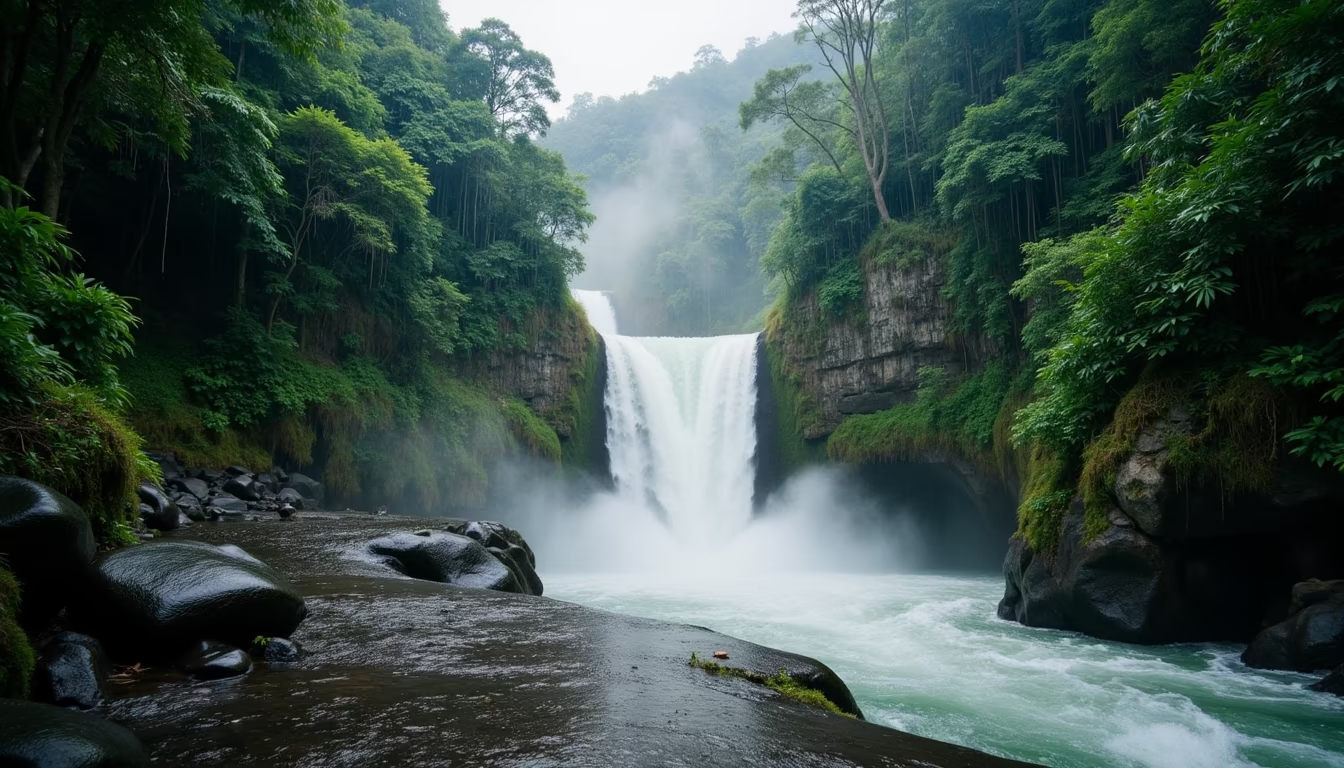
Read guideIn short The best-known waterfalls near Pai are Mo Paeng, with tiered natural rock slides, Pam Bok, a cool shaded gorge, and Mae Yen, a long barefoot river hike.
Read guideIn short Pai street food revolves around the Walking Street night market, where vendors line the pedestrian lane each evening with grilled meats, roti, khao soi, sticky rice and blended juices.
Read guideIn short Most pai shopping happens on the Walking Street night market, which fills the central road roughly from 6pm until late, mainly in the cooler and green months.
Read guideIn short A pai cooking class usually starts with a short local market tour, then teaches three to five northern Thai dishes, including a curry paste pounded from scratch.
Read guideIn short A romantic Pai trip works best when you slow down: sunrise at Yun Lai, a private hot spring soak, dinner at a riverside table, and a stay tucked into the rice fields rather than on the noisy strip.
Read guideIn short Pai backpacking is very doable on roughly 700 to 1,200 baht a day, covering a hostel or budget bungalow, street food, a rented scooter, and free natural sights.
Read guideIn short Romantic Pai works best for couples as a slow two to three night stay built around a private room, a rented scooter, and a handful of spots like Yun Lai viewpoint and the hot springs.
Read guideIn short A good four day pai itinerary mixes one slow arrival day, two full days for canyons, waterfalls and hot springs, and a relaxed final morning before the drive back to Chiang Mai.
Read guideIn short A good 3 days in Pai works best as one settling-in day near the centre, one full day of waterfalls and the canyon by scooter, and one slow morning of viewpoints and cafes before you leave.
Read guideIn short Spending 2 days in Pai works best when you split the valley by direction.
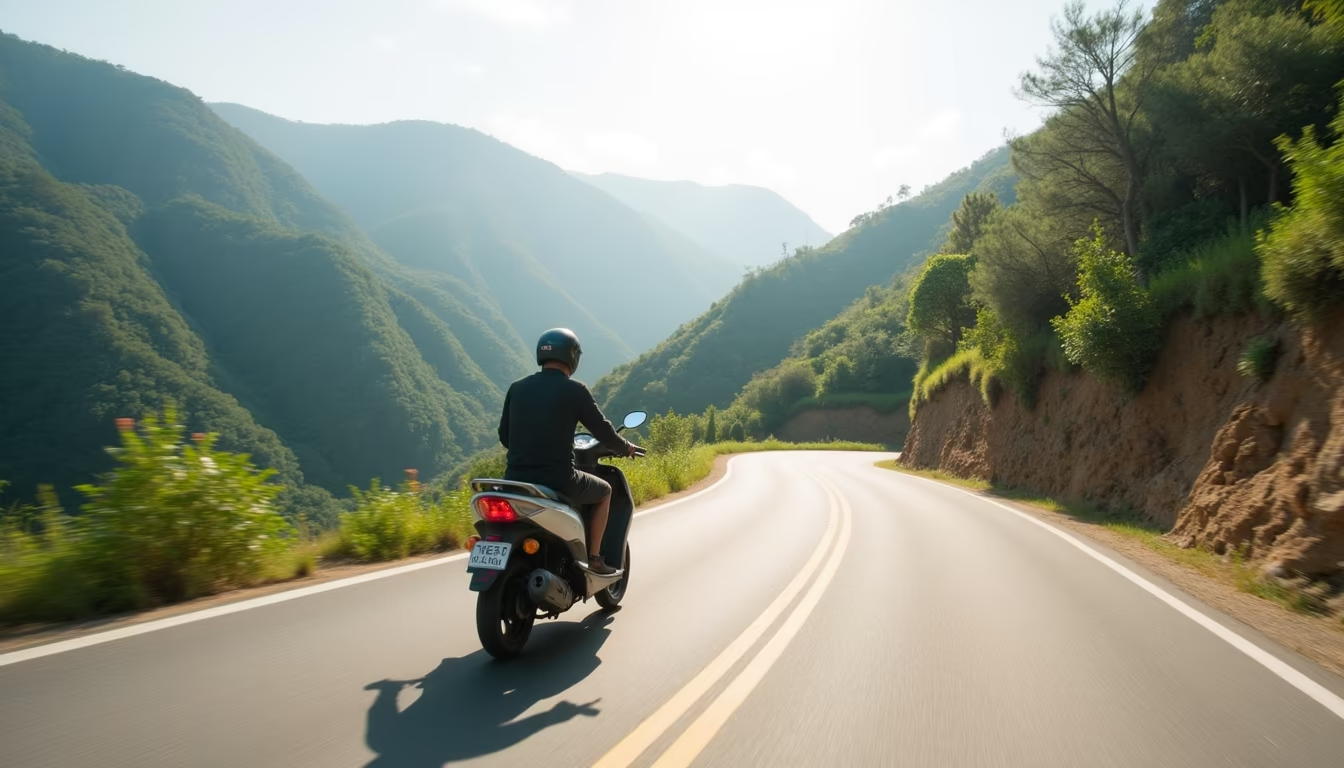
Read guideIn short Getting around Pai is easiest on two wheels: a scooter rents for roughly 100 to 200 baht a day and reaches every waterfall and viewpoint.
Read guideIn short Is Pai safe? Yes.
Read guideIn short Finding an ATM in Pai is easy: most Thai bank machines cluster on and around Rangsiyanon Road and the walking street.
Read guideIn short When you decide what to pack for Pai, plan for two climates in one trip: warm sunny days and genuinely cold mountain nights from November to February.
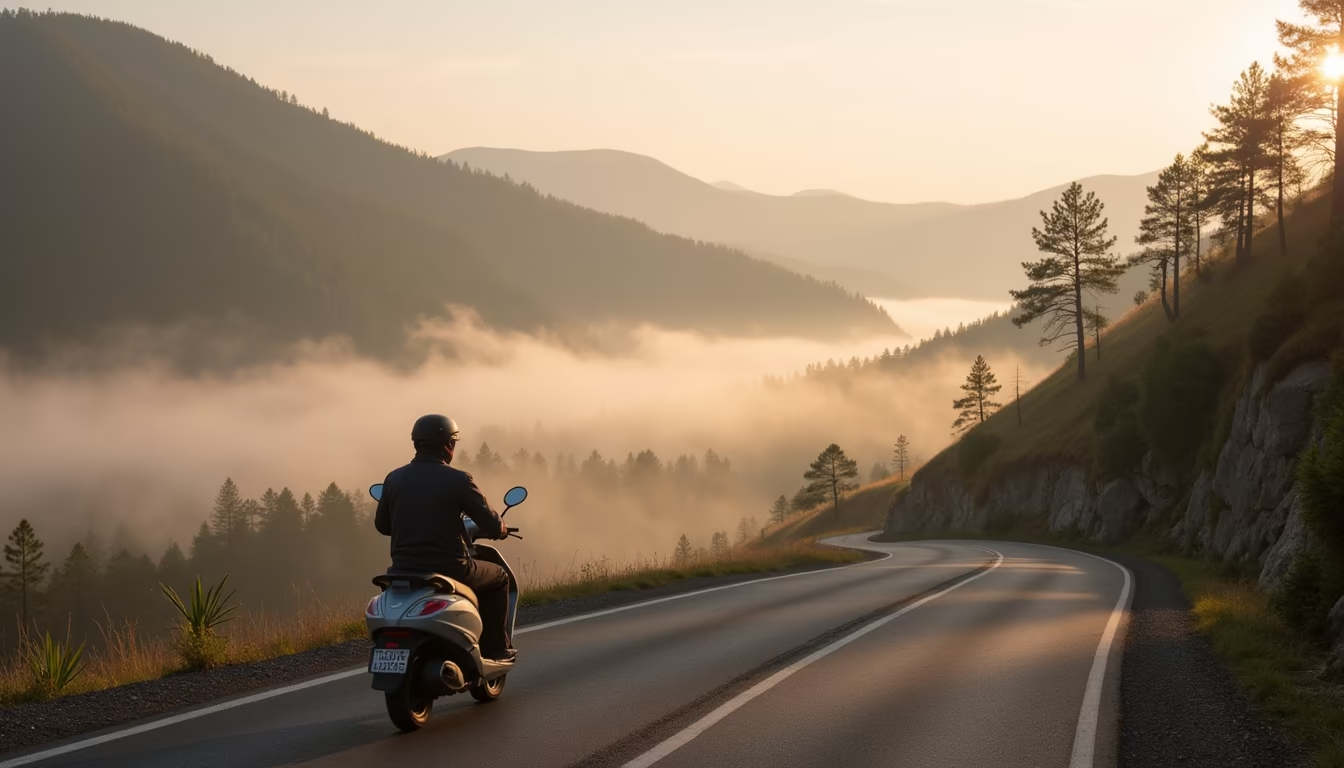
Read guideIn short The pai motorbike loop is best ridden as a few short day circuits rather than one long road, since most viewpoints sit within 30 to 40 minutes of town.
Read guideIn short A strawberry pai trip is best from December to February, when the cool-season berries ripen on the small farms ringing town.
Read guideIn short The pai vs chiang mai choice comes down to pace.
Read guideIn short For a first-timer this pai travel guide comes down to four things: arrive cool season (November to February), give it three nights minimum, rent a scooter only if you can already ride, and book your stay direct.
Read guideIn short A relaxed 1 week in Pai works best as a slow travel itinerary: arrive and rest on day one, ease into waterfalls and the night market mid-week, save canyon sunsets and hot springs for the cooler edges of the day, and keep two mornings completely open.
Read guideIn short A good 1 day in Pai means a morning viewpoint, a midday waterfall or canyon, the afternoon in town for coffee and the bridge, then sunset at Pai Canyon and the night market for dinner.
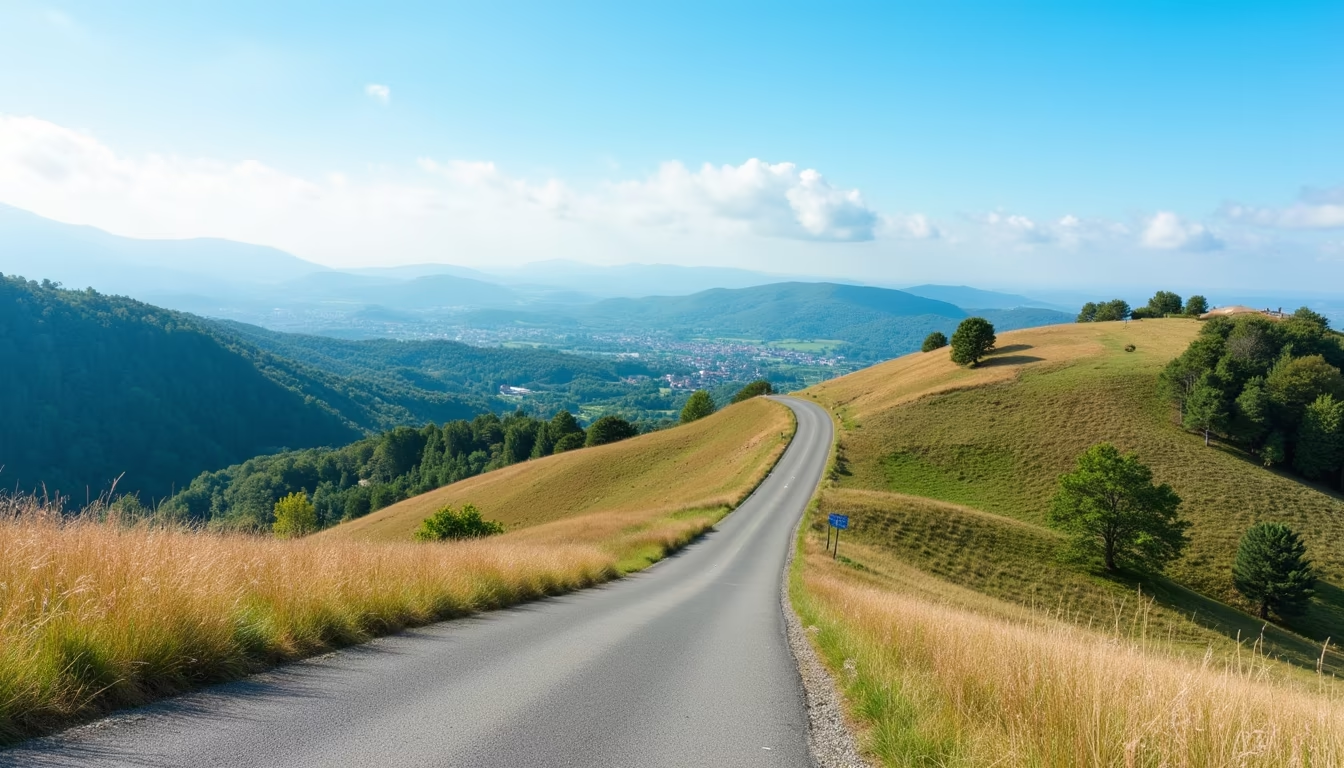
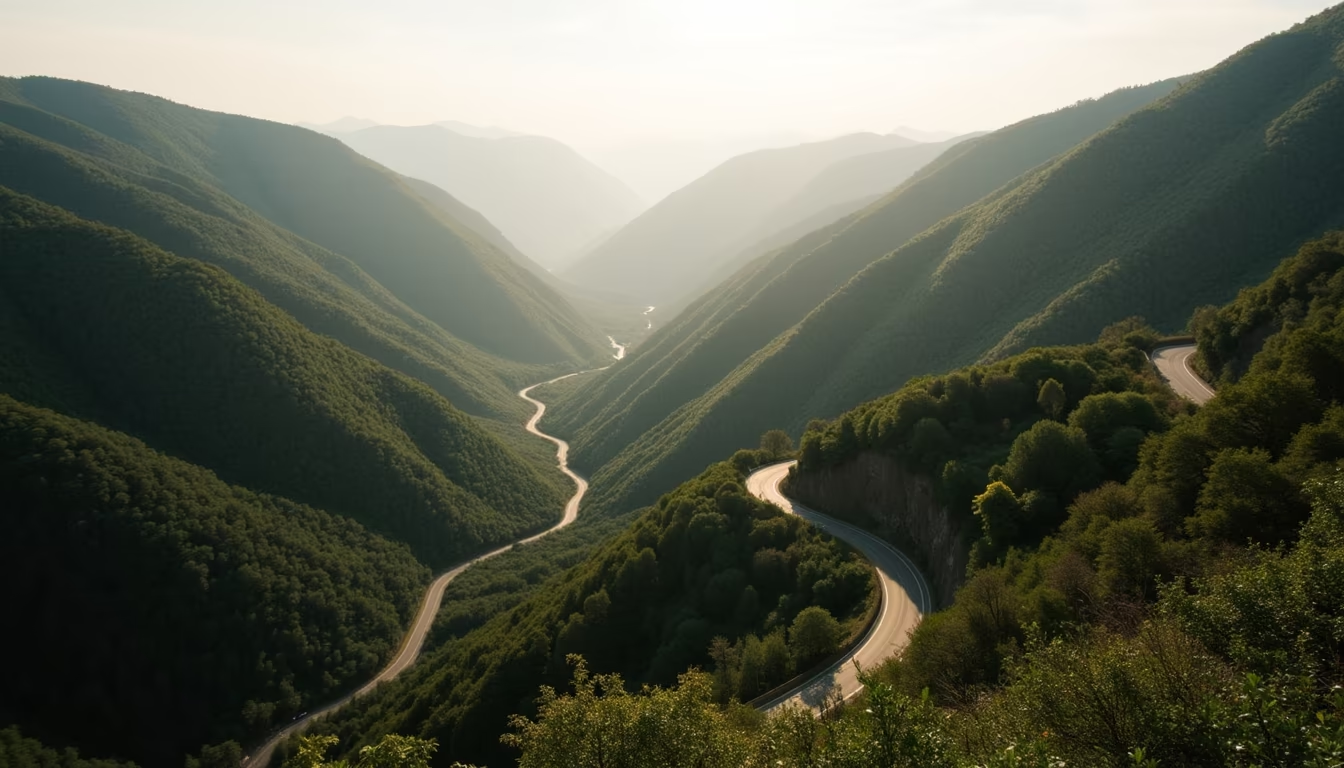
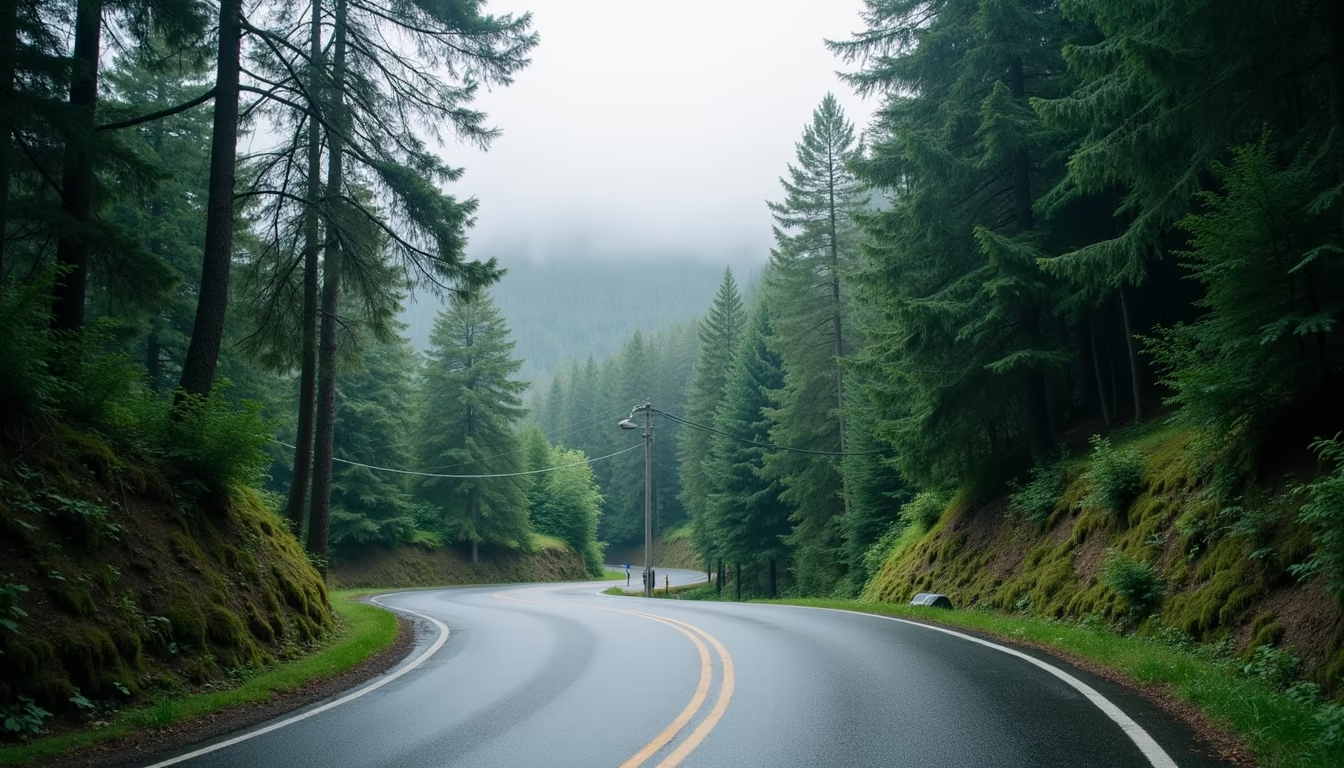
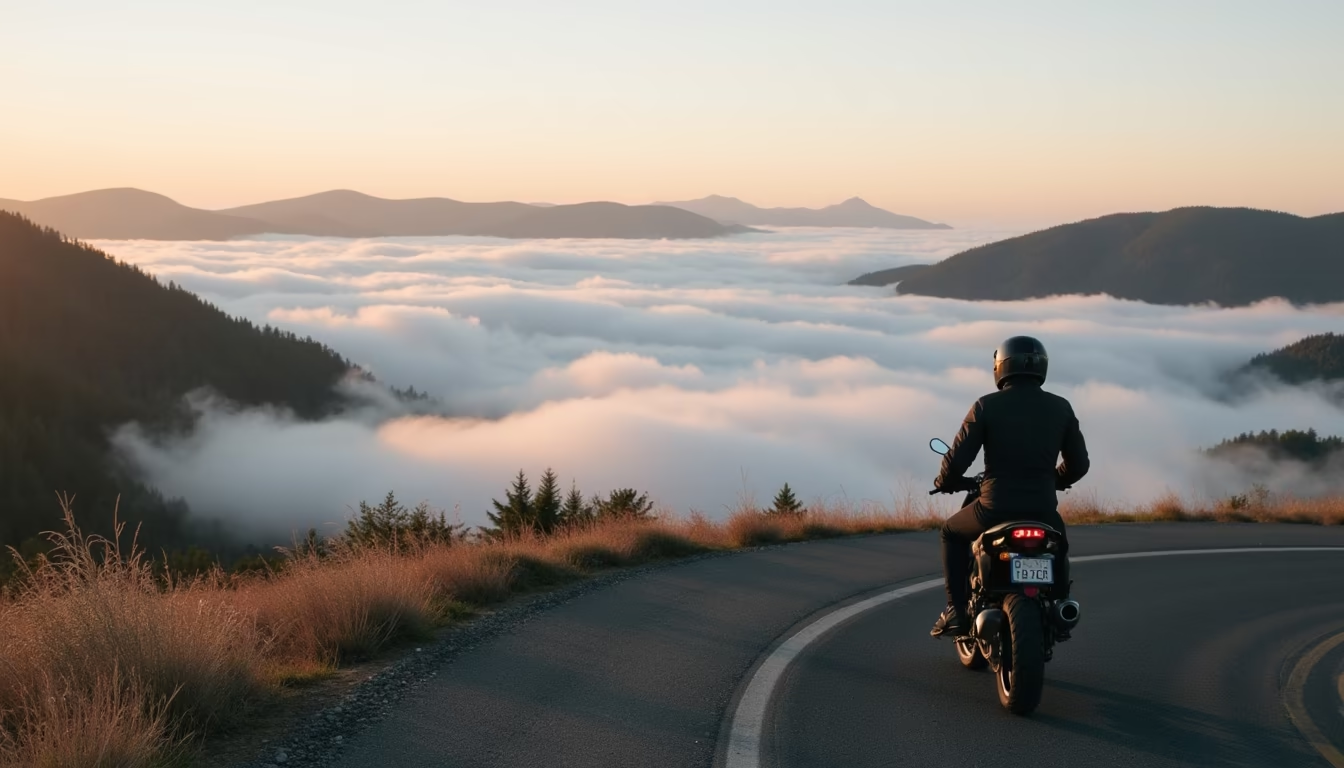
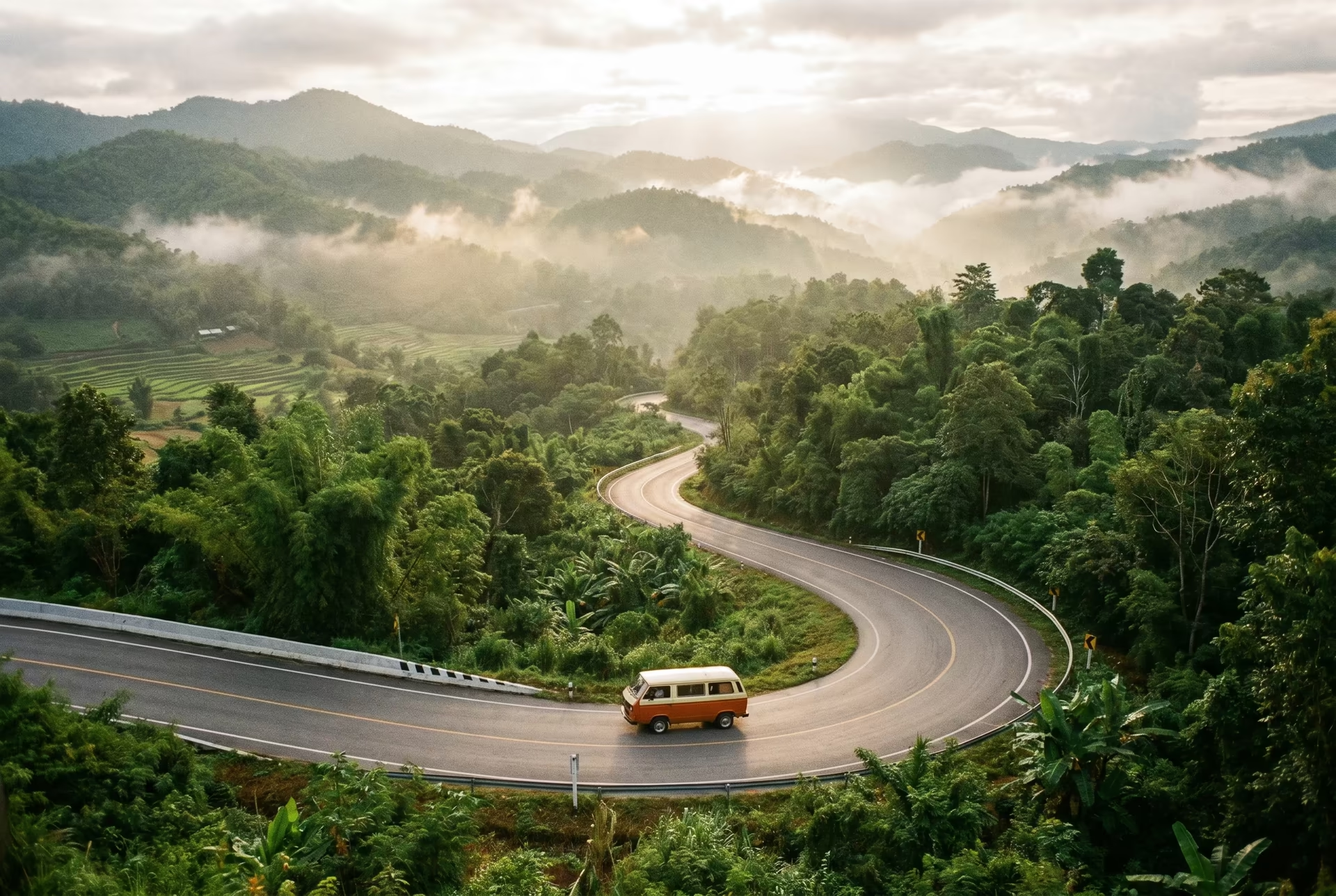
Read guideIn short The road to Pai is Route 1095 from Chiang Mai: about 130 km, roughly 3 to 4 hours, with 762 numbered curves through mountain forest.
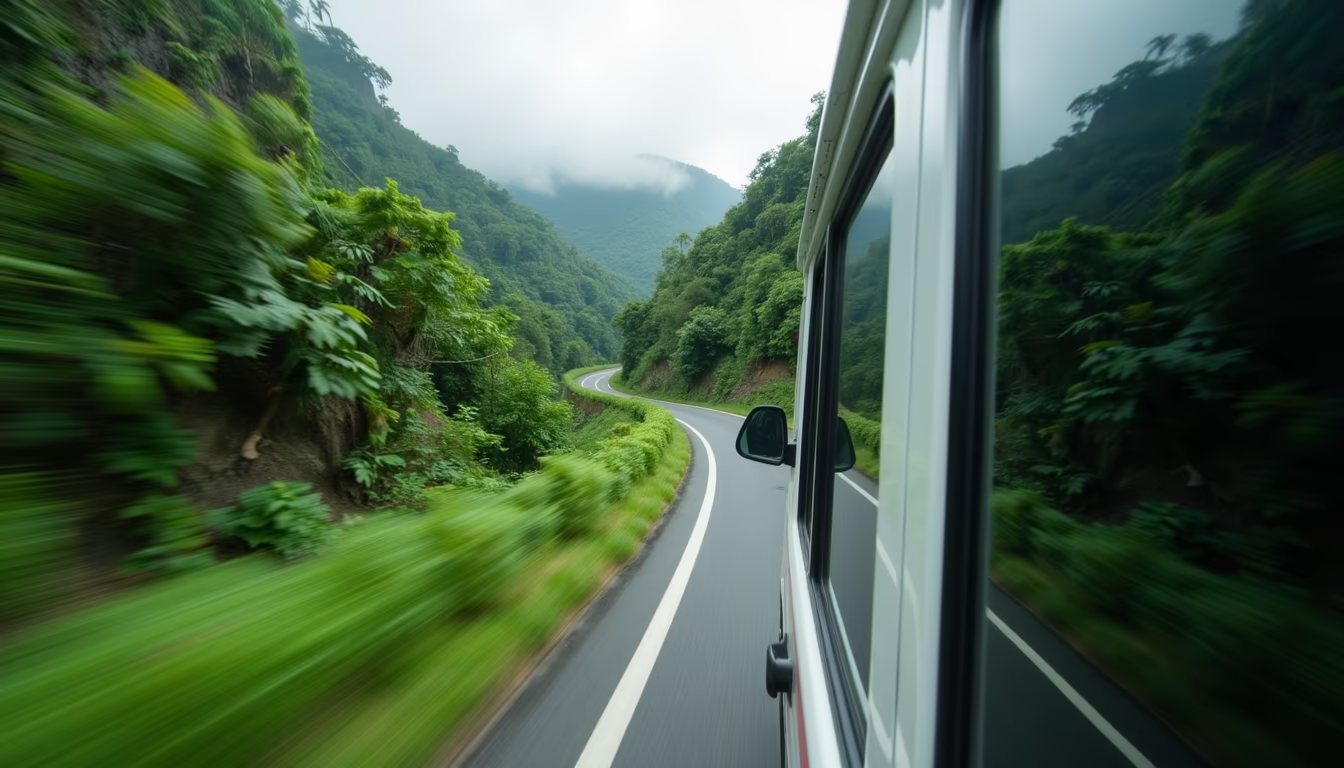
Read guideIn short A minivan to Pai is the fastest and most popular way to get there, taking around 3 hours from Chiang Mai for roughly 150 to 200 THB per seat.
Read guideIn short To travel bangkok to pai, first reach Chiang Mai by a 70-minute flight, a 10-12 hour overnight train, or a night bus.
Read guideIn short To work out how to get to Pai, start in Chiang Mai.
Read guideIn short A Pai to Ban Rak Thai day trip runs about 120 km each way via Mae Hong Son, roughly 3 hours of driving on twisting mountain roads.
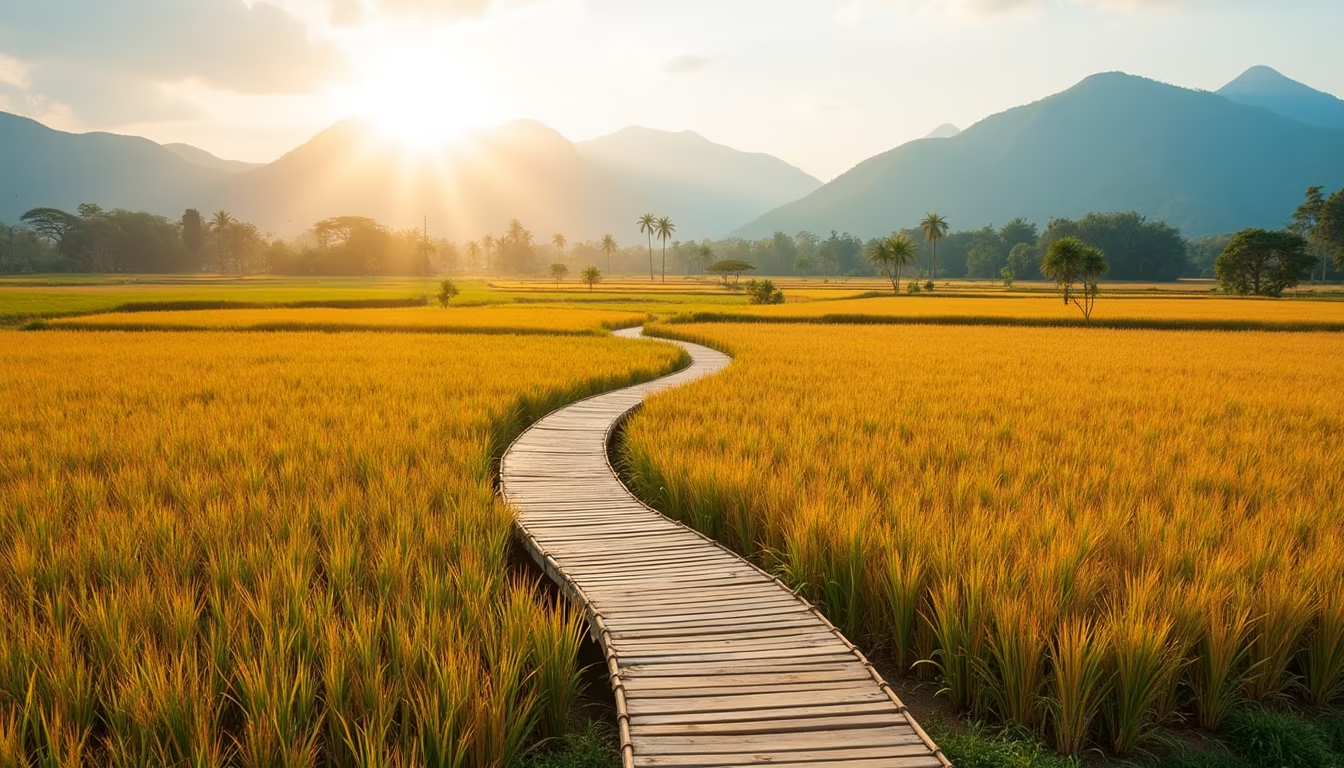
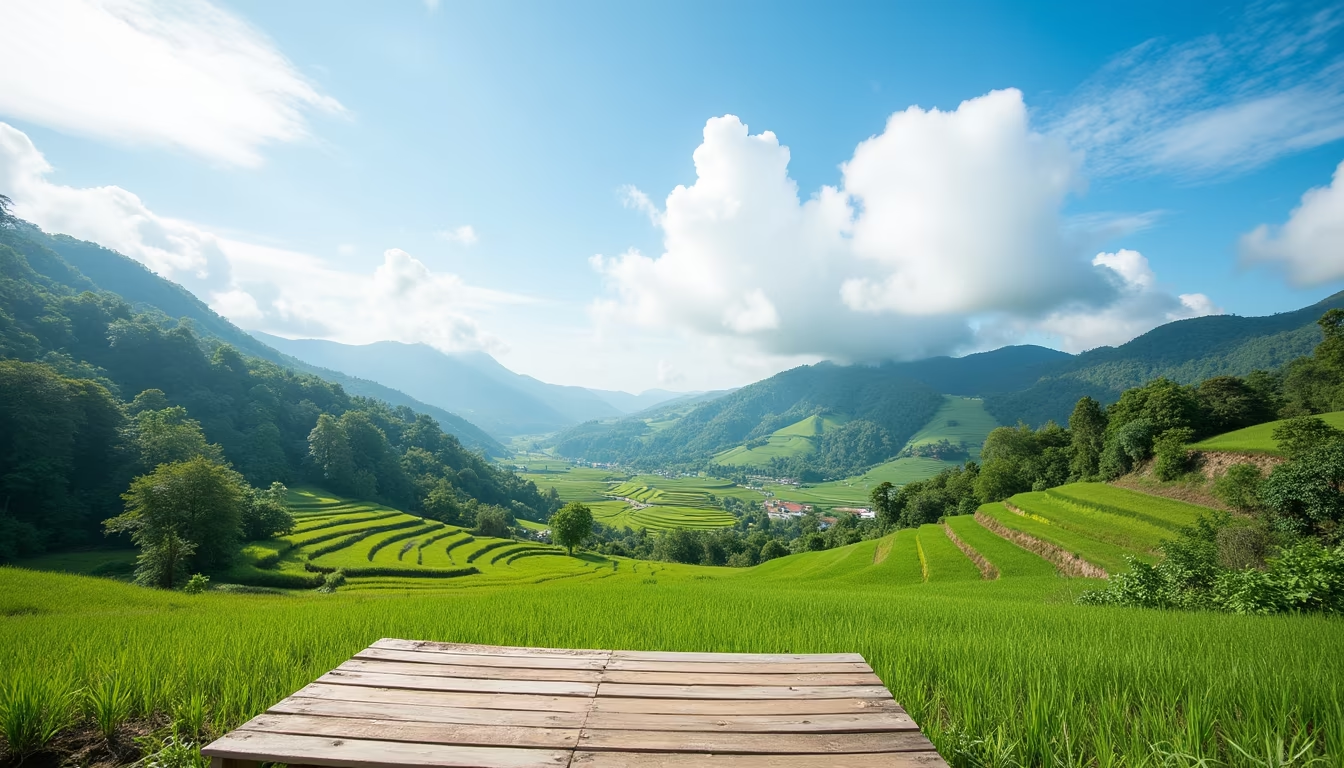
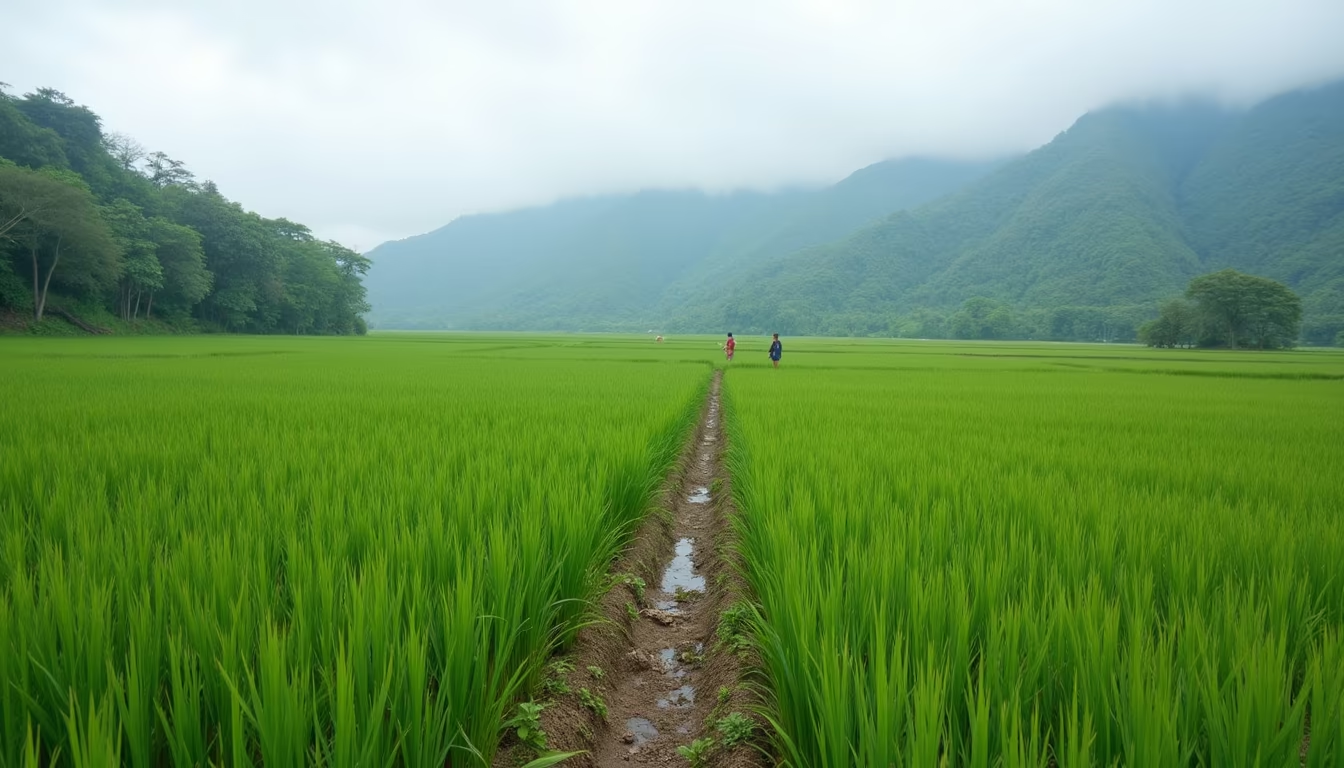
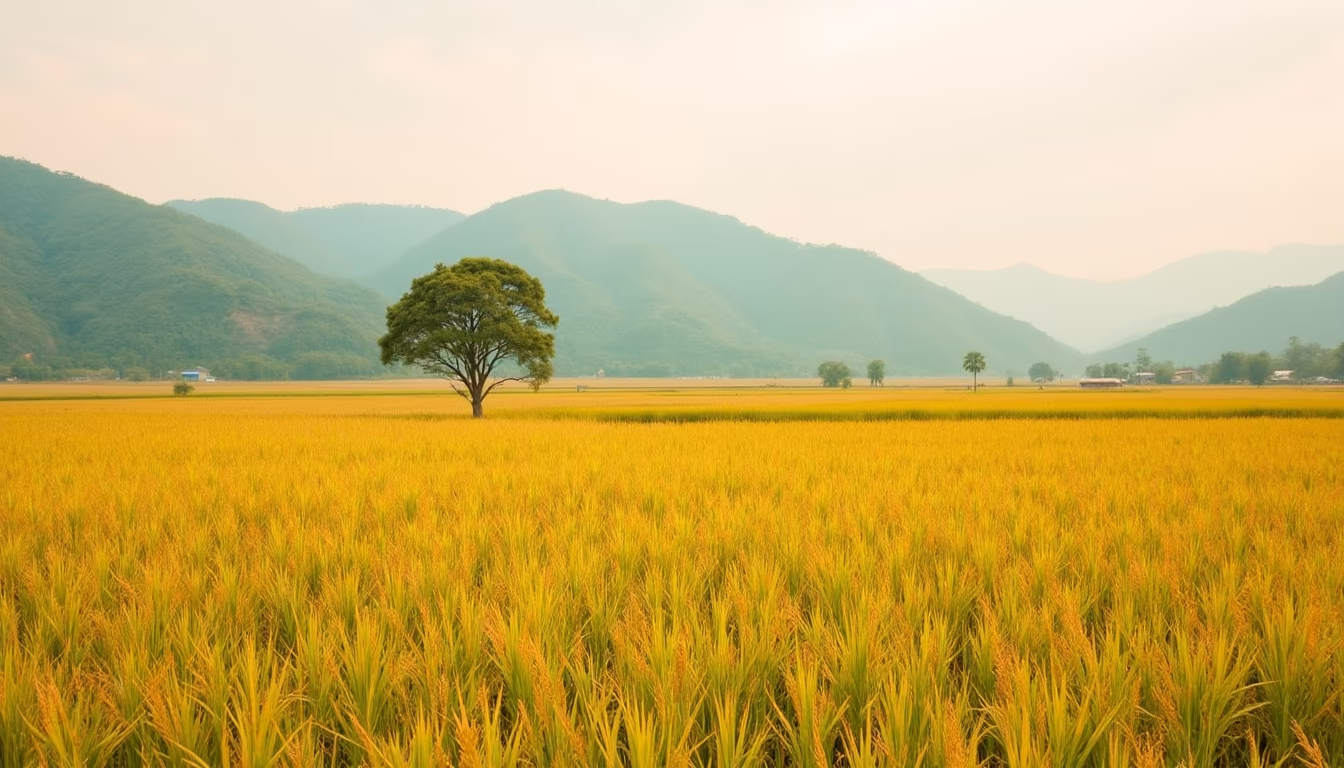
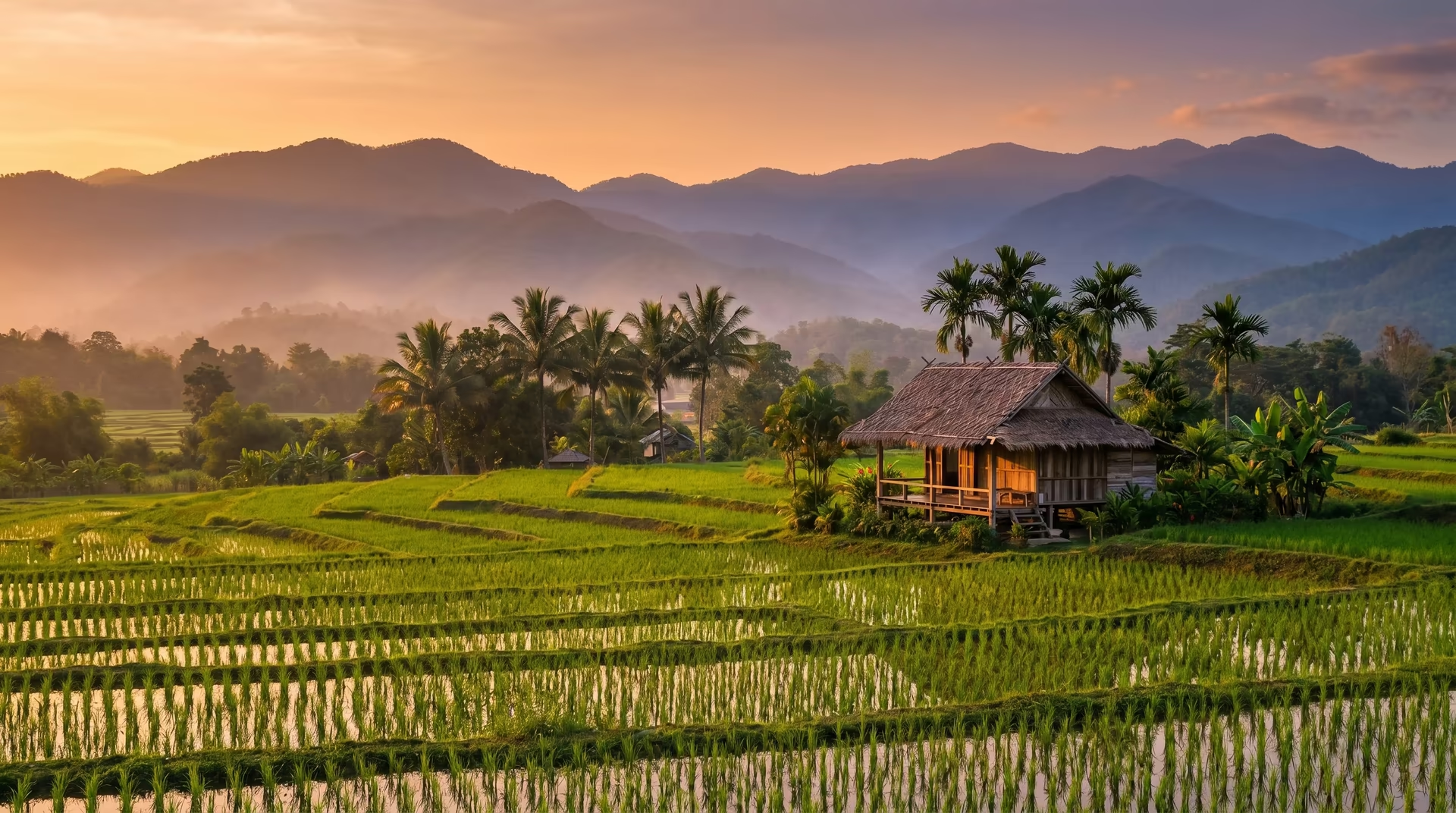
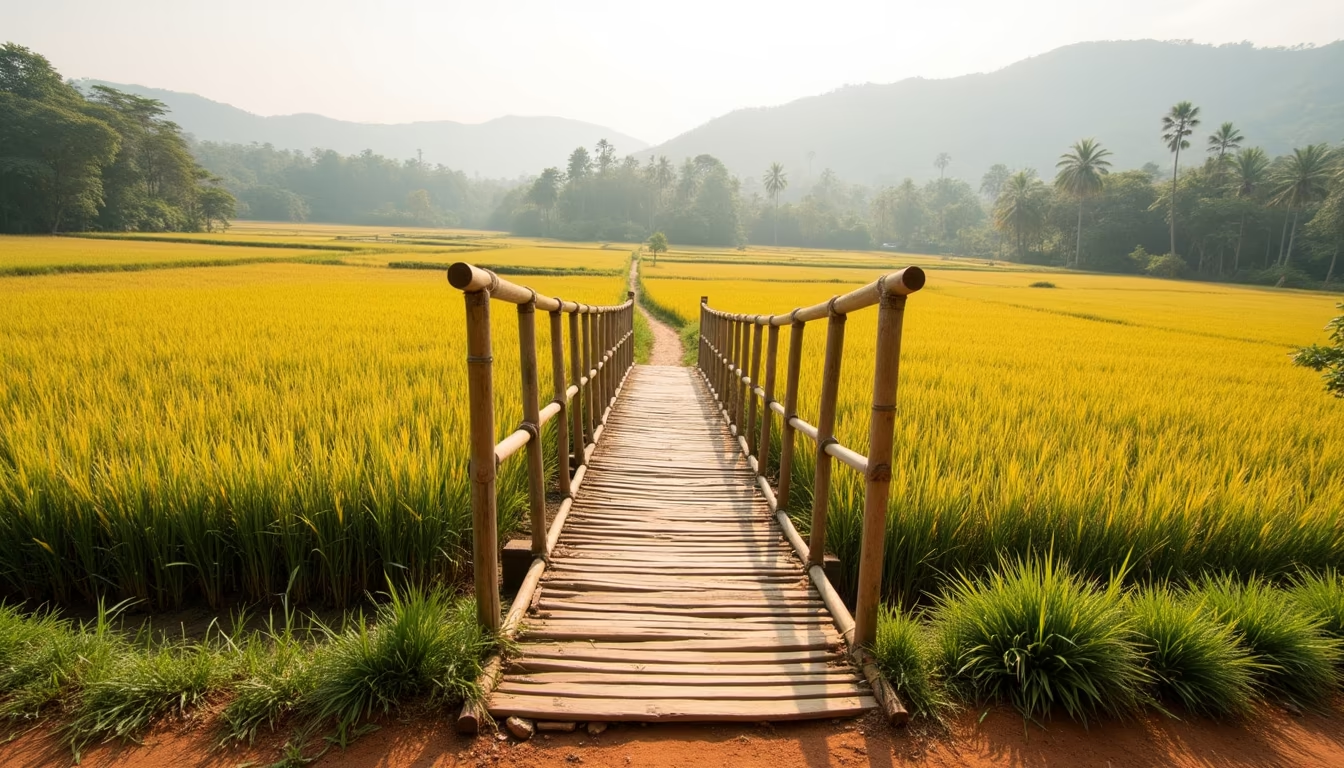
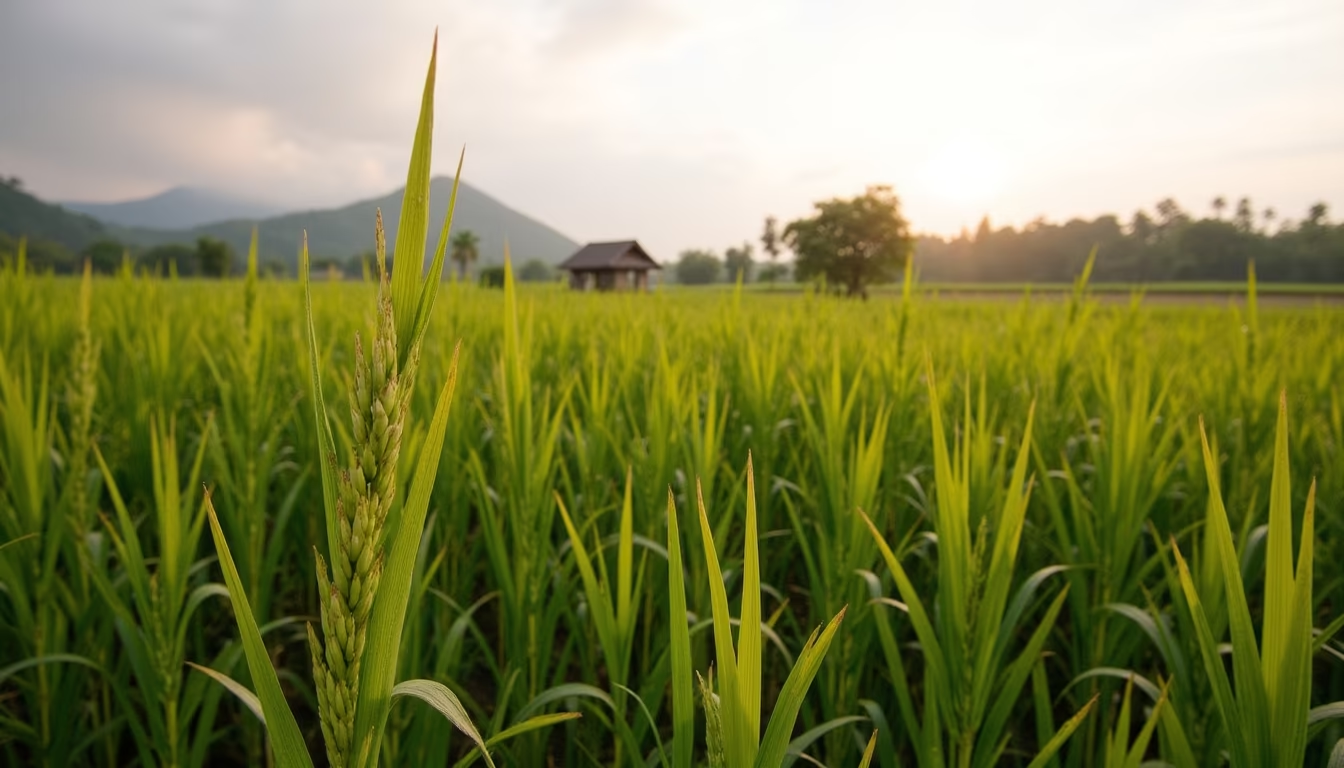
Read guideIn short The Bamboo Bridge Pai Thailand, locally called Boon Ko Ku So, is a long handwoven bamboo walkway crossing rice paddies toward a small forest temple, about 9 km southeast of Pai town.
Read guideIn short Wondering where to eat in pai ? Split the day by zone.
Read guideIn short Eating vegan pai style is easy: the town has raw-food cafes, vegan Thai kitchens, and smoothie-bowl spots clustered around Walking Street and the rice fields.
Read guideIn short Yes, Pai is worth visiting if you want slow mountain mornings, hot springs, waterfalls and a relaxed café-and-night-market rhythm, and you give it at least two nights.
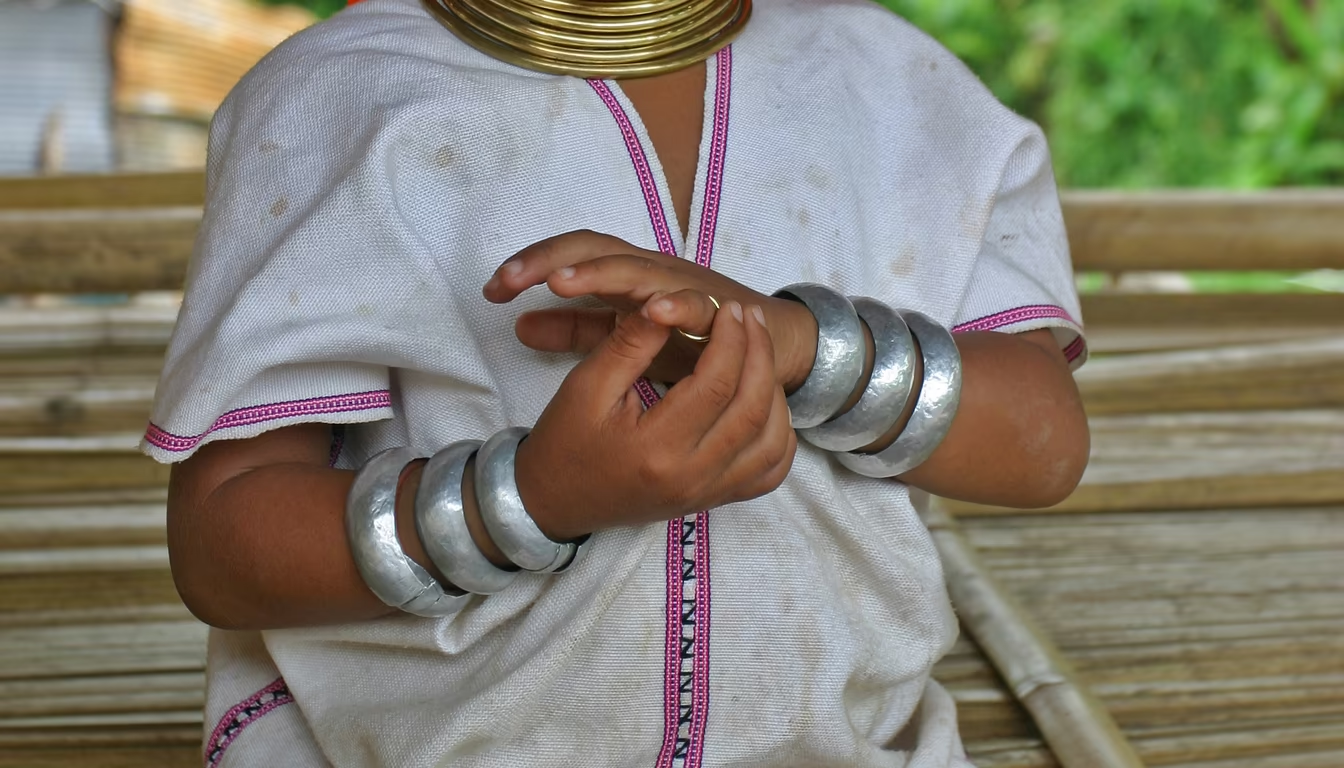
Read guideIn short The long neck village pai refers to small Kayan (Karen) communities living near town, where some women wear traditional brass neck coils.
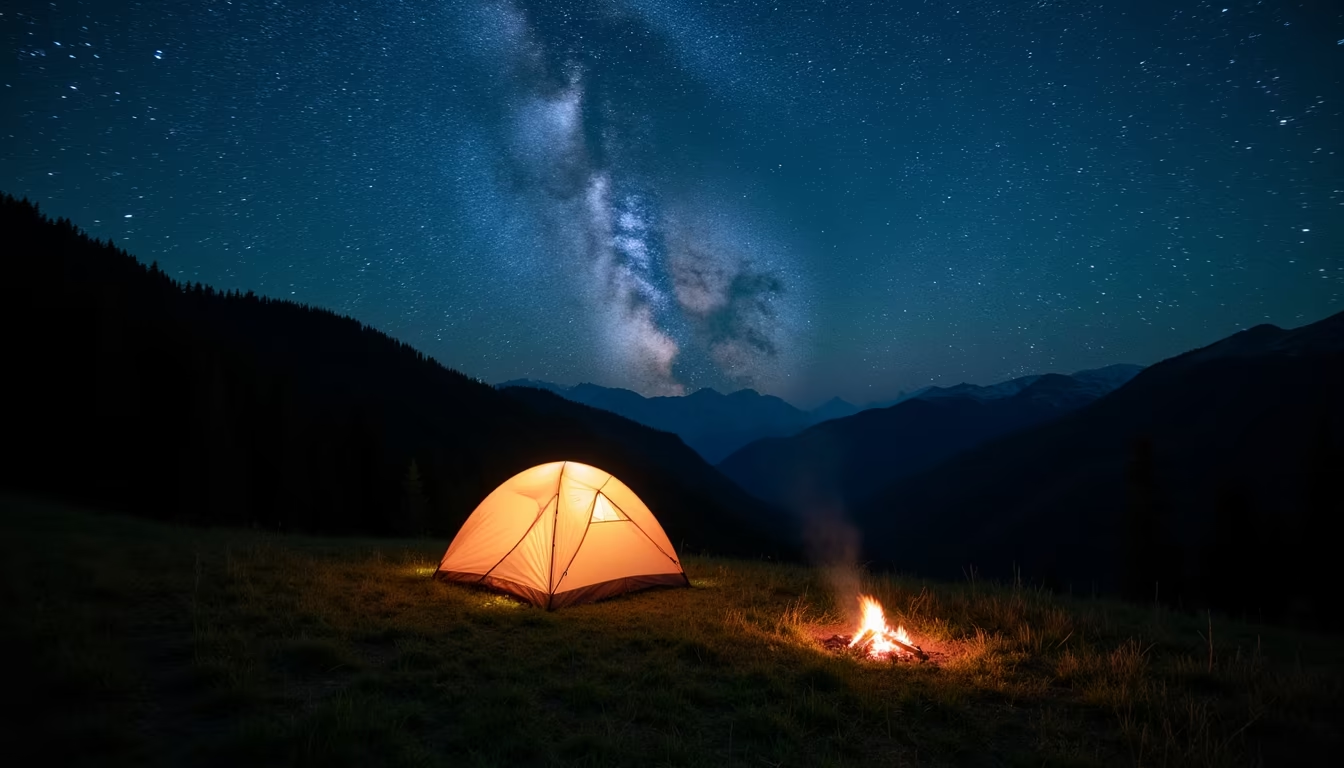
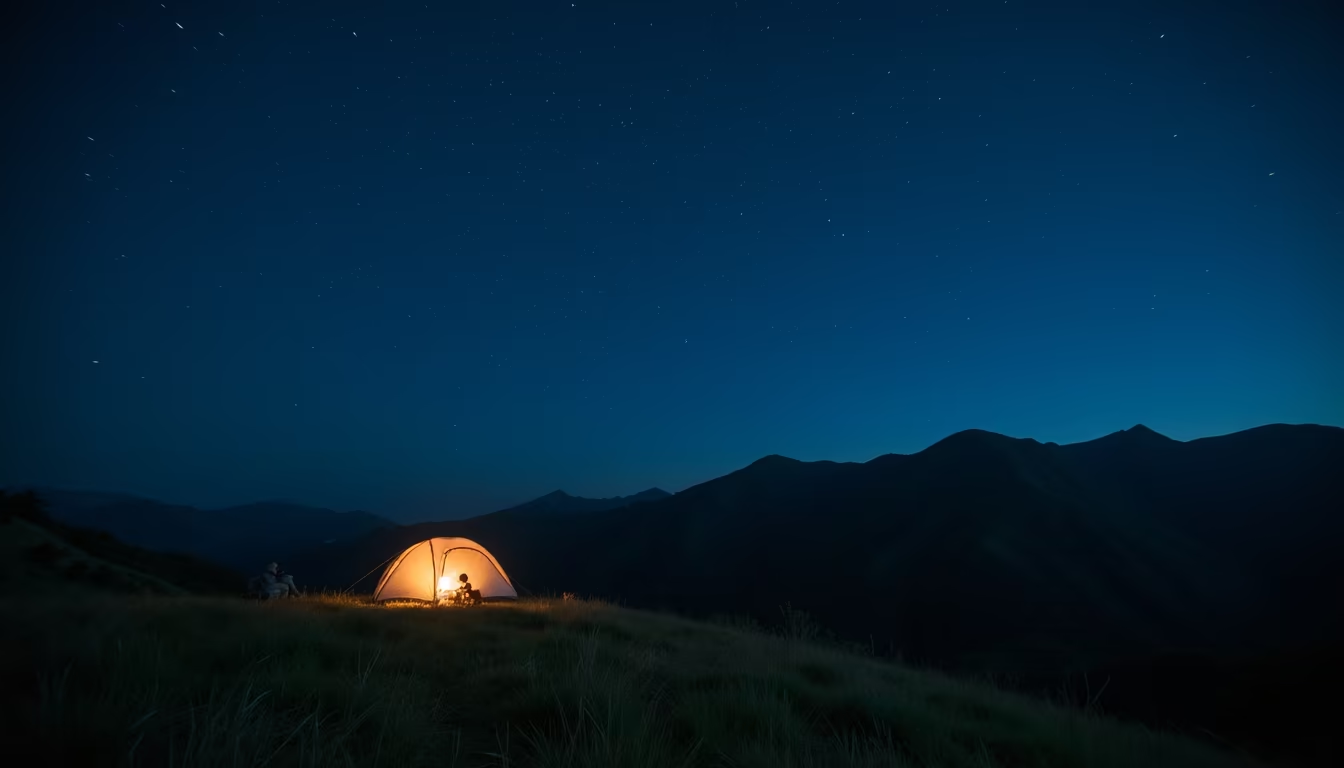
Read guideIn short Pai camping means sleeping under the stars in the Pai valley, usually on a hillside guesthouse plot, a riverside field, or inside Huai Nam Dang National Park nearby.
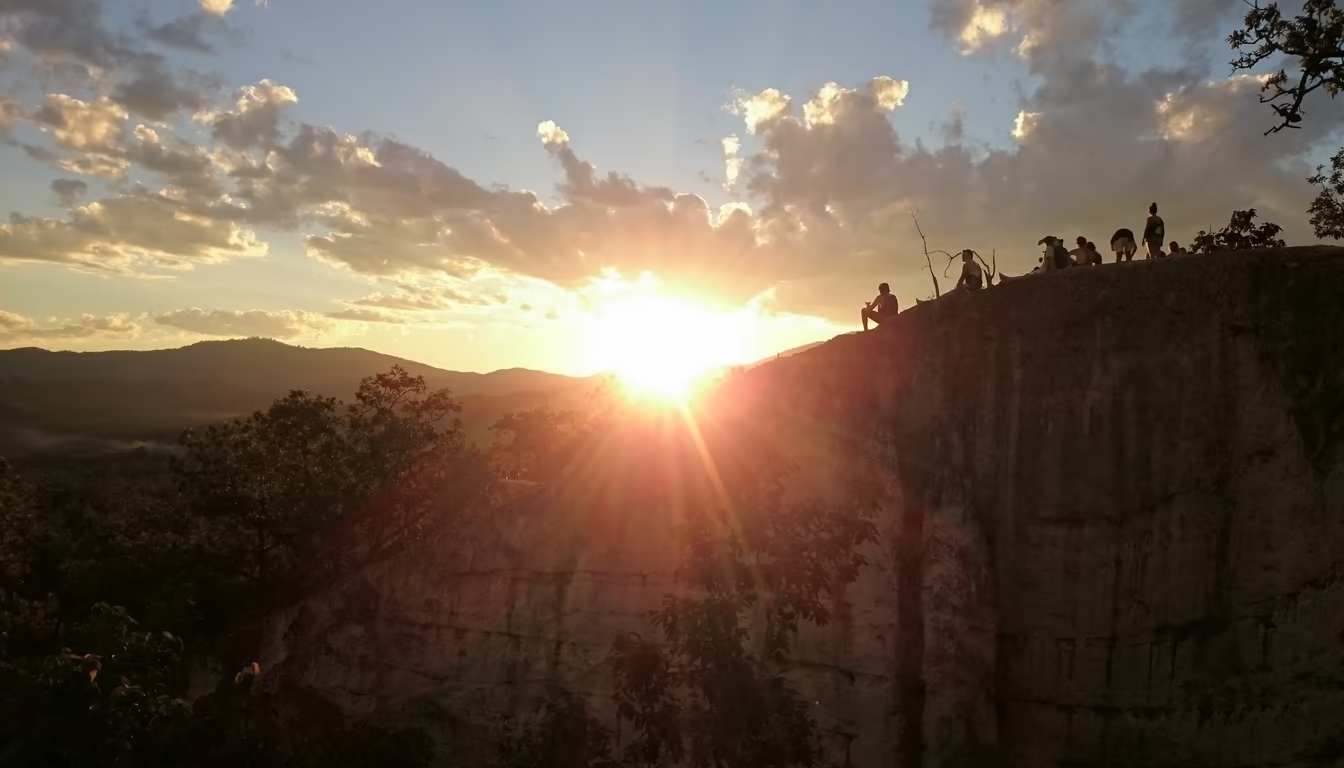
Read guideIn short The best pai sunset is a short scooter ride away: Yun Lai Viewpoint for a sea-of-mist panorama, Pai Canyon for a dramatic ridge finish, and Two Huts or Mo Paeng for a quiet field view.
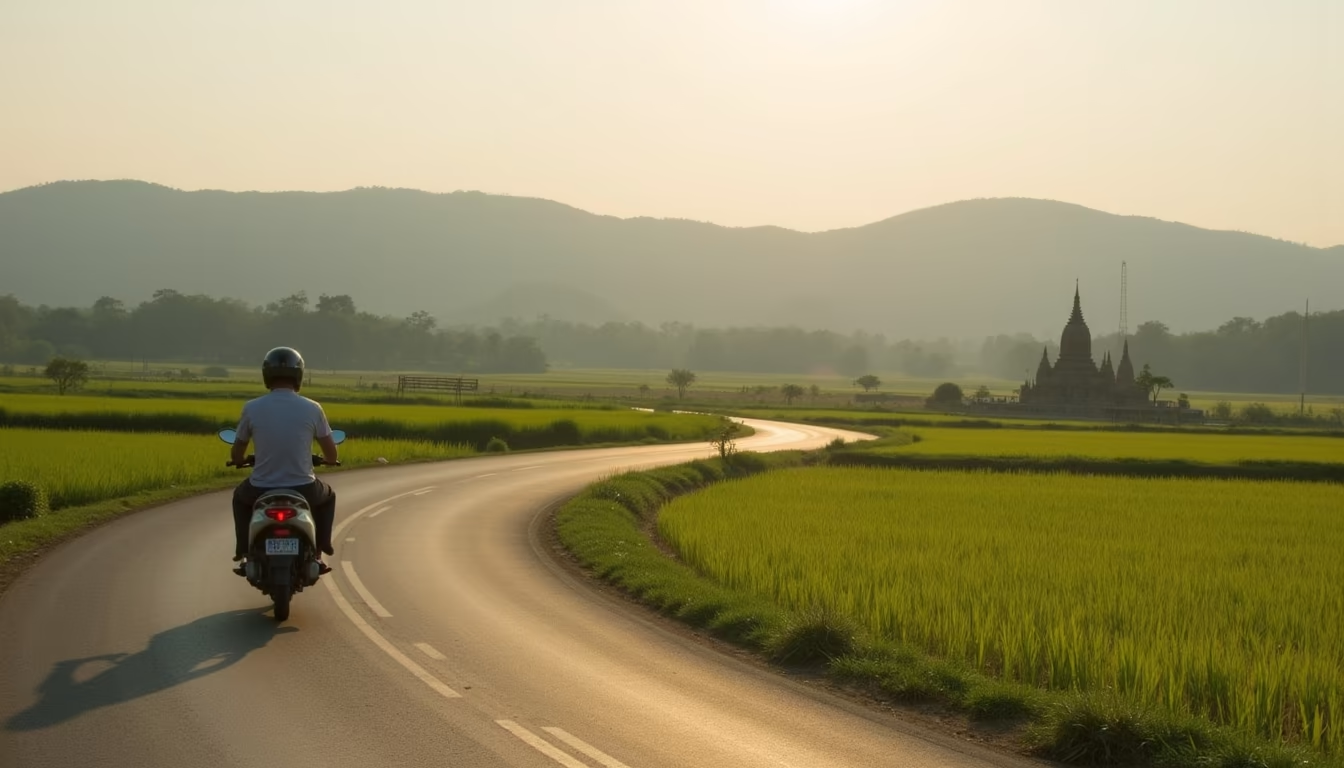
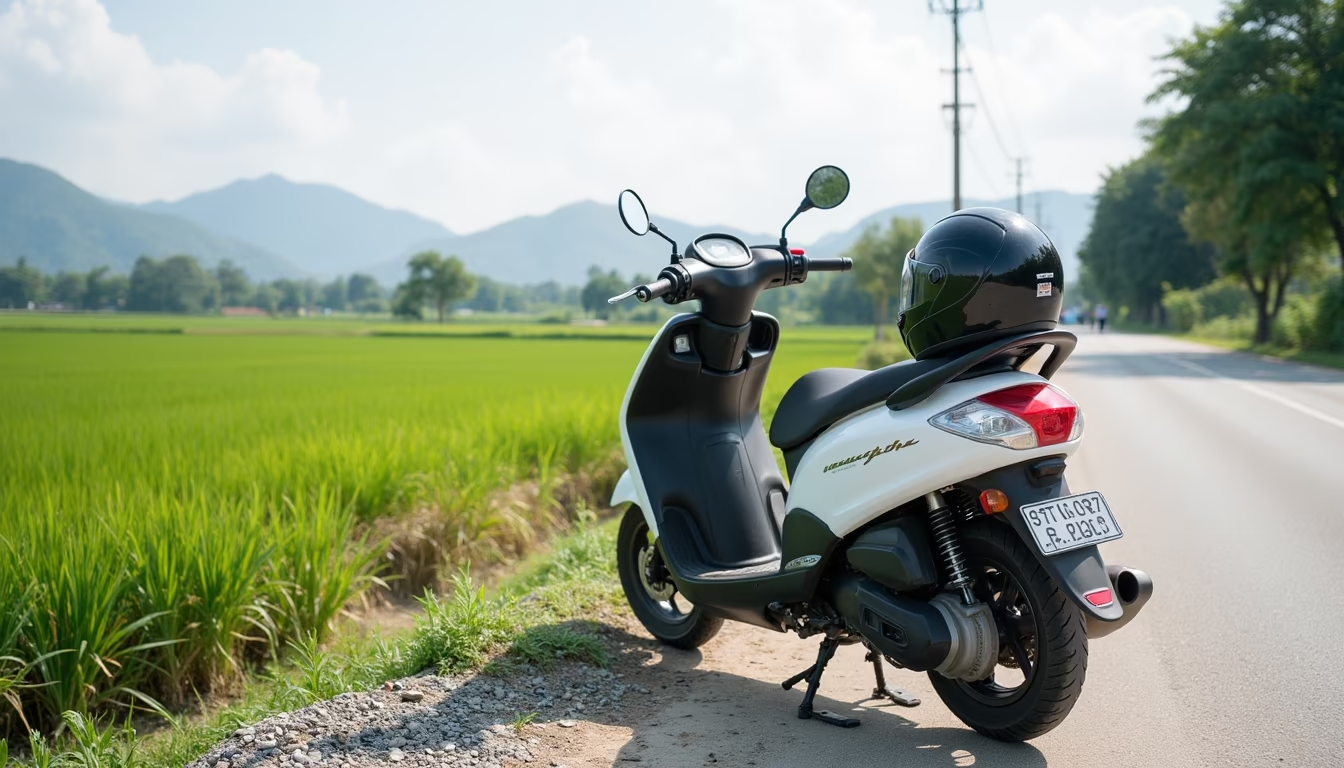
Read guideIn short Motorbike rental in Pai runs roughly 120 to 250 baht a day for a 110cc to 125cc automatic scooter, with full-tank fuel and a passport photocopy usually all you need to ride off.
Read guideIn short Pai nightlife is low-key and friendly, built around reggae bars, live music, fire shows and walking-street drinks rather than big clubs.
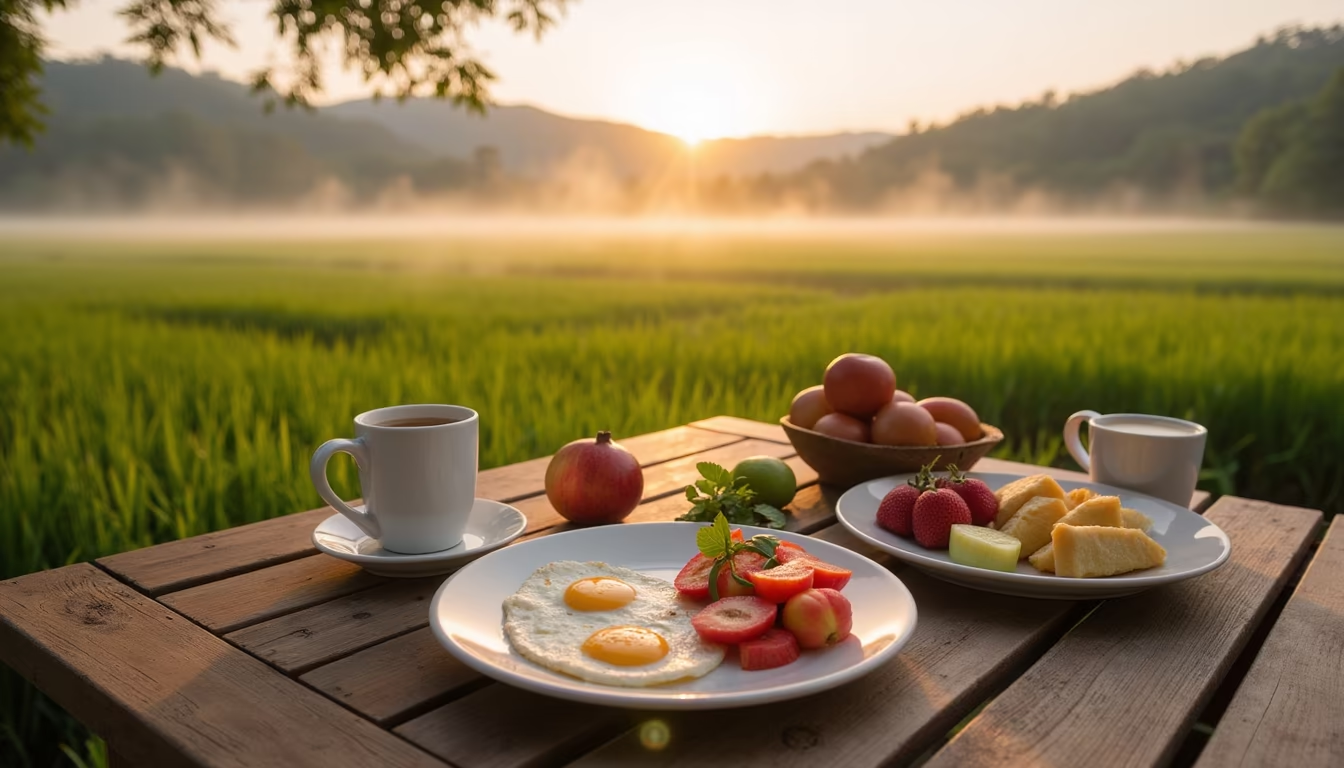
Read guideIn short The best pai breakfast sits in three zones: the Walking Street area for Thai morning food and coffee, the rice fields west of town for slow brunch with a view, and a handful of bakeries near the bus station.
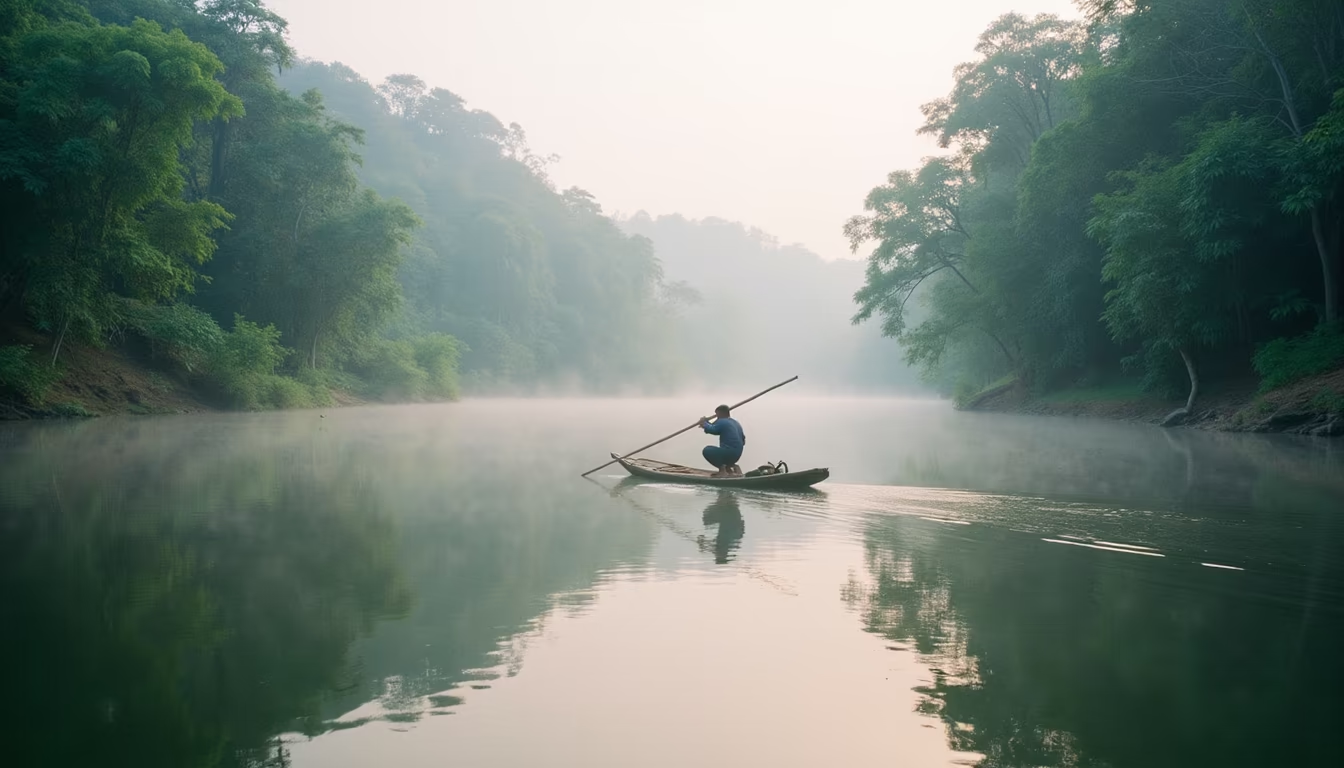
Read guideIn short Bamboo rafting in Pai is a slow float down the Pai River on a hand-poled bamboo platform.
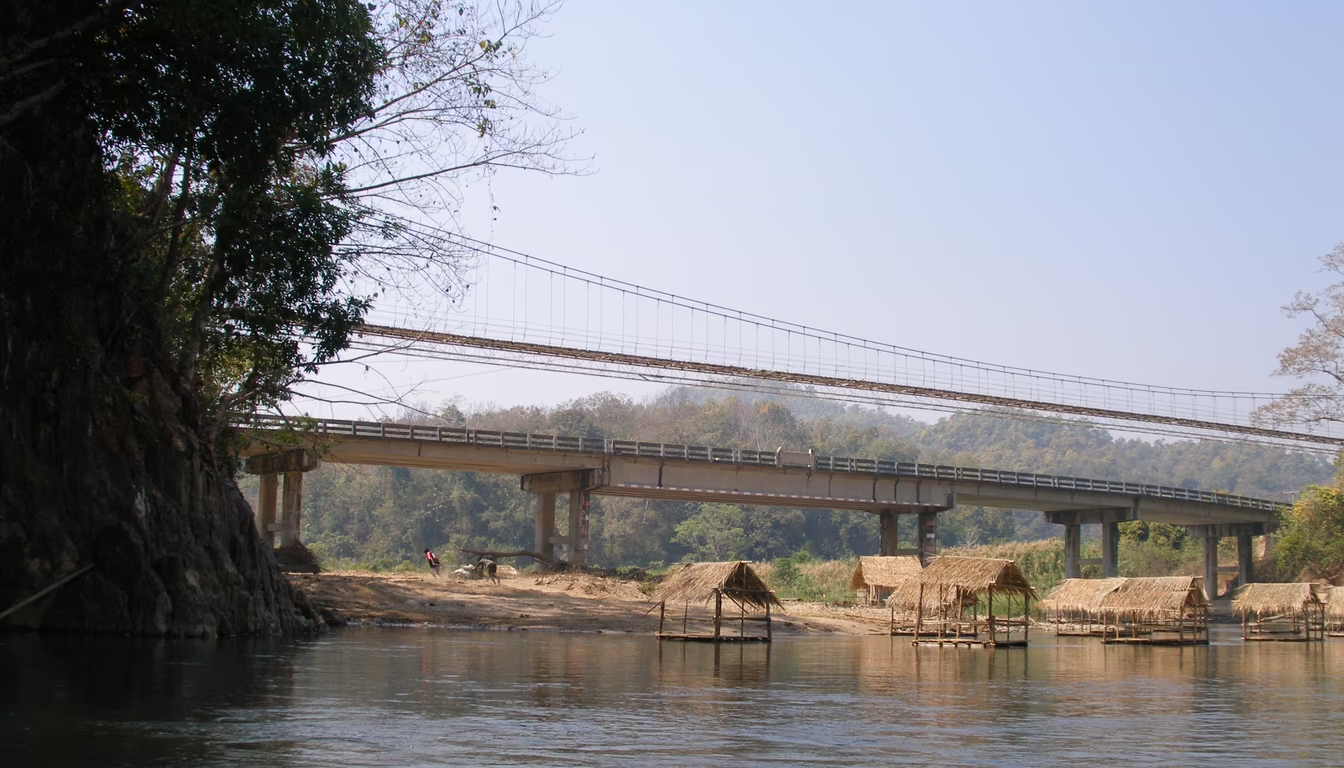
Read guideIn short The Tha Pai Memorial Bridge is a historic riveted-steel crossing spanning the Pai River, roughly 9 km southeast of town along Route 1095.
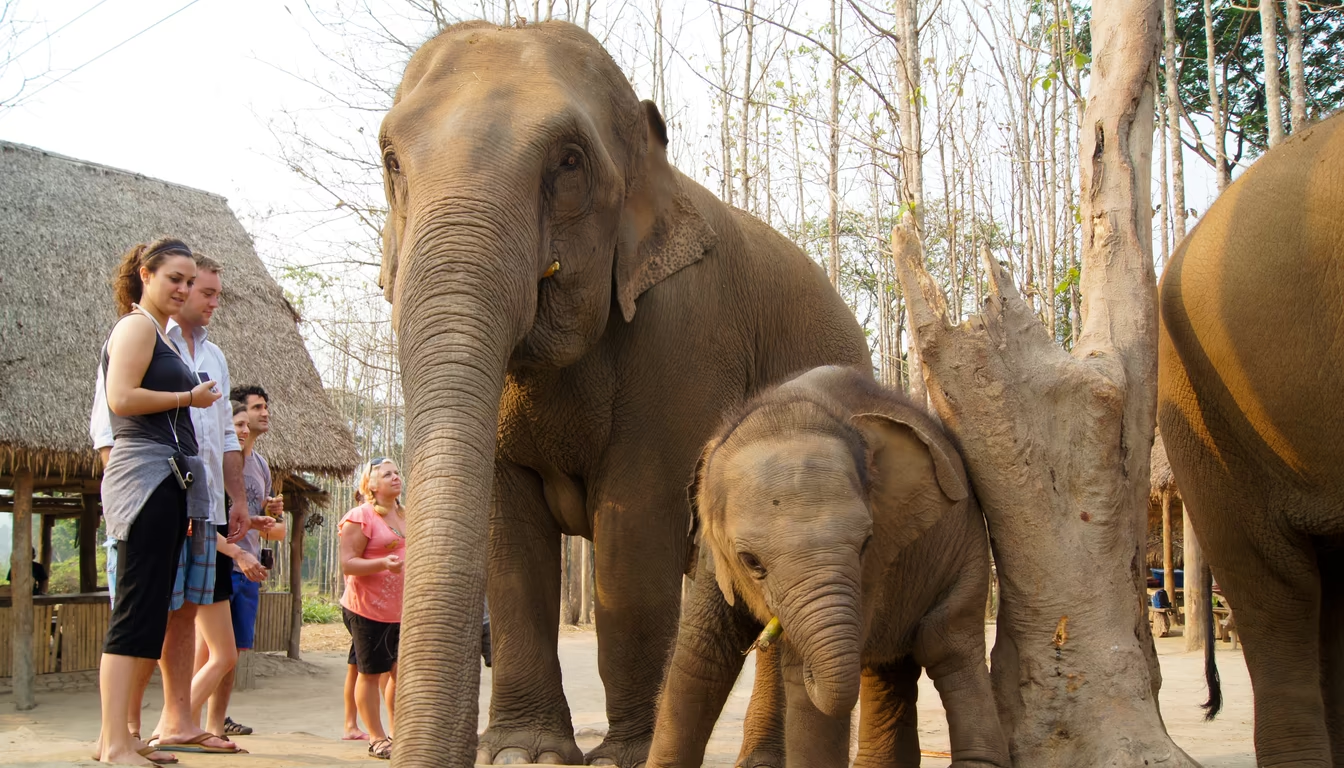
Read guideIn short An ethical elephant sanctuary in Pai lets you feed, walk beside, and bathe rescued elephants with no riding, no hooks, and no performances.
Read guideIn short Land Split Pai is a small family farm about 12 km south of town where an earthquake cracked the ground open years ago.
Read guideIn short A Chiang Mai to Pai trip covers about 130 km on the mountain Route 1095.
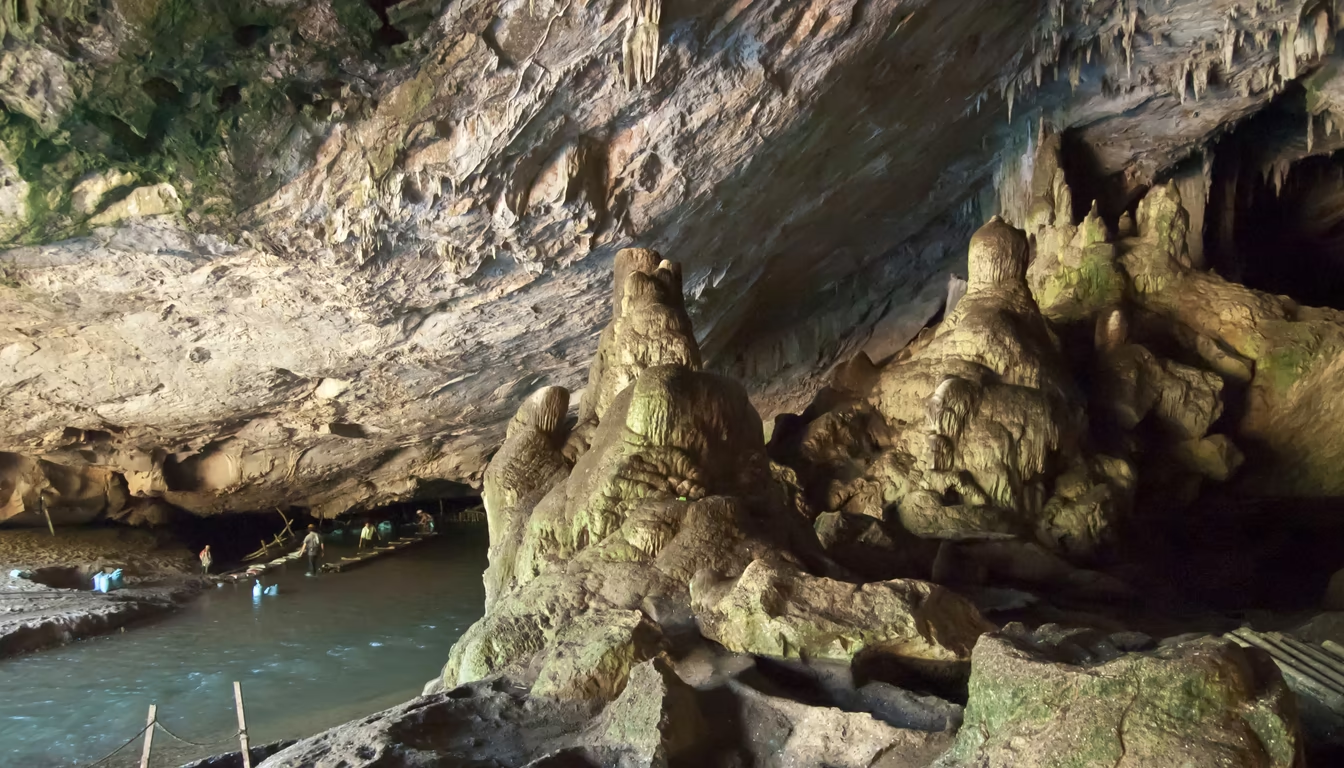
Read guideIn short A lod cave pai day trip means riding about 50 km north to Tham Lod, a huge limestone cave near Soppong with a river running through it.
Read guideIn short The three Pai waterfalls worth your time are Mo Paeng (natural rock slides and pools, best for swimming), Mae Yen (a 7km river-trail hike to a tall cascade, for active travellers), and Pam Bok (a short, dramatic gorge fall close to town).
Read guideIn short The standout Pai viewpoints sort neatly by the clock.
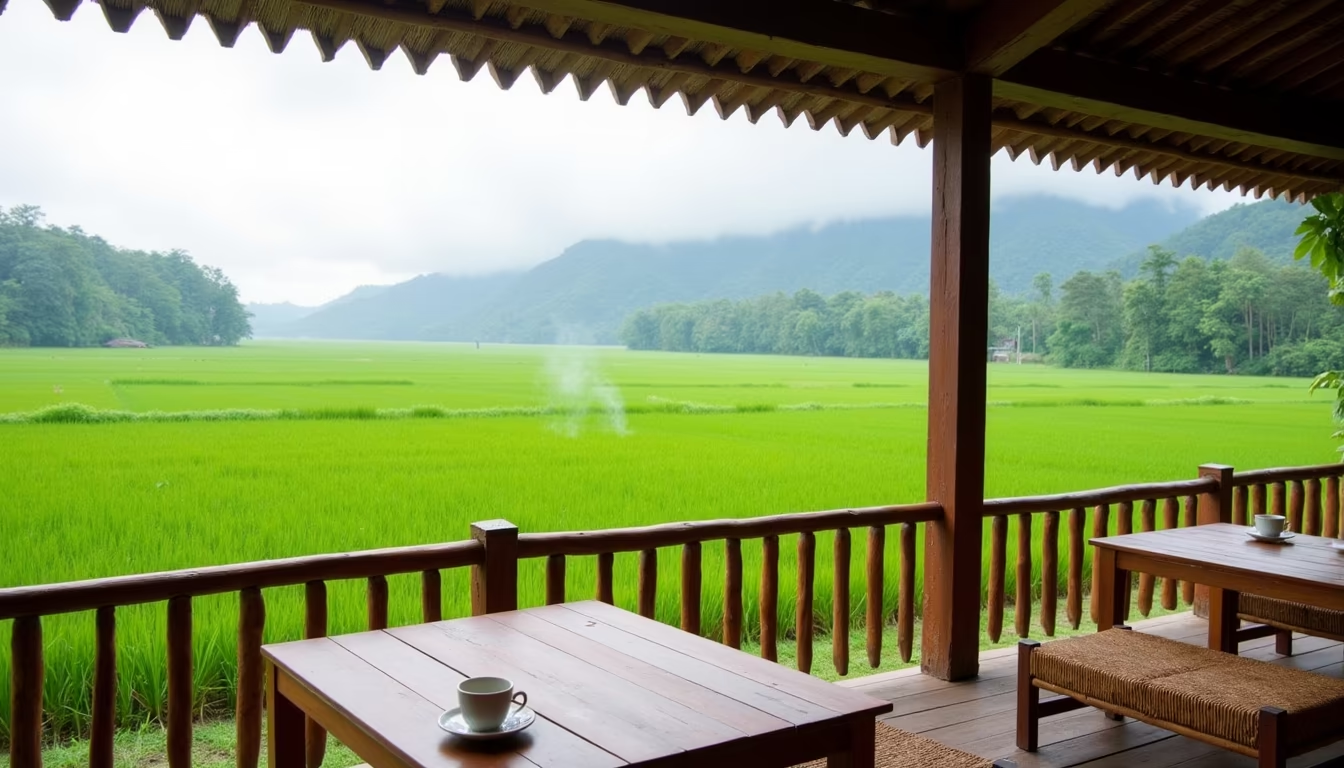
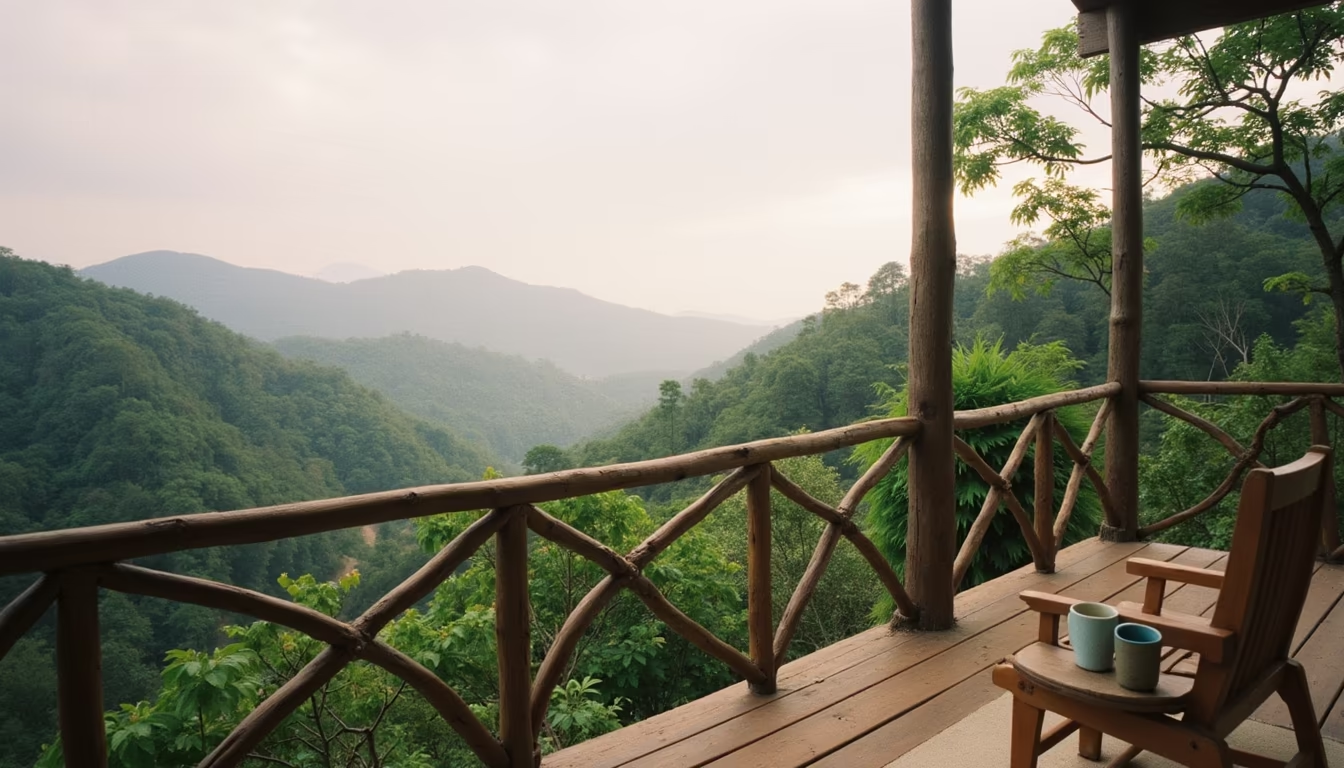
Read guidePai splits into three real choices: stay in town (3–5 min walk to Walking Street) for convenience and nightlife, in the rice fields (5–10 min by motorbike) for the classic quiet-Pai view, or up in the hills for the biggest views and least noise.
Read guideThese two sit at opposite ends of Pai's range.
Read guideBoth are quiet, fast-Wi-Fi villas built for remote work, but they suit different group sizes.
Read guideBoth are whole 2-bedroom villas sleeping 4, but the vibe is different.
Read guideBoth are Pai's most honest, no-frills stays.
Read guideBoth are pet-friendly villas about 5 minutes from Walking Street with fast Wi-Fi, but they're built for different group sizes.
Read guideIn short The Chinese village Pai travellers visit is Santichon, a Yunnanese hillside settlement about 4 km west of Pai town.
Read guideIn short The best cafe in Pai depends on your morning.
Read guideIn short Pai is a relaxed, low-cost mountain town that suits solo travel well: short walkable centre, easy day trips, and a sociable hostel and cafe scene.
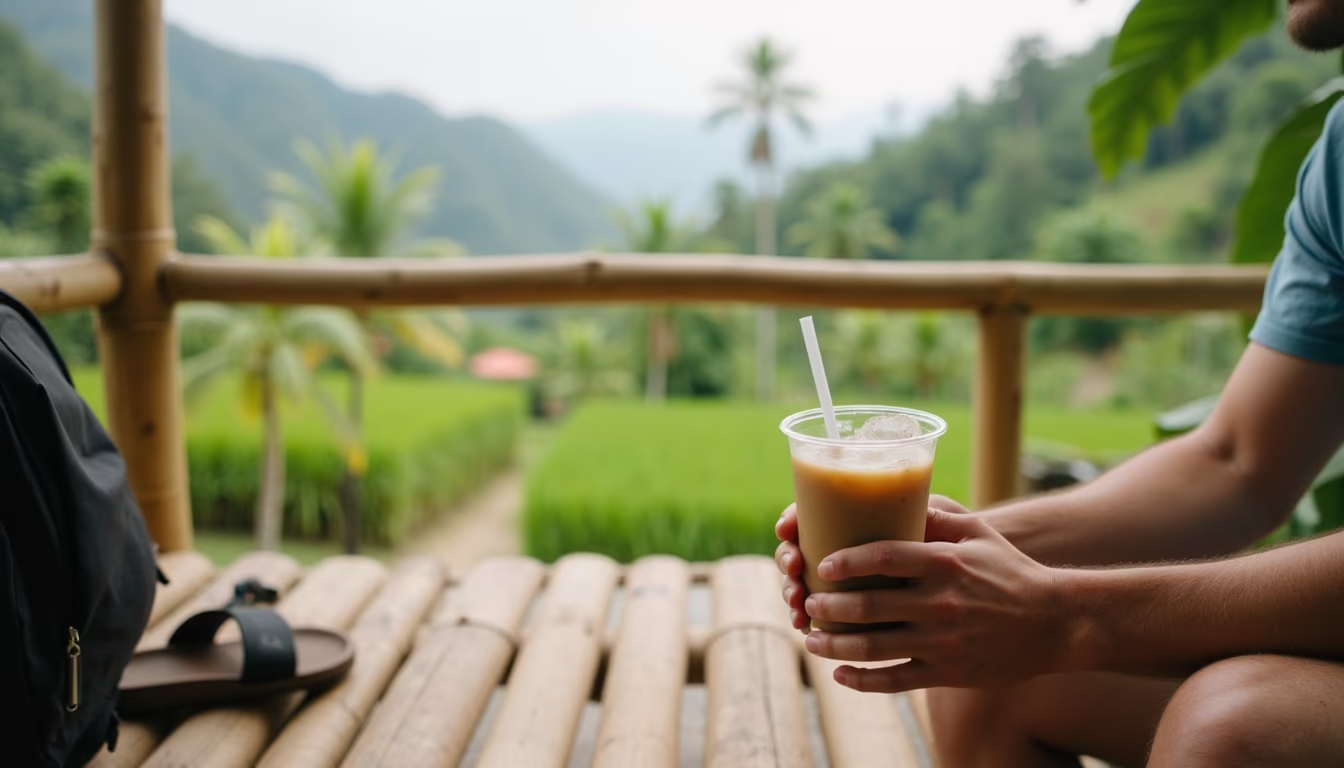
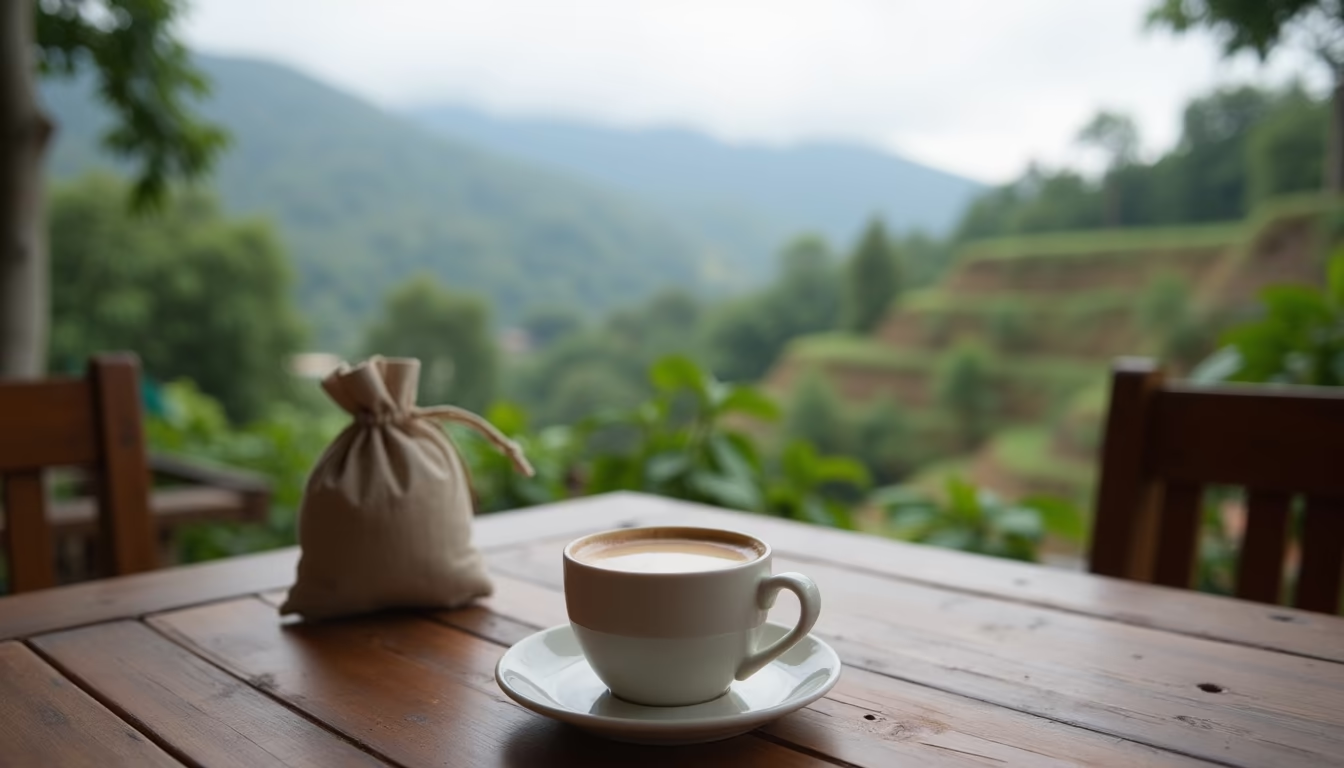
Read guideIn short Pai coffee is better than its laid-back reputation suggests, because the valley sits near highland villages that grow arabica, so single-origin local beans are easy to find.
Read guideIn short A Pai day trip from Chiang Mai is possible but tight: the drive is about 3 hours each way over 762 curves, leaving only 4 to 5 usable hours in town.
Read guideIn short A spa in Pai is small-town and relaxed: independent massage shops, a few day spas near the Walking Street, and natural hot springs just outside town.
Read guideIn short The mae hong son loop is a roughly 600 km mountain circuit from Chiang Mai through Pai, Mae Hong Son town and Mae Sariang, famous for its 1,864 curves.
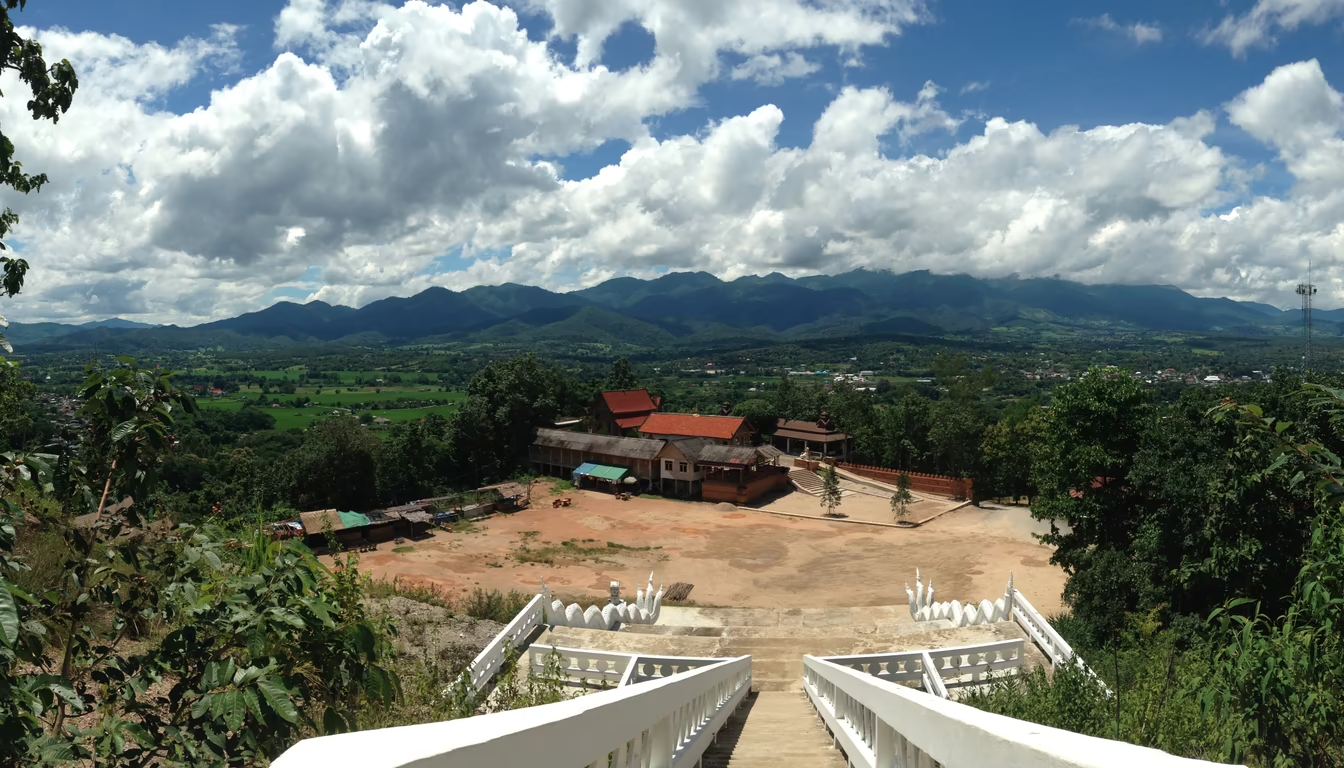
Read guideIn short The Big Buddha in Pai is a large white seated statue at Wat Phra That Mae Yen, on a hill about 3 km east of the walking street.
Read guideThe Bamboo Bridge (Boon Ko Ku So) sits about 9–10 km southwest of Pai, past Pam Bok waterfall — roughly 20–30 minutes by scooter.
Read guideThe Big Buddha — the white Buddha of Wat Phra That Mae Yen — sits on a hill about 2 km east of Pai town, up a staircase of 353 steps.
Read guidePam Bok is a jungle-gorge waterfall about 9 km southwest of Pai — roughly a 20-minute scooter ride, on the same road as the Land Split and the Bamboo Bridge.
Read guideThe Land Split is a family farm a short ride south of Pai on the Pam Bok road, famous for the crack that opened across the land in 2008 — and for the roselle juice and snacks the farmer serves on a donation basis.
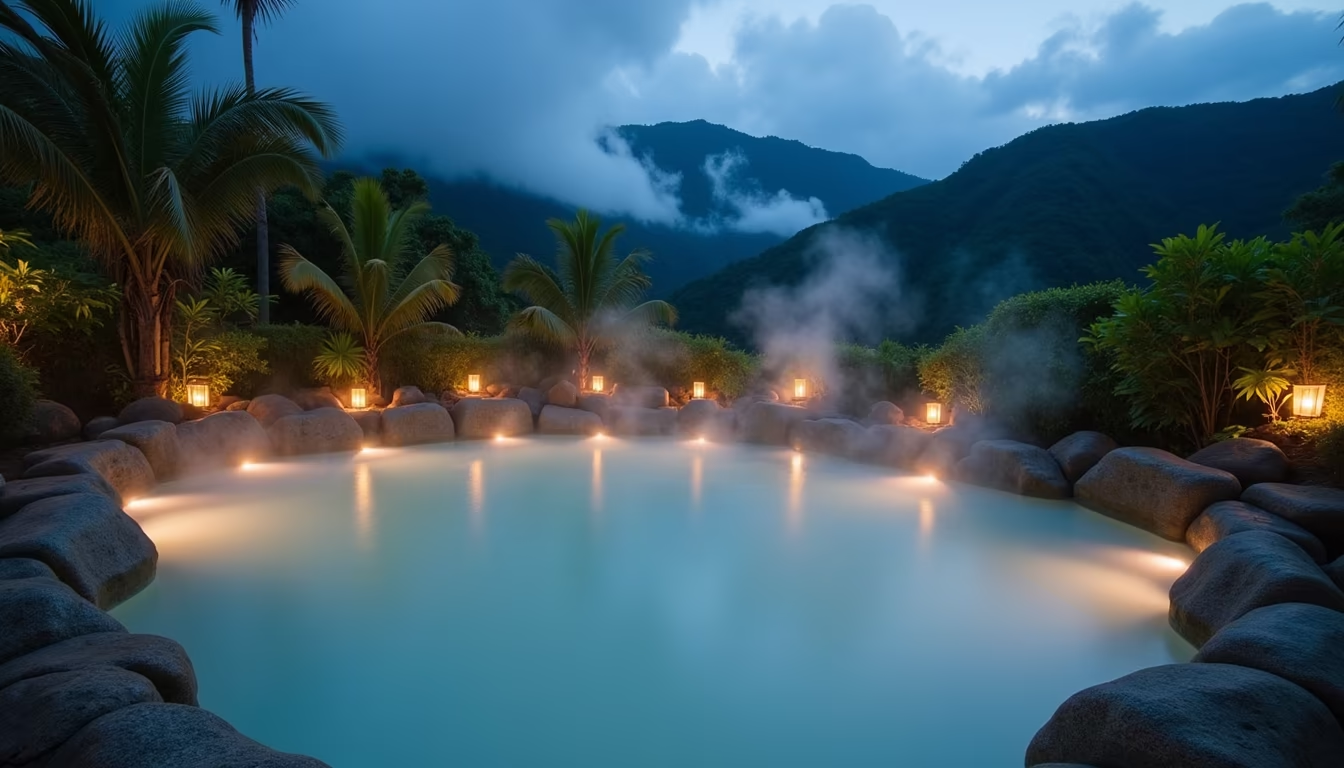
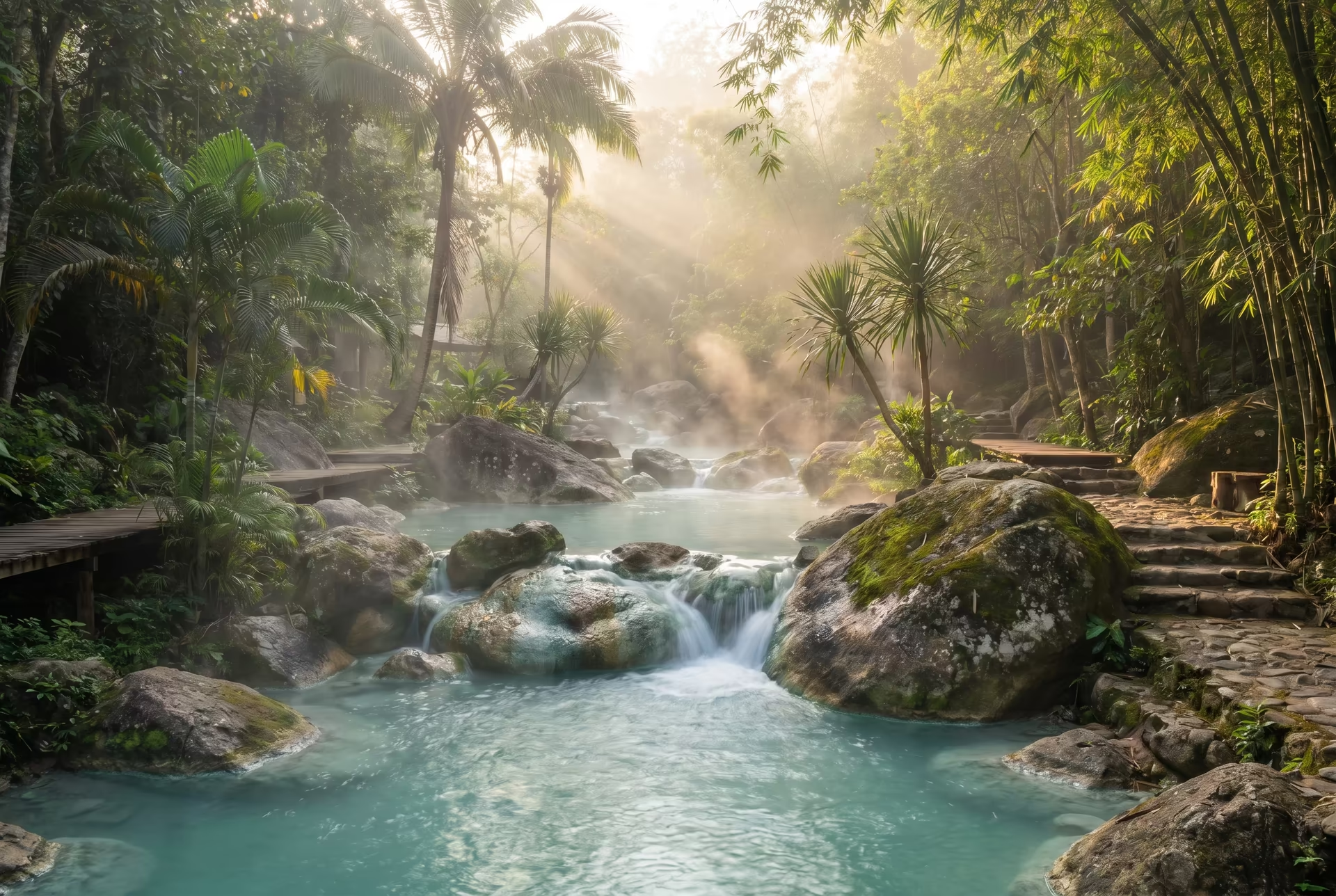
Read guideTha Pai Hot Spring is the developed national-park spring about 8 km southeast of Pai — terraced mineral pools, changing rooms, and a boiling source where locals cook eggs in bamboo baskets.
Read guideThe Pai Memorial Bridge spans the Pai river on Route 1095 about 9–10 km southeast of town, on the road to Chiang Mai.
Read guidePai's bus station is right in the centre of town on Chaisongkham Road, beside the Walking Street area — so 'near the bus station' means 'central'.
Read guidePai's night market is the evening food-stall strip along Chaisongkham Road — the same event locals call Walking Street.
Read guidePai's airport (PYY) is a tiny airstrip on Route 1095 about 1.
Read guidePai has no big-chain hotels — the best stays are small, owner-run places.
Read guideIn short Each dusk the main road shuts to traffic and becomes Pai Walking Street, a buzzing open-air bazaar of food, crafts, and music running about 6pm to 11pm; many visitors equally call it the Pai night market.
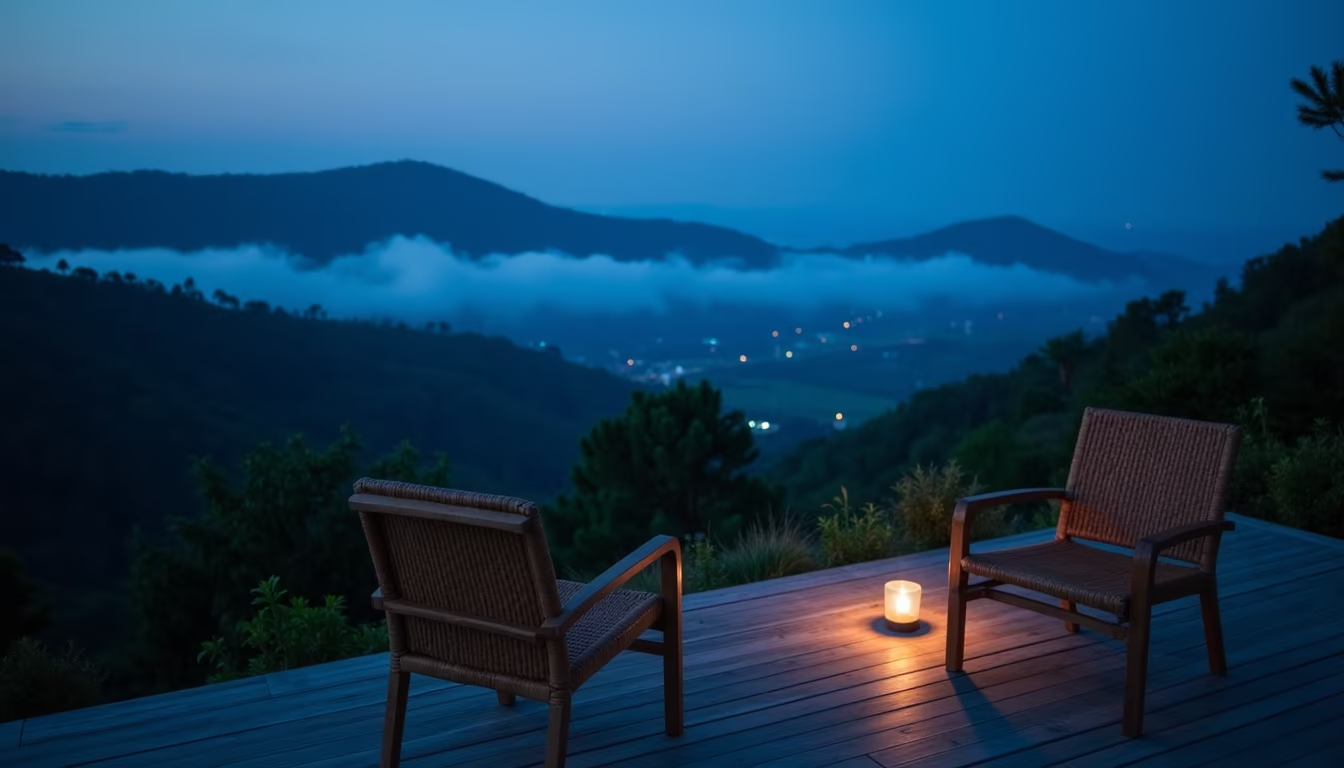
Read guideIn short A genuine pai mountain view hotel usually sits on the valley rim, a few kilometres from the night market, where rooms face open hillside instead of other buildings.
Read guideIn short Pai in December means cool, festive and dry.
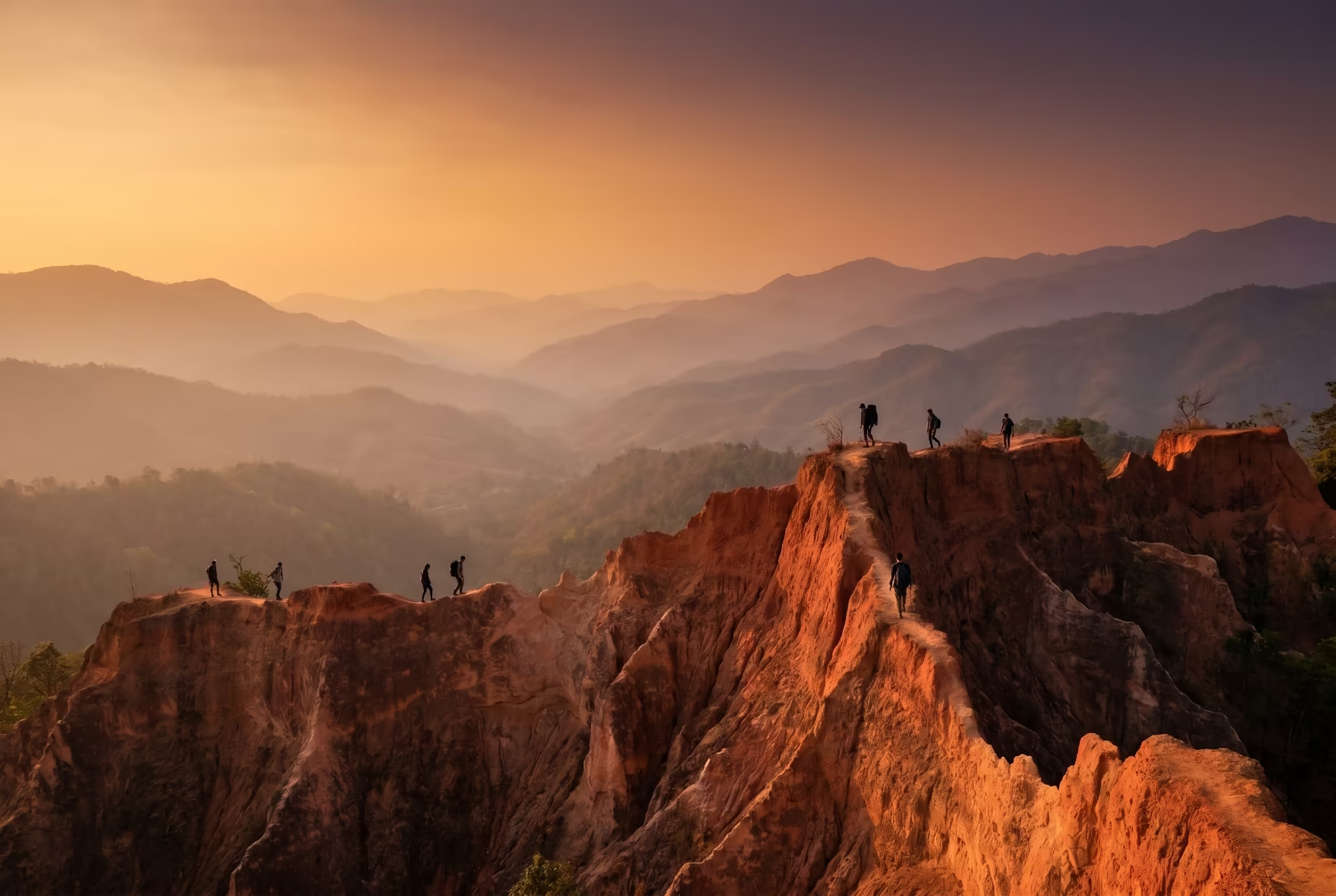
Read guidePai Canyon (Kong Lan) is a free-to-enter network of narrow red-clay ridges about 8 km from Pai town, best visited at sunset.
Read guidePai has two main hot springs.
Read guideMost travellers reach Pai from Chiang Mai by minivan — about 3 hours along the famous 762-curve mountain road (Route 1095).
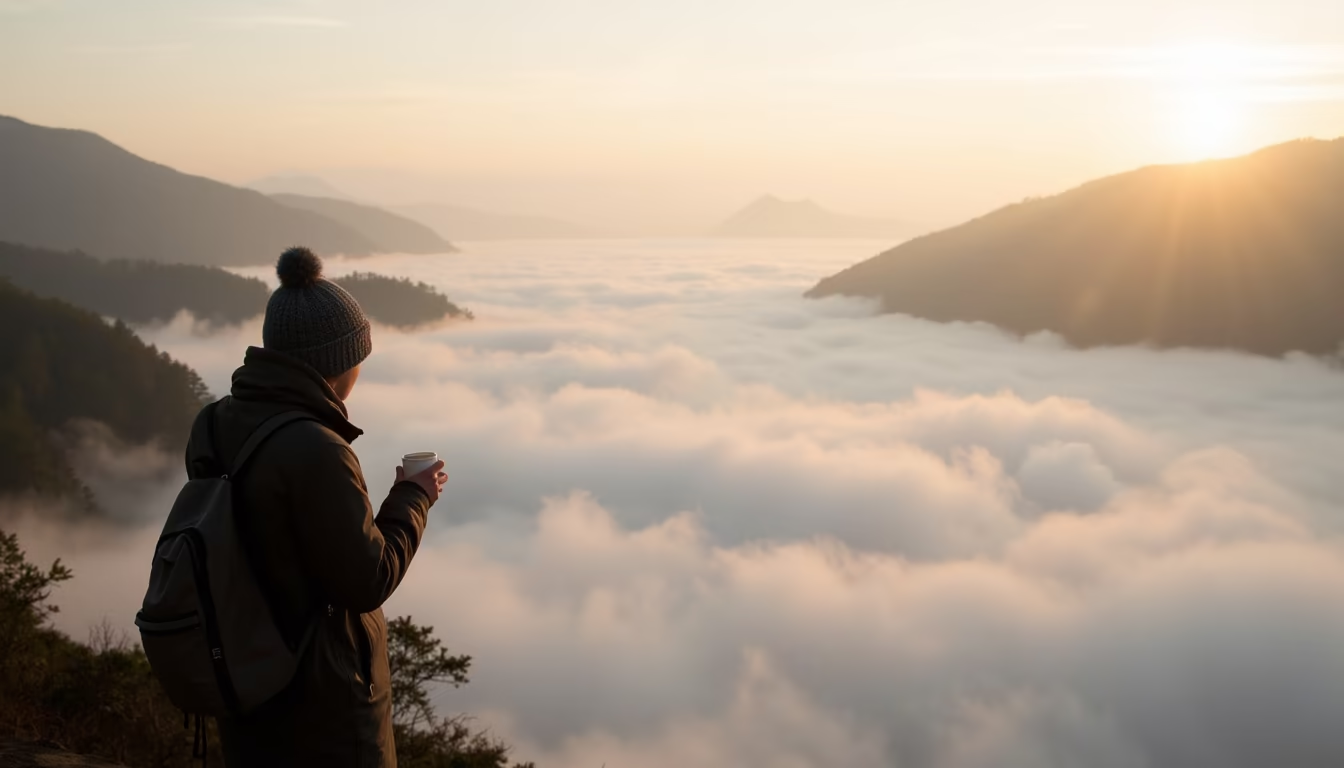
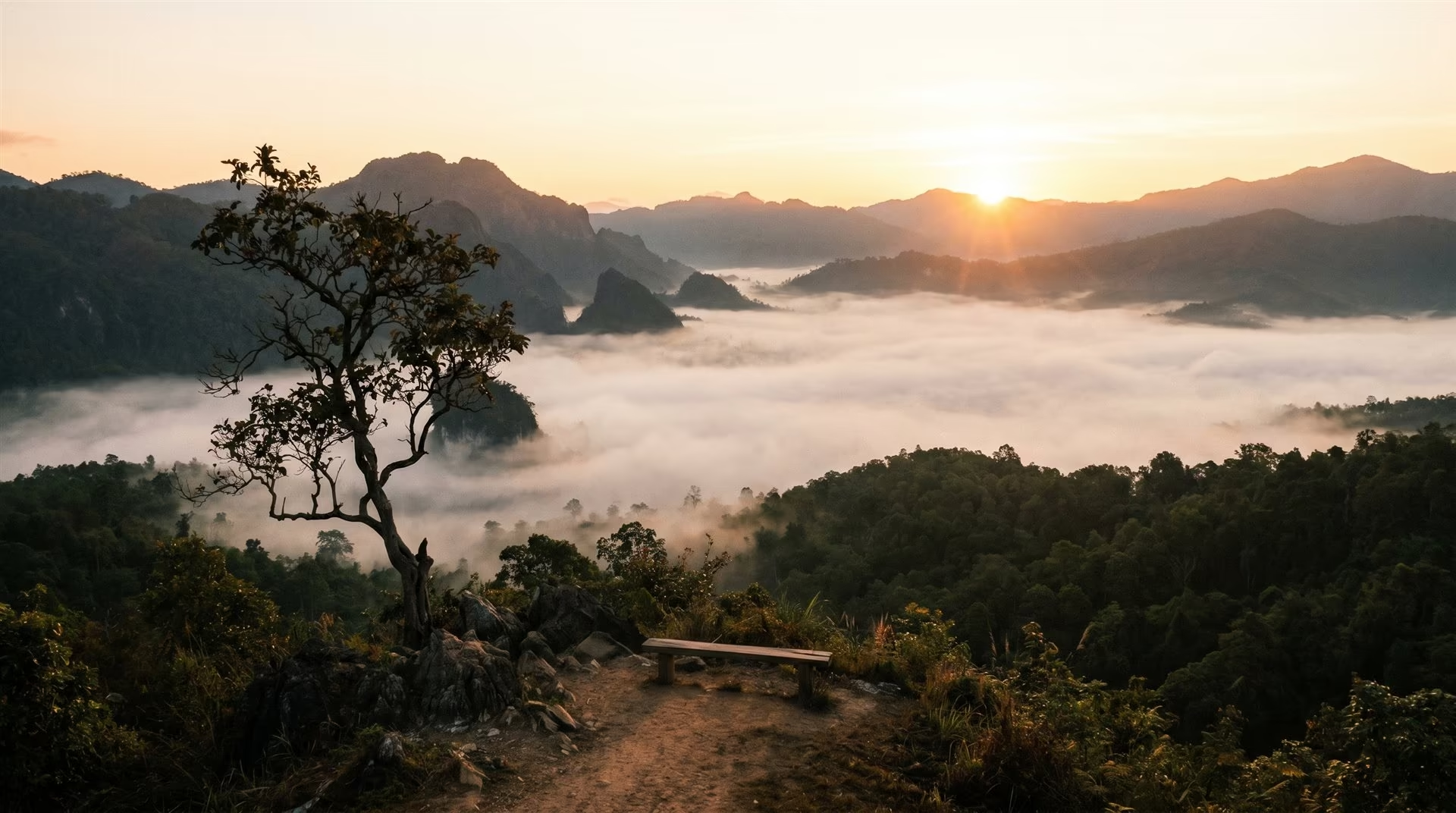
Read guideThe best time to visit Pai is the cool season, November to February — clear skies, cool mornings, and the famous sea of mist over the valley.
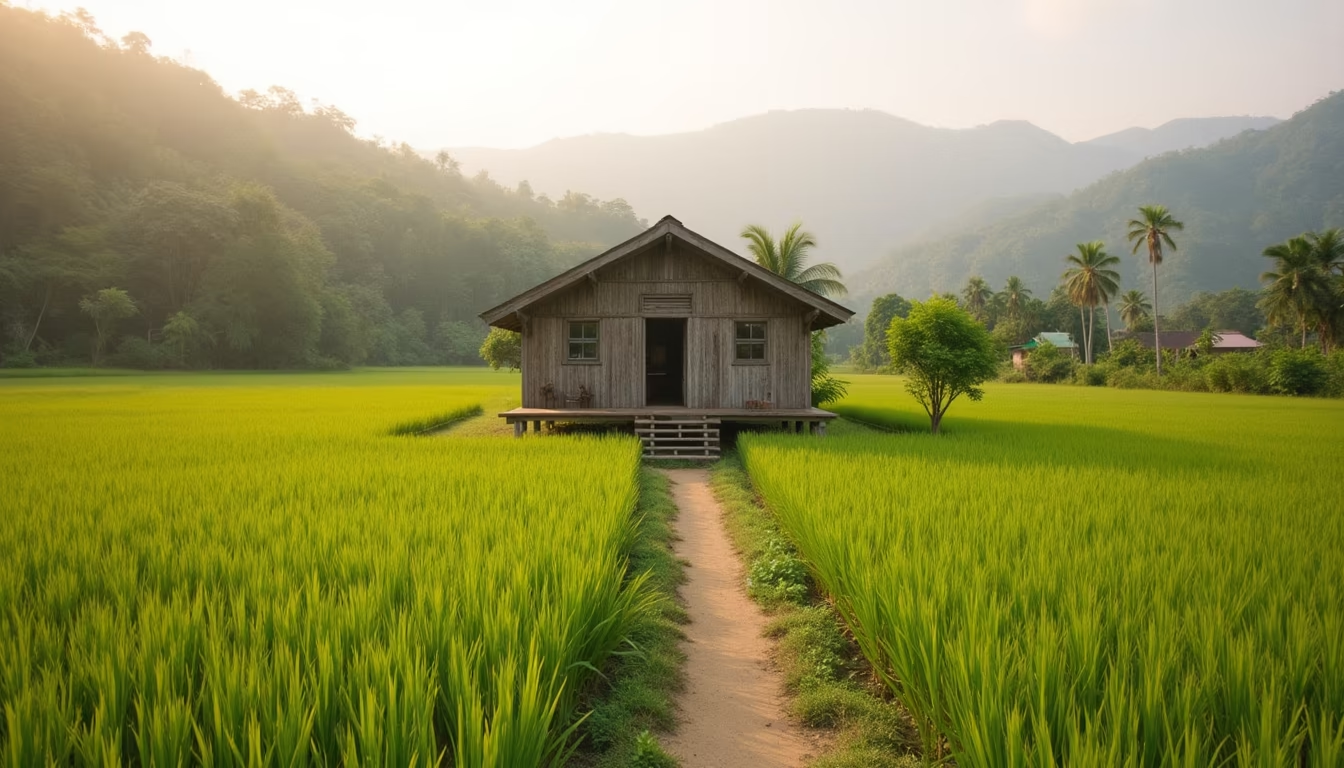
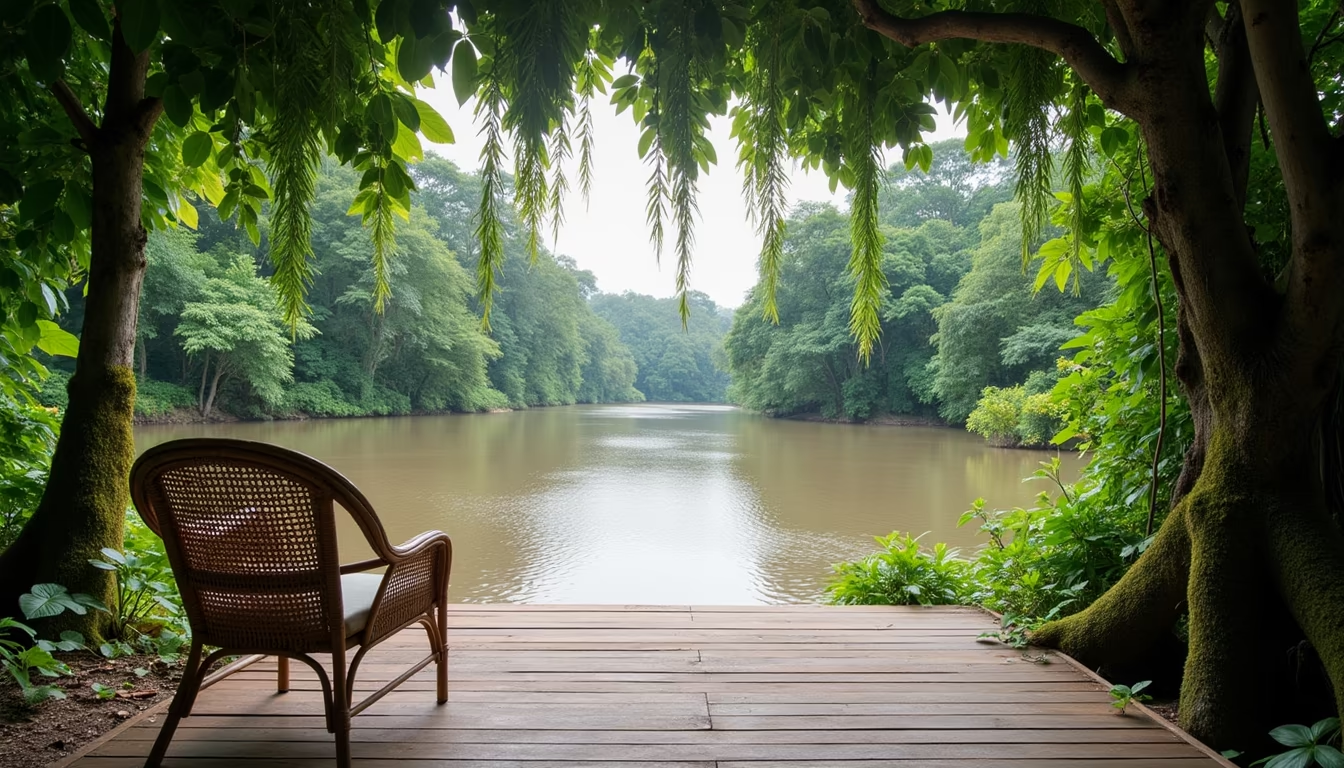
Read guideIn short A Pai countryside stay means a room set among rice fields, gardens, or riverside greenery a short ride from town, not in the noisy centre.
Read guideThe closest stays to Pai Canyon are the rice-field properties on the south side of Pai along Route 1095 — the same road the canyon sits on — so you reach the sunset ridges in about 10 minutes by scooter.
Read guideTo walk to Pai Walking Street, stay in or near the centre of Pai town.
Read guideThe closest stays to Sai Ngam Hot Spring are on the south side of Pai, the same direction as the spring.
Read guideSantichon is a Yunnan Chinese village about 4 km west of Pai, known for its clay houses, Chinese gate and hilltop viewpoint.
Read guideMo Paeng is a popular three-tier waterfall about 10 km southwest of Pai.
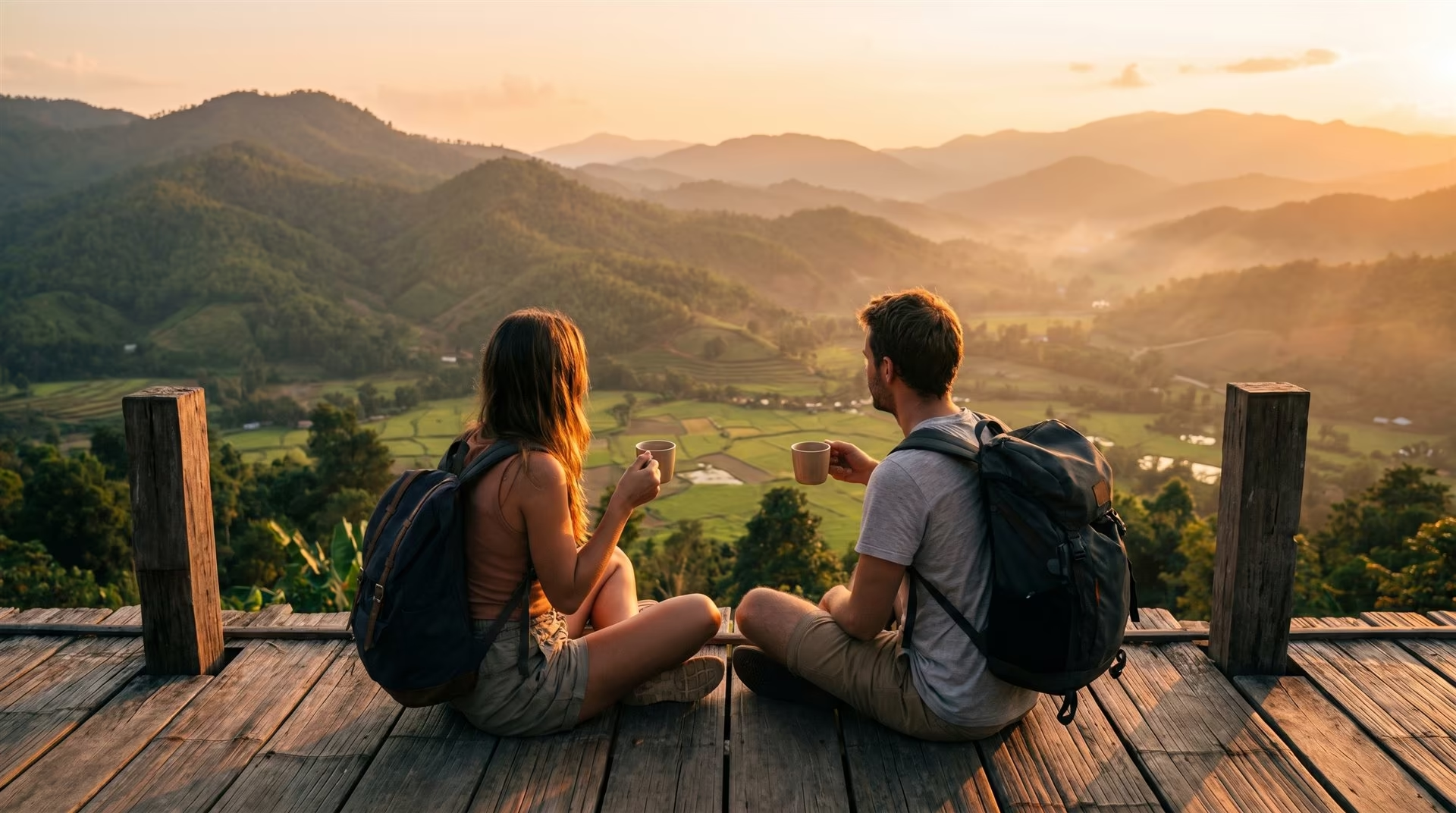
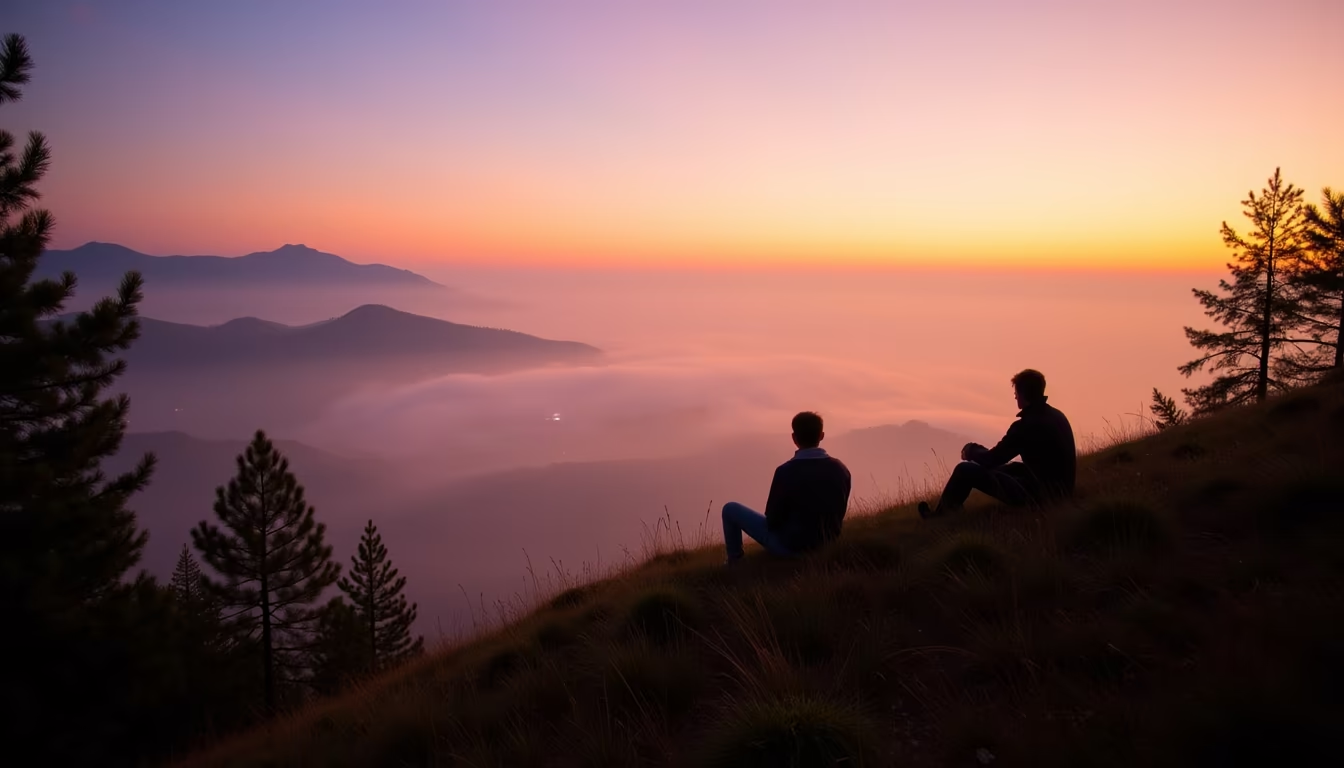
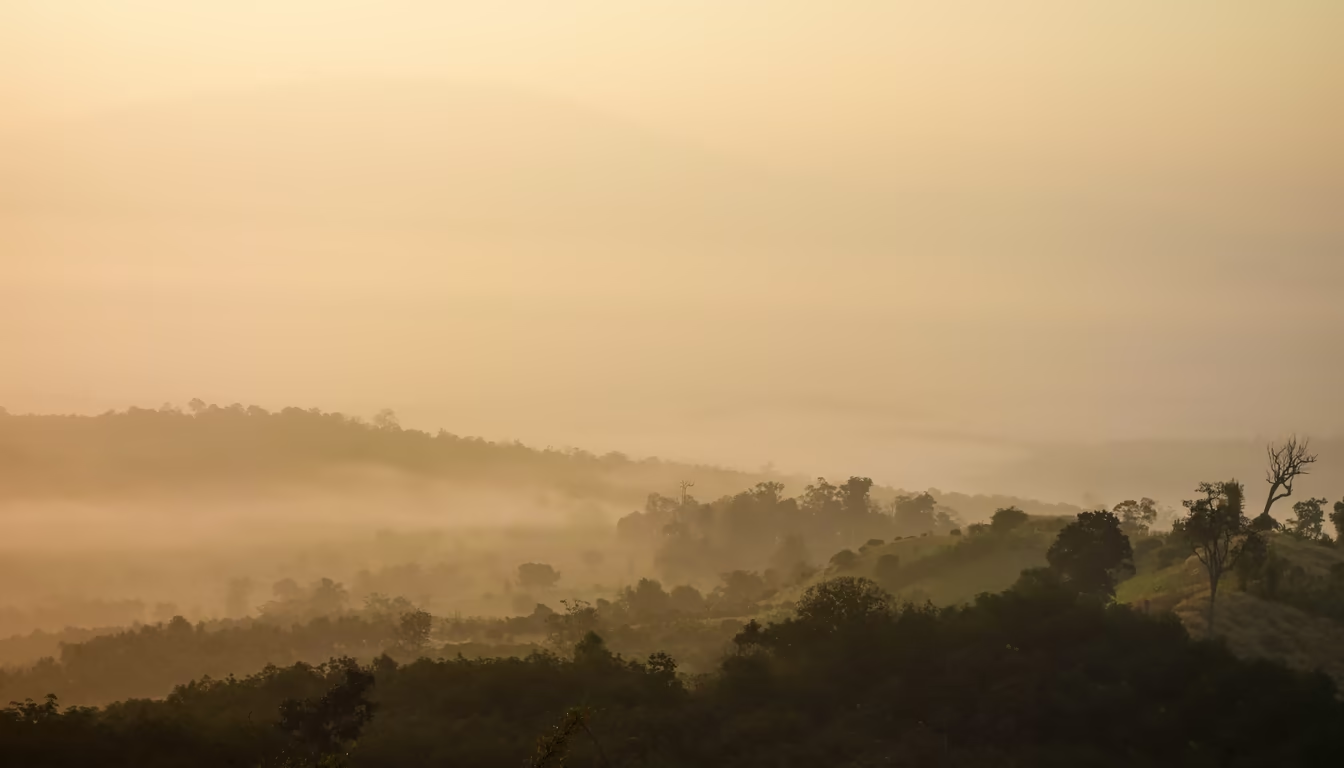
Read guideYun Lai is the sunrise viewpoint northwest of Pai, famous for the sea of mist that fills the valley in the cool season.
Read guideIn short Pai in November is widely the best month to visit.
Read guideIn short A boutique hotel in Pai is a small, design-led, owner-run stay (usually under 25 rooms) with a distinct look and personal service, not a chain.
Read guideIn short Choosing pai in october means catching the last of the wet season, paddies ripening toward harvest gold, thinner crowds, and the season's first cool dawns.
Read guideIn short A Pai villa is a private stand-alone house, usually with its own pool or garden, set in the rice fields or low hills around town.
Read guideIn short Visiting pai in september means catching the late monsoon as it tapers off, so expect short afternoon showers rather than all-day rain, with the rice fields tall, green and starting to turn gold.
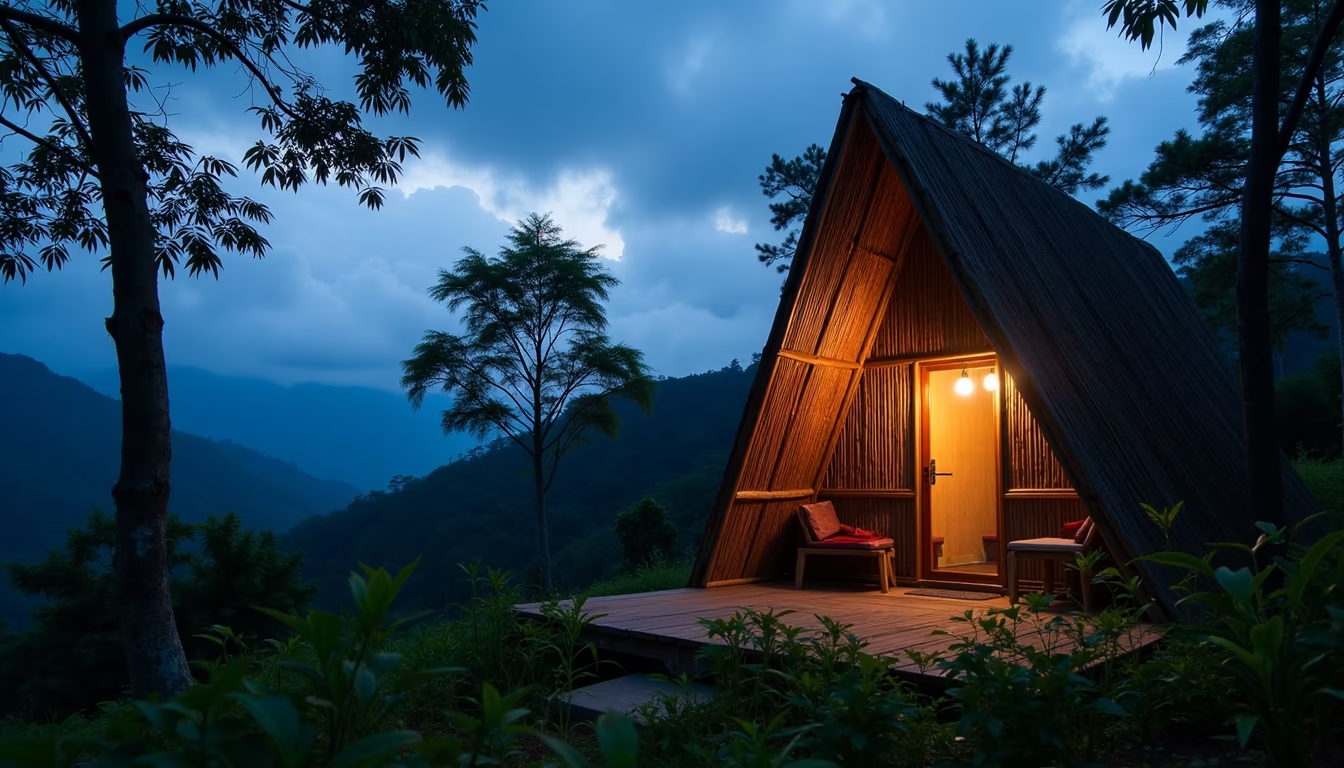
Read guideIn short The best unique stays pai offers fall into a few families: bamboo huts, rice-field bungalows, design villas, mountain camps, and treehouse-style rooms.
Read guideIn short Pai in August is green, lush and one of the wettest months of the year, with short heavy downpours rather than constant rain.
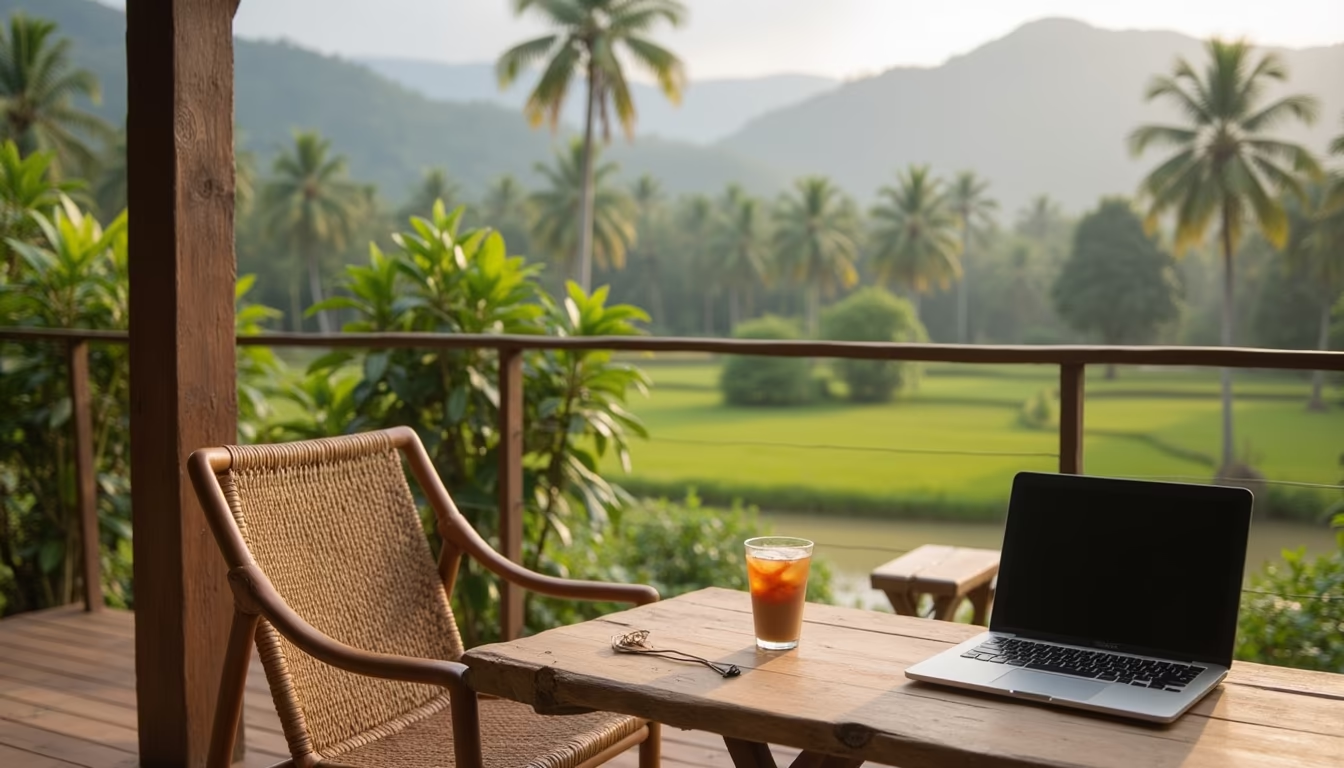
Read guideIn short Pai works for a pai digital nomad who needs reliable cafe wifi and a quiet base, not high-bandwidth video calls all day.
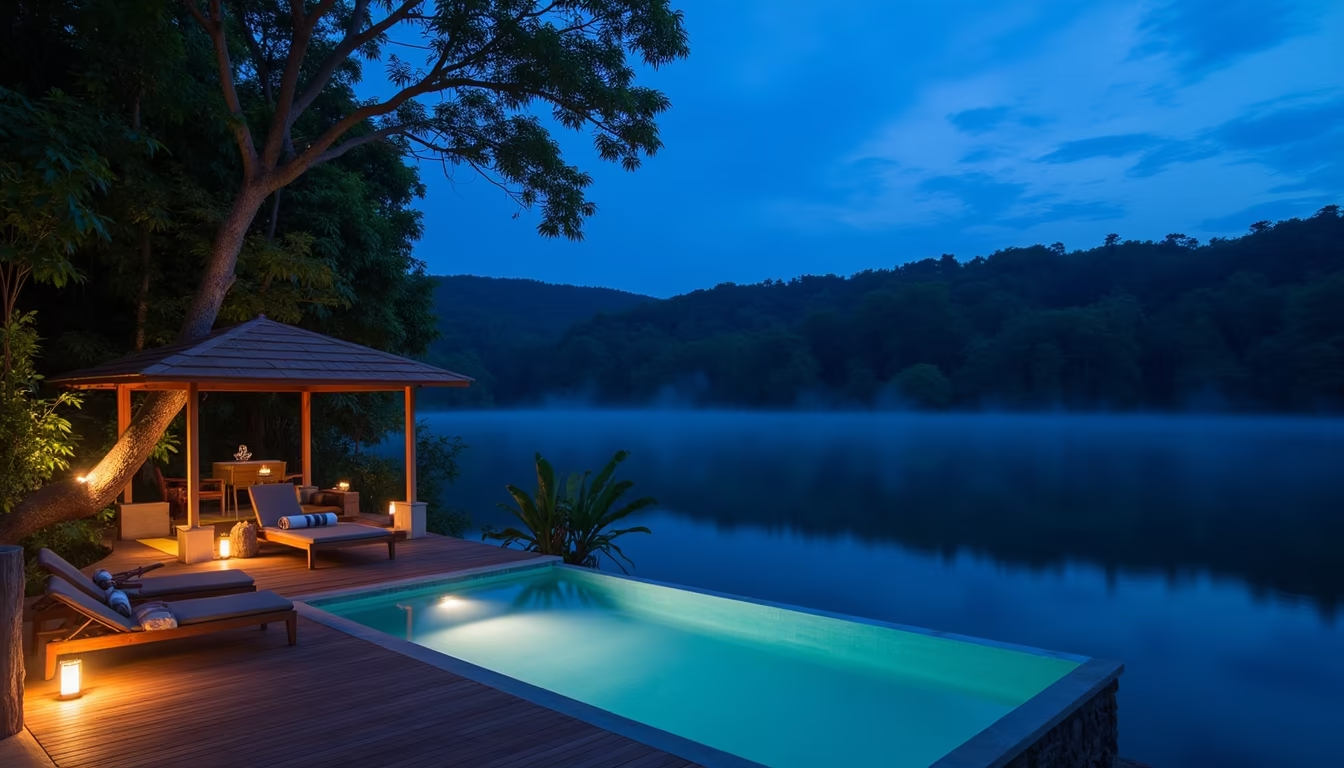
Read guideIn short A pai pool villa is a stay with its own private or shared pool, and it suits couples, families and small groups who want space and a cool-off spot.
Read guideIn short Pai in July is mid green season, and reliably green rather than reliably wet.
Read guideIn short Pai yoga is small, friendly and unpolished.
Read guideIn short Pai accommodation runs in three rough tiers: budget guesthouses and hostels, mid-range boutique stays, and villas or small luxury.
Read guideIn short Pai in June is green season, the start of the monsoon.
Read guideIn short Pai Canyon, or Kong Lan, is a no-charge cluster of eroded sandstone ridges lying about 8 km southeast of the town centre, prized for golden-hour panoramas and slim red-earth paths.
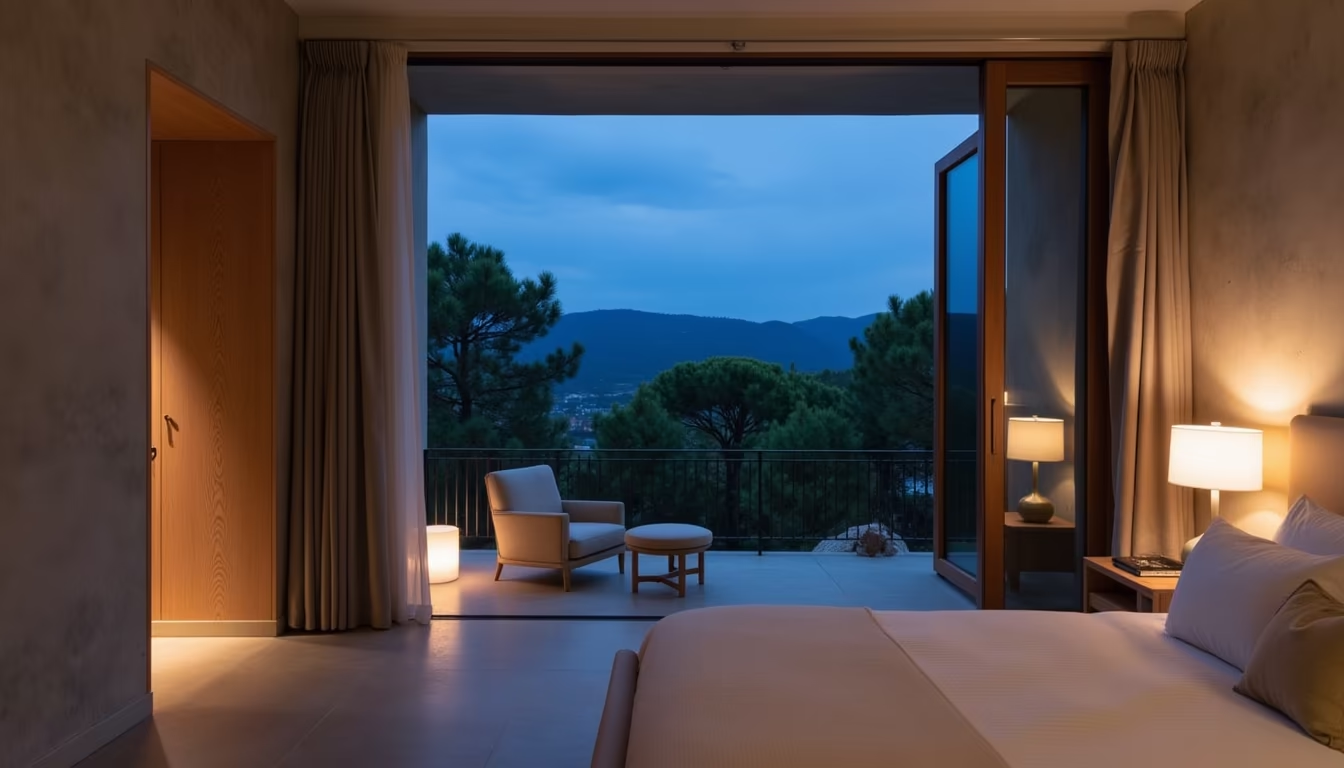
Read guideIn short A romantic hotel pai stay usually means a small, design-led place with a private deck, a quiet rice-field or hillside setting, and fog views on cool mornings rather than a big pool resort.
Read guideIn short The best pai hidden gems are the quiet viewpoints, riverside cafes, small temples, off-loop waterfalls and farming villages that most one-day tourists never reach.
Read guideIn short A good family house pai stay means flat ground, space for kids to roam, a real kitchen, and a host who answers fast.
Read guideIn short Pai weather splits into three seasons.
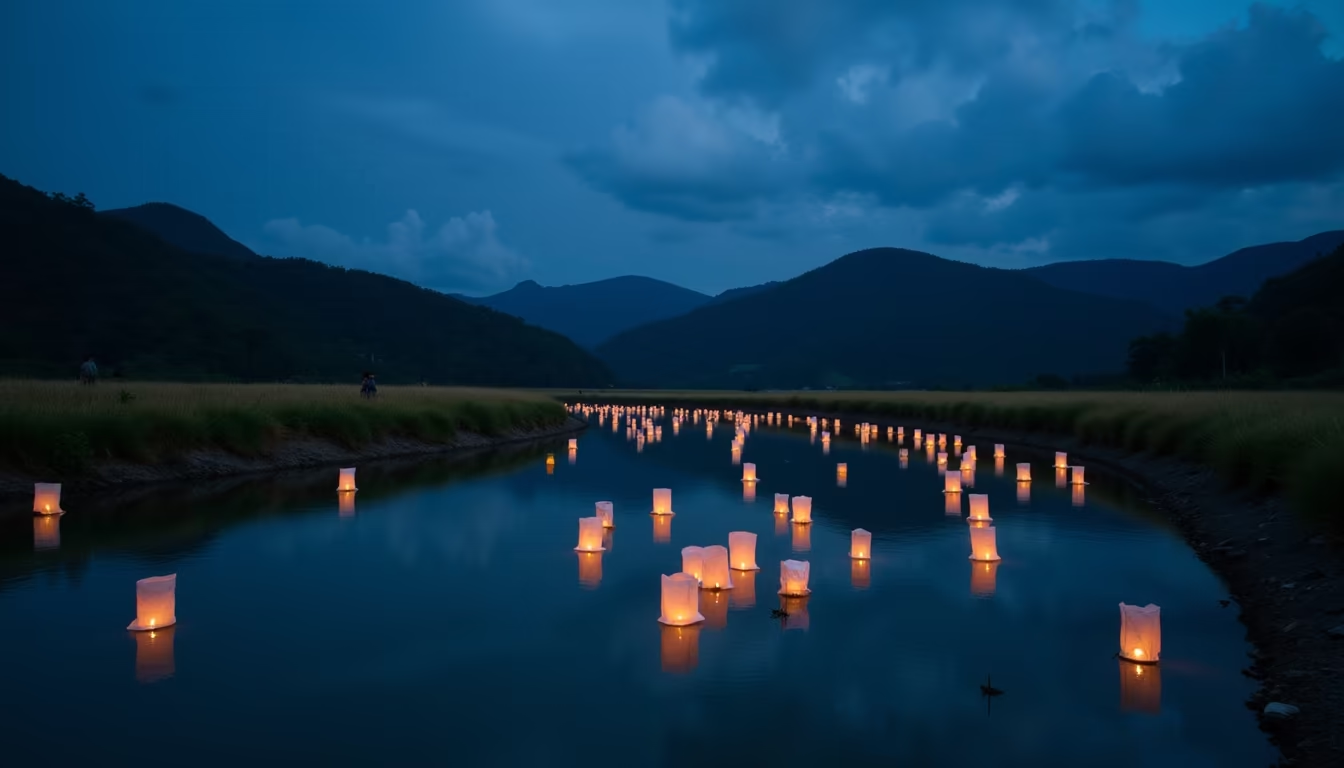
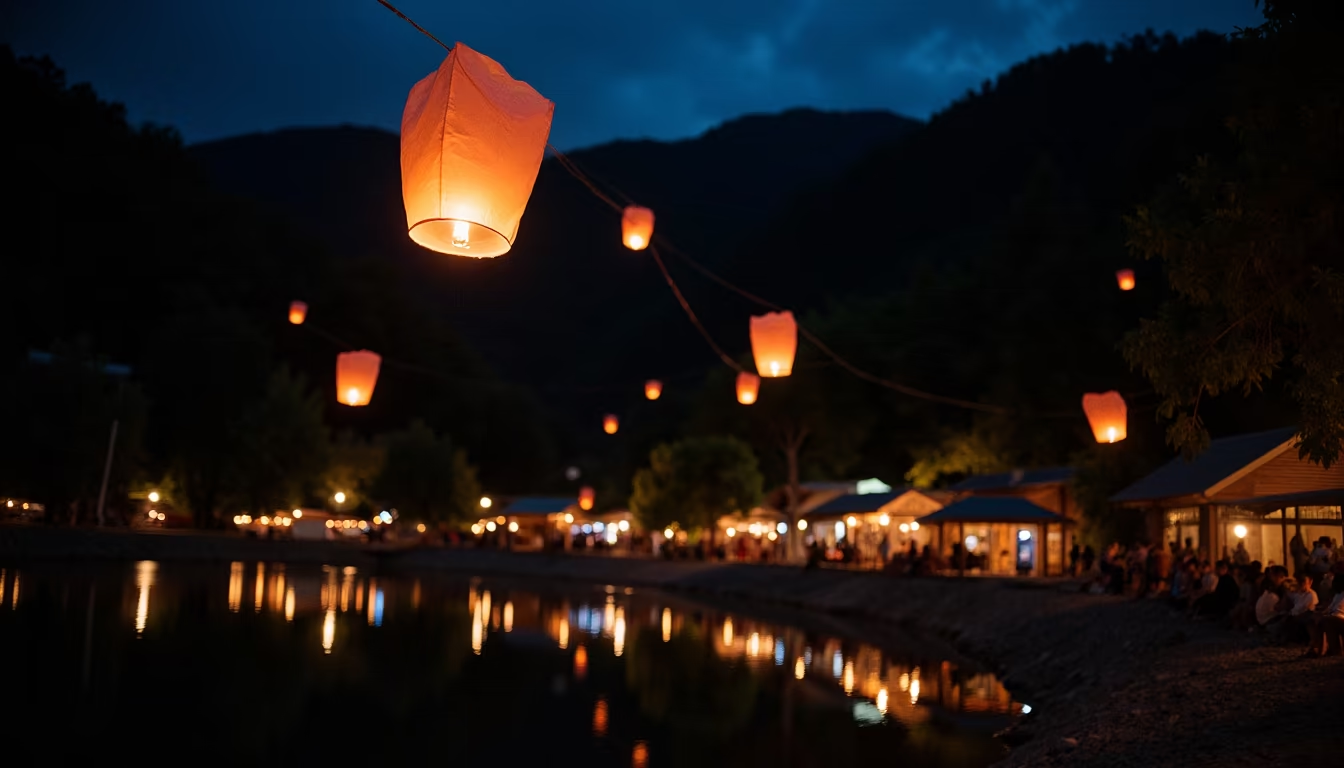
Read guideIn short The main pai festivals through the year are Songkran in April (the water-throwing new year), Loy Krathong around November (floating lights on the river), the New Year countdown over late December into January, and Chinese New Year at the Santichon Yunnan village around February.
Read guideIn short A pai village boutique resort gives you the closest thing to luxury Pai has: design-forward rooms, rice-field privacy, spa soaks and slow mornings, for far less than a five-star elsewhere.
Read guideIn short Where to stay in Pai depends on your pace: stay near Walking Street for cafes, food and nightlife on foot; pick the rice fields west of town for quiet sunsets and space; choose the riverside or the hills for mountain views and stargazing.
Read guideIn short To book Pai hotels direct, message the property on WhatsApp instead of paying through a booking site.
Read guide
Tell us your dates and we'll hold the best room at the best price — usually within the hour.