By BestHotelPai Team · Updated July 11, 2026
In short The Chinese village Pai travellers visit is Santichon, a Yunnanese hillside settlement about 4 km west of Pai town. Entry is free, and you go for the tea tasting, clay-baked mantou buns, the photogenic valley swing and the Yun Lai viewpoint just above it. Allow one to two hours, and pair it with a slow town day.
"Is the Chinese village in Pai actually worth the trip?" It is one of the most common questions we field from guests the morning they pick up a scooter. The honest answer is yes, with one condition: go knowing what it really is. Santichon is a small Yunnanese hillside community, not a sprawling ticketed attraction, and that single expectation decides whether people come back charmed or shrug it off.
Who Santichon is for, and who it is not for
We will be straight with you, because that honesty is the whole point of booking with people who live here. From the patterns we notice across our guests, here is who tends to enjoy it and who walks away flat.
- Great for: travellers who like food, tea culture and easy photo spots; couples wanting a gentle half-morning; anyone already heading up to Yun Lai for sunrise.
- Less great for: people expecting a large ticketed cultural park; anyone short on time who would rather see one waterfall properly; visitors arriving at midday in hot season when the light and crowds are at their worst.
In practice, the guests who tell us they loved it are the ones who treated it as a relaxed snack-and-tea stop, not a half-day commitment they had to justify.
The story behind this Yunnanese settlement
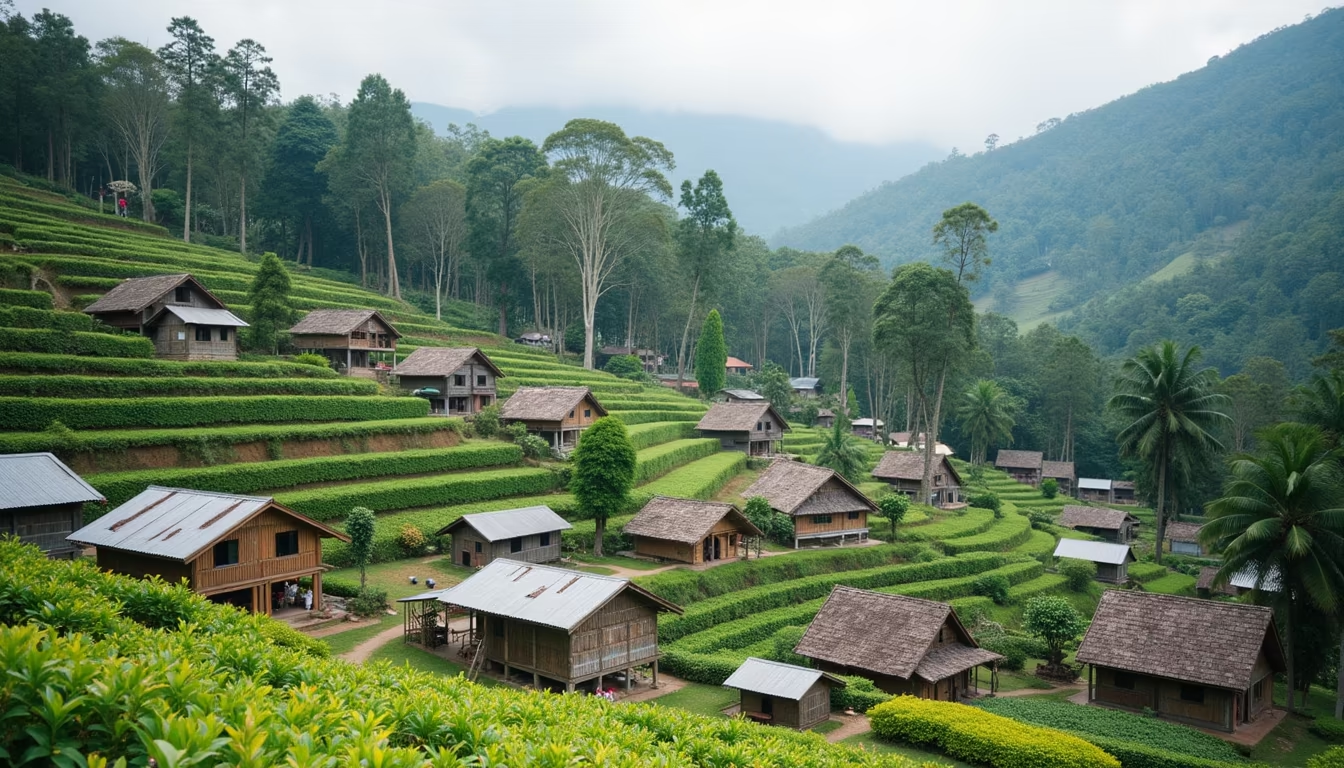
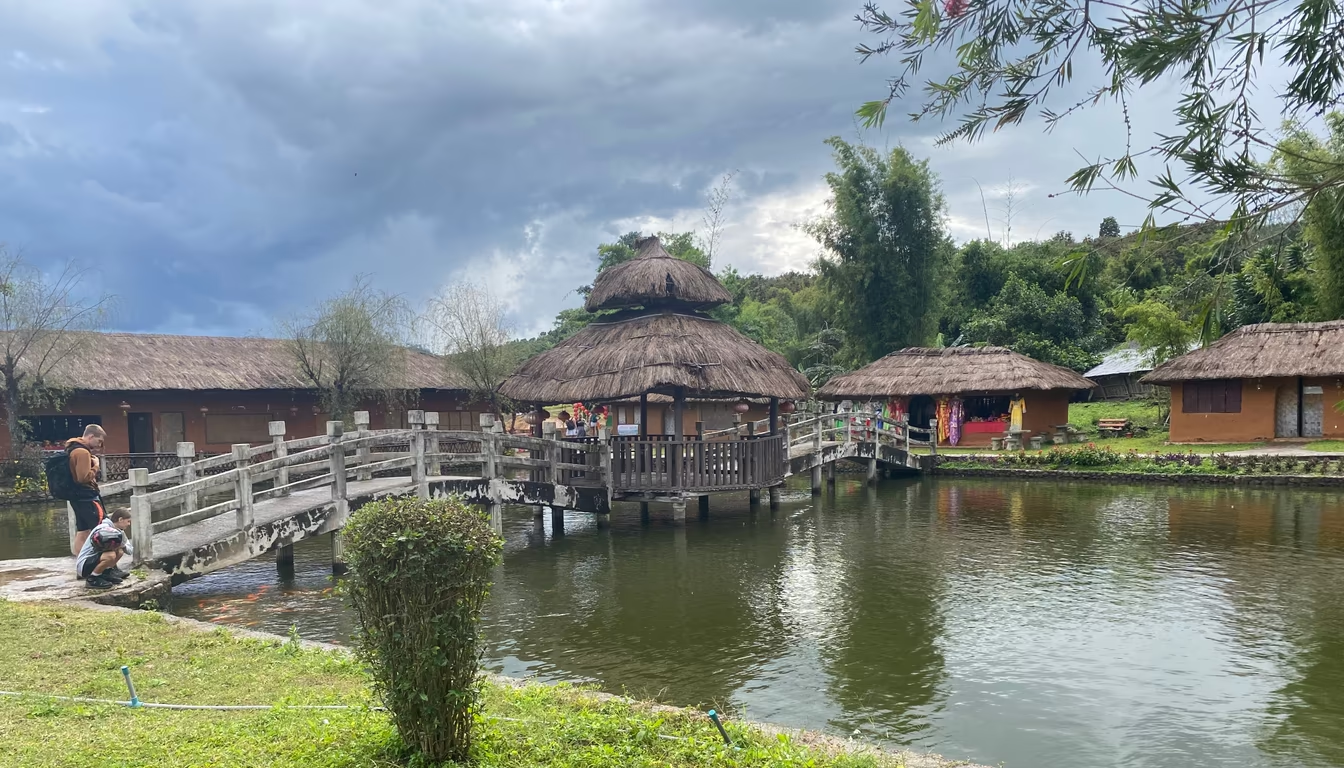
Santichon was settled by Yunnanese Chinese families, many descended from groups that migrated south from China generations ago and put down roots in these northern Thai mountains. That heritage still shapes daily life: the rammed-clay walls, the ochre courtyards, the herbal cooking and the unhurried tea houses. You will find a replica Yunnan-style square ringed by terracotta-toned buildings, red lanterns strung overhead, a little ornamental pond, and shopkeepers happy to chat about where their grandparents farmed before they crossed the border. Costumed photo backdrops and a small archway frame the entrance, leaning into the postcard-village mood.
Pai itself sits in Mae Hong Son, a province long home to many hill and ethnic communities woven through its mountain valleys. According to the provincial tourism information officially published at maehongson.go.th, this cultural diversity is one of the region's defining draws, and Santichon happens to be among the easiest of these communities to reach on your own without hiring a guide.
The food and tea worth slowing down for
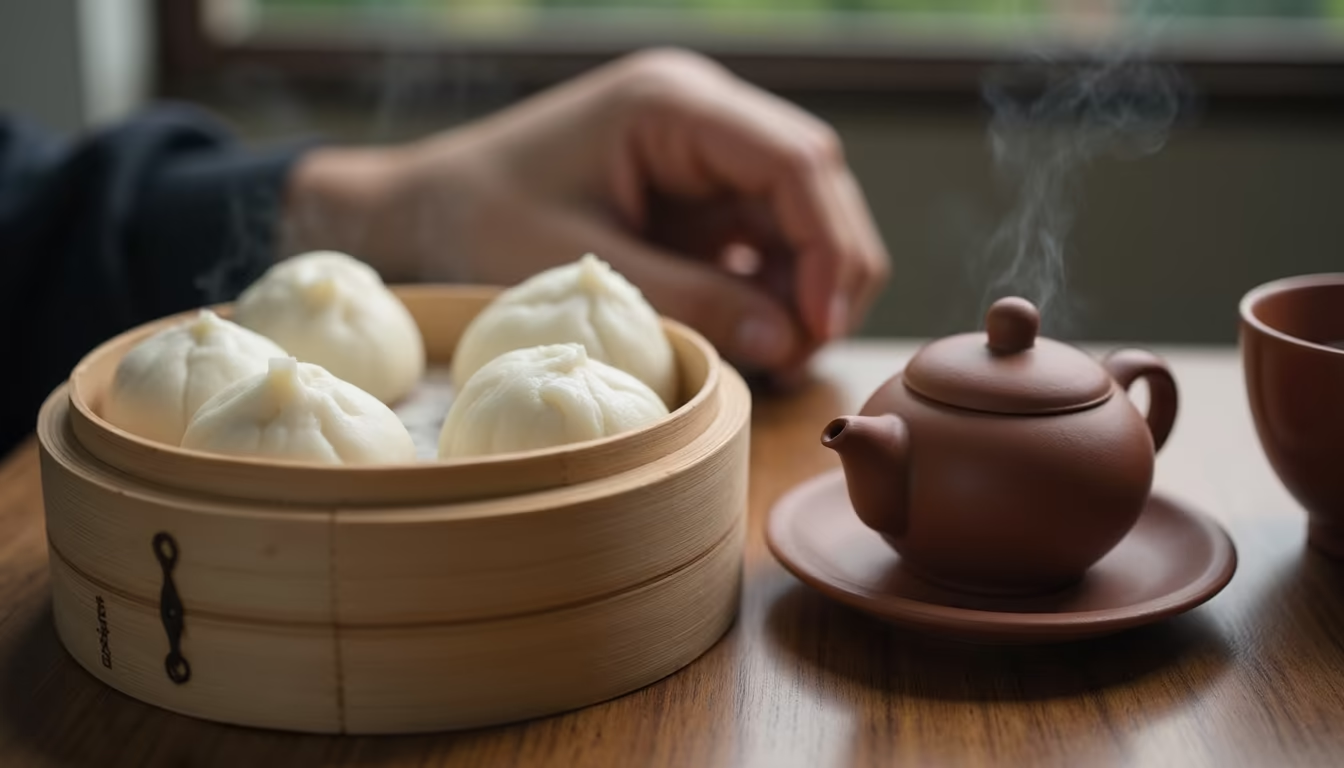
Forget the swing for a second; the kitchen is the real reason to come. Yunnanese cooking is hearty, herbal and quite different from the Thai food most travellers expect, and the village does it well.
- Clay-oven mantou: pillowy buns baked against the wall of a hot clay oven, served plain or with a sweet dip.
- Black-chicken herbal soup: a slow-simmered medicinal-style broth that locals swear by on a cool morning.
- Stewed pork with mantou: rich braised pork you tuck inside a steamed bun, comfort food at its best.
- Oolong tea tasting: sit-down sampling at the tea houses, usually free to taste with leaves to buy if you like a cup.
From what we see with guests, the tea sampling is where an hour quietly disappears. The teahouses pour several Yunnanese oolong varieties, from a lightly oxidised jade roll to a deeper, roasted amber leaf, and the vendors are generous with refills. Take it slow, buy a small pouch of loose leaves wrapped in patterned paper, and you carry home a souvenir far better than a fridge magnet. Many guests also grab a bag of dried mountain mushrooms or candied walnuts from the same stalls.
How to get there and the best time to go
Getting there is simple. From the centre of town it is about a 10 minute scooter ride west, or a short songthaew hop; the road is paved and gentle the whole way. If you have rented a scooter, Santichon plus Yun Lai forms a natural little loop. For the bigger picture of reaching town in the first place, our guide on how to get to Pai covers the minivan from Chiang Mai and the airport options.
Timing matters more than most blogs admit. The cool, dry season from November to February is the sweet spot: clear valley views, comfortable walking, and the chance of morning mist if you continue to Yun Lai at sunrise. March to May turns hot and hazy from regional burning, while the green rainy months run roughly June to October. Aim for mid-morning or the hour before sunset for the kindest light and the smallest crowds.
| Detail | Santichon Chinese Village | Yun Lai Viewpoint |
|---|---|---|
| Distance from town | ~4 km west | ~5 km west |
| Entry | Free | Small fee |
| Best time | Mid-morning or late afternoon | Sunrise (cool season) |
| Time needed | 60 to 90 minutes | 30 to 45 minutes |
| Good for | Food, tea, photos | Mist and valley views |
A simple first-timer plan for the western hills
The trap is treating Santichon as a destination on its own and feeling let down by the scale. The fix is to chain it with the spots around it. Here is the easy western-hills morning we suggest to guests:
- Leave town early and catch the mist at Yun Lai viewpoint as the sun comes up over the ridges.
- Drop down to Santichon for warm clay-oven mantou and a pot of oolong as the village wakes.
- Take your time at the swing and bridges while the morning light is soft and the crowds are thin.
- Roll back to town by late morning for a riverside lunch, leaving the whole afternoon free.
If you want to build out the rest of the day, our roundup of things to do in Pai groups the western-hills stops together so you are not zig-zagging across the valley. Pacing beats box-ticking here; Pai rewards a slow rhythm.
Etiquette and small practicalities at the village
A handful of habits make Santichon nicer for everyone. Carry small banknotes, since the mantou ovens and tea stalls almost never take cards. Dress modestly and comfortably; this is a lived-in Yunnanese community, not a film set, so a quiet, respectful presence is appreciated. Ask politely before photographing residents up close, and avoid the midday squeeze when tour vans crowd the little square. Continuing uphill to Yun Lai? Tuck a light jacket in your bag for the cold dawn at altitude.
What to combine with it nearby
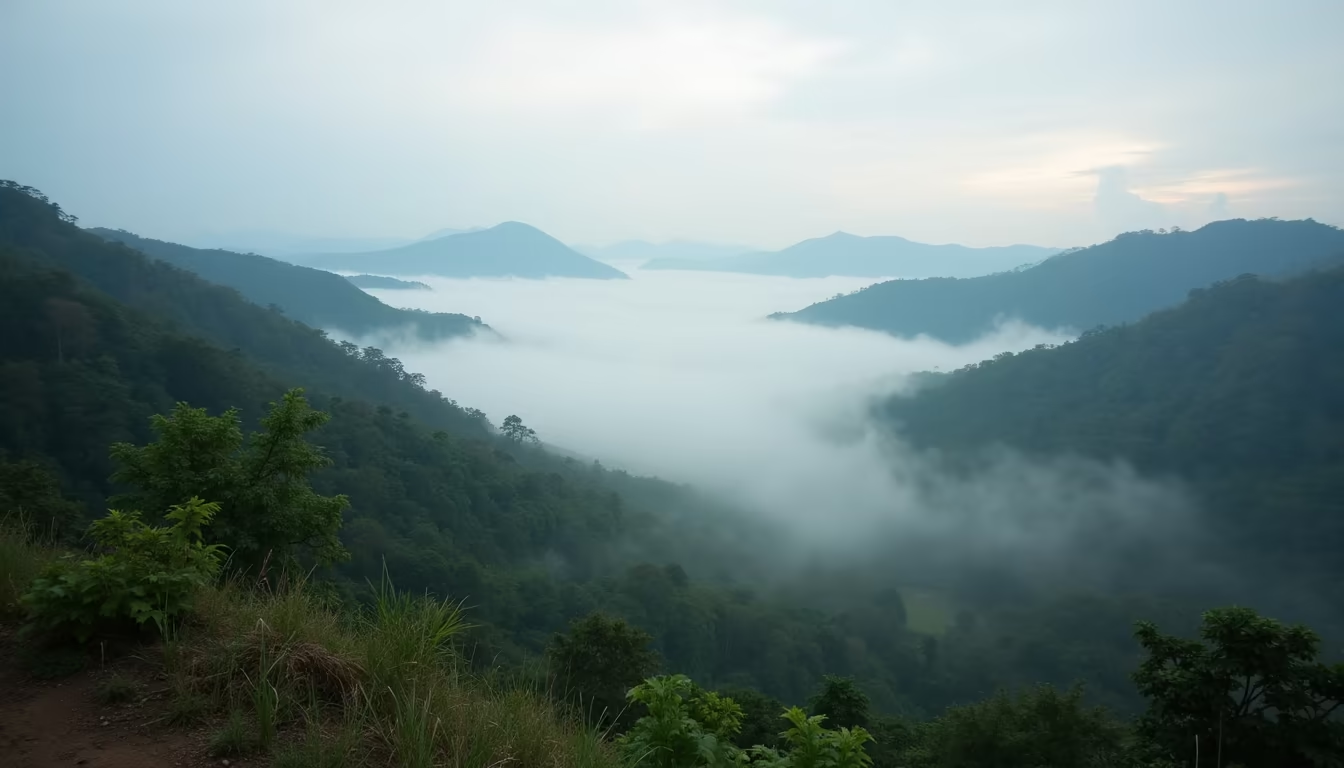
Because Santichon takes barely ninety minutes, the smart move is to bolt it onto the surrounding western loop rather than ride out for it alone. Yun Lai viewpoint sits five minutes uphill for its famous sunrise mist. Heading back, the riverside cafes and Pai Walking Street are an easy reward. Pacing this cluster well means you see real culture in the morning and still keep a lazy Pai afternoon intact.
Picking a base so the morning trip is effortless
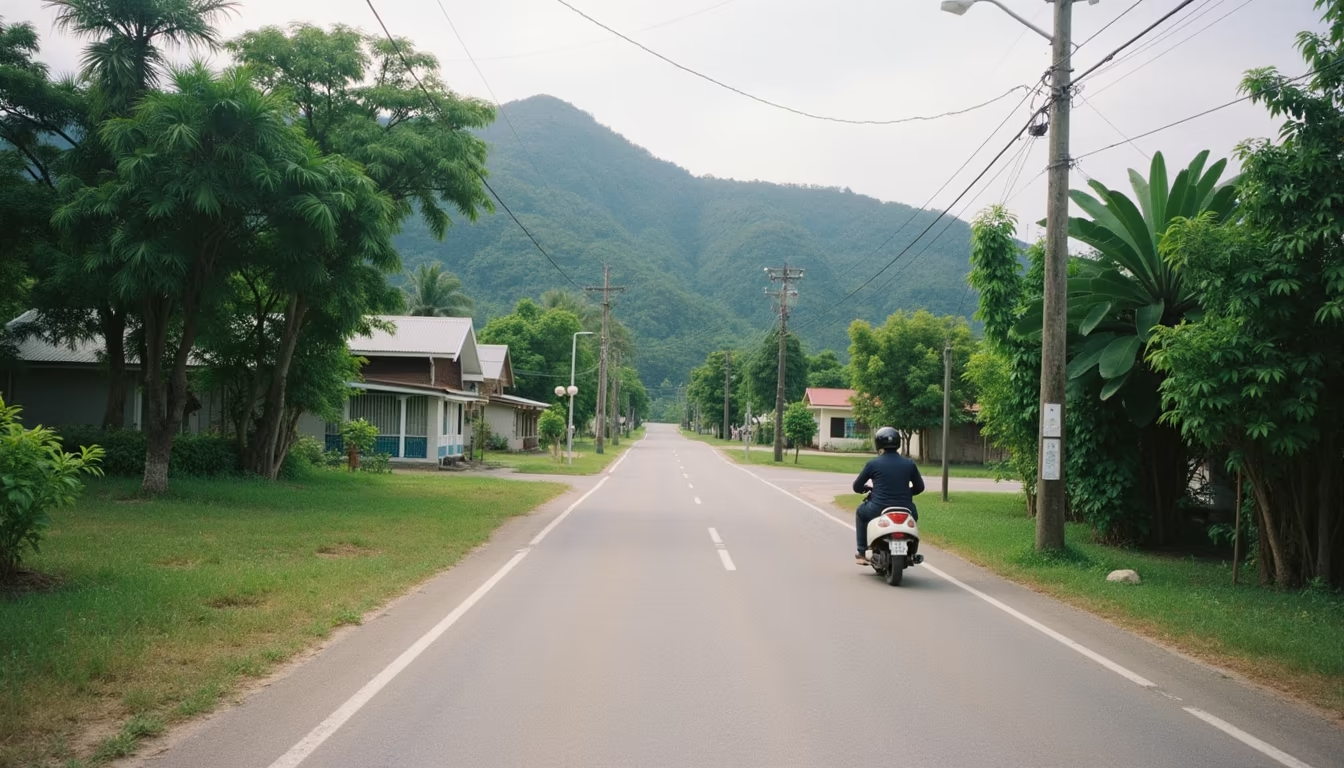
Santichon clings to the western edge of Pai, putting almost every downtown bedroom roughly ten minutes by scooter from those clay ovens. What changes your trip far more than distance is the person on the other end of the booking. Choose a small host-operated property and your messages reach locals who can sketch the precise sunrise circuit by hand, never a remote agent reciting a template.
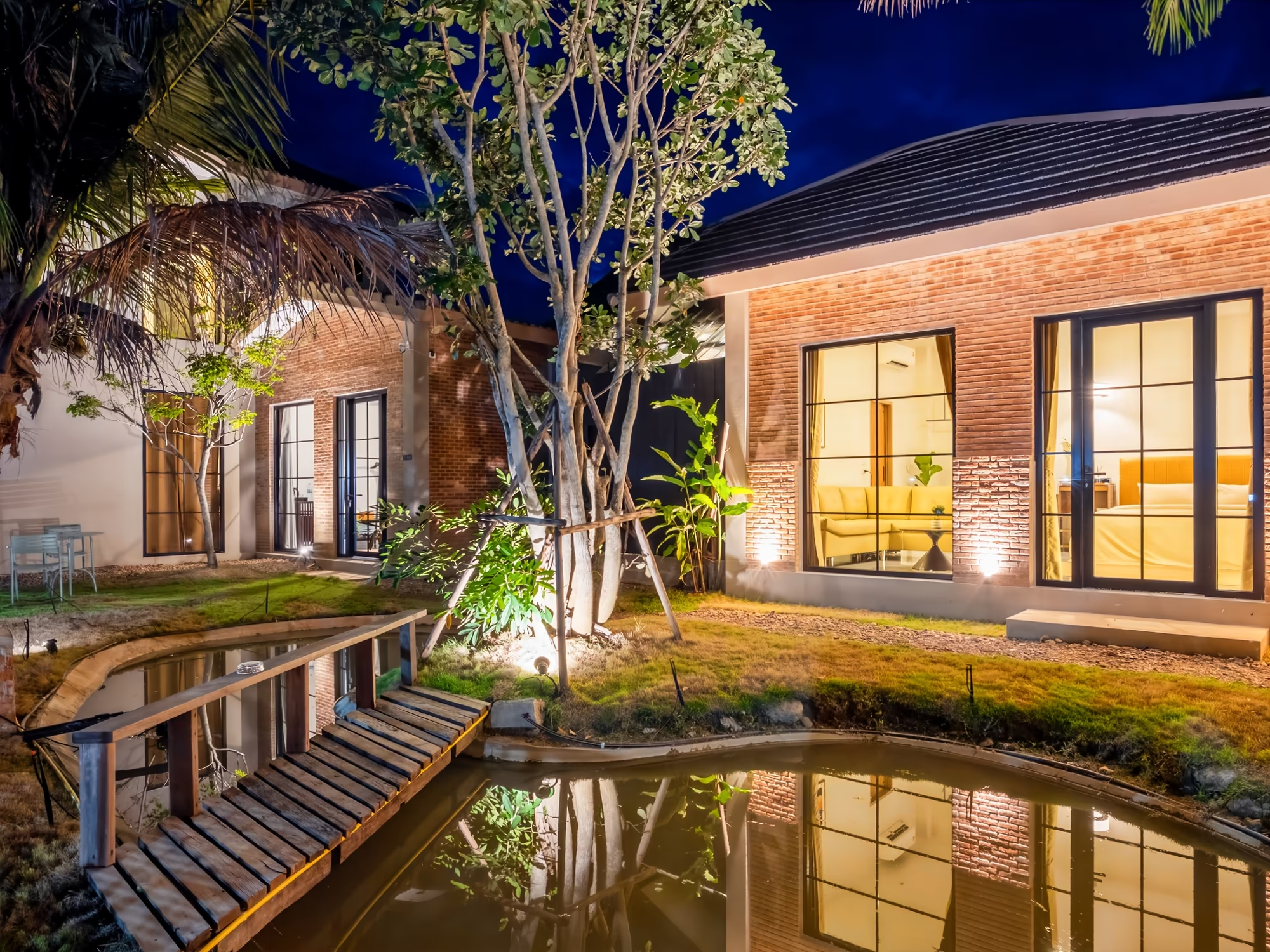
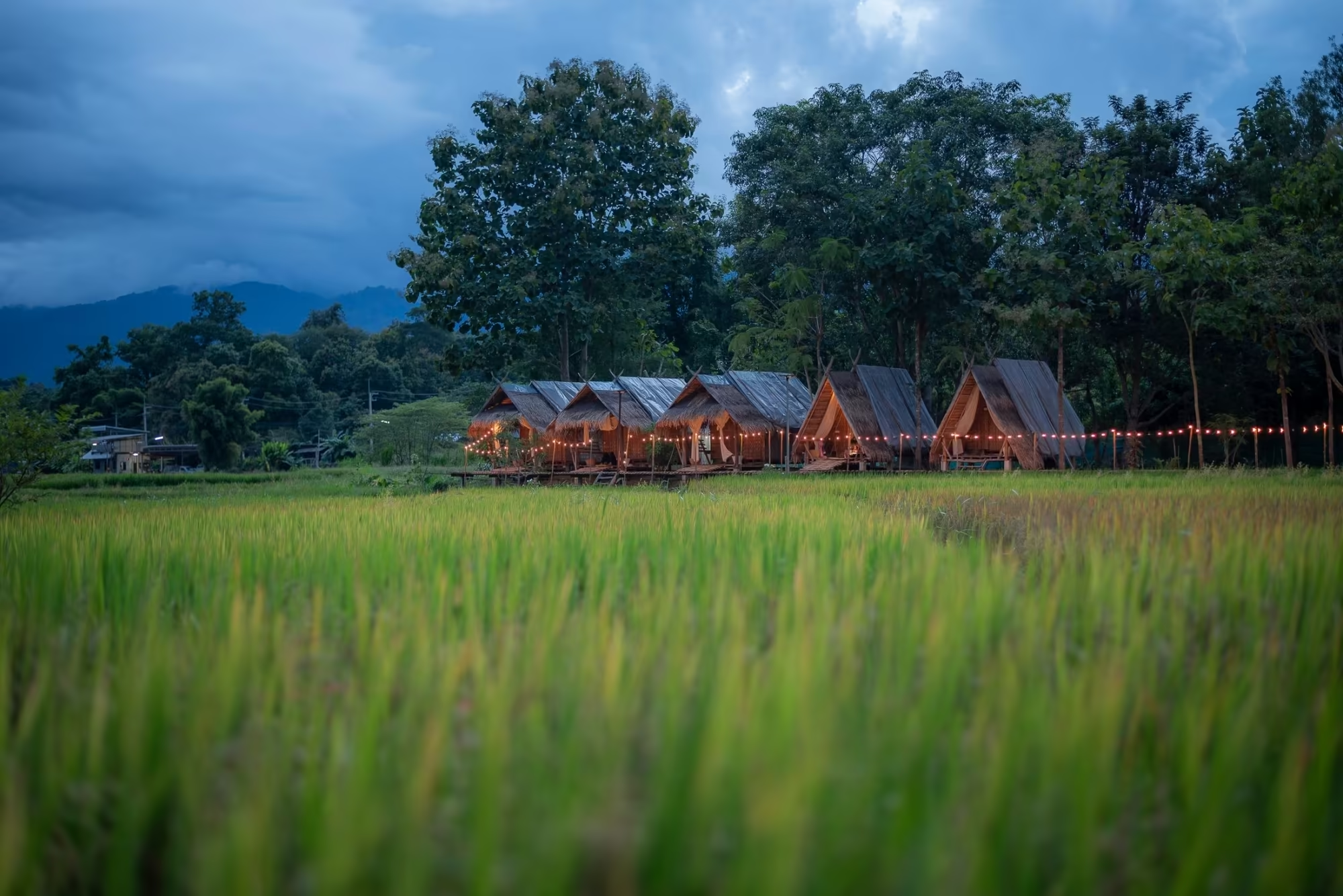
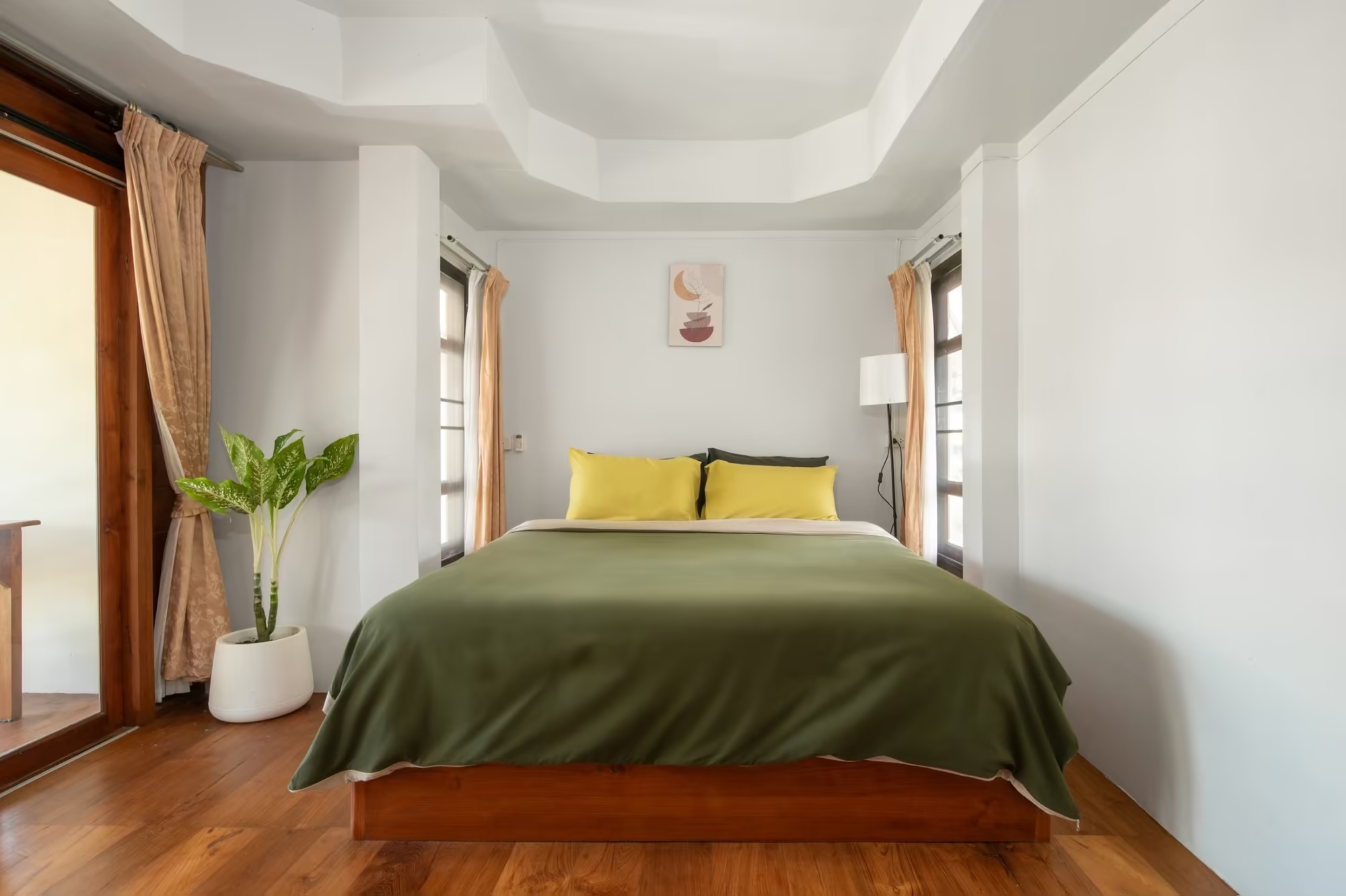
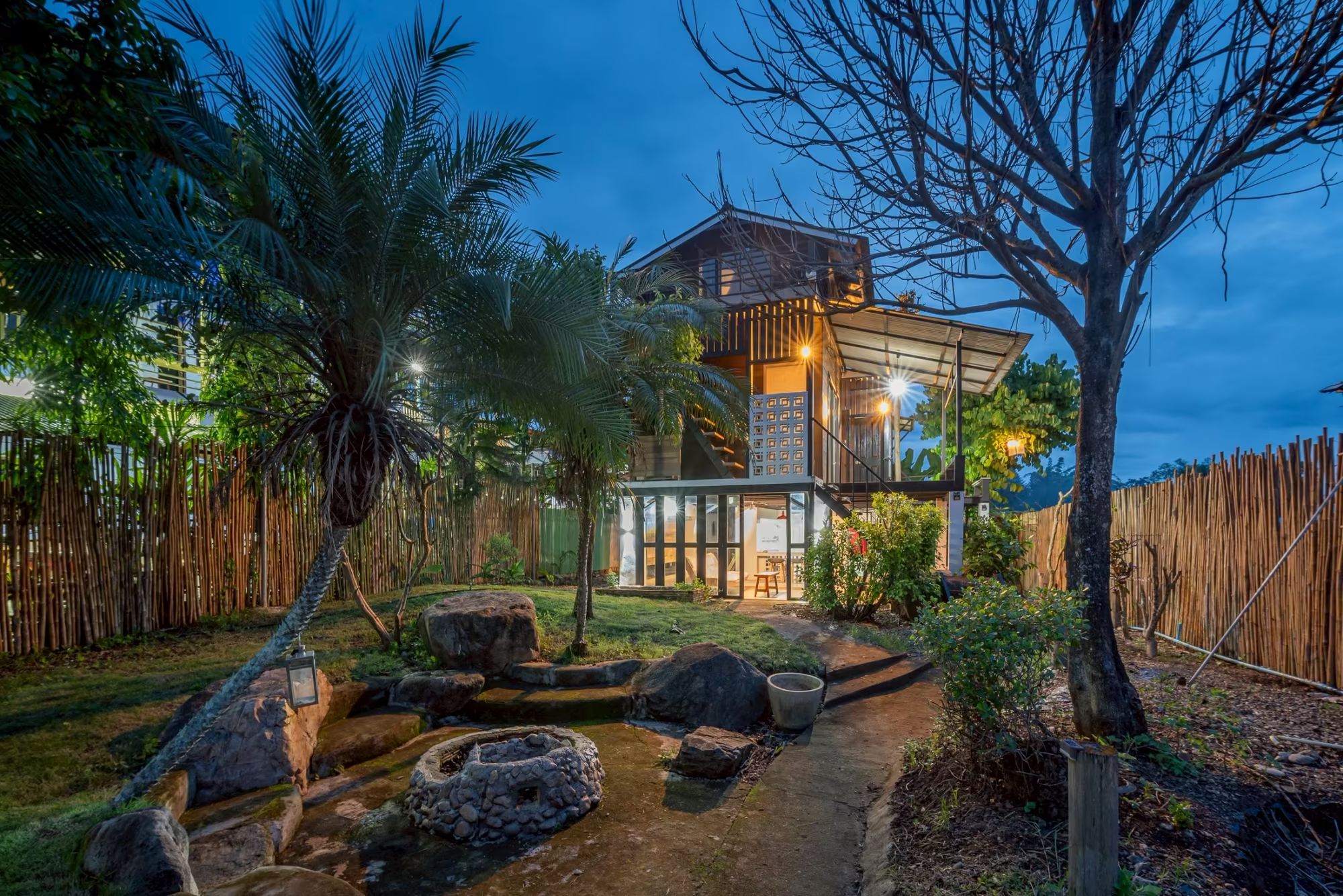
Our family minds half a dozen modest lodgings dotted around the valley, spanning hushed paddy-side cabins through to a stylish bedroom a short stroll from the night market. Compare each option carefully inside our where to stay in Pai guide, which unpacks every quarter of town, the kind of visitor it best suits, and the frank pros and cons. Please reconfirm the latest opening windows and any seasonal village timings from current local sources ahead of your ride, because these little community kitchens revise their hours often.
Santichon is a tiny, sincere pocket of Yunnanese heritage perched a few minutes outside the town centre. Show up with grounded expectations, twin it with Yun Lai at first light, bite into the mantou while steam still rises, and the place becomes one of the gentle, lingering mornings of a Pai journey rather than another box you ticked.
Hero photo: WalkOnWater93 / Wikimedia Commons (CC BY-SA 4.0)