By BestHotelPai Team · Updated June 15, 2026
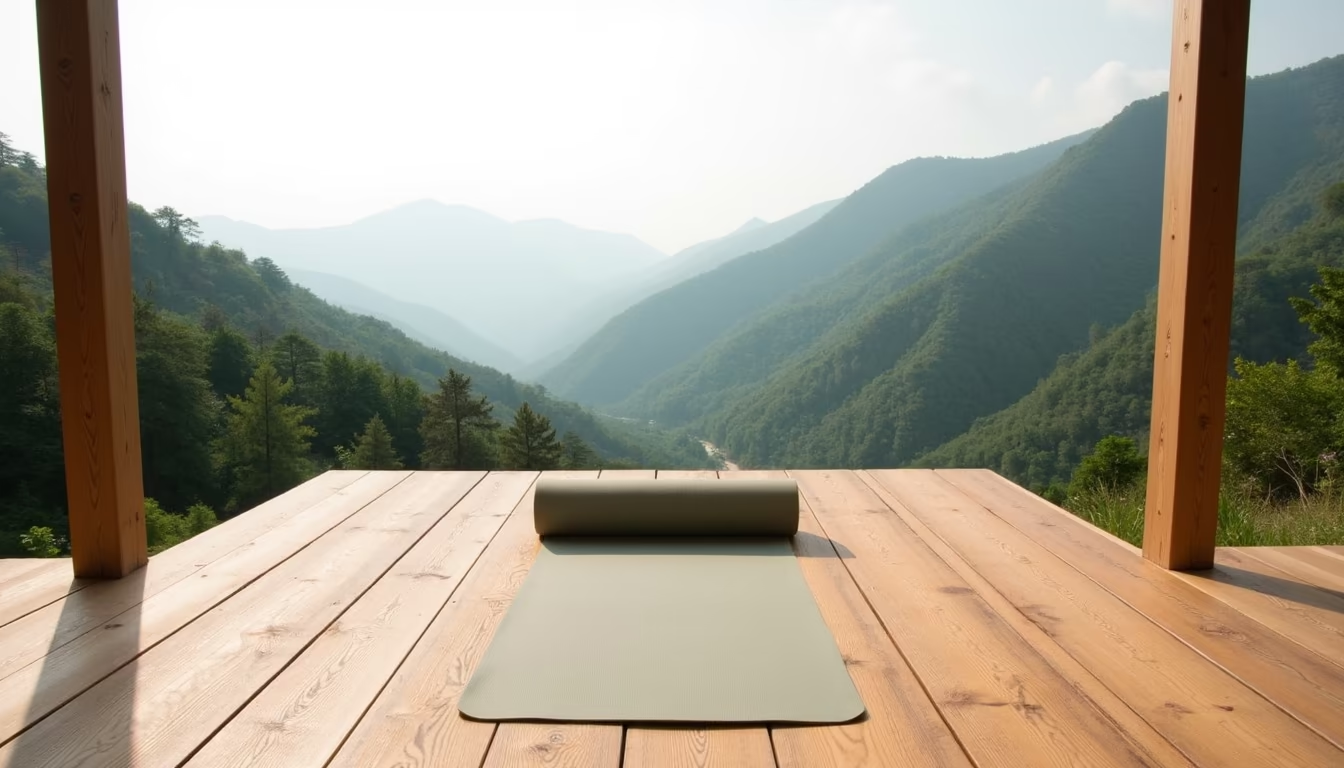
In short Pai yoga is small, friendly and unpolished. You will find a handful of drop-in studios, a couple of multi-day retreats and several guesthouses with morning classes. There is no giant resort scene here, which is exactly the charm. Base yourself in a quiet stay near town, walk to a class, and let the valley do the rest.
"Can I actually practise yoga up here, or is that just a backpacker rumour?" A guest asked us exactly that over breakfast last cool season, half-joking, still loosening her shoulders after the dizzying mountain road. Fair question. This little town's reputation runs more toward lazy cafes and late-night reggae than disciplined dawn asana.
The honest truth: yes, absolutely, and the flavour of practice here is gentler and more personal than the glossy wellness factories elsewhere in the country. This guide unpacks what each session feels like, what it costs, when the teaching calendar peaks, and how to arrange your week so the habit genuinely takes hold.
Setting up your first three days, step by step
If you have never practised in a mountain town before, a little planning beats wandering. In practice, this is the rhythm we suggest to guests who want yoga without surrendering the whole trip.
- Day one, scout and rest. Arrive, settle, eat, and walk past a studio or two to read their posted timetable. Do not force a class on the same day you survived 762 curves up the mountain road.
- Day two, your first class. Pick a gentle morning session, hatha or yin, near where you sleep. Short walk, no scooter stress, easy reset.
- Day three, decide your dose. Loved it? Grab a weekly pass or ask about a retreat. Felt like enough? Drop back to once every couple of days and chase a waterfall instead.
So what does practice here really feel like?
Small studios, loose schedules
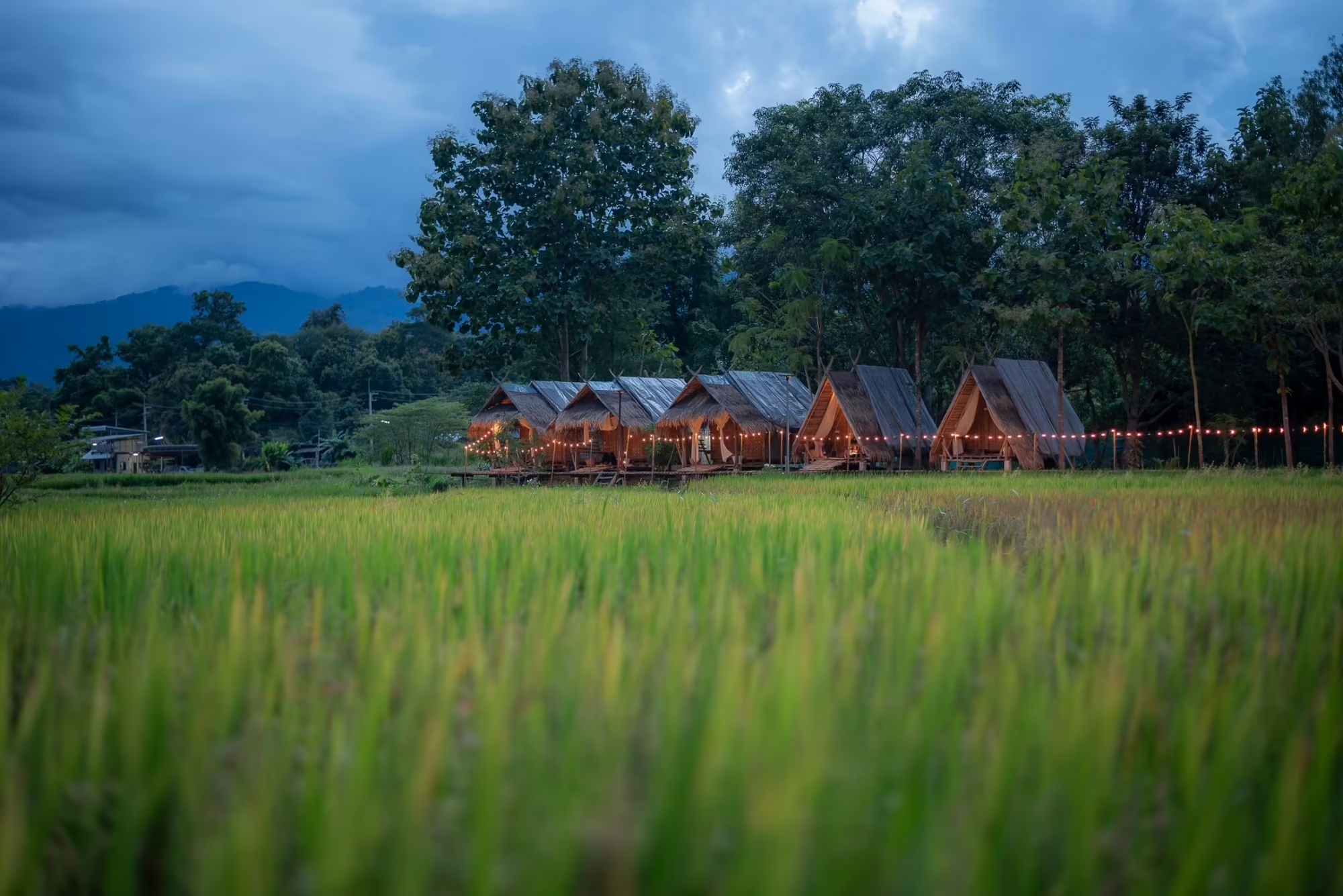
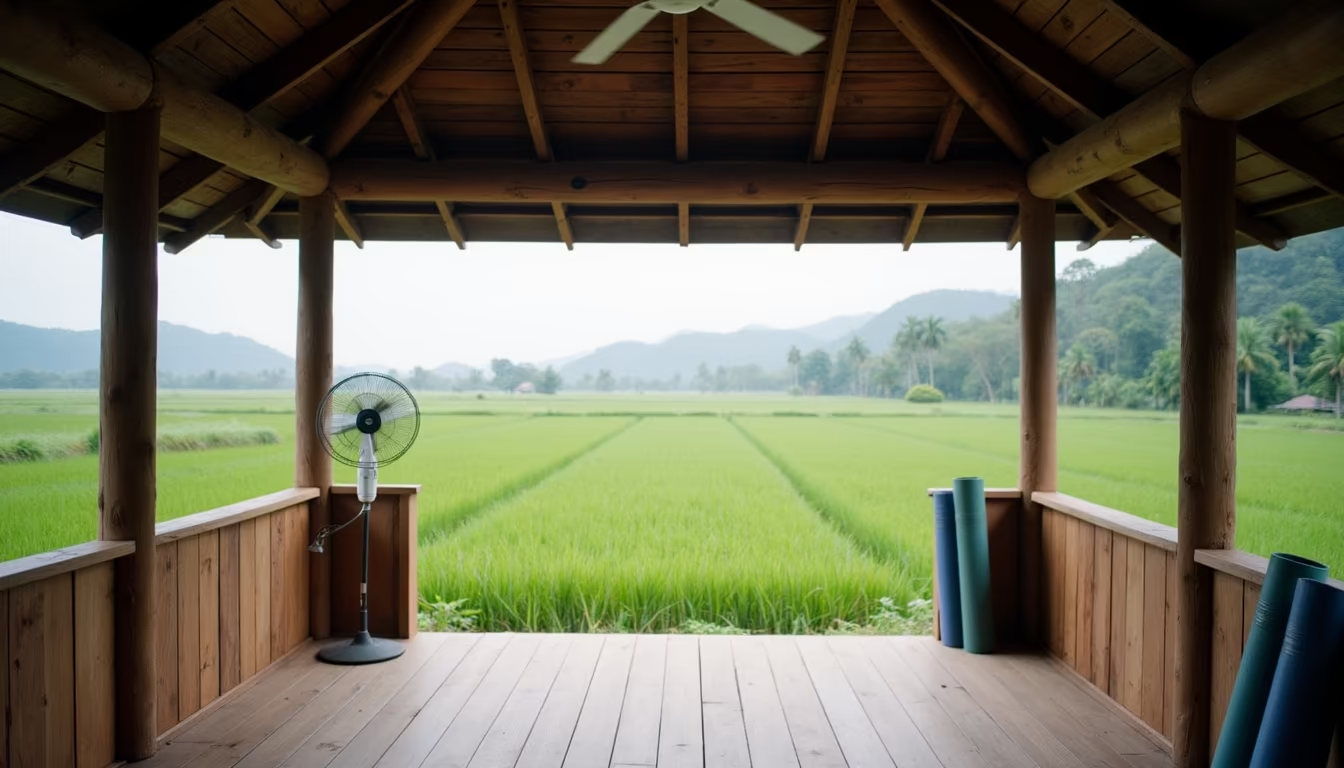
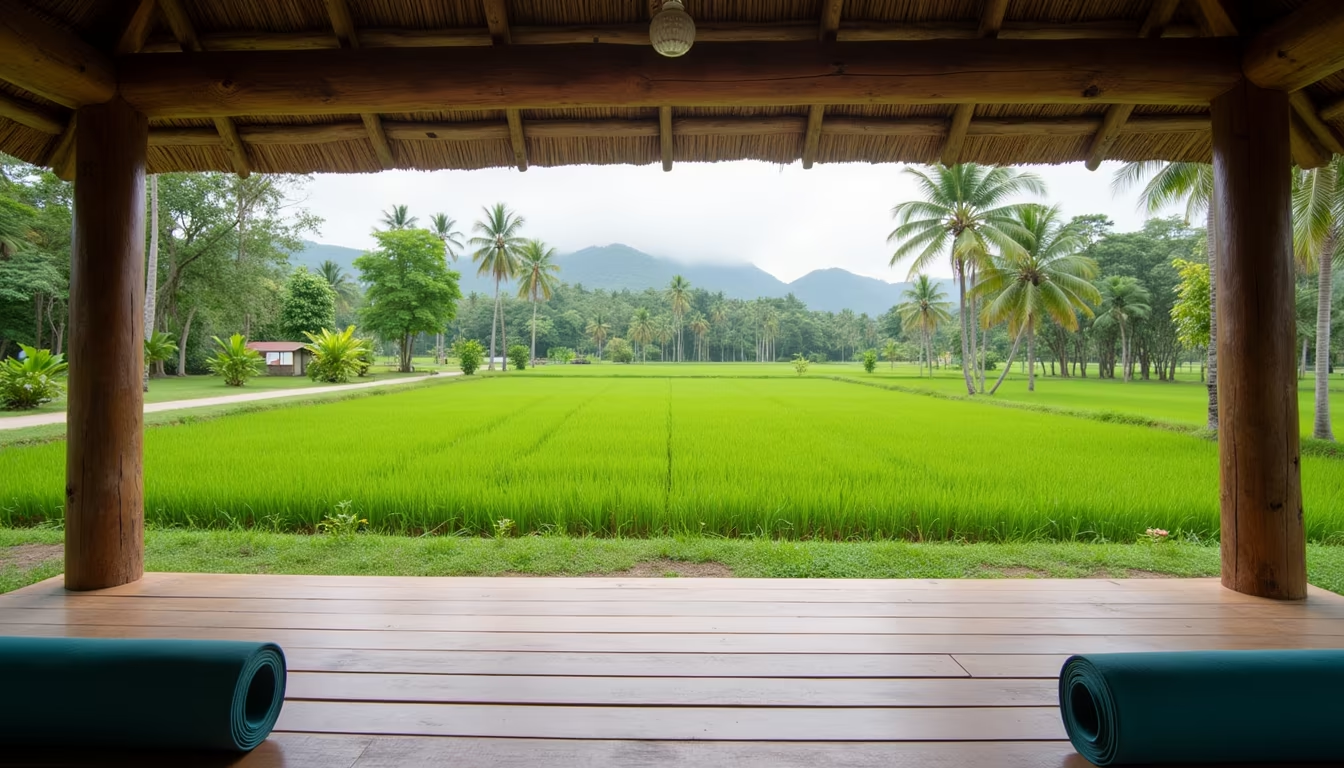
Forget the manicured retreat campuses of Ubud or Rishikesh. The scene here is village-sized. Studios are open-sided wooden salas with ceiling fans and a view of rice or hills, and most run a loose weekly timetable rather than a rigid term. When a teacher travels, that class simply pauses.
Gentle styles, tiny groups
Styles lean toward the gentle end: hatha, slow vinyasa, yin, plus generous pranayama breathwork and seated meditation. You will hear teachers name the asanas softly, cueing downward dog, pigeon, child's pose and a long savasana to finish. Some add Thai massage training, which folds neatly into a practice week. Props matter too: most salas stock bolsters, blocks and straps, so stiff travel hips get supported rather than forced. Groups are tiny, often four to eight people, so a teacher can correct your alignment instead of shouting over a packed studio.
Why the smallness is a feature, not a flaw
Is the smallness a drawback? We see it the other way. You are not paying for a slick brand. You are paying for clean mountain air, real attention and unhurried time, and that is the whole point of coming all the way up here.
Worth setting straight: a single morning often blends disciplines, opening with breath, moving through a soft flow, then closing with quiet meditation. Arrive expecting daily power sweat and you may be surprised by how restorative it all feels.
Pai yoga thailand: the three places sessions happen
Teaching clusters into three zones, and knowing which is which spares you a pointless ride across the valley to a locked pavilion.
- Pavilions a short stroll from the centre. Drop-in flow and yin, usually at dawn and dusk. Perfect when you have no wheels and prefer to amble to your mat barefoot.
- Riverside and paddy-edge halls, five to fifteen minutes out. Stiller, often paired with a tiny vegetarian kitchen or homestay. A bicycle gets you there.
- Immersive multi-day retreats. A few hosts run three to seven day programmes weaving asana, meditation, plant-based meals and the odd phone fast. They sell out in peak months, so reserve early.
The Tourism Authority of Thailand groups Pai with its slow-travel and wellness spots in the north, according to tourismthailand.org, the country's official travel body. That lines up with what we watch happen: guests come for the nature first, then stumble into the wellness side and never want to leave.
Reading a timetable: hatha, vinyasa, yin explained
If yoga jargon glazes your eyes, here is the plain version of the words posted on noticeboards, so nothing surprises you when you step onto the mat.
- Hatha: slow, held postures with steady breathing. Forgiving for absolute beginners.
- Vinyasa: postures linked into a flowing sequence, breath leading movement. A touch more cardio.
- Yin: deep stretches held two to five minutes each, melting tight connective tissue after long journeys.
- Pranayama: rhythmic breath training that settles the nervous system before or after asana.
- Savasana: the final lying rest, where everything consolidates. Never skip it.
Learn those five labels and you can decode any noticeboard, then pick whatever suits your energy that particular dawn.
What a typical dawn session feels like
Walking into a morning class
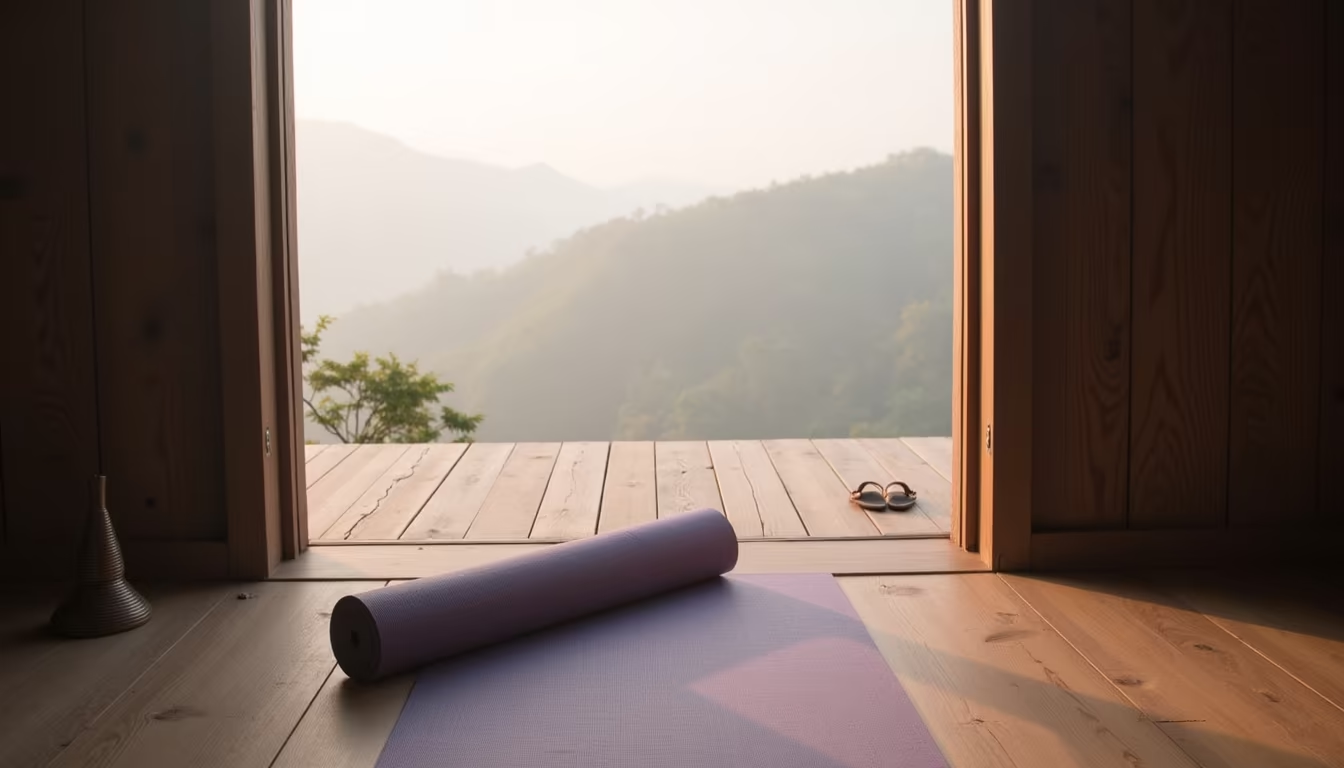
Picture this. You arrive a few minutes early, leave your sandals at the step, and choose a mat facing the open side of the pavilion. The teacher lights an incense coil and invites a few rounds of slow nasal breathing to land everyone in the room. Birdsong does most of the soundtrack.
From there a hatha or gentle vinyasa class warms the spine through cat-cow, eases into sun salutations, then explores standing shapes like warrior and triangle, holding each long enough to feel it without strain. A yin teacher instead guides you into a handful of grounded shapes, dragon, sphinx, reclined twist, held quietly while the mind softens. Most sessions close with a long savasana, blankets optional, before a final palms-together bow.
What to pack
Pack light for it: stretchy clothes you can fold forward in, a personal towel for shared mats, a refillable water bottle and a warm layer for the stillness at the end. Studios supply mats, bolsters and blocks, so you need carry almost nothing.
Deeper retreat extras
Some retreats layer evening chanting, mantra japa and a deep yoga nidra leaving you floating between sleep and waking. Instructors teach mobility drills, inversions and playful handstand workshops once trust builds across the week. Some finish with reiki, acupressure thumbing along meridians, or a gentle partner Thai massage exchange on the floor. A dawn cacao ritual, fermented kombucha tonics and a long communal vegan supper sometimes bookend the deeper programmes.
Drop-in class or full retreat: how to choose
It comes down to how much of your trip you want to hand to a fixed schedule. Here is the trade-off the way we lay it out for guests.
| Option | Best for | Rough cost | Commitment |
|---|---|---|---|
| Single drop-in class | Travellers keeping a flexible itinerary | 200 to 350 THB | One morning |
| Weekly class pass | Slow travellers staying a week or more | 900 to 1,500 THB | A few mornings |
| Multi-day retreat | A full reset with food and meditation included | 5,000 to 15,000 THB | 3 to 7 days, fixed |
From what we see with guests, the sweet spot for a first-time practitioner is a relaxed stay paired with drop-in sessions. You keep your freedom on the days you fancy exploring, and still unroll the mat on the mornings your body asks for it. Full retreats reward people who already know they want to switch off completely and surrender the schedule.
For non-practice days, our guide to things to do in Pai dovetails beautifully with a yoga week.
How we at BestHotelPai sort yoga guests
We would rather you arrive with the right picture than feel let down. So here is the blunt version of who thrives here.
Who thrives here
You will love it if you want quiet, nature, and a practice that feels personal. People who stay a week or longer get the most out of it, because the rhythm of Pai rewards slowing down. Solo travellers do especially well, since the small classes make it easy to meet people without any pressure. Couples who want a calm reset together also tend to leave happy.
Who might prefer elsewhere
It may frustrate you if you need a large timetable with dozens of daily slots, advanced teacher trainings on demand, or a luxury spa-resort polish. Pai is rustic on purpose. The roads up are winding, the wifi can wobble, and a class might shift by a day if the teacher is travelling. If certainty and choice matter more to you than atmosphere, a bigger hub like Chiang Mai may fit better, and you can always add a few Pai days on top.
Is it beginner-friendly?
What about beginners? Pai is genuinely welcoming for them. Small groups mean a teacher can actually watch your alignment, and the gentle styles forgive stiff travel bodies. We have seen plenty of guests take their first ever class here and keep going.
When to come and where to unroll your mat near
Best season for practice
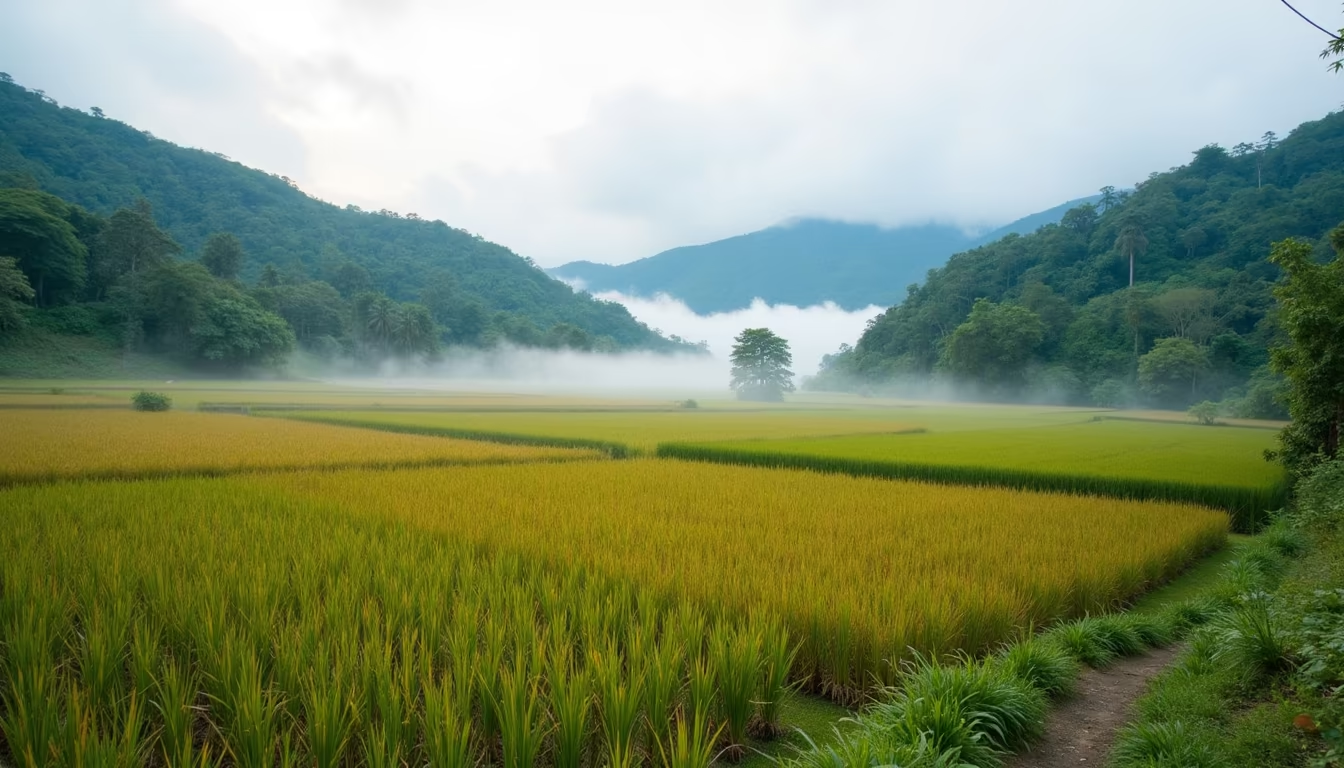
The cool months, roughly November through February, are prime for practice: crisp dawns, dry air and the fullest teaching schedule, since most instructors are home then. The hot stretch grows quiet as teachers wander abroad, so offerings thin. The green rainy months, June through October, feel lush and meditative, though open-sided pavilions occasionally suspend a session under a heavy downpour.
Choosing a base near your mat
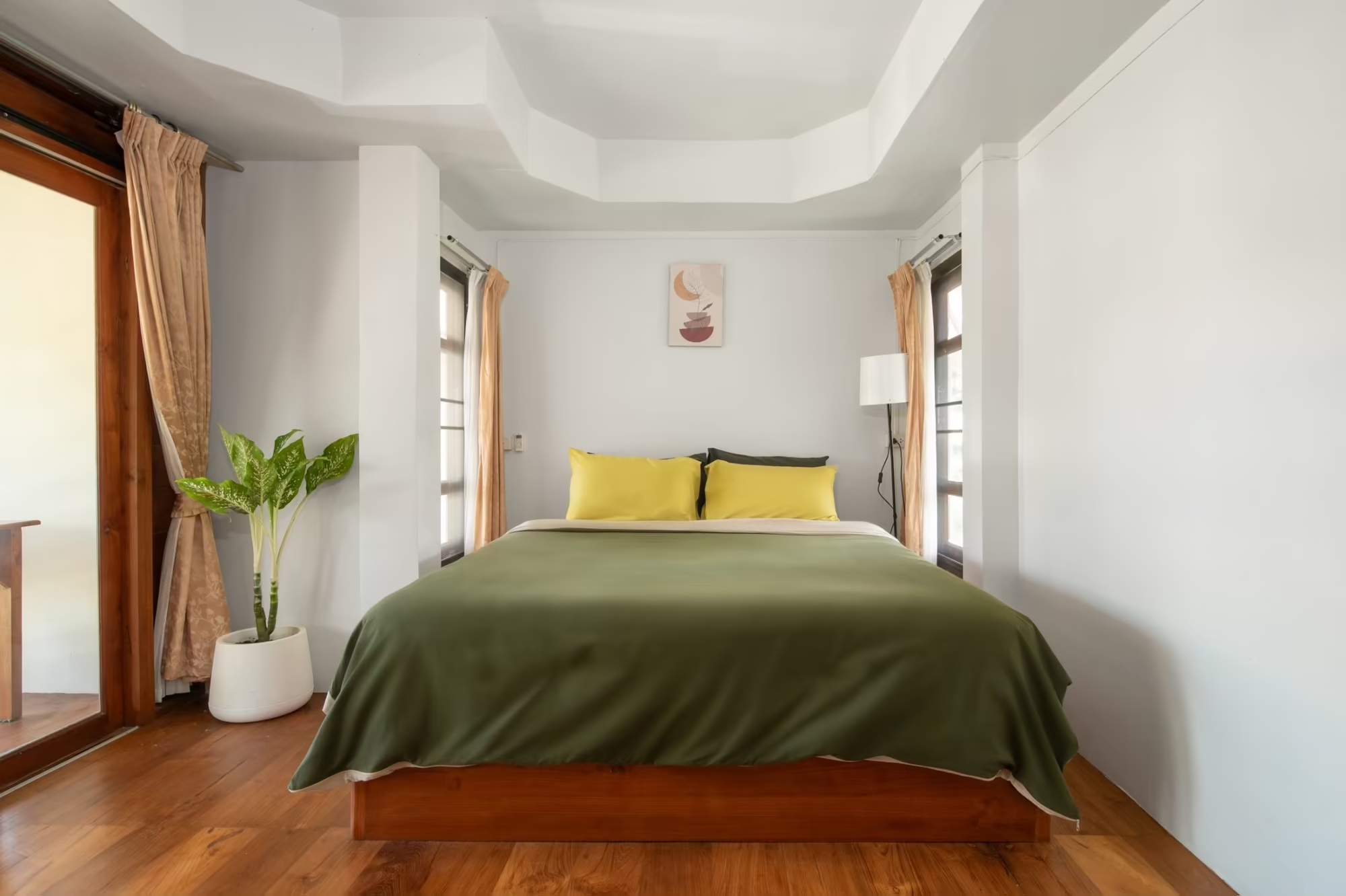
Where you sleep shapes the whole experience more than newcomers expect. A practice week unravels if you are exhausted from a restless night or a long, jolting commute to a dawn session. The kindest base is a hushed, design-led room within an easy stroll of the centre, so an early class costs you no stress and your evenings stay unhurried.
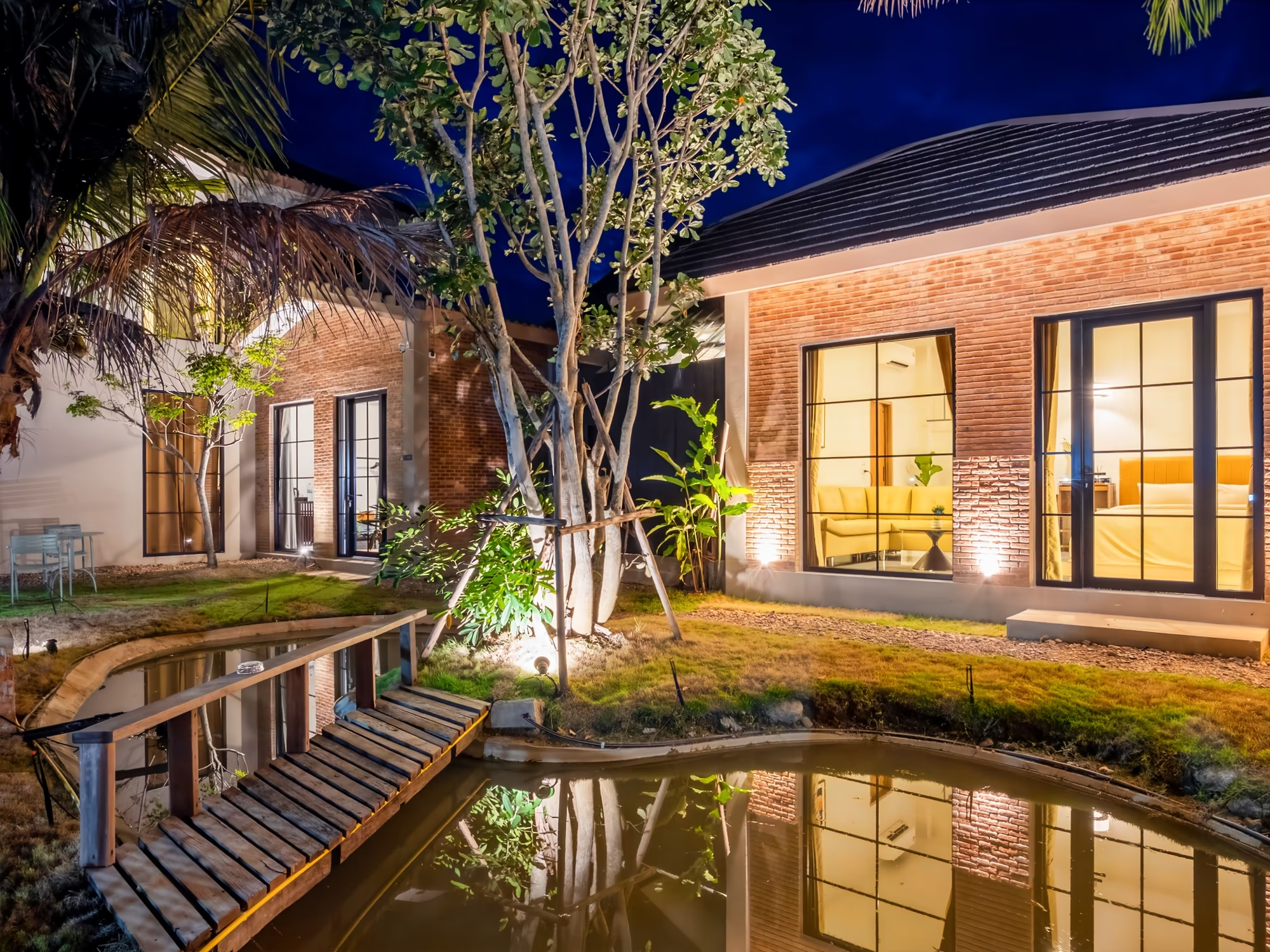
That is precisely why we steer practice-minded guests toward The Arch Casa, a serene boutique stay near the heart of town, full of light, quiet and the unhurried mornings a yoga trip is built around. Still weighing areas? Our where to stay in Pai guide compares each neighbourhood for couples, nomads and families.
Packing and booking tips
A handful of pointers we always share. Pack a warm layer, since dawn air in the cool months bites before the sun clears the ridge. Pavilions usually lend mats, yet a thin personal towel feels nicer on shared ones. Dim lanes after dark mean any out-of-town session is best timed for daylight returns. And leave one gentle rest day clear, because muscles knit and deepen between practice days, not during them.
Booking trips people up needlessly. Single sessions rarely need advance commitment, but a multi-day retreat in the busy cool months fills fast, so reserve early and pin down exactly what is included: meals, lodging and how many daily sessions. Unsure? Just ask us. Living here, we can tell you which teacher's schedule is genuinely running this month, not the stale one a website forgot to refresh.