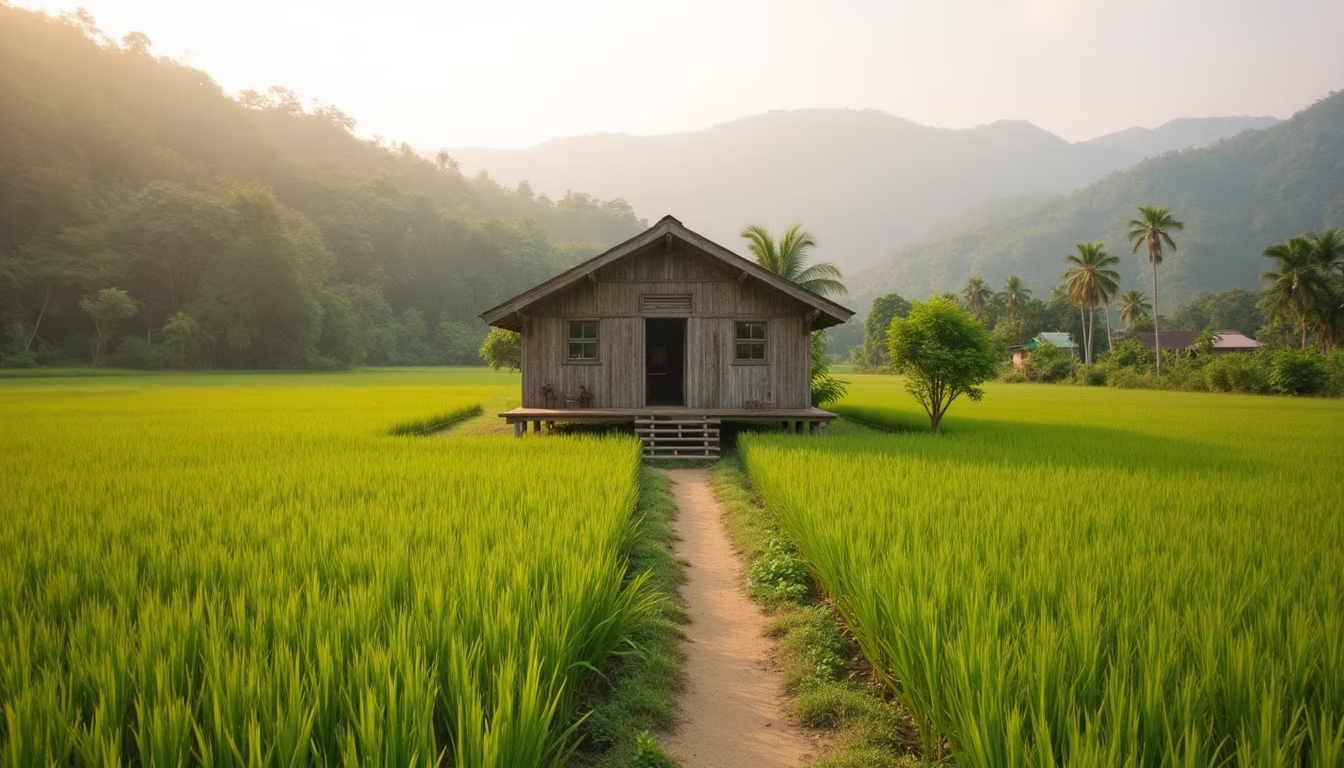
By BestHotelPai Team · Updated June 29, 2026
In short A Pai countryside stay means a room set among rice fields, gardens, or riverside greenery a short ride from town, not in the noisy centre. Many travellers searching for a pai forest resort really want this: mountain views, quiet mornings, and slow valley evenings. Pick by area and season, then book direct with the owner to skip the booking-site cut.
"Where do you actually sleep if you want rice fields and mountains, not bars and traffic?" That is the message we get most from travellers planning Pai. Most people picture the Walking Street, the canyon, and a scooter buzzing past cafes, yet the quieter half of Pai sits ten minutes out: green valleys, working paddies, and small family-run stays where the loudest sound at night is a frog choir.
This guide is the honest version we give friends. We will pin down what a Pai countryside stay really means, which pocket of the valley suits which kind of trip, what the seasons do to the view, and how to book the right room without paying an agency markup.
What a Pai countryside stay actually means
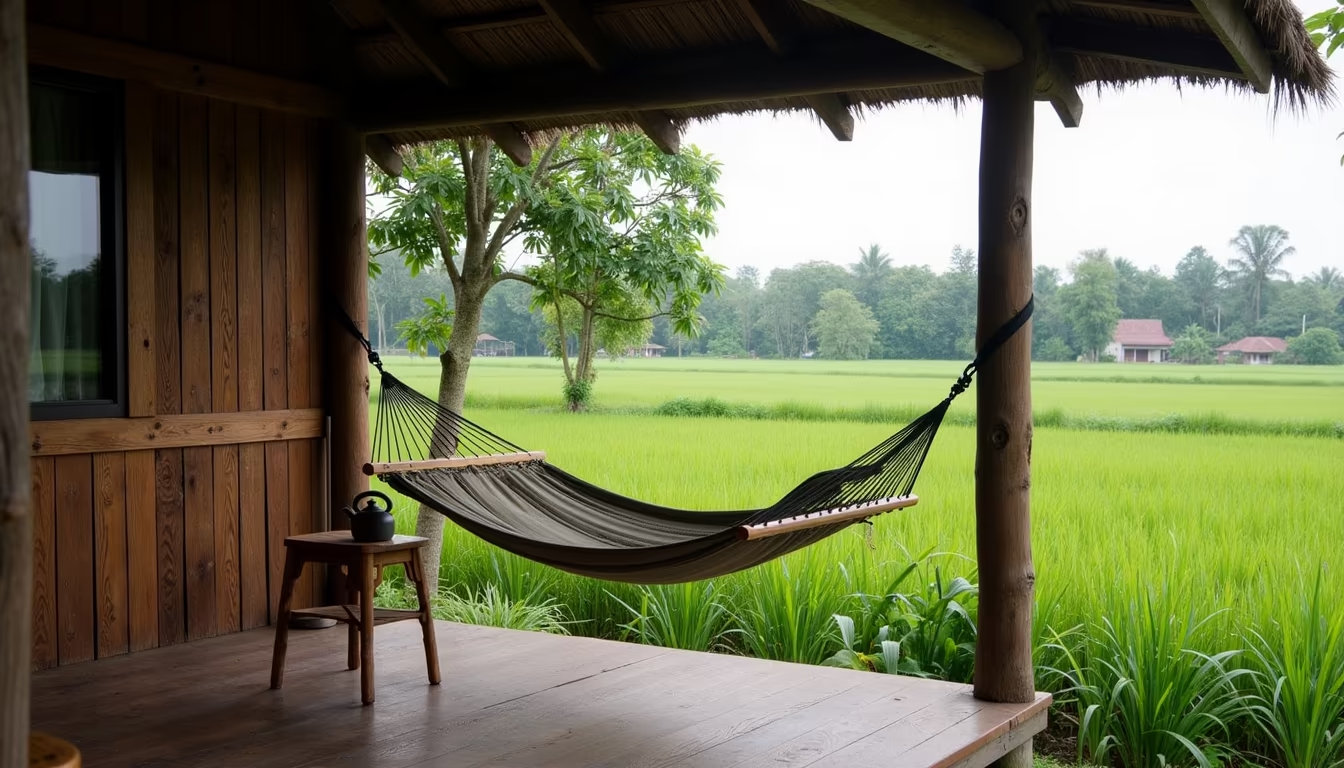
The phrase covers a wide spread. At one end you have a simple bungalow on the edge of a paddy with a hammock and a kettle. At the other end you have a styled garden villa with a pool and a valley view. What ties them together is location: open land, water, and mountains around you, with the town a five to fifteen minute ride away rather than on your doorstep.
From what we see with guests, the people happiest out here are the ones who plan to slow down. If you want to roll out of bed onto Walking Street at midnight, the fields are not for you. If you want birdsong, a coffee on a deck facing Doi Mae Ya, and an easy scooter hop into town when you feel like it, the countryside is the better call. Pai sits in the Mae Hong Son loop, a mountain region of northern Thailand that the Tourism Authority of Thailand describes as cool, forested highlands, which is exactly why the valley stays green and misty for much of the year.
Where to stay: the BestHotelPai guide to valley pockets
Pai is small, but the countryside splits into clear pockets, each with a different feel. Knowing them saves you from booking a "rice field view" that turns out to be a thirty minute ride from the first coffee shop.
| Area | Feel | Ride to town | Best for |
|---|---|---|---|
| Rice-field edge (Wiang Tai / Mae Yen side) | Open paddies, frogs at night, big sky | 5-10 min scooter | Couples, slow trips, photographers |
| Riverside (Pai River banks) | Water sounds, shade, garden decks | 5-12 min scooter | Families, readers, hot-season visitors |
| Hillside / mountain view | Cooler air, valley panoramas, mist | 10-20 min scooter | View hunters, photographers, cool-season trips |
| Garden boutique (near Wiang Nuea) | Landscaped, quiet, still close in | 3-8 min scooter | First-timers who want quiet plus convenience |
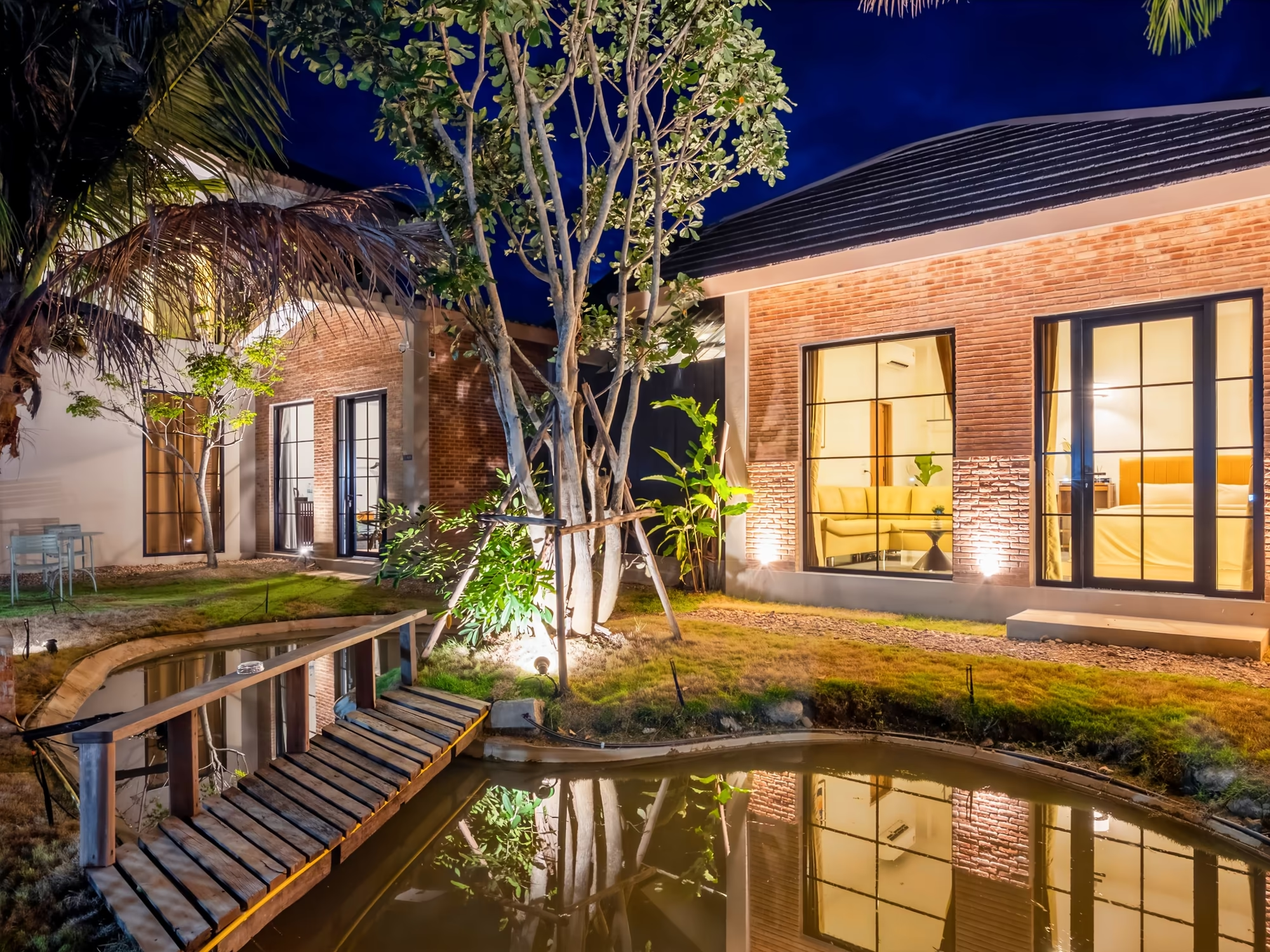
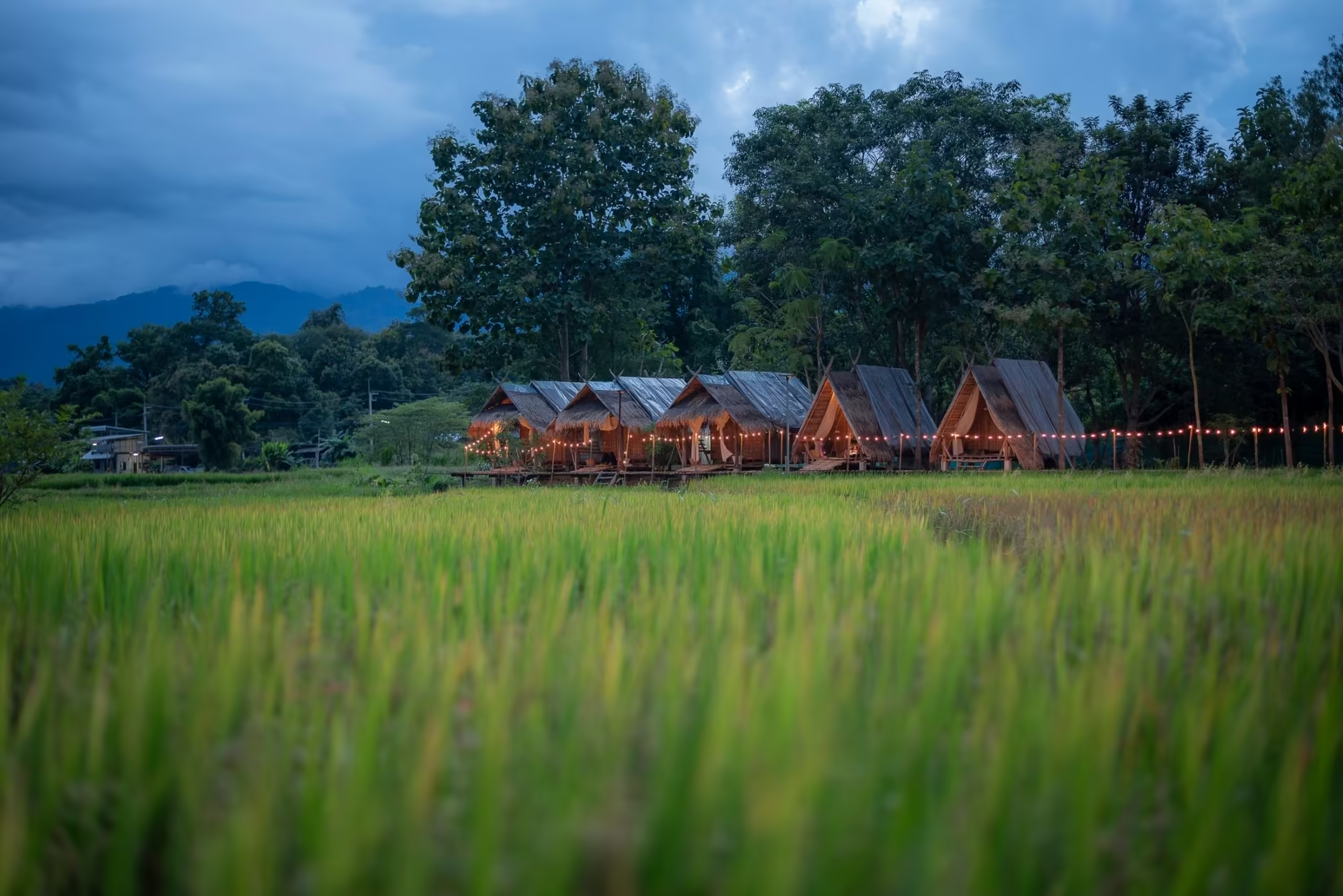
If you are weighing a styled garden room against a plain paddy bungalow, think about how you travel. A polished pai village boutique resort vibe gives you a pool and a designed deck. A working-farm bungalow gives you closer contact with the fields and a lower rate. Our own Paddy Fields Haven sits right on the rice-field edge, with bamboo bungalows facing the paddies rather than a designed pool deck, for guests who want the fields more than the finish. Both are valid countryside stays; they just sell different mornings. Our full breakdown of options lives on our where to stay in Pai guide, with each area mapped against budget and trip style.
Best time to visit and what the seasons do to the view
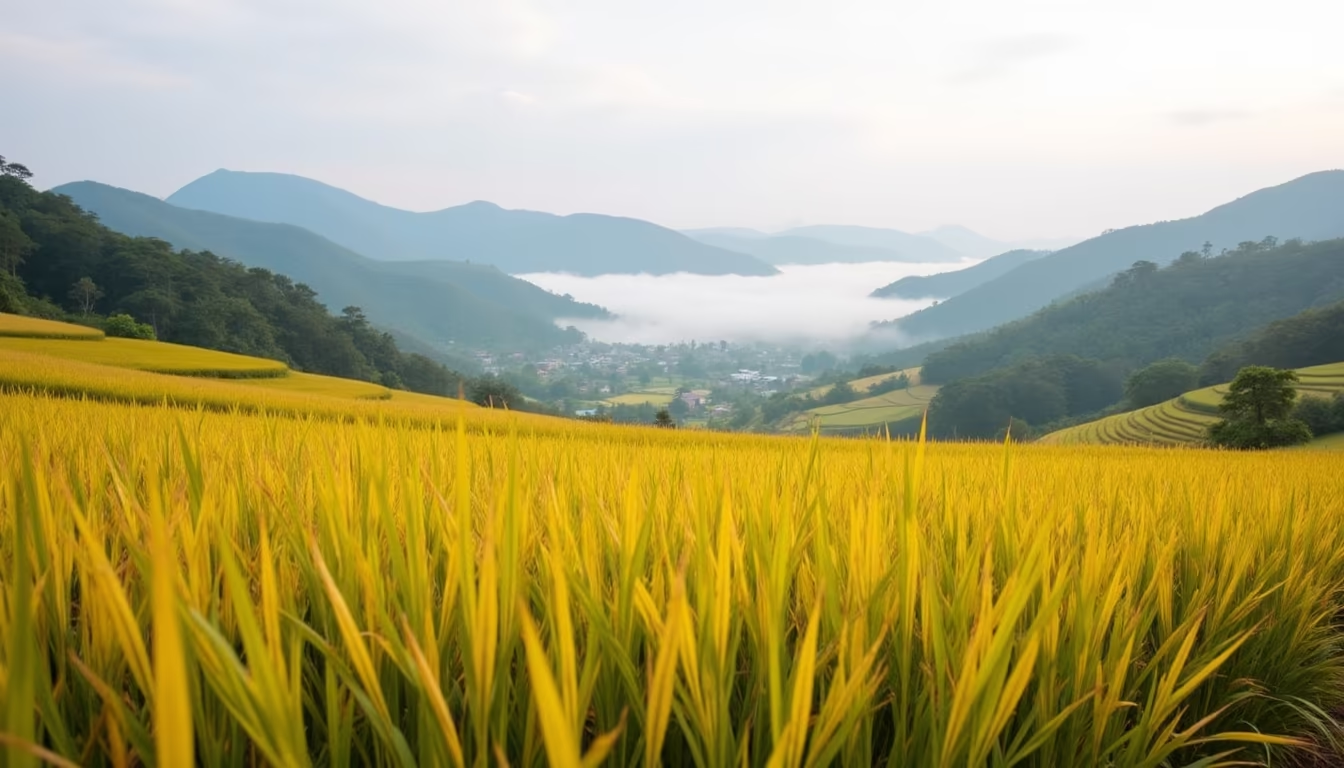
The countryside view is not the same all year, and this is where a lot of trips go sideways. The rice cycle and the weather decide whether you wake up to emerald paddies or dry brown stubble.
- November to February (cool season): the postcard window. Clear mountain air, morning mist over the fields, golden harvest light. Rooms fill fastest now, so book early.
- July to October (green season): the paddies are at their greenest and the valley is lush. Expect afternoon rain, fewer crowds, and lower rates. Our favourite season for photographers who do not mind a shower.
- March to May (hot / dry): fields can be dry and the air hazy from regional burning. Riverside and shaded garden stays are the comfortable pick here.
In practice, the two questions guests forget to ask are "will the rice be green or harvested when I arrive?" and "does this room face the field or the car park?" We answer both before anyone books, because a field view in April is a very different photo than the same view in December. If you want to line your stay up with other plans, our things to do in Pai guide pairs the seasons with day trips.
How to book a countryside stay without overpaying
Here is the part the booking sites would rather you skipped. Most small countryside stays in Pai are owner-run. When you book one through a large platform, the platform takes a commission of roughly fifteen to eighteen percent, and that cost is usually baked into the nightly rate you see. Booking direct with the owner removes that layer.
What direct booking gets you, beyond a friendlier rate, is a real person who knows the room. We can tell you which bungalow catches the sunrise, whether the path floods in heavy rain, and where to park a car versus a scooter. A call centre cannot. When you message us about a countryside room, we reply within an hour, hold the dates with no deposit, and offer free cancellation, so asking costs you nothing.
| Booking route | Typical nightly cost | Who answers your question |
|---|---|---|
| Large booking platform | Rate plus a hidden 15-18% platform cut | A central support line, not the property |
| Direct with the owner | Up to 10% less than booking sites | The host who knows the actual room |
Who a countryside stay is for (and who should skip it)
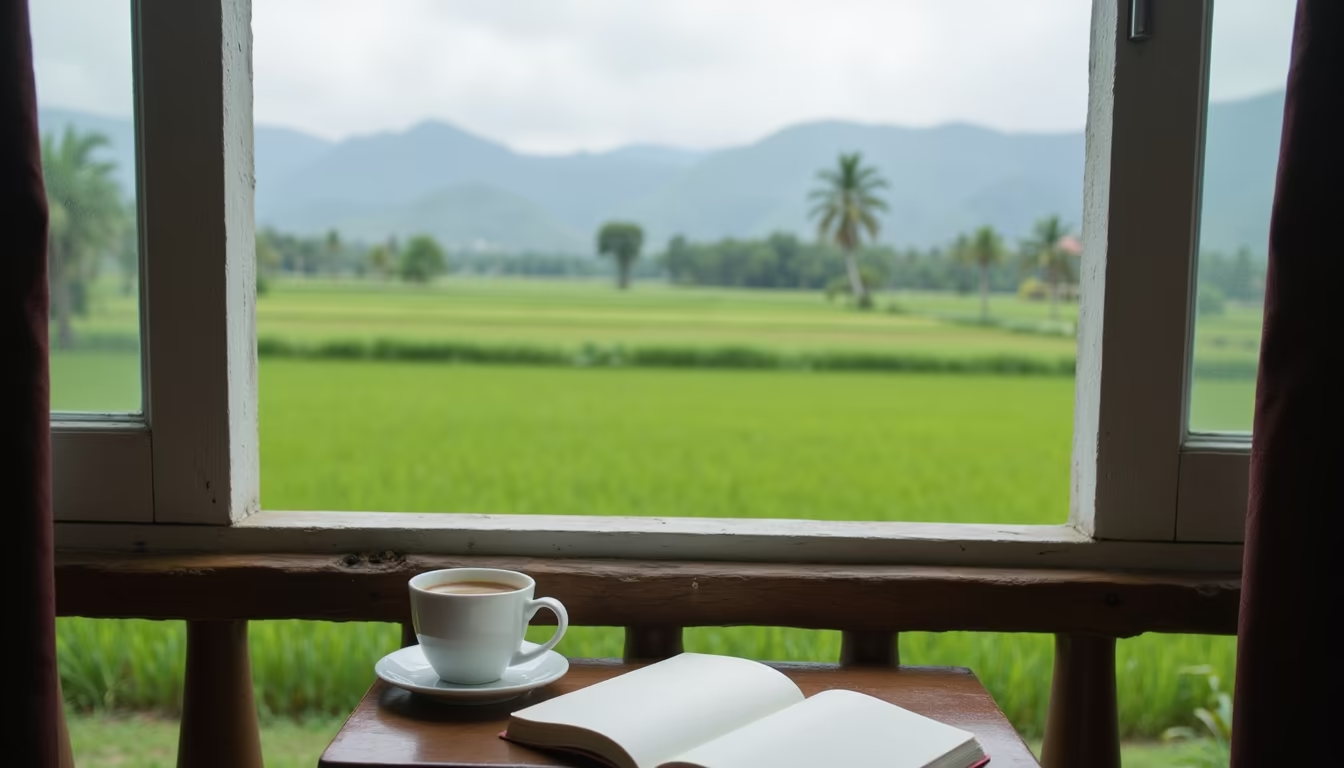
It is for travellers who want quiet, space, and a real view, and who are comfortable on a scooter or happy to arrange a short ride into town. It works beautifully for couples, photographers, remote workers needing calm, and families who want the kids to run on grass instead of pavement.
It is not the right fit if you want to walk everywhere, never touch a scooter, and be steps from late-night food and bars. Those travellers are happier in a central stay. We will tell you honestly if your plans point that way, because a mismatched room is the fastest way to a disappointed trip. For getting to the valley in the first place, our how to get to Pai guide covers the van, the drive, and the famous 762 curves.
A countryside stay is the version of Pai most people remember years later: the mist, the fields, the slow coffee. Tell us how you like to travel and we will point you to the exact room that fits, then book it direct so more of your money stays in the valley instead of a platform.