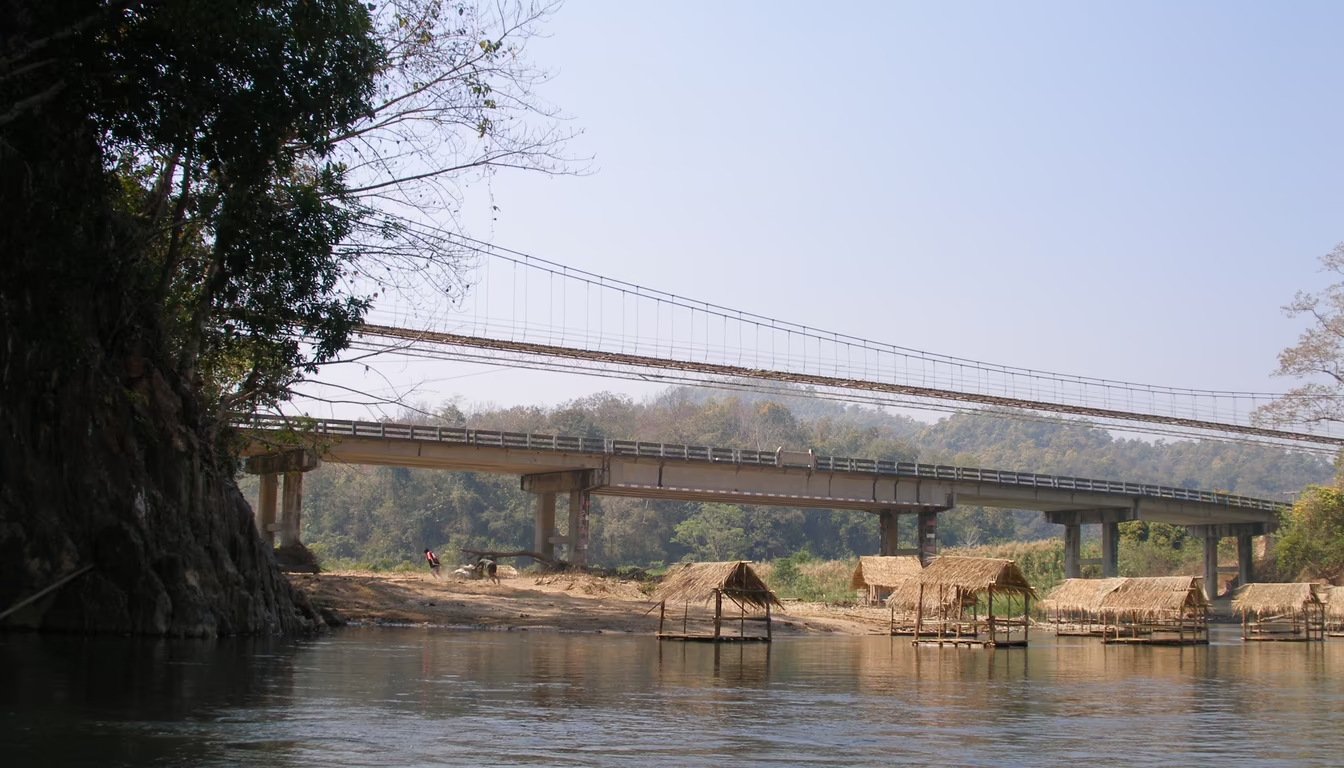
By BestHotelPai Team · Updated July 18, 2026
In short The Tha Pai Memorial Bridge is a historic riveted-steel crossing spanning the Pai River, roughly 9 km southeast of town along Route 1095. Its origins trace to the World War II years, and it was later rebuilt following flood damage. Entry costs nothing, it stays open around the clock, and 15 to 20 minutes covers it. Many arrivals pause here while driving in from Chiang Mai.
Ever wonder why a faded red steel bridge greets you on the road into Pai, long before the night market or the cafes? Plenty of travellers roll past it, snap a quick photo, and never learn that they just crossed a genuine relic of the Second World War. That relic is the Tha Pai Memorial Bridge.
We host travellers here all year, so we have fielded just about every question this crossing raises. Below we lay it out as a quick decision guide: the wartime story, the practical visit, and whether it earns a slot in your plans at all. No fluff, simply what a local would actually tell you.
Is the Tha Pai Memorial Bridge worth a stop?
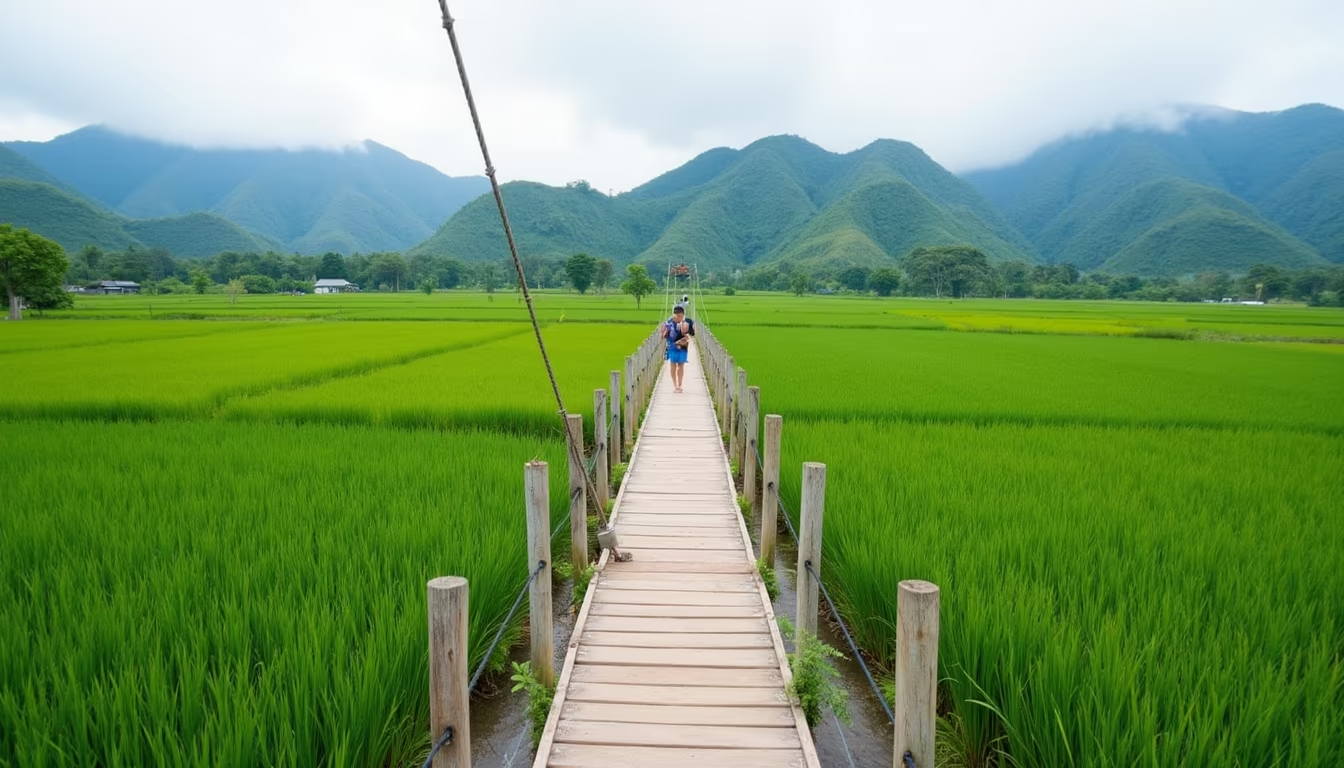
Short answer: yes, if you treat it as a quick history-and-photo break rather than a destination. The bridge rewards 15 to 20 minutes, not a half day.
In practice, the visitors who come away happiest tend to roll up at dawn, soak in the backstory, snap a couple of frames, then continue toward a viewpoint or waterfall. The ones who appear at midday expecting some grand monument occasionally walk off underwhelmed. Set the right expectation and it pays off nicely.
Want a simple rule? If you like history, slow river scenery, and a coffee with a view, add it. If you only chase big dramatic landscapes, you can skip it and head straight for the canyon instead.
Best suited for, and easy to miss for
- Worth it for: history buffs, keen photographers, and arrivals on the mountain road who fancy a leg-stretch.
- Fine to bypass if: your schedule is tight, busy spots bother you, or only sweeping wilderness scenery excites you.
How did the crossing earn its name?
The tale reaches back to the Second World War. Imperial Japanese army units pushed convoys, ammunition, and provisions through the Pai valley as they advanced toward the Burmese frontier. A hand-built timber trestle once shouldered all that wartime weight over the water. Once peace returned the hardwood rotted, and a violent flood later tore away whatever the years had spared.
The riveted steel girder structure standing today was salvaged from a disused railway-era crossing further down in northern Thailand, then dismantled, hauled here, and bolted back together over the Pai. The word "Memorial" honours that military chapter rather than glorifying it. The Tourism Authority of Thailand records that Mae Hong Son province itself developed along these very mountain supply corridors, and the official background sits on the Tourism Authority of Thailand provincial page. According to that national tourism body, the area's identity grew out of these historic overland routes.
None of this makes it a glossy attraction. It is a salvaged, second-hand relic of conflict that still carries foot traffic over the identical waterway it did generations ago, and that unvarnished honesty is precisely why we point curious guests toward it.
Getting to the memorial bridge in Pai, Thailand
The memorial bridge in Pai, Thailand sits on the eastern edge of the valley, roughly 9 km from the town centre along Route 1095. That is the same road you arrive on from Chiang Mai, so you pass it before reaching the night market. A first-day stop makes perfect sense.
| How you travel | Time from town | Notes |
|---|---|---|
| Scooter | 15 to 20 min | Flat sealed road, easy for beginners |
| Car or minivan | 15 min | Small gravel pull-in on the town side |
| On arrival from Chiang Mai | 0 detour | Ask your driver to pause; most happily do |
There is no gate and no fee. A cluster of small cafes and a few photo props has grown beside it, which some travellers love and others find touristy. We tell guests to come for the river and the story, not the props.
When to visit: the BestHotelPai timing guide
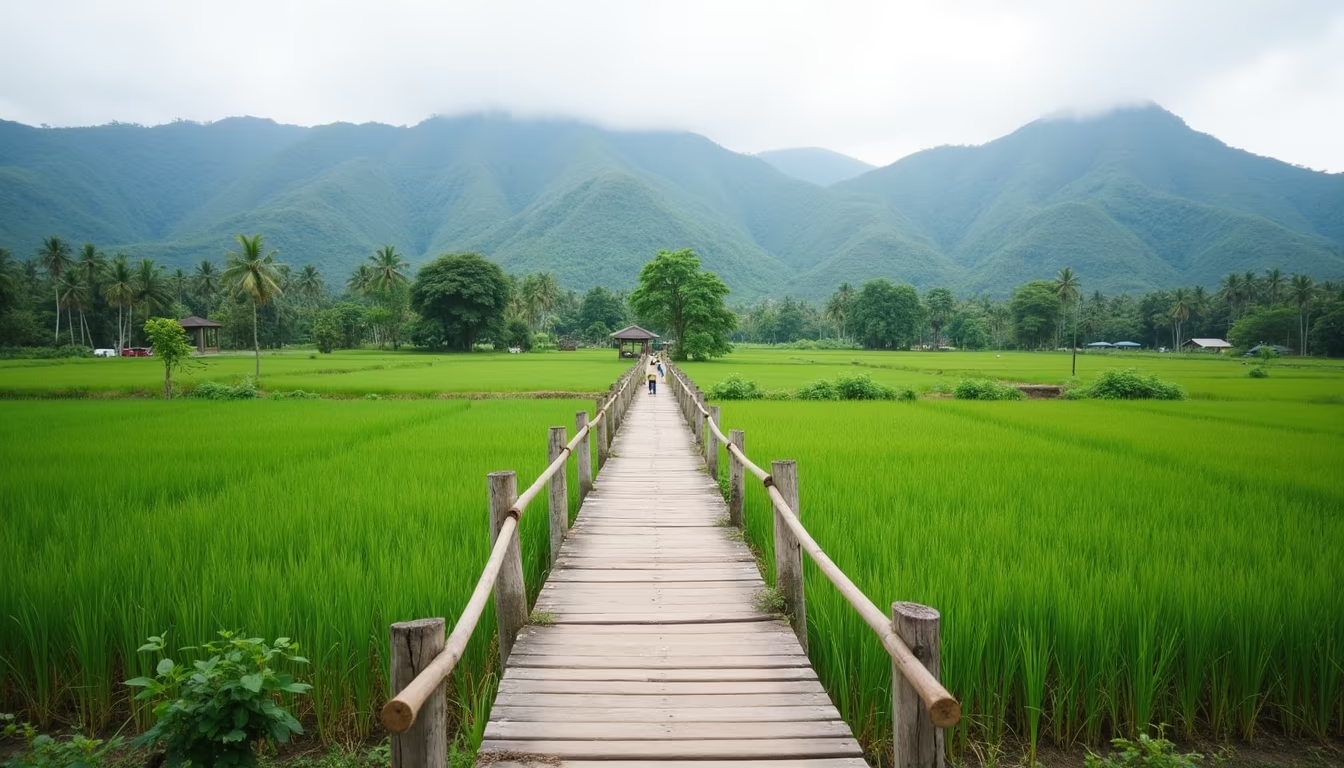
Light makes or breaks this stop. The east-facing girders catch the sunrise, so the earliest hours hand you warm tones and barely a soul around. By late afternoon the glow softens but the footfall climbs. The water beneath runs deeper and a richer green through the cool, dry stretch between November and February, also the gentlest window for a scooter run out this way.
Since the landmark shares its road with several other stops, looping them together trims both fuel and minutes. Plenty of our visitors weave it into a dawn circuit that finishes at a waterfall or lookout. For the broader valley, browse our roundup of local things to do in Pai, and if the logistics still puzzle you, our piece on getting there, namely how to get to Pai, walks the very route past this relic.
Three quick tips before you go
A few small habits keep this stop smooth and respectful, drawn straight from what our guests report back:
- Wear grippy shoes. The metal decking gets slick with morning dew and the odd rain shower, so flip-flops can slide.
- Yield to riders. Scooters still cross the narrow span, so step aside and let them pass before you frame your shot.
- Carry small cash. The riverside cafes are local, often cash-only, and your baht supports families who actually live in this corner of the valley.
None of this is complicated. It simply turns a rushed selfie into a calmer, more memorable few minutes beside a piece of living history.
Picking the right base for this corner of the valley
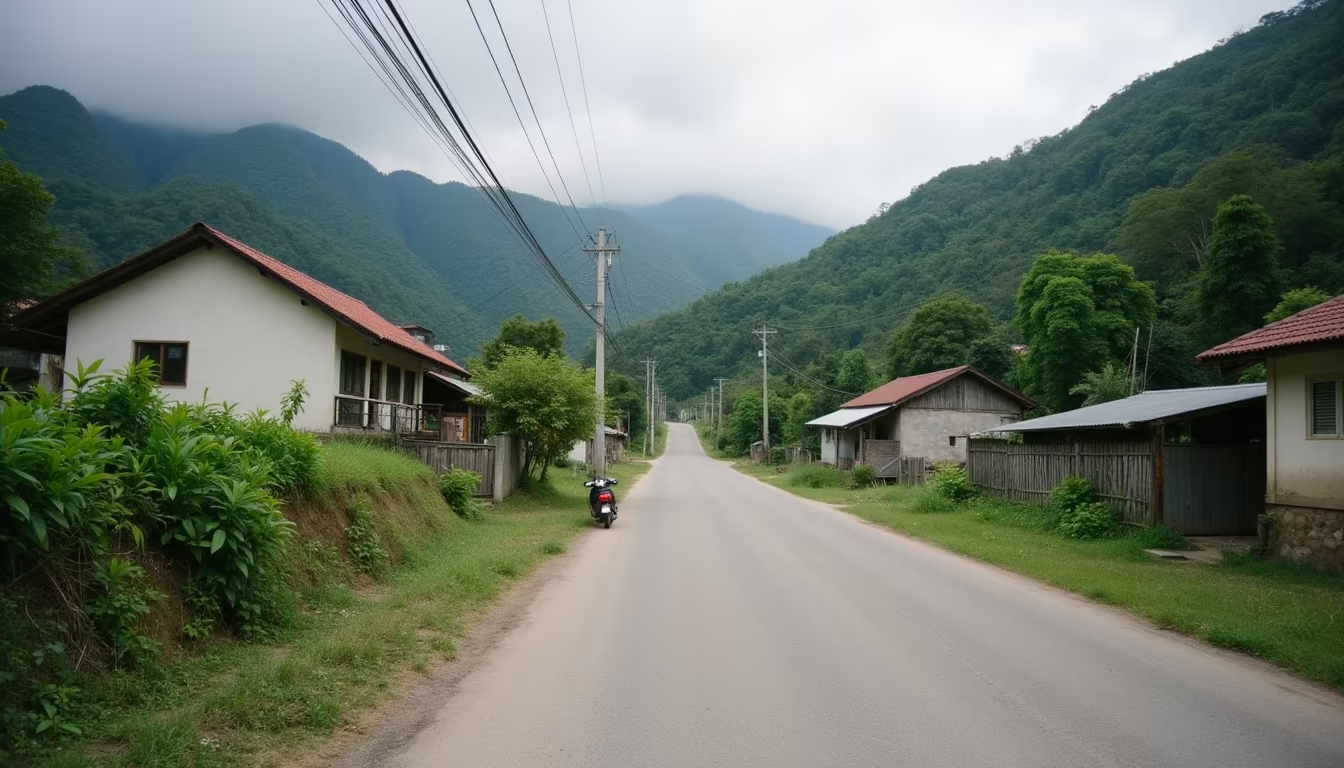
The landmark sits on the quiet eastern flank, while most places to sleep gather closer to the walking street and the river bend. A room right beside it is unnecessary; the whole valley is only a short hop apart. The thing that counts is lining up your base with your travel style.
As a small family looking after a handful of independent properties around Pai, in practice we steer you toward the honest fit rather than the dearest key. Someone craving hushed rice-field dawns wants a different address than a couple after a design-forward room near the market lane.
Reserve straight through us and the nightly figure typically beats the big platforms by up to 10%, with free cancellation and a genuine resident answering your messages. Begin at our where to stay in Pai hub to compare neighbourhoods, rates, and room layouts. A fair heads-up: lane surfaces and the little cafes keep changing their hours, so double-check anything time-sensitive with us or a trusted local contact ahead of your ride.
Cross this old steel span once and its wartime backstory tags along for the rest of your Pai days. Catch the river in the morning glow, hand it twenty honest minutes, then leave the trickier decision to us: a room you will be genuinely glad you chose.
Hero photo: Vyacheslav Argenberg / Wikimedia Commons (CC BY 4.0)