By BestHotelPai Team · Updated June 9, 2026
In short The best pai hidden gems are the quiet viewpoints, riverside cafes, small temples, off-loop waterfalls and farming villages that most one-day tourists never reach. Some sit just minutes off the main loop, while others are an hour of mountain curves away. They suit second-time visitors and anyone who values a calm, local pace over a packed checklist. Go slowly, carry small cash, and respect that people live here.
The first time you ride into Pai, the famous stops fill the day on their own. The canyon at sunset, the big waterfalls, the night-market crowd, the white temple on the hill. They are popular for good reason. By a second or third visit, though, a lot of our guests start asking the same quiet question: where do the people who actually live here go when the tour vans roll past?
That is what this guide is about. We are owner-hosts in the valley, not a booking site, so we will be honest about the trade-offs. Some of the best pai hidden gems are a five-minute detour off a road you already ride. Others are simply far, down a rough track or an hour of curves, and worth it only if calm matters more to you than ticking off sights. Below we walk through the quiet viewpoints, the riverside cafes, the small temples, the off-loop waterfalls and the local villages we send repeat visitors to, with a clear note on which ones are an easy add and which ask for a whole morning.
What counts as a pai hidden gem (and what does not)
What actually counts as a hidden gem
A hidden gem in Pai is rarely a secret nobody knows. It is more often a place that the day-trip crowd skips because it is a little far, a little plain, or a little too quiet to make a tour brochure. A roadside viewpoint with no sign. A cafe with four tables on a riverbank. A village temple where the only other visitors are the monks who live there.
How we draw the line for guests
We draw a simple line for guests. If a spot is calm, run by or shared with locals, and rewards you for slowing down rather than rushing through, it belongs on this list. If it has a ticket booth and a line of vans, it is a highlight, not a gem. From what we see with guests, the people who enjoy these places most are the ones on a repeat trip, who already saw the big sights last time and now just want the valley to feel like a home for a few days.
Why Pai's geography hides these spots
Pai sits in Mae Hong Son, the most mountainous province in the country, and according to the Tourism Authority of Thailand the region is known for small hill communities and forested valleys rather than large resorts. That geography is exactly why the quiet spots exist: the terrain spreads villages thin and keeps most travellers on the few sealed roads near town.
Quiet viewpoints the tour vans miss
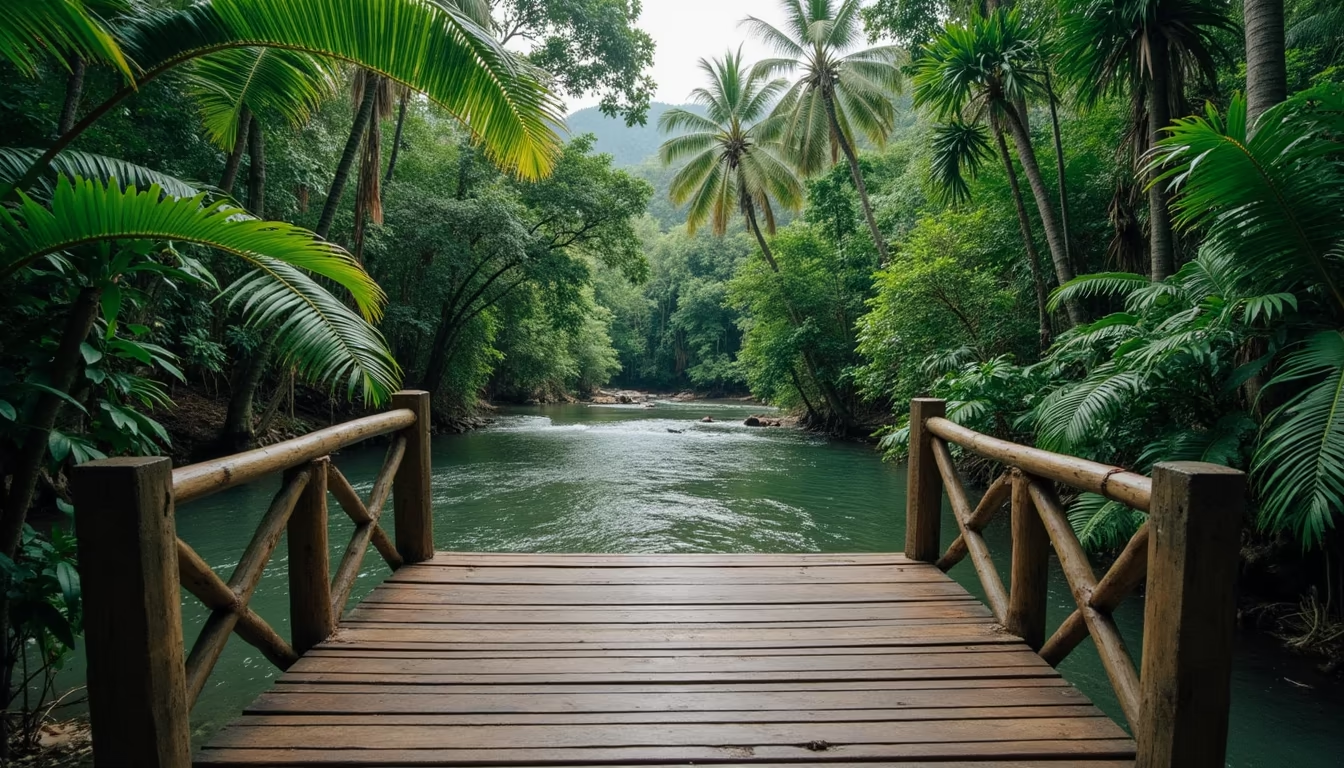
Everyone knows the canyon. Far fewer people pull over at the unmarked ridges and rice-field edges that the locals use for a sunset beer. The trick is that the good ones rarely have a sign, so you find them by riding a few minutes past where the crowd turns around.
A handful sit on the hills west and north of town, reached by short climbs off the main roads. In practice, the quietest light is about 30 to 45 minutes before sunset, before the canyon empties and people drift back. Go on a clear cool-season evening and you can have a whole hillside to yourself.
- Town-edge ridges: short rides, often empty, best for a relaxed first evening.
- Rice-field pull-offs: no climb at all, golden light over the paddies, lovely after rain.
- Higher hill roads: a longer ride and tighter curves, but wide valley views and almost no one else.
If you are still planning your route into the valley before chasing viewpoints, our guide on how to get to Pai covers the minivan from Chiang Mai and the 762 curves, so you arrive confident on the bends these hill roads also ask for.
Secret riverside cafes and small temples
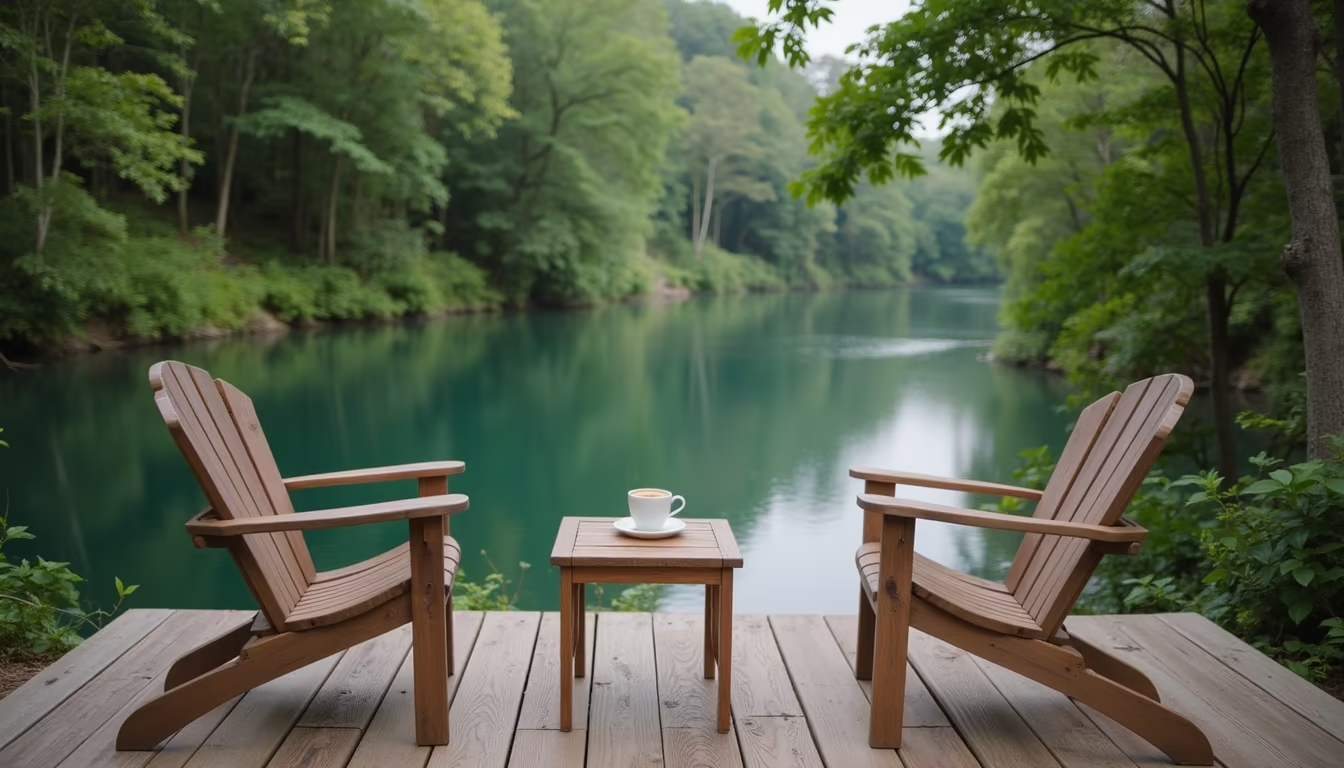
The cafes along the busy walking street are fun, but the ones we send guests back for sit on the Pai River, a short ride out, with maybe a dozen seats and a slow kitchen. You go for an hour with a book, not for a quick coffee. The owners often live on site, so the pace matches the place.
The same goes for the small temples. Skip the headline hilltop shrine for a morning and visit a village wat instead, where you might be the only visitor and a resident monk is sweeping the courtyard. These are working temples, not attractions, so dress modestly, take your shoes off, and keep your voice low. A small donation in the box is kind, never required.
From cases we see often, this is where a repeat trip really changes shape. Guests stop trying to see everything and start choosing one calm cafe and one quiet temple a day. That single shift turns a busy holiday into an actual rest.
Off-loop waterfalls and local villages
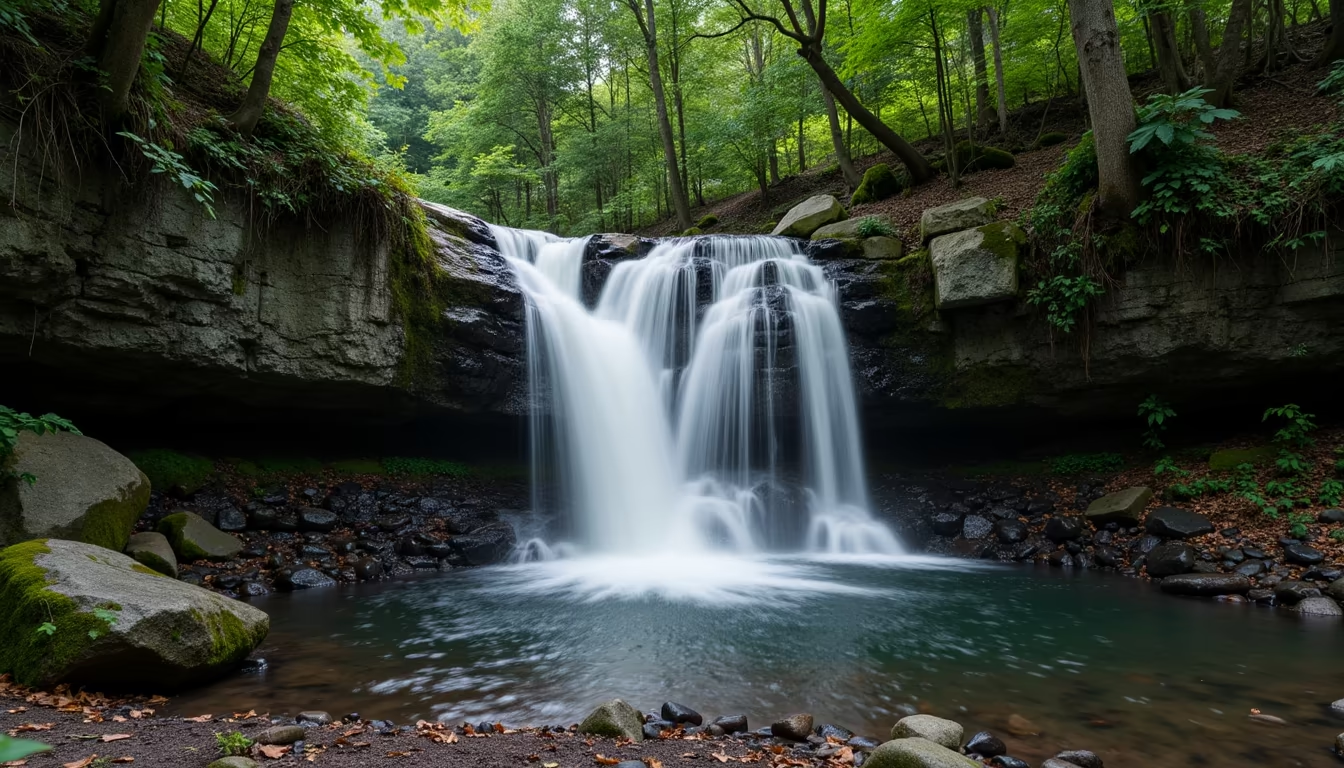
Pai has a few famous waterfalls that fill up by mid-morning. The off-loop ones, down a rough track or a longer ride, stay quiet because the effort filters out the crowd. The honest catch is the effort itself. Some are roughly an hour out on patchy roads, with a short walk in at the end, and a few all but dry up outside the green season.
The farming villages around the valley are the same kind of trade. Lisu, Lahu and Shan communities live across the hills, and a respectful visit, buying a snack, greeting people, asking before you photograph anyone, is one of the warmest things you can do here. These are homes, not exhibits. We never send guests to a village that charges to be looked at, and we will steer you toward the ones where your stop genuinely helps the people living there.
| Type of gem | Why tourists miss it | Best for |
|---|---|---|
| Quiet viewpoints | No signs, just past the popular turnaround | Calm sunsets, easy first evenings |
| Riverside cafes | A short ride out of the centre, slow service | Lingering with a book, not a quick stop |
| Village temples | Working wats, not headline attractions | Quiet mornings, mindful travellers |
| Off-loop waterfalls | Rough tracks, longer rides, seasonal flow | Confident riders chasing solitude |
A quick FAQ before you ride out to the quiet spots
Two questions come up so often that we answer them before anyone leaves the gate, because they save a frustrating afternoon.
Do I need a guide for the hidden spots? For most viewpoints, cafes and temples, no, a scooter and a rough map are enough. For the far villages and back-road waterfalls, a local guide or at least our directions help, because signs are scarce and a wrong turn can cost an hour.
Are these spots free? Mostly yes. Viewpoints and temples cost nothing, though a donation is welcome at a wat. Cafes are cheap, and you should carry small cash, since card machines and ATMs thin out fast once you leave the centre.
Easy gems versus the ones that are simply far
The biggest honest point about Pai's quiet side is distance. Some gems are a five-minute hop off a road you ride anyway. Others eat half a day. Matching the gem to the time and energy you actually have is the difference between a lovely detour and a tiring slog. Here is how we sort them for guests.
| Reach | Rough effort | Good when |
|---|---|---|
| Easy add-ons | 5 to 20 minutes, sealed road | You have a spare hour or a free evening |
| Half-day gems | 30 to 60 minutes, some rough track | You have a relaxed morning to give |
| Far and quiet | An hour or more of mountain curves | Calm matters more than your checklist |
A simple plan that works for most second-time guests: keep an easy viewpoint and a riverside cafe for the days you want to do little, and save one far gem for a single dedicated morning. If you would rather see the headline sights laid out alongside these quiet ones, our overview of things to do in Pai helps you balance the loud and the calm.
Where to stay so the quiet spots are easy
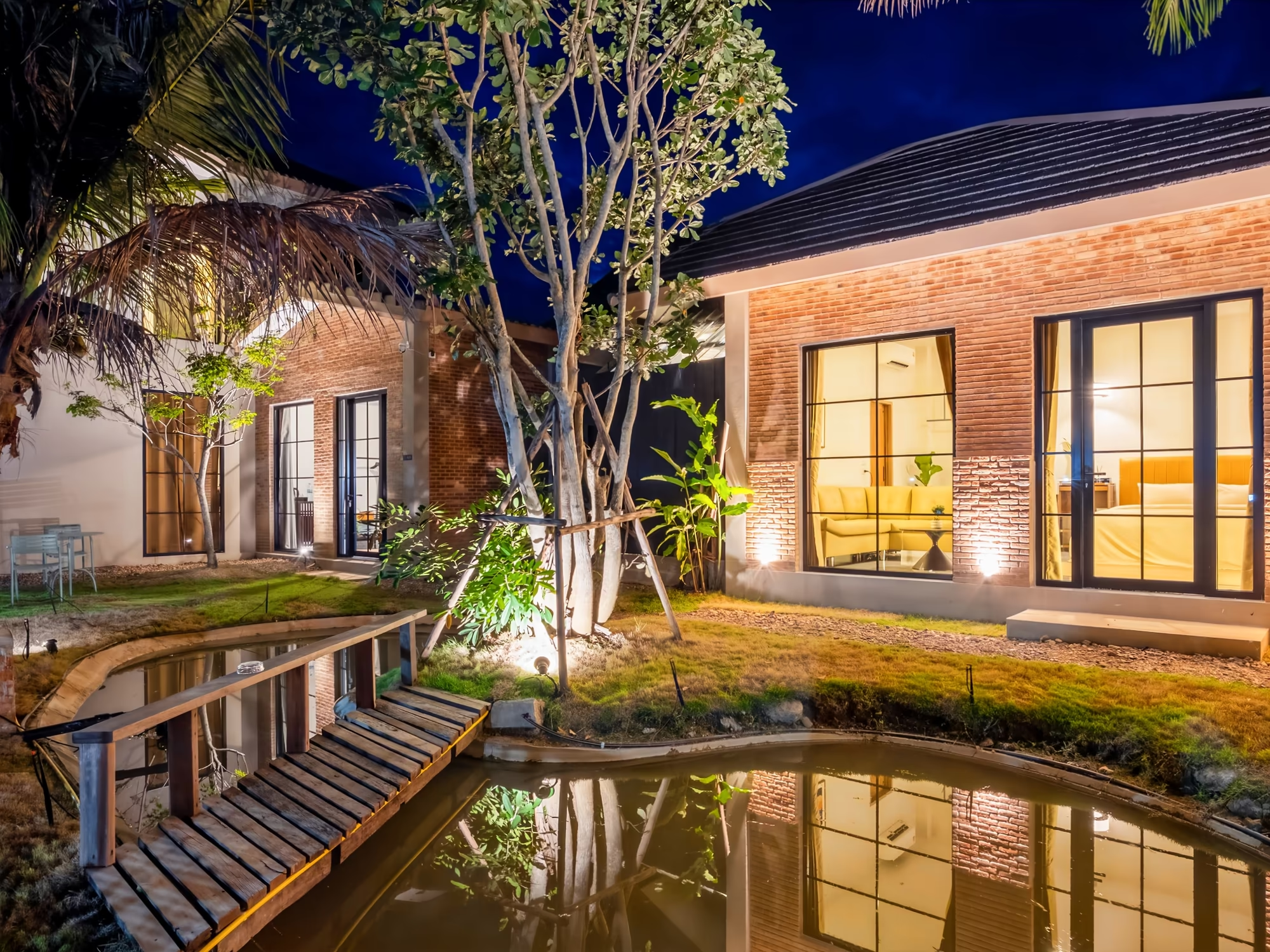
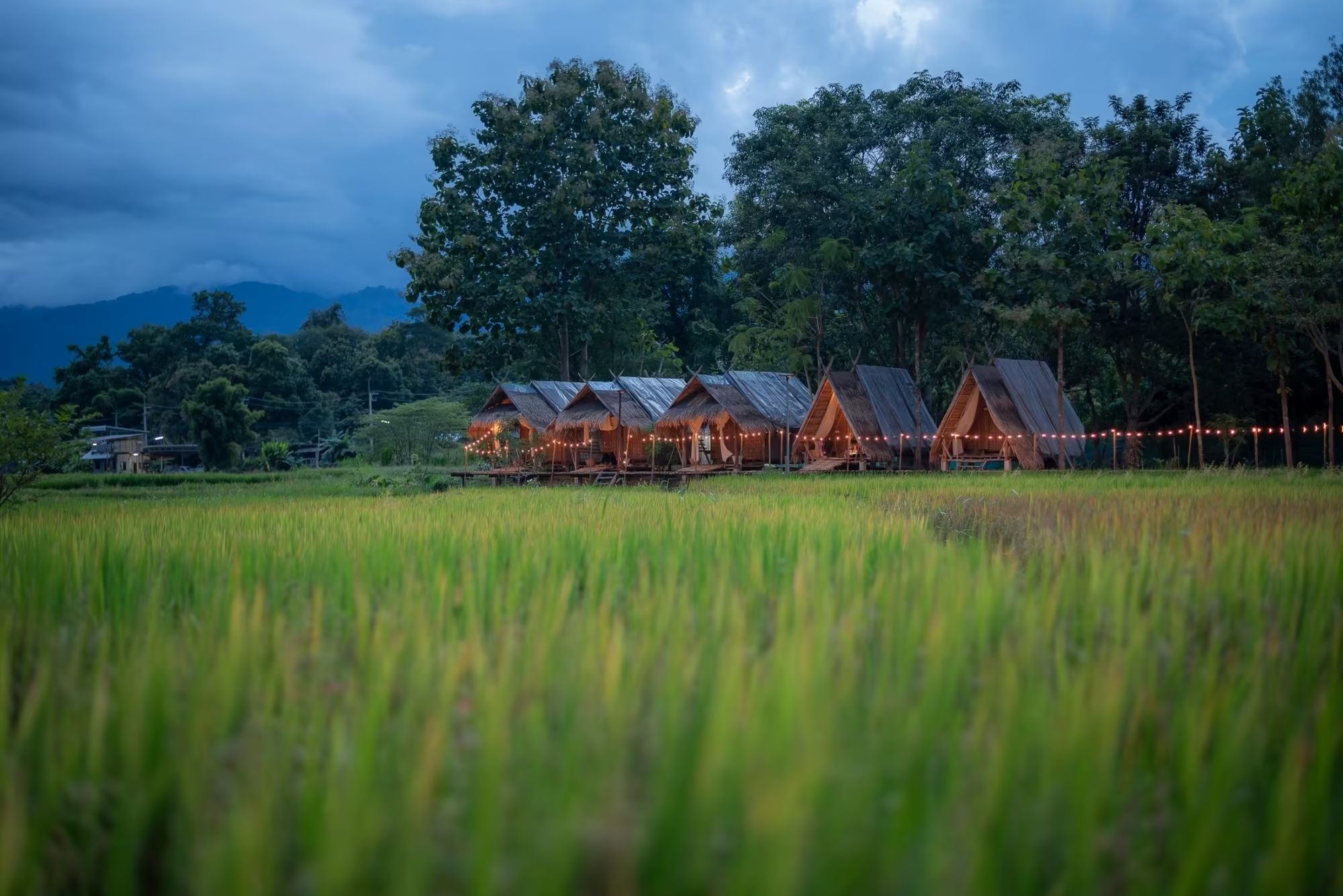
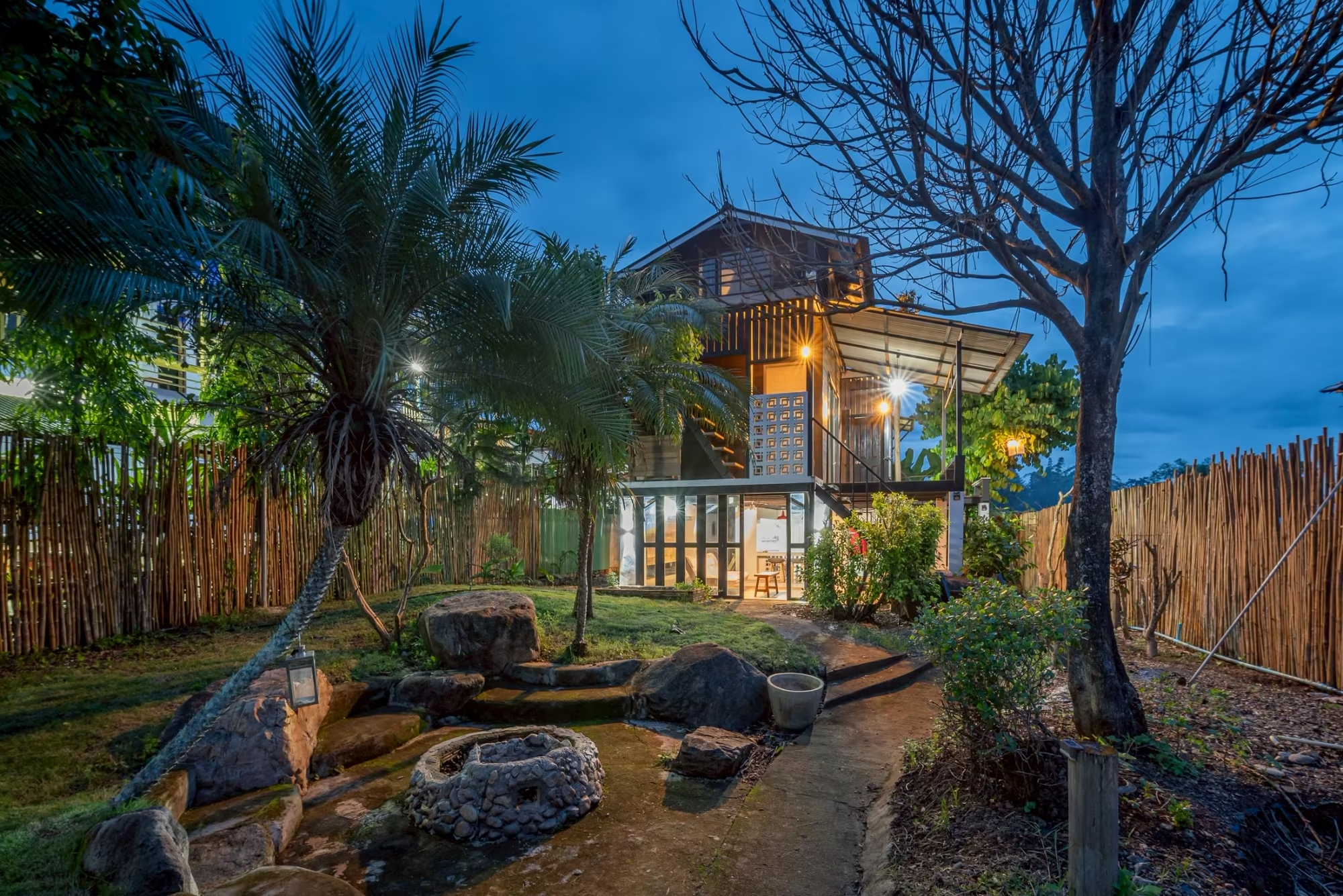
Because the best gems are spread thin across the valley, where you sleep changes how many you can comfortably reach. We run six small, owner-managed stays around Pai, and for guests chasing the quiet side we steer toward a calm, rice-field setting like Paddy Fields Haven, with easy scooter access, rather than a room in the middle of the night-market noise.
For repeat visitors who already know the centre and now want stillness, a countryside base near the edge of town works best, since you reach the hill roads and back tracks without fighting traffic first. If you want the full picture of areas, prices and the trade-off between town and countryside, read our honest rundown of where to stay in Pai before you lock anything in. Booking direct with us means you skip the booking-site markup, and we can tell you on the day which back roads are dry enough to ride.
Because we live here, we treat these little detours as part of your stay, not an upsell. We will sketch the back roads on a map, tell you which waterfall is actually running this week, and point you to the cafe that is quiet on the day you want to read.
Related Pai trips worth pairing with the hidden gems
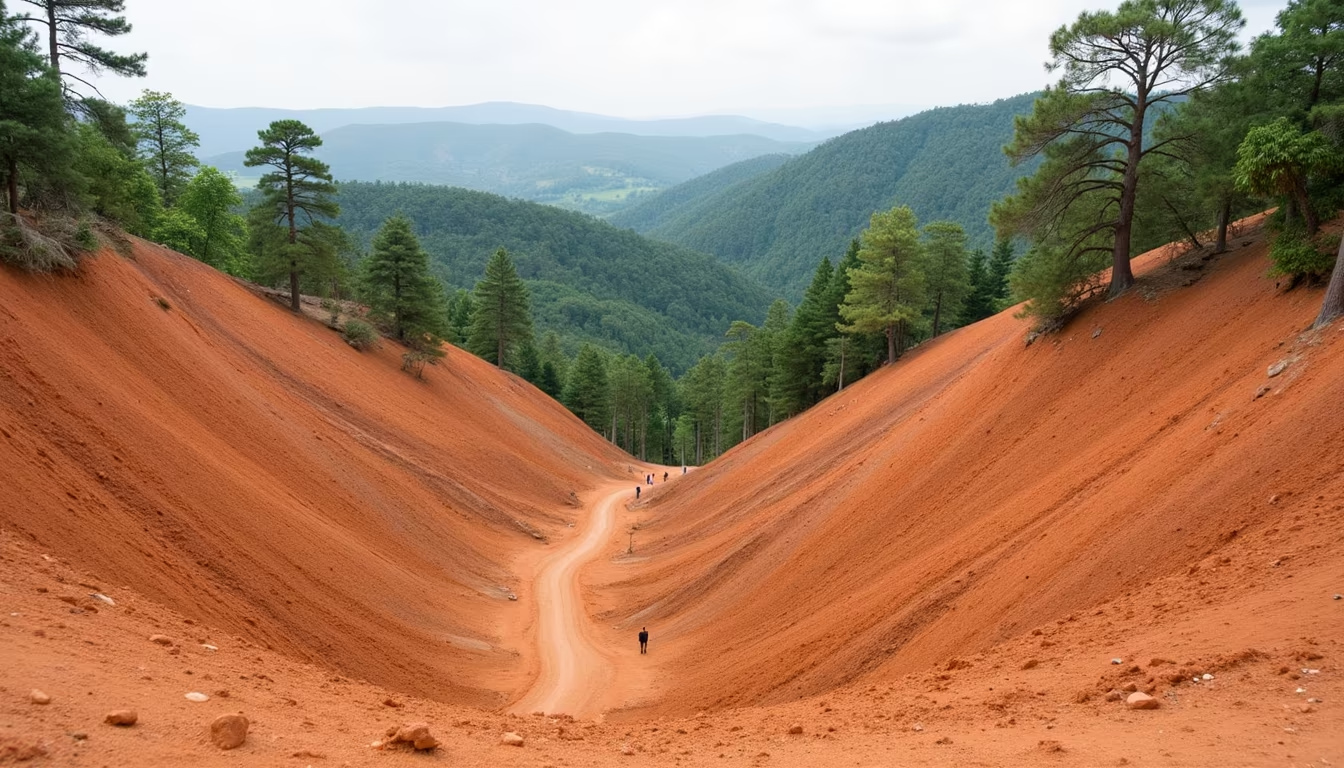
The quiet spots slot neatly around the bigger sights, so you do not have to choose between famous and calm. A late-afternoon ride to Pai Canyon pairs well with a hidden viewpoint nearby, letting you compare the crowd-pleaser with the calm alternative on the same evening. A village or a back-road waterfall fits naturally into a wider southern or northern loop day.
The point of Pai's hidden gems was never to collect them all. It is to give a second visit room to breathe. Pick one quiet spot a day, ride slowly, respect the people who call these places home, and let us handle the bed so the calm part is the part you remember.