By BestHotelPai Team · Updated July 26, 2026
In short The main pai festivals through the year are Songkran in April (the water-throwing new year), Loy Krathong around November (floating lights on the river), the New Year countdown over late December into January, and Chinese New Year at the Santichon Yunnan village around February. Pai stays low-key rather than festival-heavy, but rooms fill fast on these dates, so book ahead.
Pai festivals are not the reason most people first ride up the 762 curves, and we are honest about that with guests. This is a small mountain town, not a big-city calendar of parades and stages. What you get instead is a handful of warm, low-key dates spread through the year, the kind you stumble into rather than queue for. A street that fills with water in April, a river dotted with floating lights in November, a quiet countdown under cold-season stars.
Because we live here and run six little stays in the valley, we get asked which dates are worth planning a trip around and which are just nice to catch if you happen to be passing. So below we walk through the year as it actually feels on the ground, what each event is like, when crowds and prices climb, and why booking ahead around the big ones matters more than people expect.
So what are pai festivals really like?
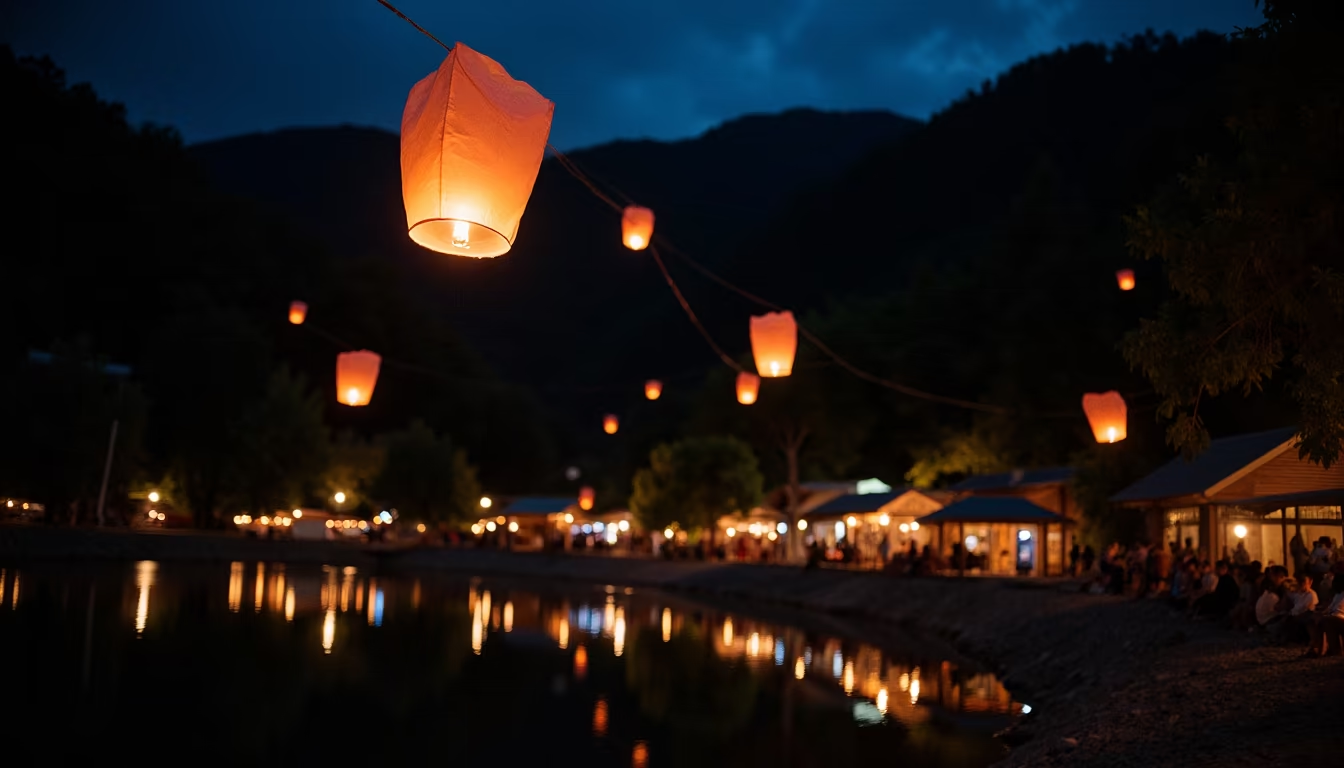
The honest answer is that Pai does not run on a packed events schedule. There is no famous lantern release built for tourists, no week-long music carnival. The festivals here are the same Thai and local celebrations you find across the north, scaled down to village size and softened by the slow valley mood. That is exactly why a lot of our guests end up loving them.
You celebrate alongside families and shop owners rather than in a ticketed crowd. The walking street still runs its usual food stalls, and the celebration layers on top: a temple draped in lights, kids with water guns, a riverbank glowing with candles. According to the Tourism Authority of Thailand, Mae Hong Son province is known for its mountain culture and small hill-tribe and Yunnan communities rather than large urban events, and that smaller scale is precisely what gives Pai's festivals their charm. From what we see with guests, the people who come expecting a spectacle leave a little flat, while those who come for a warm, human version of a Thai holiday come back glowing.
Songkran in April: the pai festivals everyone hears about
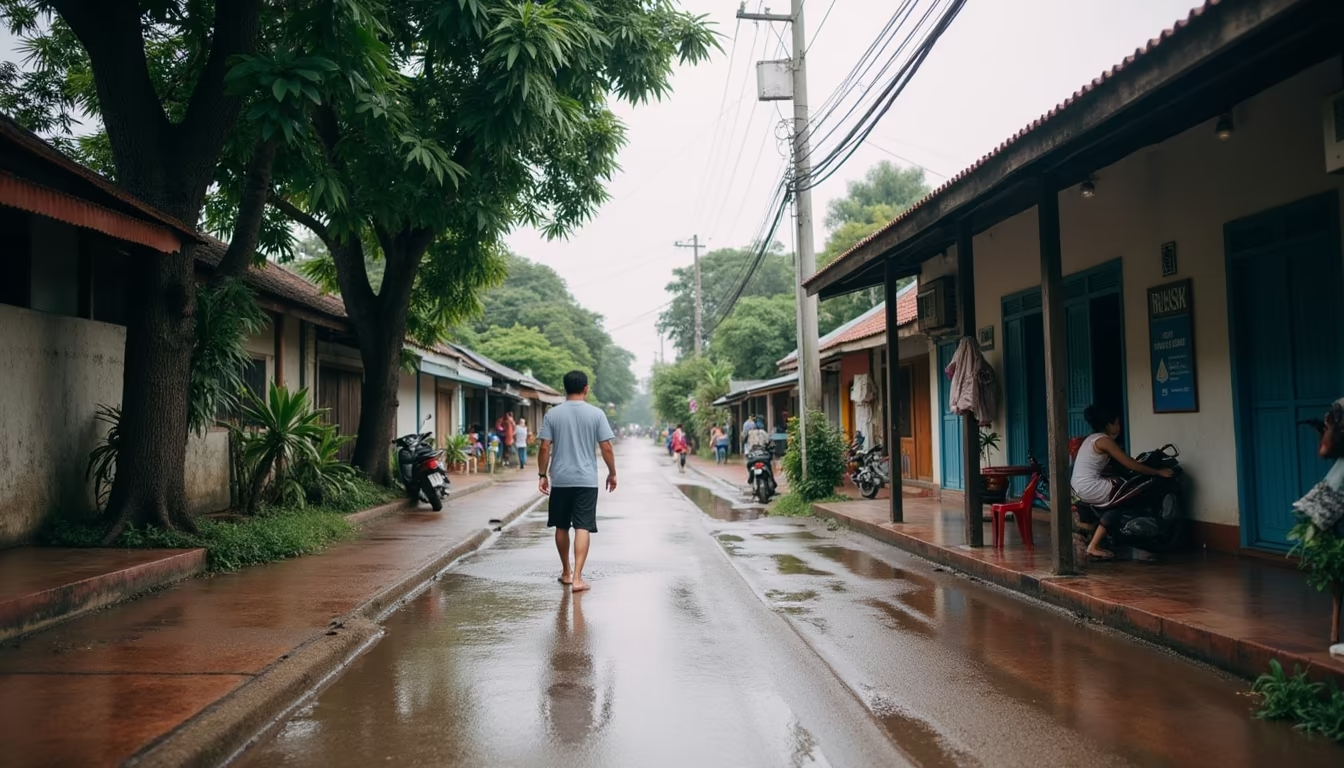
If any of the pai festivals has a reputation, it is Songkran, the Thai new year held around the middle of April. For roughly three days the town turns into a friendly water fight. Pickup trucks loaded with barrels cruise the main road, shop fronts set up hoses, and nobody who steps outside stays dry. Mixed in is the gentler, traditional side: pouring scented water over Buddha images and over the hands of elders as a blessing.
It is genuinely fun, but it is also Pai's hottest and busiest stretch. April is peak dry-season heat, the air can be hazy from regional farm burning, and rooms book out well in advance. In practice, this is the one date where we tell guests not to leave booking to the last minute, because the small number of rooms in the valley simply runs out.
- Wear: quick-dry clothes and a waterproof pouch for your phone. Assume everything gets soaked.
- Ride carefully: wet roads plus water guns make scooters slippery. Go slow, or walk the main strip.
- Respect the calm side: temples keep the quieter blessing rituals going, and those are worth seeing too.
Lights, countdowns and a Yunnan new year: the rest of the calendar
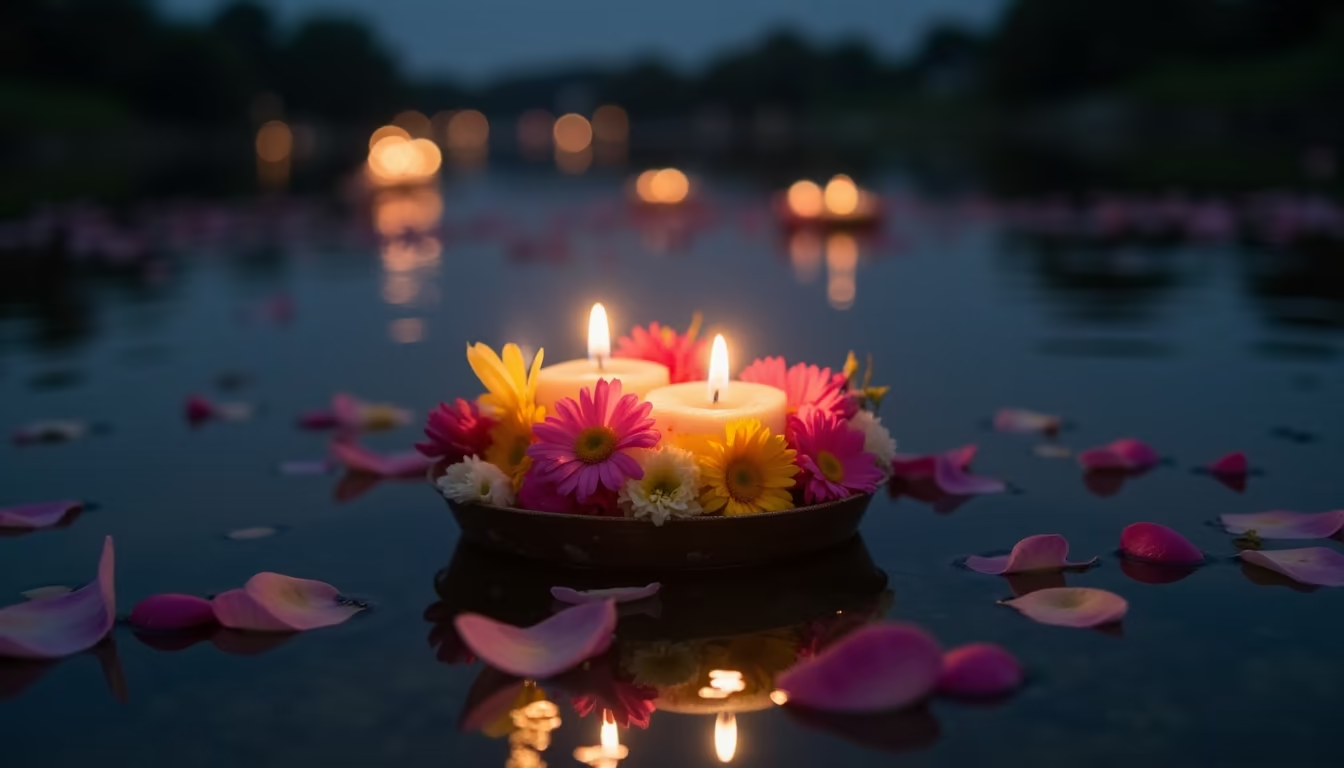
The other big dates spread across the cool season, which is also Pai's nicest weather. Loy Krathong falls around November on the full moon, when people float small candle-and-flower rafts, called krathong, down the Pai river to let go of the past year's bad luck. It is the prettiest evening on the local calendar, quiet and a little magical, often overlapping with the northern Yi Peng lantern tradition.
Then comes the New Year countdown over late December into early January, Pai's peak tourist window, when the cool nights fill with travellers and the walking street buzzes late. Around February, Chinese New Year lights up the Santichon Yunnan Cultural Village just outside town, where the local Yunnanese community marks the lunar new year with food, lanterns and performances. Add the general harvest-season buzz in the surrounding fields, and the cool months from November to February carry most of Pai's celebratory energy.
| Event | Roughly when | What it feels like |
|---|---|---|
| Songkran | Around mid-April | Loud, hot, soaking-wet water fights plus temple blessings |
| Loy Krathong | Around November full moon | Quiet, pretty floating lights on the river |
| New Year countdown | Late December into January | Busy, cool nights, lively walking street |
| Chinese New Year | Around February | Lanterns and food at the Santichon Yunnan village |
If you are still planning your route up into the valley, our guide on how to get to Pai covers the minivan from Chiang Mai and the famous curves, which matter even more around busy festival dates when transport books out early too.
Related Pai trips worth pairing with festival dates
A festival rarely fills a whole day, so it pays to build the rest of your time around it. The cool-season dates in particular line up with Pai's best riding weather, which makes them ideal for pairing a celebration with the valley's everyday highlights.
Around Loy Krathong or the New Year countdown, the days are dry and clear, perfect for a late-afternoon ride out to Pai Canyon for sunset before heading back for the evening lights or the street buzz. For a fuller menu of what to slot around your dates, skim our overview of things to do in Pai and build a day that suits your pace rather than racing between sights. From cases we see often, guests who treat the festival as the evening highlight and keep the daytime gentle enjoy the whole trip far more than those who try to cram everything in.
Where to stay (and why booking ahead really matters)
Why festival dates sell out fast
Here is the practical part. Pai has far fewer rooms than a town its fame suggests, and the festival dates are exactly when that small supply meets the biggest demand. Songkran in April and the New Year window over late December into January are the two stretches where the valley genuinely sells out, and prices across the booking sites climb hard.
Matching your stay to how you want to celebrate
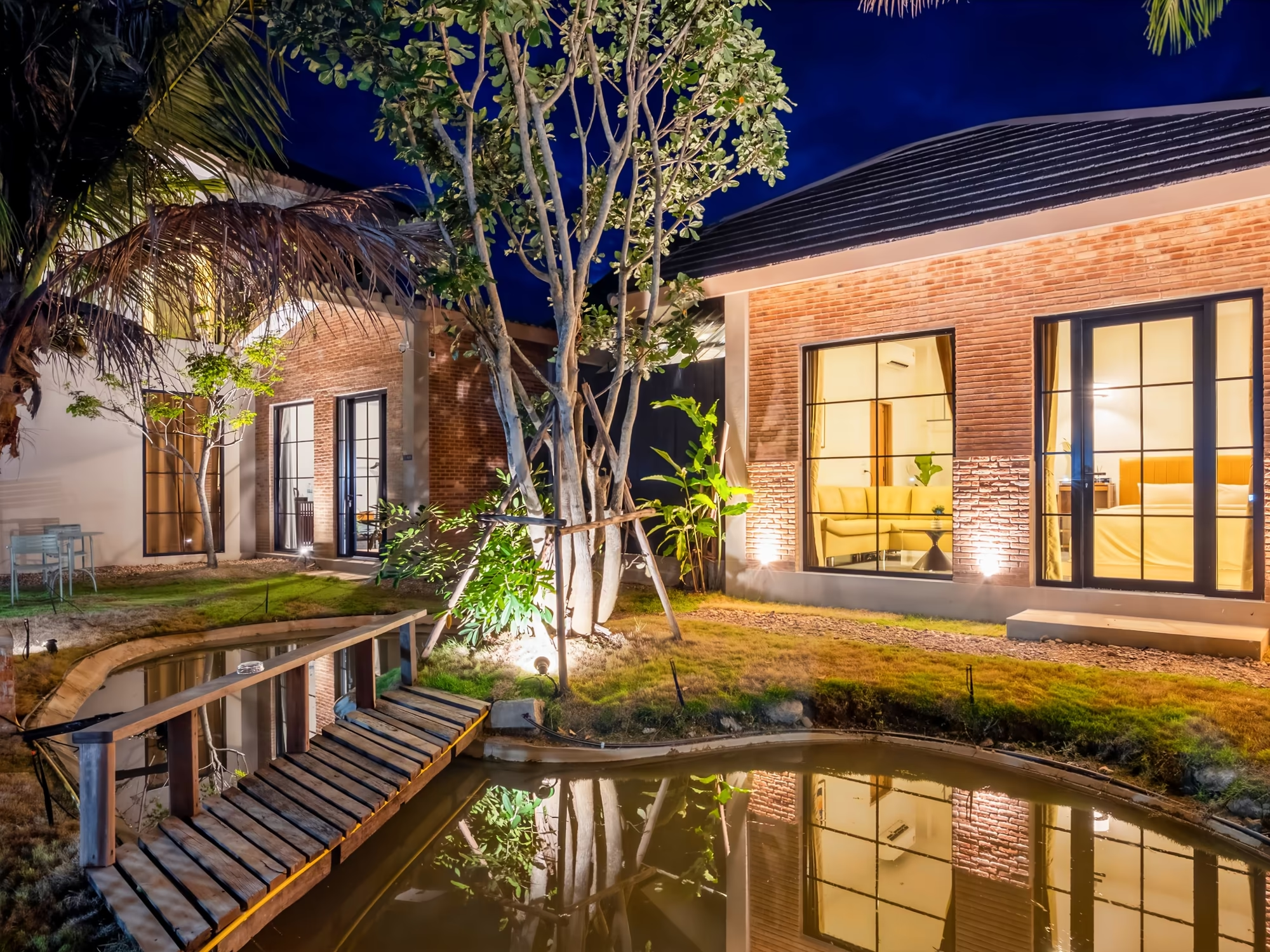
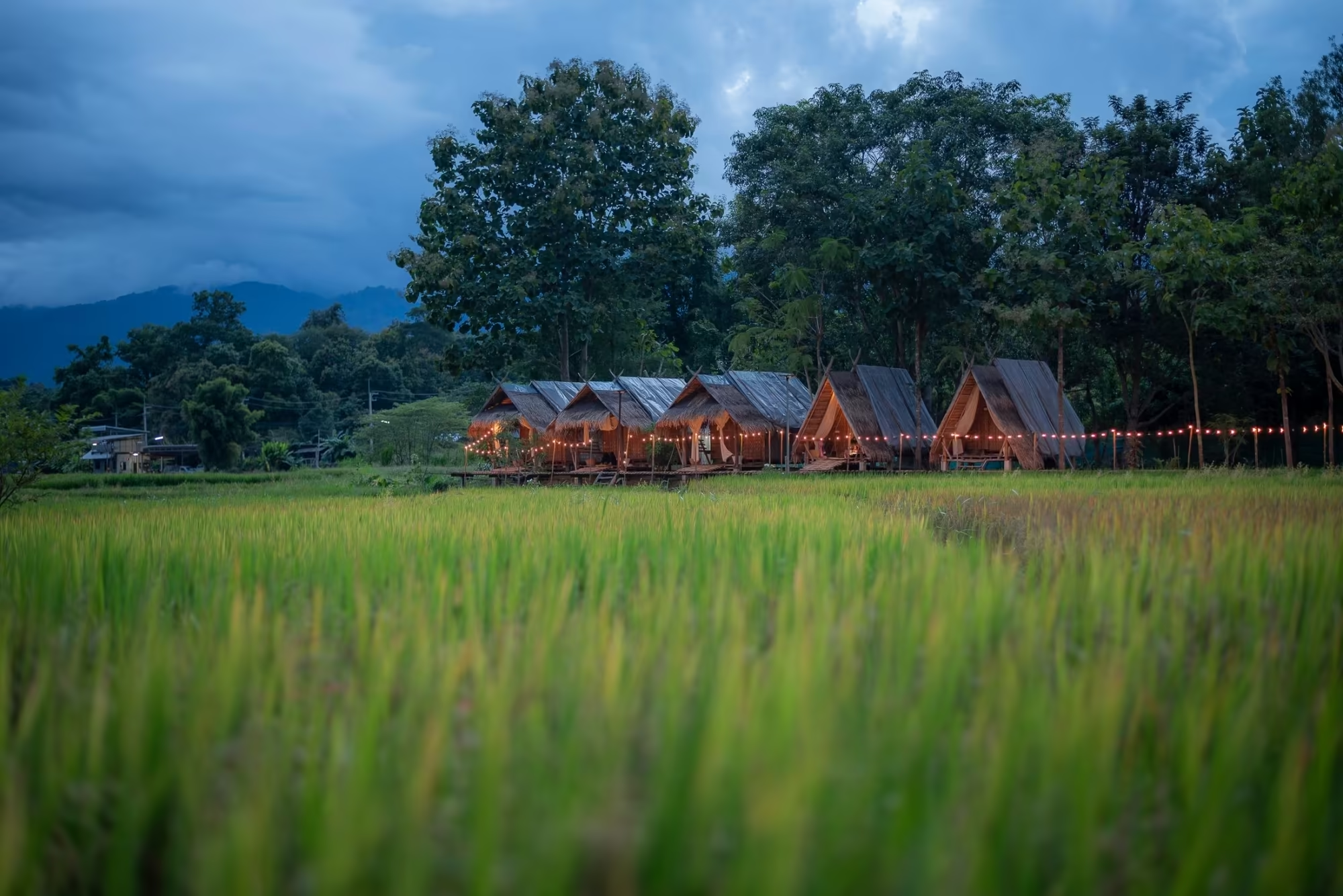
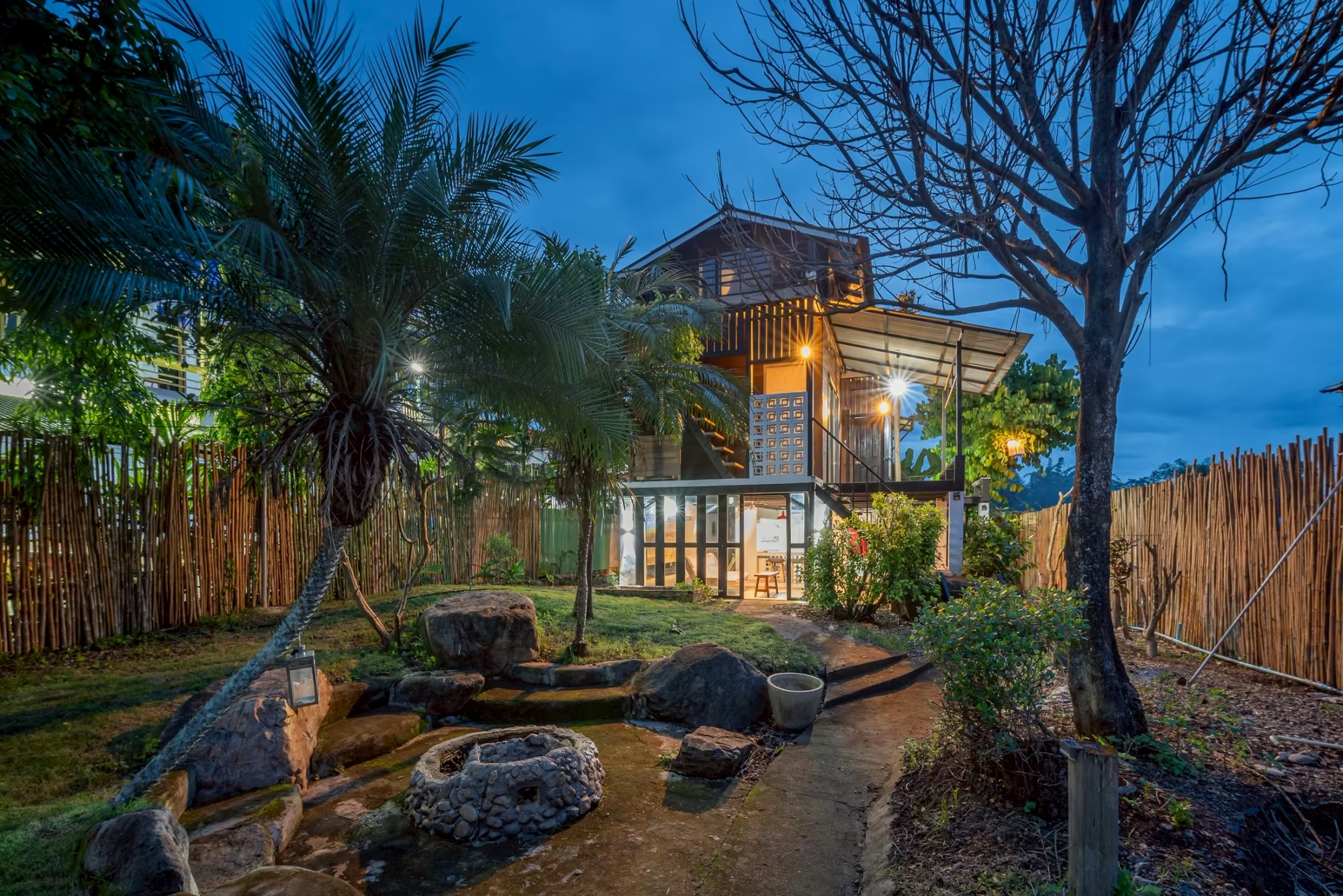
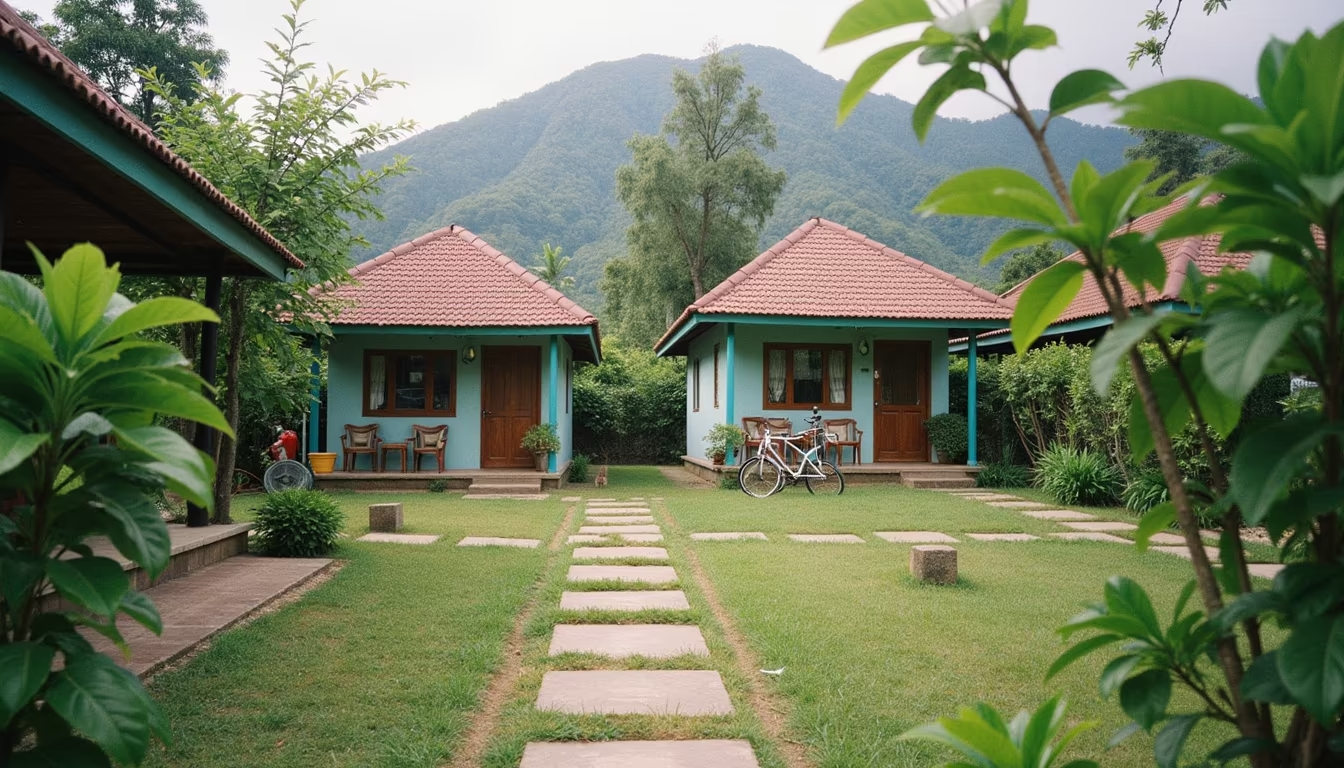
We run six small, owner-managed stays spread around the valley, from quiet rice-field gardens like Paddy Fields Haven to a design-led base close to town like The Arch Casa, and we match guests to the one that fits how they want to celebrate. If you want a front-row spot for the walking-street countdown, we will steer you closer in; if you want to float a krathong in peace and ride out to the canyon by day, we will point you somewhere calmer. For the full picture of areas, prices and trade-offs, read our honest rundown of where to stay in Pai before you lock anything in.
Local insight that comes with booking direct
Booking direct with us means you skip the booking-site markup, and around festival dates we can tell you on the day which streets will be wettest at Songkran or where the river lights gather at Loy Krathong. Because we live here, we treat the local calendar as part of your stay, not an upsell.
Quick Pai festivals FAQ
A couple of the questions we hear most often when guests are timing a visit around an event.
Does Pai have a big festival scene? Not really, and that is part of its appeal. Pai is a low-key mountain town, so its celebrations are smaller and more local than the big-city versions. You join families and shop owners rather than a ticketed tourist crowd, which most guests end up preferring.
When is the busiest festival time in Pai? Songkran in April and the New Year countdown over late December into January are the two busiest windows. Rooms and transport book out well ahead and prices rise, so reserve early if you want to visit around either of those dates.
One last honest word. Pai will never be a festival capital, and we would not sell it as one. What it offers instead is the gentler, more human side of a Thai holiday: a water fight you join rather than watch, a river of candles you can sit beside, a countdown under cold mountain stars. Pick your date, plan the daytime light, and let us handle the bed so the celebration is the part you remember — browse the best hotels in Pai and book direct to save up to 10%.