By BestHotelPai Team · Updated August 27, 2026
In short Visiting Pai in March means hot, hazy days as the regional burning season begins, so long views and crisp photos are unlikely. The upside is low season: the lowest prices and the quietest streets all year. Check the daily air quality, pack a mask, and lean into cafes, spa time and a cooking class rather than big viewpoints.
March is the month we are most honest with guests about. It is the start of the agricultural burning season across northern Thailand, so the valley around Pai can fill with regional haze, the long mountain views go soft and grey, and the air quality dips on the worst days. It is also hot, dusty, and, for those reasons, the quietest and lowest-priced stretch of the whole year.
So is Pai in March a write-off, or a clever shoulder-season pick if you set your expectations right? We think it can be a genuinely good trip for the right traveller. Below we explain what the weather and air really feel like, how to plan around the haze, the indoor things that shine this month, and where to base yourself so a hazy week still feels relaxing rather than grim.
What is Pai in March really like?
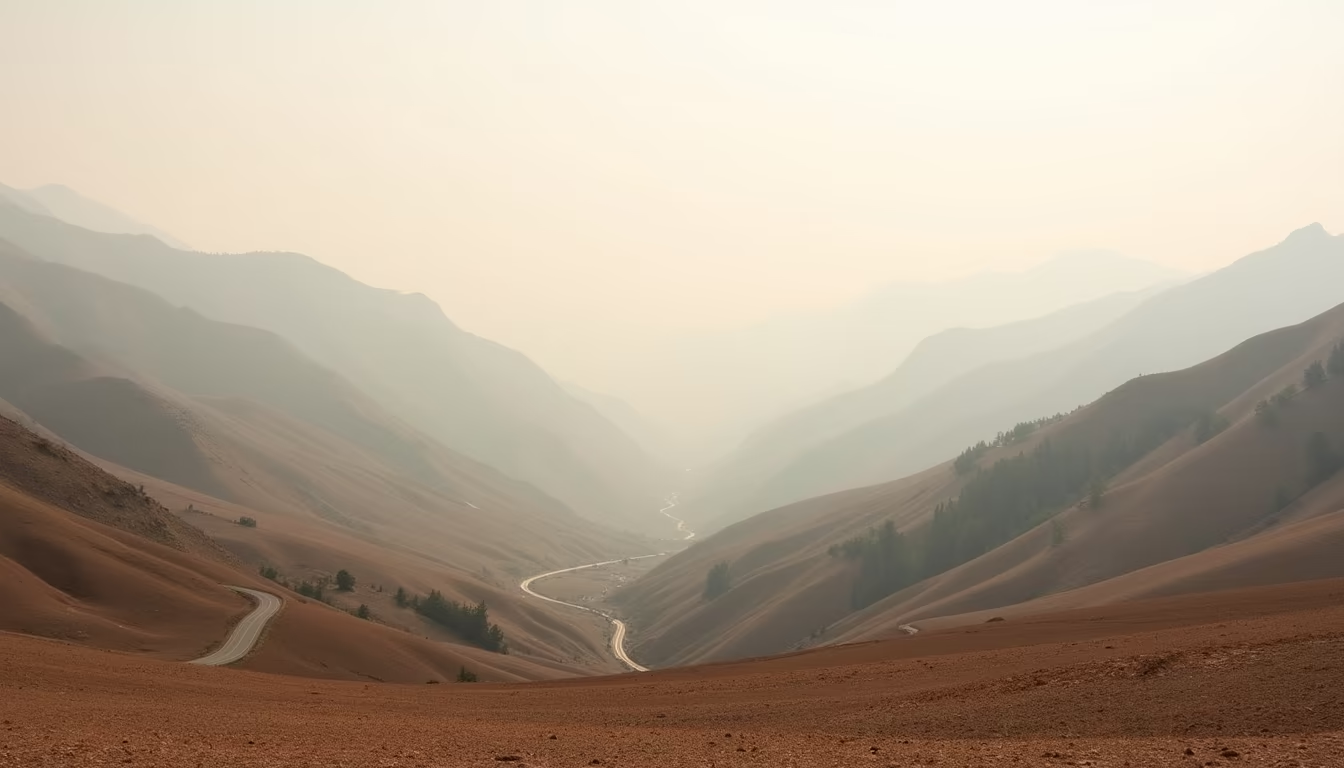
By March the cool, foggy mornings of the green-to-cool season are gone. Days turn hot, the rice fields are dry and pale, and farmers across the wider region start clearing land by burning stubble. That smoke drifts and settles in mountain valleys like this one, so some days are clear and breezy while others sit under a flat grey haze that hides the ridgelines.
We will not pretend otherwise: this is not the month for fog rivers, dramatic sunsets or long photographic views. Air quality can drop on the worst days, and anyone sensitive to smoke will notice it. From what we see with guests, the people who enjoy March are the ones who came for slow mornings, good coffee and a quiet town, not for postcard panoramas. If long mountain views are the whole reason for your trip, the cool season from roughly November to February is the better window, and the best time to visit Pai for clear air is generally those cooler months.
According to the Tourism Authority of Thailand, Mae Hong Son province sits high in the folded mountains of Thailand's far north, and that bowl-like valley geography is exactly why seasonal haze can linger here rather than blow straight through. Knowing the lay of the land helps you read a hazy forecast without panic.
Pai weather in March: heat, haze and hazy views
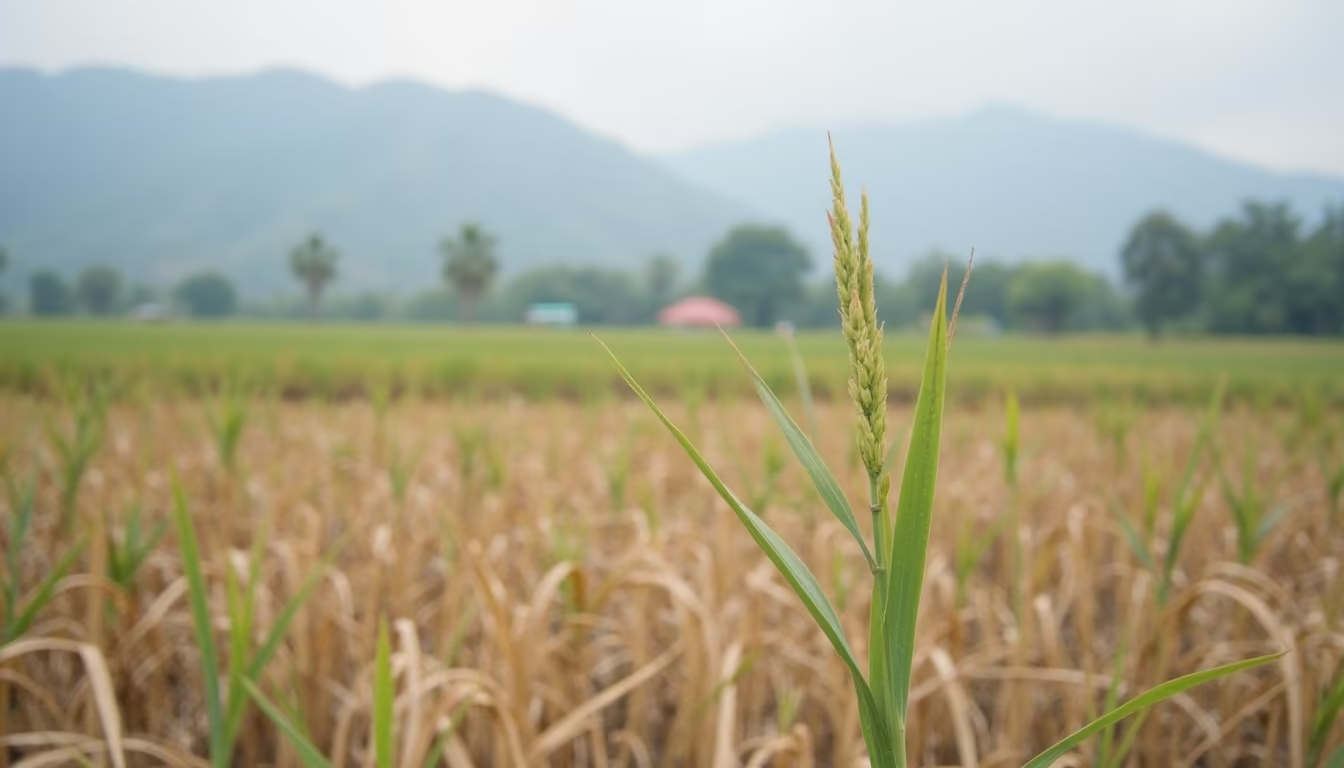
March weather in Pai is warm to hot through the day and mild at night, with very little rain. The discomfort is rarely the temperature alone; it is the combination of heat and smoky air on the worst days. Pai weather this month swings more than people expect, so checking conditions the day before you ride out matters more than any monthly average.
In practice, we tell guests to treat the air quality index, the AQI, as their daily planning tool. On a clear, breezy day the southern loop and a viewpoint are still worth doing. On a heavy-haze day, that same ride is hot, grey and not much fun, and an indoor plan is the smarter call.
| Air on the day | What it feels like | What we suggest |
|---|---|---|
| Clear, breezy | Decent views, warm, ride-friendly | Do the outdoor loop, go early |
| Light haze | Soft, grey distance, still warm | Short rides, cafes, wear a mask |
| Heavy haze | Smoky, low visibility, eyes sting | Indoor day, spa, cooking class |
Pack a couple of well-fitting masks, a refillable water bottle, and eye drops if you are sensitive. A light scarf doubles as sun cover on the road and a quick face cover when the air turns. None of this is dramatic, it is just sensible kit for a smoky-season trip.
How to make the most of low season in Pai
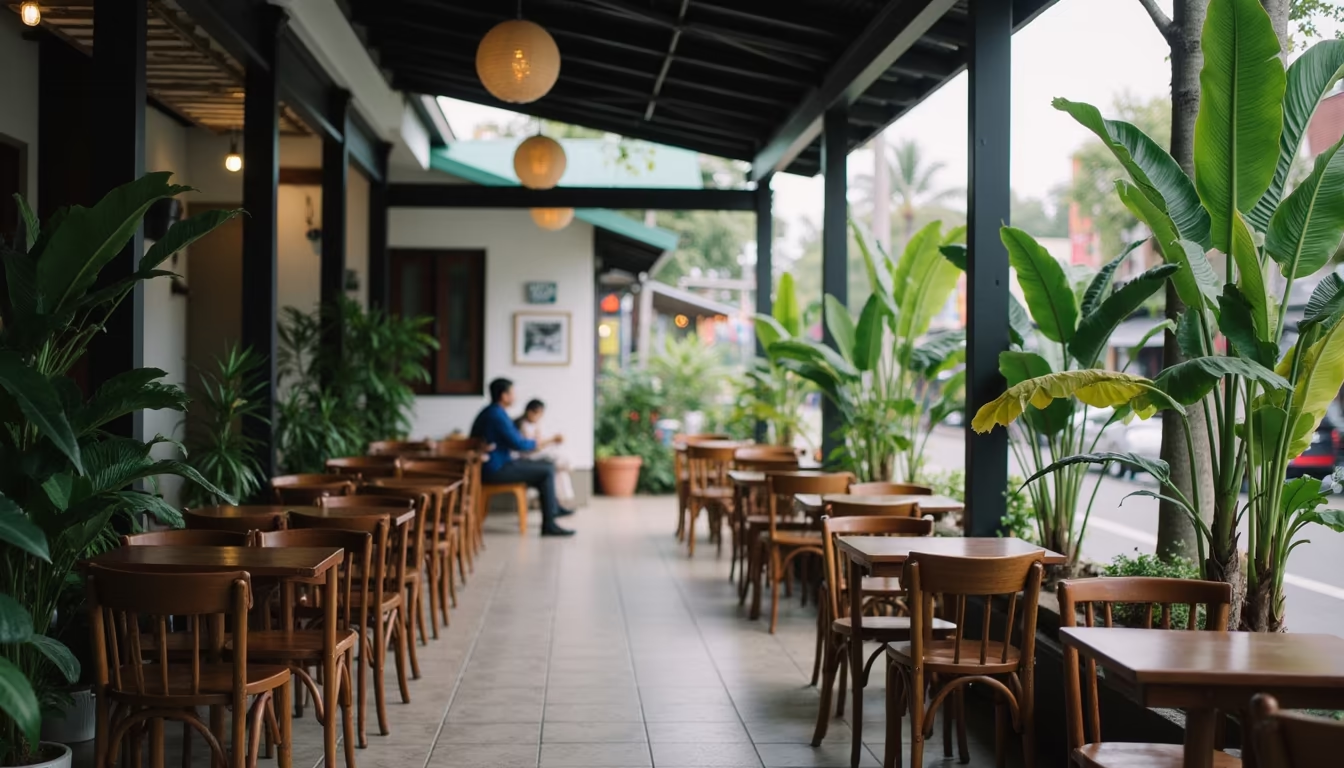
Here is the honest trade. You give up reliable views, and in return you get the lowest prices and the quietest town of the year. Rooms that are full and dear in December sit calm and affordable in March, cafes have space, and the night market breathes. For a flexible traveller, that quiet is the real draw.
This is the month to lean indoors and into slow experiences. A long cafe morning, an afternoon massage or spa, a hands-on Thai cooking class, a gallery or temple visit, all of these are at their best when the streets are calm and a hazy sky outside does not matter. Save one clear morning, if you get one, for a short ride to a waterfall or a quick look at Pai Canyon before the day heats up. For the wider menu of options that work rain, shine or haze, our overview of things to do in Pai helps you build a day around the air rather than against it.
One practical number worth knowing: from cases we see often, March bookings can run noticeably lighter than the December peak, which is why prices soften and last-minute stays are easy. If your dates are flexible, an early-March trip before the haze deepens often gives the best balance of value, quiet and still-breathable air.
Related Pai reads worth pairing with a March trip
A smoky-season trip plans best when you sort the boring logistics first, then build a flexible day around the daily air. If you are still working out the journey in, our guide on how to get to Pai walks through the minivan from Chiang Mai and the famous 762 curves, so the long road does not eat the calm you came for.
From there, the same southern-loop and indoor ideas in our things to do in Pai overview slot neatly into a March pace: outdoor stops on the clear mornings, cafes and spa time when the haze rolls in. Treat both as a menu, not a checklist, and you will ride the weather instead of fighting it.
Where to stay so a March visit still feels good
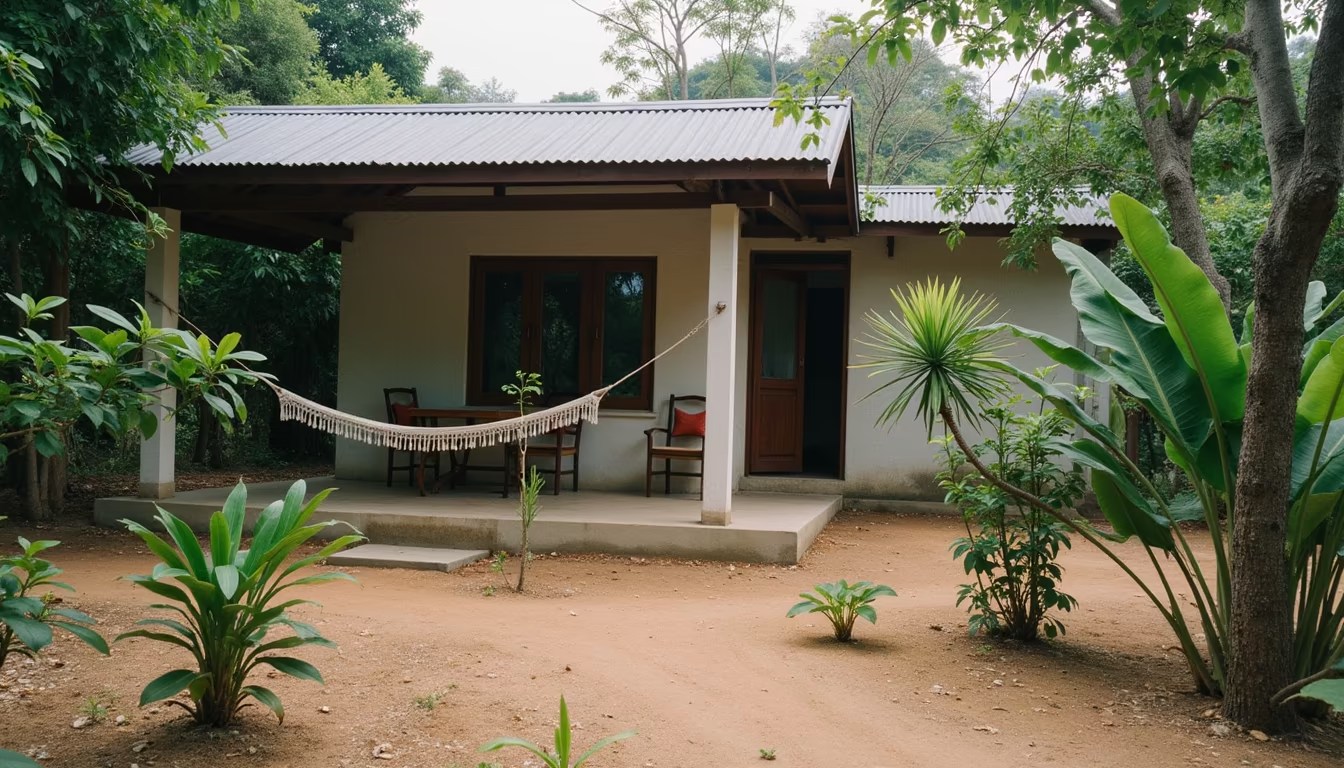
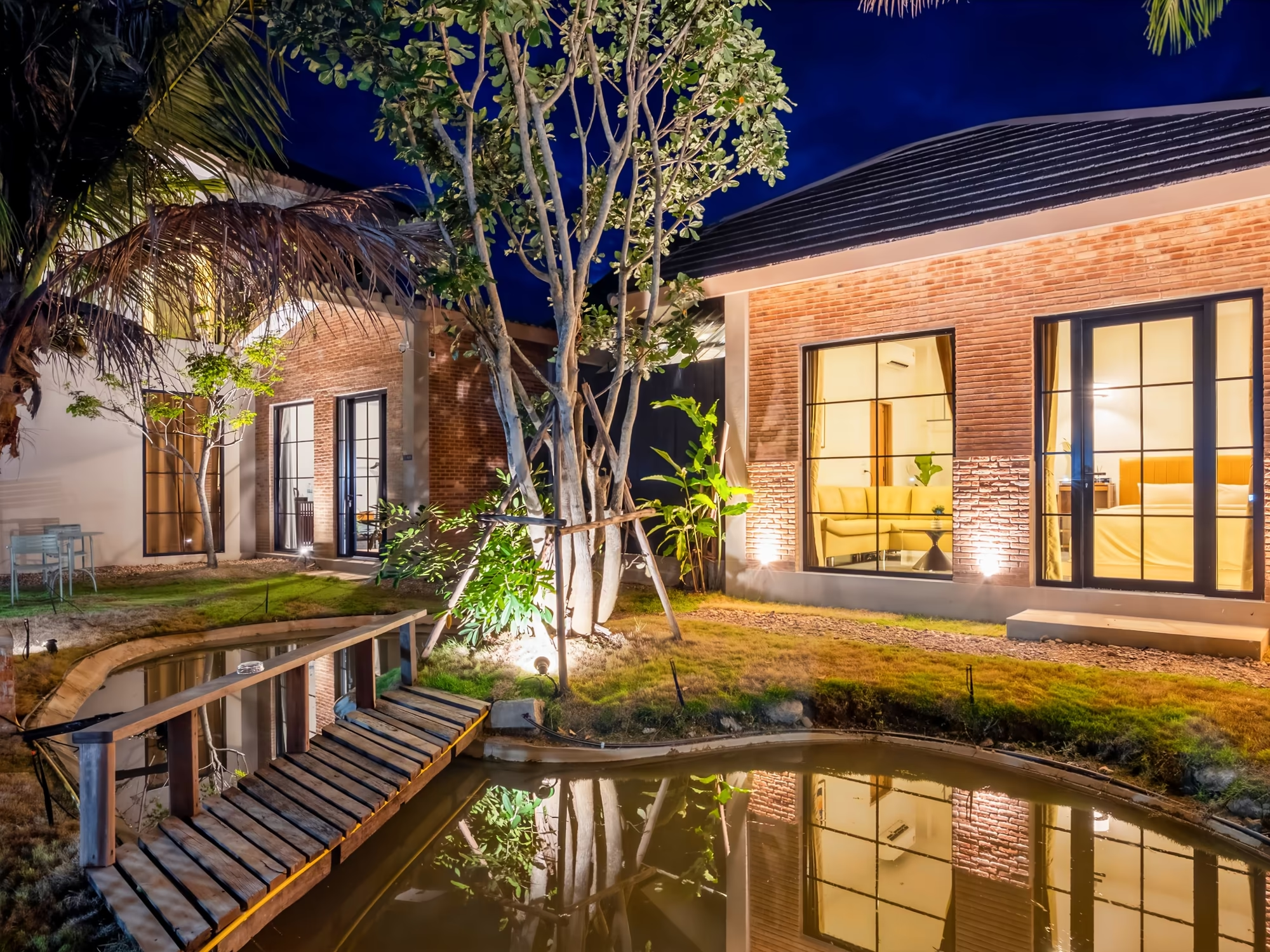
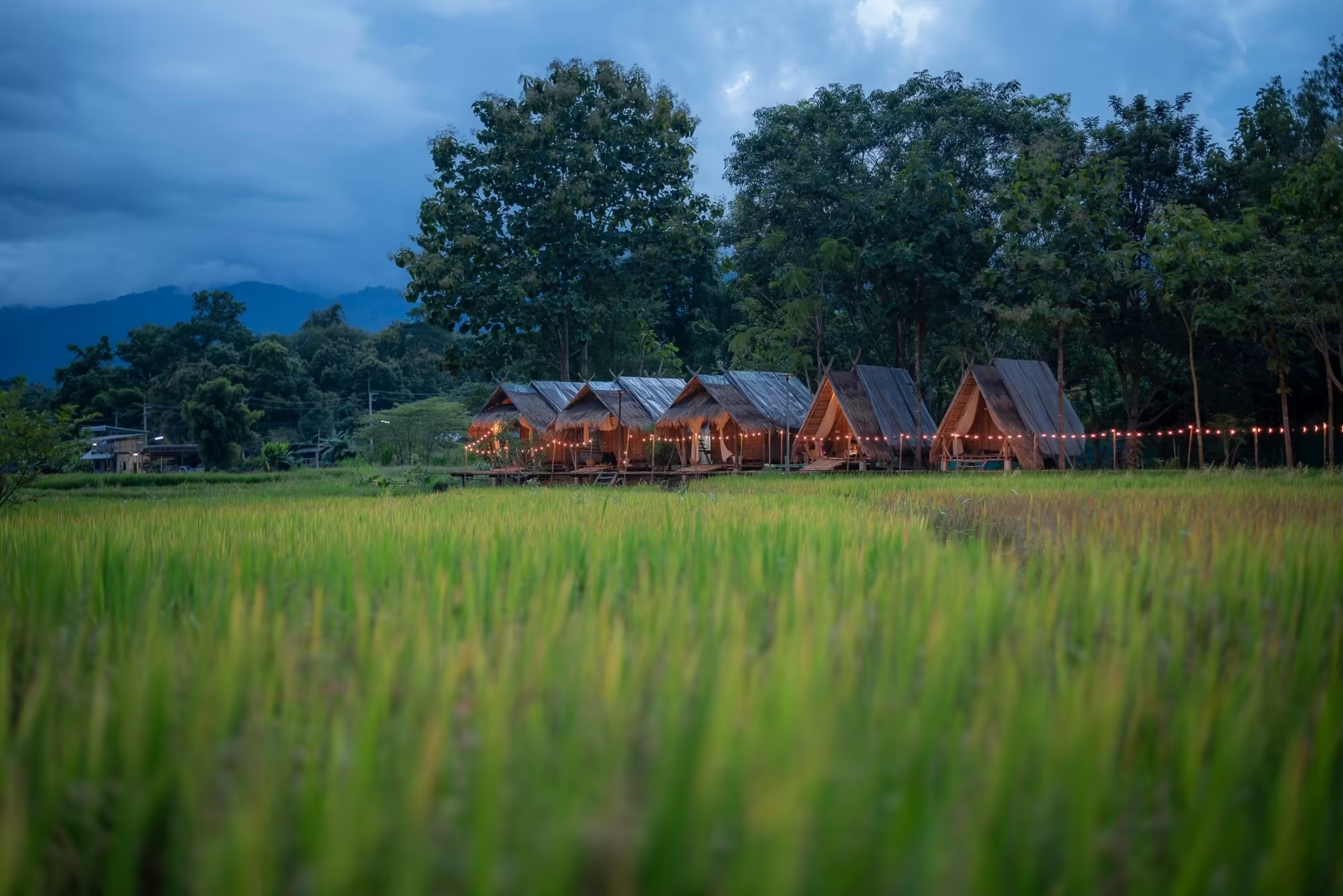
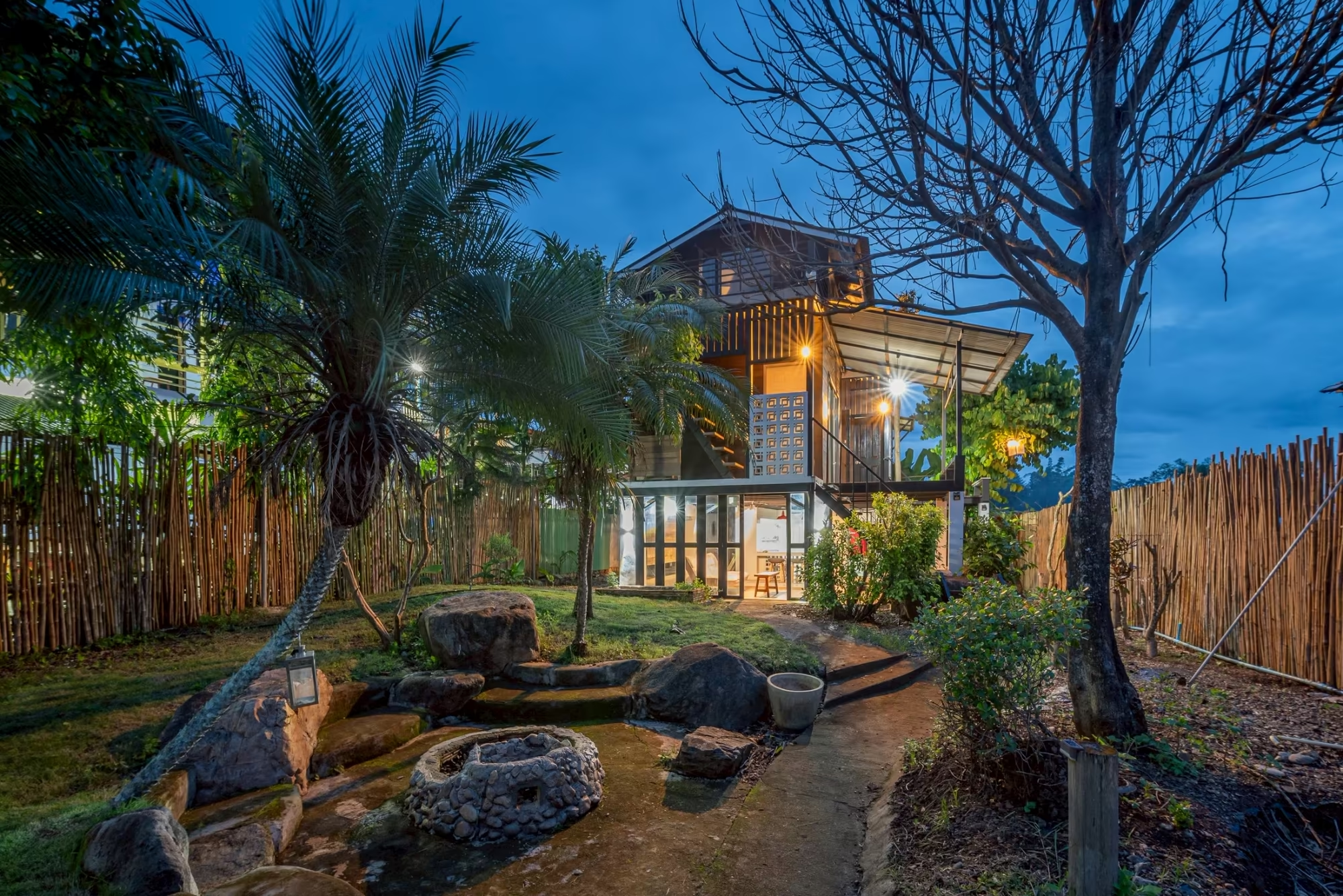
In March, where you sleep does more work than usual, because you will spend more time around your stay on the hazy, hot afternoons. We run six small, owner-managed stays around Pai, from quiet rice-field gardens to a mountain-facing base on the edge of town, and we match guests to the one that fits how they want to spend a slow, low-season week.
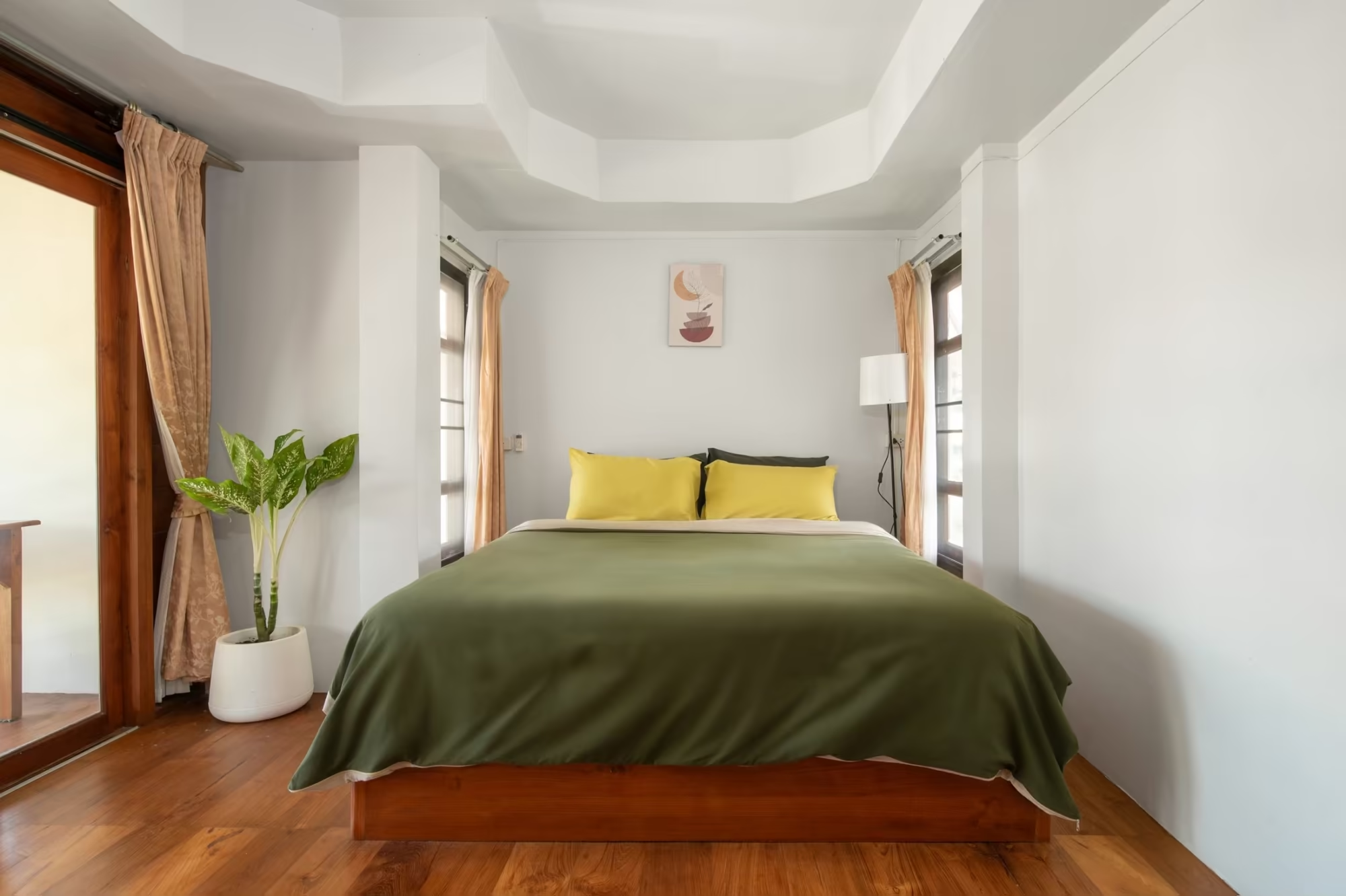
For this month we tend to steer guests toward a calm garden setting with shade and a comfortable indoor spot to retreat to when the air turns, rather than a room you only sleep in. If you want the full picture of areas, prices and the trade-offs, read our honest rundown of where to stay in Pai before you lock anything in. Booking direct with us means you skip the booking-site markup, and we can tell you the night before whether the morning looks clear enough for a ride.
Because we live here, we treat the haze as part of the season, not a secret. We will check the air with you, suggest an indoor plan on the grey days, and point you to the cafes, spa and cooking class that make a quiet March work.
Pai in March will never give you the crisp ridgelines of the cool season, and we would rather you knew that before you arrive. What it gives instead is space, quiet and a low-season price, plus a town that is easy to enjoy at a gentle pace. Watch the air, pack a mask, lean indoors on the grey days, and let us handle the bed so the slow part is the good part.