By BestHotelPai Team · Updated July 13, 2026
In short The three Pai waterfalls worth your time are Mo Paeng (natural rock slides and pools, best for swimming), Mae Yen (a 7km river-trail hike to a tall cascade, for active travellers), and Pam Bok (a short, dramatic gorge fall close to town). All three run fullest from June to November, after the rains.
Picture three very different mornings. In one you are sliding down sun-warmed rock into a cool pool. In another you are wading a river for two hours to reach a tall, hidden cascade. In the third you are peering into a shaded gorge ten minutes from the car park. Those are the three Pai waterfalls travellers ask us about most: Mo Paeng, Mae Yen, and Pam Bok. They look the same on a map and feel nothing alike on the ground. As hosts running small stays a short ride from all of them, we get the same question every week: which one is actually worth my time? This is the honest answer, by traveller type, so you can pick before you ever start the engine.
Where the three Pai waterfalls actually are
All three falls drain the green valleys ringing Pai town in Mae Hong Son province, the northern highland region the regional tourism board describes as one of Thailand's quietest mountain corners (Tourism Authority of Thailand). Distances are short. Mo Paeng sits roughly 8km to the north-west, Pam Bok lies about 9km to the south, and the Mae Yen trailhead begins a short ride east of the centre.
The key thing to understand is that these are valley waterfalls, not the giant national-park cascades you might picture. They are fed by seasonal streams. That single fact decides whether your visit is magic or a trickle, which is why timing matters more than distance here.
Getting between them is half the fun. Most travellers rent a scooter in town for a few hundred baht a day and loop out at their own pace. The roads are paved but narrow and twisty, so ride slow and watch for gravel on the bends. If you are not confident on two wheels, a half-day shared songthaew or a private driver can cover the closer falls comfortably, and we are happy to help guests arrange one.
Mo Paeng: the swimming waterfall
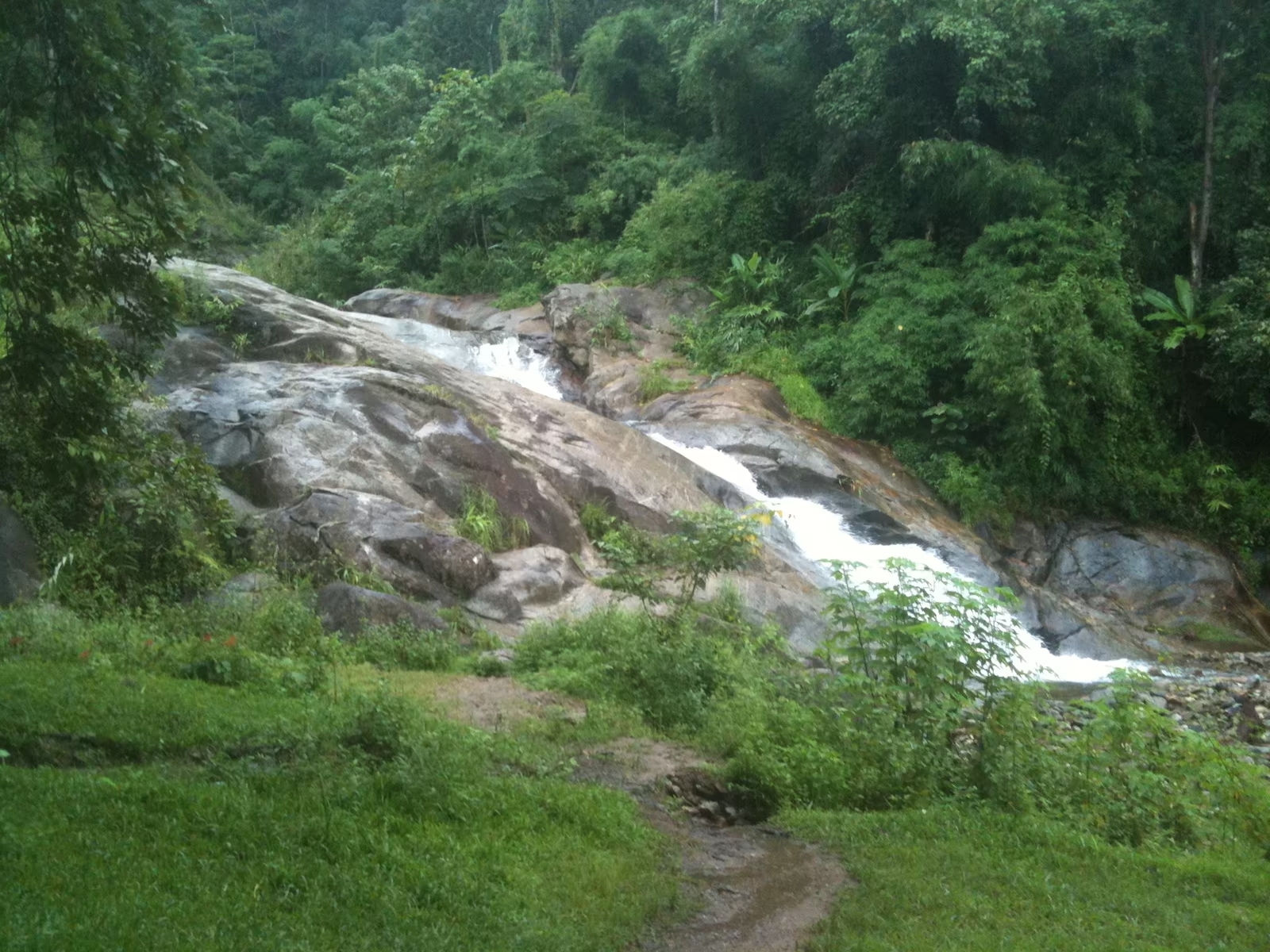
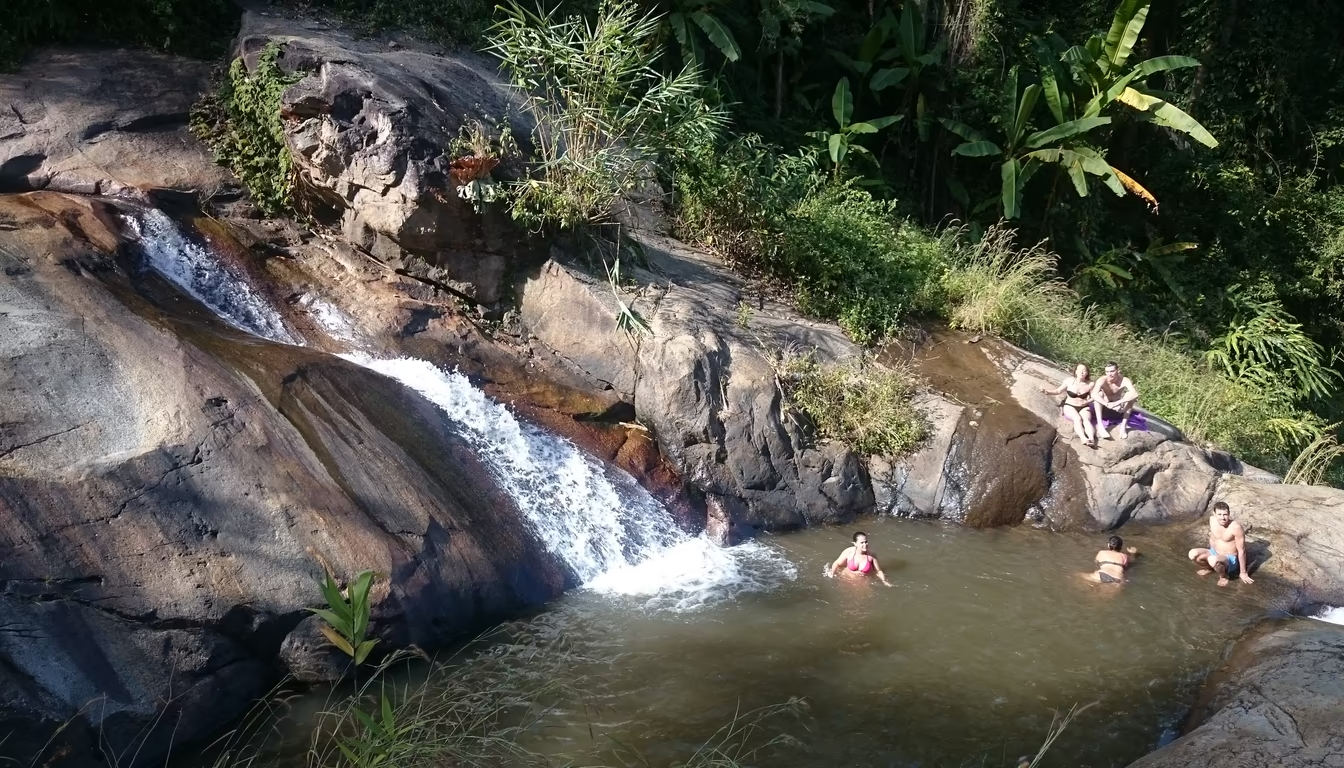
Mo Paeng is the one most guests fall for. It is a series of smooth rock slabs the water has polished over centuries, with shallow pools between them. People sit at the top, let the current carry them down a natural slide, and land in a pool deep enough to swim. There is a small cafe at the entrance and usually a relaxed crowd of backpackers.
Go early, before 10am, if you want the pools to yourself. By midday in high season it fills up. The rocks get slippery, so wear something with grip and do not rush the slides. In practice, from what we see with guests, this is the spot families and first-timers enjoy most because you can wade in gently rather than commit to a hike.
Mae Yen: the hike for active travellers
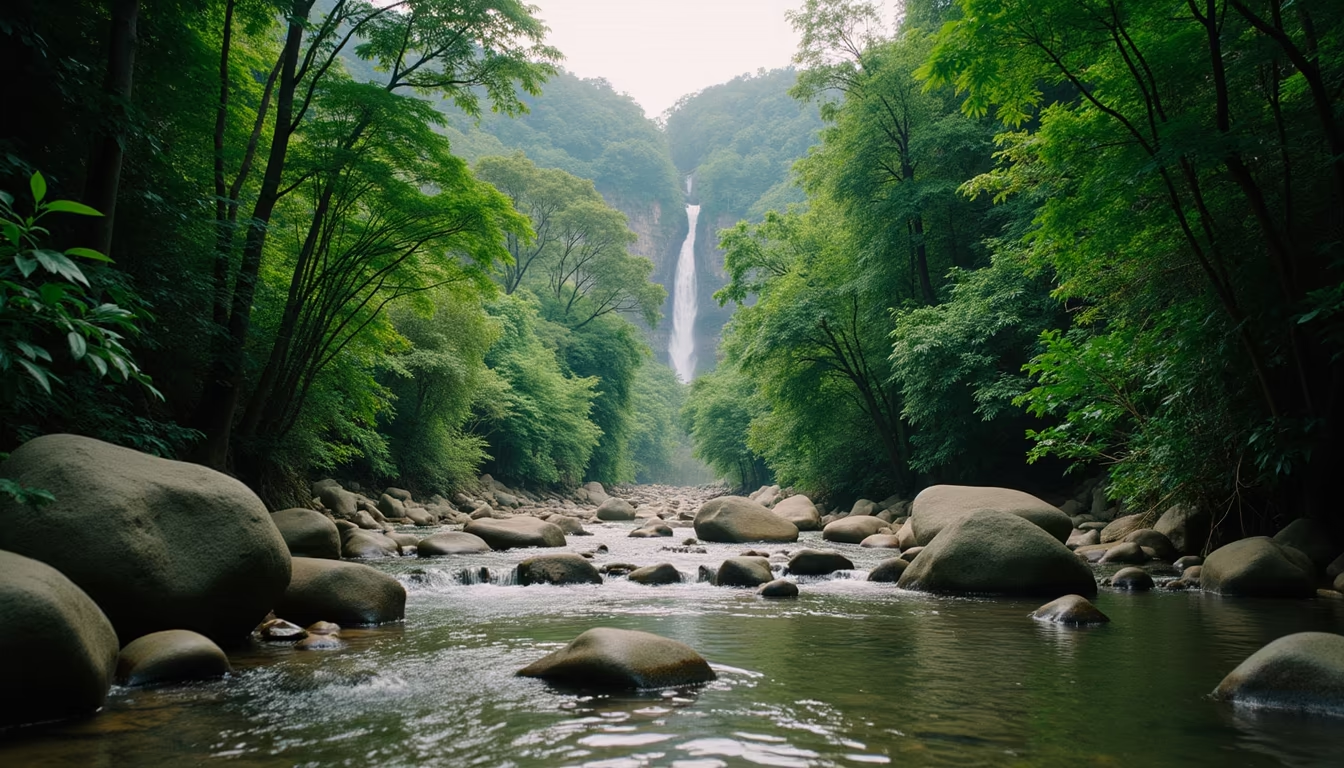
Mae Yen is a different animal. There is no road to the waterfall. You follow a river upstream for roughly 7km, crossing the water dozens of times, until the valley opens onto a tall, quiet cascade. It takes most people two to three hours each way, and you will get wet feet, so plan for a full half-day and bring water.
Is it worth the effort? For travellers who want to earn their reward and barely see another soul, yes. We point fit, adventurous guests here and tell everyone else to choose Mo Paeng. The trail is unmarked in places, so go with daylight to spare and tell someone where you are headed.
Pam Bok: the quick dramatic stop
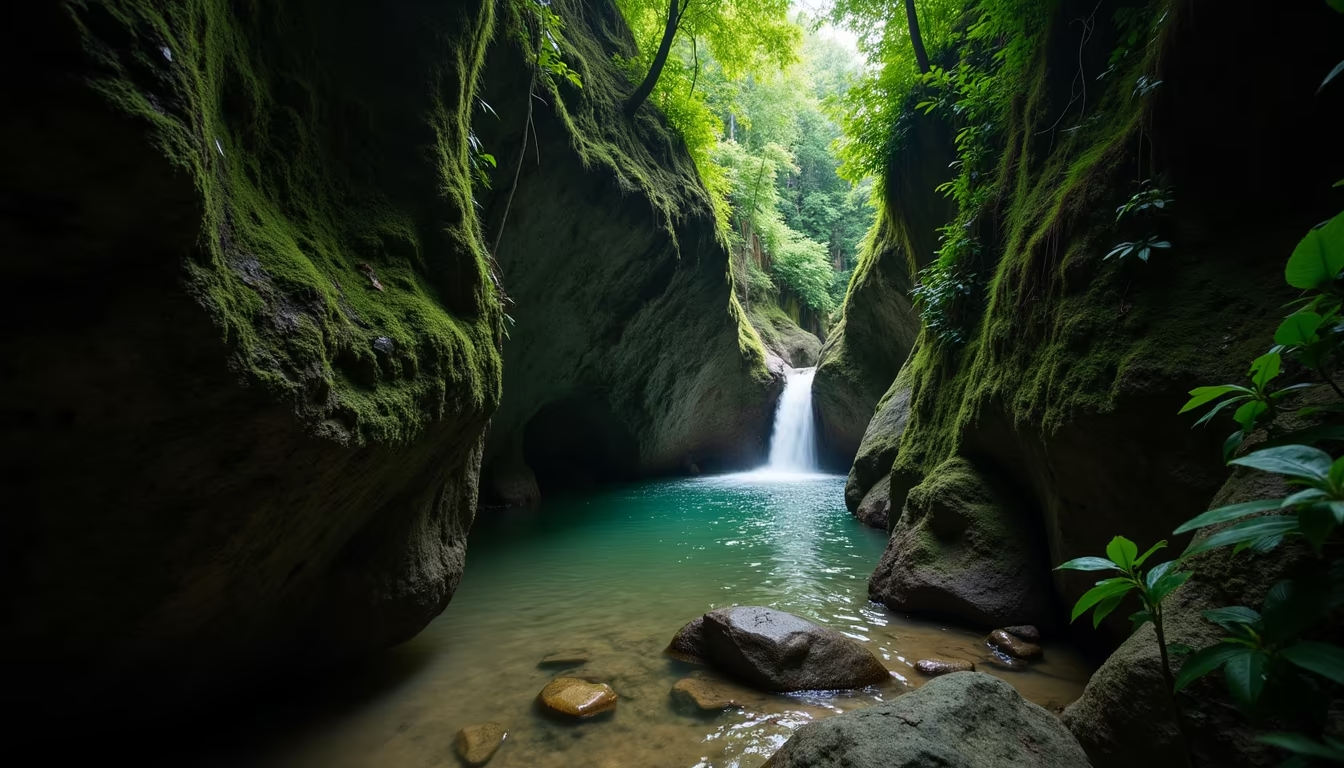
Pam Bok packs the most drama into the least effort. The water funnels through a narrow rock gorge, and a short walk from the car park brings you to a small but striking fall framed by stone walls. It is the natural pairing with the nearby Land Split, a friendly family farm that opens its property to visitors.
Because it is small, Pam Bok works best as one stop on a southern outing rather than a destination on its own. Half an hour is plenty. The gorge stays shaded, so the temperature drops the moment you step down between the rock walls, which makes it a welcome midday breather.
Should you skip it if your time is tight? Honestly, yes. Pam Bok shines as a bonus, not as the reason you came. If you are already riding south though, the short detour repays the few minutes it costs you with a genuinely cinematic little slot canyon.
Best time to visit and how the three compare
Season is everything. The waterfalls run strongest from roughly June to November, once the rains have filled the streams, and they thin out through the dry months of February to April. The provincial authority publishes seasonal travel notes for the region that are worth a quick read before you set a date (Mae Hong Son provincial office), and you should confirm current trail and water conditions locally, as they shift year to year.
| Waterfall | Effort | Best for | Time needed |
|---|---|---|---|
| Mo Paeng | Easy walk | Swimming, families, first-timers | 1-2 hours |
| Mae Yen | Hard, 7km hike | Active, adventurous travellers | Half day |
| Pam Bok | Very easy | A quick scenic stop on a loop | 30-60 minutes |
A sequence that works well: ride to Mo Paeng for a cool early swim, slot Pam Bok into a relaxed southern afternoon, and reserve Mae Yen for a separate day if its trail tempts you. Stack all three into one day and each blurs into the next. For the rest of your itinerary beyond the falls, see our guide to things to do in Pai.
Who each Pai waterfall is for, and who should skip it
From what we see with guests over a full season, the regret is almost never about the waterfall itself. It is about choosing the wrong one for the trip you wanted. So here is the blunt version.
Choose Mo Paeng if you want to swim, you are travelling with kids, or this is your first waterfall in the north. Choose Mae Yen only if you genuinely enjoy hiking and have a half-day to give it; otherwise it becomes a slog you resent. Choose Pam Bok if you are already doing the southern loop and want a quick, shaded pause. If you only have time for one, we point most guests at Mo Paeng. It is the one nobody comes back disappointed by.
Where to stay near the Pai waterfalls
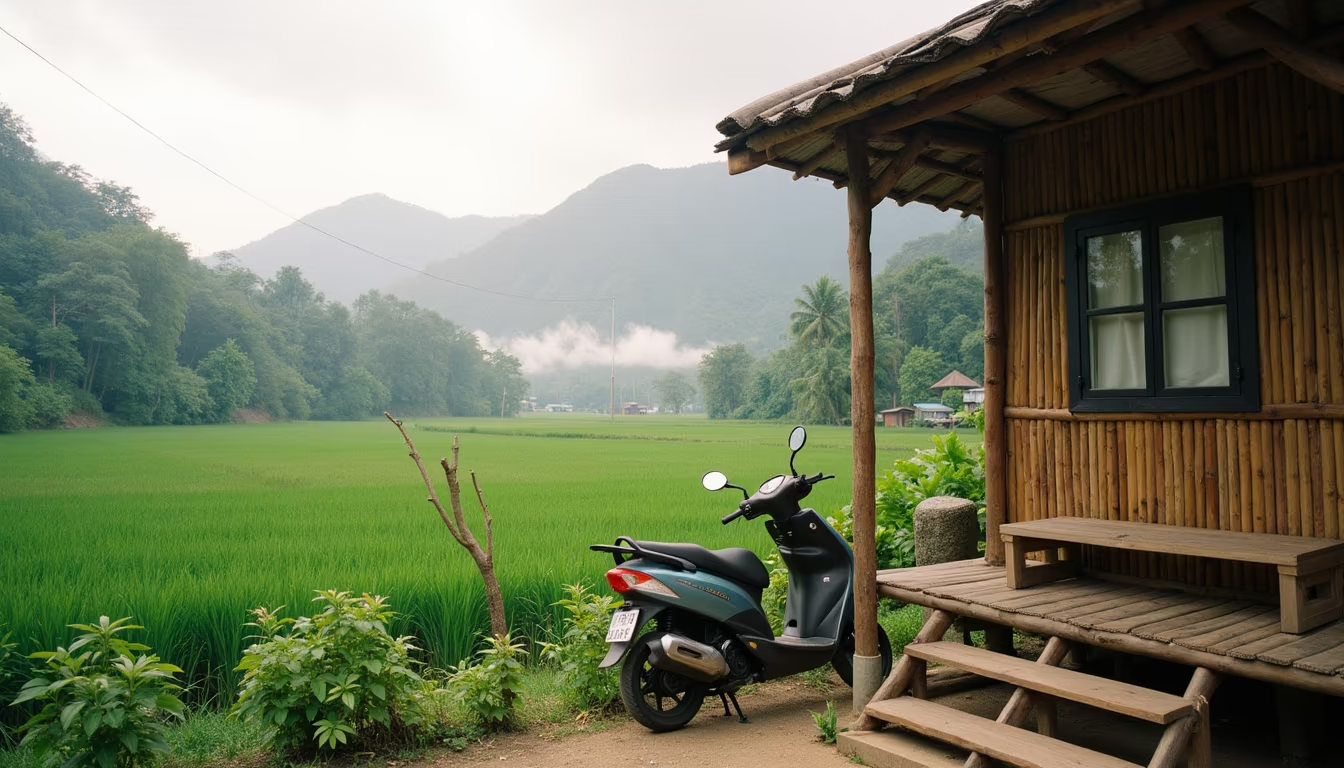
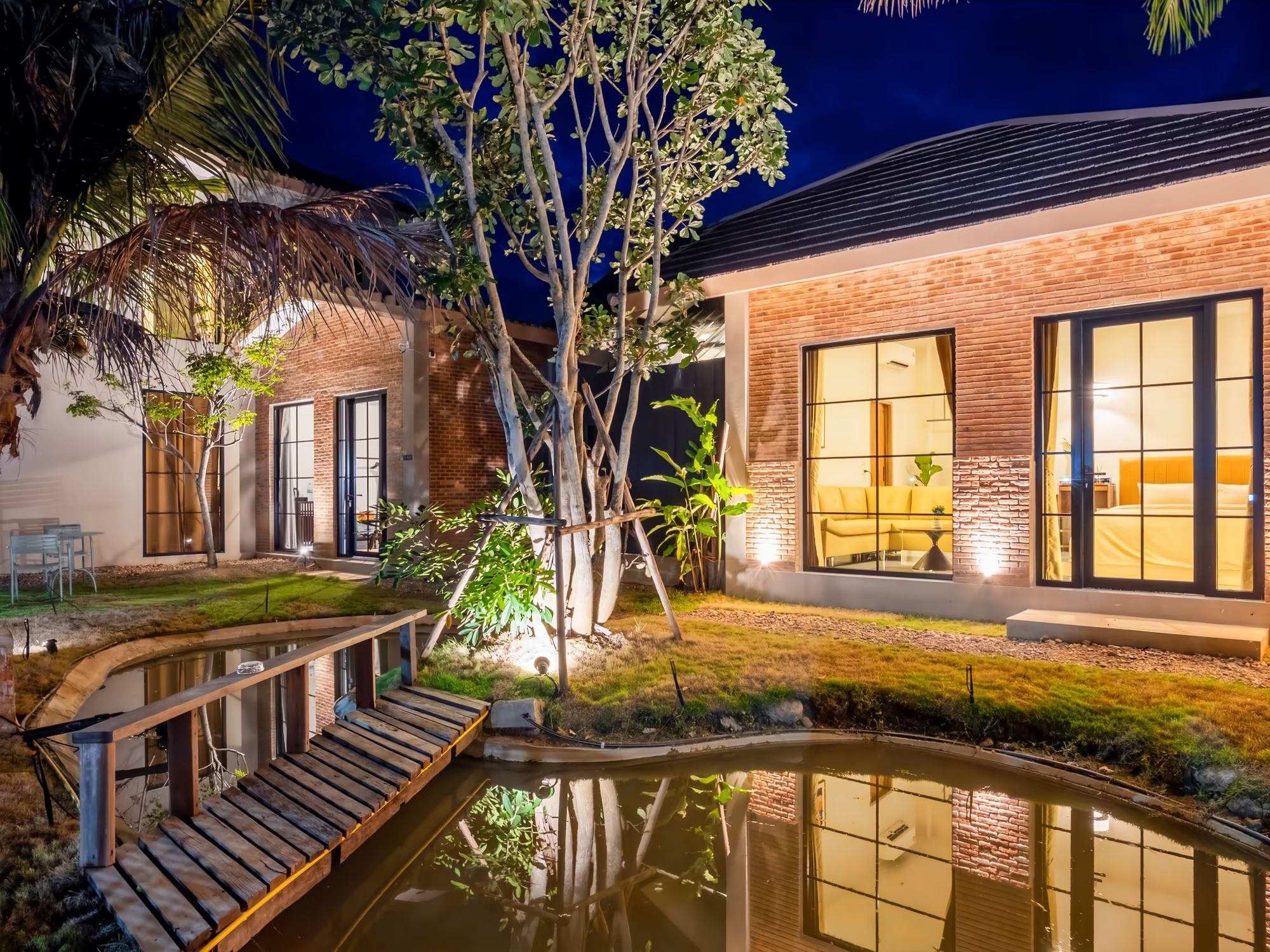
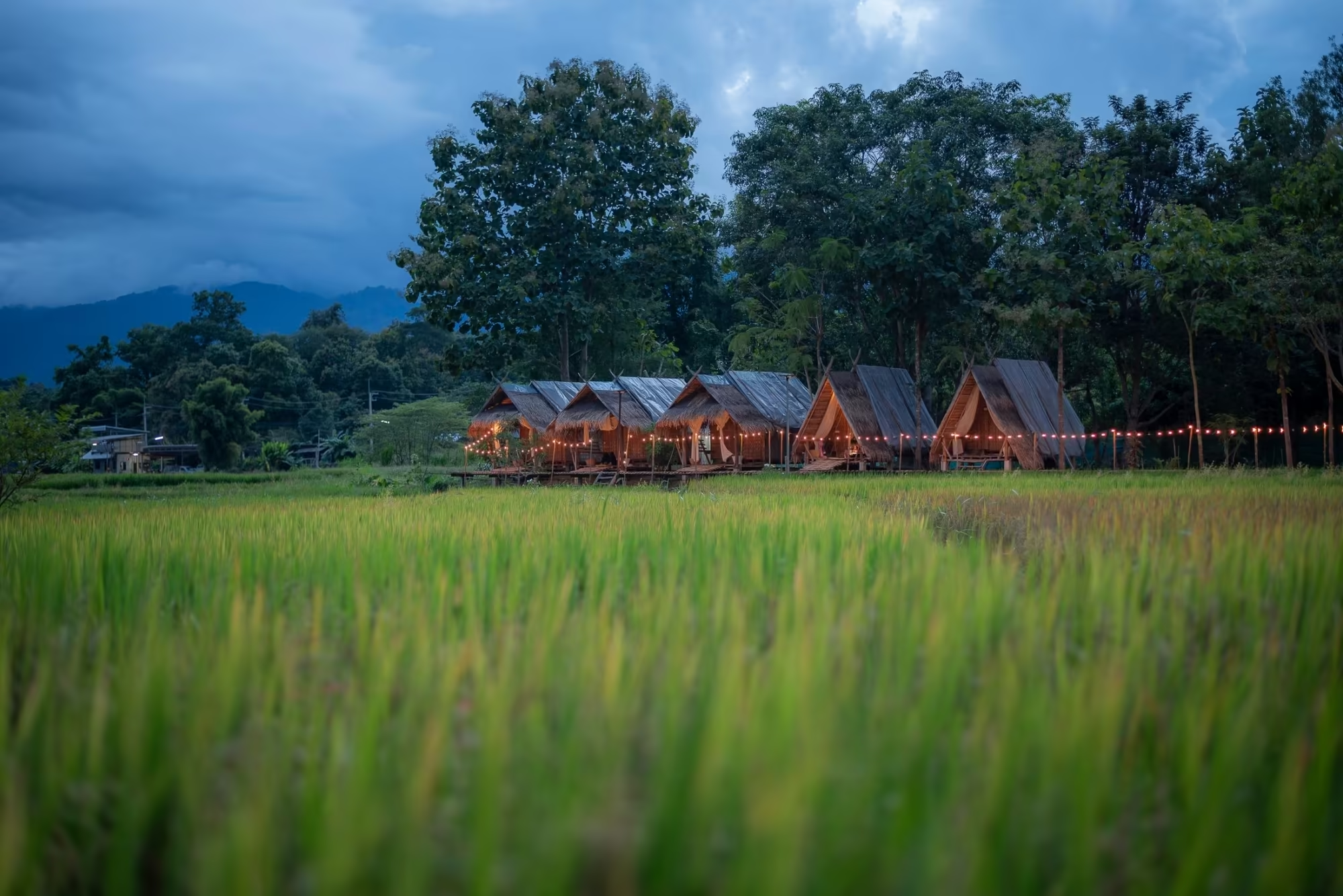
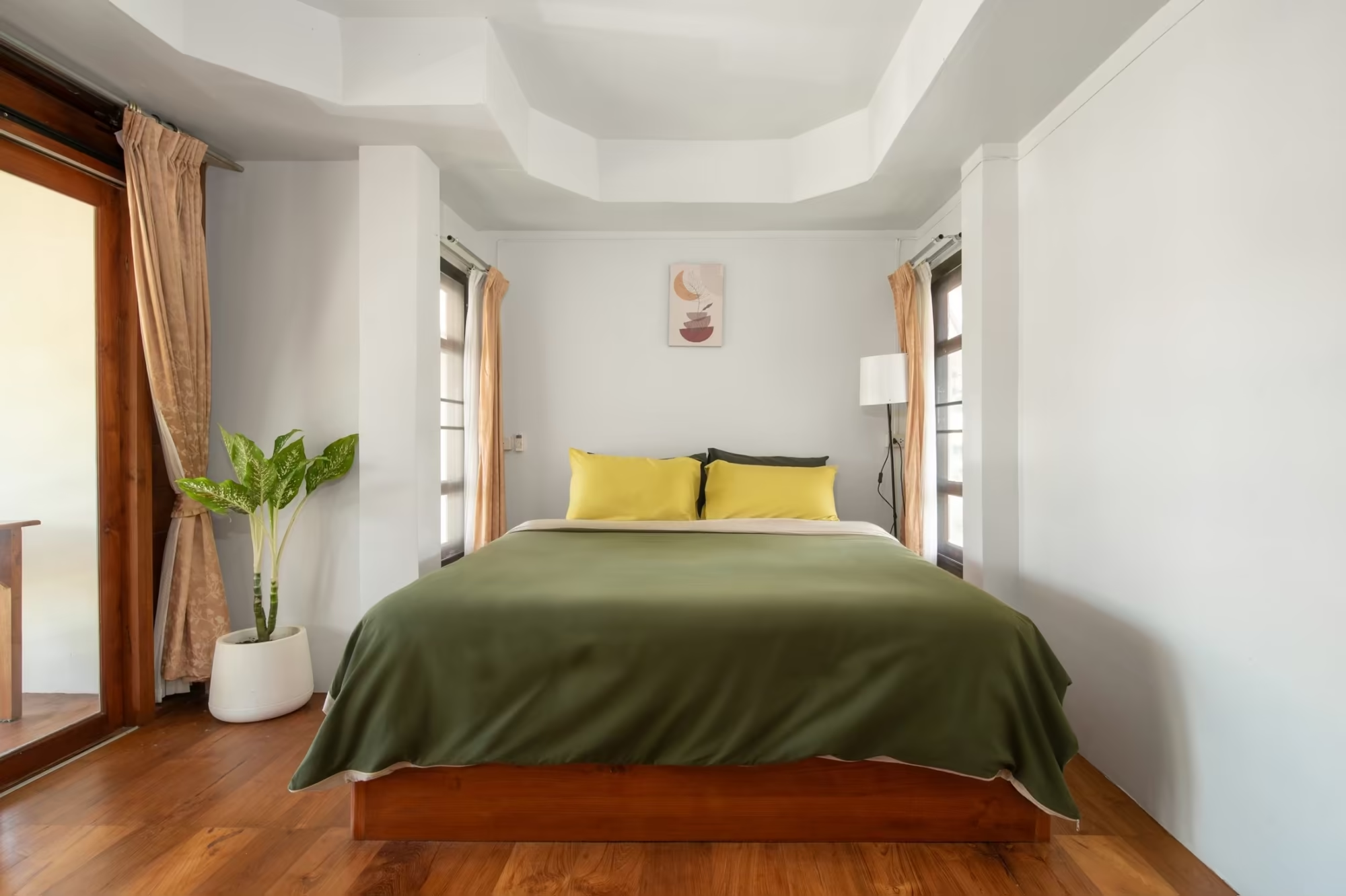
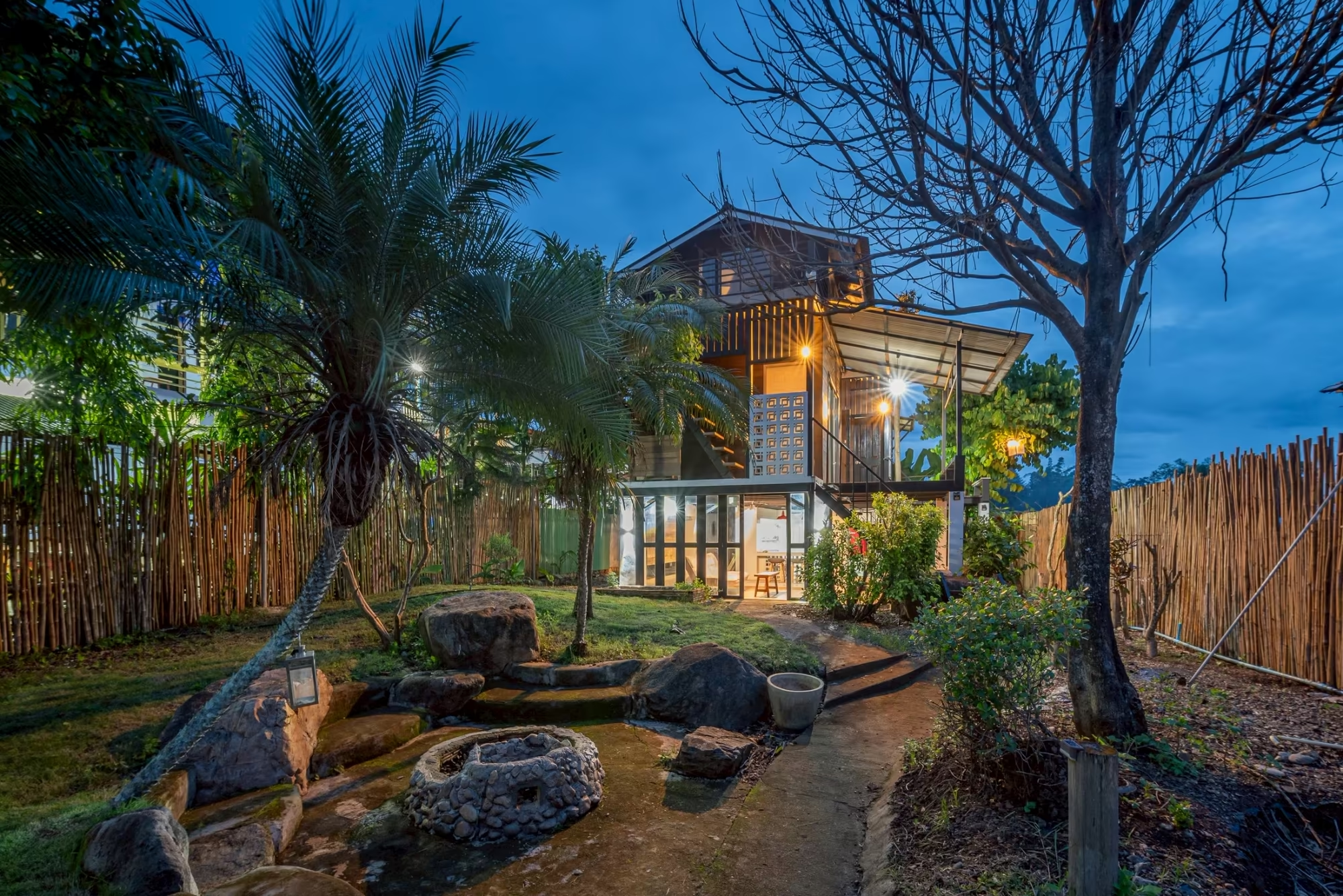
Since the falls scatter to the north, south and east, the trick is to base yourself central to all three rather than beside any single one. A room near or just outside the centre keeps each waterfall inside a short scooter hop while leaving you close to food at night. We run a small collection of owner-managed rooms built around exactly this kind of unhurried waterfall-hopping trip.
When you reserve direct with us rather than through a booking site, you pay up to 10% less and speak straight to the owner of your room. If you are still comparing which corner of the valley suits you, our hub on where to stay in Pai sets out the honest trade-offs, including which of our rooms best fits swimmers, hikers, or travellers who just want quiet green mornings.
Hero photo: Sgroey / Wikimedia Commons (CC BY-SA 4.0)