By BestHotelPai Team · Updated July 17, 2026
In short An ethical elephant sanctuary in Pai lets you feed, walk beside, and bathe rescued elephants with no riding, no hooks, and no performances. Most visits run a half day, cost roughly 1,500 to 2,500 baht, and sit a short transfer from Pai town. Book a small-group, no-riding programme and you get the calmer, kinder experience.
"Is the elephant place near you a good one?" A guest asked us exactly that last week, phone open to a camp that still quietly sells saddle rides. The honest answer takes more than a yes or no, because the word sanctuary now hangs above nearly every elephant operation around Pai, ethical or not. Separating a genuine rescue herd from a dressed-up trekking camp is the real knack, and most travellers learn to spot it within minutes.
We earn nothing from any of these camps; our work is hosting travellers at six little places of our own. That means we can be blunt about welfare without a commission clouding the advice. This guide walks you through what ethical really means on the ground, the rough cost of a morning, what actually happens during a visit, and how to verify a camp before a single baht changes hands.
Three myths about a "Pai elephant sanctuary" worth unlearning first
Before you compare camps, it helps to clear up what the word actually promises, because "sanctuary" is not a regulated term and any operation can paint it on a sign. These are the three assumptions that catch travellers out.
- Myth: "Sanctuary means no riding." Not automatically. Plenty of riding camps borrow the word. The honest ones spell out feed-and-bathe-only on their own page.
- Myth: "Bathing is always fine for the elephants." It is fine in small, calm groups, but a crowded river session can stress them. Smaller is kinder.
- Myth: "If it is cheap it cannot be ethical." Price tracks group size and inclusions, not welfare. A modest feed-only visit can be perfectly humane.
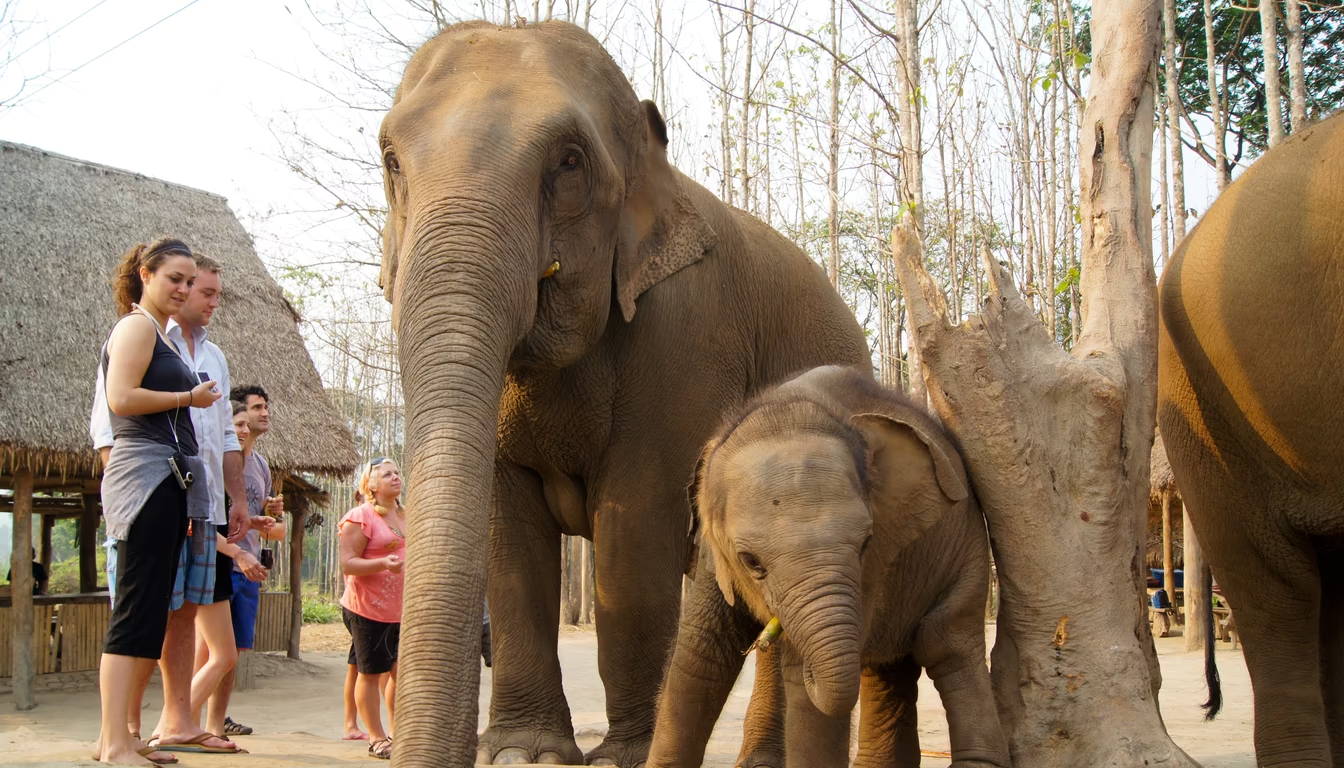
So what should a genuinely ethical place look like? No riding, no bullhooks or chains during visits, no painting or football shows, small groups, and real shade. Thailand's tourism authority openly encourages animal-friendly, no-riding experiences nationwide, and you can read its responsible-travel guidance on the official Tourism Authority of Thailand site. That guidance points reputable operators toward observation-based, hands-light programmes rather than rides. Going by the feedback our own visitors bring home, a camp that spells out "feed and bathe, no riding" on its own booking page tends to deserve your morning.
What a typical morning with the elephants looks like
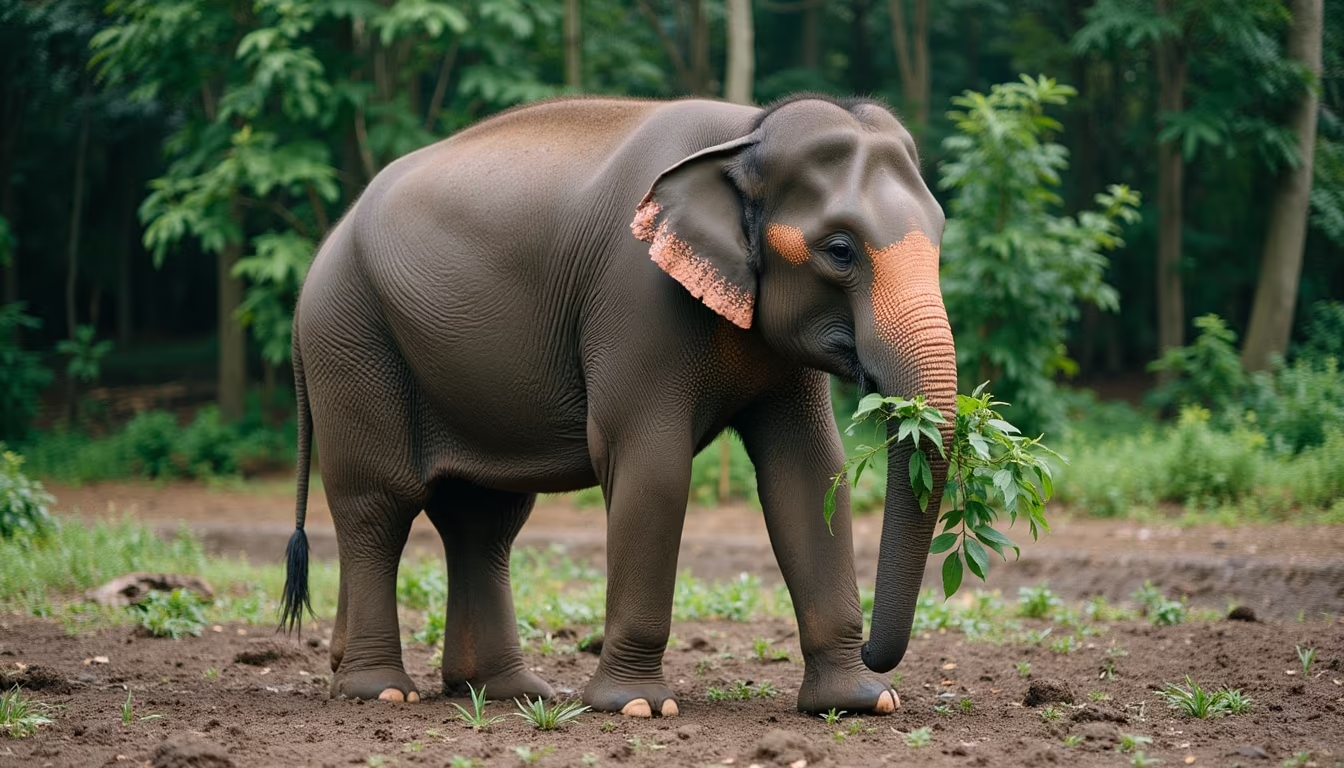
Curious what you actually do for those few hours? A well-run Pai elephant sanctuary follows a gentle rhythm. You arrive in loose clothes, swap into the camp's dye-stained shirt, and a mahout introduces you to the herd by name. From there the morning usually flows like this:
- Feeding: you carry a basket of bananas and sugar cane and learn how each elephant prefers to take its food, trunk-first or straight to the mouth.
- A short walk: you stroll beside the herd through the forest edge while the mahouts read the animals' mood, never forcing a pace.
- Mud spa and river bath: the elephants flop into the mud to cool their skin, then rinse in the river while you splash water over their backs.
- Fruit and goodbye: a final feed, a wash-up, and a ride back to town.
The detail visitors describe most is never the photo reel, it is the quiet of an elephant settled enough to doze a few steps away. In practice, that stillness only shows up at camps that cap their groups, which circles right back to the welfare points above.
How much does a Pai elephant sanctuary cost, and what do you get?
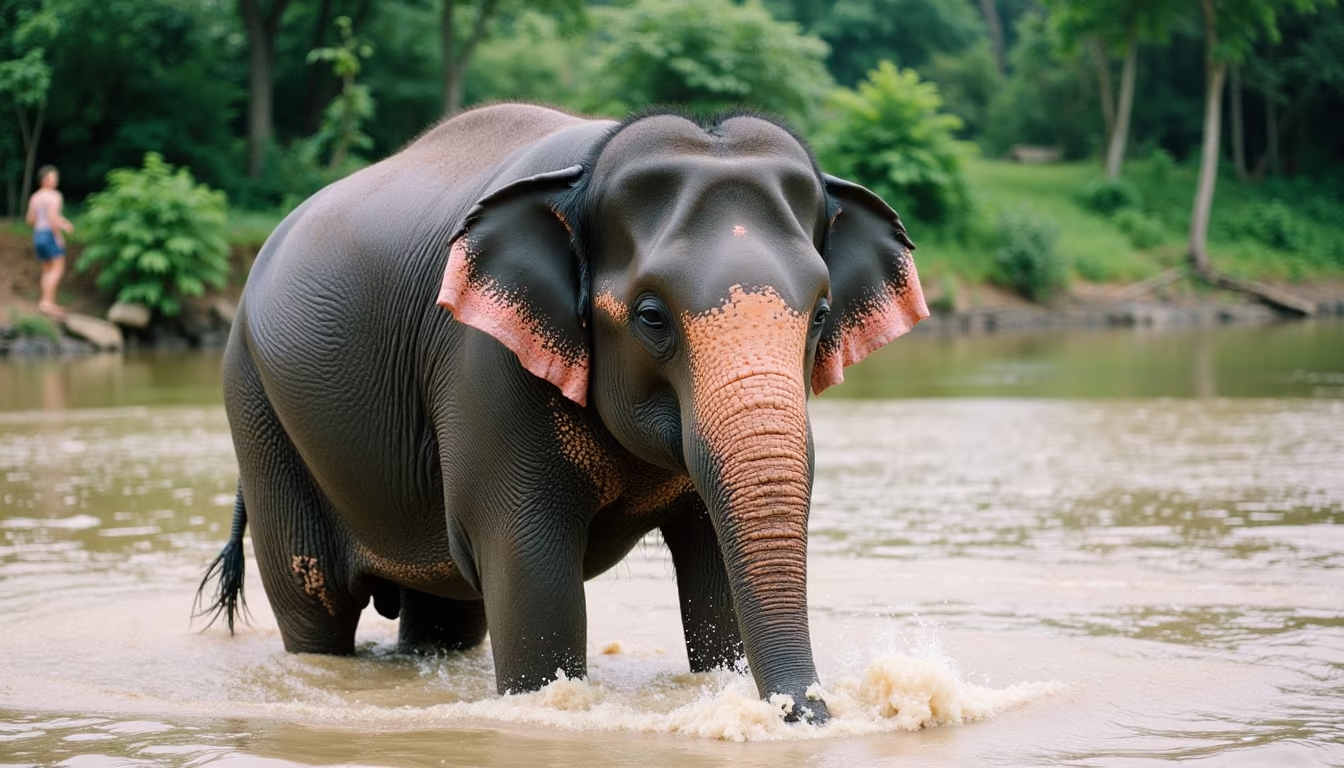
Wondering whether the half day or full day suits you better? Almost every Pai elephant sanctuary offers a couple of formats. A half-day visit tends to be the sweet spot for travellers based in town, while the full day layers on a longer forest walk and a shared lunch that families with older kids adore. The table below lays them side by side.
| Format | Typical price | What is included | Best for |
|---|---|---|---|
| Half day (morning) | 1,500 to 2,000 baht | Feeding, short walk, mud and river bath, fruit, pickup | First-timers, couples, short trips |
| Full day | 2,000 to 2,500 baht | Everything above plus a longer forest walk and lunch | Families, slow travellers, photographers |
| Feed-only / observe | 800 to 1,200 baht | Feeding and watching, no bathing | Budget visits, young children, rainy days |
Prices shift with season and group size, so treat these as a guide and confirm directly with the operator before you go. Note that bathing programmes pause in heavy rain when the river runs high, which is normal and a sign the camp is putting safety first.
Getting there and timing your visit right
Wondering about timing and the trip out to the herd? Most camps sit in the valley around 20 to 40 minutes from the centre, and nearly every ethical programme folds that pickup into its price, so you rarely need your own wheels.
- Included camp pickup: the easiest route; a shared truck collects you and drops you back after the bath.
- Self-drive: only worth it for confident riders, since the lanes to the camps are narrow and partly unpaved.
- Private transfer: the comfortable pick for families or anyone hauling camera gear to photograph the herd.
Aim for the cool stretch between roughly mid-November and February, when the river runs clear and bathing the elephants is at its loveliest. The hot stretch from March to May rewards an early pickup, while the green months from June to October stay lush, with occasional rain pausing water activities. The herds here forage in protected highland forest managed under Thailand's national parks system, which you can read about at the national parks reference. According to that reference, these habitats are conserved land, so a calm half-day visit suits the setting far better than a rushed dash.
Planning the journey up to the valley first? Our companion piece on reaching Pai by road lays out the bus and minibus choices and how the climb feels.
A quick welfare checklist before you book any camp
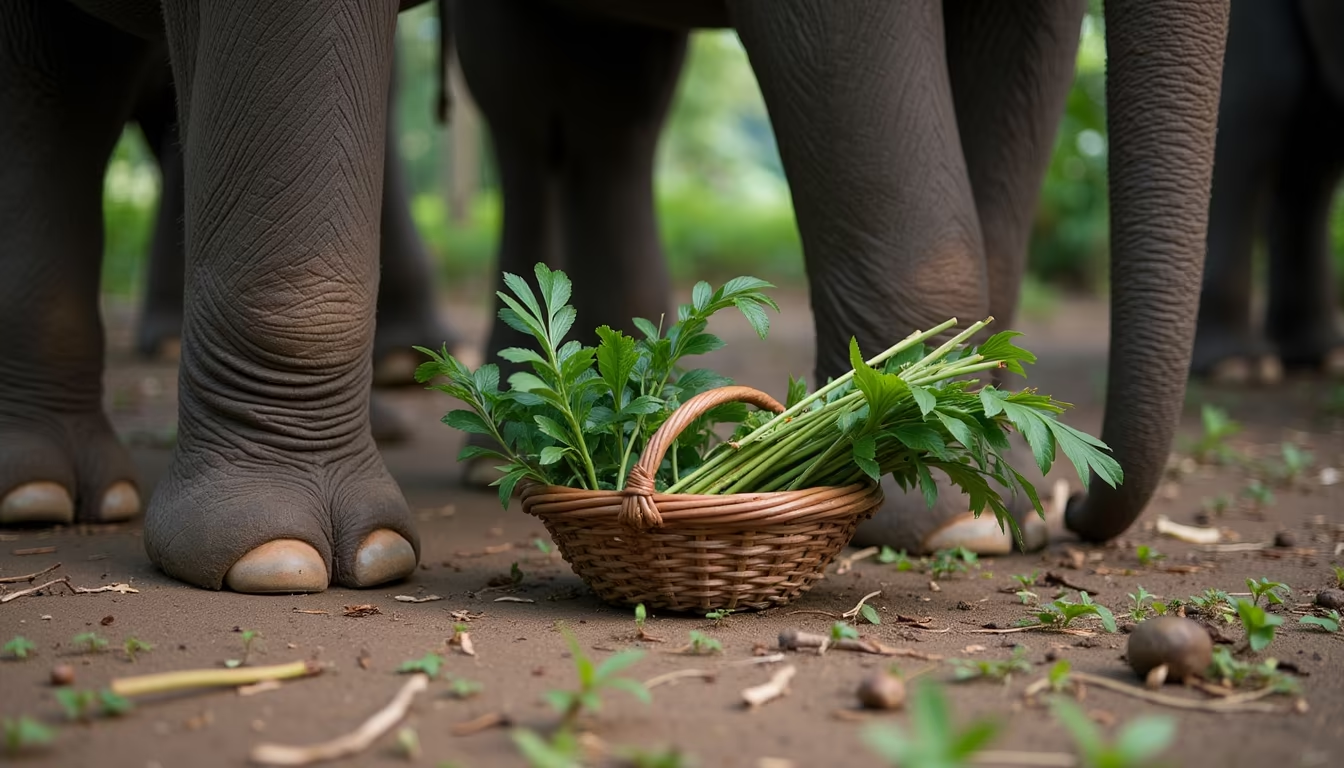
Want a fast way to judge a camp from its own booking page? These are the welfare signals we look for, drawn from years of sending guests to elephants and hearing which mornings they loved. Run through them before you commit.
- Rescued, not bred for tourism: the best camps take in elephants retired from logging or trekking, and they tell that story honestly.
- Mahouts stay calm and tool-free: watch for bullhooks tucked behind a back. A relaxed mahout guiding with food and voice is the green flag.
- Space to forage and roam: elephants need room and forest browse, not a concrete pen between sessions.
- Capped group size: a handful of visitors per herd keeps the animals unstressed and your photos uncrowded.
- No riding seats anywhere on site: if you spot a metal howdah, the "sanctuary" label is just paint.
In practice, a single phone message asking "do you offer riding or shows?" sorts the good camps from the rest in seconds. The honest ones answer "no" with pride.
To make the contrast concrete, here is how an ethical sanctuary differs from an old-style elephant camp on the things that matter to the animal.
| Welfare point | Ethical sanctuary | Old-style camp |
|---|---|---|
| Riding | None, ever; you walk beside the herd | Saddle treks on the elephant's spine |
| Control tools | Voice, food, trust; no bullhook | Bullhooks and chains between shifts |
| Performances | No painting, football or tricks | Trained shows for the camera |
| Daily life | Foraging and roaming in forest browse | Chained in a pen between sessions |
| Origin story | Rescued from logging or trekking work | Often vague or undisclosed |
Where to stay nearby and related Pai plans
Here is the practical link between your bed and the elephants: the camp van usually swings by around 7:30 or 8:00, so a groggy, far-flung start can sour an otherwise lovely morning. A host who knows the camp's exact pickup window can have your coffee poured and your meeting point sorted before the van arrives.
That coordination is the part a faceless listing cannot do. When we host an elephant-morning guest we confirm the pickup spot with the mahout team the night before, flag whether the bathing session is running given the river level, and pack a light breakfast if the departure is early. We will also nudge you toward a camp whose welfare record we actually trust, rather than whatever the busiest counter on the street is selling that week.
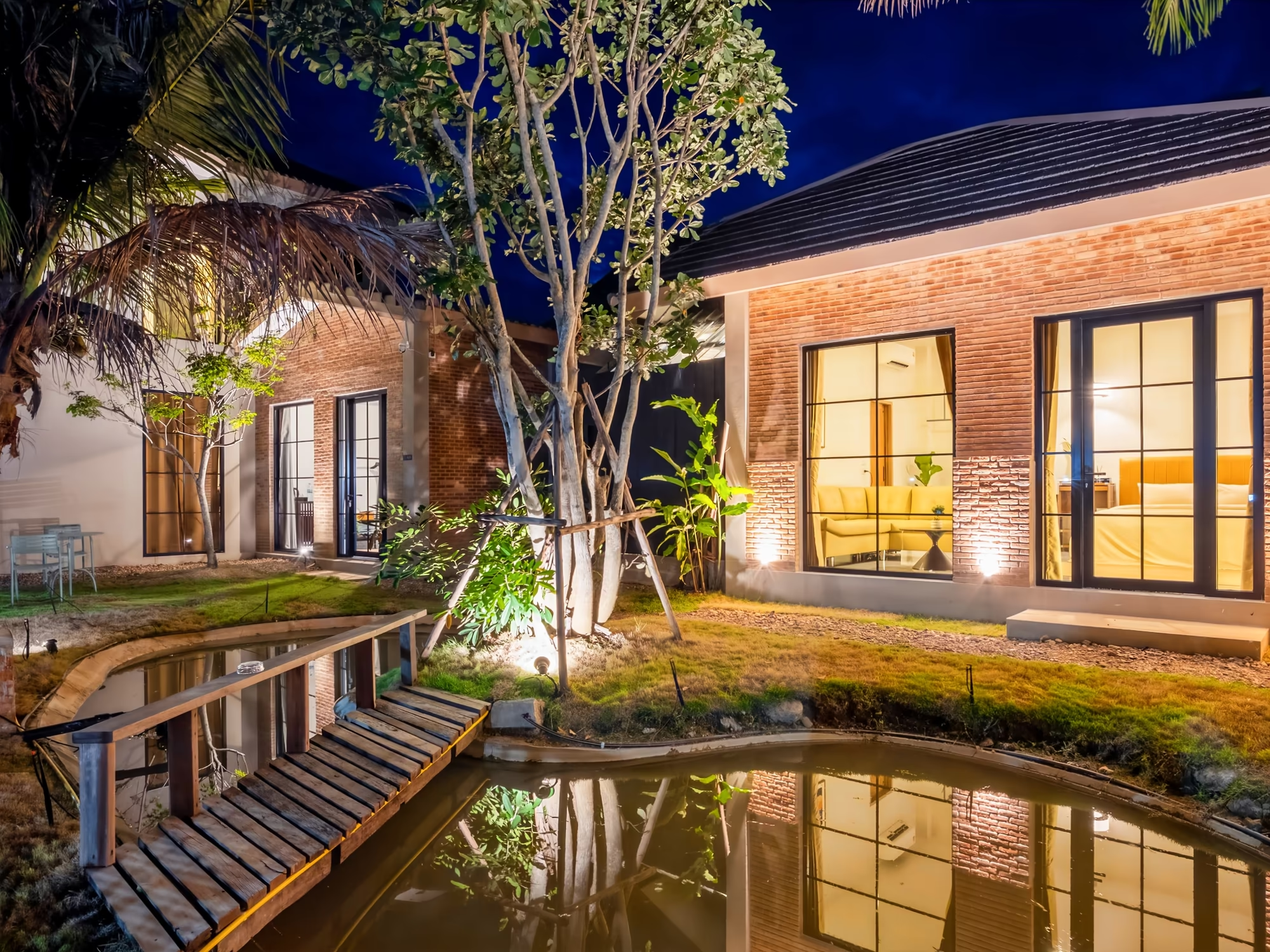
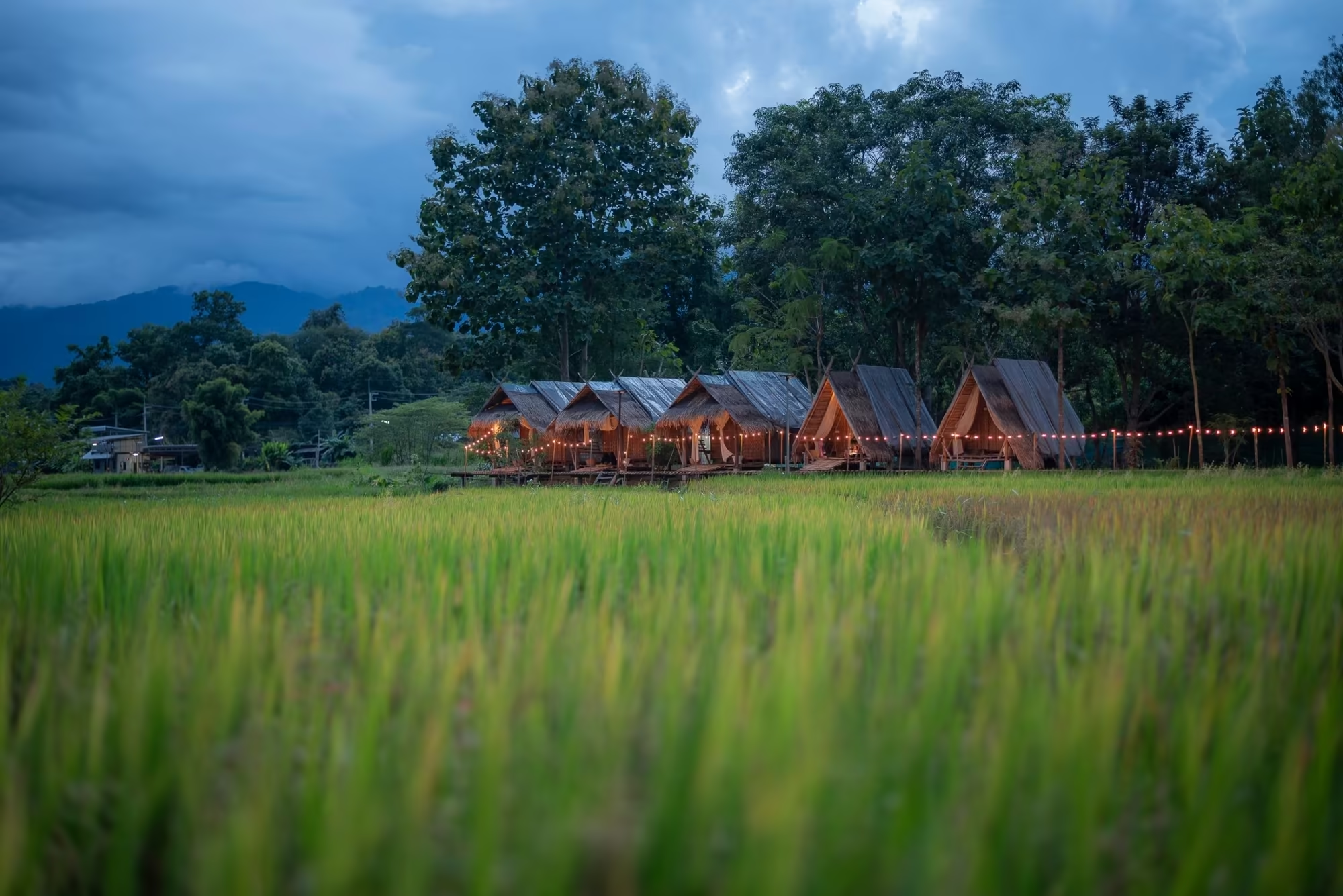
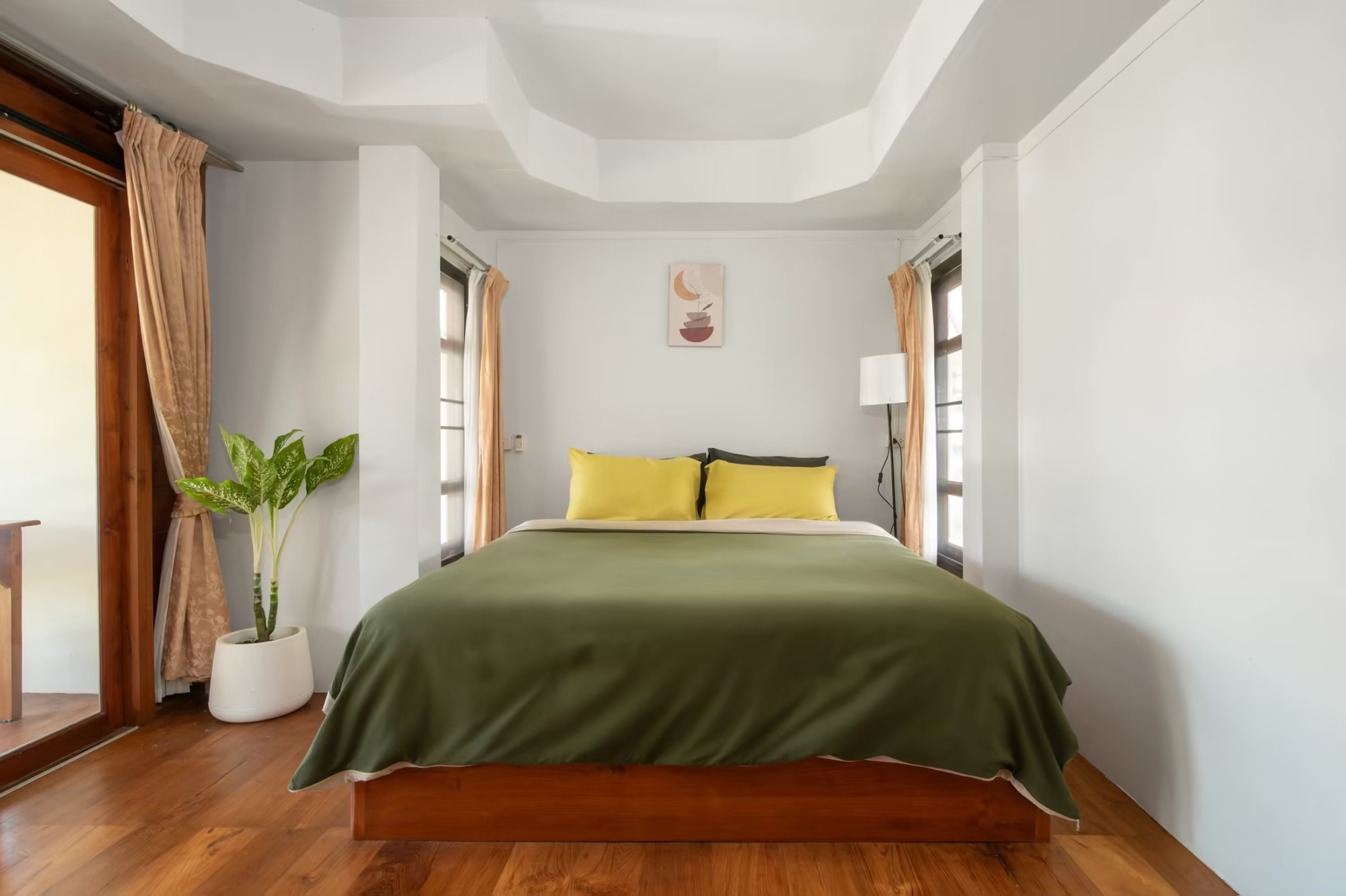
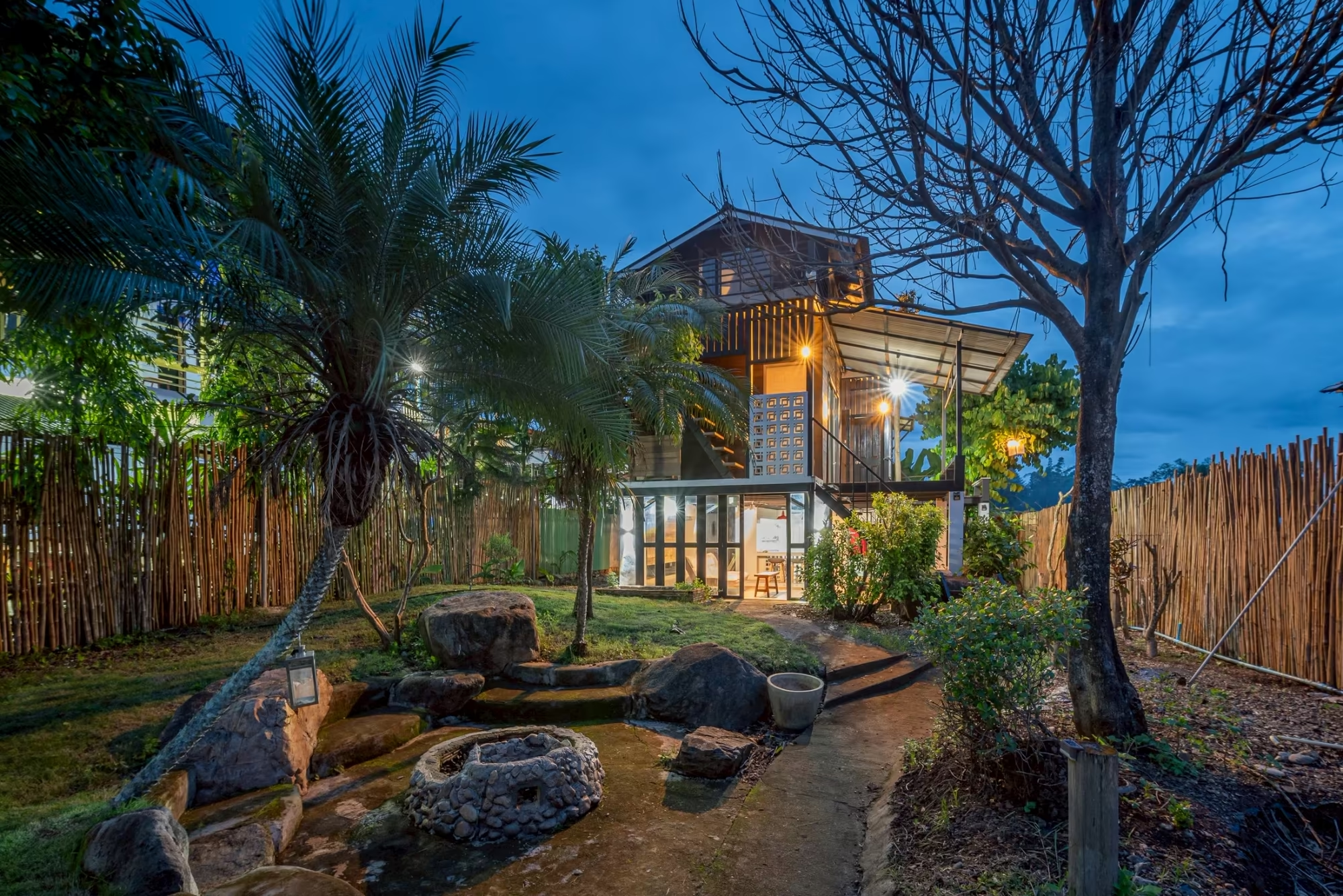
Because the camps sit a short hop from the centre, most of our stays put you within easy reach of the morning van while keeping the evenings quiet. To match a room to your dates and your group, browse where to stay in Pai, then message us and we will lock in both the room and a trusted elephant pickup, no booking-site markup attached.
Is it right for you? Who should go and who should skip it
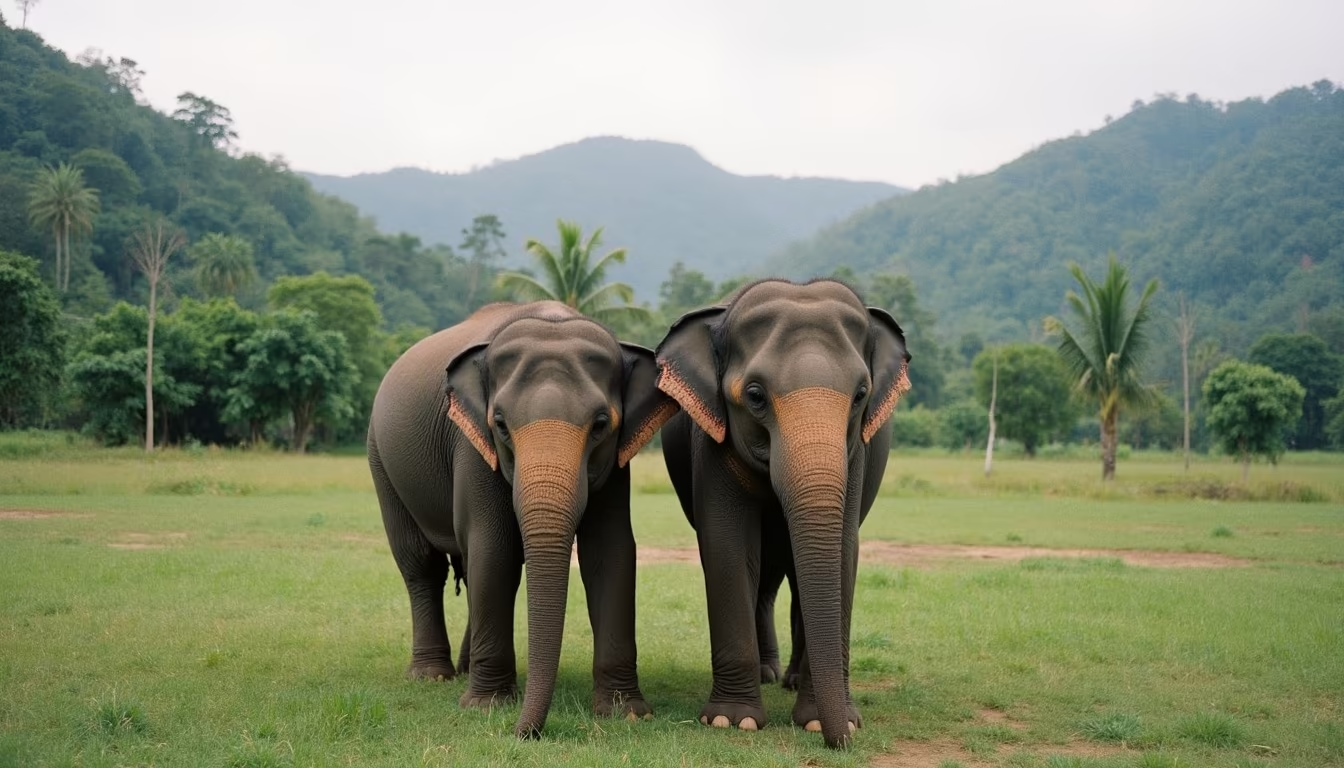
It is a brilliant half day for most people, but not everyone. Be honest with yourself before you book.
- Great for: couples, families with kids over about five, animal lovers who want to feed and bathe rather than ride.
- Think twice if: you are nervous around very large animals, travelling with toddlers, or you only have a couple of hours in town.
One last honest note on expectations: an elephant is a wild, two-tonne creature, not a petting-zoo prop. Even at the gentlest camp a mahout will set boundaries, ask you to approach from the side, and sometimes call a session short if the herd is restless. That is welfare working as it should, and you should verify any camp's current practices against its own booking information before you confirm.
If a camp pressures you to ride, paint, or watch a show, walk away. There are kinder options a short distance down the same valley, and you should verify any operator's current welfare practices against their own booking information before you commit.