By BestHotelPai Team · Updated July 26, 2026
In short Visiting pai in september means catching the late monsoon as it tapers off, so expect short afternoon showers rather than all-day rain, with the rice fields tall, green and starting to turn gold. It is still low season, so the town is quiet and rooms are cheap, the waterfalls run full and strong, and the weather improves week by week toward month-end.
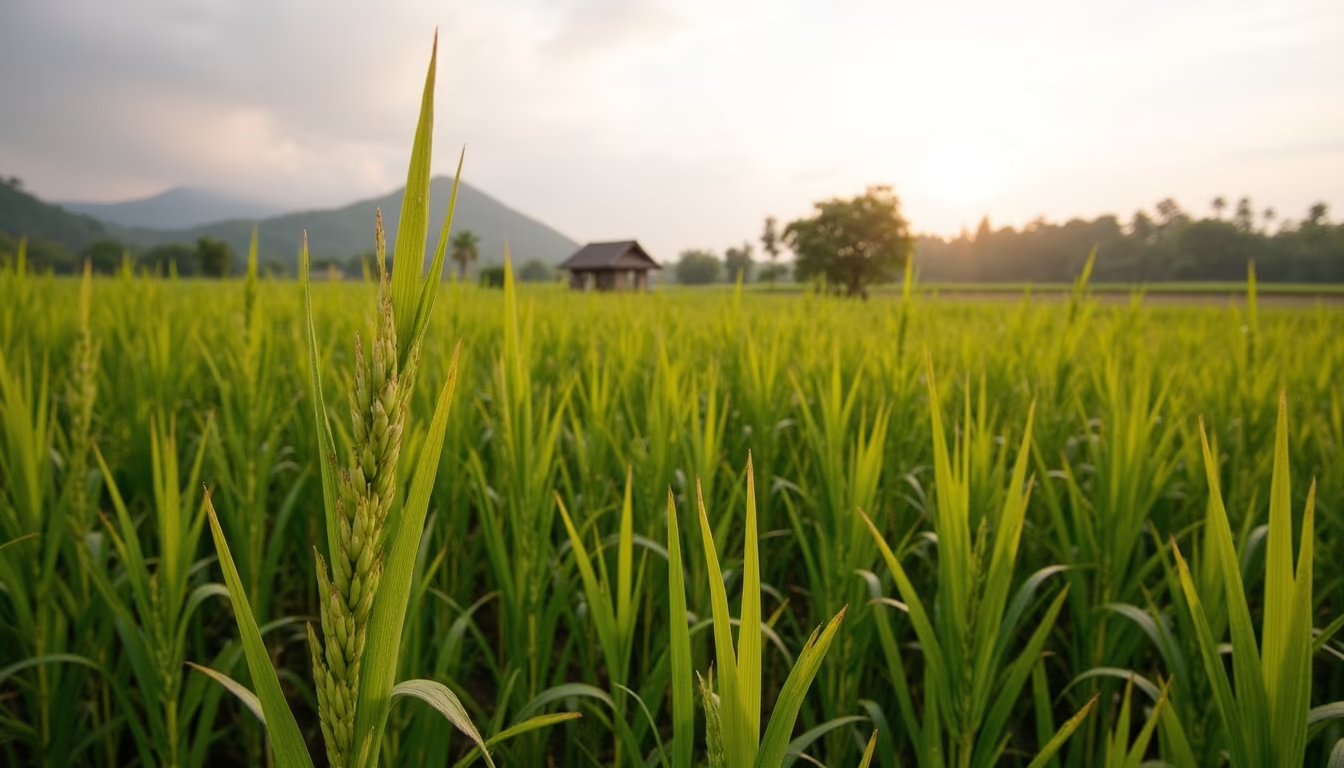
Pai in September is the trip most travellers quietly write off, and we think that is a mistake. The late monsoon is winding down, the heavy daily downpours of midsummer are already tapering toward shorter afternoon showers, and the whole valley is at its greenest. Riding the loop south of town, you pass rice fields that have grown tall and are just starting to turn, with mist hanging low over the hills in the early morning.
| Pai in September | Typical |
|---|---|
| Daytime high | ~31°C |
| Night low | ~22°C |
| Rainfall | ~200 mm · ~16 rain days |
| Season | Late green season — showers shortening as the month goes on |
| Crowds & prices | Quiet — low prices, easy availability |
Rainfall figures are Mae Hong Son station climate normals (Thai Meteorological Department, 1991–2020); Pai sits higher in a mountain valley, so nights here run a little cooler.
It is also still low season, which means quiet cafes, easy room availability, and prices that sit well below the December rush. So is the tail end of the rains a good time to come, or a gamble on wet days? Below we walk through what Pai in September actually feels like, the weather, the rice fields, the waterfalls, and where to base yourself so a passing shower never costs you a day.
What Pai in September actually feels like
Rain that rarely ruins the day
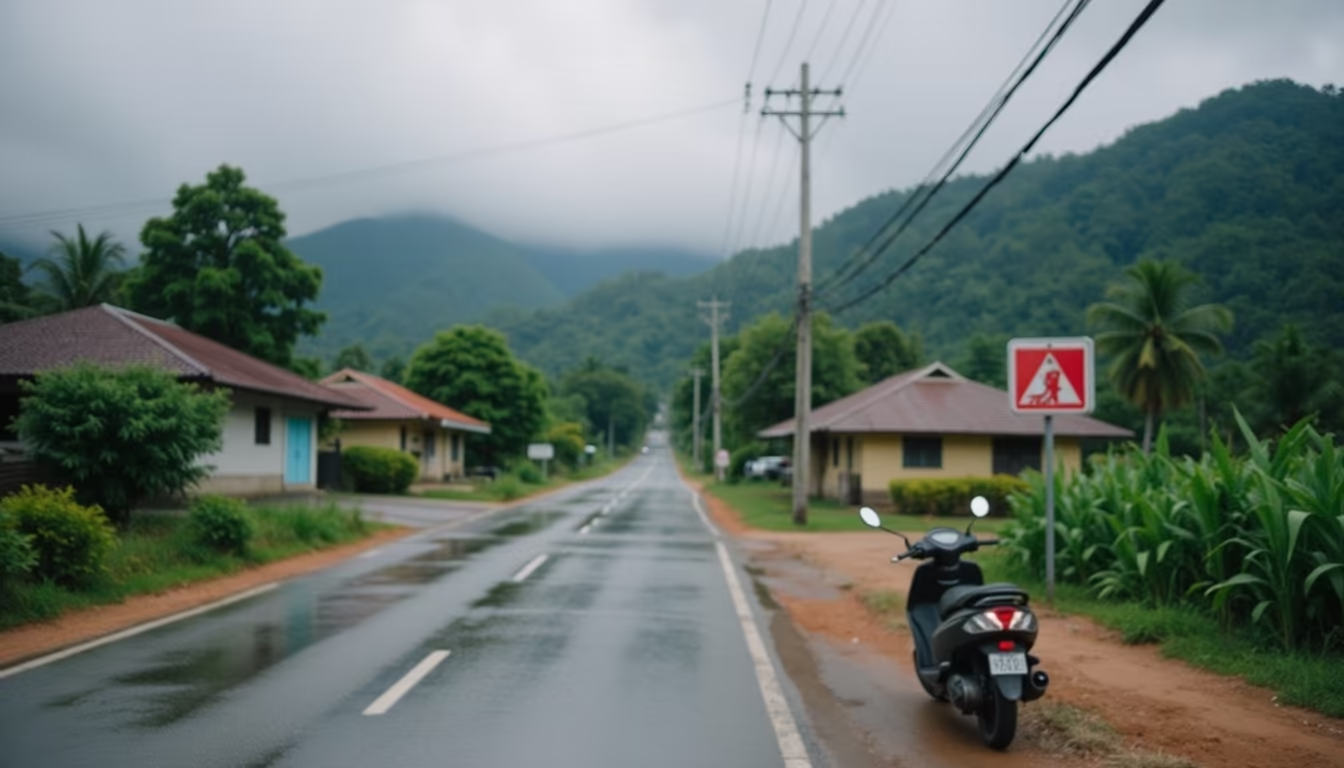
September sits at the back end of the green season, when the southwest monsoon has mostly spent itself. From what we see with guests, the rain rarely ruins a day. It tends to arrive as a heavy hour or two in the afternoon and then clear, leaving washed skies and cool evenings. Mornings are often bright and calm, which is the window we tell people to ride and explore in.
A sleepy, uncrowded town
The valley is loud with frogs and crickets at night, the air smells of wet earth and cut grass, and everything is vividly green. The town itself is sleepy. The walking street is open but uncrowded, you can get a table at the popular cafes without queuing, and the small owner-run stays like ours have space and time for guests. This is the Pai a lot of regulars secretly prefer, before the cool-season crowds arrive.
For a sense of how unhurried the valley gets, our overview of things to do in Pai still applies in September, just with fewer people at each stop and greener scenery in the background.
Pai weather in September, week by week
The single most useful thing to understand about Pai weather this month is that it improves as you go. Early September can still serve up a few stubborn rainy stretches left over from August, while the last week or two often feels like an early preview of the dry season, with longer sunny spells and the humidity easing off.
According to the Tourism Authority of Thailand, Mae Hong Son province sits in a mountainous, forested northwest pocket of Thailand where the rainy season runs roughly from May to October, so September falls in the back half of that window rather than its peak. In practice, that means you plan around afternoons, not around whole lost days.
| Part of month | What it's like | Good for |
|---|---|---|
| Early September | Greenest and wettest, frequent afternoon showers | Lush photos, full waterfalls |
| Mid September | Showers shorter, more morning sun | Riding the loop, rice fields |
| Late September | Drier feel, cooler nights, rain tapering | Best balance of green and dry |
Daytime highs sit around the low 30s Celsius and nights are pleasantly cool, so pack a light rain layer and shoes with grip rather than a full wet-weather kit. A folding umbrella and a dry bag for your phone cover almost everything you will face.
Related Pai trips worth pairing with a green-season visit
September rewards travellers who build their day around the weather rather than fighting it. A few of our standard suggestions pair especially well with the tail of the rains, when the landscape is at its most dramatic and the crowds are thinnest.
- Morning rides: get out early while it is dry and the mist is still on the fields, then be back for the afternoon shower.
- Waterfall days: the falls are at their fullest now, so this is the month to chase them.
- Slow town time: rainy afternoons are made for the cafes, hot springs and a long lunch.
If you have not sorted your route into the valley yet, our guide on how to get to Pai covers the minivan from Chiang Mai and the famous 762 curves, which can be slower and a touch slippery in the wet, so we always suggest a daytime arrival in green season.
Rice fields, green everywhere, and the turning gold
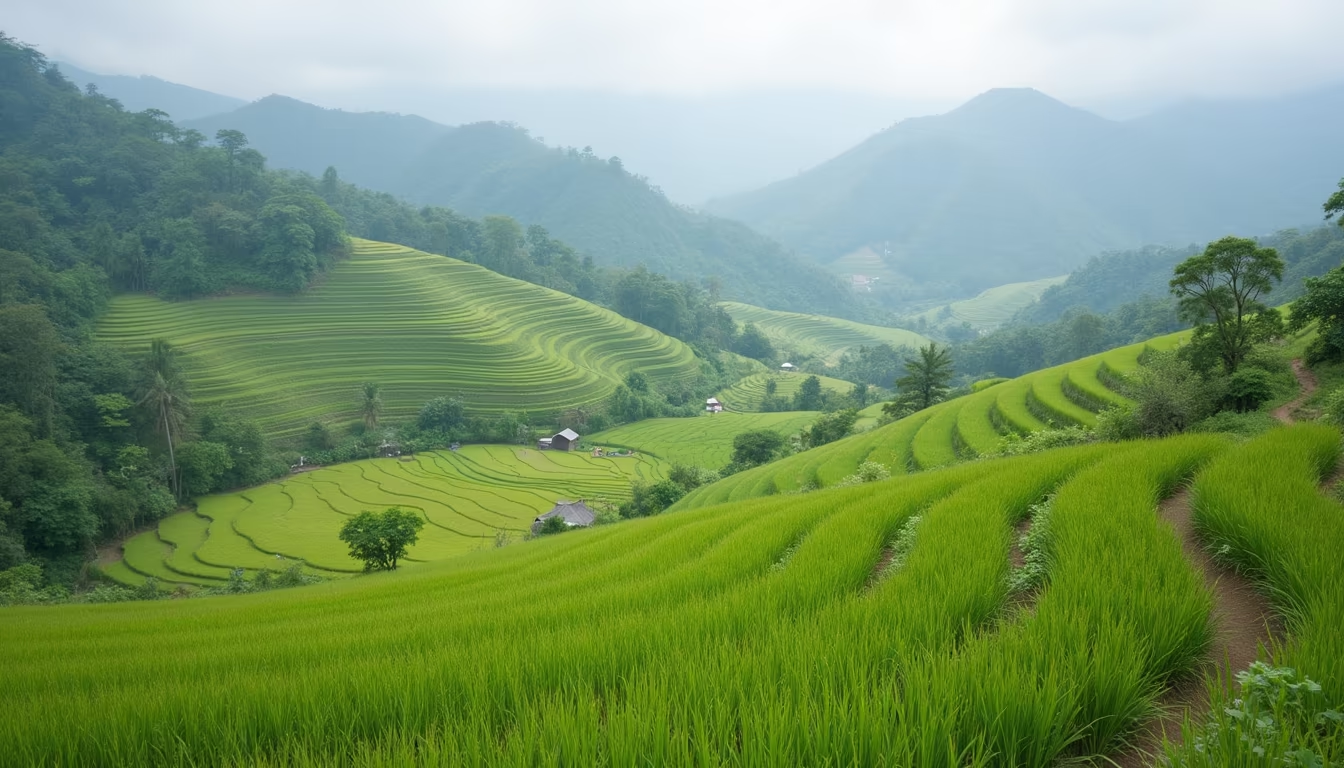
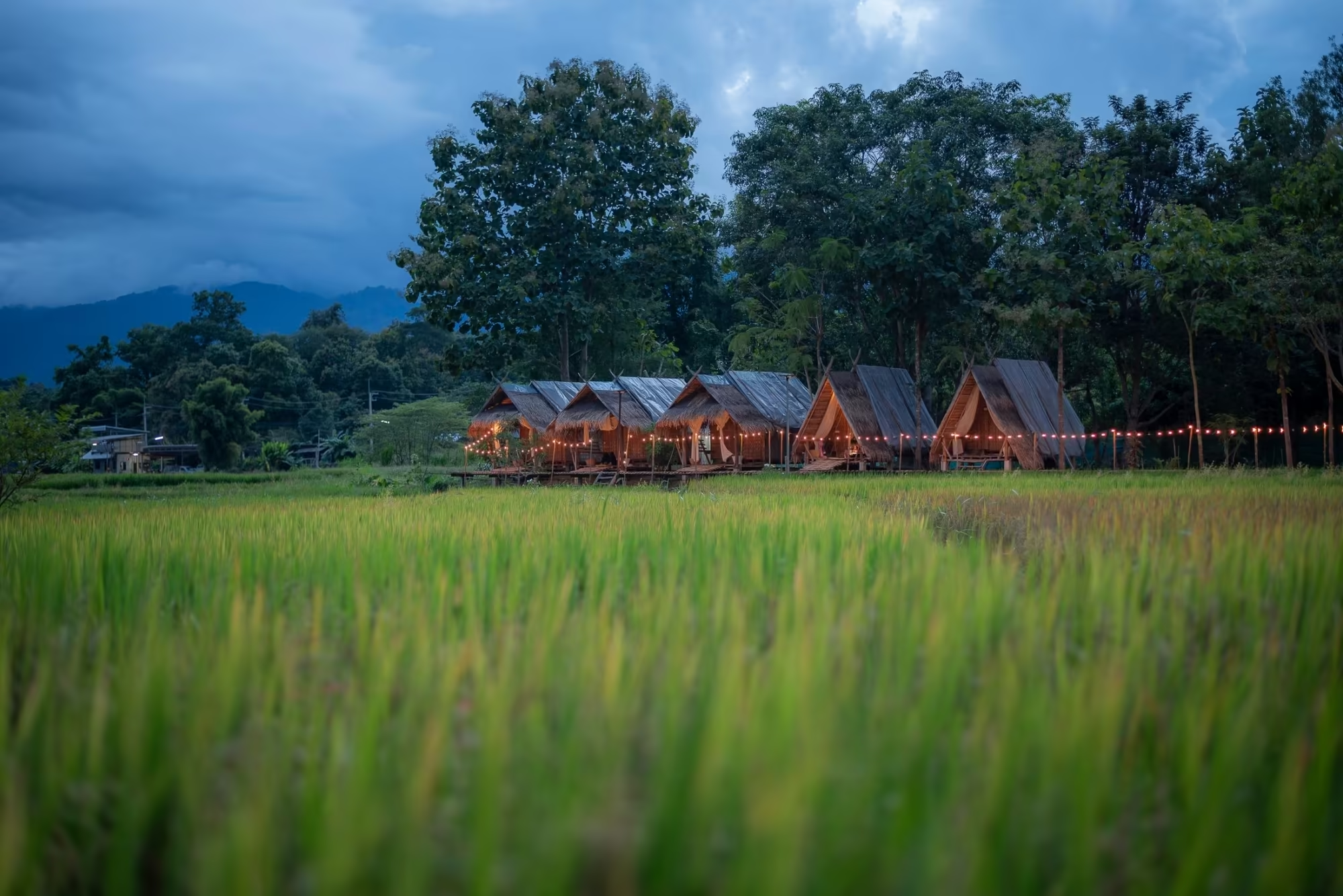
If there is one reason to come now, it is the rice. By September the paddies that were planted earlier in the rains have grown tall, and many begin shifting from deep green toward the first hints of gold. The whole valley floor turns into a patchwork that catches the light beautifully after a shower, and the surrounding hills stay a saturated jungle green right up to the ridgelines.
This is the look people associate with countryside Pai, and it simply does not exist in the dry months when the fields are bare and brown. Our garden and rice-field stay, Paddy Fields Haven, sits right in this scenery, so you wake up to it rather than driving out to find it. From cases we see often, guests who come for a quiet budget trip end up spending most of their photos on the fields outside their own door.
Waterfalls in September: the best month to chase them
Why the falls run full in September
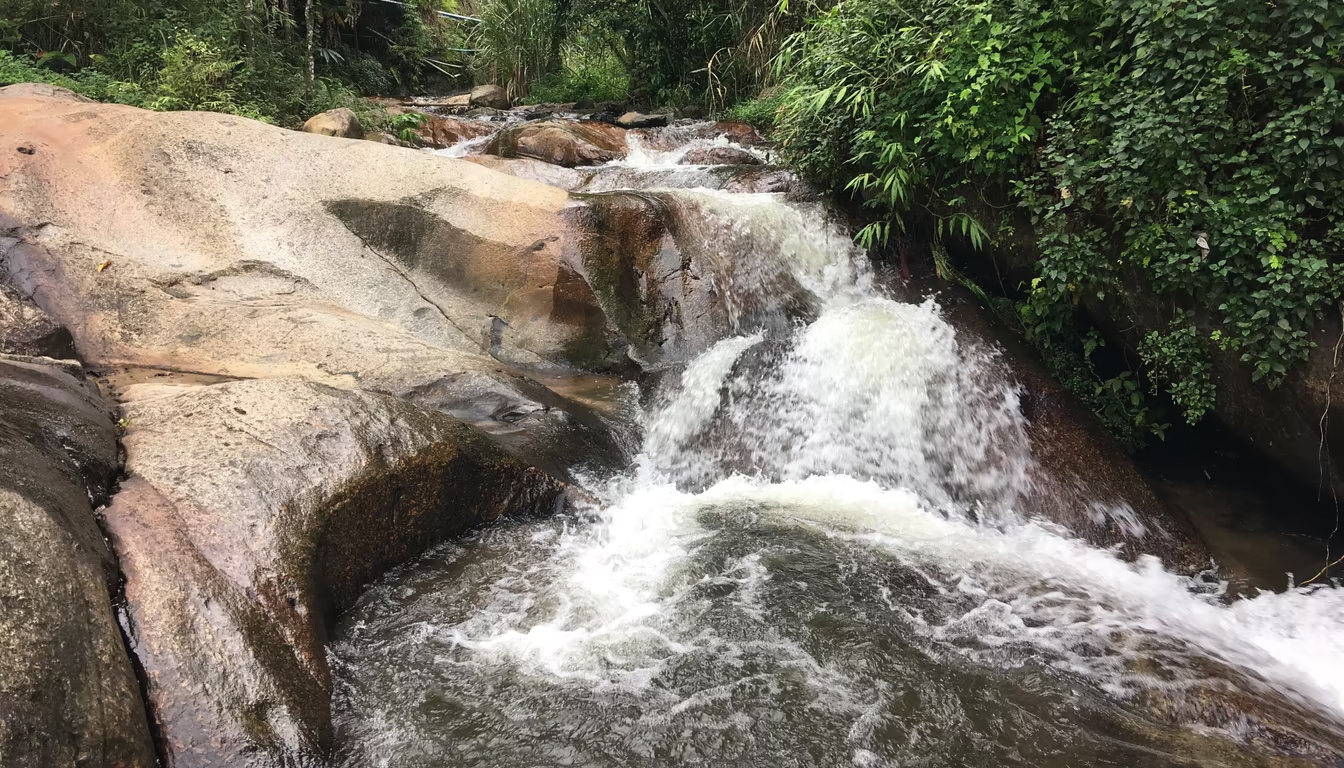
The late monsoon is when Pai's waterfalls earn their reputation. Months of rain feed them, so falls that are a gentle trickle in March are thundering and full now. Mo Paeng, Pam Bok and the smaller cascades on the loop all run strong, and the pools are deep enough for a proper swim on a warm afternoon.
Safety notes and a canyon side-trip
A word of honesty: with that much water comes slippery rock and the occasional flash of stronger current, so we ask guests to keep to the marked pools and skip the climb above a fall after heavy rain. Sturdy sandals with grip make a real difference, and a mid-morning visit usually catches the falls between showers.
For a quick, dramatic payoff that needs almost no riding, a short trip to Pai Canyon still works in September. The ridges are greener than usual and the sunset crowd is thinner, though we do steer people away from the narrow spines when the rock is wet.
The best time to visit Pai, and how September compares
People often ask us for the best time to visit Pai, and the honest answer is that it depends on what you are trading off. The cool season from November to February has the most reliable weather and the highest prices and crowds. September sits at the value end: greener, quieter and cheaper, with the small risk of a wet afternoon.
| Window | Weather | Crowds and price |
|---|---|---|
| September (late green) | Short afternoon showers, lush, improving | Quiet, low prices, easy availability |
| Nov to Feb (cool) | Dry, cool, clear skies | Busy, peak prices, book ahead |
| Mar to May (hot) | Hot, hazy from regional burning | Quiet but air quality can suffer |
For a budget traveller who can be flexible around an afternoon shower, we think September is one of the smartest windows of the year. You get the scenery of the rains with the weather steadily tilting in your favour as the month goes on.
Where to stay in Pai for a green-season trip
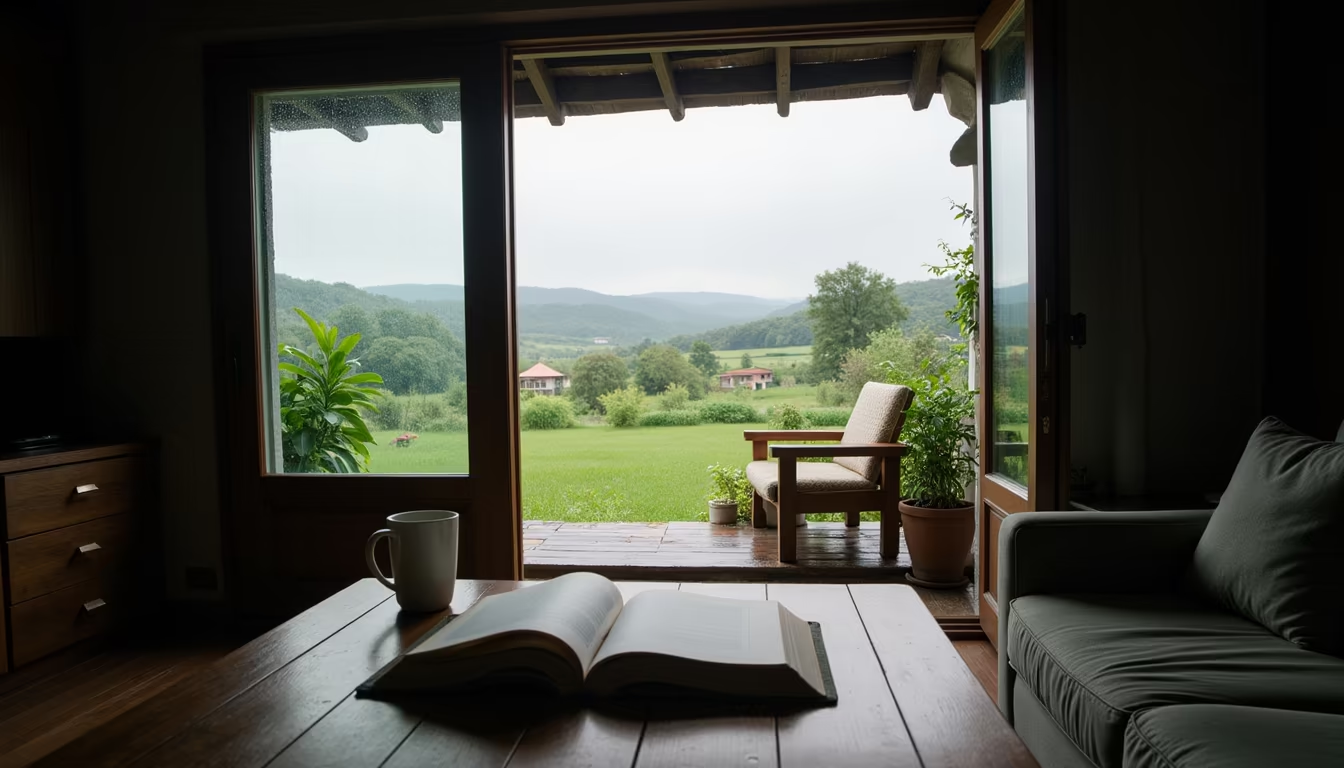
Why your base matters more in a wet month
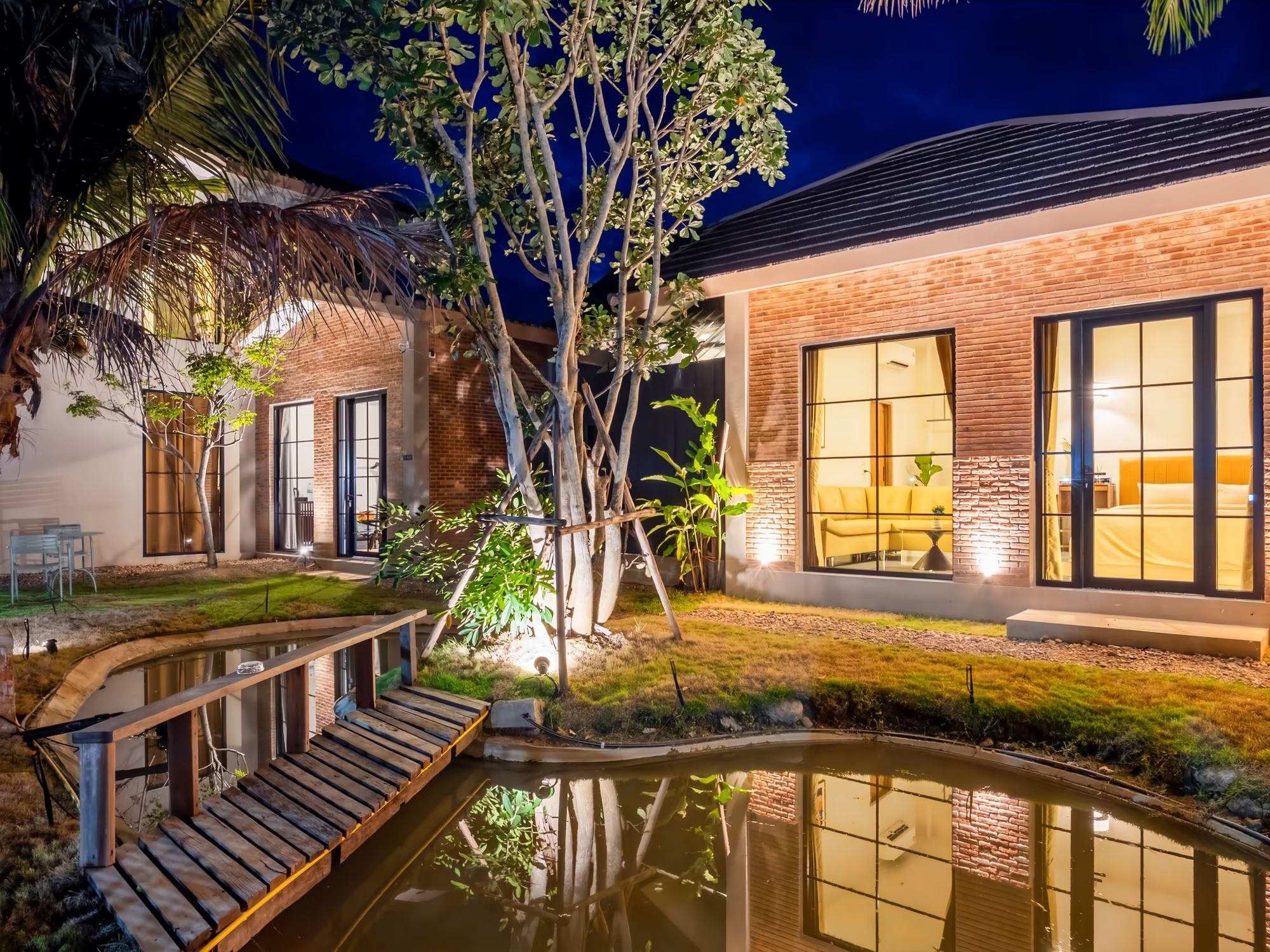
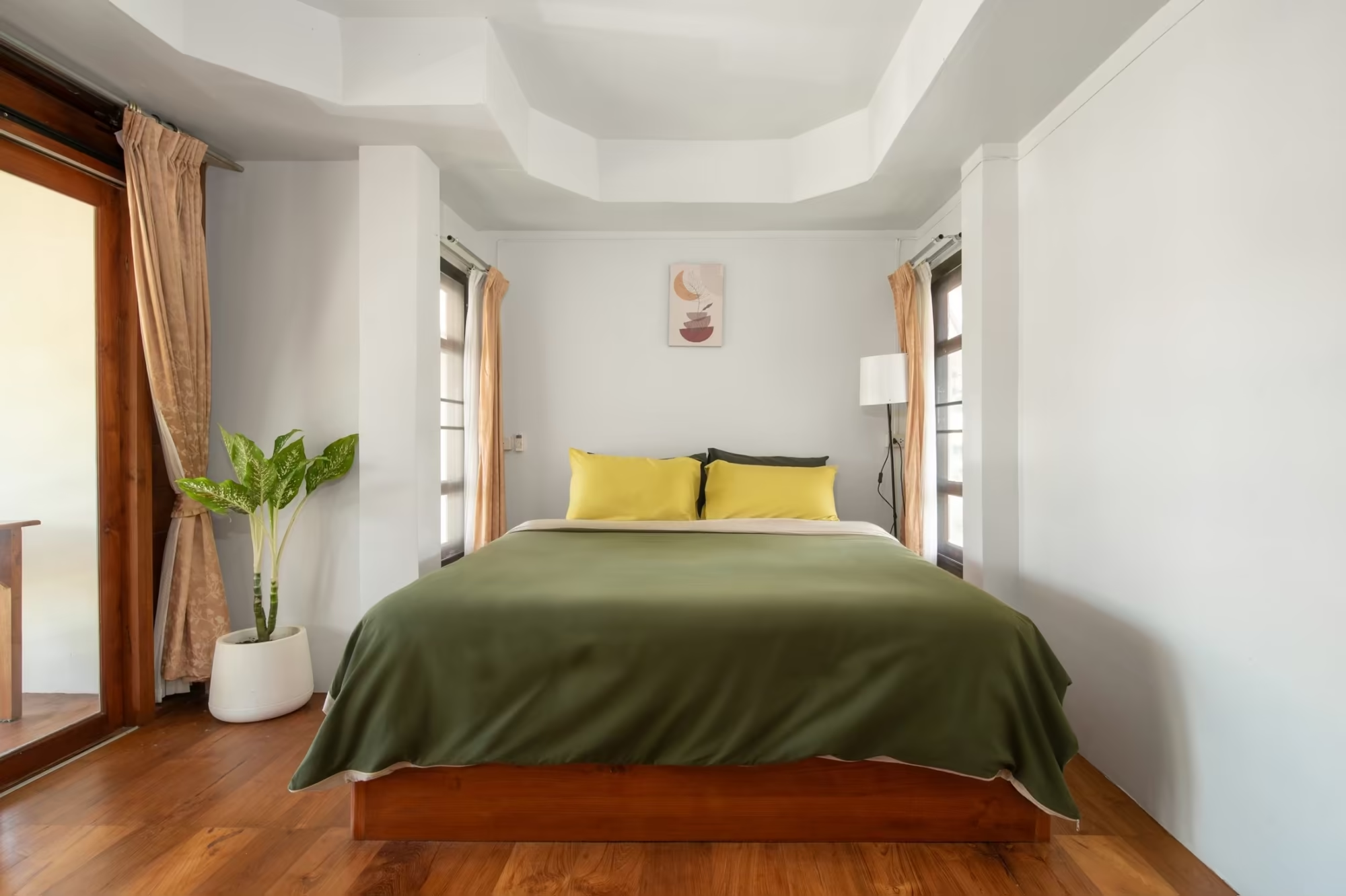
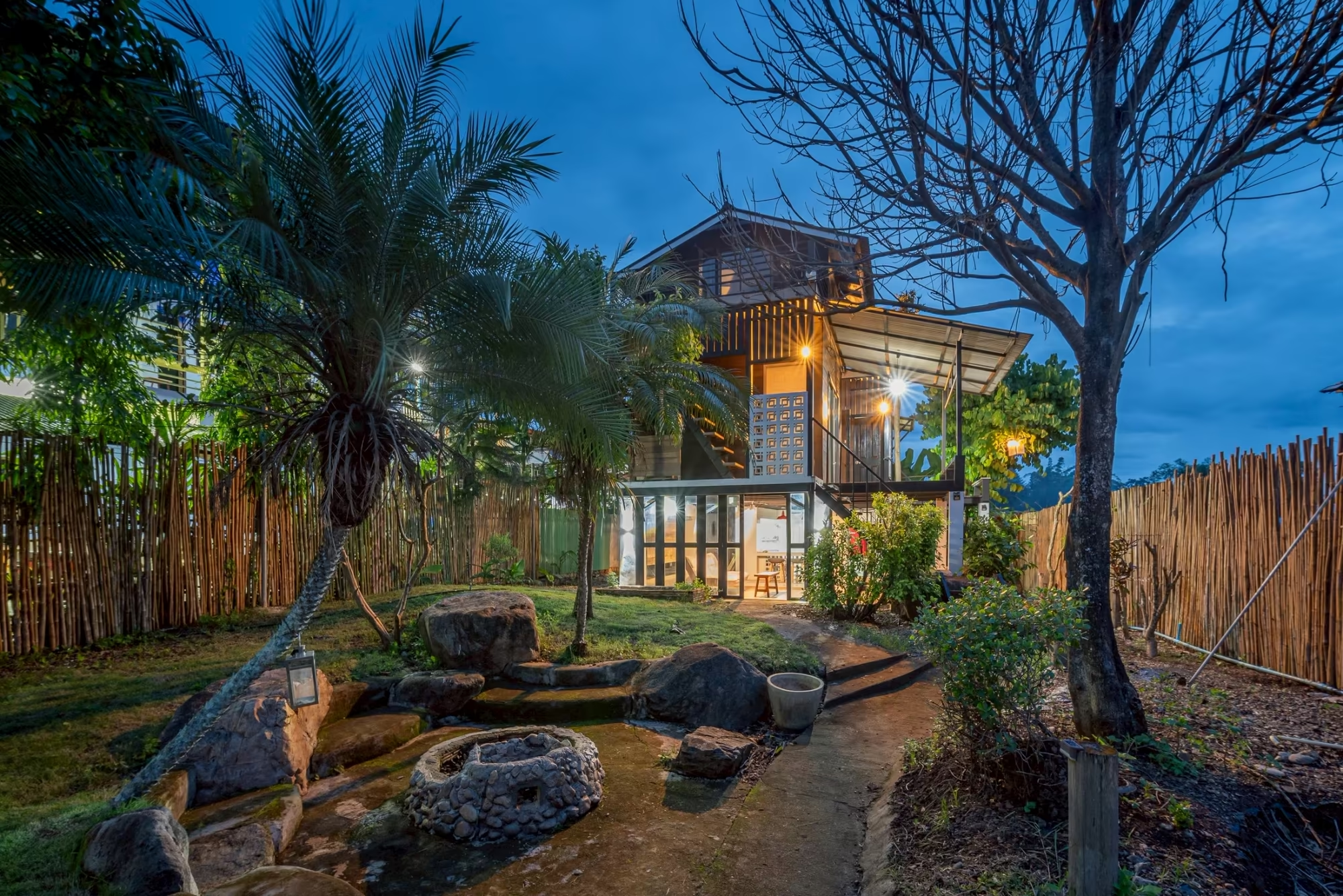
In a wet month, where you sleep matters more than usual, because a comfortable, well-drained base turns a rainy afternoon into a cosy one rather than a wasted one. We run six small, owner-managed stays around the valley, from quiet rice-field gardens to mountain-view rooms, and we match guests to the one that suits how they travel.
Our pick for a quiet budget trip
For a quiet budget trip we tend to point couples and small groups toward our calm garden and paddy-side rooms, where the green-season scenery is right outside and you are a short, easy ride from the southern loop and the waterfalls. If you want the full picture of areas, prices and the trade-offs between the town centre and the countryside, read our honest rundown of where to stay in Pai before you lock anything in. Booking direct with us means you skip the booking-site markup, and we can tell you the night before whether the morning looks dry enough to ride.
How we plan around the weather
Because we live here, we treat the weather as part of the planning. We will sketch the loop on a map, flag which falls are running hardest that week, and help you slot the rides into the dry mornings so the showers only ever cost you a lazy hour, not a day.
Where to stay in September: The rice is tall and starting to turn, so a paddy-side room puts the best scenery of the month right outside your door while the afternoon shower passes. See our guide to where to stay in Pai, the rice-field stays, or jump straight to the best hotels in Pai bookable direct.