By BestHotelPai Team · Updated July 6, 2026
In short A spa in Pai is small-town and relaxed: independent massage shops, a few day spas near the Walking Street, and natural hot springs just outside town. A one-hour Thai massage runs about 250 to 400 baht, and a hot spring soak is a separate half-day trip. Book a quiet stay first, then walk to a massage in the evening.
The sore-shoulder moment usually lands on day two. You rode a scooter all morning, your back is talking to you, and suddenly a quiet hour on a massage mat sounds better than another waterfall. That is when our guests start asking us about a spa in Pai, often a little unsure whether this tiny mountain town even has the kind of place they are picturing.
We are the local owners of six small stays around town, and this question lands in our chats almost weekly. So here is the unfiltered local answer, nothing borrowed from a glossy hotel brochure: what wellness in Pai genuinely feels like, how the famous geothermal pools fit into the picture, the real numbers you will pay, and how to set up a rest day that actually leaves you rested.
What a spa in Pai really is
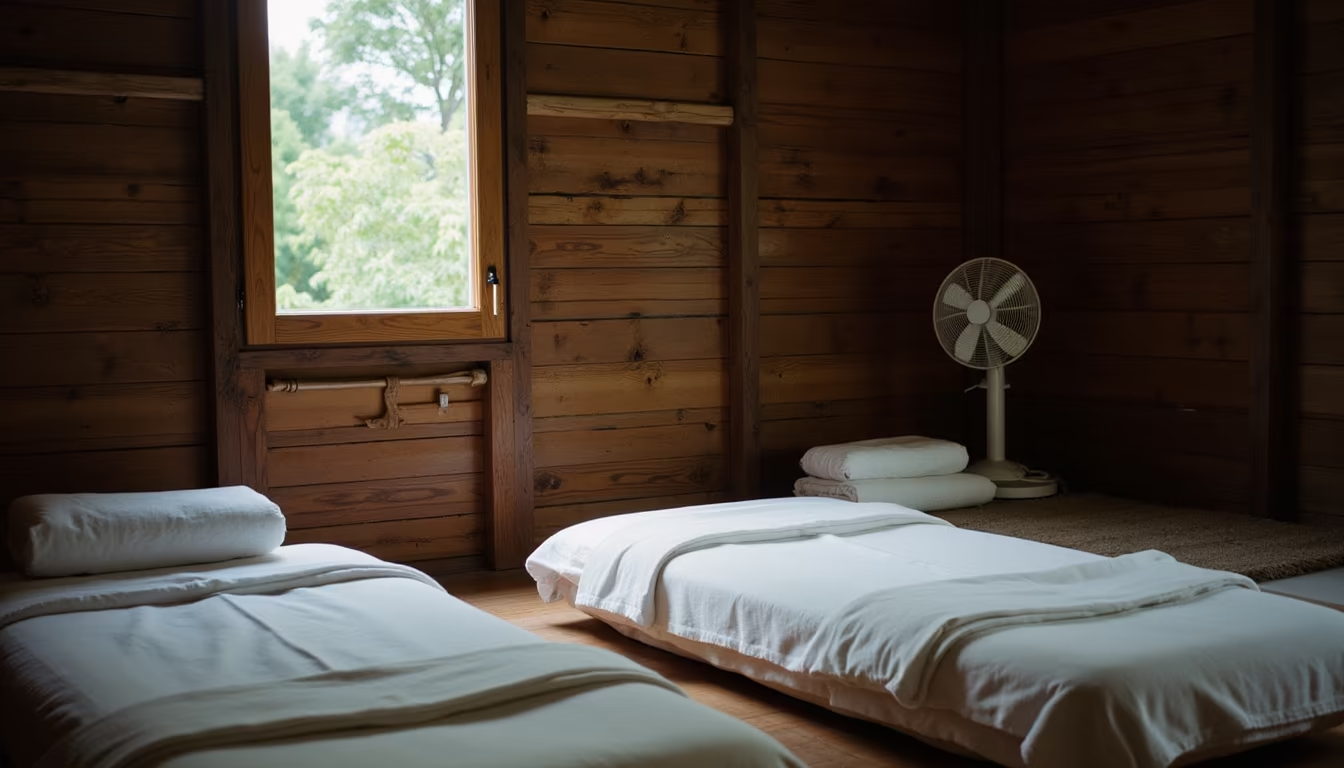
What a Pai spa actually looks like
Pai is a small mountain town, not a beach resort strip, so do not expect marble lobbies and infinity pools attached to every treatment room. A spa in Pai is closer to a friendly massage shop with a fan, wooden floors, and a list taped to the wall. That is the charm of it. The people working there often know the herbs growing on the hills around town, and a foot massage after a day of riding feels like the whole reason you came north.
The three tiers of massage and spa options
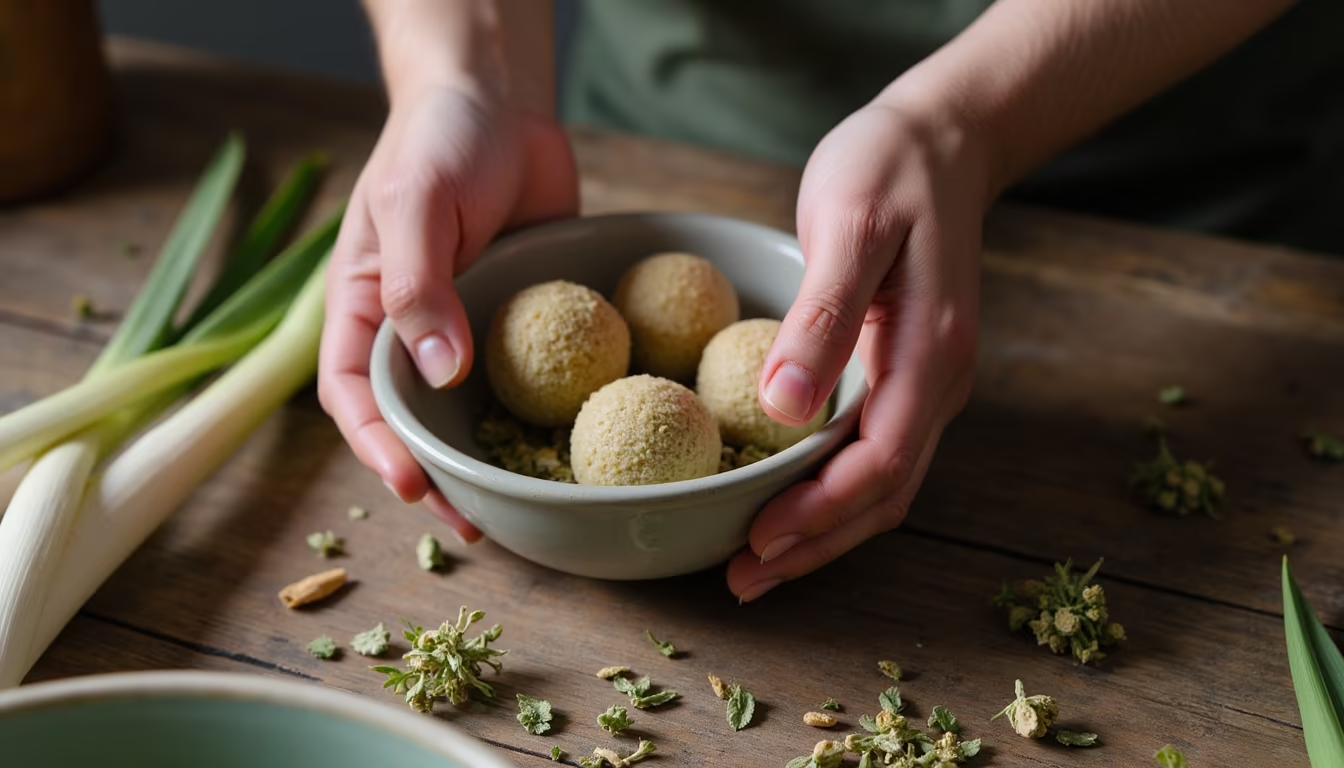
There are roughly three tiers you will meet. Street-level Thai and oil massage shops cluster along the Walking Street and the lanes off it, where a friendly masseuse will work out scooter-stiff shoulders for pocket change. A handful of small day spas layer in herbal-compress therapy, body scrubs, reflexology, and longer aromatherapy packages inside a calmer, incense-warm room. And then the natural side: the geothermal pools outside town, mineral-rich and steaming, which families here have soaked in for generations long before "wellness" turned into a marketing word.
How guests use it best
From what we see with guests, the people who enjoy Pai most are the ones who treat the spa as part of the pace, not a luxury box to tick. A 60-baht herbal tea, a slow massage, then dinner by the river is a very Pai evening.
Pai hot spring resort options and the natural soak
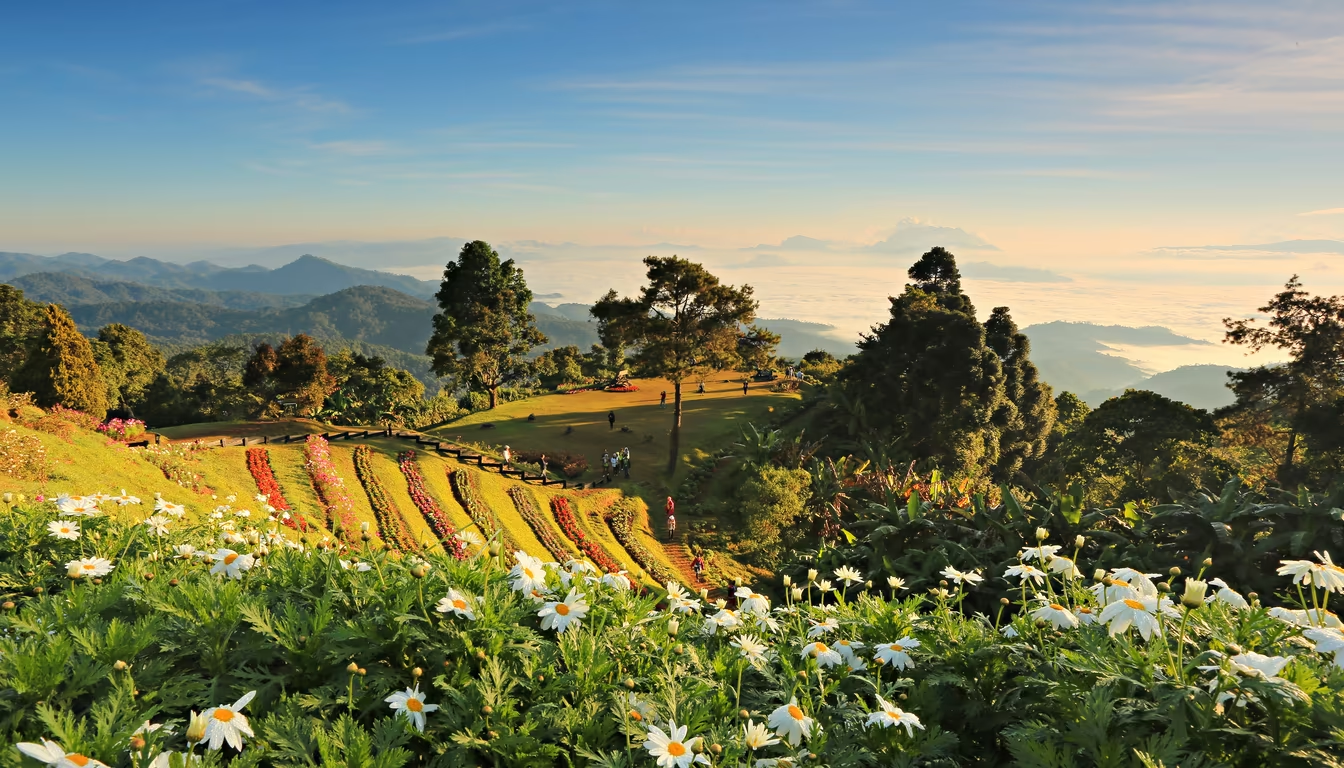
Tha Pai Hot Spring: the natural pools
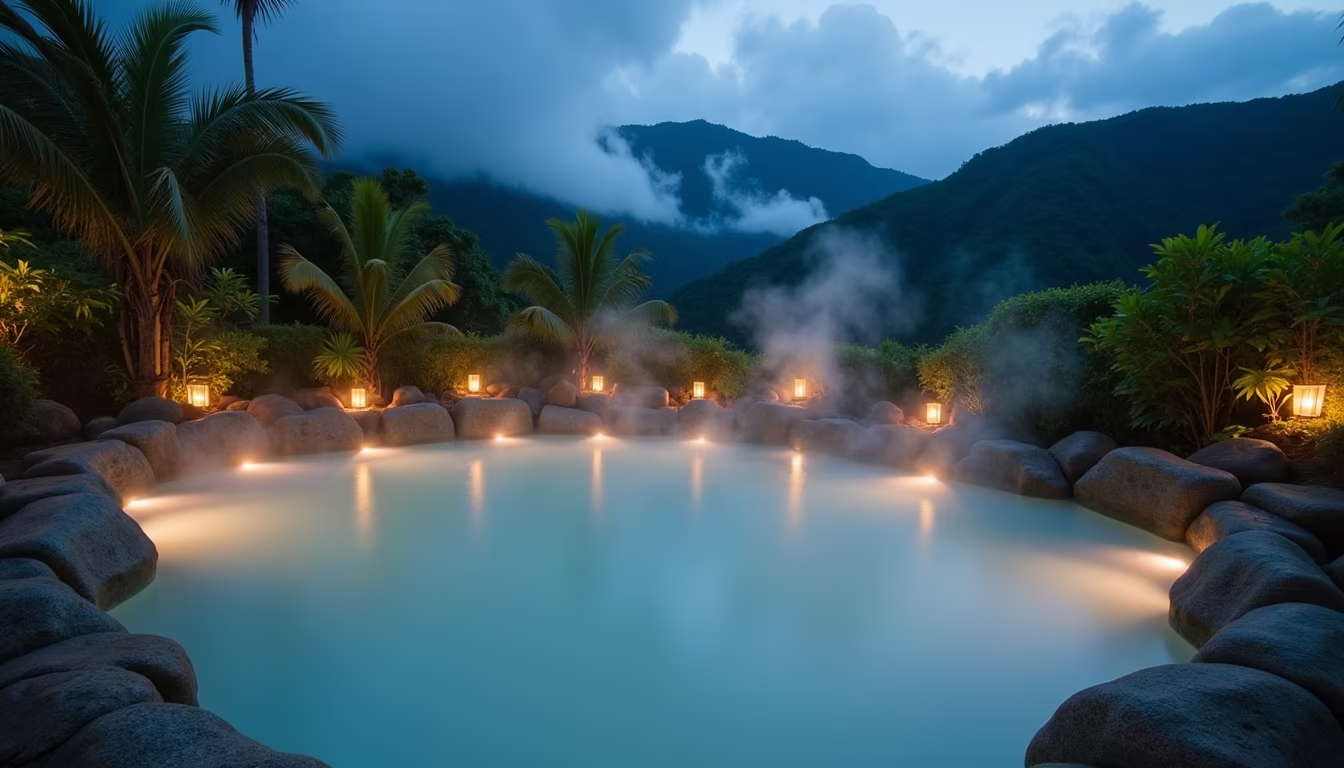
The phrase "pai hot spring resort" gets searched a lot, and it covers two different things, so let us separate them. First there is Tha Pai Hot Spring, a natural geothermal area inside a protected forest zone southeast of town, where you can soak in stone pools fed by mountain water. It sits within Huai Nam Dang National Park country, and the Thailand Department of National Parks lists the geothermal sites of Mae Hong Son province on its official portal, dnp.go.th, which is the cleanest source for opening details and any seasonal closures. According to that official park information, the springs are managed under the national park system, so a small entry fee applies and rules change with the season.
Private hot-spring-fed tubs at lodges
Second, several small lodges market themselves as a "hot spring resort", meaning they pipe mineral water into private soaking tubs on the property. These are lovely on a cold-season night, but they are a different experience from the public natural pools. In practice, guests who want the postcard image of steaming stone pools in the forest should plan the public springs as a half-day trip, while those who just want a warm private soak before bed are better served by a room with its own tub.
What to bring and when to go
The water is genuinely hot at the source, often too hot to enter directly, which is why the pools are graded by distance from the spring. Bring a swimsuit, water shoes help on the rocks, and go in the morning when the air is cool and the steam looks its best.
Spa Pai Thailand prices and what to expect to pay
One of the best parts of choosing a spa in Pai over a big-city Thailand resort is the price. You get the same skilled hands for a fraction of what a hotel spa in Bangkok or Chiang Mai charges. Here is a rough guide based on what our guests report back to us through the season.
| Treatment | Typical time | Typical price (baht) |
|---|---|---|
| Traditional Thai massage | 60 min | 250 to 350 |
| Oil or aromatherapy massage | 60 min | 350 to 500 |
| Foot massage | 45 min | 200 to 300 |
| Herbal compress add-on | +30 min | 150 to 250 |
| Natural hot spring entry | half day | 200 to 300 (park fee) |
Prices drift up a little in the cool high season from November to February, when the town fills and the evening queues at the popular shops get longer. Tipping is not required but a small 20 to 50 baht thank-you is normal and appreciated. The Tourism Authority of Thailand keeps general regional travel guidance on its official site, tourismthailand.org, and as that source notes, the northern provinces are at their most comfortable in the cool, dry months, which is also when wellness shops are busiest.
Where to stay so a spa day actually feels restful
Why location matters more than the massage
Here is the part the booking sites never tell you: the spa is only half the rest. If you book a place on the noisy bar lane, a massage at 6pm does nothing when you cannot sleep at midnight. The right base does more for your recovery than any single treatment.
Our pick: The Arch Casa
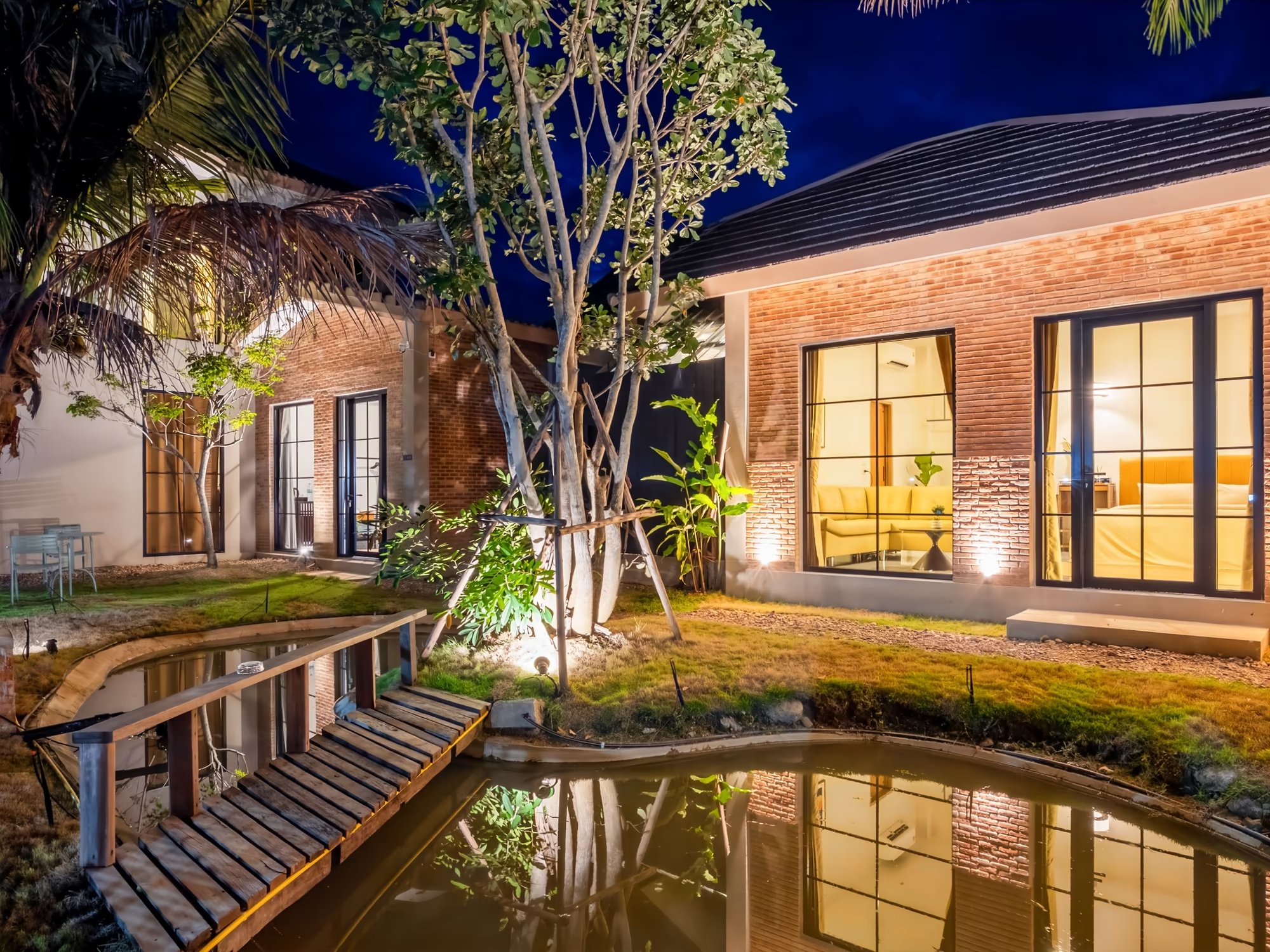
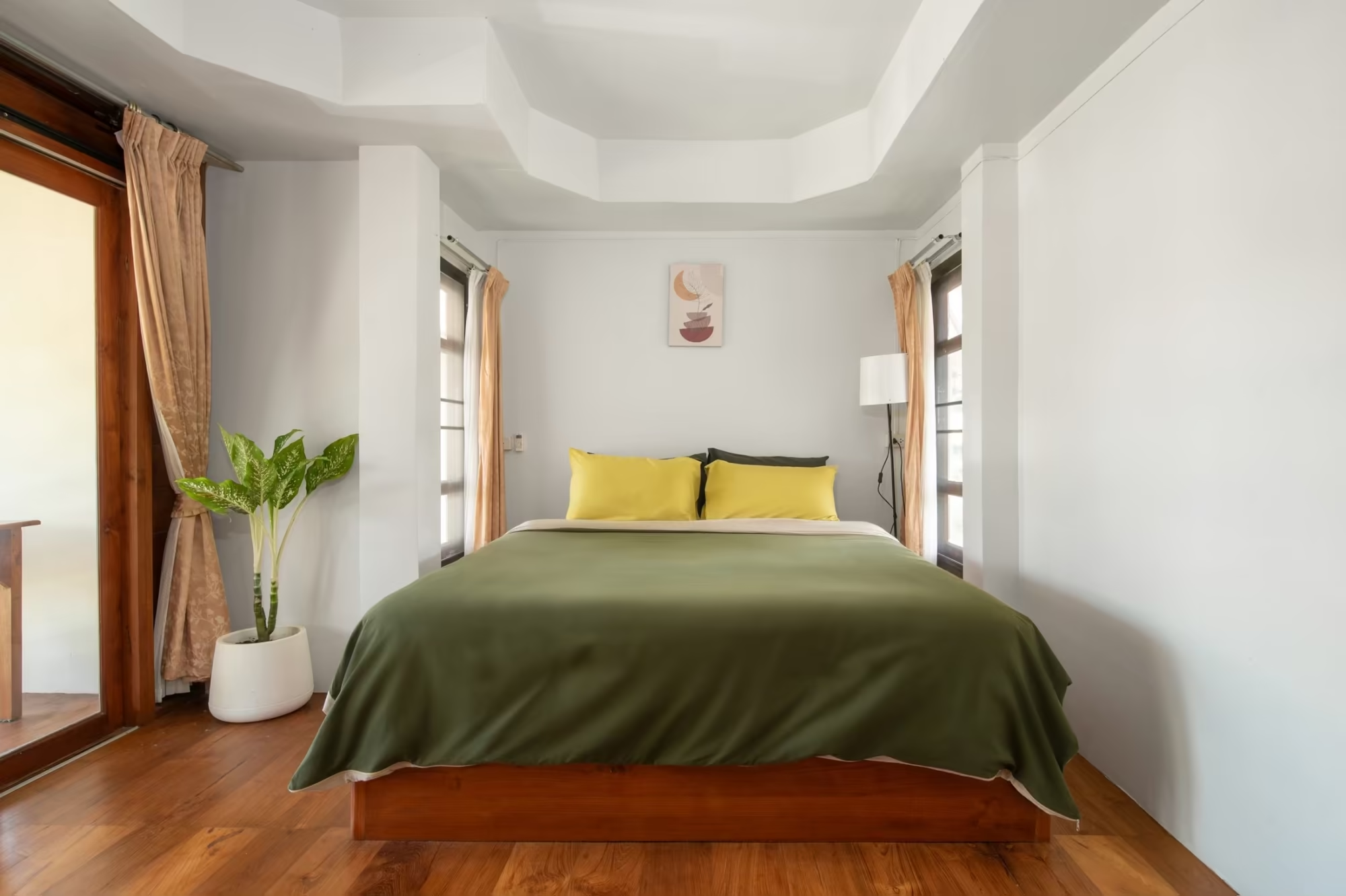
For a true wellness-style trip, design and quiet matter. We point couples and slow-travelers toward The Arch Casa, our quietest design stay, where the rooms are built for actually unwinding and you can walk to the evening massage shops in a few minutes. If you want to compare every option side by side, our full where to stay in Pai guide breaks down each area by noise, distance, and vibe, and you can read more about the property itself on the Arch Casa page.
The simple rest-day recipe
The simple recipe most of our guests land on: a calm room within walking distance of town, one evening massage, and one morning at the hot springs. Three small things, no rushing, and the trip suddenly feels twice as long in the good way.
Spa in Pai FAQ: who it suits and who should skip it
Who a Pai spa day is for
Not everyone needs a treatment, and we would rather tell you straight than upsell. A spa day in Pai suits couples on a slow trip, anyone arriving sore after the night bus from Chiang Mai, and travelers who came north specifically to decompress. It is a soft, unglamorous kind of luxury, and that is the point.
Who should skip it
It suits you less if you are racing through Pai in a single day and want to pack in every viewpoint, or if you expect a polished resort-style facility with a sauna, steam room, and pool deck. Those barely exist here. From the cases we see often, the travelers who feel let down are the ones who pictured a city hotel spa and found a wooden room with a fan instead. Set the expectation right and you will love it. Set it wrong and you may feel short-changed.
Private tub or public hot spring?
If a private soak is the whole reason for your trip, weigh a room with its own mineral tub against a half-day at the public springs before you commit, because the two cost and feel completely different.
Related stays for a wellness trip to Pai
If the whole point of your trip is to slow down, the room matters as much as the treatment. For a calm, design-led base within a short walk of the evening massage shops, look at The Arch Casa, and use our area guide to compare the quieter pockets of town against the livelier ones before you decide.
One honest note: opening hours, park access, and prices shift with the season and the weather, so confirm the current details with the official park information or with us before you ride out. A spa in Pai is meant to be the easy part of the trip, and with a little planning it really is.