By BestHotelPai Team · Updated July 4, 2026
In short The Big Buddha in Pai is a large white seated statue at Wat Phra That Mae Yen, on a hill about 3 km east of the walking street. You reach it by climbing roughly 350 steps or driving the back road to the top. Entry is free, it opens early, and sunrise or late afternoon give the best valley views with the gentlest heat.
Most travelers spot the gleaming white statue on the ridge across the valley within an hour of arriving in town, and the question is always the same: how do we get up there, and is the climb worth it? The short version is yes, and you do not need a guide, a tour, or much fuss to do it.
This is our walk-up guide to the Big Buddha in Pai, properly known as the statue at Wat Phra That Mae Yen, written from the dozens of times we have pointed guests toward the staircase and heard how it went. We cover where it sits, the two ways up, the best hour to go, and how it fits into a relaxed day.
Where is the Big Buddha in Pai
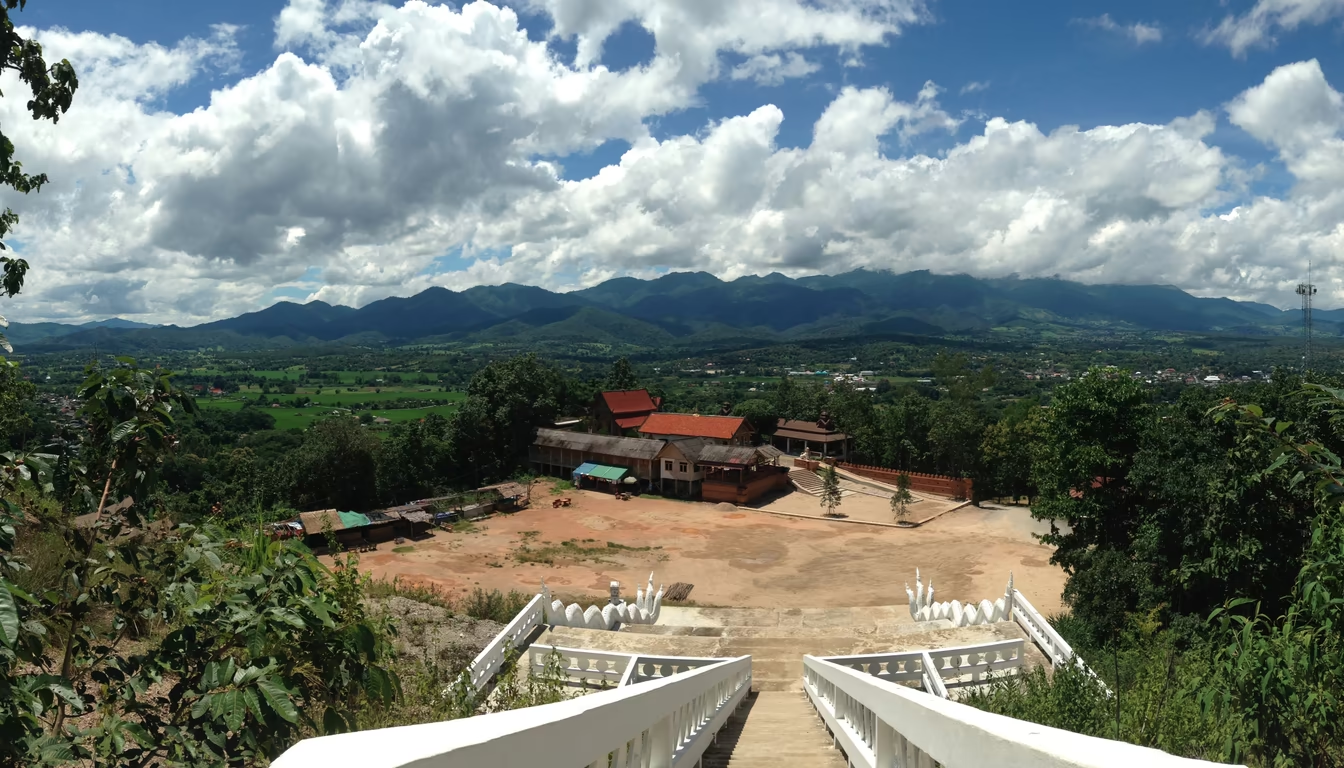
The statue sits on a low ridge to the east of town at Wat Phra That Mae Yen, a working temple that locals have visited for generations. From the walking street it is about 3 km, a flat 10 minute scooter ride or a 35 to 40 minute walk through rice fields before the climb begins. You can see the white figure from much of the valley floor, which makes it an easy landmark to navigate toward even without a map.
Mae Hong Son province, where Pai sits, is mountainous and forested, and the official provincial tourism pages from Tourism Authority of Thailand describe the region's temples and viewpoints as a core draw. According to that authority, hilltop temples like this one double as community shrines and lookout points, which is exactly how the Mae Yen statue feels in person.
The two ways up: stairs versus the back road
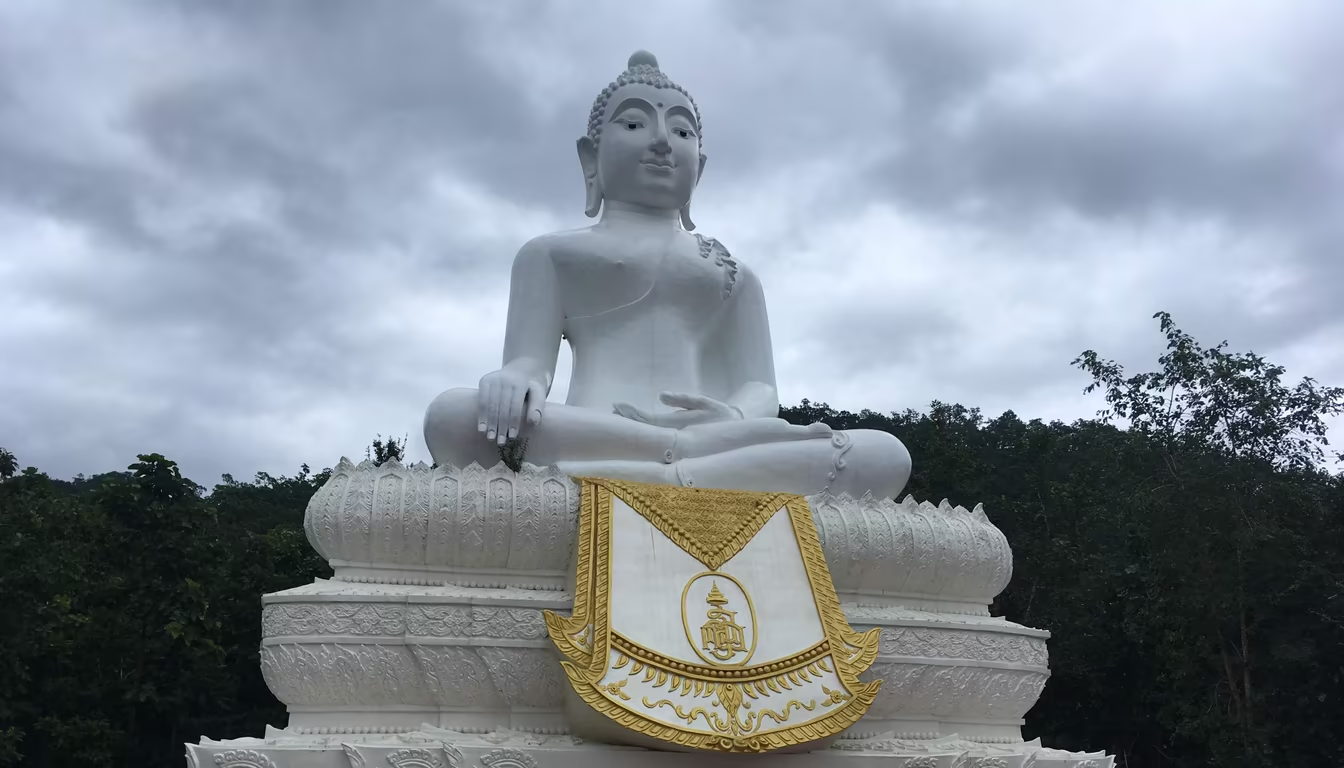
There are two ways to reach the Big Buddha in Pai, and which you pick depends on your energy and your wheels. The famous route is the staircase: a long flight of roughly 350 steps lined with painted naga railings that climbs straight up the hillside. It takes most people 15 to 25 minutes at a steady pace, with shaded landings to catch your breath.
The second option is the paved back road that loops behind the hill to a small parking area near the top, leaving only a short final set of steps. In practice, families with small kids and anyone visiting in midday heat take the road, while early risers chasing the photo usually take the stairs.
| Route | Effort | Time up | Best for |
|---|---|---|---|
| Main staircase (~350 steps) | Moderate | 15 to 25 min | Photos, cool mornings, fit walkers |
| Back road by scooter | Easy | 5 min ride plus short steps | Families, midday heat, limited mobility |
| Walk from town then stairs | Higher | 45 to 60 min total | Slow mornings, no scooter |
Best time to visit and what to expect at the top
The view from the top
The reward at the top is the view, not just the statue. From the platform you look back over the whole Pai valley, the patchwork of rice fields, the river bend, and the ring of mountains behind town. Sunrise gives soft light and cool air with mist still sitting in the fields, while the hour before sunset turns the valley gold. Midday is fine too, but the white concrete and open platform get hot, so bring water and a hat.
Temple etiquette and how long to stay
Because this is a real temple, dress respectfully: cover shoulders and knees, slip off shoes where signs ask, and keep voices low if someone is praying. There is no entry fee, though a small donation box near the shrine is appreciated. From what we see with guests, the most common regret is rushing up and down in 15 minutes; the people who linger 30 to 40 minutes with a coffee from the cart at the base always come back happier.
Best season to visit
Pai weather shifts hard by season. The cool dry months from November to February are the clearest for the view, the hot season into April can be hazy from regional field burning, and the green rainy months bring afternoon storms, so a morning visit is safest then. Always confirm current conditions and any temple notices locally before you set out, since hours and access can change.
Where to stay near the Big Buddha in Pai
Choosing a base near the trailhead
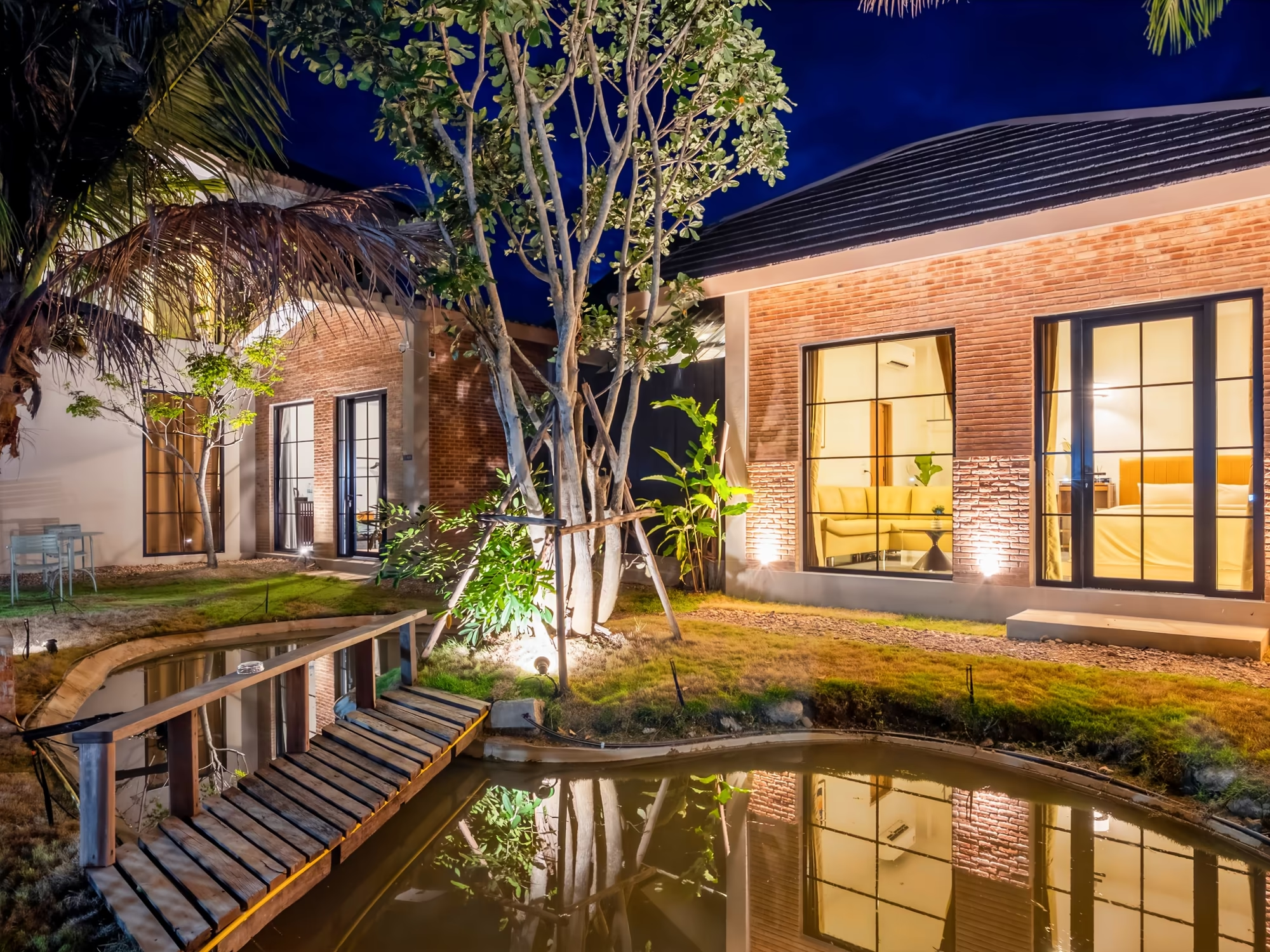
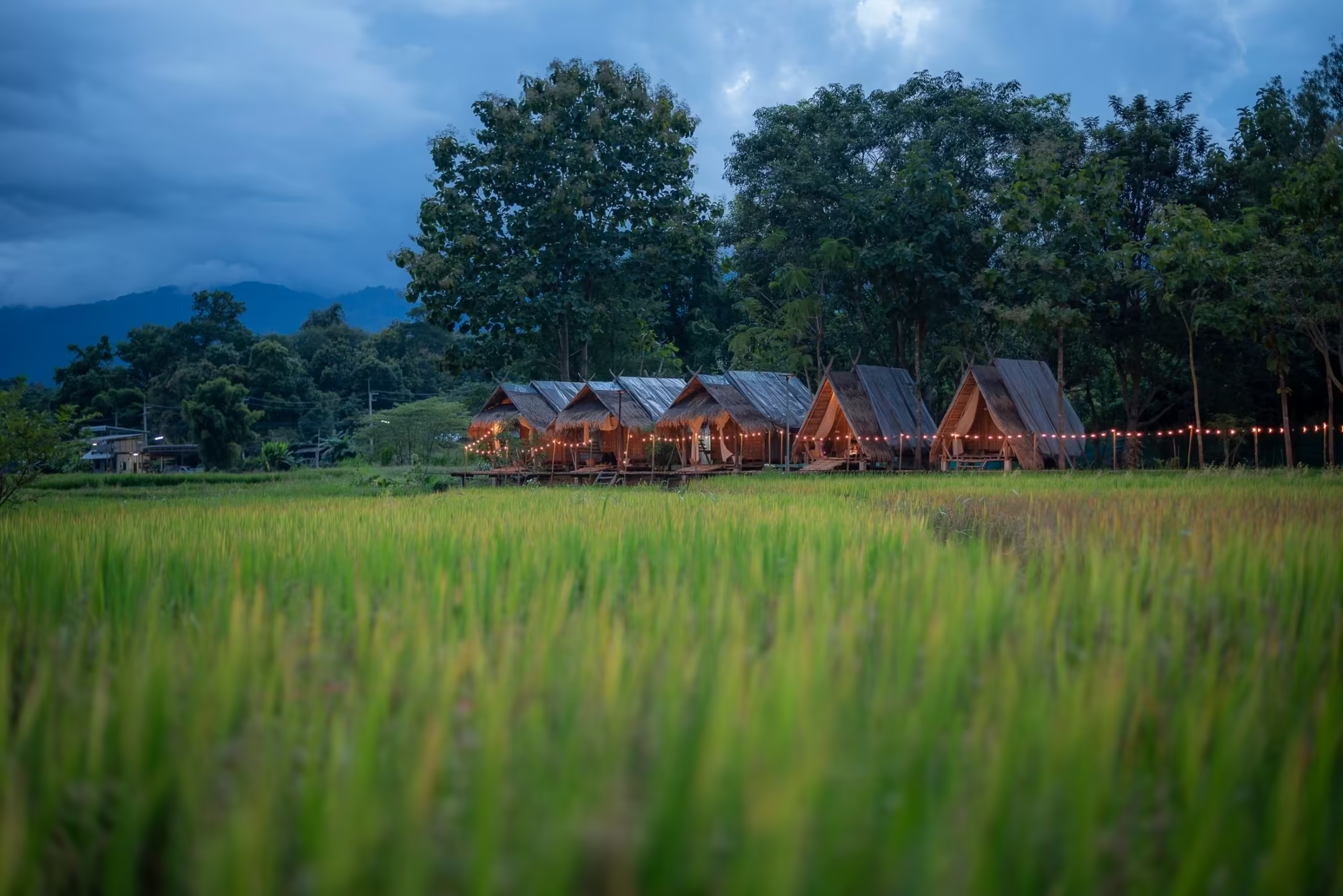
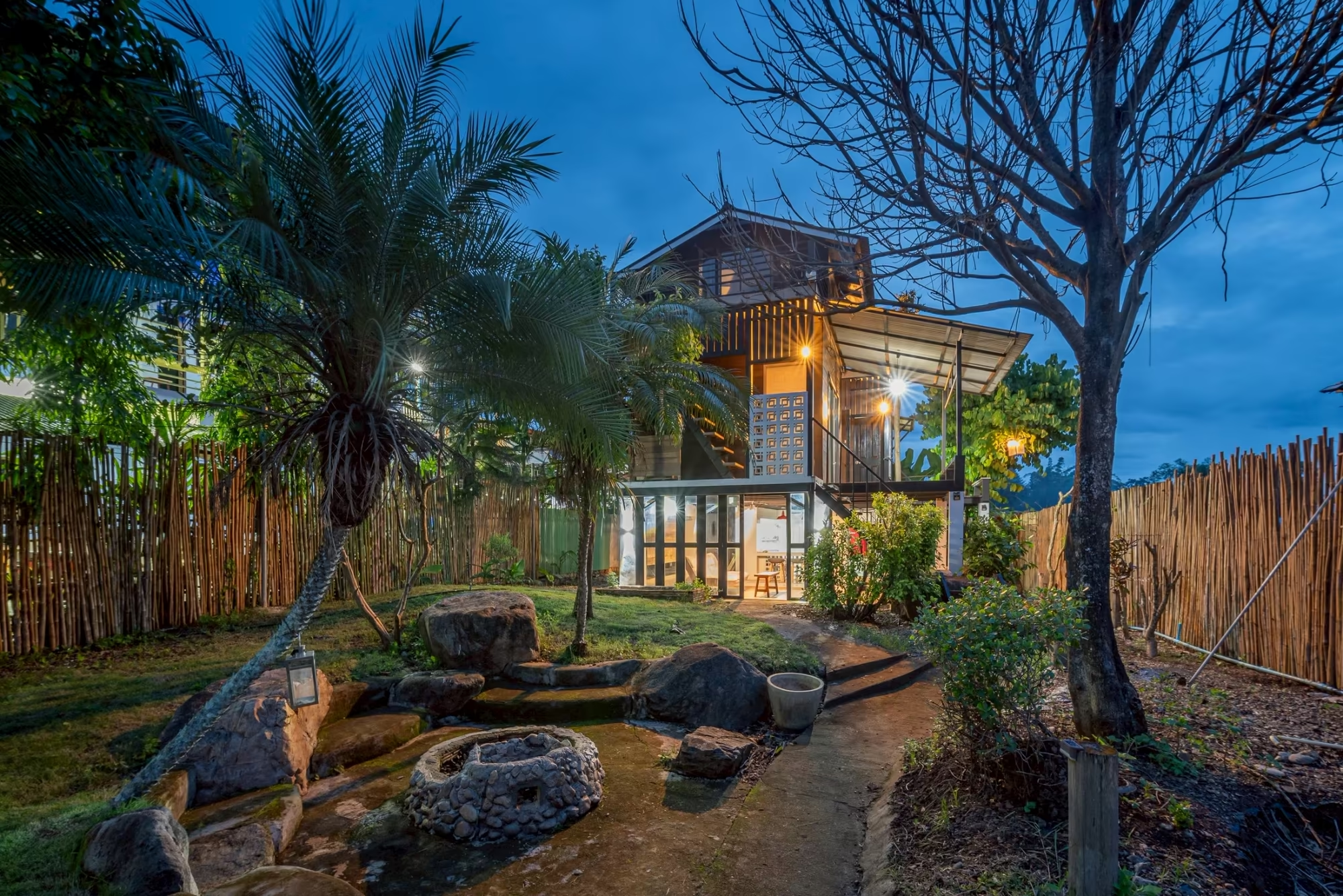
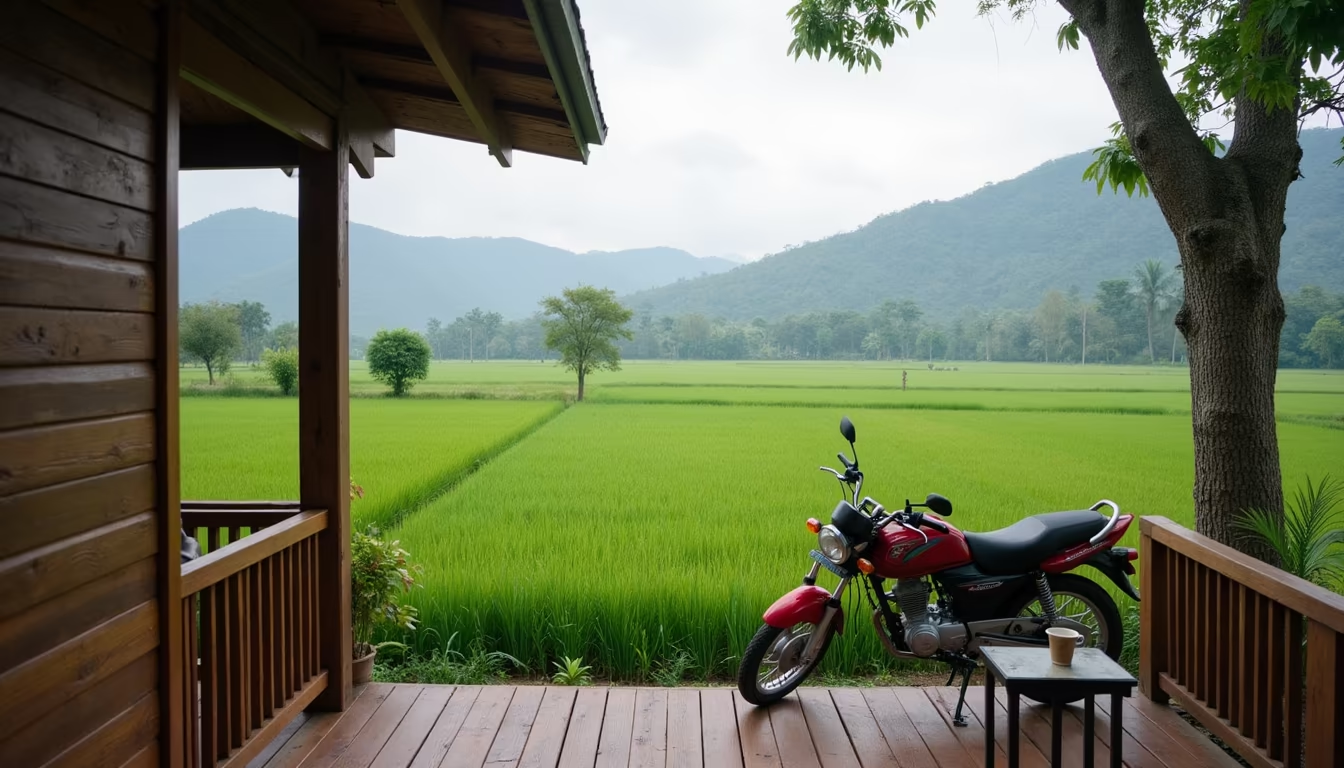
Because the statue sits just east of the center, almost any stay in or around town puts you within a short ride of the stairs. The real choice is what kind of morning you want. If you like the idea of waking, grabbing a scooter, and being at the top for sunrise before breakfast, a quiet stay on the eastern or rice-field side of town like Paddy Fields Haven shortens the trip to a few minutes. Our small collection of owner-run places sits across these pockets of Pai, and we are happy to point you to the one closest to the trailhead for your plans.
Pairing Big Buddha with the rest of your day
For a calm base with the mountain in view and an easy run to Mae Yen, see our guide to where to stay in Pai, which breaks down each area by vibe and distance. If you are tying the Big Buddha into a wider day, our roundup of things to do in Pai pairs it neatly with a canyon sunset or a hot spring soak. Many guests do the statue at dawn, nap, then head out again in the afternoon.
Book direct with a local host
Booking direct with us means a real local host answers, not a call center, and you keep more in your pocket than the listing sites take. We will tell you honestly which of our stays actually suits a sunrise-temple kind of trip rather than upselling the priciest room.
The Big Buddha at Wat Phra That Mae Yen is one of the simplest, most rewarding things you can do in Pai: free, close, and beautiful at the right hour. Climb the stairs at dawn or ride up before sunset, give yourself time at the top, and let us set you up in a stay that makes the early start effortless.
Hero photo: ElonggnolE / Wikimedia Commons (CC BY-SA 4.0)