By BestHotelPai Team · Updated October 23, 2026
In short Pai works for a pai digital nomad who needs reliable cafe wifi and a quiet base, not high-bandwidth video calls all day. Cafes along the Walking Street and a few dedicated work spots run 20 to 50 Mbps, mobile 4G covers most of the valley, and a private room with its own desk solves the rest. Stay one to four weeks, work mornings, explore afternoons.
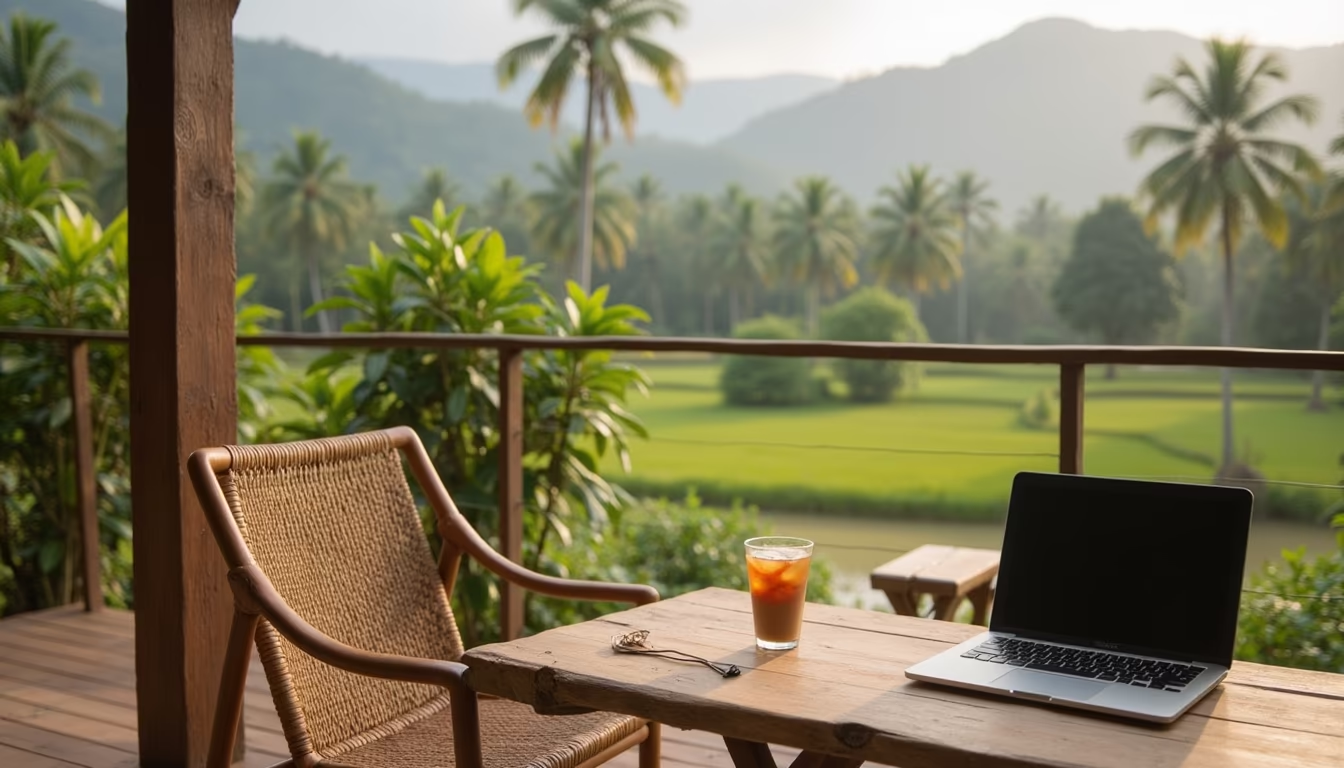
Pai looks like the last place you would open a laptop. A small valley town in the mountains of Mae Hong Son, three hours of switchbacks north of Chiang Mai, better known for waterfalls and slow afternoons than for spreadsheets. Yet every month more remote workers land here and quietly get a full week of work done between hikes. The catch is that Pai is not built for nomads the way Chiang Mai or Canggu are, so the people who thrive here are the ones who plan around its quirks instead of fighting them.
We host travellers in Pai year round, and the questions we get from working guests are always the same: is the wifi fast enough, where do I actually sit to focus, and what does a realistic working day look like here. This is the honest answer, written by people who live in the valley rather than by an algorithm that has never seen the place.
Why remote workers keep choosing Pai
The draw is simple. Rent and food are a fraction of a city, the air is clean, and you can ride a scooter to a waterfall on your lunch break. For solo founders, writers, designers and async-first developers, that trade is close to perfect. Cost of living for a working traveller usually lands well below a major Thai city, and the pace forces the kind of deep focus that a busy hub erodes.
From what we see with guests, the people who batch their calls into one or two morning blocks and do focused work the rest of the day leave happy. The pace forces the kind of deep concentration that a busy hub tends to erode, and the short commute to a waterfall or a viewpoint resets your head better than another coffee ever could.
The honest truth about Pai wifi speeds

Connectivity is the single biggest worry, so here is the plain truth. Most cafes and guesthouses run fibre or fixed wireless that tests between 20 and 50 Mbps down, which is plenty for email, docs, code pushes and standard-definition calls. A handful of work-focused cafes push higher. Mobile data is your safety net: AIS and True both cover the town centre and most of the valley floor on 4G, with patchy 5G near the centre, so a local SIM with a generous data plan means you are rarely fully offline.
Pai's electricity grid occasionally blinks during heavy rain in the wet season, so a laptop that holds a real charge and a small power bank matter more here than in the city. In practice, the workers who never get caught out are the ones running two connections: a primary cafe or room wifi plus a hotspot on standby.
| Work spot | Typical speed | Best for | Watch out for |
|---|---|---|---|
| Walking Street cafes | 20-40 Mbps | Short sessions, coffee, people-watching | Busy and loud after 4pm |
| Work-focused cafes | 30-50 Mbps | Deep focus, calls, full days | Fewer seats, arrive early |
| Your room desk | 15-40 Mbps | Private calls, late nights | Ask before booking |
| Mobile 4G hotspot | 10-30 Mbps | Backup, scooter days | Weak in far valleys |
Who Pai suits, and who should skip it
Pai is close to perfect for solo founders, writers, designers and async-first developers. If your work is project-based, your calls are flexible, and you value a quiet head over a buzzing scene, you will get more done here than in a noisy hub. The low cost of living for a working traveller, well below a major Thai city, means you can stay long enough to actually build something.
It is the wrong place for anyone who lives on back-to-back video calls or needs a guaranteed high-bandwidth line all day. Pai sits in a remote valley, so connectivity is good for a mountain town but not flawless, and people expecting a Bangkok coworking floor tend to leave frustrated. Knowing which group you fall into before you book saves a lot of stress and a wasted flight.
The best cafes to work from in Pai
The cafe scene as coworking network
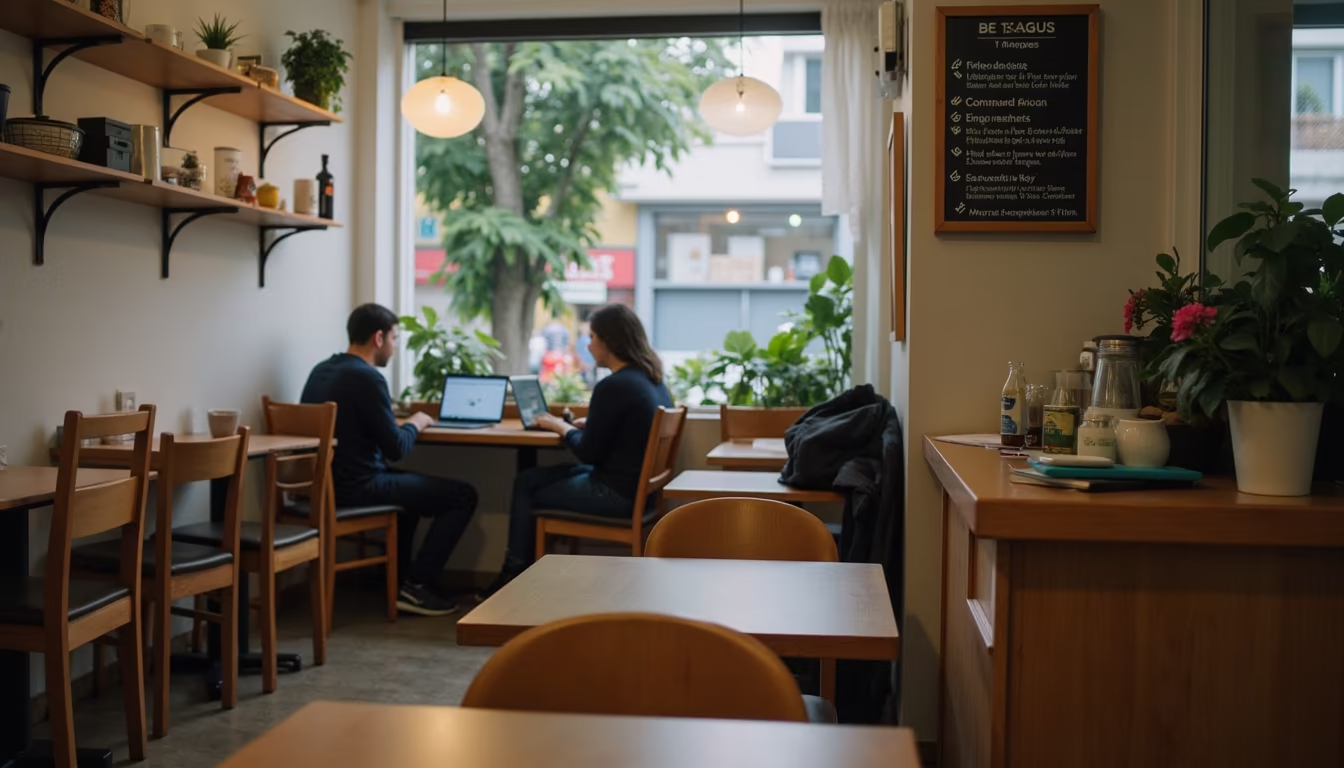
Pai's cafe scene is its hidden coworking network. There is no big-name coworking chain, so the rhythm is to rotate between a few reliable spots. The Walking Street and the lanes just off it hold most of the laptop-friendly cafes, with strong coffee, banana bread and plug sockets if you ask. A short ride out of the centre you find quieter garden cafes with rice-field views, which are slower on wifi but unbeatable for writing.
A typical working week
A working week here usually looks like this: a focused morning at a work-friendly cafe while it is quiet and cool, lunch somewhere with a view, then an afternoon split between a second cafe and the open road. Pai is tiny, so nothing is more than ten minutes by scooter, and you can read more about the valley's rhythm in our guide to things to do in Pai for the hours when the laptop is shut.
Thailand's official tourism body lists Pai as a highland district of Mae Hong Son province, and according to the Tourism Authority of Thailand the cool, dry season from November to February is the most comfortable stretch of the year, which is also when the cafes are liveliest and the working light is at its best.
Once the laptop crowd clears out after 5pm, we also point guests to Vermut Café on the Walking Street for an evening work session: fast free wifi, power outlets, and a quiet air-conditioned room upstairs before the bar fills up. Coffee, tea and mocktails are all on the menu, so there is no need to drink alcohol to post up with a laptop, and the owner works online from there most days. More in our guide to Vermut Café.
How long to stay and a realistic working day
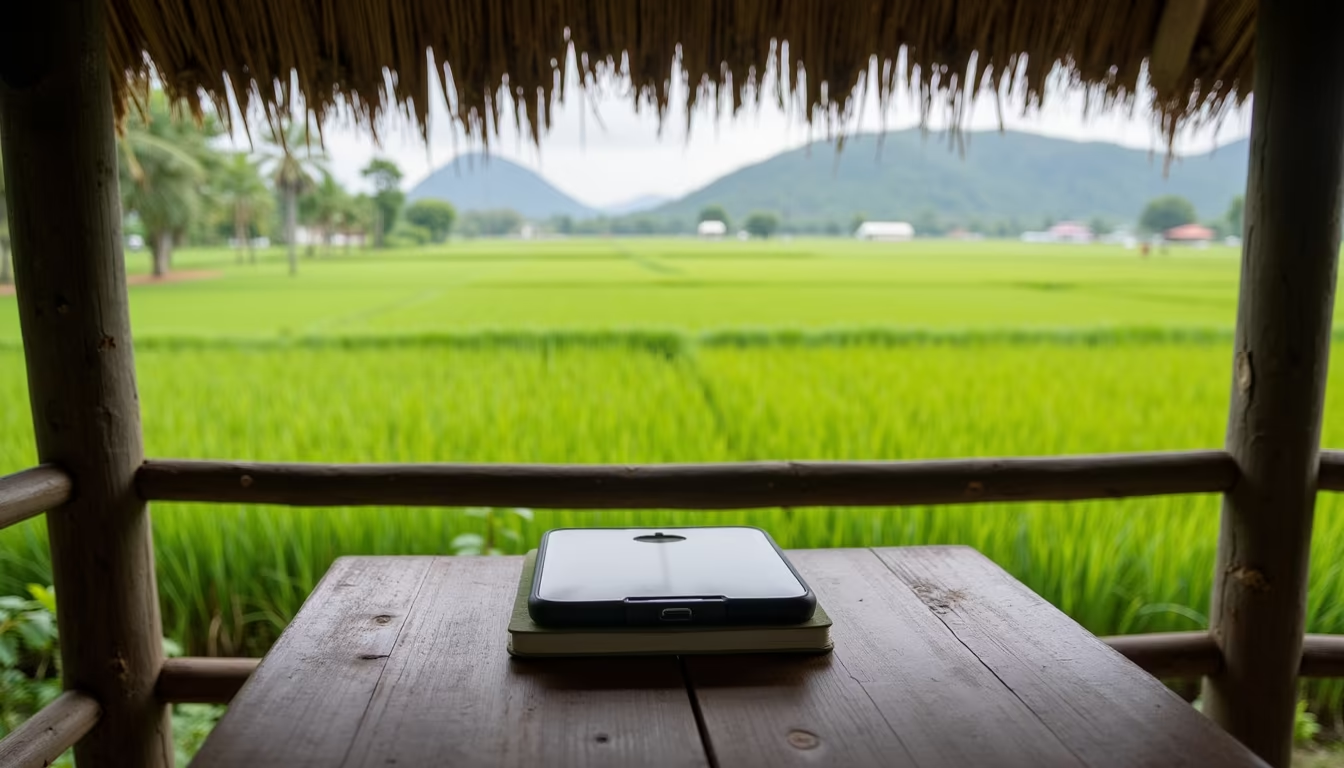
The sweet spot for a pai digital nomad is one to four weeks. A weekend is not enough to settle into a productive rhythm, and beyond a month the slow pace can blur your work routine if you are not disciplined. A realistic day starts with coffee and two to three focused hours before the heat, a midday break for food and a swim or a viewpoint, then a lighter afternoon block and an early evening for calls with clients in other time zones.
Build your week around the weather. The wet season from June to October brings green hills and dramatic mist but also afternoon downpours that are perfect cover for a long indoor work session. The cool season is busier and books out fast, so a working stay then needs a room locked in early. If you are still deciding when to come, our notes on how to get to Pai cover the road, the minivans and the small airport so your arrival does not eat a working day.
Where to stay in Pai as a remote worker
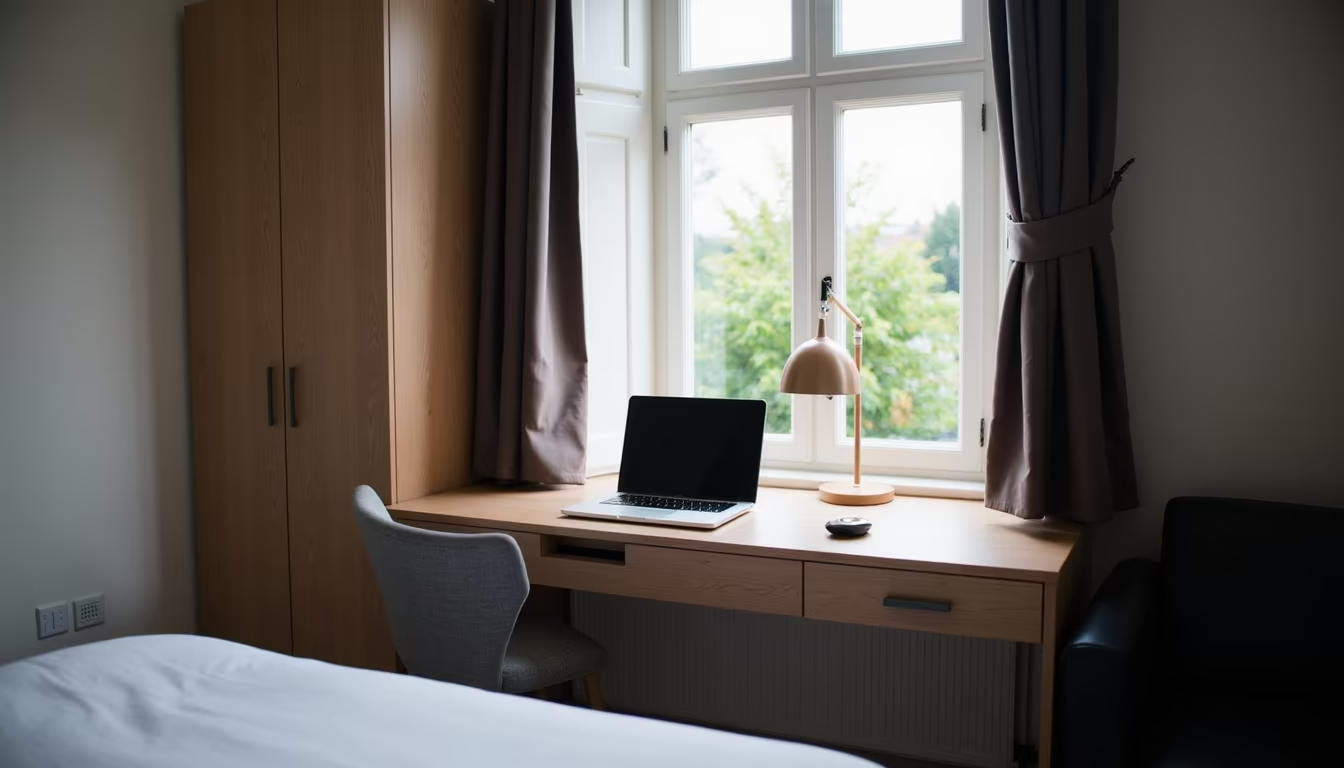
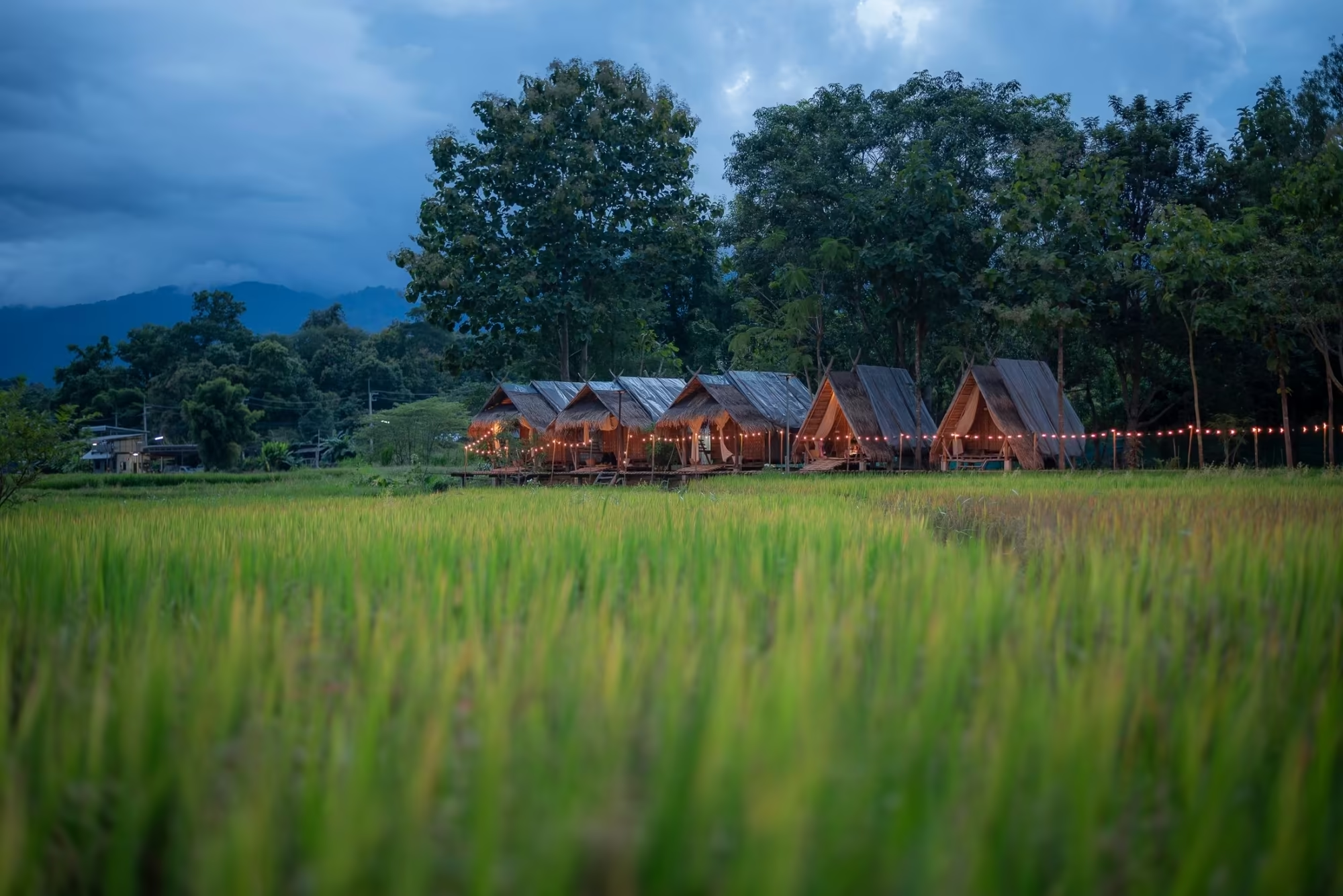
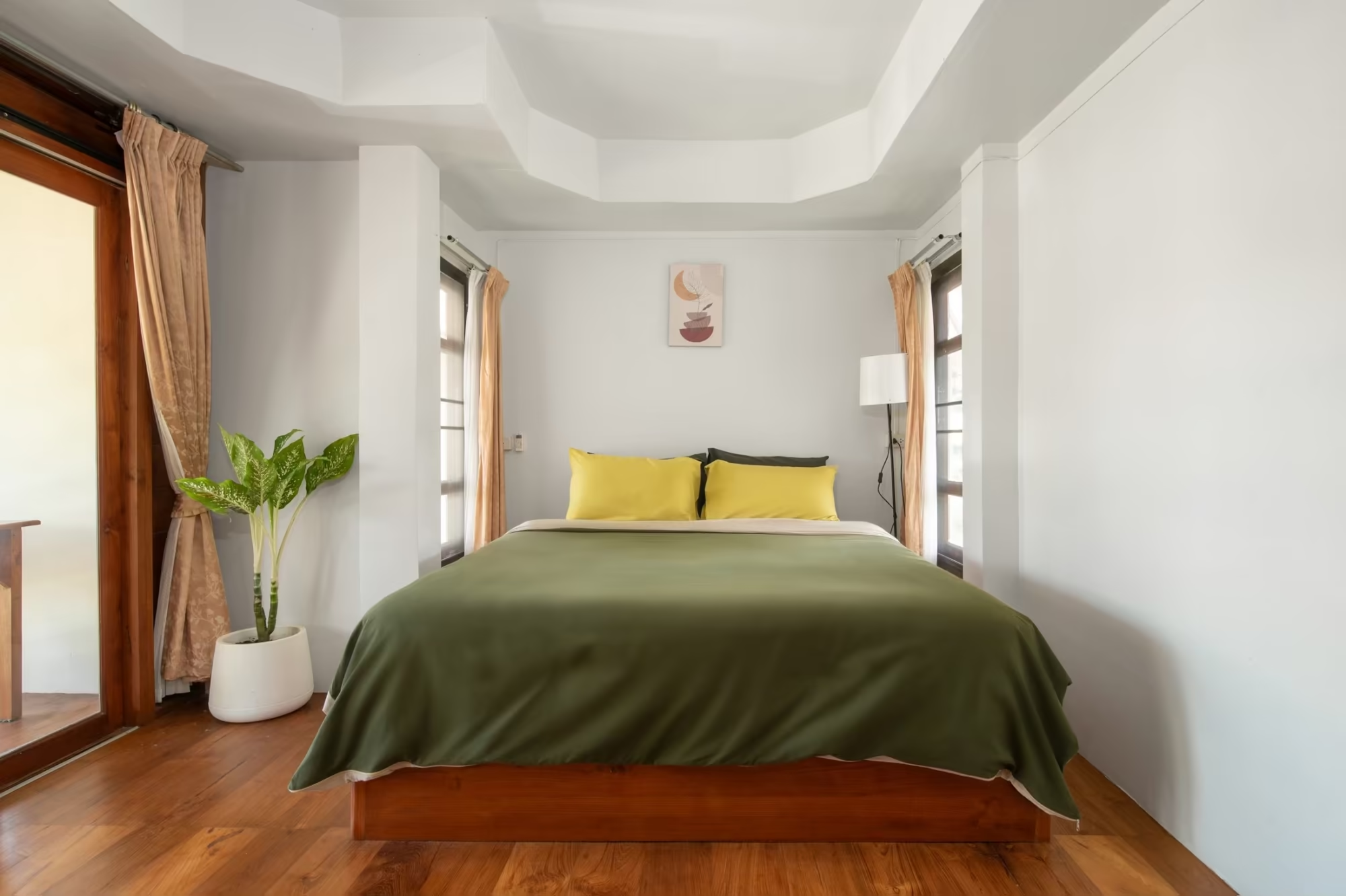
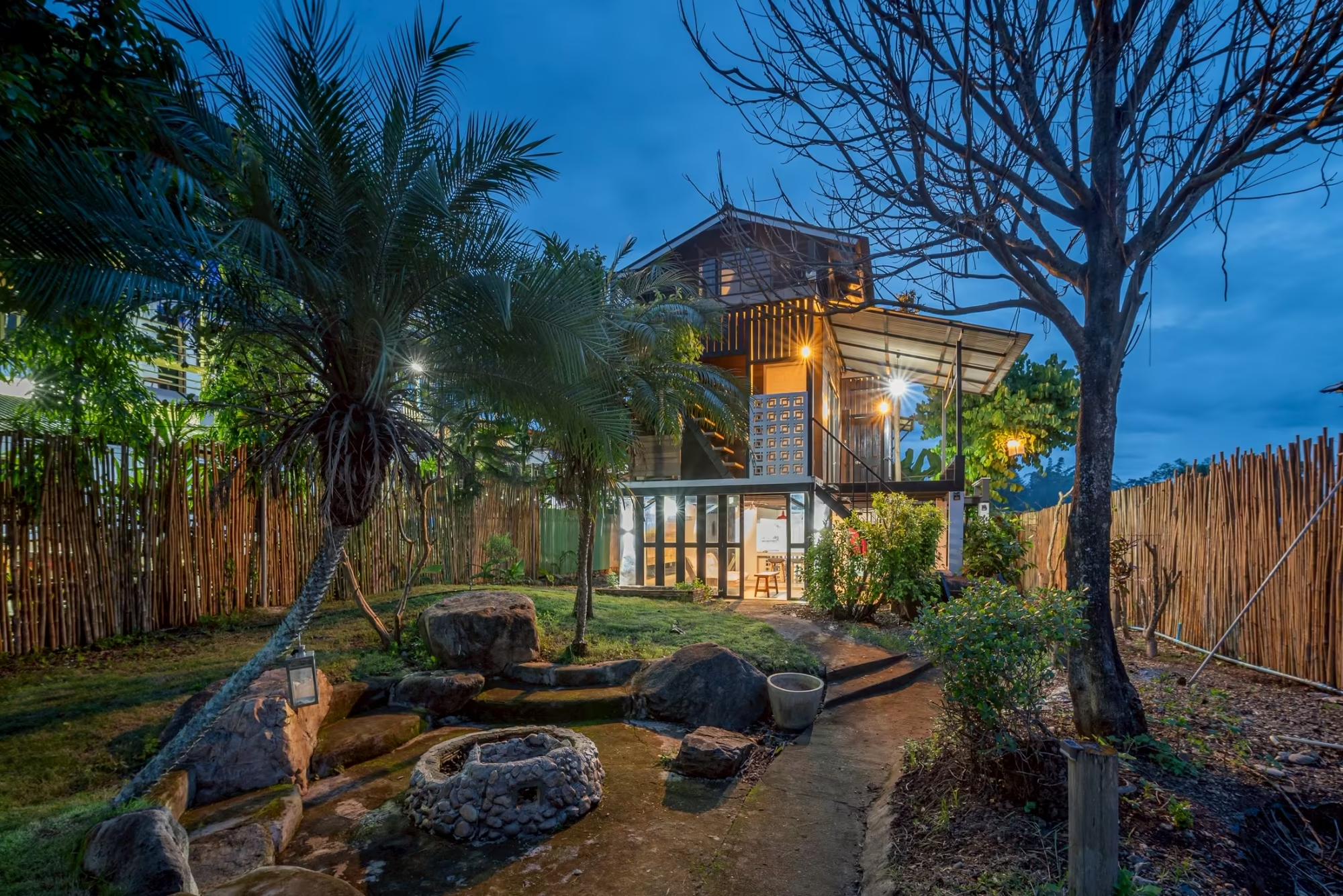
This is where the working stay is won or lost. A cafe gets you through the day, but you need a base with its own desk, a quiet corner and a host who will tell you the truth about the wifi before you arrive. The big booking sites cannot answer "can I take a video call from the room at 9pm" honestly, but a real host can. That is the gap we fill: we run six small stays across the valley and match working guests to the right one, whether that is a quiet design room near the Walking Street or a rice-field bungalow for heads-down writing.
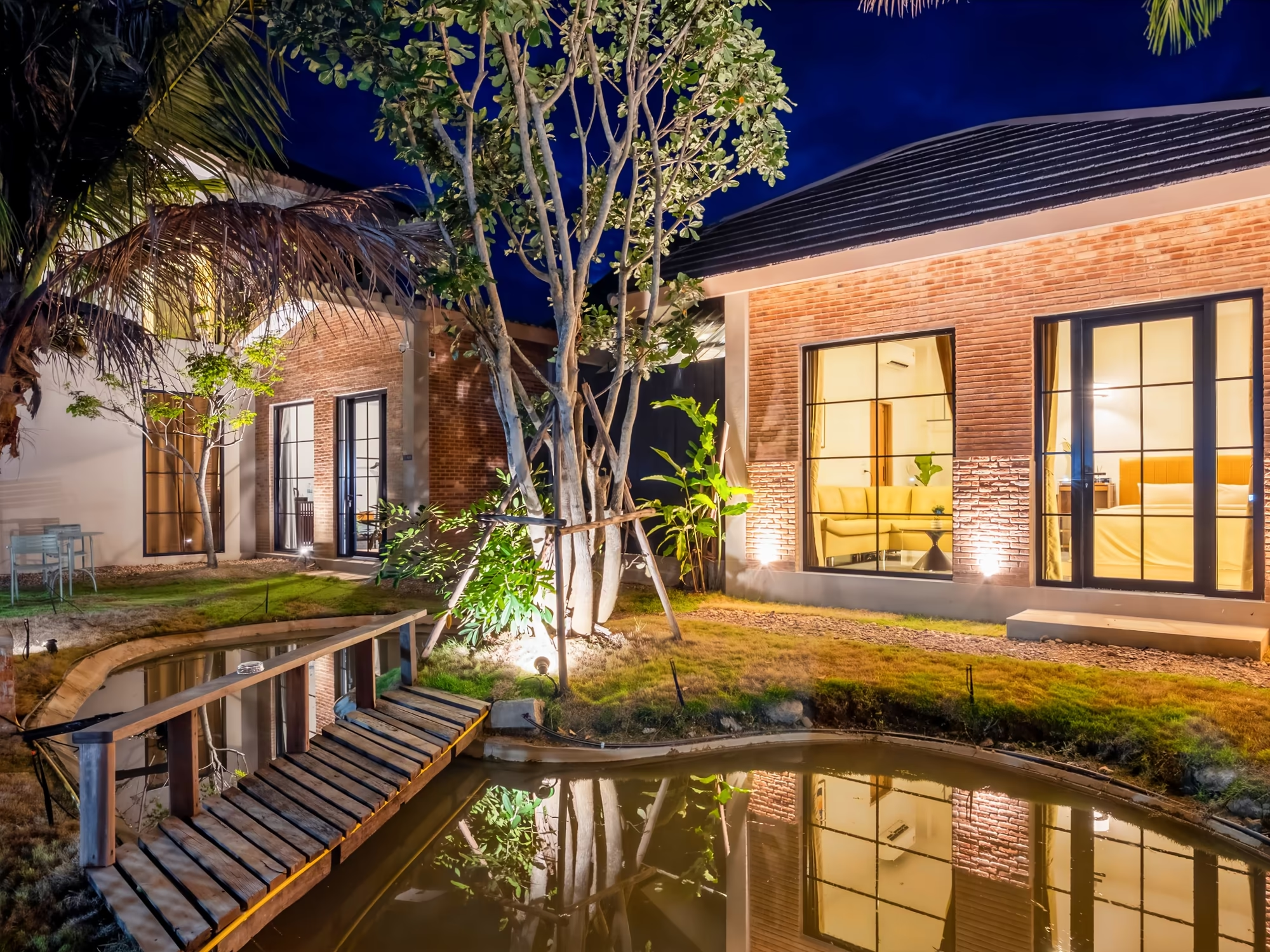
For a focused, design-led base within walking distance of the best cafes, many of our working guests choose The Arch Casa, while families and longer-stay nomads lean toward the quieter rice-field properties. Compare all of them on our where to stay in Pai hub, where every room lists its real connection and whether it suits work. Book direct with us and you pay up to 10% less than the booking sites, with free cancellation and no call centre between you and the people who own the place.
FAQ: working remotely from Pai
Below we answer the questions working guests message us most often, from wifi reliability to how long to stay. If yours is not here, send it over and we will answer honestly before you book.
Pai rewards the remote worker who plans for a mountain town instead of expecting a city. Pick a base with a desk and an honest host, batch your calls into the morning, keep a backup connection in your pocket, and the valley gives you focus that no busy hub can. When you are ready, talk to people who live here. We are happy to help you get the room right before you ever press book.