By BestHotelPai Team · Updated July 28, 2026
In short Wondering where to eat in pai ? Split the day by zone. Graze the walking-street night market in the evening for cheap, mixed plates, around 40 to 80 baht each. Sit by the river or in a rice-field cafe for slow lunches. Chase khao soi and fresh market food where locals eat in the morning. Budget roughly 200 to 400 baht a day if you eat like a Thai.
Pai is a tiny town with an outsized appetite. For a place you can walk across in fifteen minutes, the valley packs in a smoky night market, riverside kitchens, rice-field cafes, northern Thai noodle stalls and more banana-pancake stands than seems reasonable. Most first-timers eat well by luck. We would rather you ate well on purpose.
So where do you actually point yourself when you are hungry, and how do you tell the tourist trap from the place the farmers eat? Below we walk you through the main food zones, the dishes worth crossing town for, a rough idea of what each meal costs, and where the veg and vegan crowd is looked after. We base our six small stays here, so this is the same rundown we give guests over breakfast.
Where to eat in Pai: the four food zones explained
Pai food clusters into four loose zones, and once you see them on a mental map the town stops being overwhelming. There is the walking-street night market, which switches on around dusk and runs the length of the main road. There is the riverside, a string of relaxed bar-kitchens along the Pai River. There are the rice-field cafes scattered on the edges of town toward the canyon and the countryside. And there is the everyday eating, the morning markets and roadside noodle shops where the people who live here actually fill up.
Each zone has a job. The night market is for grazing and people-watching. The riverside is for a long, lazy drink with food. The rice-field cafes are for the photo and the slow brunch. The local stalls are for the best value and, honestly, the best flavour. From what we see with guests, the happiest eaters mix all four across a few days rather than trying to do everything in one meal.
Pai sits in Mae Hong Son, a cool northern province with a long growing season, and according to the Tourism Authority of Thailand the region is known for its hill-tribe communities and highland farms rather than big resort dining. That matters at the table: a lot of what you eat here, the greens, the chillies, the coffee, is grown within a short ride of your plate.
The walking-street night market: cheap, smoky and the best place to graze
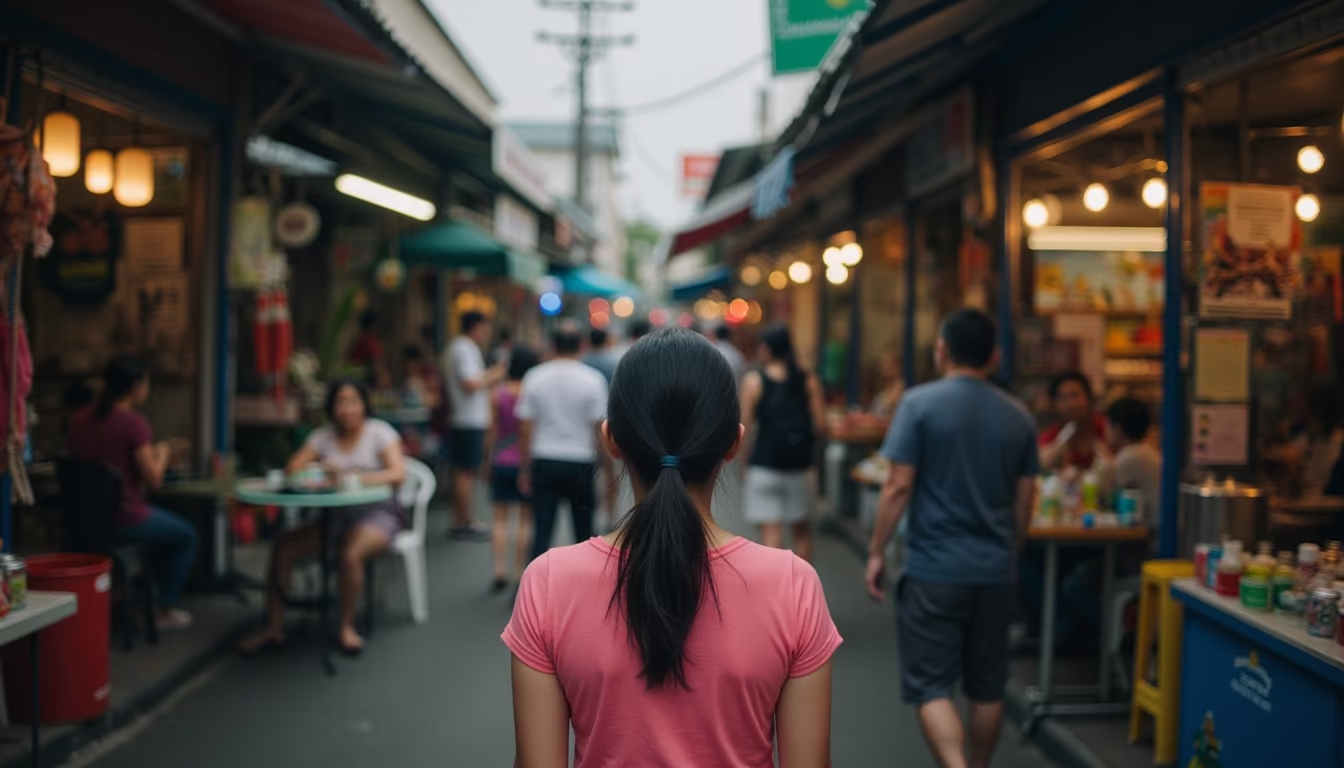
If you only have one evening, spend it on the walking street. From roughly 5pm the main road closes to cars and fills with stalls, and you eat by wandering, not by sitting down. Grab a skewer here, a bag of fresh spring rolls there, a coconut-milk pancake for dessert, and keep moving. Most single plates land around 40 to 80 baht, so you can try six things for the price of one restaurant main.
What to look for: charcoal-grilled pork skewers (moo ping) with sticky rice, fresh fruit shakes, sai ua northern sausage coiled and grilled, roti folded with banana and condensed milk, and the rotating cast of fusion experiments that come and go each season. The queue is your friend. A stall with ten Thai customers waiting is worth more than any review. In practice, we tell guests to eat their proper meal early at a local shop, then treat the market as a dessert-and-snack crawl, so they are not too full to enjoy it.
Riverside spots and rice-field cafes: where Pai slows down
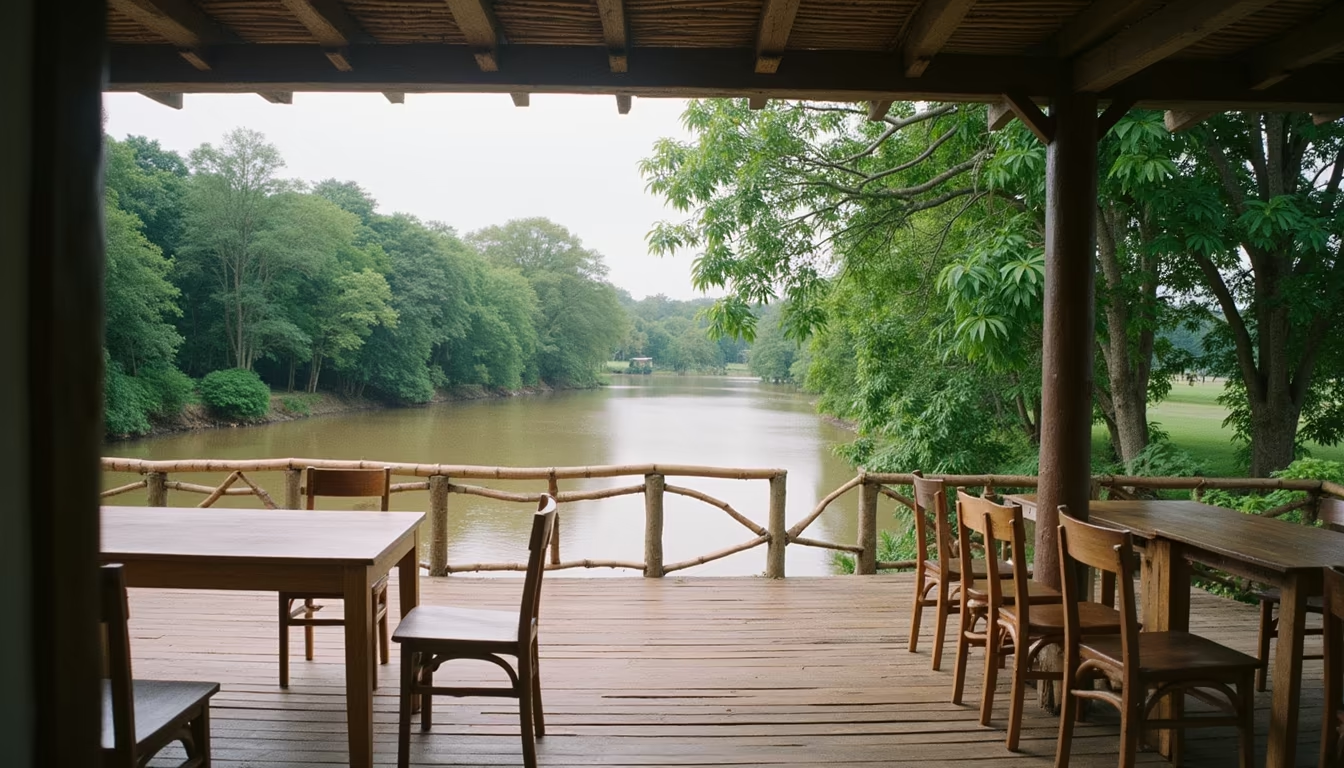
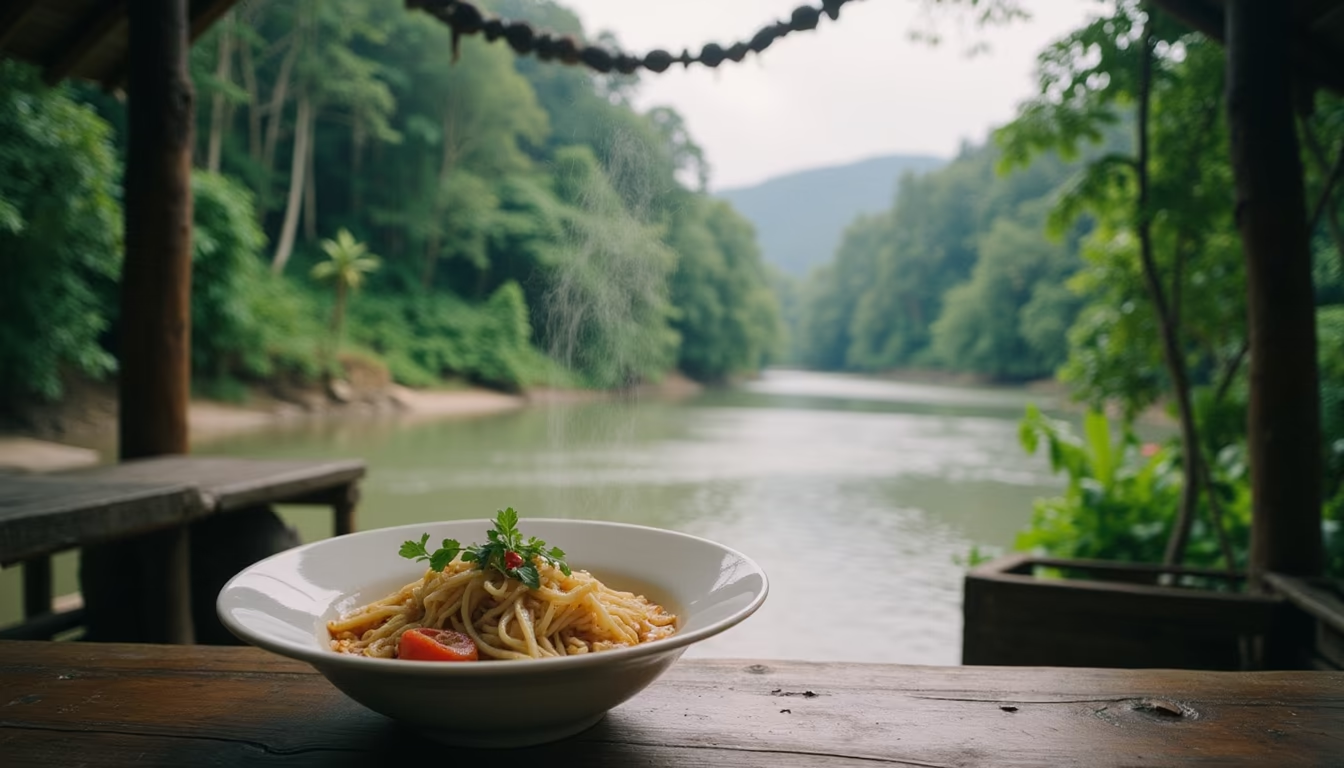
The riverside is Pai at its most postcard. A handful of timber kitchens and bamboo decks sit right over the Pai River, and the deal is simple: the food is good, not life-changing, and you are paying a little extra for the view and the breeze. Expect mains around 100 to 180 baht, cold drinks, and a sunset that makes everyone forget their phone for a while. Go for the setting and a long lunch, not for a culinary pilgrimage.
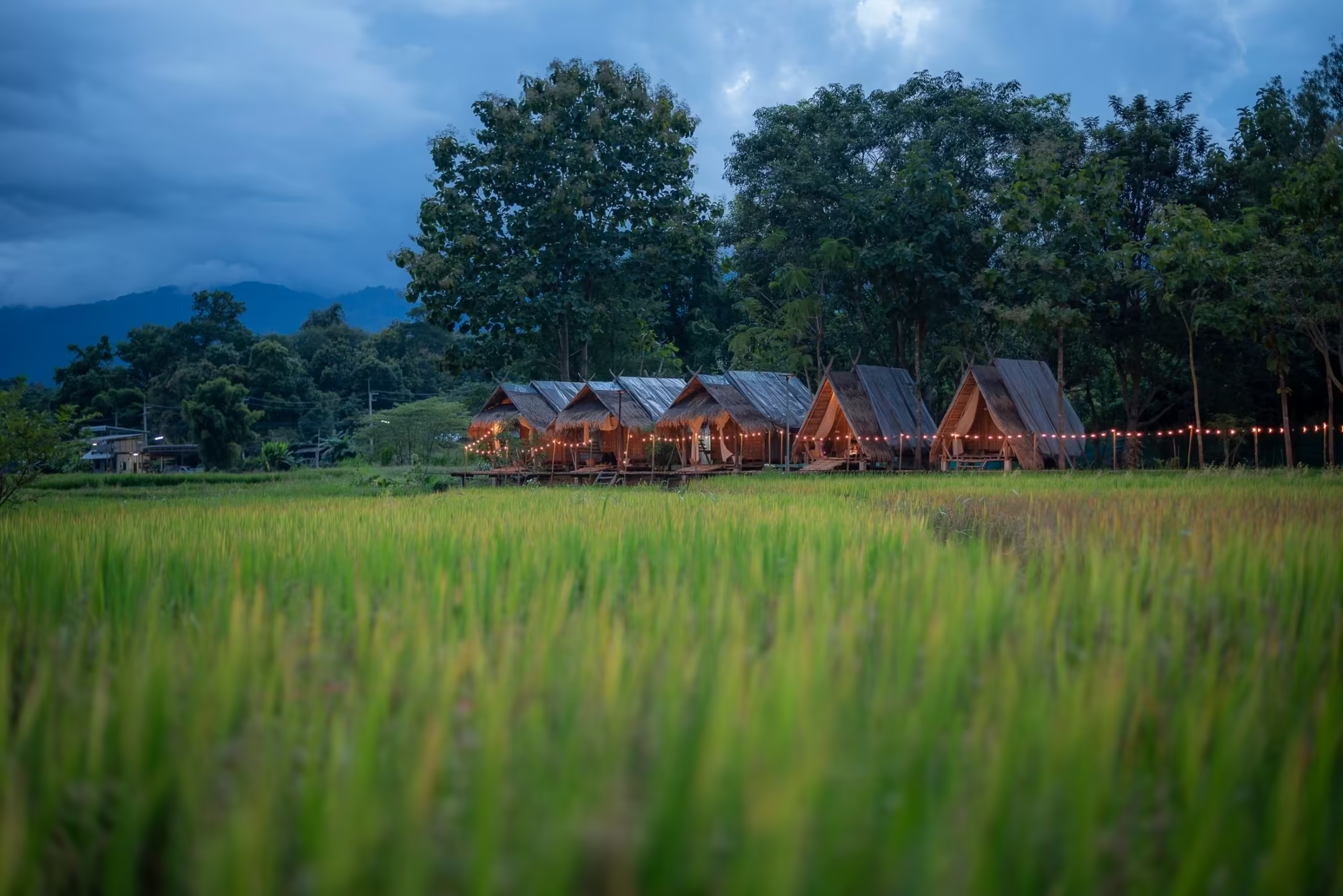
The rice-field cafes are a newer Pai habit and a lovely one. Out toward the edges of town you will find open-sided coffee shops looking over green or golden paddy, depending on the season. They do strong local coffee, smoothie bowls, and light Thai-Western plates from roughly 80 to 200 baht. These are slow-morning places. Bring a book, order a second coffee, and let the heat of the day pass. The light is best mid-morning and again in the last hour before sunset.
Related Pai guides worth pairing with your food crawl
Eating well in Pai works best when it is woven into your days, not crammed into mealtimes. If you are riding the southern loop, you will pass rice-field cafes on the way out and the night market on the way back, so plan the food around the route. Our overview of things to do in Pai maps the main stops, and a sunset at Pai Canyon pairs perfectly with a late market dinner afterwards.
If you have not reached the valley yet, our guide on how to get to Pai covers the minivan from Chiang Mai and the famous 762 curves. Worth knowing before you arrive hungry: the last leg is windy, so a light first meal at the market beats a heavy sit-down dinner on night one.
Khao soi, northern Thai and where the locals eat
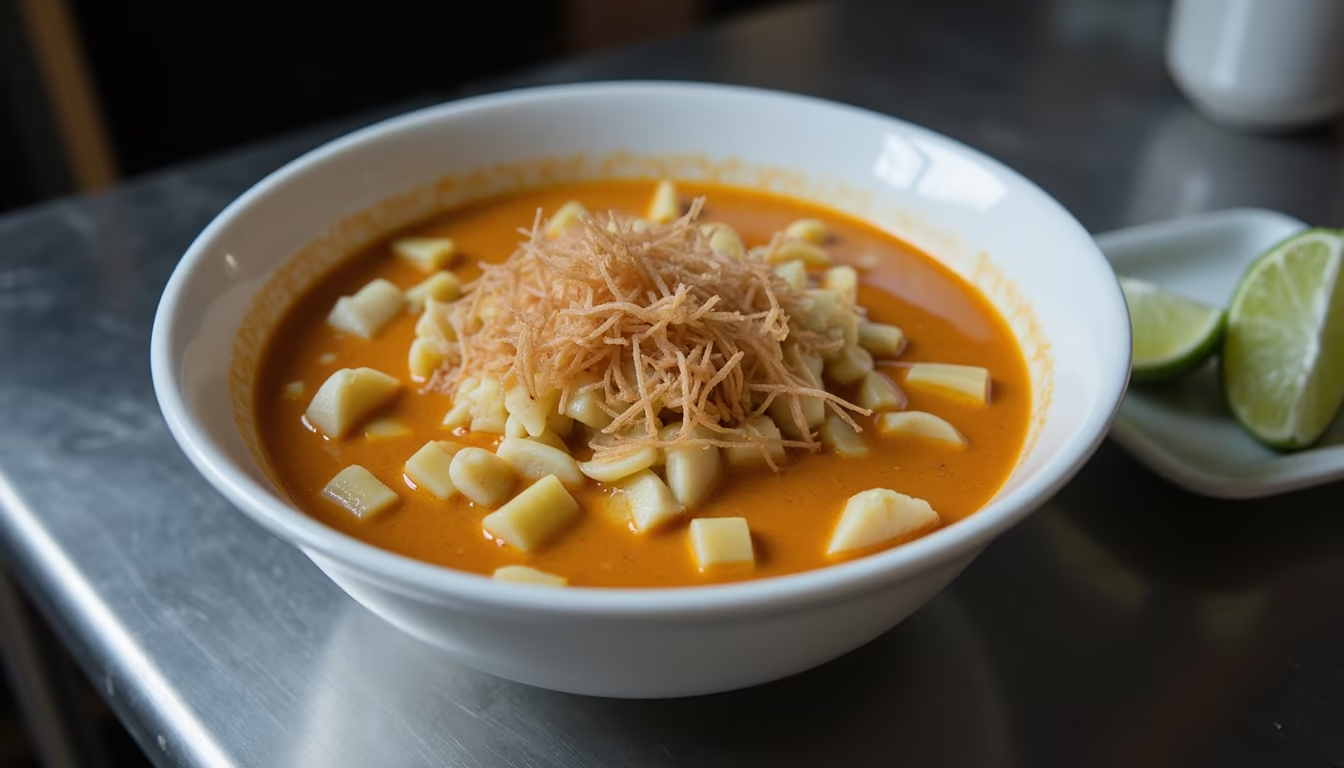
This is the section that matters most, because the best food in Pai is the local food, and it is rarely on the riverside. Khao soi, the creamy northern curry noodle soup topped with crisp egg noodles, is the dish to hunt down. A good bowl runs around 50 to 70 baht at a no-frills shop and will ruin you for the airport version forever. Pair it with the wider northern Thai table: nam prik ong (a tomato-and-pork chilli dip), gaeng hung lay (a rich Burmese-influenced pork curry), sai ua sausage, and sticky rice in a basket.
To find where locals eat, follow three rules. Eat breakfast and lunch at the morning market, where fresh produce, curries-by-the-bag and grilled meats are cheapest and freshest. Look for shops that are busy at odd hours, not just at 7pm. And do not be afraid of a plastic-stool, no-English noodle stand, where a full bowl with everything often costs under 60 baht. From cases we see often, guests who eat one meal a day at a local shop spend far less and remember the food far more.
Western brunch, veg and vegan options for every kind of appetite
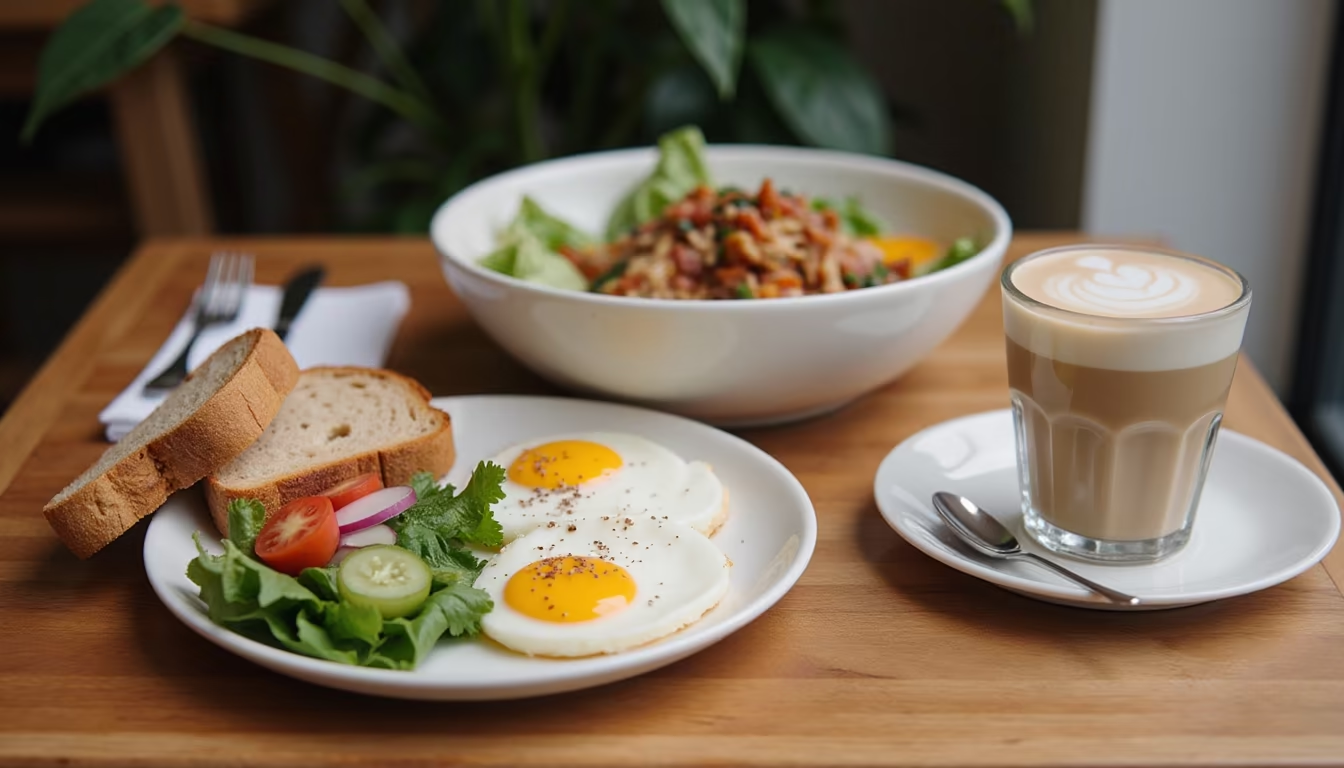
Pai has been a traveller town for decades, so the Western and plant-based scene is genuinely good, not an afterthought. Brunch is a real event here: big breakfasts, proper coffee, sourdough, smoothie bowls and eggs done well, mostly from around 120 to 250 baht. The rice-field cafes and a cluster of town-centre spots do this best, and they tend to open early for the post-sunrise crowd.
Vegetarians and vegans eat extremely well in Pai. Northern Thai food leans on vegetables and chilli dips to begin with, and the town has dedicated veg and vegan kitchens doing curries, buddha bowls and raw desserts. The phrase to learn is "jay" (strict vegan) or "mang sa wirat" (vegetarian), and most stalls will happily adapt. Veg mains sit in a similar range to the meat versions, roughly 60 to 180 baht depending on the zone. For a useful long-tail, plenty of guests search "where to eat in pai thailand" before arriving, and the honest answer is that diet is almost never a barrier here.
Where to eat in Pai by area, compared
Here is the comparison we sketch for guests so they can match the zone to their mood, budget and time of day. None of these is "better"; they simply do different jobs.
| Zone | Best for | Rough cost per plate | Time of day |
|---|---|---|---|
| Walking-street night market | Grazing, snacks, cheap variety | About 40 to 80 baht | Evening |
| Riverside kitchens | Views, long lunches, sunset drinks | About 100 to 180 baht | Midday to sunset |
| Rice-field cafes | Brunch, coffee, slow mornings | About 80 to 200 baht | Morning |
| Local stalls and morning market | Khao soi, best value, real flavour | About 50 to 70 baht | Morning to early evening |
A simple day that uses all four: khao soi from a local shop for breakfast, a rice-field cafe for coffee, a riverside lunch for the view, and the night market for a grazing dinner. That spreads roughly 200 to 400 baht across the day and shows you every side of how Pai eats.
Where to stay so the best food is on your doorstep
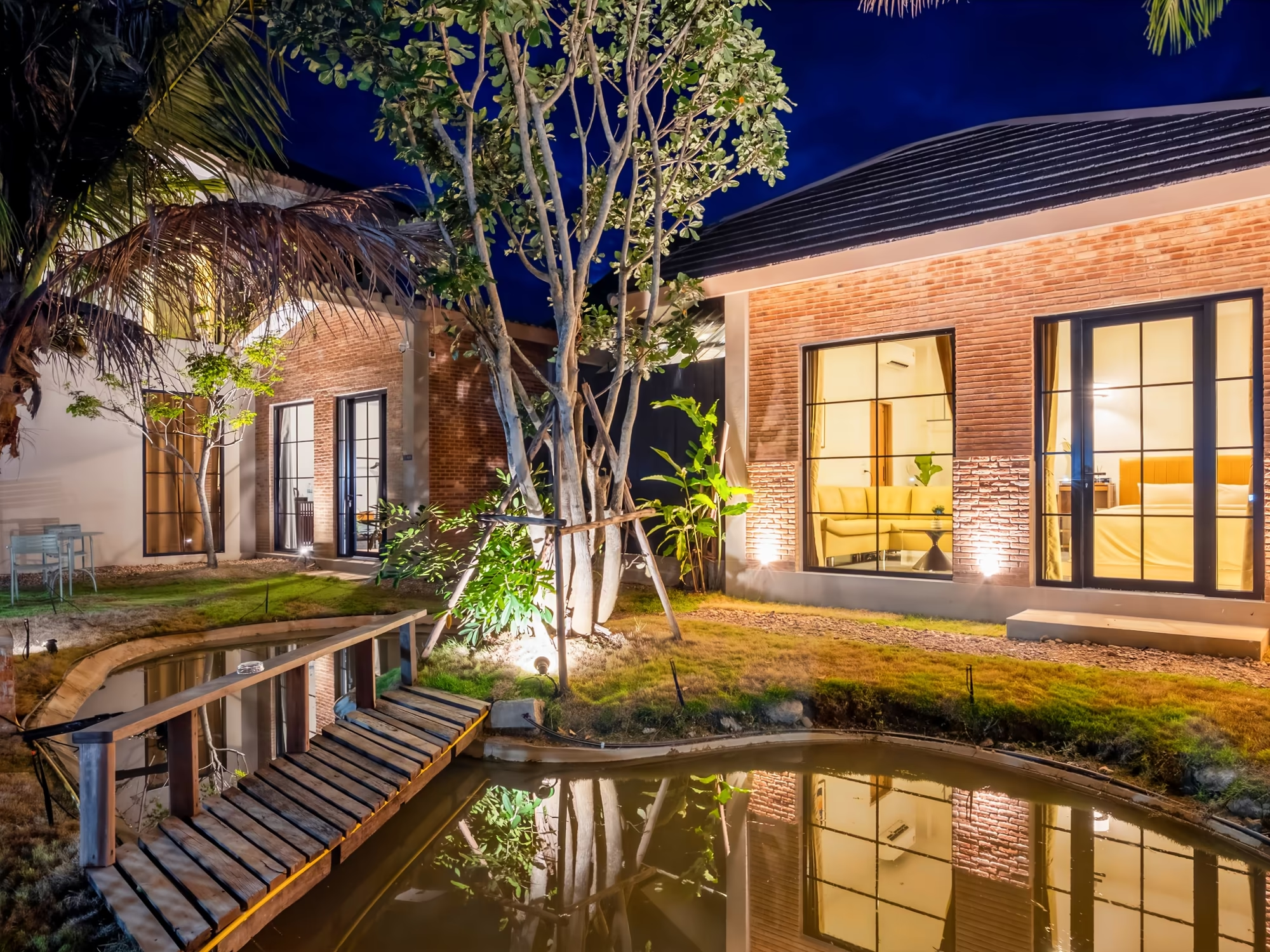
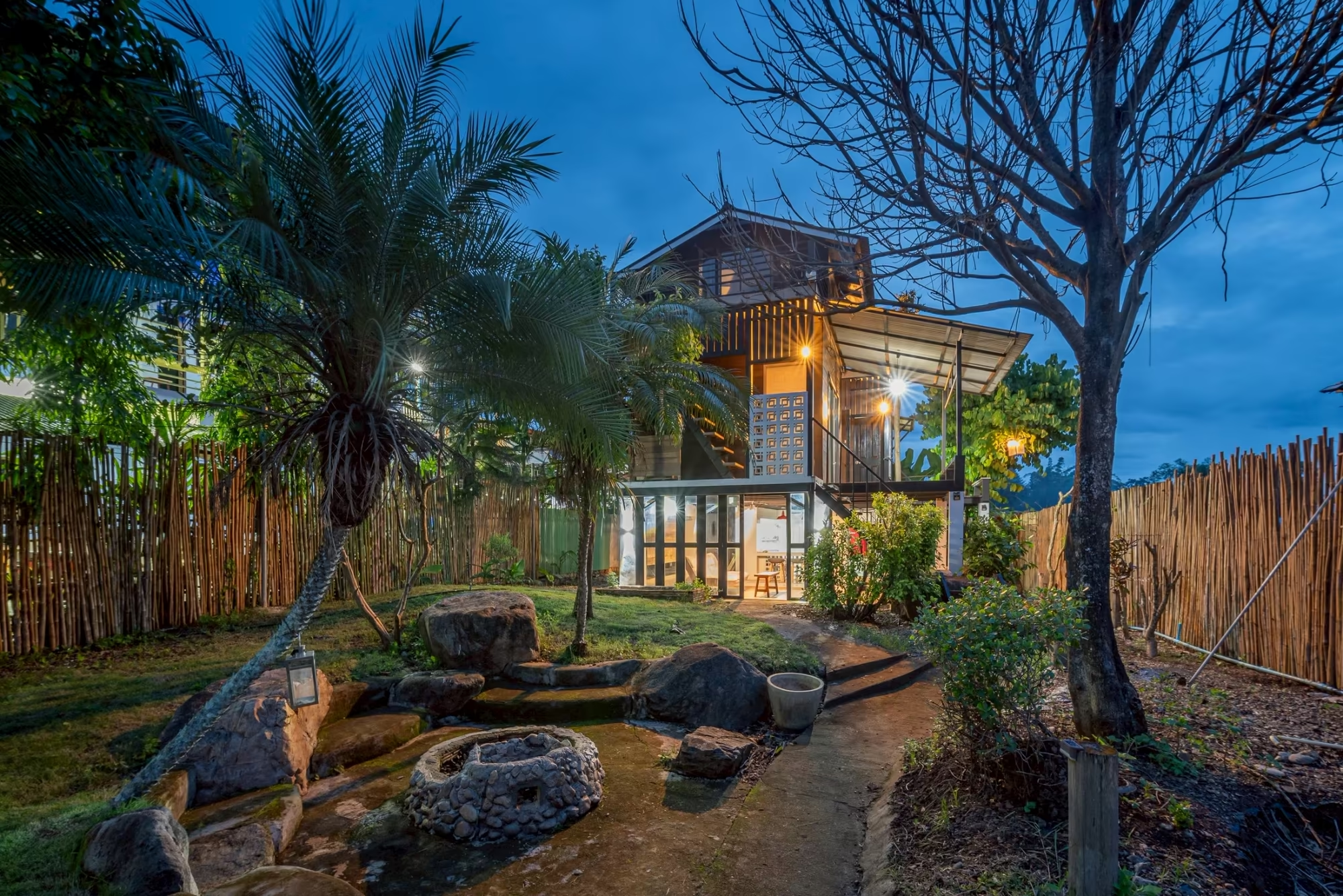
Where you sleep quietly decides how you eat. Base yourself near the walking street and the night market is a two-minute stroll, but you trade quiet for the evening buzz. Base yourself in the rice fields and you wake up to cafe country and a calmer morning, but you ride in for the market. We run six small, owner-managed stays around the valley, and we match guests to the side of town that fits how they like to eat and rest.
For night-market lovers we point you central; for slow-morning, coffee-and-paddy people we steer you to a rice-field setting. If you want the full picture of areas, prices and the trade-offs, read our honest rundown of where to stay in Pai before you lock anything in. Booking direct with us skips the booking-site markup, and because we live here we can tell you which stall is closed that week and which new cafe is worth the ride.
Pai will feed you well whatever you do, but a little planning turns a string of random meals into a proper food trip. Pick your zones, chase one local bowl a day, and let us handle the bed so the eating is the part you remember.