By BestHotelPai Team · Updated August 10, 2026
In short When you decide what to pack for Pai, plan for two climates in one trip: warm sunny days and genuinely cold mountain nights from November to February. Bring layers, a light jacket, closed shoes for trails, a power bank, motorbike-friendly clothes, and any medication you need. Most other things you can buy cheaply at the night market.
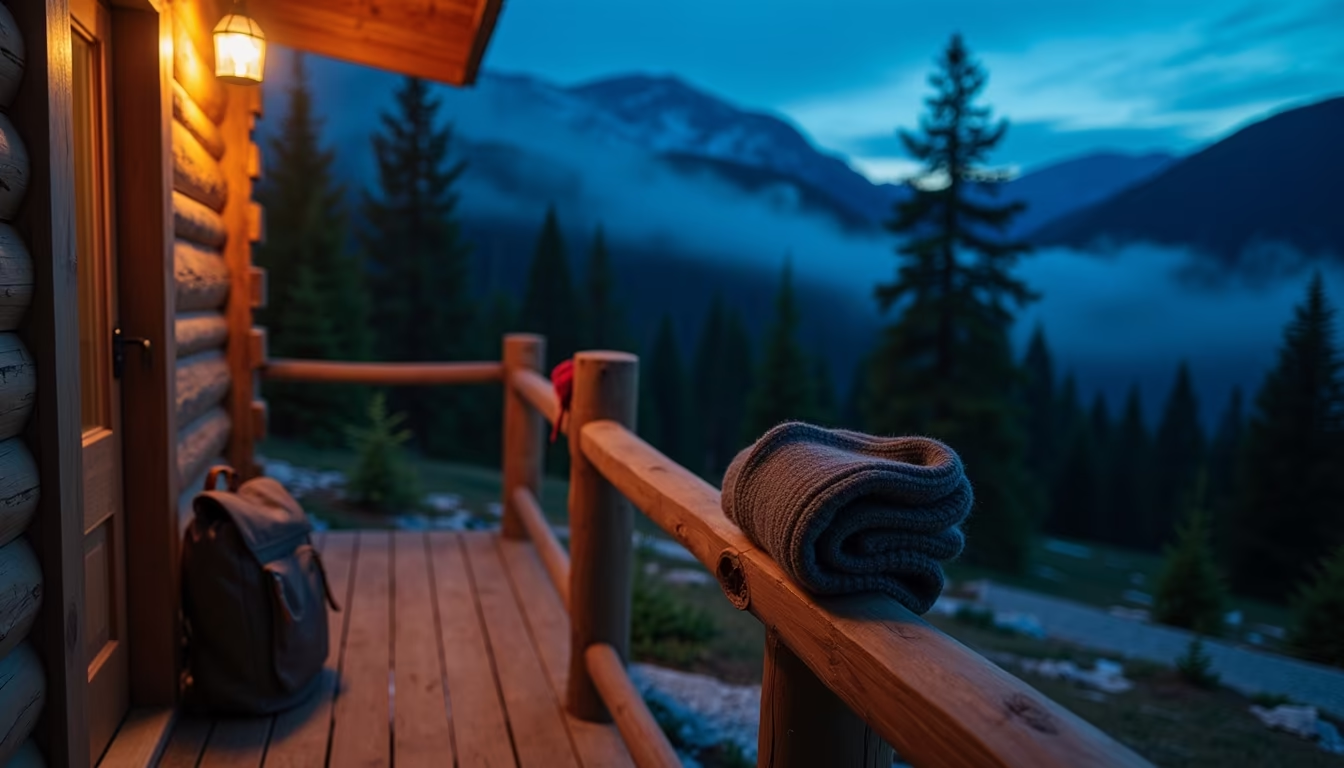
12 degrees. That is how cold a December night in Pai can get, and it catches travellers off guard almost every week. You land in northern Thailand with a backpack stuffed with tank tops and flip-flops, then spend your first night shivering under a thin blanket. We see it happen all the time. Pai sits high in a mountain valley in Mae Hong Son, so the trip your packing list was built for, sunny southern beaches, is not quite the trip you are about to take.
We run six small stays here and chat with arriving guests every day, so we know exactly what people forget and what they overpack. This is the honest, season-aware list we give friends before they come, not a generic checklist copied off a dozen other sites.
Why packing for Pai trips up so many travellers
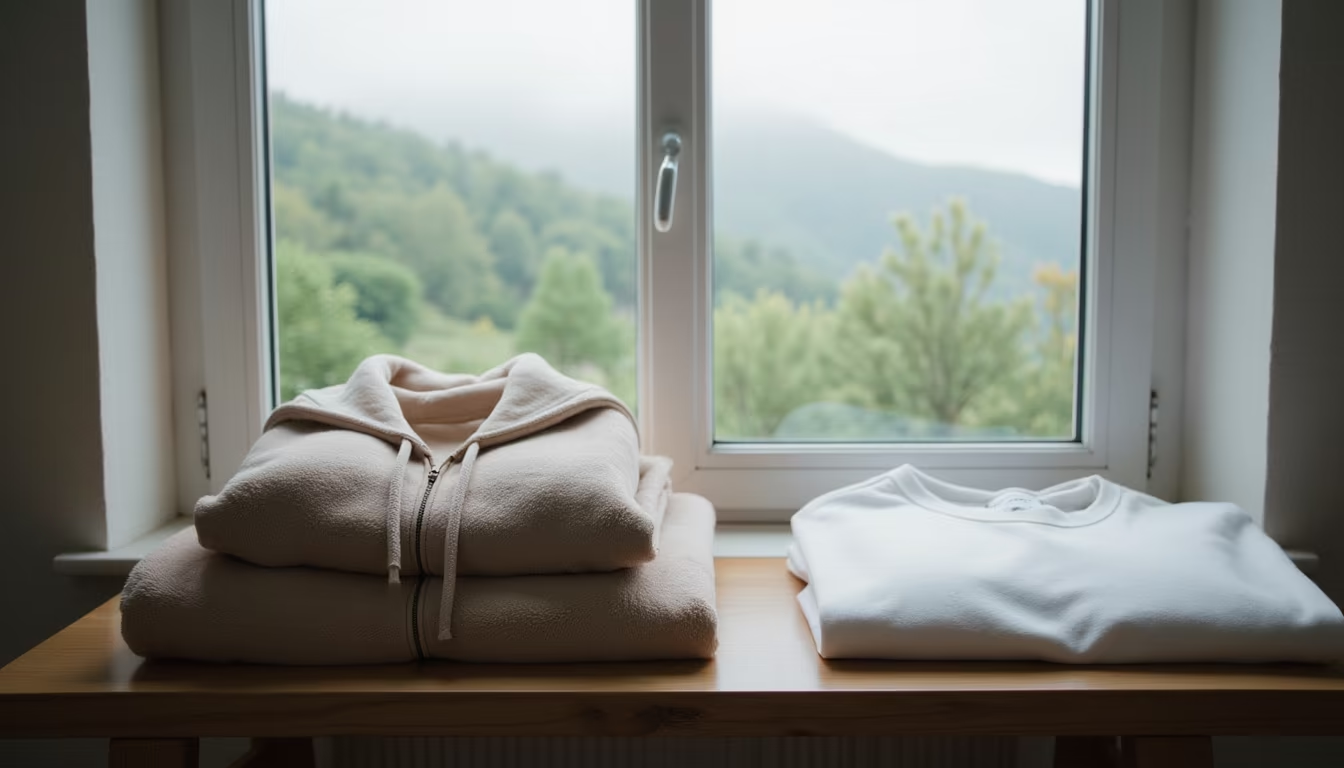
Most first-time visitors prepare for the Thailand they have seen on postcards: islands, heat, and humidity. Pai is a different animal. It is a small town wrapped in rice fields and forested hills, and the elevation means the air cools fast once the sun goes down. We have watched guests arrive in nothing but beachwear and quietly regret it by the second evening.
From November through February the days can be lovely and mild while the nights and foggy dawns turn cold, sometimes single digits in the hills. March to May is hot and can be hazy from regional farm burning. June to October is the green, rainy season with warm afternoon showers. Your packing list should follow the calendar, not the stereotype.
For a deeper look at each month, our guide to things to do in Pai pairs activities with the seasons so you can match your gear to your plans. If you want the official regional picture of Mae Hong Son before you pack, the Tourism Authority of Thailand describes the province as a cool, mountainous area, which is exactly why warm layers matter here.
The Pai packing list: what to actually bring
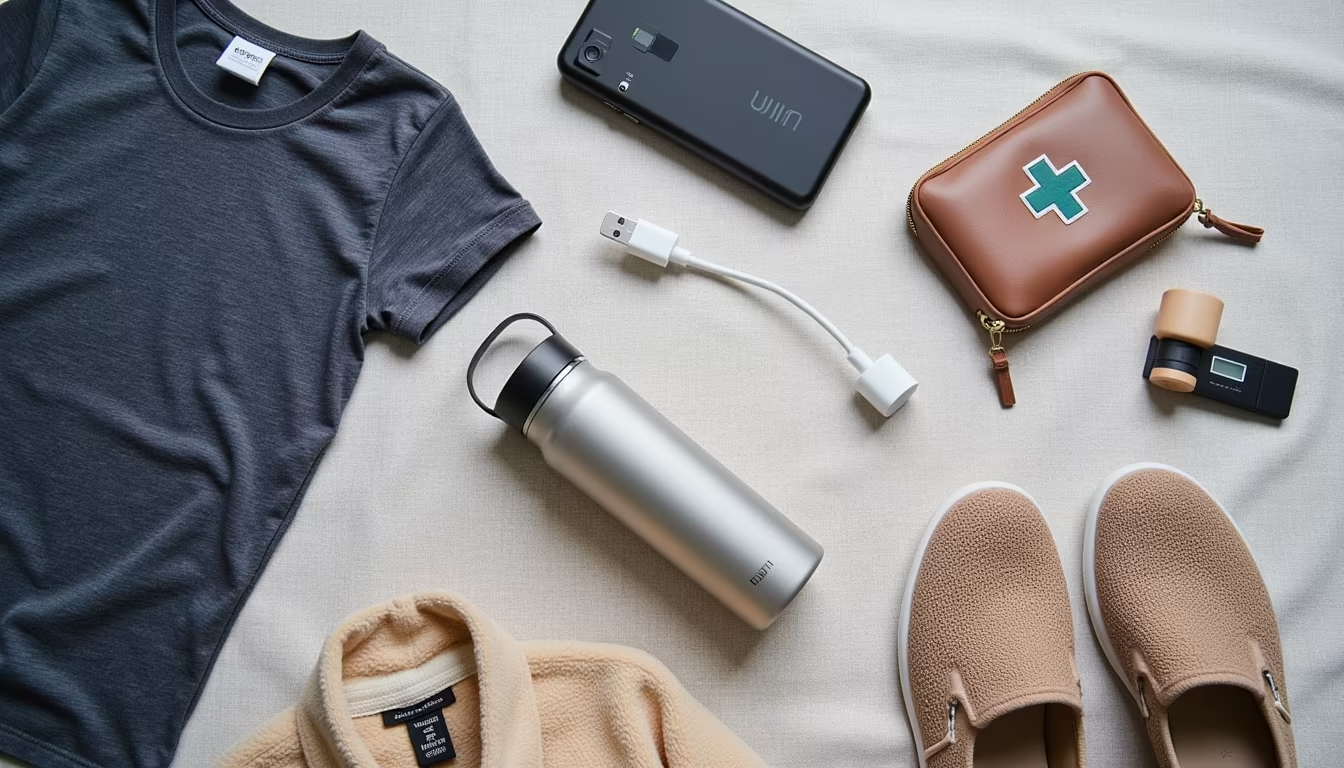
Here is the core kit. Think layers, comfort, and a few things that are genuinely hard or pricey to find once you arrive.
- Layers, not just shorts: t-shirts plus a long-sleeve top, one warm fleece or hoodie, and a light packable jacket for cold mornings.
- Closed walking shoes: trails to waterfalls, the canyon, and viewpoints get slippery; sandals alone will not cut it.
- Long trousers or leggings: useful for cool nights, temple visits, and protecting your legs on a motorbike.
- A power bank and universal adapter: you will be out chasing sunsets and viewpoints all day.
- Sunscreen and a refillable water bottle: the mountain sun is stronger than it feels.
- A small first-aid kit and personal medication: pharmacies are basic, so bring what you specifically rely on.
- A light rain shell (June to October): showers arrive fast and pass quickly.
- A warm hat and socks (November to February): small items that save a cold night.
One question worth asking yourself: are you the kind of traveller who buys forgotten items on the road, or who hates shopping mid-trip? If it is the latter, lean toward bringing the warm layers, because Pai's selection of heavy jackets is limited.
What you can leave at home (and buy in Pai instead)
People consistently overpack toiletries, snacks, and beach gear they never touch. Pai has a famous walking street night market every evening with cheap clothes, scarves, ponchos, and basics. In practice, the items below are easy to skip.
| Skip packing | Why / buy it here |
|---|---|
| Heavy beach gear | Pai is landlocked; you want trails and rivers, not sand |
| Bulky towels | Every stay we run provides towels |
| Large toiletry bottles | Cheap to buy at 7-Eleven and local shops |
| Cheap rain poncho | Sold for pocket change at the night market |
| Formal clothes | Pai is barefoot-casual; nobody dresses up |
From what we see with guests, travelling lighter into Pai makes the winding van ride and the motorbike days far more comfortable. The road up from Chiang Mai has hundreds of bends, and a heavy bag wedged on your lap is nobody's idea of fun. A smaller bag is a real upgrade here, and it leaves room for anything you fall in love with at the market.
Packing for motorbikes, trails, and night markets
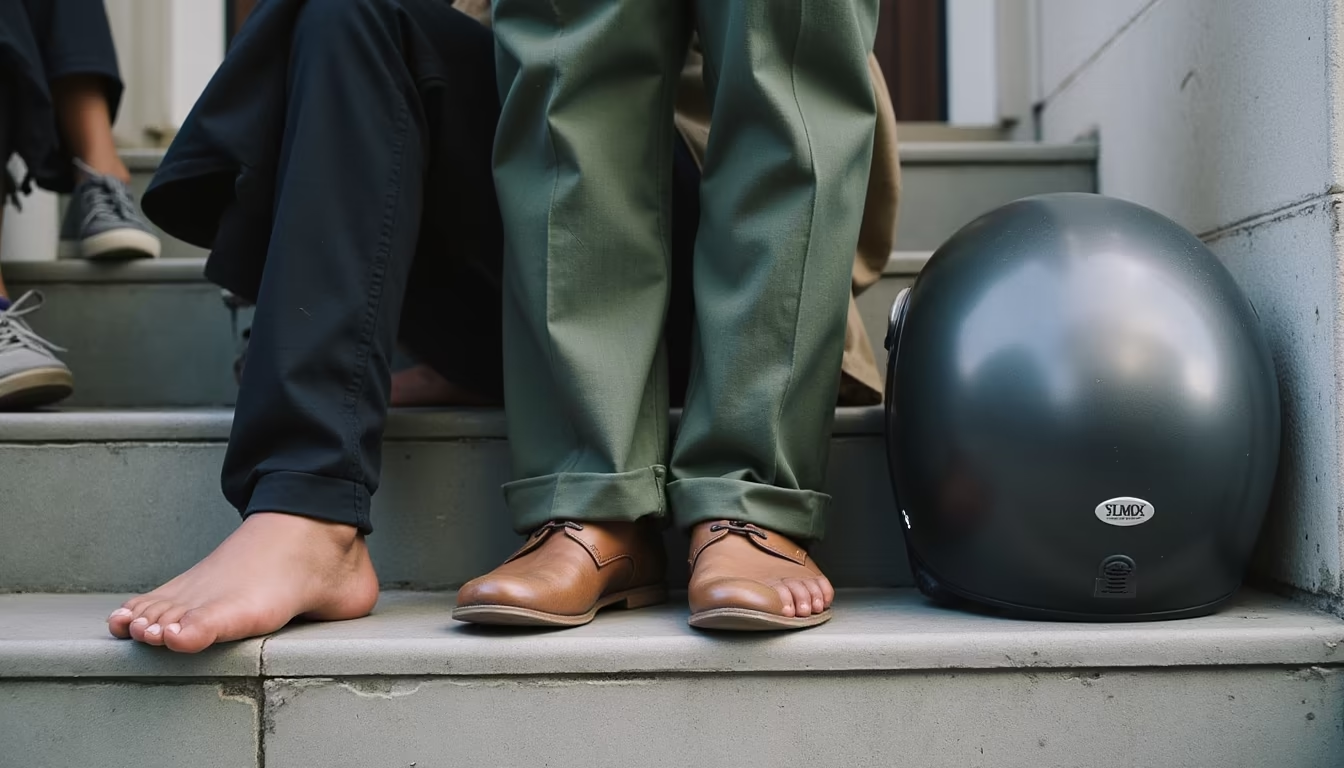
Most people explore Pai by scooter, so pack with two wheels in mind. Closed shoes, long trousers, and a thin jacket protect you from sunburn, wind, and the occasional spill. Always wear the helmet your rental provides.
For trails to the canyon and waterfalls, grippy shoes and a small daypack with water beat fashion every time. National parks and protected areas around the region ask visitors to carry out their rubbish and tread lightly, advice echoed by Thailand's Department of National Parks, so pack a small bag for trash and reusable items where you can.
Evenings revolve around the walking street, so bring one comfortable warm layer for after dark. Bring a little cash too, as many small food stalls are cash only.
How BestHotelPai stays make packing easier
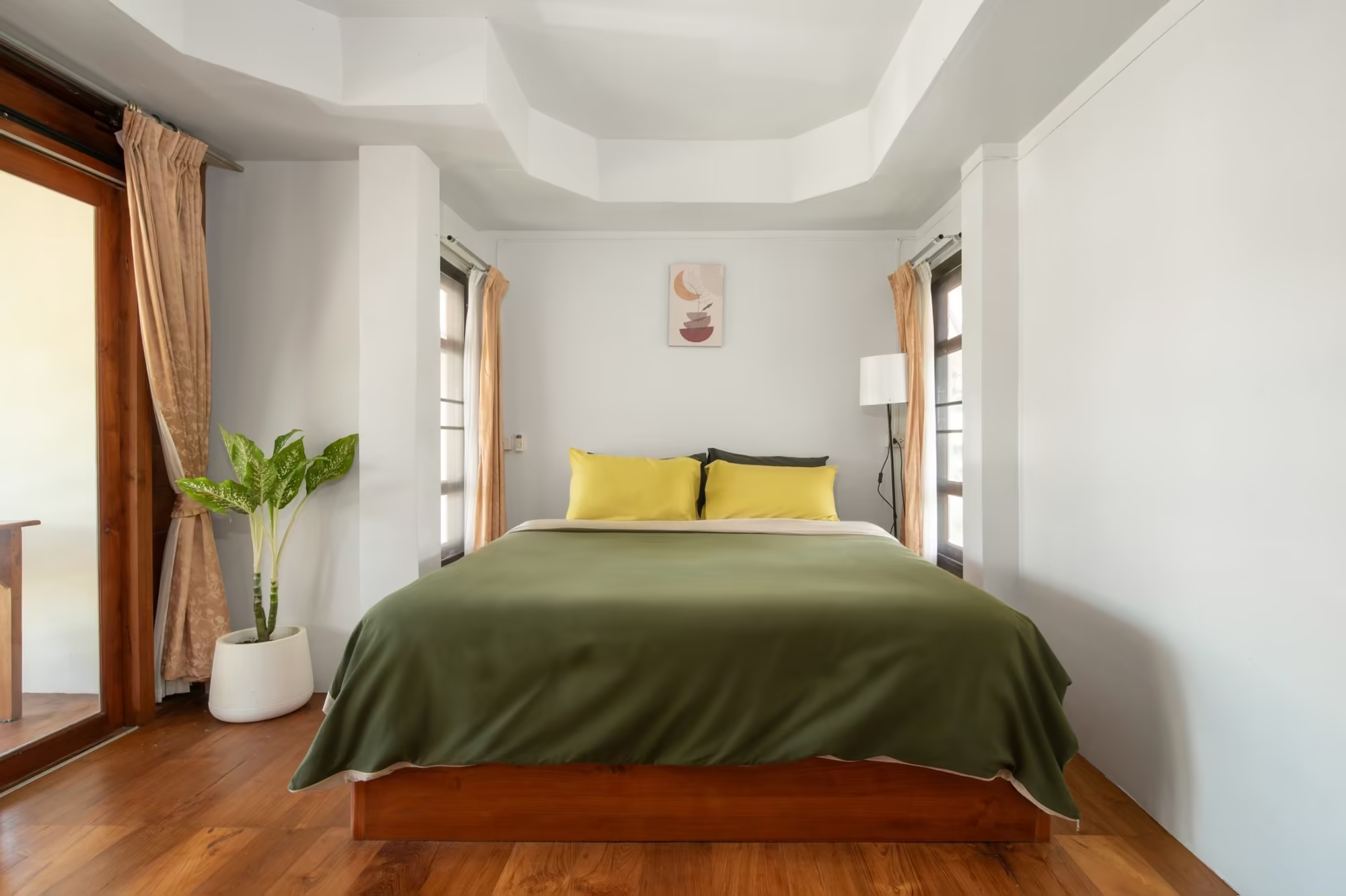
Here is the honest part. The right stay quietly cancels out a lot of your packing worries. Warm bedding for cold nights, towels, hot showers, and a kettle mean you can bring less and still be comfortable. That is the difference between a barebones room and a place run by people who live through Pai's cold snaps every year.
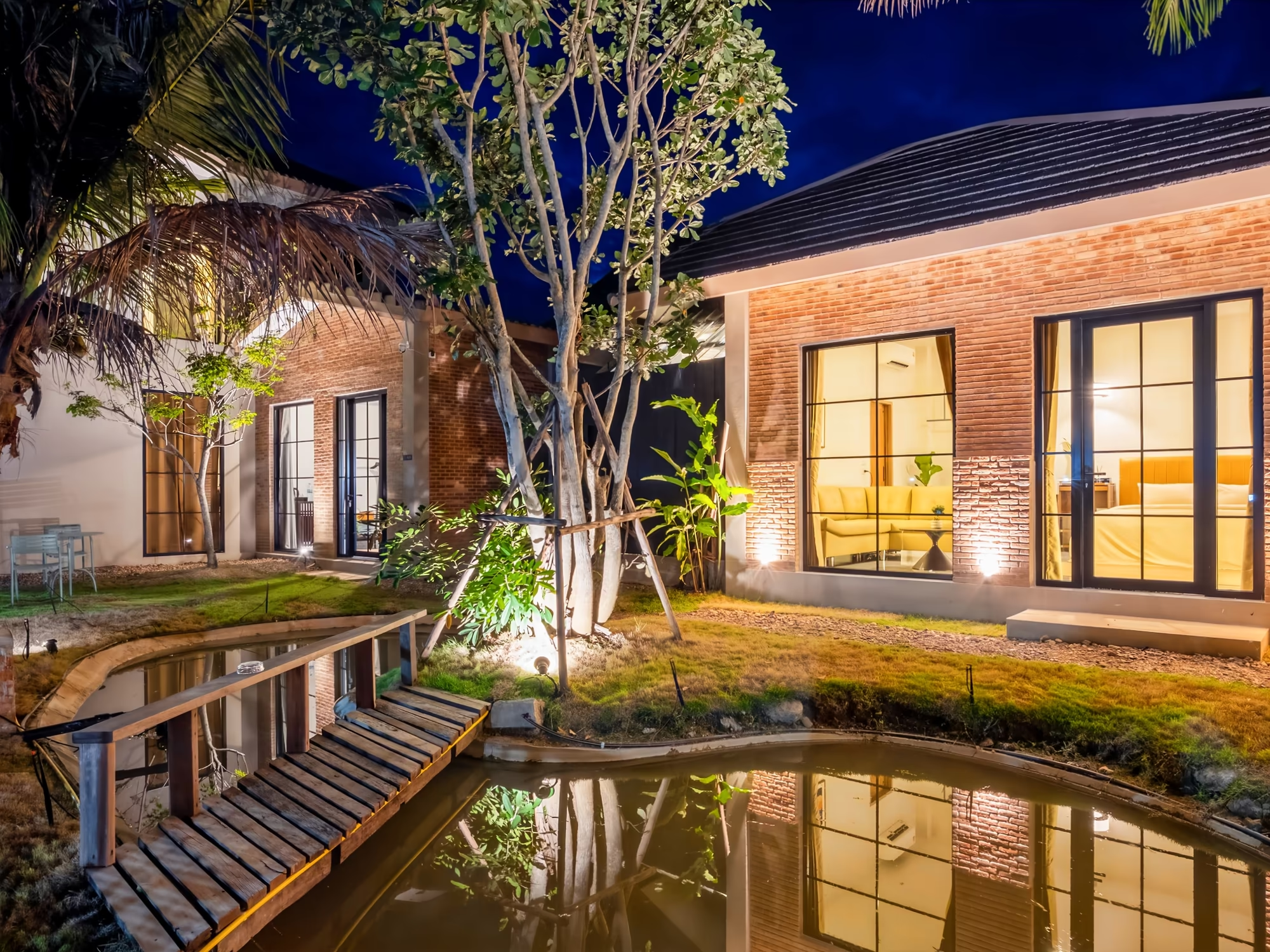
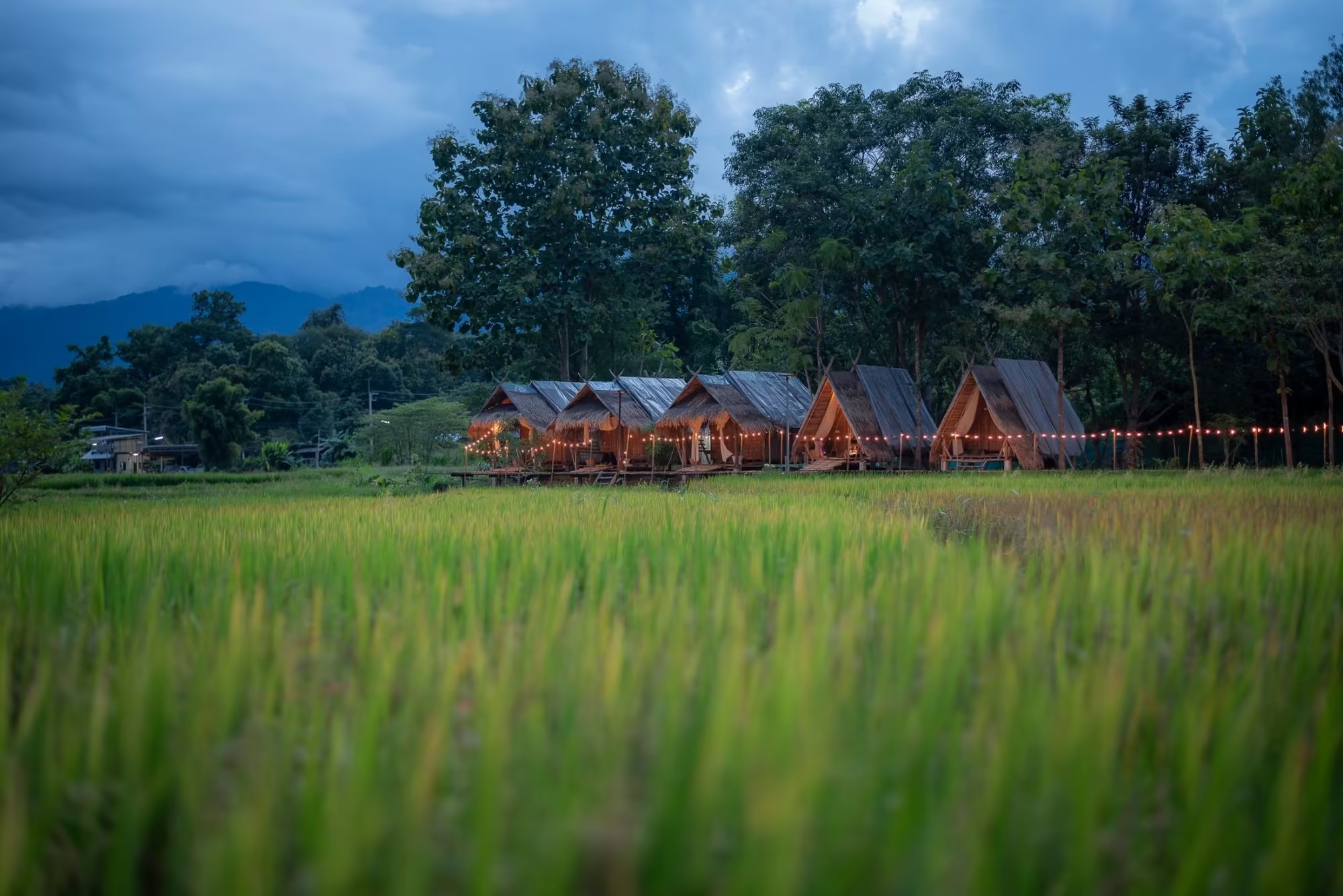
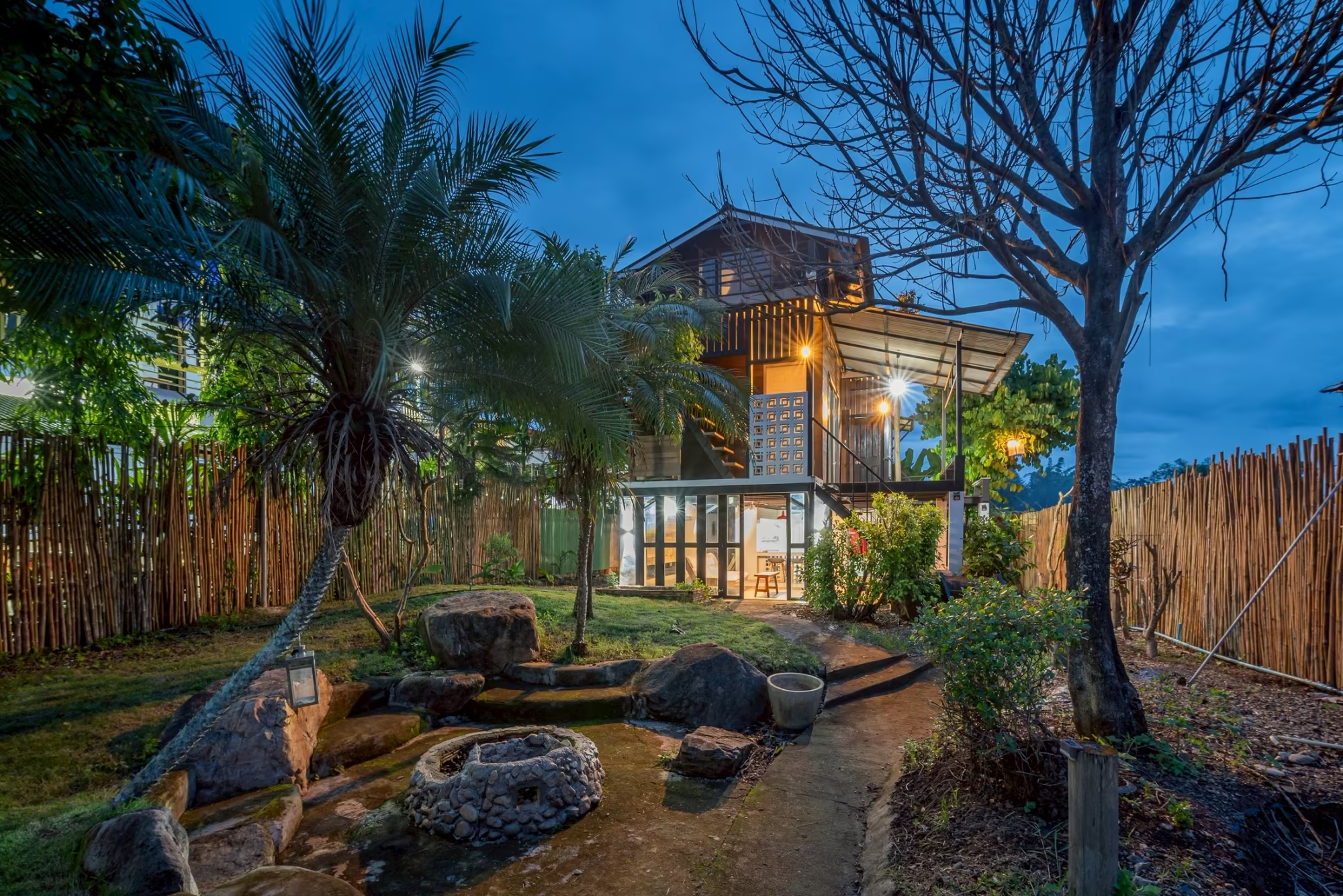
We hand-pick six small stays across town, from rice-field bungalows to mountain-view rooms, so you can match where you sleep to how you travel. Browse them on our where to stay in Pai guide and tell us your dates; we will point you to the one that fits your packing style and budget.
Who should pack light, and who should bring more
Not every traveller needs the same bag. If you are coming for a relaxed few days of cafes, slow mornings, and the night market, you can travel very light and buy anything you forgot. If you are chasing waterfalls, long motorbike loops, and cold-season camping, lean toward sturdy shoes, real layers, and your own gear.
One honest exception: anyone visiting from November to February who feels the cold easily should never skimp on warm clothing. We say this every season, yet guests still arrive surprised by the chill. Pack the extra fleece; you will use it.
Pack for two climates, travel light, and bring the few things that are hard to find here. Do that and Pai will feel easy from the first foggy morning. When you are ready, send us your travel dates and we will sort the rest.