By BestHotelPai Team · Updated August 3, 2026
In short The road to Pai is Route 1095 from Chiang Mai: about 130 km, roughly 3 to 4 hours, with 762 numbered curves through mountain forest. It is paved and safe at a steady pace, but motion sickness is real. Take a morning minivan or shared car, sit in front, eat lightly, and bring ginger or a travel-sickness tablet.
You see the number on a faded sign before the first big bend: 762 curves. Then your driver shifts down a gear, the van leans, and the jungle starts to swing past your window. The road to Pai is famous, and a little feared, for good reason. Three hours of switchbacks climb from Chiang Mai into the mountains of Mae Hong Son, and almost everyone arrives a bit dazed.
We live at the end of that road. We meet guests who walk in pale and quiet, then perk up after a cold drink and a shower. So let us tell you, honestly, what those 762 curves are really like, and how to survive them without dread.
What the road to Pai actually is
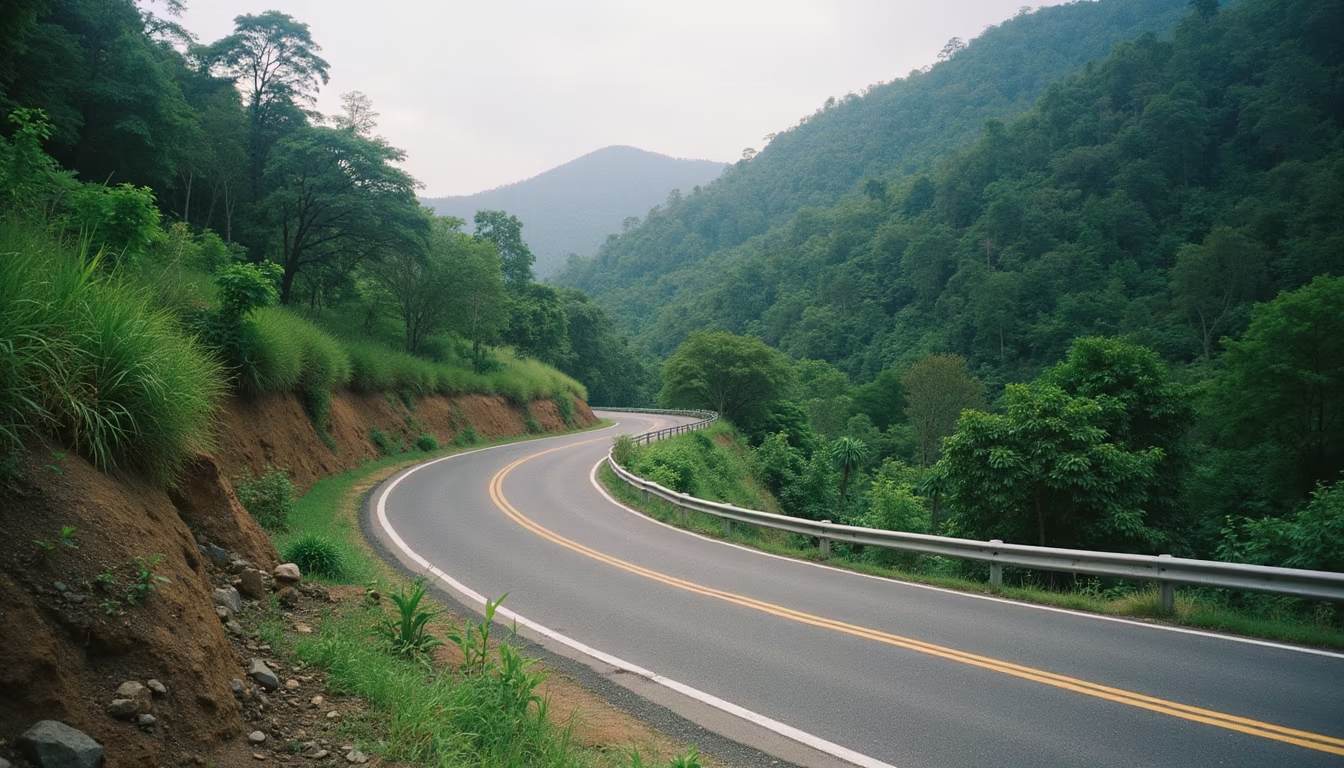
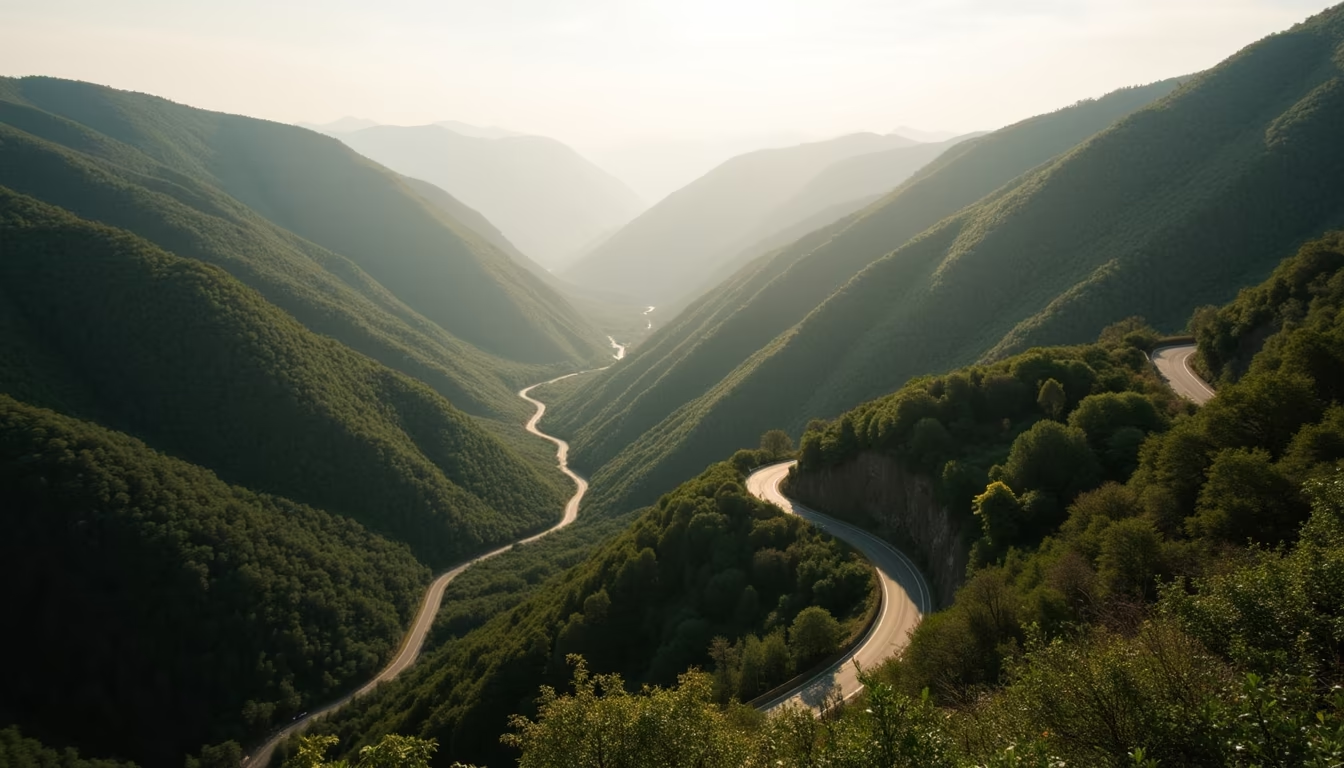
The road to Pai is Highway 1095, a single main route that links Chiang Mai with the small town of Pai in Mae Hong Son province, northern Thailand. It is the only sealed road most travellers use, so almost every visitor takes the same winding ribbon up and over the hills.
The 762 curves are not a marketing gimmick. Locals counted them years ago and the figure stuck, painted on signs and printed on the t-shirts you will see in town. The climb tops out around 1,000 metres, then drops into the green Pai valley where the rice fields begin.
Pai sits inside one of Thailand's most mountainous regions. The Tourism Authority of Thailand describes Mae Hong Son as a province of forested ridges and remote valleys, which is exactly why the road bends so much: there is no straight line through terrain like this. You can read the official regional overview on tourismthailand.org, which confirms the geography travellers feel in their stomachs.
The 762 curves: how the drive really feels
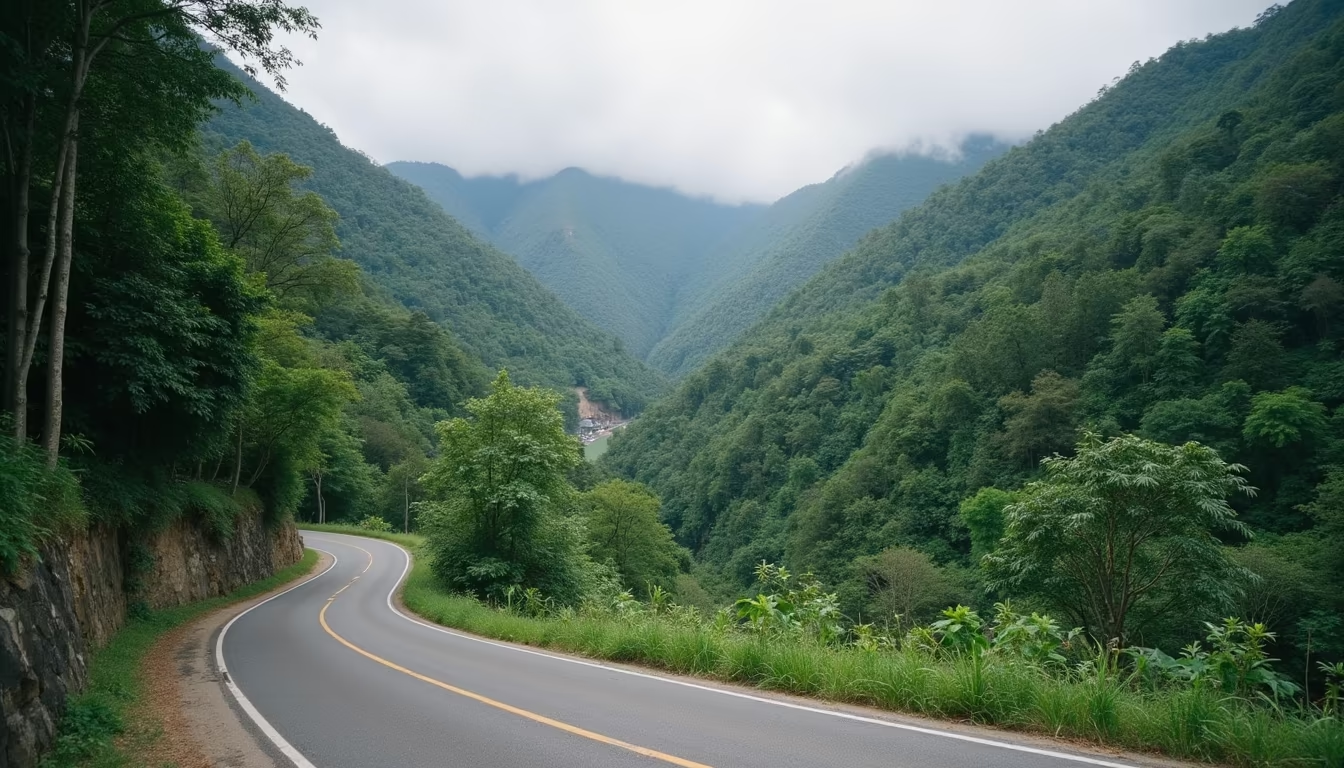
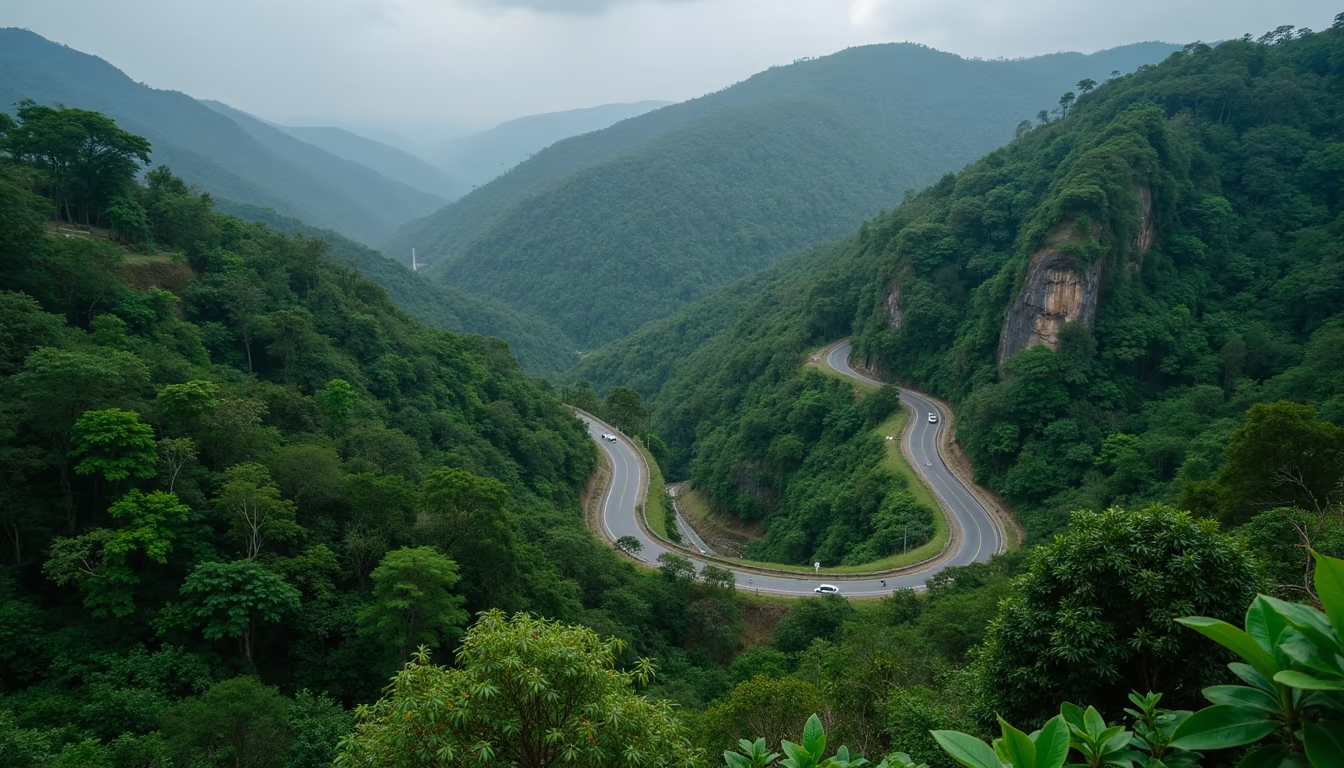
The first hour, leaving Chiang Mai, is gentle. Then the climbing begins and the curves come fast, one after another, with few long straights to recover on. From what we see with guests, the middle stretch is where queasy travellers struggle most.
Is it dangerous? Not at a sensible pace. The road is fully paved, with barriers on the worst drops. The real risk is speed: vans that race the timetable and riders who overcook a blind bend in the wet. In practice, the calm drivers get you there just as fast, because nobody overtakes for long on a road like this.
Will you feel sick? Many people do, at least a little. The constant side-to-side motion is the trigger, not the height. The good news is that it passes the moment the road straightens into the valley, and most guests forget it within the hour.
How to get up the road to Pai: your options compared
There are four common ways to make the trip. Each suits a different traveller, so pick by how much control and comfort you want.
| Option | Time | Rough cost | Best for |
|---|---|---|---|
| Shared minivan | 3 to 3.5 hrs | 150 to 200 THB | Solo travellers, budget trips |
| Private car / transfer | 3 to 4 hrs | 1,800 to 2,800 THB | Families, queasy riders, comfort |
| Motorbike (self-ride) | 4 to 5 hrs | 200 to 300 THB/day | Confident riders, the adventure |
| Small plane (Pai airport) | 25 min flight | varies, seasonal | Skipping the road entirely |
Most first-timers take the minivan, and it is a fine choice if you sit toward the front. For a deeper breakdown of schedules and pickup points, see our guide on how to get to Pai. If you ride a motorbike, fuel up in Chiang Mai and check the weather, because mountain rain turns the bends slick.
How to survive the curves without feeling sick
You do not have to white-knuckle the whole way. A few simple habits make the road to Pai easy, even for people who normally get carsick.
- Go in the morning. Roads are quieter, the air is cooler, and you arrive with the afternoon free.
- Sit in the front. Forward seats sway less than the back row. Ask the driver kindly when you board.
- Eat light, not nothing. A small breakfast settles the stomach better than an empty one.
- Bring ginger or a tablet. Ginger candy, or a travel-sickness pill taken 30 minutes before, works for most people.
- Look at the horizon. Watching the road ahead beats staring at your phone, which makes nausea worse.
There is one rest stop roughly halfway, at Mae Malai or the Coffee in Love area, where vans pause for ten minutes. Use it: stand up, breathe, sip water. We also tell guests to keep a plastic bag handy, just in case, and to message us their arrival window so we can have a cold towel and water waiting.
FAQ: quick answers about the road to Pai
A few things guests ask us most before they set off. From experience, these are the worries that keep people up the night before the drive.
- Is the road open all year? Yes, it stays open through both the dry and rainy seasons. In heavy rain a few sections can get slick or see small landslides, so check conditions in the wet months.
- Are there toilets and food on the way? Yes, the halfway rest area has clean toilets, coffee, and snacks. Most vans stop there for about ten minutes.
- Can I bring a big suitcase? On a minivan, soft bags fit best. Large hard cases are fine in a private car but tight in a packed shared van.
After the road: where to stay in Pai
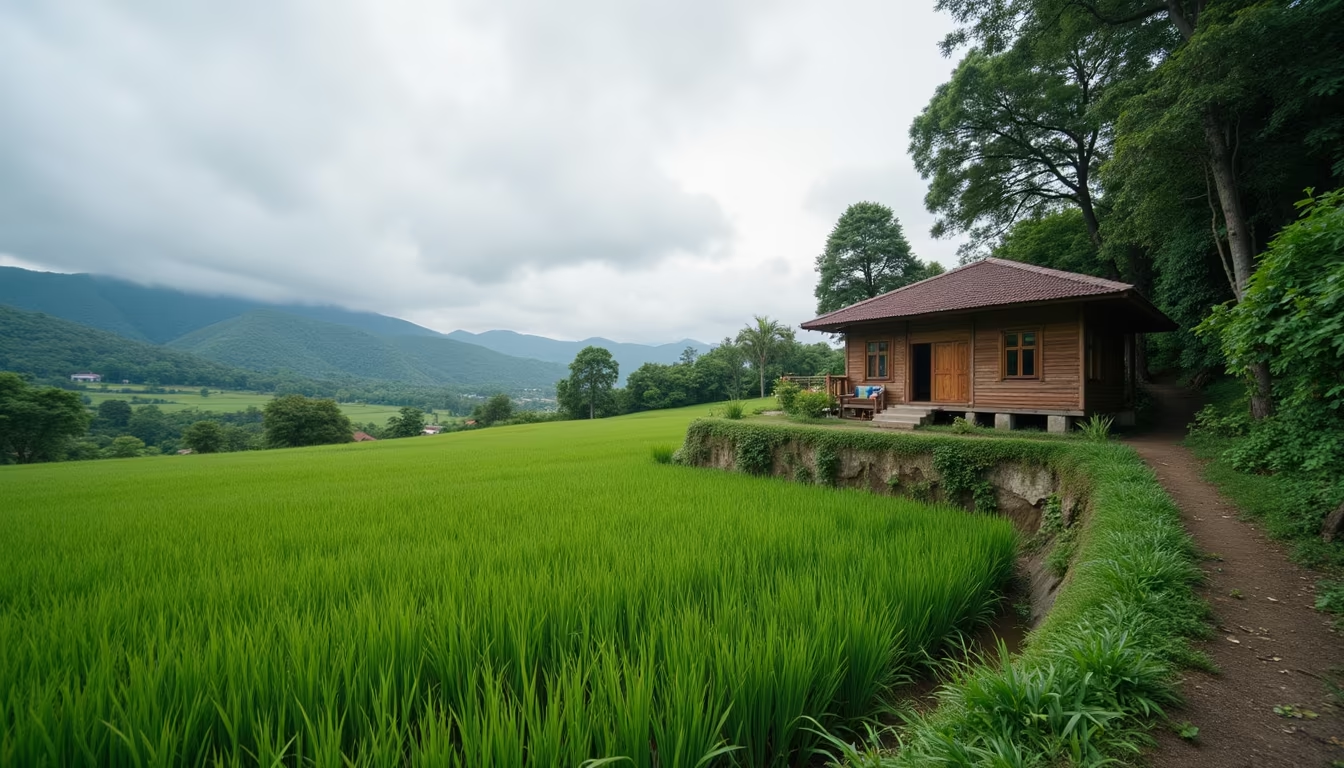
The reward for the curves is the valley itself: rice fields, slow mornings, mist on the hills. Where you stay shapes how that first evening feels after a long drive. Do you want to be in walking-street town, or out in the quiet paddies?
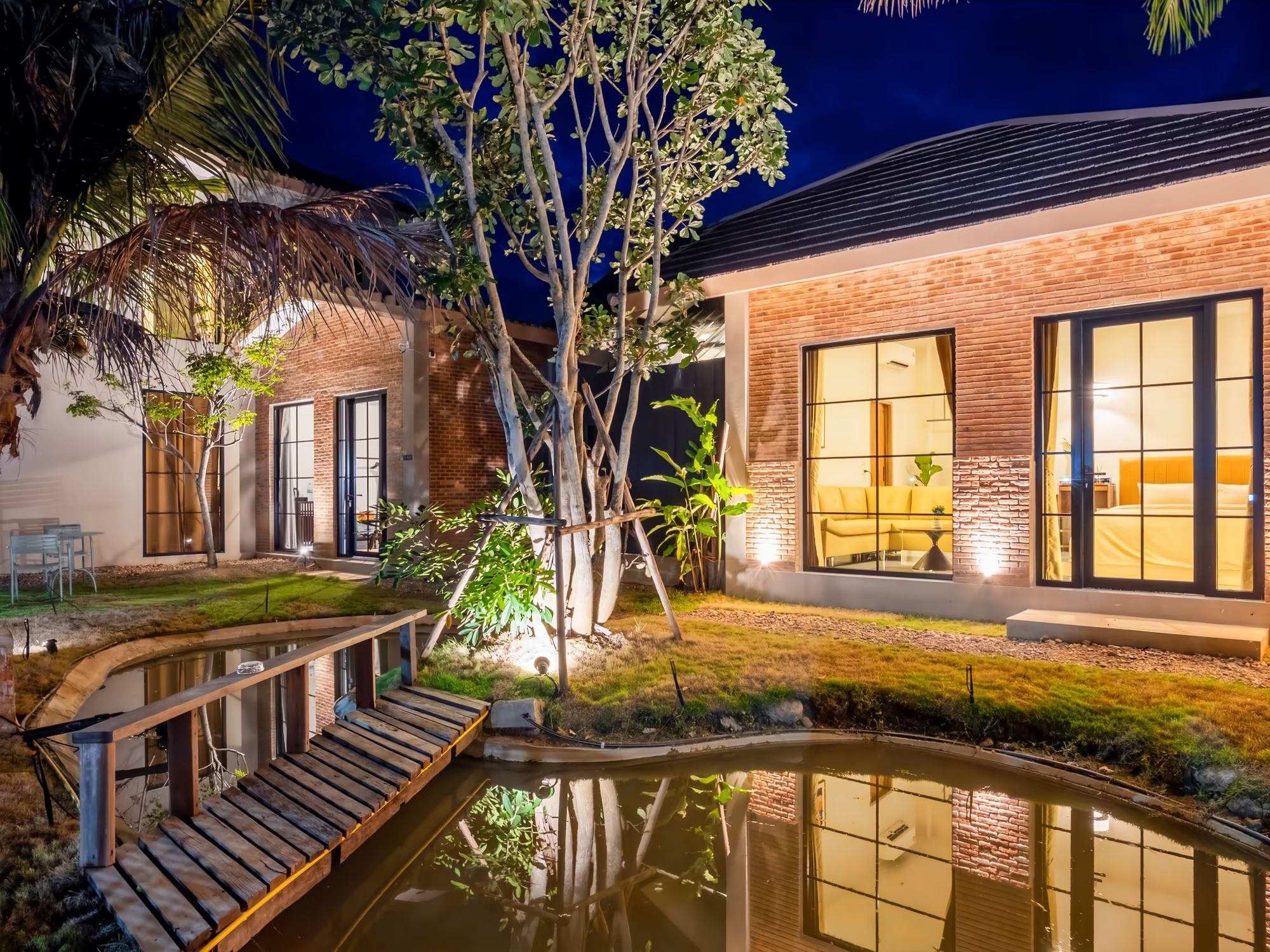
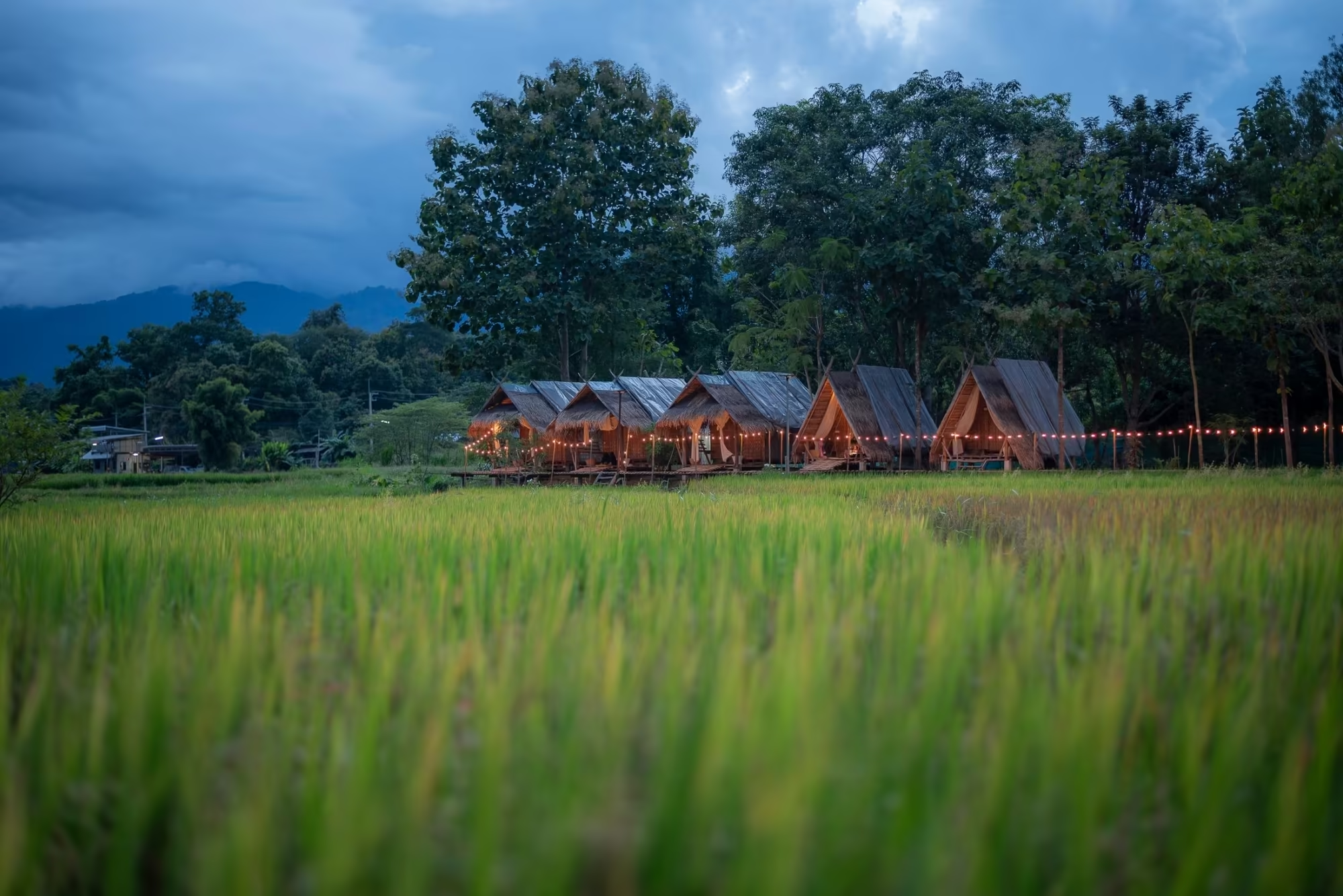
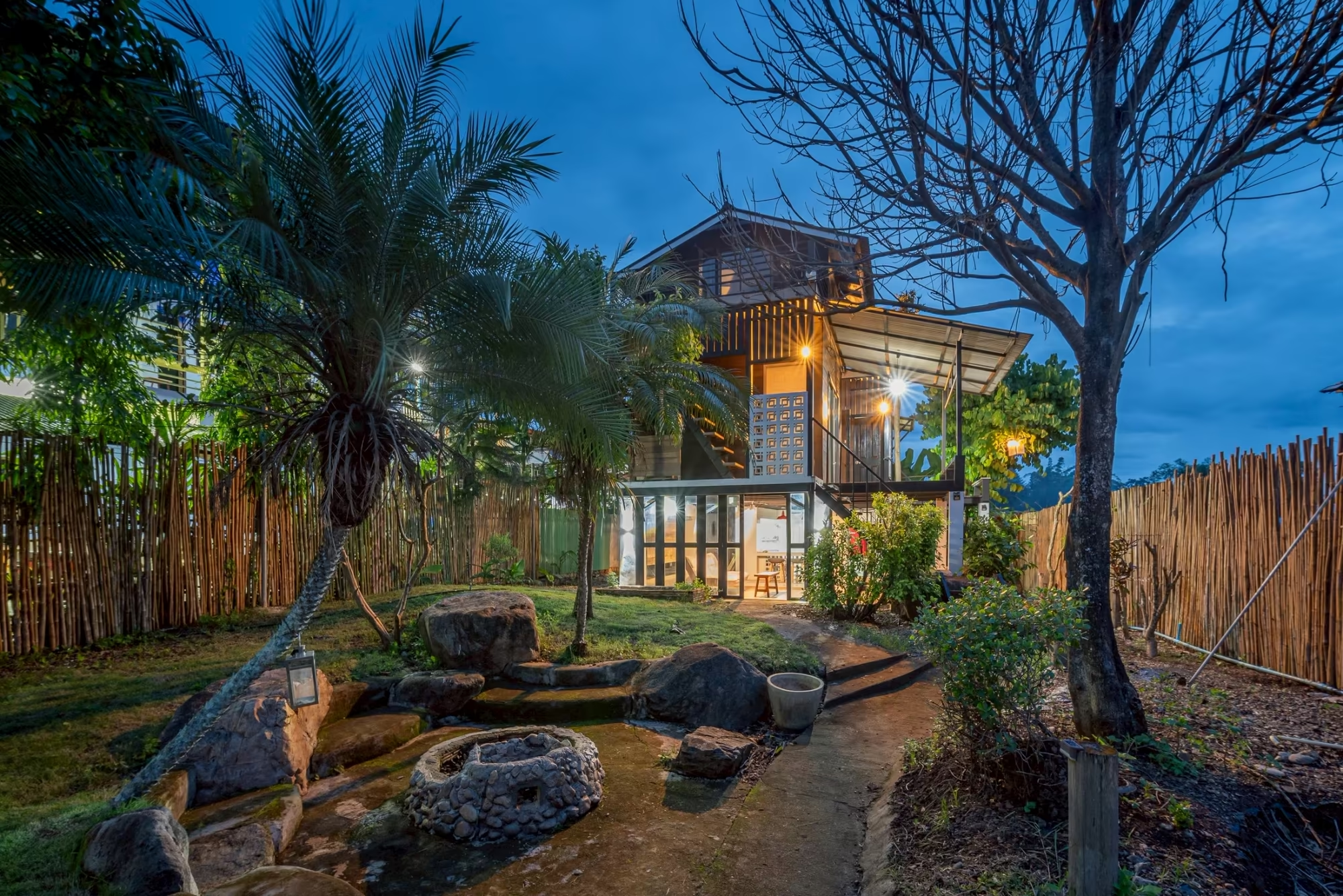
We are local hosts who run six small stays across Pai, so we can match you to the right one instead of selling you a room you will regret. Families who want calm and space tend to love the rice-field places; couples after a romantic base lean toward our boutique stay, The Arch Casa. Browse all of them on our hub, where to stay in Pai, and tell us how you are arriving so we can plan the welcome.
Because we own the stays, booking direct with us costs up to 10% less than the booking sites, with free cancellation and no deposit to ask. You talk to a real person who lives here, not a call centre.
Related Pai travel reads
Planning more than the drive? Once you have beaten the road to Pai, the valley opens up. From what we see with guests, the people who research a little arrive relaxed and make the most of their first day. Our guide on how to get to Pai covers every route in detail, and our where to stay in Pai hub helps you pick the right neighbourhood before you book.
Who the road to Pai suits, and who should think twice
Most people are fine. If you enjoy a scenic drive and you prepare a little, the road is part of the fun, and the photos from the rest stops are worth it. Riders who love a curvy mountain road often call it the best ride in the north.
Think twice about self-riding if you have never handled a motorbike on hills, or if it has been raining hard. The same wet bends that thrill confident riders catch out beginners every season. There is no shame in taking the minivan and letting someone who drives this road daily do the work. We would rather you arrive relaxed than prove a point.
Travellers who get badly carsick should book a private car and sit in front. The extra cost buys you control over the pace and stops, which makes a real difference on a road like this.
The 762 curves sound scary on a sign. In reality they are a few hours of beautiful, manageable mountain road, and then you are home in the valley. Plan a little, sit up front, and let us handle the rest once you arrive. When you are ready, message us and we will help you pick the smoothest way up.