By BestHotelPai Team · Updated August 7, 2026
In short The pai vs chiang mai choice comes down to pace. Chiang Mai is the larger city for temples, food, shopping, and easy flights. Pai is the quiet mountain valley three hours north for rice fields, waterfalls, and stargazing. Most travellers love doing both: a few city days in Chiang Mai, then three or four slow nights up in Pai.
Should you base your northern Thailand trip in Pai or in Chiang Mai? That single question lands in our inbox almost every week, usually from travellers with a week or ten days who have read both names a hundred times and still cannot tell them apart. So let us settle it plainly, the way a friend who actually lives here would.
The two places are not rivals so much as opposites. Chiang Mai is a buzzing creative city of temples, markets, and easy flights. Pai is a quiet mountain valley three hours north, reached by a famously twisty road. We host in Pai, so we will tell you straight where each one wins, broken down by trip length, travel style, budget, and the kind of mornings you want.
Where Pai and Chiang Mai sit on the map
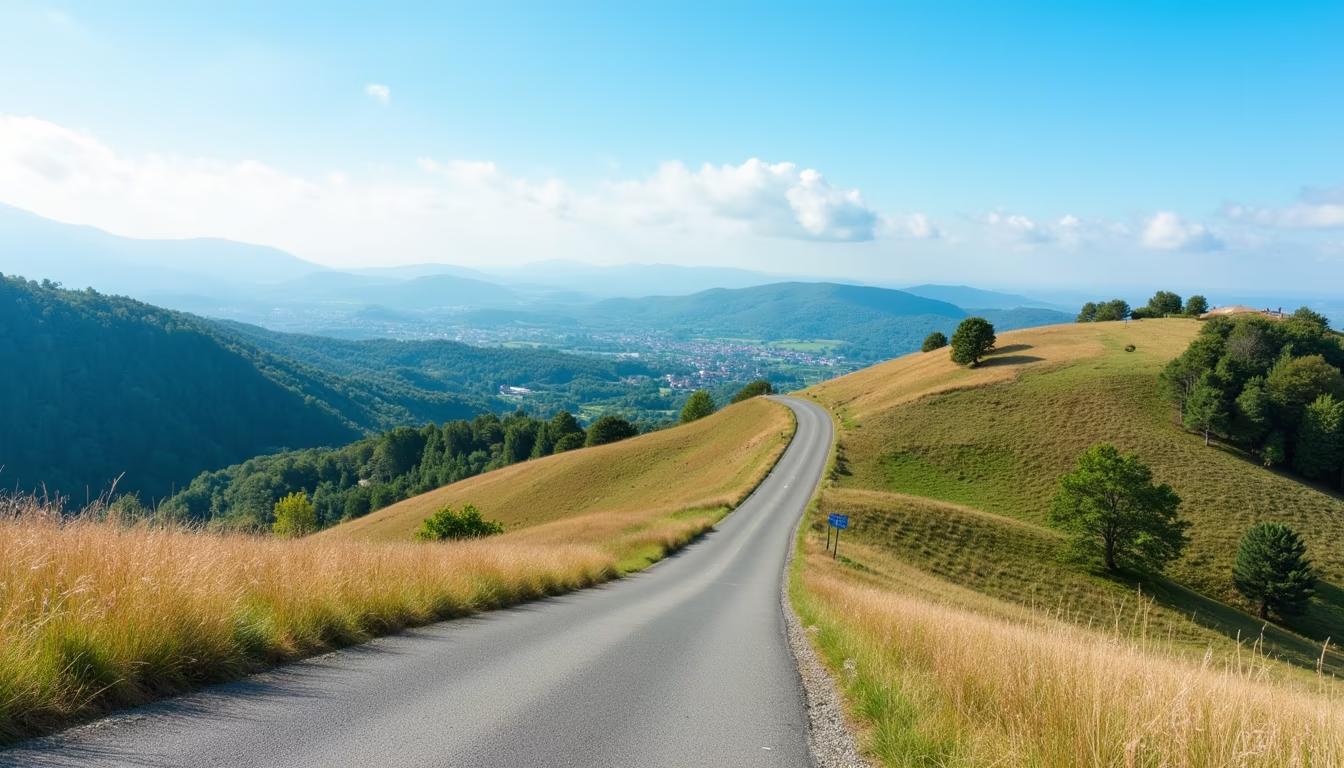
Chiang Mai is the main hub of the north, with an international airport, a walled Old City, and hundreds of cafes and temples. Pai is a small town in Mae Hong Son province, tucked in a green valley roughly 130 km northwest. The road between them, Route 1095, climbs through 762 curves, which is why the drive takes about three hours even though the distance looks short on a map. According to Tourism Authority of Thailand, Mae Hong Son province sits along the mountainous Myanmar border, and Pai is its most visited valley town.
That geography is the whole story. Chiang Mai is flat, walkable, and connected. Pai is up in the hills, reached by minivan or motorbike, and feels remote the moment you crest the last ridge and the valley opens up below you.
Pai vs Chiang Mai: the honest comparison
Here is how the two places stack up on the things guests ask us about most. We kept it practical rather than promotional.
| What matters | Chiang Mai | Pai |
|---|---|---|
| Vibe | Creative city, temples, cafes | Slow mountain valley, rice fields |
| Getting there | Direct flights, easy | 3 hr winding drive from Chiang Mai |
| Best for | Culture, food, shopping, nightlife | Nature, rest, viewpoints, stargazing |
| Stay length | 2 to 4 days | 3 to 5 nights to really unwind |
| Crowds | Busy year-round | Quiet outside Dec to Feb peak |
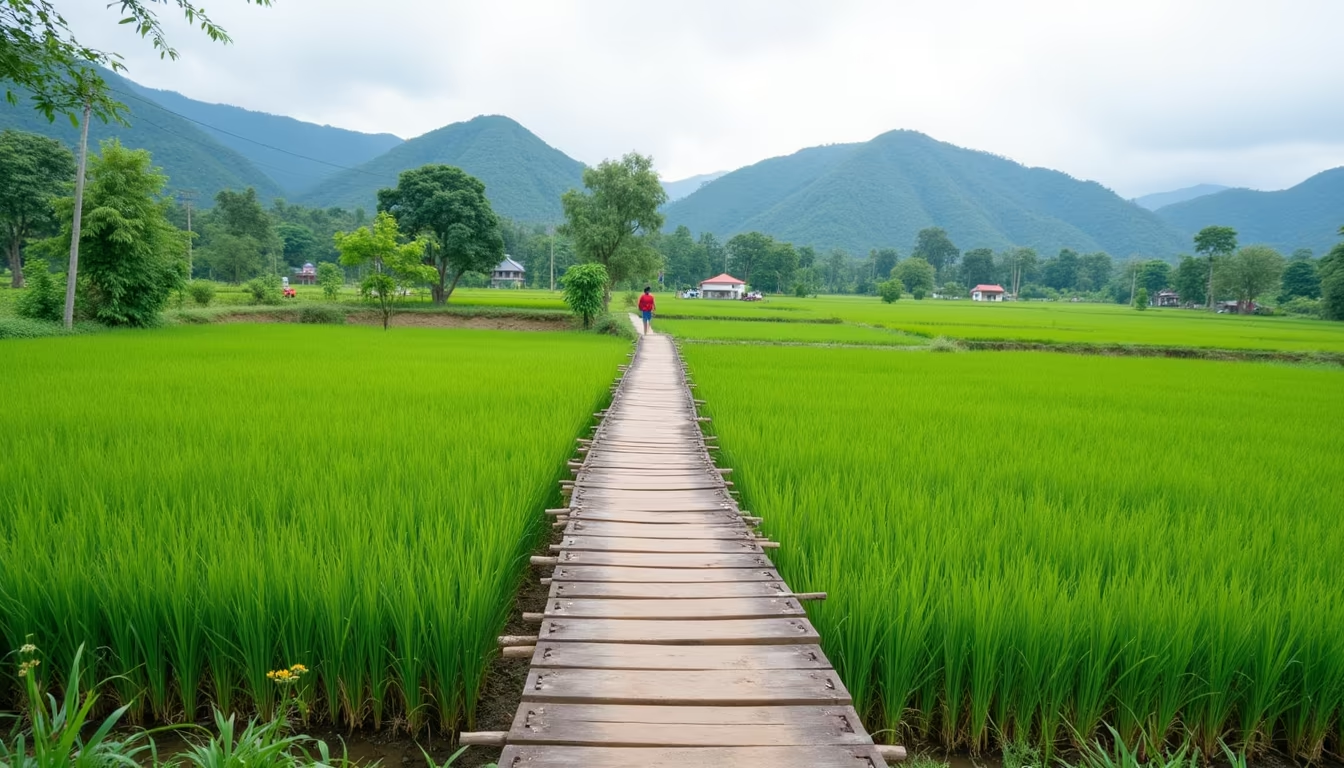
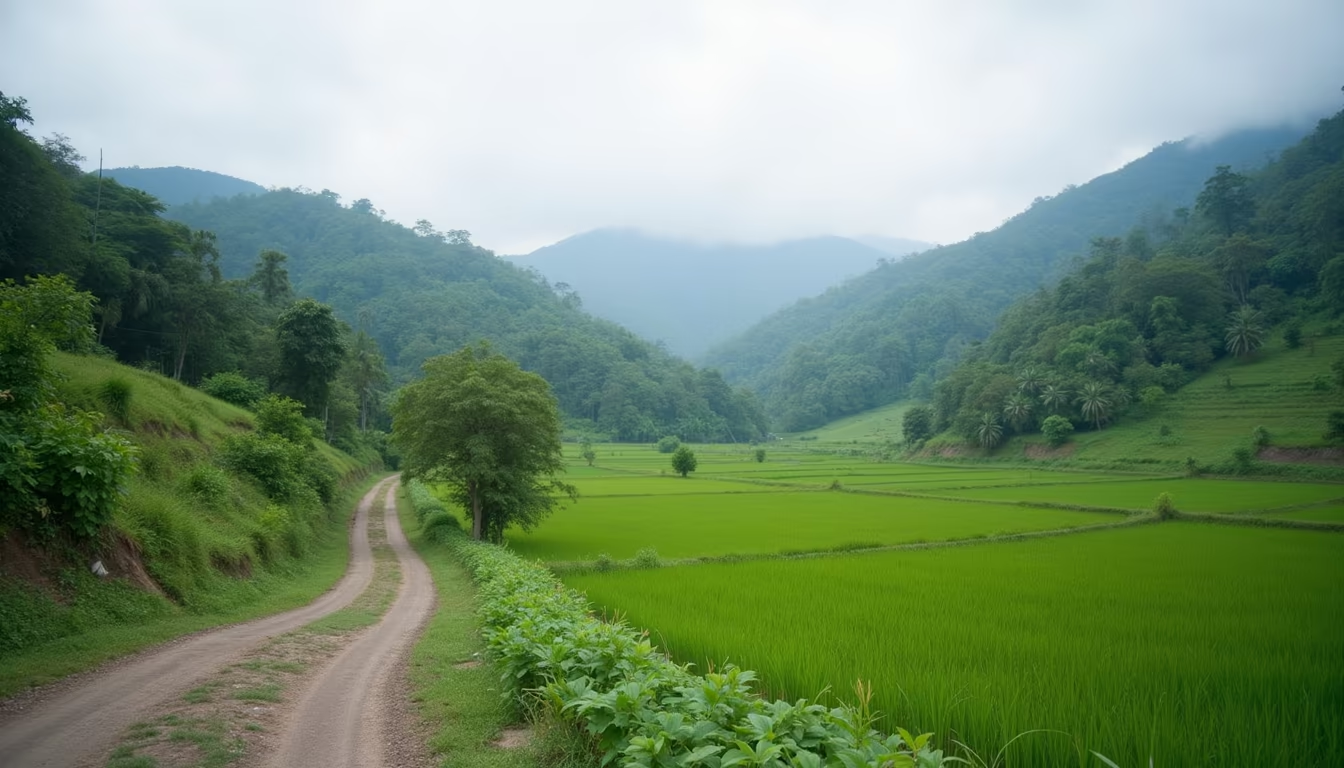
From what we see with guests, the people who only pick one usually wish they had split their time. The city feeds your curiosity; the valley lets you exhale. A useful way to read the table above is to ask what you want your mornings to look like. If you picture a coffee in a busy lane before a temple visit, that is Chiang Mai. If you picture mist over green paddies and a slow breakfast with the hills in front of you, that is Pai.
What about budget?
Budget plays out differently in each place. Chiang Mai has more competition, so rooms and food cover a very wide range, from dormitory bunks near Tha Phae to polished design suites in Nimman. The valley is smaller and more seasonal, so nightly rates climb during the cool, dry peak from December through February and soften noticeably in the quieter green months. Street meals stay inexpensive in both, while sit-down restaurants and craft coffee naturally cost more in the bigger town simply because there is more of everything competing for your baht. Booking direct with a local host, the way we operate, usually beats the online travel agents because no middle commission gets stacked on top of your nightly rate.
A rough rule we share with guests: budget travellers can live comfortably in either spot, mid-range travellers get more polish for their money in the city, and anyone wanting a private pool villa or a boutique hideaway will find better value per night in the quieter valley than in the busy downtown core.
When Chiang Mai is the better base
Choose Chiang Mai if your trip is short, if you are flying in and out fast, or if your idea of a great day is temple-hopping, cooking classes, coffee crawls, and a buzzing night market. It is also the smarter pick in heavy rain, since the mountain road to Pai gets slow and misty in the wet months. Families with very young kids often prefer the city for its hospitals, malls, and flat pavements.
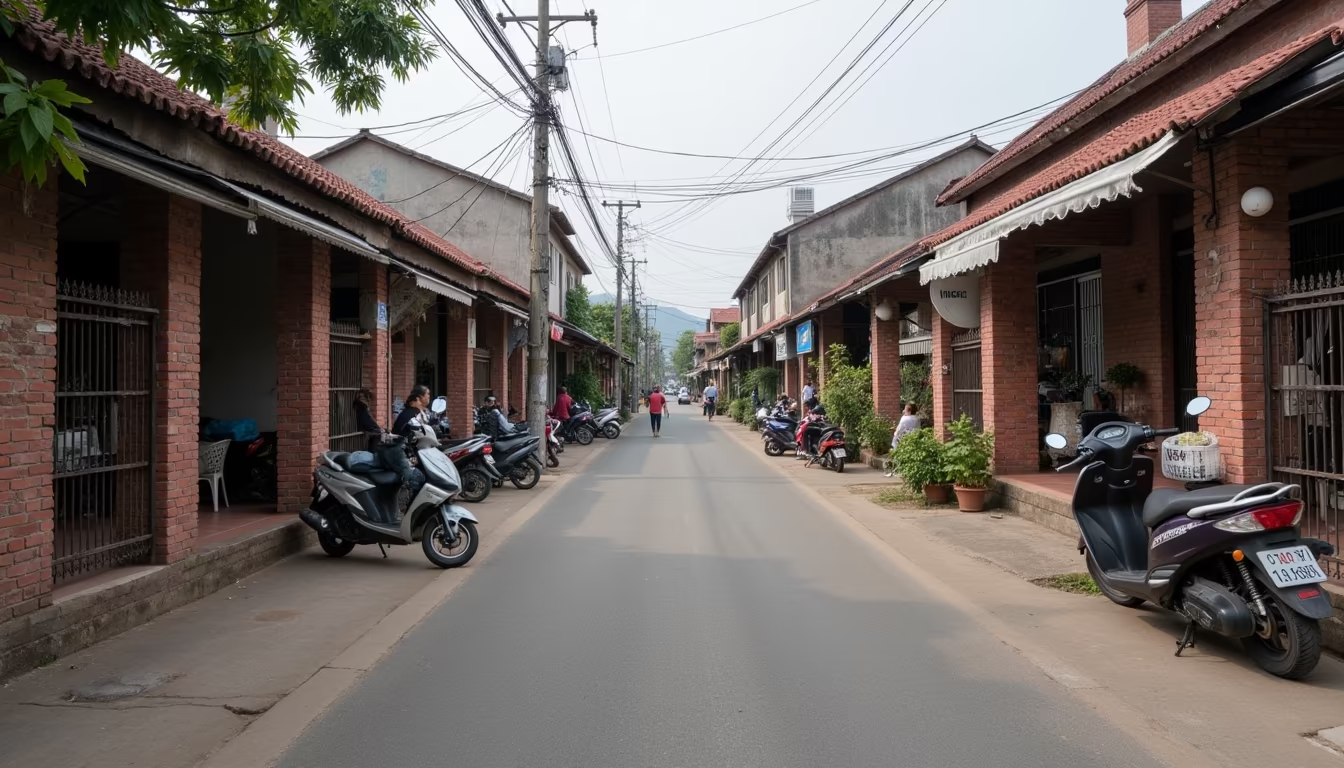
Chiang Mai is the logistics winner too. You can land in the morning, drop your bags, and be eating khao soi by lunch. For a first-timer in Thailand who wants culture without a long transfer, the city earns its reputation. The square Old City inside its moat is compact enough to explore on foot, anchored by Tha Phae Gate, Wat Chedi Luang, and the lively Sunday Walking Street that spills out from it. Out at Warorot Market you can browse Lanna textiles and dried-fruit stalls, while the umbrella-painting village of Bo Sang sits a short ride east. None of that exists up in the valley, and for some travellers that density of choice is the whole appeal.
If anyone in your group gets carsick easily, that also tips the scales toward the city, at least for the first part of a trip. The road to Pai is genuinely twisty, and a long minivan ride on day one of a holiday is not how everyone wants to start. Some guests choose to fly into Pai's small airstrip instead, though flights are limited and the road is still the most common way up.
Chiang Mai also packs more variety into a single day than almost anywhere in the north. A typical city day might mean sunrise at Doi Suthep temple above the city, a bowl of khao soi for lunch, an afternoon cafe crawl through the Nimman district, and a wander through the Saturday or Sunday Walking Street after dark. Add a Thai cooking class, an ethical elephant sanctuary visit, or a massage course, and the calendar fills itself. For travellers who measure a great trip in things-done, the city simply offers more options per day.
When the smaller mountain destination wins
The smaller mountain destination wins whenever decompression beats stimulation on your priority list. Where the provincial capital rewards a packed itinerary, this hillside town rewards subtraction: fewer plans, longer breakfasts, unscheduled afternoons. Sunset at Pai Canyon draws a crowd, yet most hours here are spent doing comfortably little, and the extraordinarily dark night sky turns simple stargazing into an event.
In practice, the guests who fall hardest for this place are the ones who commit at least three nights. A single overnight functions as a teaser; the real reset arrives on the second and third day once the adrenaline of the switchback transfer fades. Our companion guide to things to do in Pai sketches an unhurried loop, and how to get to Pai weighs the shared-minivan-versus-rented-scooter decision honestly.
Matching the decision to your travel personality
Stop ranking the destinations and instead identify which traveller you are this trip. A culture-collector who hoards temples, museums, cooking schools, and craft markets will feel starved in a one-street town and thoroughly satisfied in the provincial capital. A burnout-recoverer chasing hammocks, unhurried espresso, and silent sunsets will find the capital overstimulating and the hillside retreat perfectly calibrated.
Couples frequently split the difference: a polished boutique opening in the capital, then a secluded hillside hideaway for the romantic second act. Community-seeking backpackers gravitate to the mountain scene of social hostels, acoustic sets, and riverside bars where strangers become travel companions overnight. Image-makers weigh the capital's lantern festivals and gilded temple rooflines against the hillside's terraced paddies and golden ridge viewpoints. Pin down your traveller archetype and the verdict arrives faster than any pros-and-cons checklist.
Travel time and seasons, the practical details
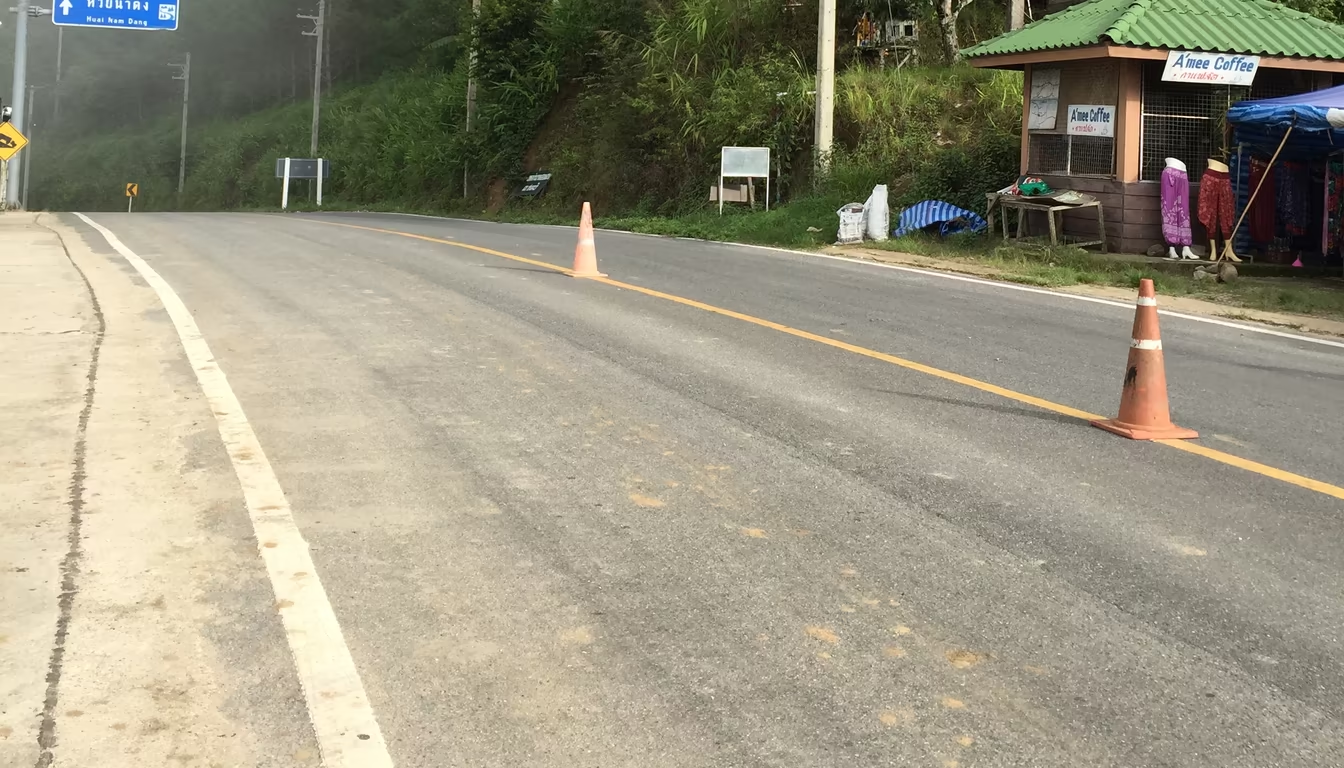
The transfer is the detail people underestimate. Minivans run roughly hourly through the day from Chiang Mai's Arcade bus station, and the ride averages three hours with one rest stop. Private cars cost more but let you pause at the coffee viewpoints along the climb. Renting a motorbike for the whole route is popular with confident riders, though the curves demand respect, especially in the wet.
Seasons shape both places. The cool, dry window from November through February is the most comfortable and also the busiest in Pai. The green season from June to October brings lush paddies and fewer crowds, with afternoon rain you can usually plan around. Smoke season in March and April can dim the mountain views, so check current conditions before committing to that stretch.
Doing both: the itinerary most guests love

For a week or more, the smartest answer is to stop choosing and do both. Spend the first two or three days in Chiang Mai for temples, food, and a class or two. Then ride the morning minivan up Route 1095, settle into the valley for three or four nights, and let the pace drop before you fly home. City first, mountains second, no backtracking.
If you only have four days total, it gets tighter. We would still nudge most travellers toward at least two nights up in the valley, because that slow stretch is the part people recall long after the city blurs together. Where you base yourself matters as much as the choice itself, which is why we built where to stay in Pai to match the right area to how you travel.
Quick FAQ before you decide
A few rapid answers to the questions guests ask us most when they are still torn between the two.
Is the road to Pai really that bad? It is twisty, not dangerous, when driven sensibly. Most guests doze through it. Can I see both in three days? Tightly, yes, but you will spend a lot of it in transit. Which is cheaper? Both can be done on any budget; booking the valley stay direct keeps your room cost down.
Who each place suits, and who it doesn't
Pick Chiang Mai if
You have only a few days, you are flying in and straight out, or you love culture-dense days: temples, cooking classes, coffee, and night markets. It also suits anyone who gets carsick, travels with very young children, or visits during heavy rain when the mountain road is slow.
Pick Pai if
You want the holiday to actually slow down, you crave nature over nightlife, and you do not mind a three hour transfer to reach it. Pai rewards travellers who give it room to breathe. From what we see with guests, it is the part of the trip people talk about for years afterward.
Related Pai planning guides
If Pai wins your vote, line up the rest of the trip with these: our honest how to get to Pai breakdown, the easy loop of things to do in Pai, and our where to stay in Pai picks for matching a stay to your style.
One last note: road conditions, minivan timetables, and seasonal closures change, so confirm the latest details with your host or the official tourism information before you travel.