By BestHotelPai Team · Updated July 30, 2026
In short A Pai to Ban Rak Thai day trip runs about 120 km each way via Mae Hong Son, roughly 3 hours of driving on twisting mountain roads. Set off from Pai by 7am, give yourself 2 to 3 hours in the Yunnan hamlet for tea, the reservoir and lunch, then retreat ahead of dusk. A hired car or a seasoned motorbike rider can both manage it.
120 kilometres. That single number is what catches most travellers off guard when they decide to add the Yunnanese tea village to their Pai plans. The photos make Ban Rak Thai look like a short hop into the hills, yet the real drive winds west and north for about three hours each way. We run small stays here and field this question constantly, so let us lay out the honest mechanics of the Pai to Ban Rak Thai day trip ahead of pledging a precious holiday morning to it.
The route nobody warns you about
Ban Rak Thai does not sit beside Pai. The drive first heads down toward Mae Hong Son town, then doubles back uphill into the border highlands, so your day is really a Pai to Mae Hong Son to Ban Rak Thai relay. Tally it up and you face around 120 km in one direction, near three hours behind the wheel on a ribbon of switchbacks with very few straight stretches.
So how long is the actual driving day?
Reckon on three hours climbing up and a wearier three hours coming down, plus whatever time the viewpoints steal from you. The descent always drags more than the climb because legs are stiff and daylight is slipping, which is exactly why we push guests to quit the village by mid-afternoon rather than chase the sunset on those curves.
Picking transport for the climb
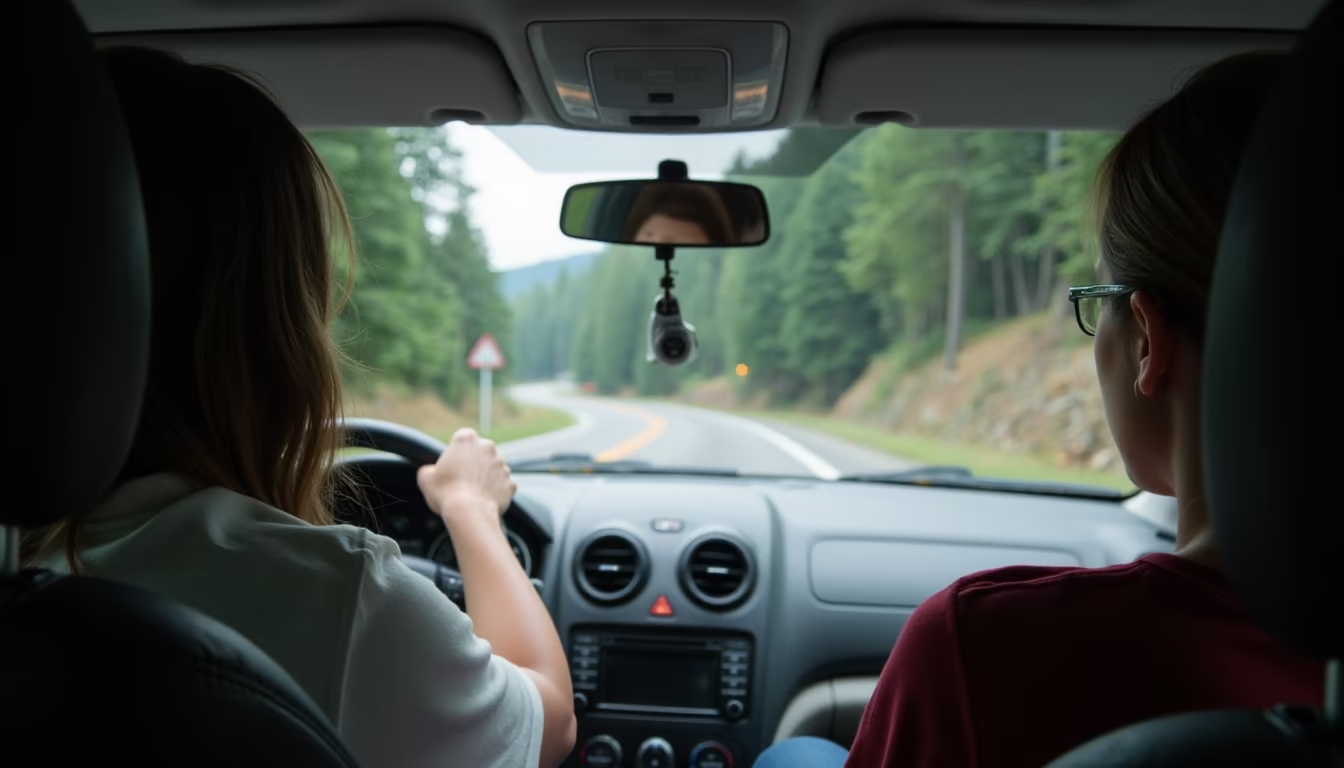
Three approaches make sense, and the smart pick hinges on your group size and how relaxed you feel on a winding road.
- Hired car with a local driver: the gentlest pick, mostly for couples and families. The driver reads the bends while eyes stay on the terraced valleys.
- Renting and riding a motorbike: a treat for seasoned riders, though the descents are long, the cold bites at altitude and petrol gets scarce beyond Mae Hong Son. Skip it if you only just learned to ride.
- Slotting into a shared van: kindest on the wallet, yet you surrender control of the clock and reach the lake alongside several other parties.
From the cases we see most often, the travellers who come back grinning are the ones who cleared Pai by seven sharp. Dawdle past that, and you either gulp down the village in a hurry or thread that mountain road as the light dies, something we steer everyone away from.
Comparing the three at a glance
Here is how the realistic choices line up for a single day there and back, assuming dry-season weather.
| Approach | One-way time | Suits | The catch |
|---|---|---|---|
| Hired car + driver | ~3 hrs | Families, couples, comfort seekers | Pricier unless the cost is split |
| Self-ridden motorbike | ~3 to 3.5 hrs | Seasoned riders only | Tight bends, thin petrol, altitude chill |
| Shared van seat | ~3.5 hrs | Solo and budget travellers | Rigid schedule, crowded lakeside |
Still sorting out how you will even reach Pai ahead of any detour? Our rundown on how to get to Pai walks through the minivan, bus and flight routes step by step.
What the Yunnan hamlet actually offers
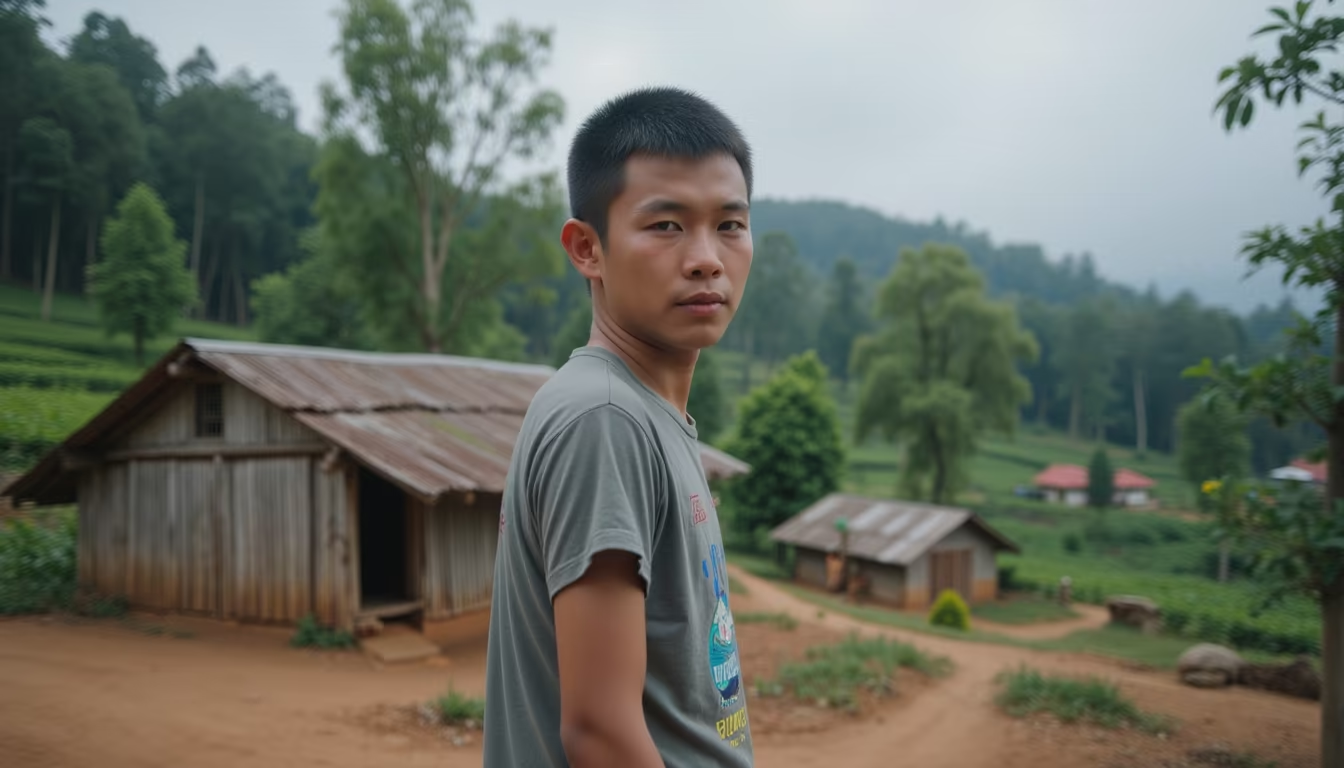
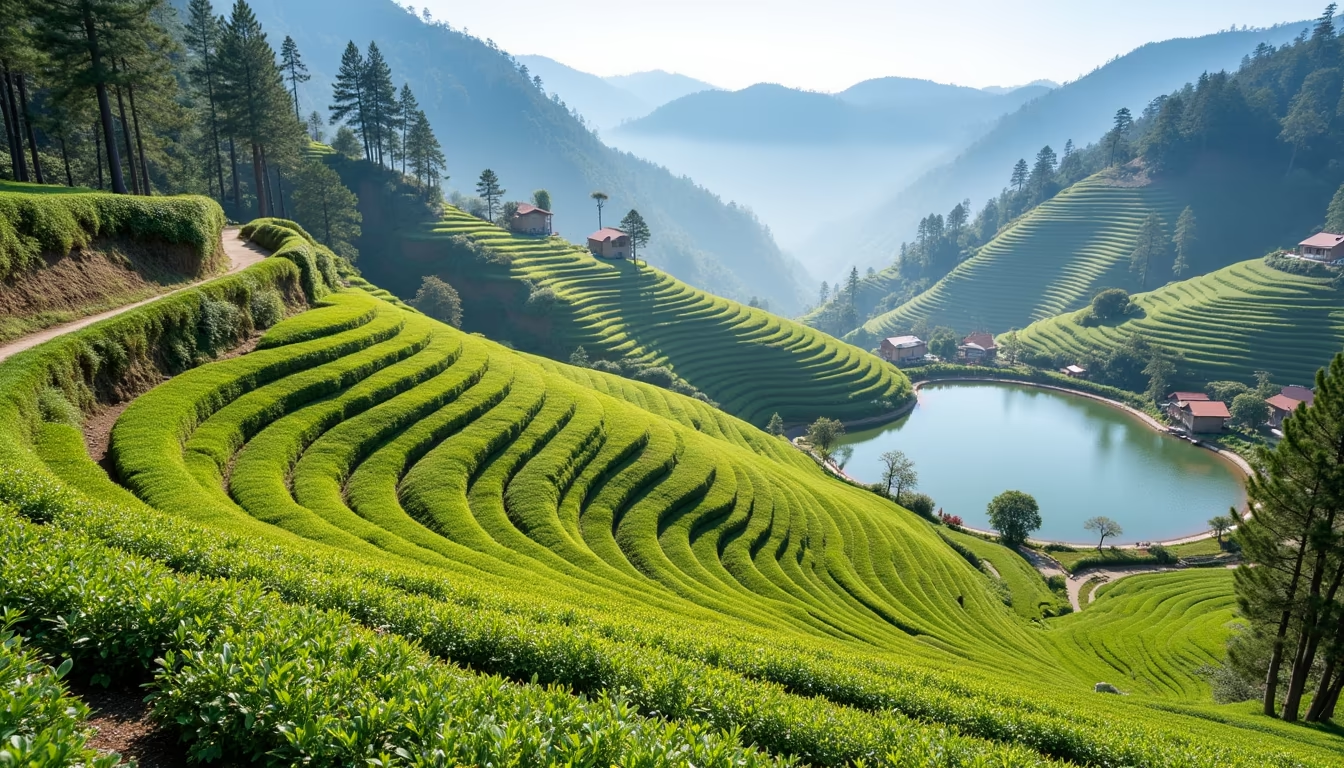
Perched near 1,700 metres in the far northwest corner of Mae Hong Son province, almost brushing the Myanmar line, the settlement was founded by descendants of the Chinese 93rd Division who terraced the slopes with tea. The place held onto its Yunnanese soul: clay-roofed tea houses, a quiet reservoir hemmed by guesthouses, and oolong rows marching up the ridges.
Visitors arrive chasing three pleasures. Tea poured and sold straight off the farm. The still lake, loveliest under the cool early sun. And the kitchen, all Yunnanese black-chicken stew and pillowy steamed buns that never made it down to Pai. The provincial tourism office counts it among Mae Hong Son's signature highland communities, and you can double-check the region and its seasons on the official Tourism Authority of Thailand page for Mae Hong Son, according to which the cool high-season stretch is the kindest time to be up in the mountains.
When to go, and what to pack

These ridges climb far above Pai's valley, so dawn temperatures can flirt with single digits during the cool months, broadly November to February. That window is also the crispest and most pleasant, mist pooling over the tea reservoir at first light. The hot season hauls in burning-season haze, and the wet months grease the mountain road. Toss in a warm layer even if town felt balmy, and carry water plus snacks, since shops vanish once you pass the provincial town.
Is this drive right for you?
It rewards travellers who savours a slow, scenic drive and accepts roughly six hours of road for two or three calm hours at the summit. Camera lovers, unhurried couples and early-rising families tend to love it.
Give it a miss if Pai is only a one-day stop, if mountain switchbacks turn your stomach, or if you are a fresh motorbike rider itching to prove yourself over a long haul. In those situations, park Ban Rak Thai for a future trip and keep the day near town.
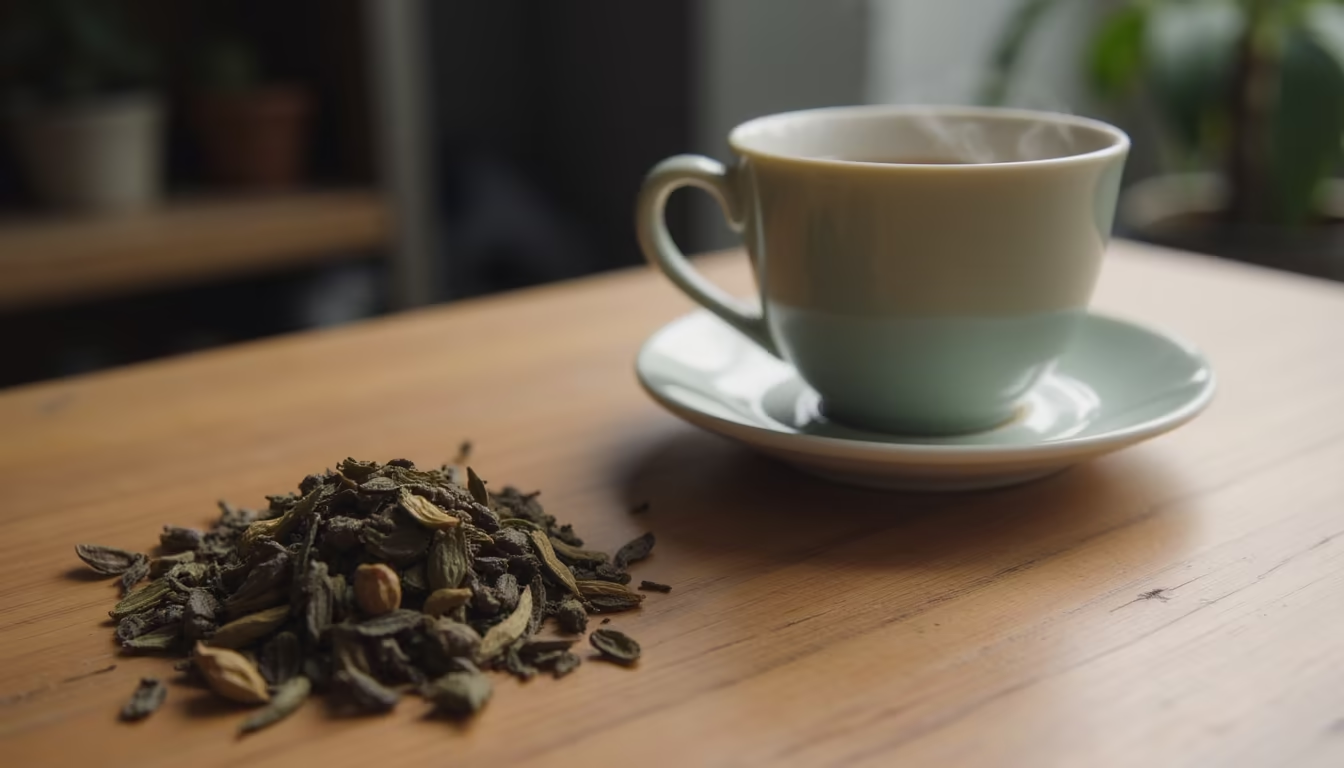
The oolong rewards a patient palate. Cultivators clip high-altitude leaves twice a year and pan-roast them in tiny lots, so the brew poured at a hillside table tastes nothing like a supermarket teabag. Plantations pour you several grades at no charge, then weigh out loose leaf by the gram, and a vacuum-sealed pouch outlasts any keepsake in your luggage.
A frank caveat on the photogenic pond: it is compact and man-made, not a sweeping alpine mere. Expect an intimate ring of teahouses, paddle-able rafts and a Mandarin signboard or two, not a Swiss postcard. Tune that picture in advance and the place charms you; arrive picturing grandeur and you may shrug.
A realistic hour-by-hour timeline
Picturing the rhythm helps more than any distance figure. Here is the shape of a smooth outing, the way guests recount it to us afterwards.
- 06:30 coffee, a fast bite, bags loaded.
- 07:00 wheels turning out of town toward the provincial capital.
- 08:30 a leg-stretch and a ridge snapshot near the capital.
- 10:00 first glimpse of terraced oolong rows climbing toward the reservoir.
- 10:30 tasting flights at a hillside teahouse, then a slow loop of the water.
- 12:30 a Yunnanese spread of black-fowl broth, mantou buns and pork-leg stew.
- 14:00 last snaps, loose-leaf souvenirs, back in the car.
- 17:00 rolling home with daylight still on the tarmac.
Treat those clock readings as a sketch rather than a promise. Burning-season smoke, a holiday crowd, or a talkative grower can each bend the plan, so the canniest travellers leave slack in the afternoon, never the dawn.
Eating and tea-buying like a regular
The kitchens lean fully Yunnanese, a cuisine you simply will not meet down in the valley. Order the slow-braised pork knuckle, the steamed mantou you dip in condensed milk, and the herbal black-chicken broth that locals swear by on a cold ridge morning. Portions are generous, so a couple of shared dishes feed a small group well.
On the tea front, the etiquette is relaxed. Sit, accept a tasting flight across two or three grades, and only commit once a leaf genuinely suits your palate. Loose oolong is sold by weight and vacuum-pressed on the spot, which keeps it fresh through the flight home far better than the pre-boxed tins aimed at coach tours.
How BestHotelPai helps you start early
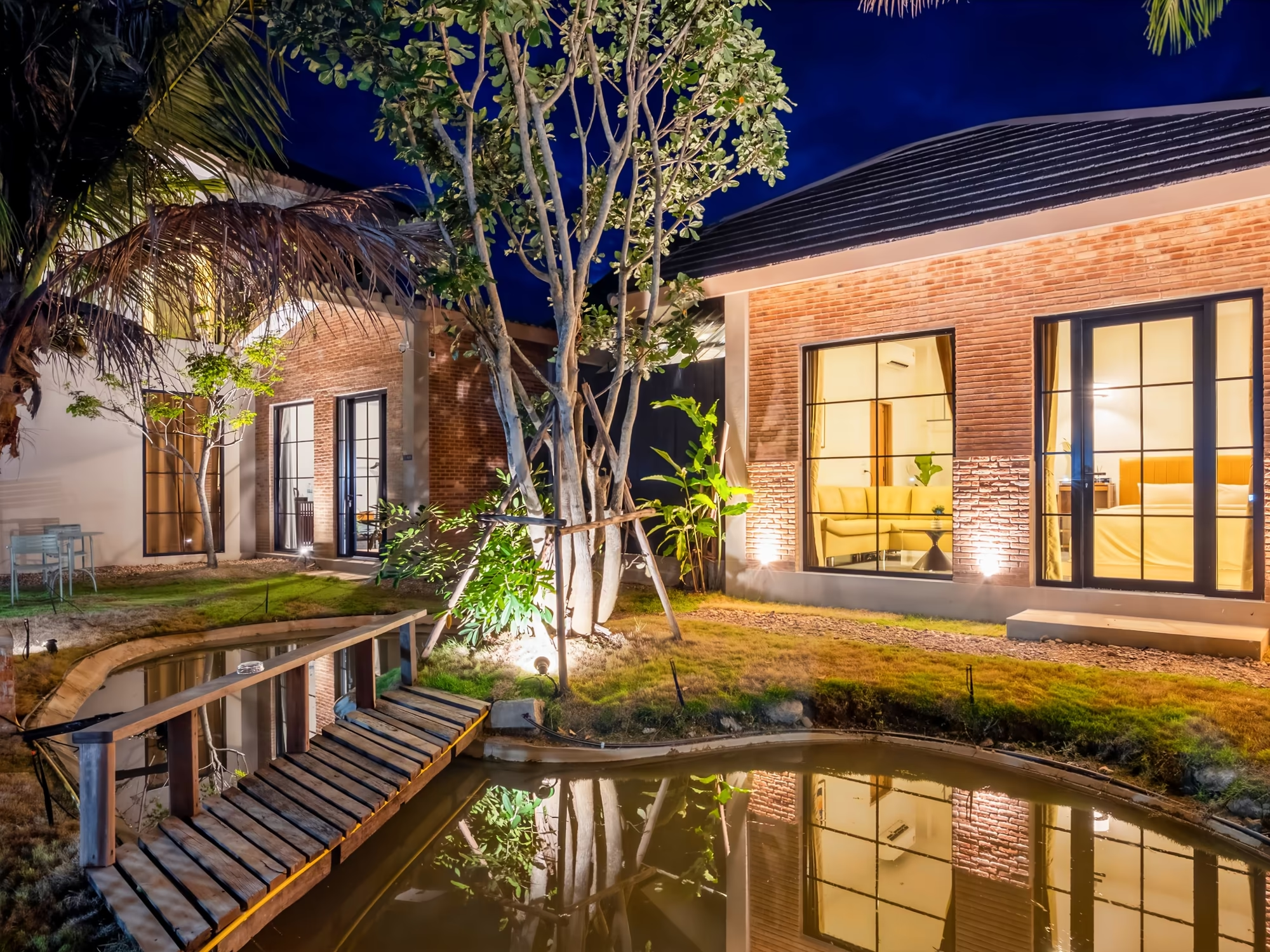
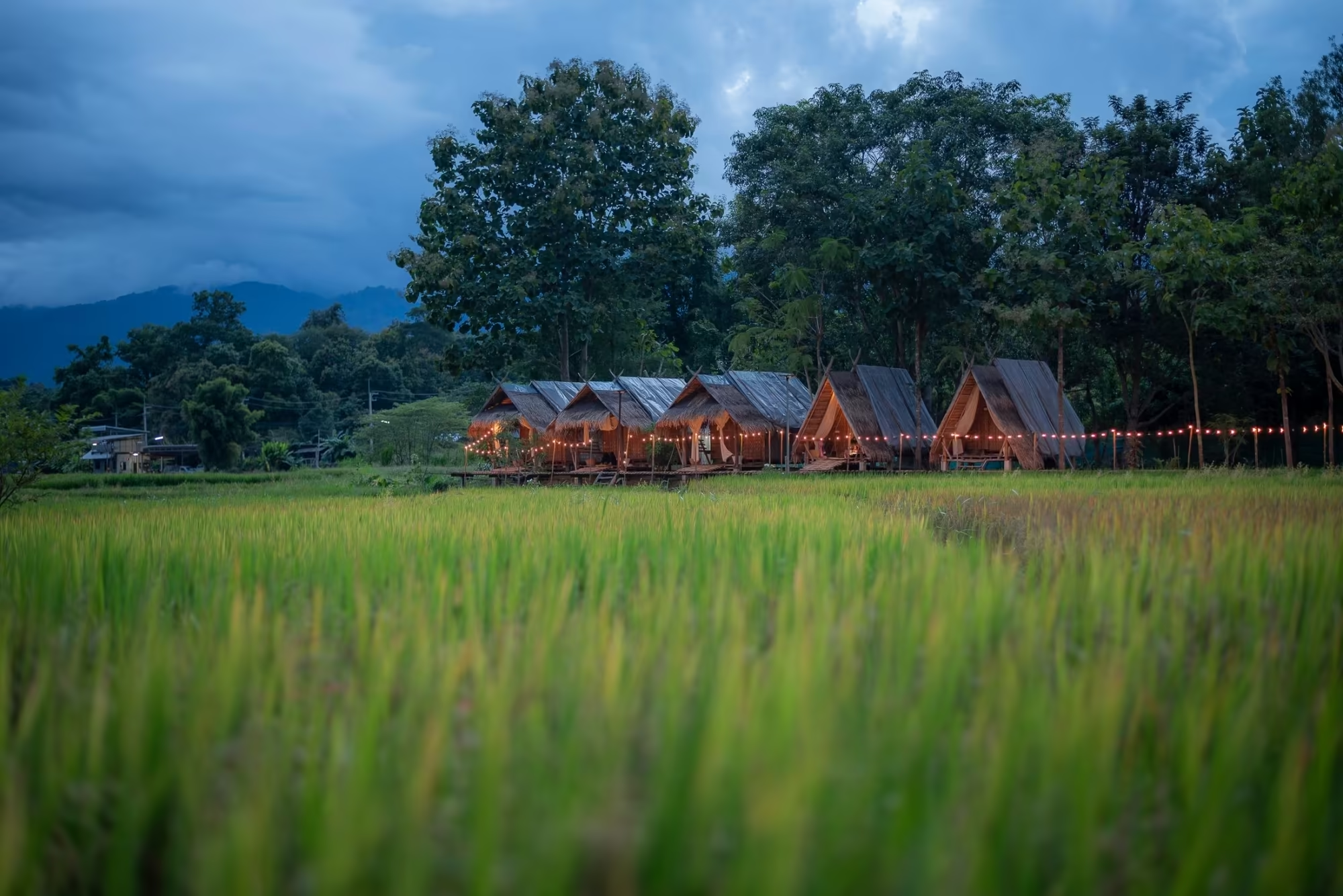
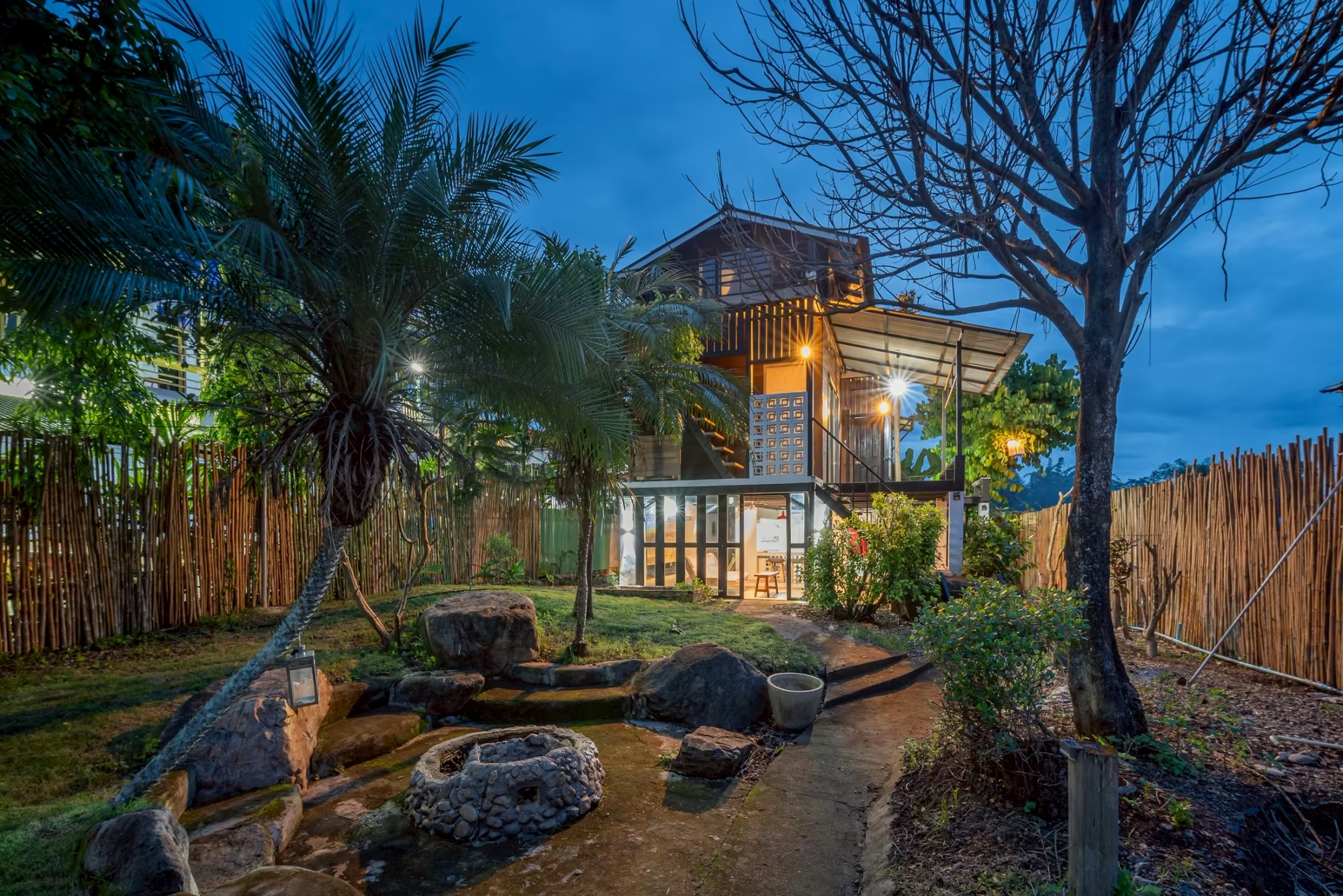
A day this stretched out succeeds or fails on how fast you can leave. A room a 20-minute ride from the main road quietly eats 40 minutes off the morning ahead of any wheels turning. We nudge guests toward somewhere calm and central so a 6:30am roll-out feels effortless instead of grim.
Reserving a Pai base straight with the owner also lets a local arrange your car or driver for the Ban Rak Thai run the evening before, sparing you any dawn haggling. Have a look at our candid, owner-run rooms on where to stay in Pai, and if you crave a shorter outing instead, our Pai Canyon guide covers a sunset spot ten minutes from town.
Do check current road conditions, opening hours and any border-area access rules against the latest local information before setting off, because mountain routes shift fast with the weather.