By BestHotelPai Team · Updated August 22, 2026
In short Pai street food revolves around the Walking Street night market, where vendors line the pedestrian lane each evening with grilled meats, roti, khao soi, sticky rice and blended juices. Plates typically run roughly 20 to 60 baht, letting you graze the whole strip for pocket change. Show up hungry, bring small notes, and favour the stalls with the longest queues.
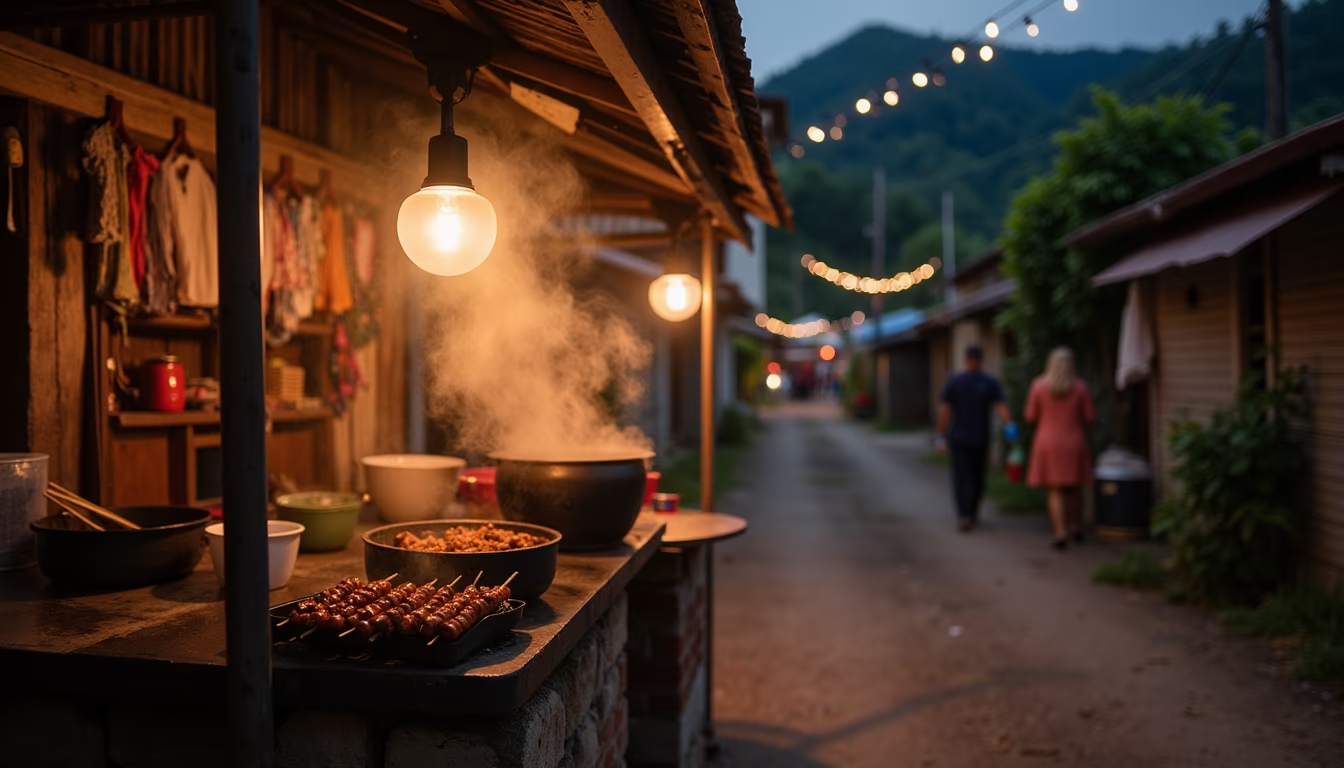
Dinner in Pai often costs us less than a flat white does back home. A skewer lifts off the charcoal, a roti folds shut around banana, a juice blends to order, and you carry it all down Walking Street in a paper cone with no table, no menu and no service charge. The charcoal smoke does the advertising, and it works on everyone.
Plenty of guests arrive a touch wary of market eating, then end up planning their evenings around it. So how do you graze the stalls cheaply, dodge a sore stomach, and still hit the dishes that actually matter? Below we run through the lane stall by stall, the dishes to order, the smart hours to show up, the hygiene habits we use ourselves, and the bed that puts you a short walk from the last roti of the night.
So what is the Pai night market, really?
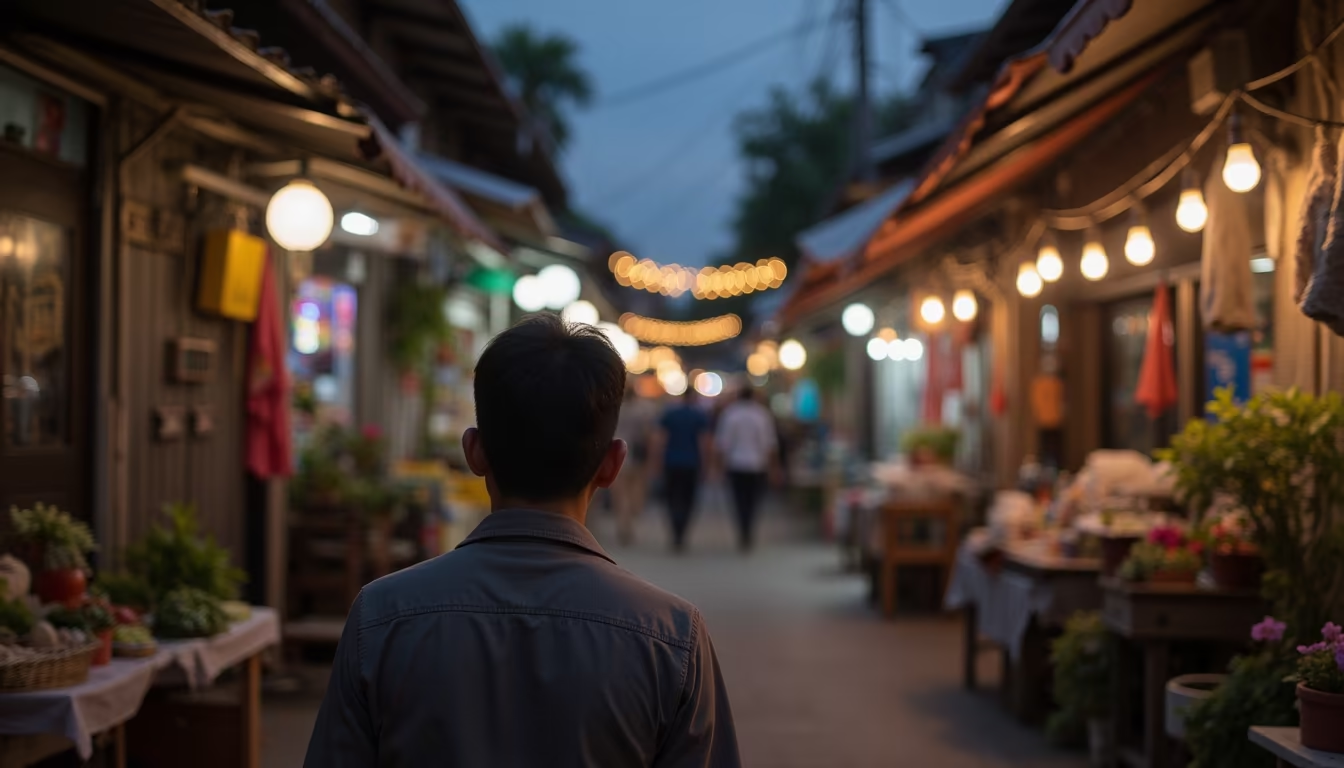
Pai street food is not one big food court. It is a moving line of small vendors who set up along Walking Street, the main pedestrian lane through the centre of town, every evening as the light drops. Some are families who have cooked the same dish for years, some are young Thais selling something they invented last month, and the mix changes a little night to night.
You eat as you walk. There are rarely tables, so you order, pay in cash, and carry your food in a cone, a skewer or a leaf wrap to the next stall or down to the river. Prices are low and clearly understood rather than haggled, usually somewhere around 20 to 60 baht a plate. From what we see with guests, the trick is to arrive hungry and order small from several stalls instead of filling up at the first one.
According to the Tourism Authority of Thailand, Mae Hong Son province sits in a cool mountain valley, and that highland setting shapes the food: northern Thai dishes, hill-tribe touches and plenty of grilled, warming plates rather than the seafood you find on the coast.
Where the stalls are and the best times to go
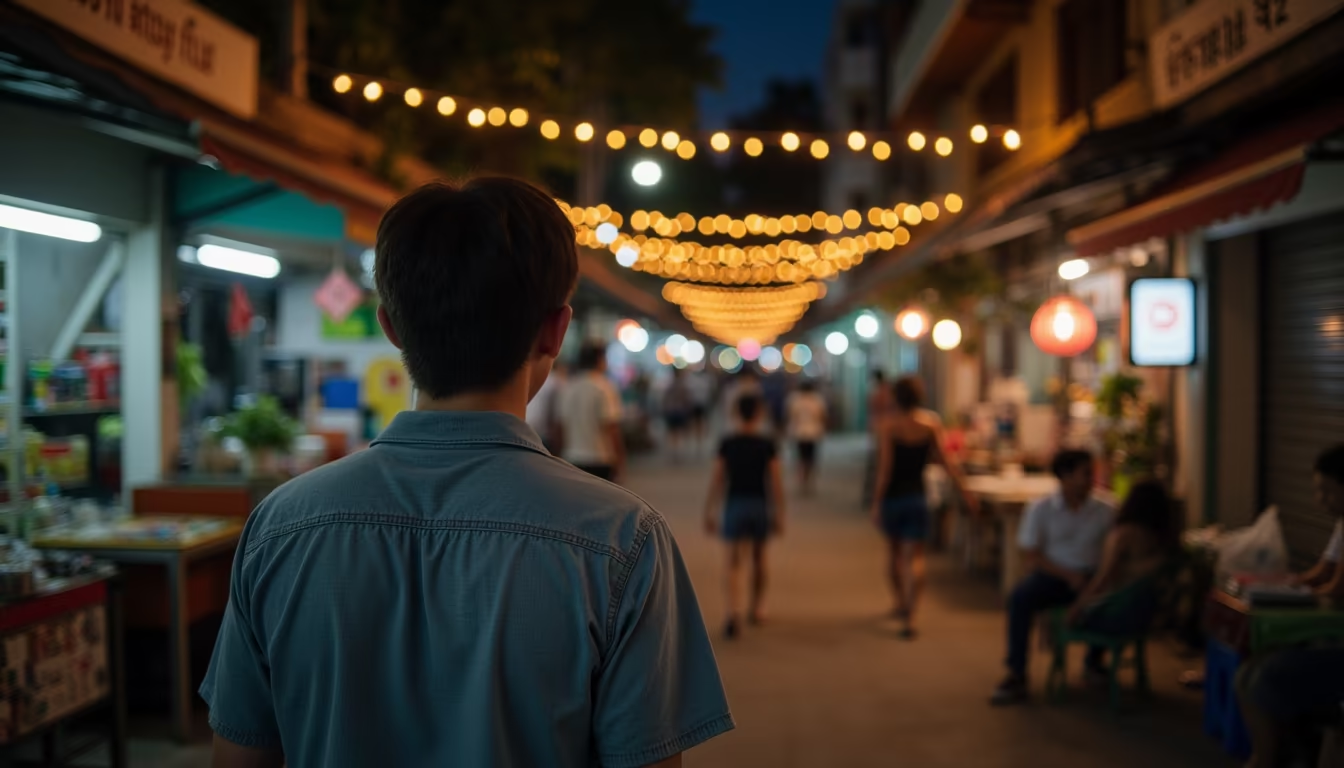
The heart of it is Walking Street, the lane that runs through central Pai and closes to traffic in the evening. Stalls start setting up in the late afternoon and the market is in full swing from roughly 6pm until late, busiest after dark when the day-trippers and overnight guests come out to graze.
- Early evening, around 6pm: cooler, calmer, easier to chat with vendors and photograph the food before the crowd.
- Peak, around 7 to 9pm: every stall open, best buzz, but also the busiest queues at the popular grills.
- Late, after 9pm: some stalls start packing up, occasional end-of-night discounts, fewer choices.
In practice, we tell guests to do one slow lap of the whole street first to see what is cooking, then double back for the stalls with the longest local queues. High turnover means fresher food and faster service. If you are still mapping your trip in, our guide on how to get to Pai covers the minivan from Chiang Mai so you arrive in time for an evening on Walking Street.
What to try: the dishes worth your baht
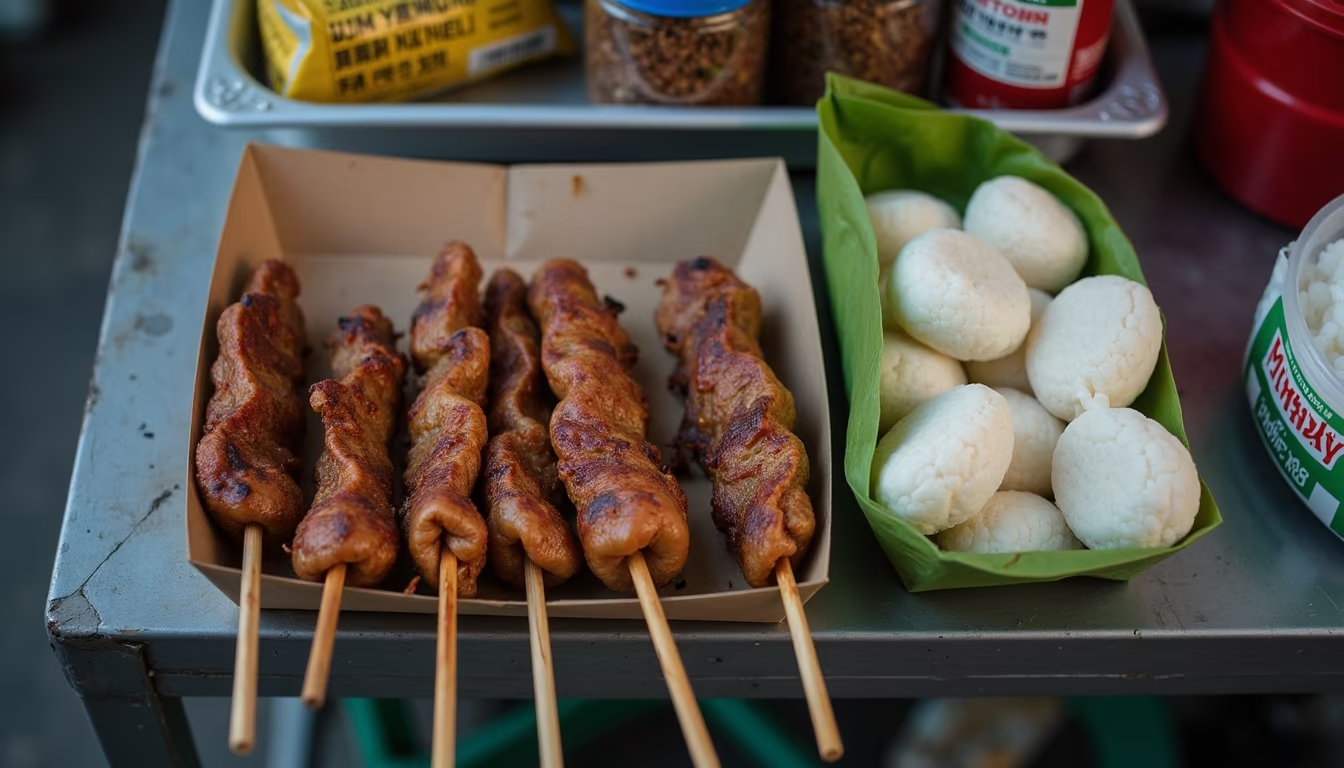
This is where Pai shines. You can eat a full, varied dinner for the price of a single restaurant main if you order one or two things from several stalls. Here is the short list we point guests toward, with rough prices so you know what fair looks like.
| Dish | What it is | Rough price |
|---|---|---|
| Grilled meats and skewers | Pork, chicken and sausage off the charcoal, often with a chilli dip | About 20 to 50 baht |
| Roti | Fried flatbread, sweet with banana and condensed milk or savoury with egg | About 30 to 60 baht |
| Khao soi | Northern coconut curry noodles, crispy noodles on top | About 40 to 60 baht |
| Sticky rice and dips | Handfuls of glutinous rice to scoop grilled meat or spicy dip | About 10 to 20 baht |
| Fresh juices and smoothies | Mango, passion fruit, watermelon, blended to order | About 25 to 50 baht |
| Fried insects | Crickets and grubs for the brave, salty and crunchy | About 20 to 40 baht |
If you only have room for two things, we usually steer first-timers to a bowl of khao soi for the northern flavour and a banana roti to finish. The fried insects are there for the brave, and the vendors are happy to let you try a single piece before you commit to a cone.
Simple hygiene tips for eating safely
Street food in Pai is generally gentle on the stomach, but a few habits make upsets rare. None of this is fussy, it is just what we do ourselves after years of eating here every week.
- Follow the queue: a busy stall means fast turnover and food that has not sat around. Empty stalls are the ones to skip.
- Watch it cook: grilled-to-order meat and freshly fried roti are safer bets than anything lukewarm in a tray.
- Mind the ice and water: bottled water and commercial tube ice are fine, which covers nearly every juice stall here.
- Ease into the chilli: if your stomach is not used to it, point and ask for less spice rather than diving into the hottest dip.
From cases we see often, the guests who get caught out are usually the ones who eat very late from a half-packed stall or who mix heavy street food with a lot of cheap whisky. Eat while the market is busy and you will almost always be fine.
Veg, vegan and picky eaters on Walking Street
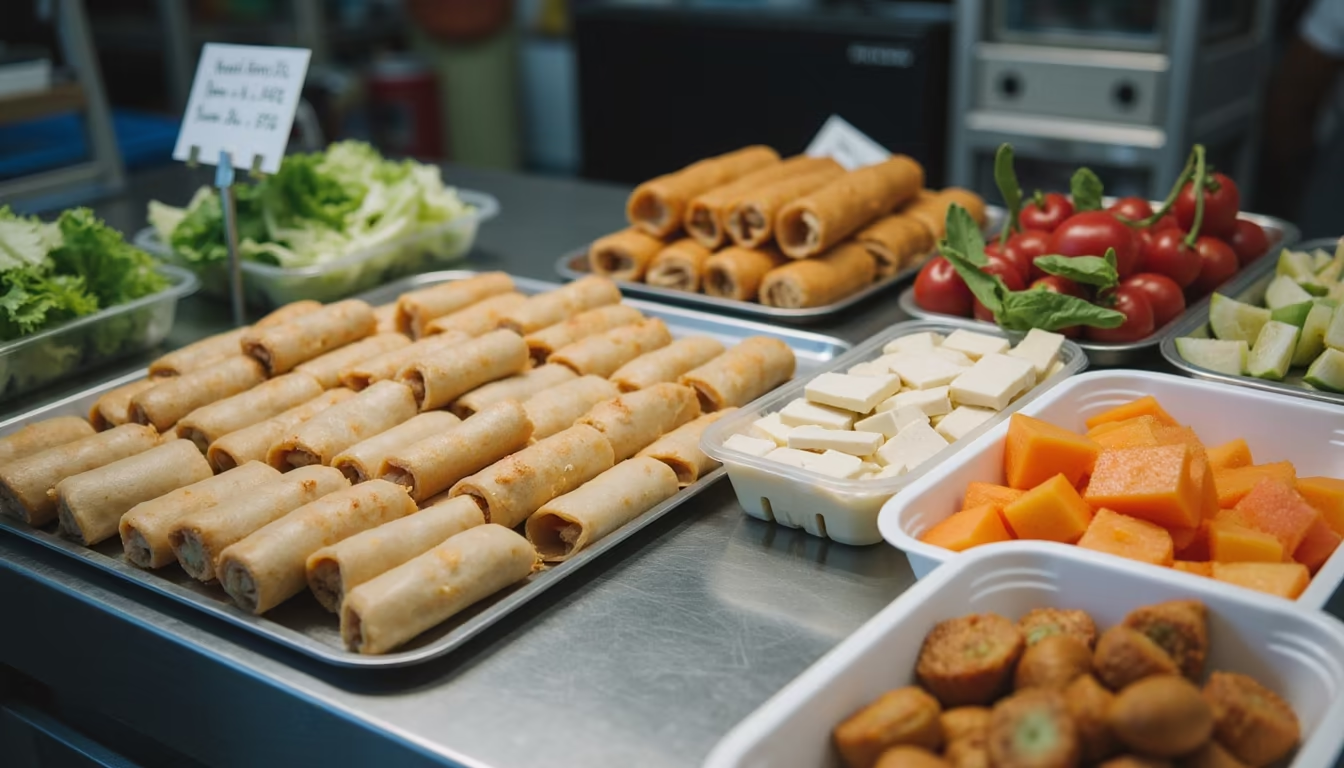
Pai is one of the easier towns in Thailand for plant-based eating, so vegetarians and vegans do well at the market. Plenty of stalls sell fruit, fresh juices, sticky rice, fried vegetables, spring rolls and tofu skewers, and several vendors lean fully vegetarian thanks to Pai's long-running healthy-living crowd.
The thing to learn is one phrase. "Jay" means strict vegan in Thai, while "mang sa wirat" means vegetarian, and saying either at a stall gets you pointed to the right plate quickly. Picky eaters and kids tend to be happiest with grilled chicken skewers, plain sticky rice, fruit and a banana roti, none of which carry much heat.
Related Pai food trips worth pairing with a market night
The night market is the easy, cheap end of eating in Pai, but it is not the whole story. For sit-down meals, riverside dinners and the cafe scene, see how the market compares with our wider rundown of things to do in Pai, which folds food into a full day. A daytime ride out to Pai Canyon for sunset pairs neatly with a market dinner on the way back into town.
We keep a separate guide for the proper restaurants and cafes, so this one stays focused on the street stalls. Think of the night market as your nightly grazing dinner and the restaurants as the occasional sit-down treat, and you will eat well all week without overspending.
Pai street food FAQ for first-timers
Two quick ones we get asked most evenings before guests head out.
Is Pai street food cheap? Yes. Most plates land around 20 to 60 baht, so a generous grazing dinner from several stalls still costs only a little, and water and juices are inexpensive too.
Do I need to book or queue early? No booking, ever. Just wander down Walking Street any evening, join the busy stalls, and pay cash as you go.
Where to stay so the market is a short stroll
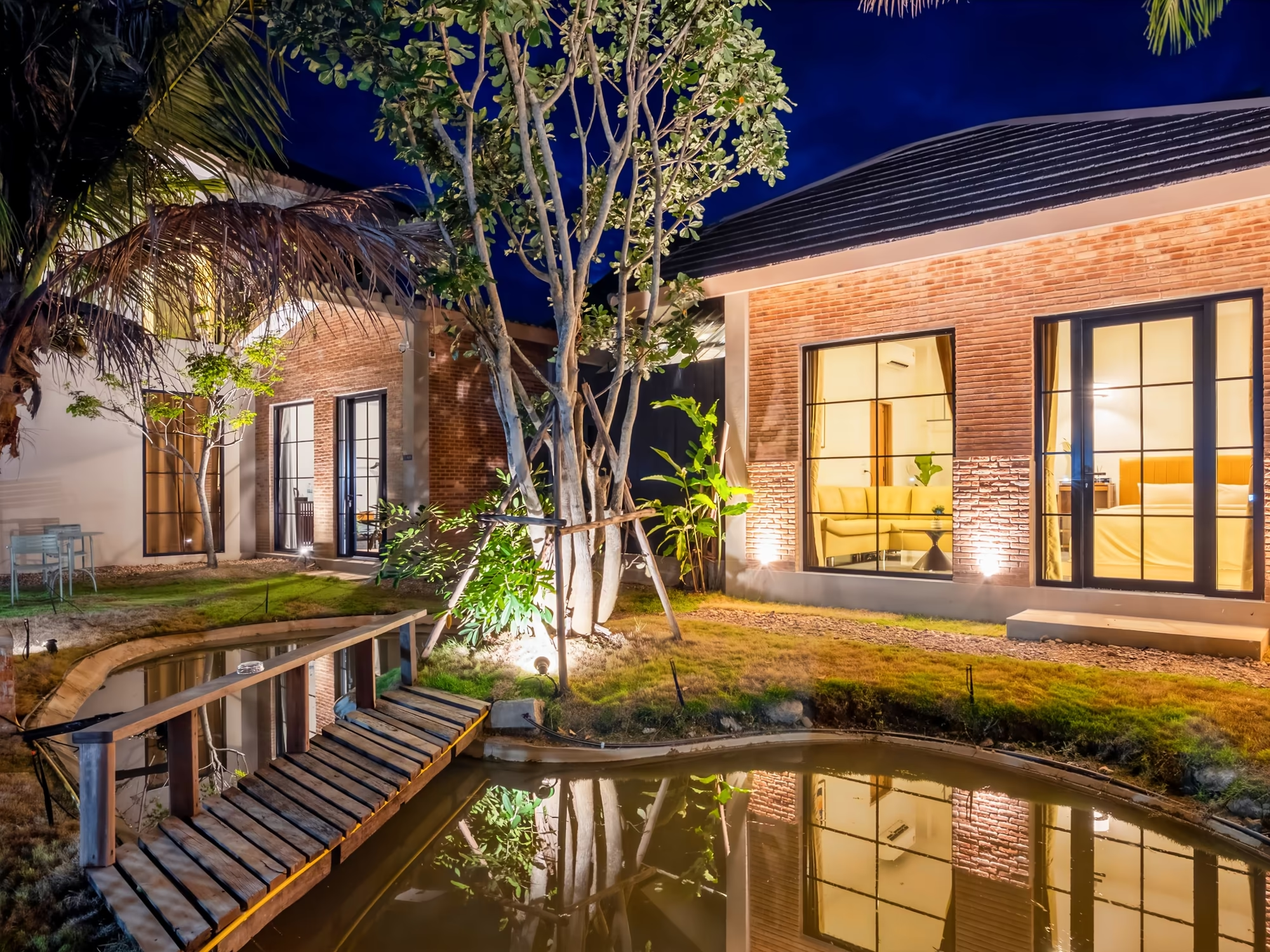
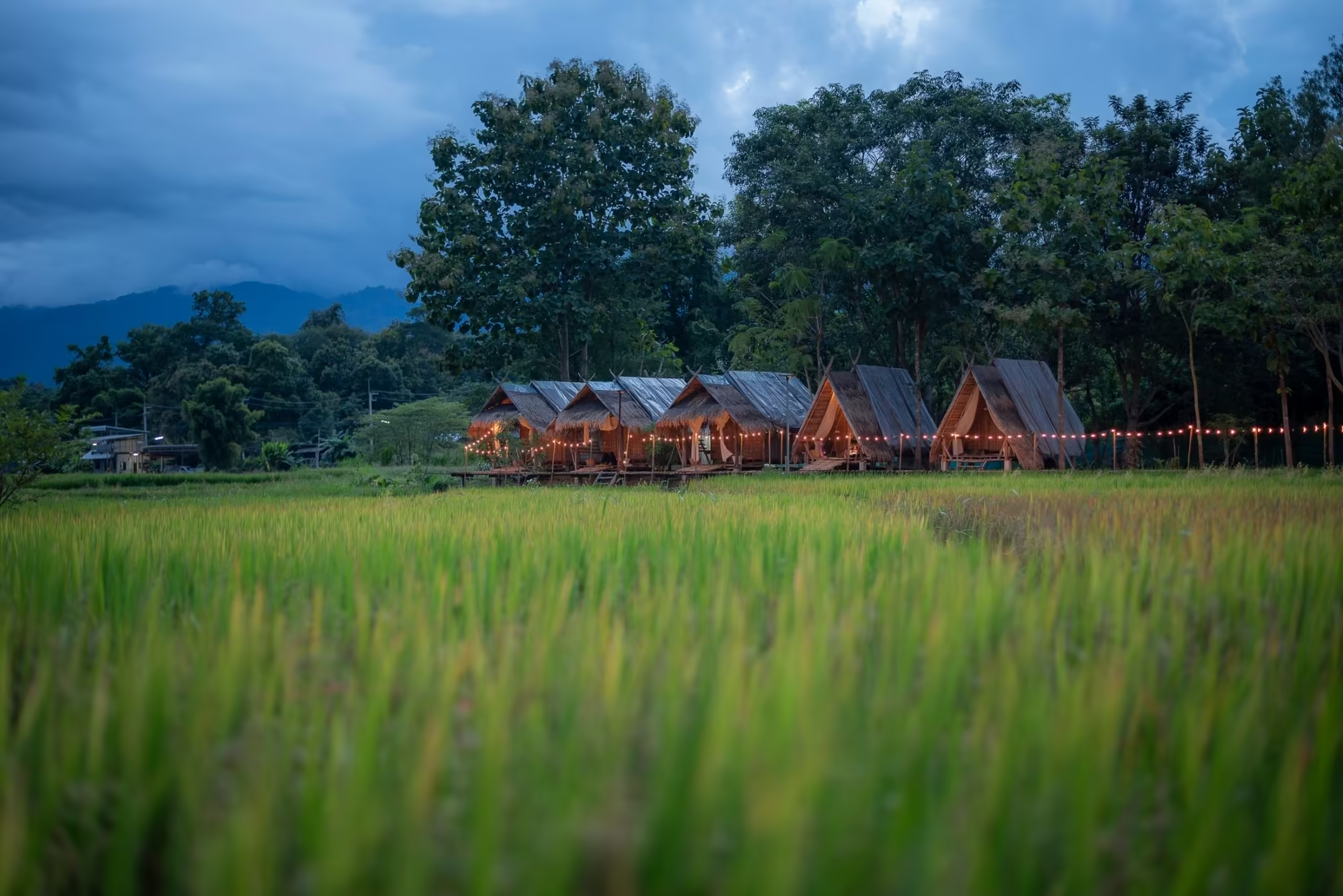
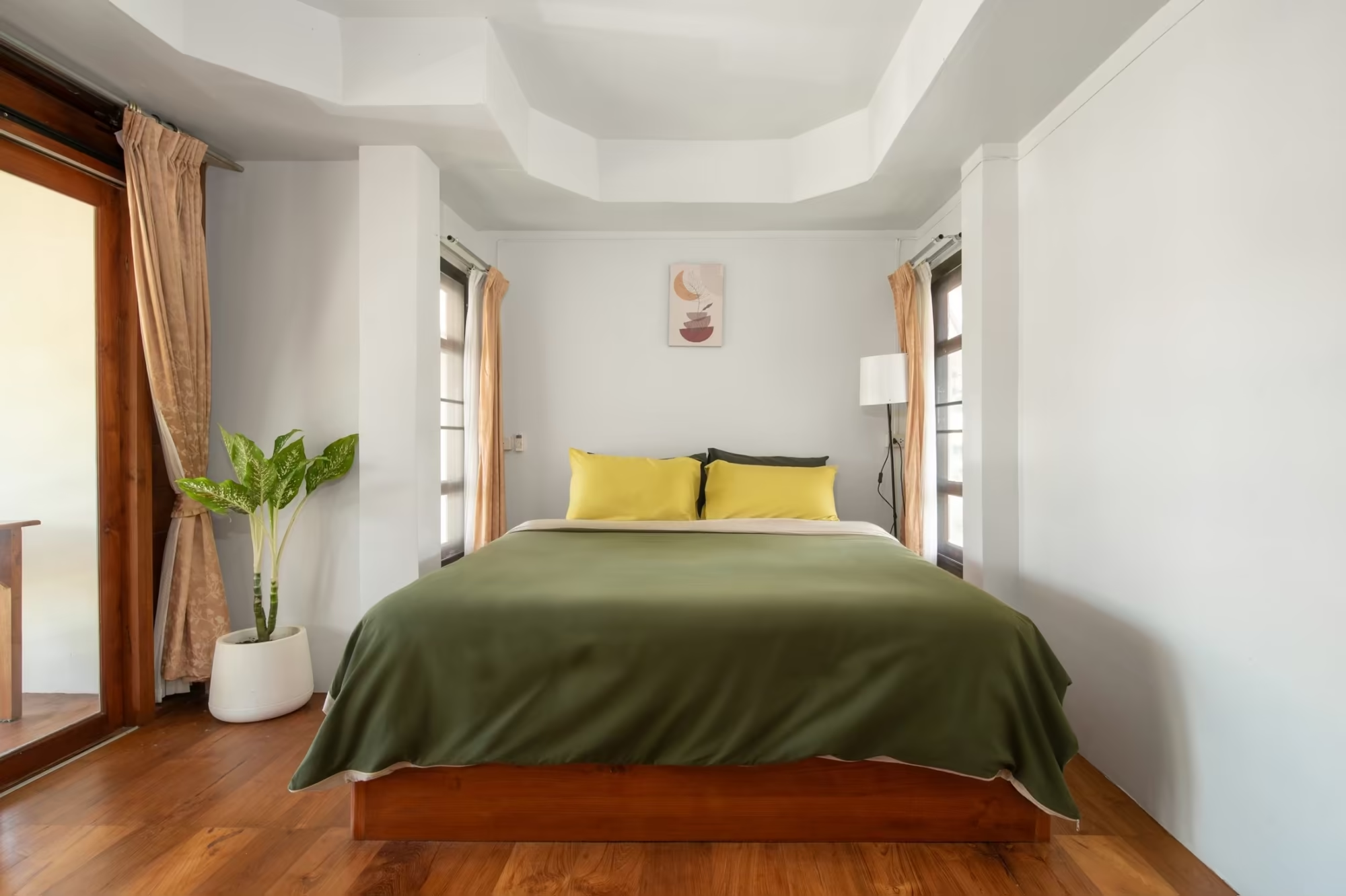
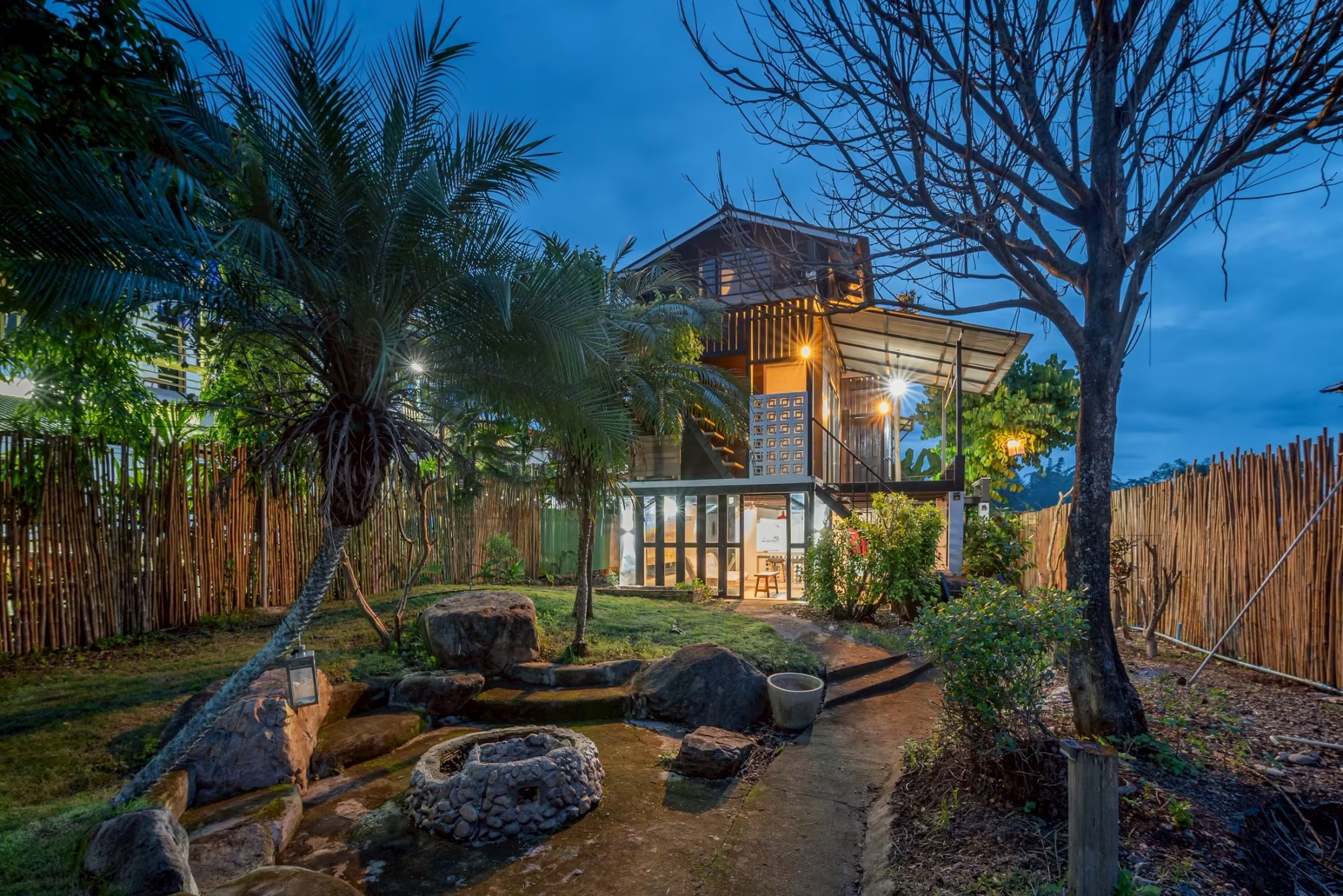
The nicest way to do the night market is to walk to it, eat slowly, and amble home without worrying about a scooter or a ride. We run six small, owner-managed stays around Pai, and for food-focused trips we match guests to a base within easy walking distance of Walking Street.
If you want a lively, central feel you can stay right by the action, while couples who prefer a quiet bed after the buzz do better a few calm minutes away. For the full picture of areas, prices and the trade-off between town-centre and countryside, read our honest rundown of where to stay in Pai before you book anything. Booking direct with us skips the booking-site markup, and we can tell you which stalls are running strong this season.
Because we live here, we treat the night market as part of your stay, not an afterthought. We will sketch the lane on a map, flag the dishes worth queueing for, and make sure your bed is a short, well-fed walk from the last roti of the night.