By BestHotelPai Team · Updated August 21, 2026
In short Most pai shopping happens on the Walking Street night market, which fills the central road roughly from 6pm until late, mainly in the cooler and green months. You will find handmade crafts, clothes, art, highland coffee beans, textiles and street snacks. Prices are low and mostly fixed, so haggling is gentle. Staying central means you can simply walk out and back.
Is there really much to shop for in a mountain town better known for waterfalls and slow mornings? It is a fair question, and one we hear from guests the moment the sun drops and the main street starts filling with stalls. Pai shopping is tiny by city standards, but for a few hours each evening the centre turns into one of the friendliest little markets in the north.
We are owner-hosts here, not a booking site, so we will be honest about what is genuinely worth your baht and what is the same printed t-shirt you can buy anywhere. Below we cover the Walking Street night market, the opening times, what to buy and skip, how to haggle gently without being rude, and where to base yourself so the whole evening is an easy stroll rather than a drive.
So what does pai shopping actually look like?
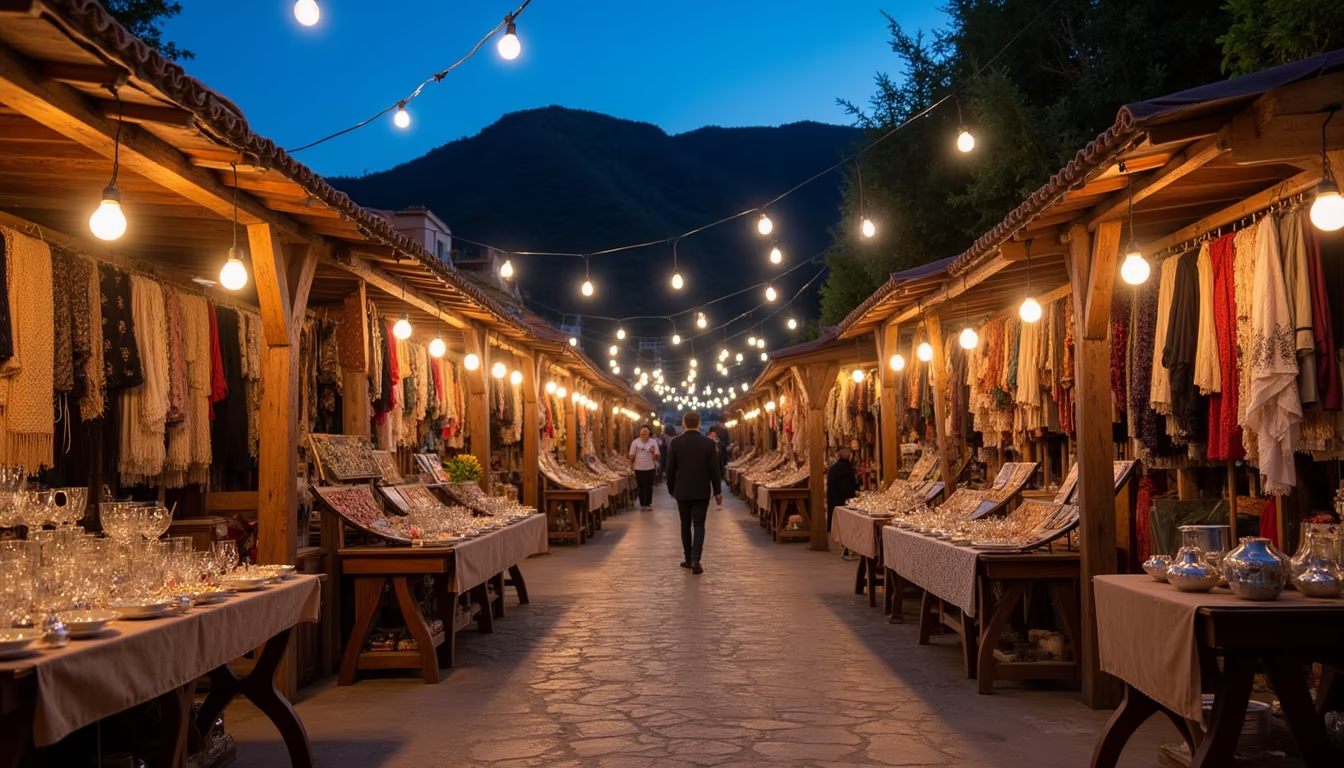
Pai has no malls and no big shopping centre, and that is exactly the charm. Daytime shopping is a handful of small boutiques, craft studios and coffee roasters tucked along the lanes. The real event is the evening, when the central street closes to cars and rows of stalls and food carts take over from around dusk.
It is a walking market in the truest sense. You drift from one end to the other, a paper cup of fresh fruit or a skewer in hand, browsing handmade jewellery, tie-dye clothing, small paintings, leather goods and bags of local coffee. From what we see with guests, people who arrive expecting a big bazaar are surprised by how small and human it is, and the ones who treat it as an evening stroll rather than a shopping mission enjoy it most.
Pai sits in Mae Hong Son province, and according to the Tourism Authority of Thailand the region is known for its hill-tribe communities and cool-season highland climate rather than big commercial centres. That heritage is what gives the market its handmade, small-batch feel, especially the textiles and coffee that come down from the surrounding hills.
The Walking Street night market: opening times and layout
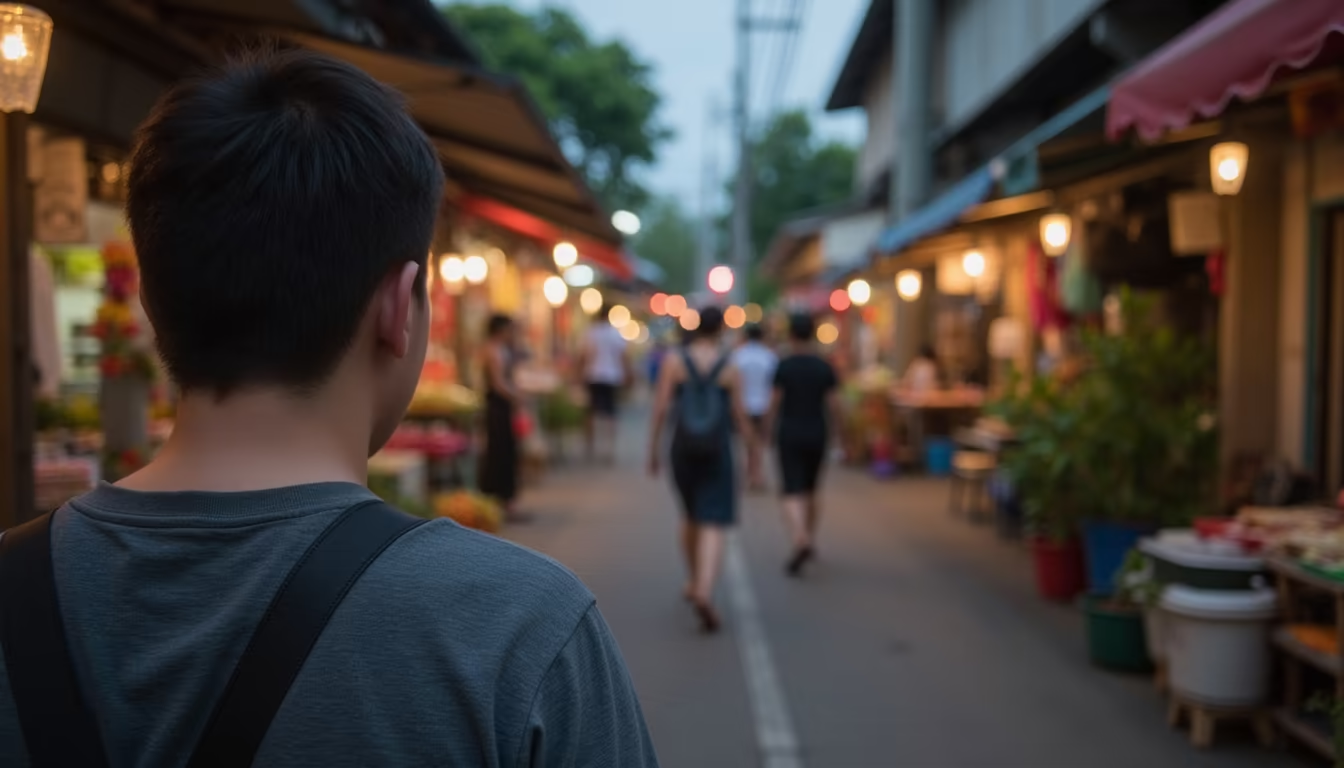
The night market runs along the main central road, the one most cafes and guesthouses sit near. It typically gets going around 6pm and winds down before midnight, busiest between roughly 7pm and 9pm. It tends to be liveliest in the cool season and quieter in the deep low season, so the exact hours shift a little with the crowd and the weather.
- Food end: snacks, fruit shakes, grilled skewers and sit-down street food cluster near the busier crossroads.
- Craft middle: the heart of the street is handmade goods, art, clothing and jewellery stalls.
- Quiet edges: the far ends thin out into a few late stalls and the odd musician, good for a calmer browse.
Because it is all on one flat street, you can walk the whole thing in 15 to 20 minutes without stopping, or stretch it into a relaxed two-hour evening with food breaks. In practice, the guests who enjoy it most stay central and wander down on foot, since parking a scooter in the crowd is more hassle than it is worth.
Quick FAQ on the Walking Street before you go
Two things guests ask us almost every afternoon before the market opens, so here are the short answers.
What time does the Pai night market open? Most stalls are set up by around 6pm and the street is liveliest from about 7pm. It runs until late evening, though the quieter low-season nights can wrap up earlier.
Is it open every night? In the busy cool season it runs nightly, but in the quietest months some stalls take nights off and the market is smaller. If a specific evening matters, just ask us on the day and we will tell you how busy it is looking.
What is worth buying in Pai (and what to skip)
Not everything on the street is local, and being honest about that is part of being a good host. Some items are genuinely made in or near Pai, while others are the same mass-printed souvenirs sold across Thailand. Here is how we steer guests.
| Item | Worth it? | Why |
|---|---|---|
| Highland coffee beans | Worth it | Grown in the surrounding hills, freshly roasted, easy to pack home |
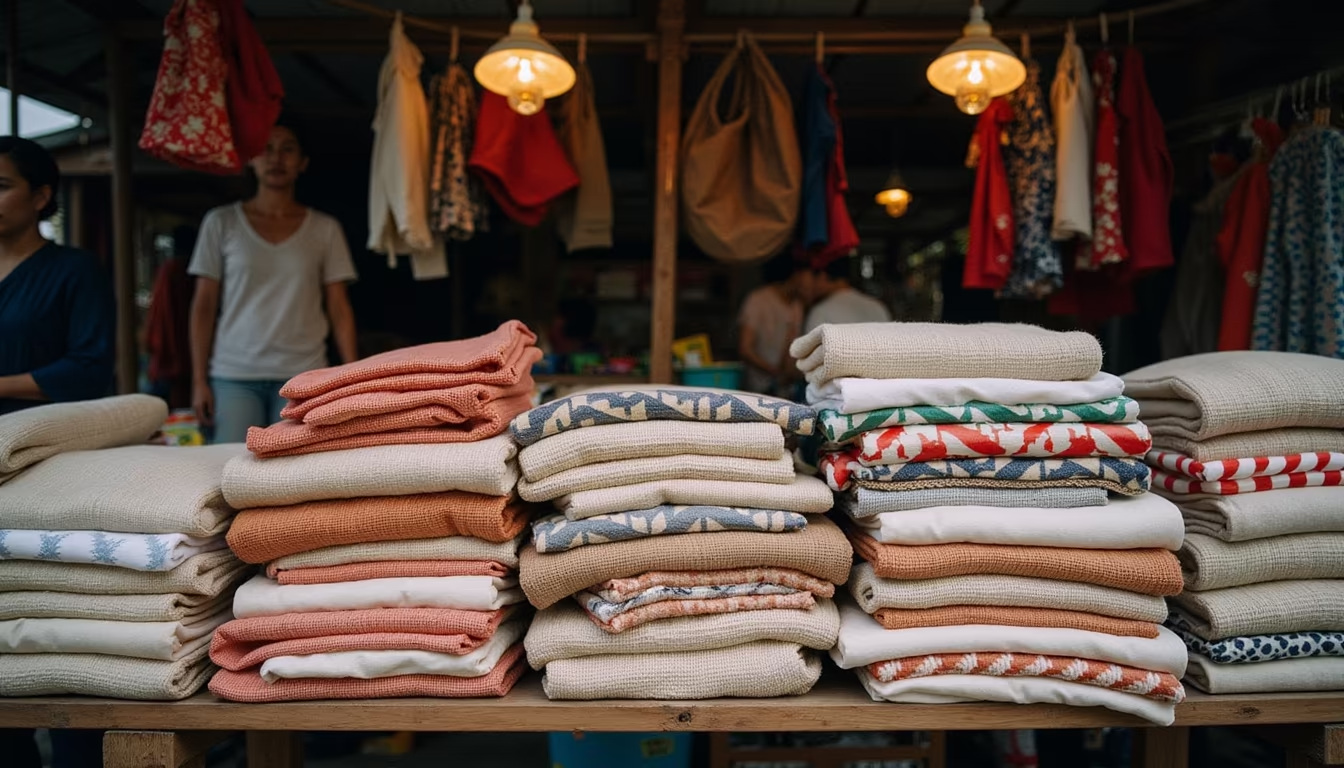
| Hand-woven textiles | Worth it | Hill-tribe scarves and bags with real local craft behind them |
| Small original art | Worth it | Many artists live here and sell prints and paintings directly |
| Printed slogan t-shirts | Skip | Same designs sold in every Thai tourist town, rarely local |
| Cheap phone gadgets | Skip | Generic imports, no Pai connection and patchy quality |
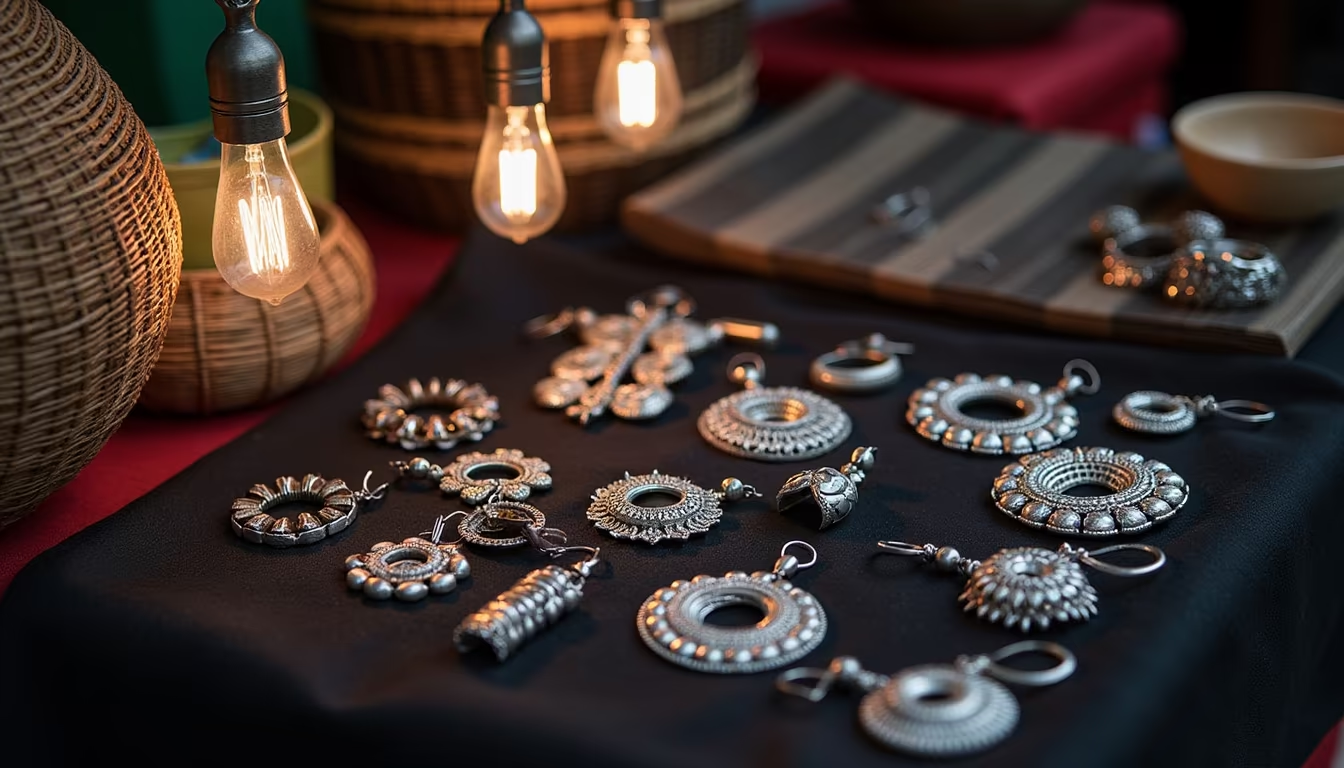
Our simple rule: buy the things that are made here and hard to find elsewhere, which usually means coffee, textiles, art and handmade jewellery. Snacks are always worth it too, since the food carts are half the fun.
Gentle haggling etiquette that keeps everyone smiling
Pai is not a hard-bargaining market like the big city tourist bazaars. Most stalls already price things low and fairly, often with a small written tag, so the tone is friendly rather than a contest. A little polite negotiation is fine, but it is not expected on small items.
- Smile first: a friendly greeting goes further than a number. The sellers live here and remember faces.
- Ask kindly: for a few items together, it is normal to gently ask if there is a better price. One small item, just pay the tag.
- Know when to stop: haggling hard over the equivalent of a coffee to save a few baht is not the local style, and it sours the evening.
From cases we see often, the guests who get the warmest treatment, and sometimes a little extra thrown in, are the ones who treat the stallholder as a neighbour rather than an opponent. Carry small cash, since many stalls do not take cards.
Local artisan goods, highland coffee and textiles
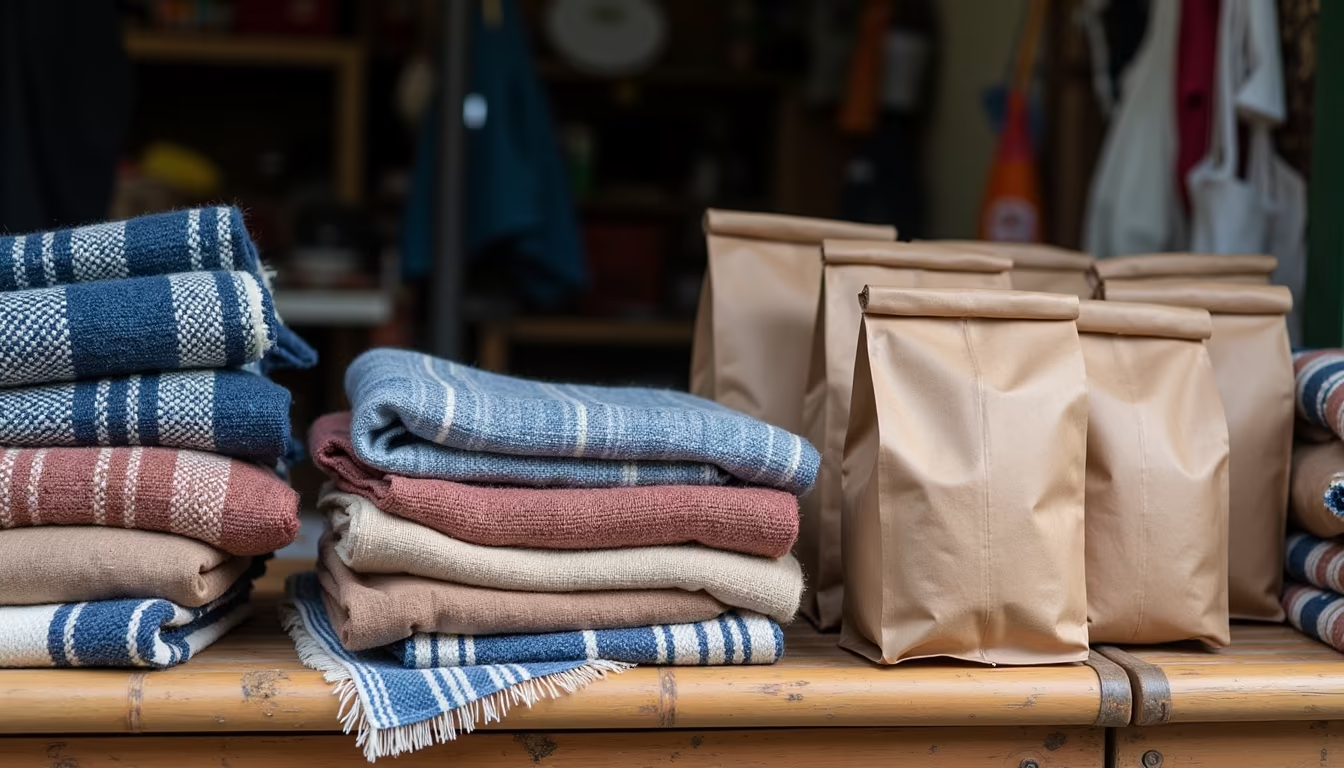
If you only chase one thing on the street, make it the genuinely local craft. The hills around Pai are home to small farms and hill-tribe weavers, and a lot of that work ends up on a stall run by the maker or their family. This is where your baht does the most good and where you take home something with a real story.
Coffee is the easy win. The cool highland climate suits arabica, and several roasters sell beans by the bag for well under what a souvenir tin costs at the airport. Textiles are the other standout, from indigo-dyed cotton to woven shoulder bags. For original art, look for the small studios and the painters who set up after dark; buying a print directly from the artist is one of the nicer things you can do here. If you want to weave a market evening into the rest of your trip, our overview of things to do in Pai shows how the days and nights fit together.
Where to stay so the night market is an easy walk
The single biggest thing that makes market nights good or annoying is how far you have to travel back afterwards. Staying central means you can wander down on foot, drift home whenever you like, and never worry about riding a scooter through a crowd or after a beer.
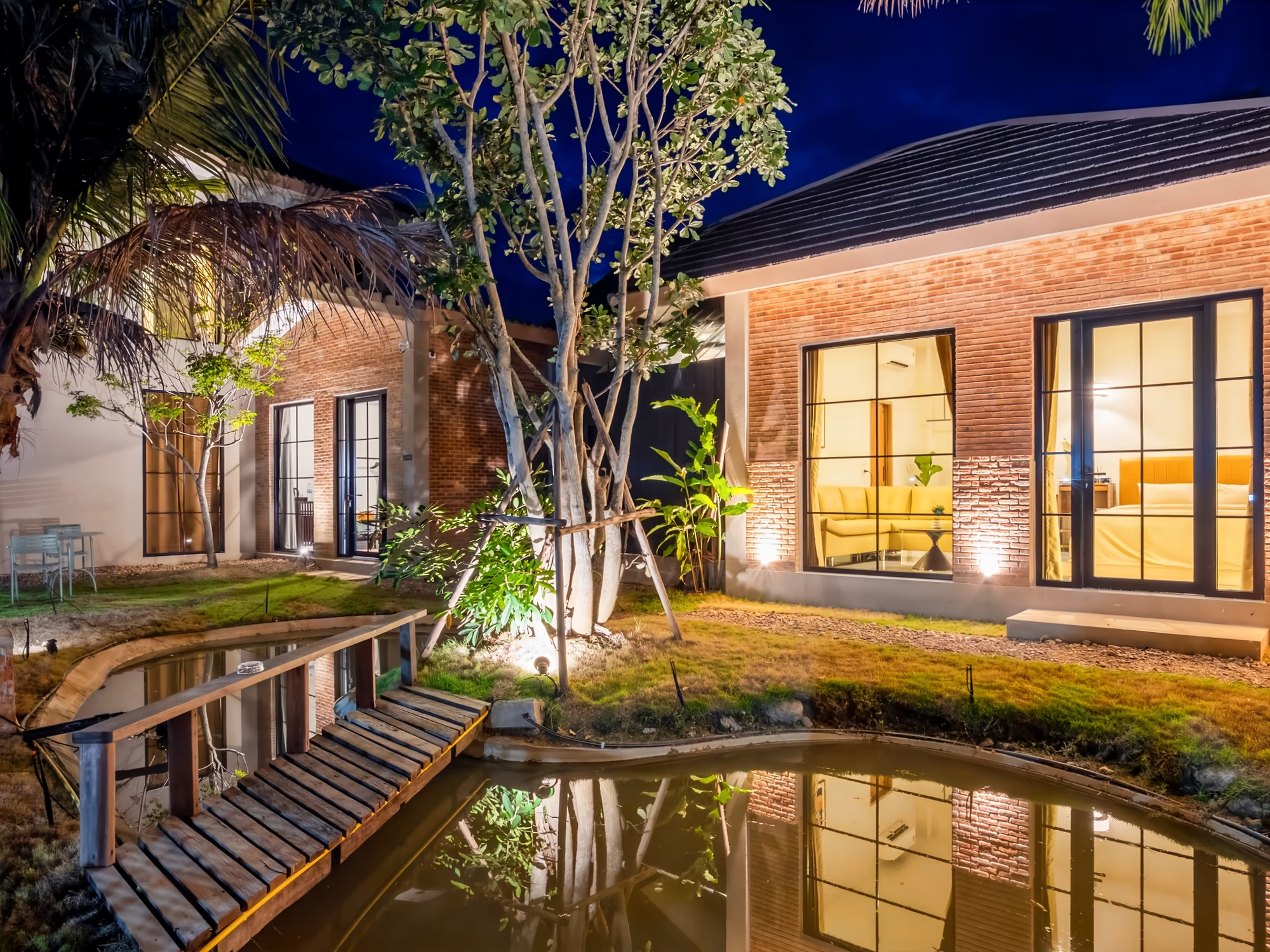
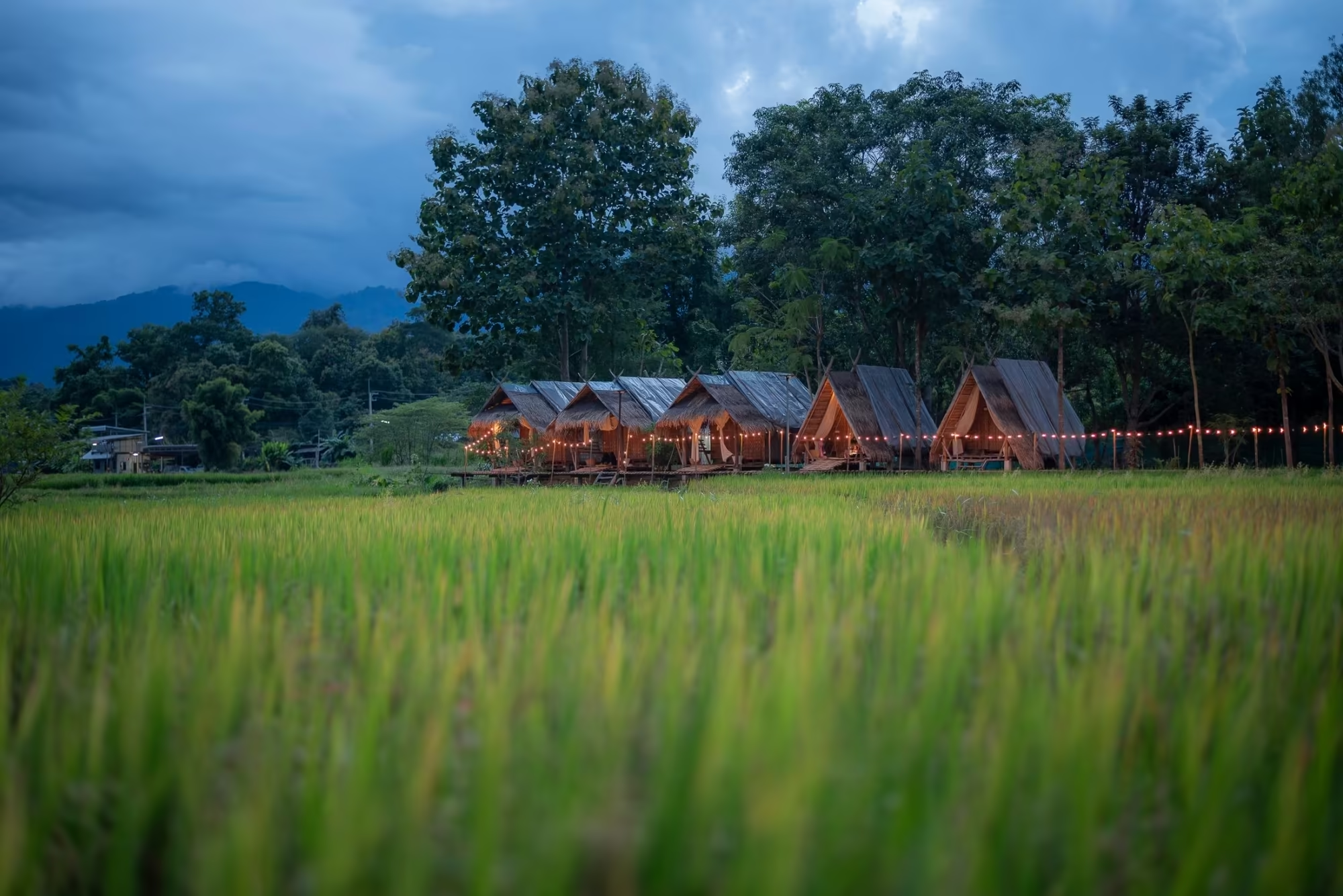
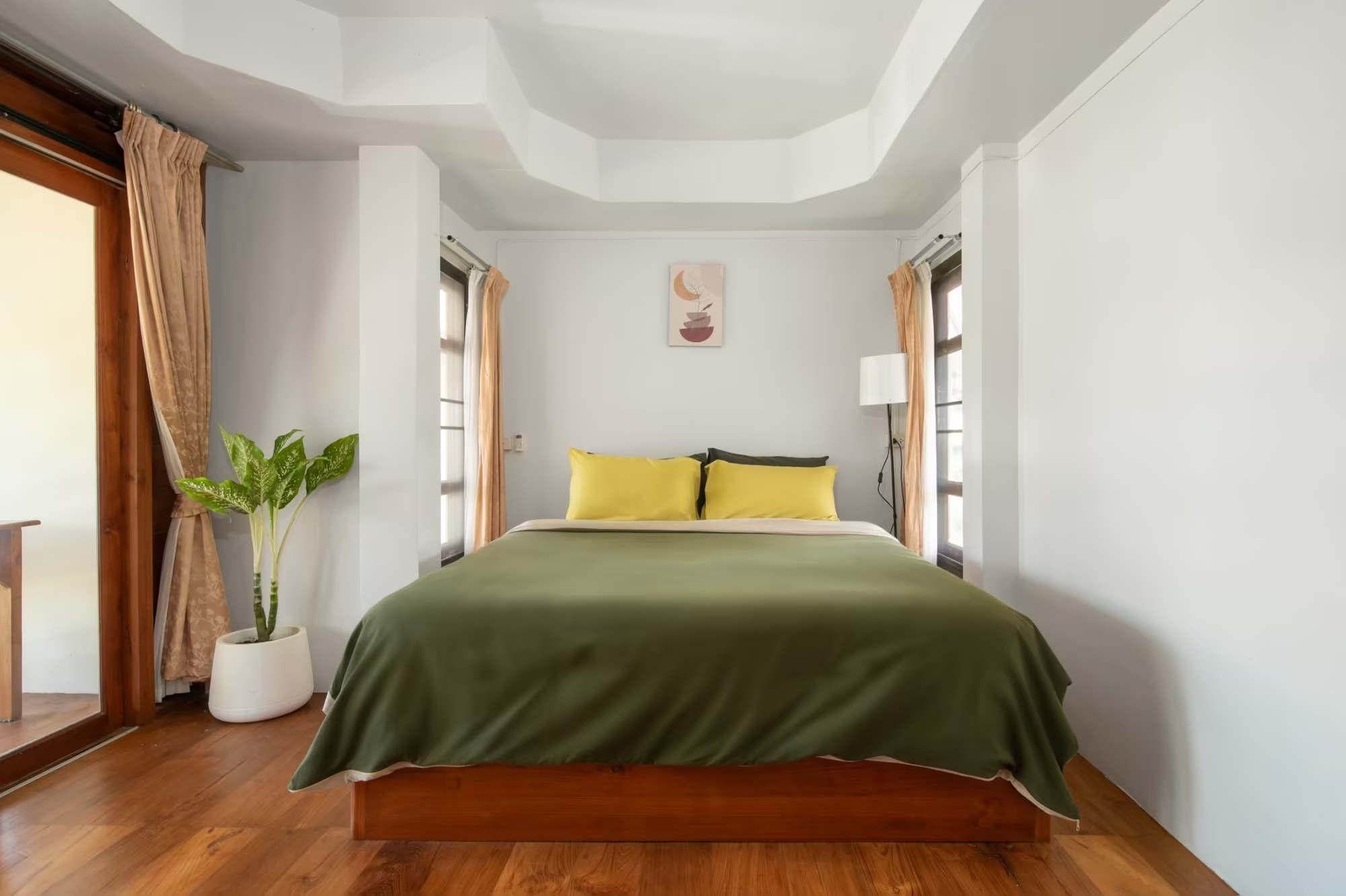
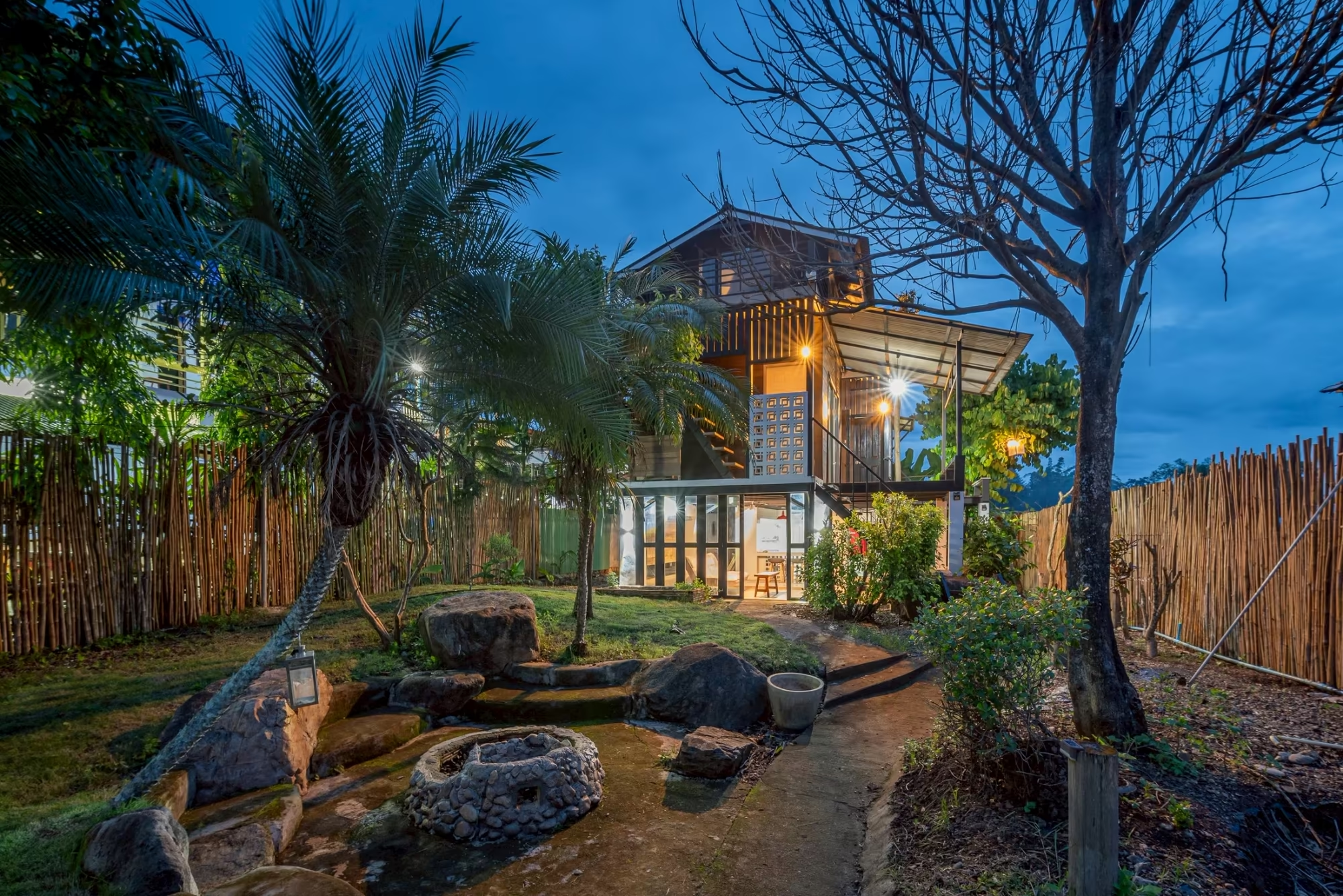
We run six small, owner-managed stays around Pai, from quiet rice-field gardens to mountain-view rooms on the edge of town. For people who want the market on their doorstep we steer them to our more central options, and for those who prefer calm with a short stroll in, we suggest a garden stay a few minutes out. If you want the full picture of areas, prices and the trade-off between town-centre buzz and countryside quiet, read our honest rundown of where to stay in Pai before you book. Because we live here, we can tell you on the day how lively the street is looking and which stalls are out.
Related Pai evenings worth pairing with a market stroll
A market night slots neatly beside the rest of a Pai trip rather than standing alone. Many guests pair a late-afternoon ride to Pai Canyon for sunset with a slow wander down the Walking Street afterwards, which makes for one of the easiest, prettiest evenings in town. If you are still planning your route into the valley, our guide on how to get to Pai covers the minivan from Chiang Mai and the famous curves so you arrive with time to settle in before the stalls open.
Pai shopping will never be about big brands or bargains you brag about. It is a warm, low-key evening of handmade things, good coffee and street food, run by people who live here. Stay central, carry small cash, haggle kindly, and let us handle the bed so the stroll is the easy part.