By BestHotelPai Team · Updated August 20, 2026
In short A pai cooking class usually starts with a short local market tour, then teaches three to five northern Thai dishes, including a curry paste pounded from scratch. Half-day classes run a few hours and cost roughly 700 to 1,000 baht; full days cost more and add extra dishes. Most kitchens are family and veg-friendly, and you eat everything you cook.
A lot of people arrive in Pai planning to eat their way through the valley and leave without ever learning how a single dish is made. That is a shame, because the food here, smoky northern curries, fresh herb salads, sticky rice eaten by hand, is half the reason the valley feels so welcoming. The cooks who run the classes are almost always locals teaching family recipes, not chefs performing for a crowd.
So is a pai cooking class worth swapping for another scooter loop or a lazy cafe morning? We think it often is, especially if you want to take the valley home with you. Below we explain what a class actually includes, the difference between half and full day, rough prices, the family and veg-friendly options, what you really learn, and how to book without stress.
So what is a pai cooking class, really?
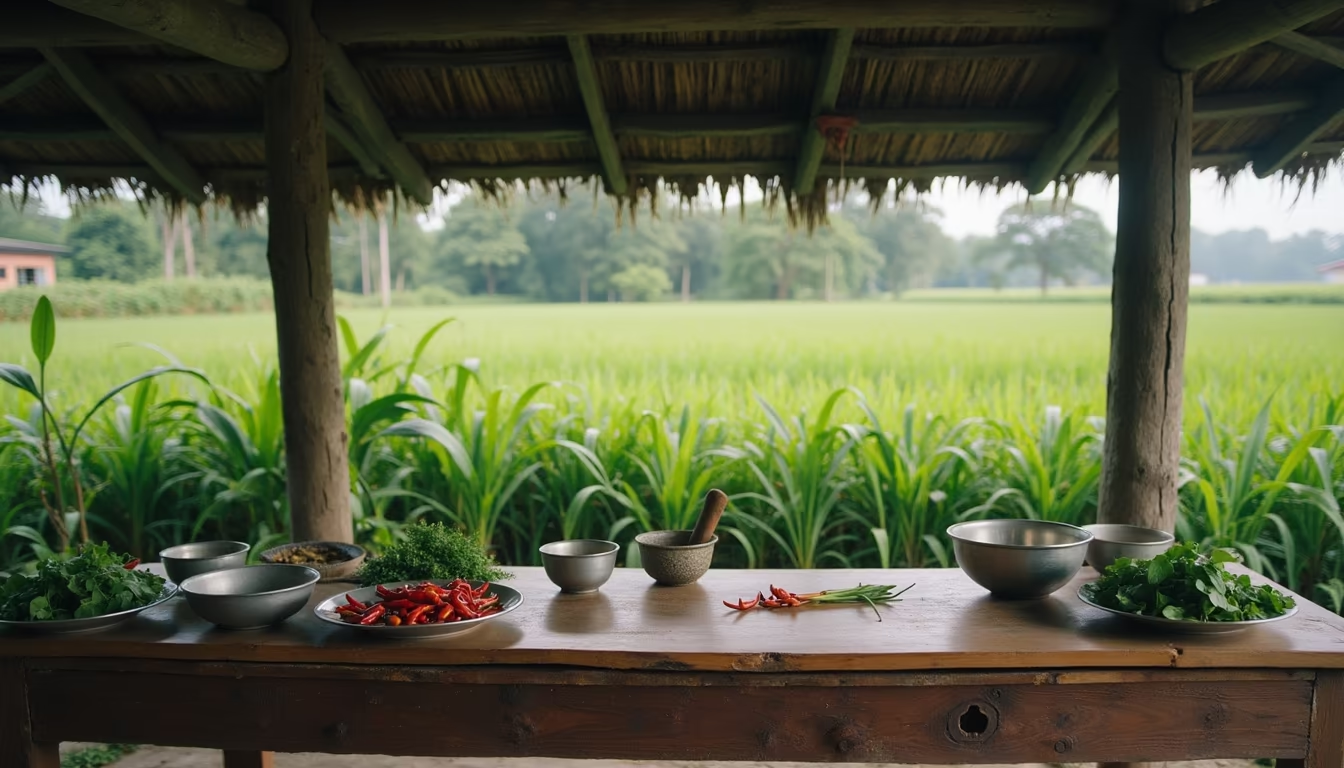
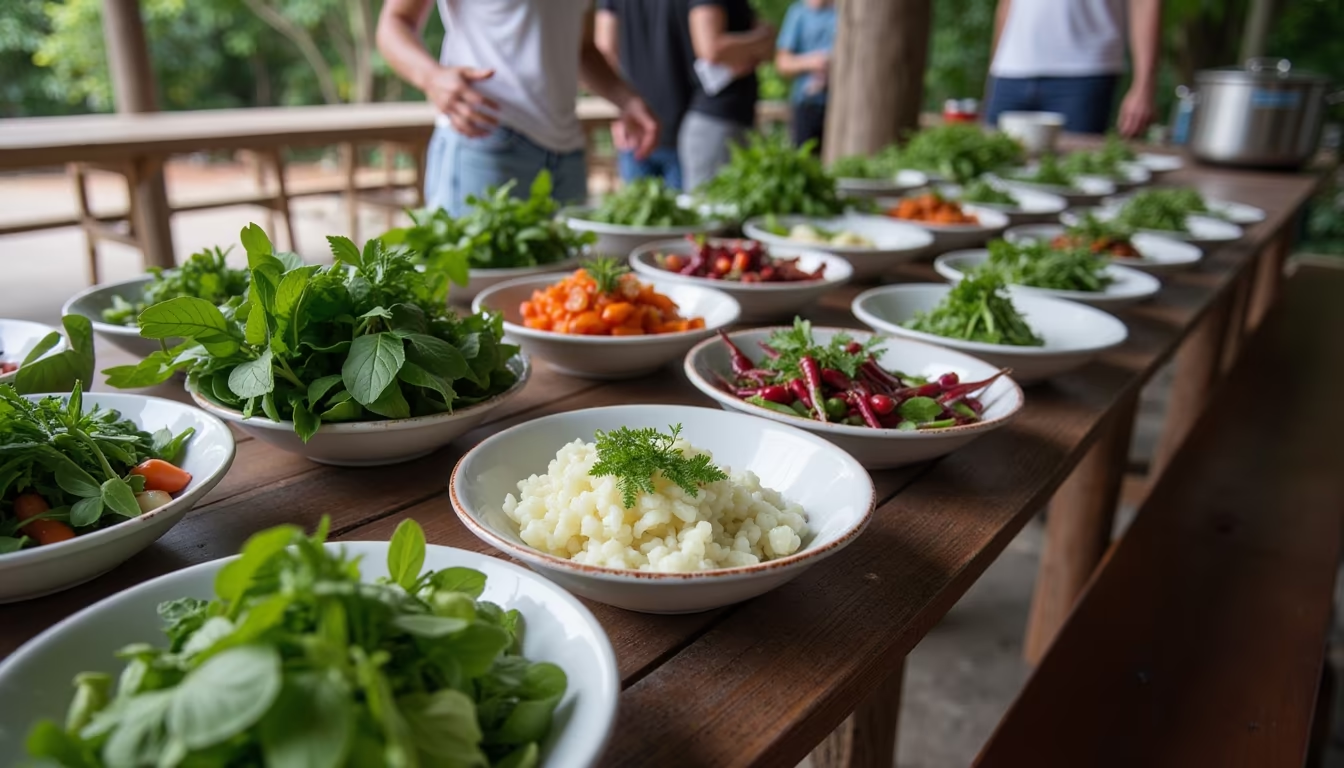
Most classes in Pai are small, home-style sessions run by a Thai family or a single local cook, often in an open-air kitchen on the edge of the rice fields. You are not in a restaurant. You are at a long table with a few other travellers, a mortar and pestle in front of you, and a teacher walking you through dishes they grew up eating. The pace is relaxed, the portions are generous, and you eat what you make.
The northern kitchen here is different from the central Thai food most visitors know. Expect dishes like khao soi, the curried egg-noodle bowl, a herby sausage or a smoky chilli dip called nam prik, alongside familiar favourites such as pad thai and green curry. From what we see with guests, the moment that surprises people most is pounding their own curry paste, smelling the lemongrass and galangal release as the pestle works, and realising how far it is from a supermarket jar.
Pai sits in Mae Hong Son province in Thailand's far north, and according to the Tourism Authority of Thailand the region is known for its cool mountain valleys and Lanna and hill-tribe food traditions rather than beach resorts. That northern character is exactly what a good class lets you taste and recreate at home.
How a pai cooking class works, plus what you learn
A typical class follows a simple arc, and knowing it ahead of time helps you turn up relaxed rather than wondering what you signed up for.
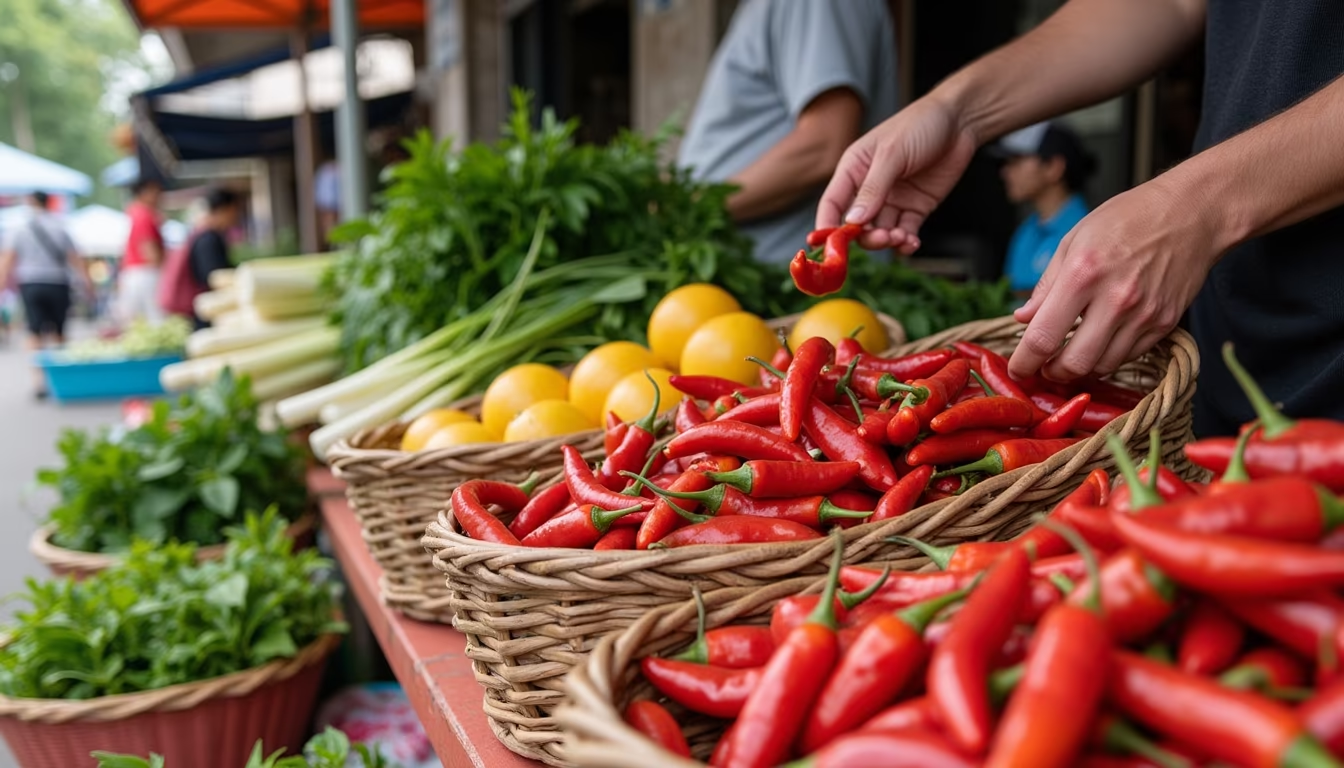
- The market tour: many half-day and most full-day classes start with a short walk through a local market, where the cook shows you the herbs, pastes and vegetables that go into the day's dishes. It is a quiet, useful 20 to 30 minutes that teaches you to shop the way locals do.
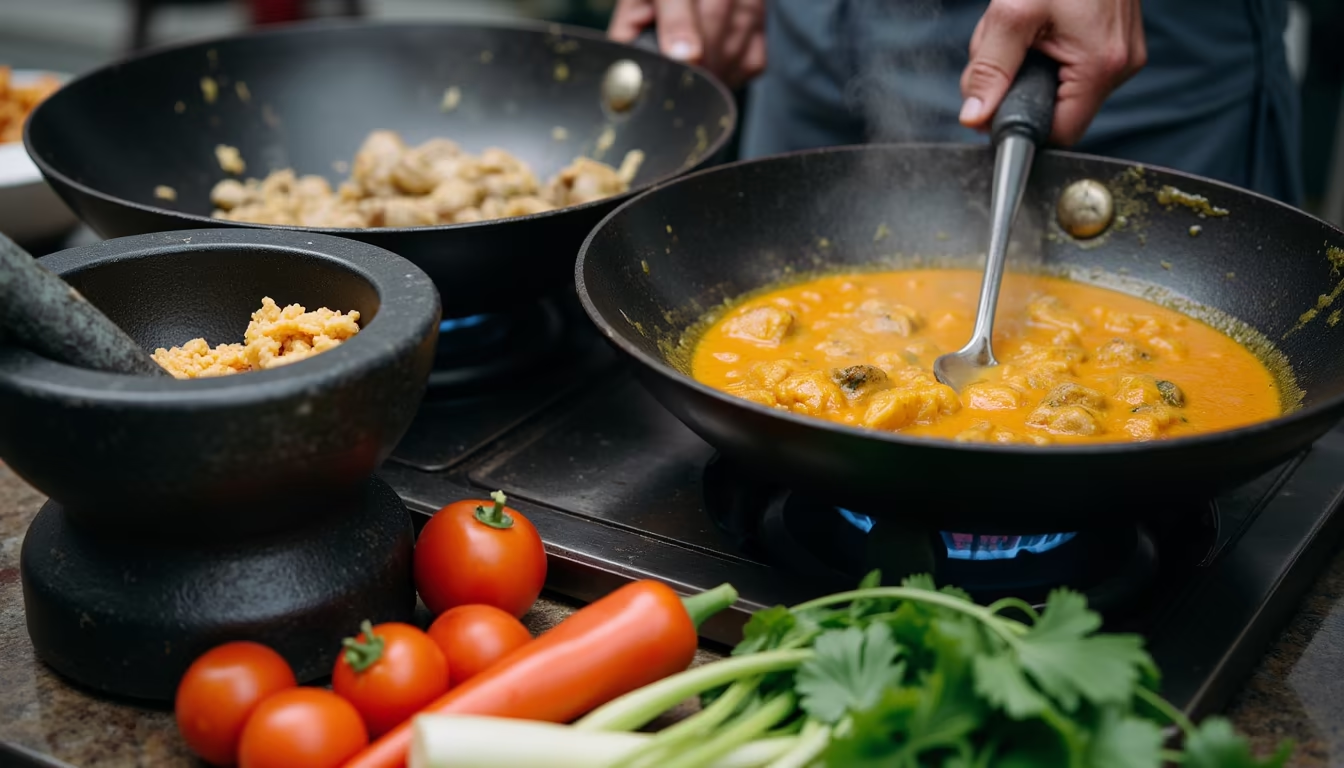
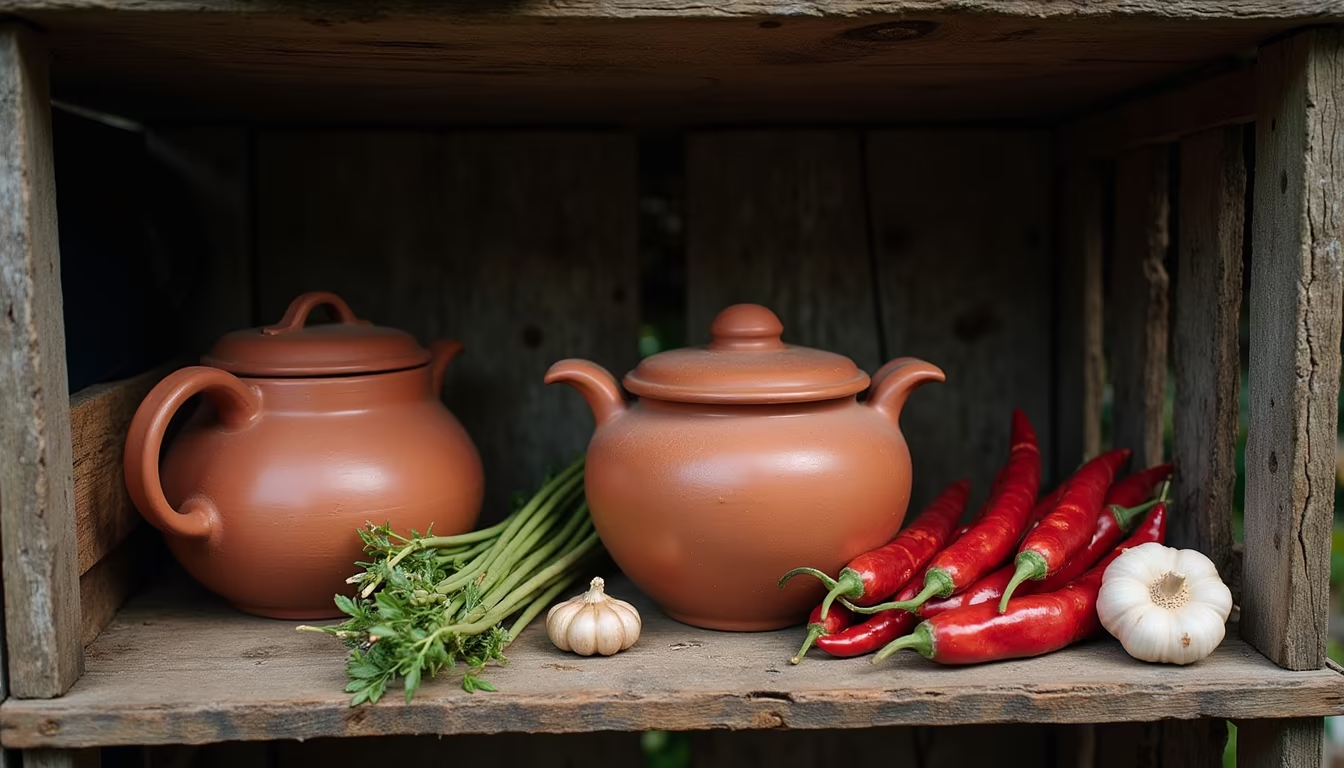
- Curry paste from scratch: the heart of the class. You pound lemongrass, galangal, chillies, garlic and shrimp paste in a stone mortar until it becomes a fragrant paste. It is the skill people are most proud to take home.
- Three to five dishes: you usually cook a soup or curry, a stir-fry, a salad or appetiser, and sometimes a dessert such as mango sticky rice. You do the cooking yourself, with the teacher guiding each step.
- Recipes to keep: almost every kitchen sends you off with a printed or digital recipe booklet so the dishes do not stay trapped in the valley.
In practice, the best part is not any single recipe but learning the logic of the kitchen, how to balance salty, sour, sweet and spicy by taste rather than by measuring. Once that clicks, you can cook northern Thai food anywhere.
Quick pai cooking class FAQ before you book
Two questions come up again and again before guests commit to a morning at the stove, so here are the honest short answers.
Do I need any cooking experience? None at all. Classes are built for complete beginners, the teacher handles the knife work if you are nervous, and the recipes are forgiving. Confident home cooks still enjoy them for the local techniques and the curry-paste pounding.
Will there be too much food? Honestly, yes, in the best way. You eat everything you cook, so come hungry and expect leftovers. Most kitchens happily pack up what you cannot finish so nothing goes to waste.
Half day vs full day, and how to choose
The biggest decision is length. A half-day class is the easy default for a packed Pai trip, while a full day suits keen cooks who want the market, more dishes and a slower pace. Here is how we line them up for guests.
| Option | What's included | Rough price | Time |
|---|---|---|---|
| Half day | 3 to 4 dishes, curry paste, sometimes a short market stop | Around 700 to 1,000 baht | About 3 to 4 hours |
| Full day | Market tour, 5 or more dishes, dessert, longer paste work | Roughly 1,200 to 1,800 baht | About 5 to 6 hours |
| Evening short class | 2 to 3 dishes, no market, dinner you cook | Around 600 to 800 baht | About 2 to 3 hours |
Prices vary by kitchen and what is in season, so treat these as a guide, not a fixed rate. If you only have a single full day in the valley, a half-day morning class still leaves your afternoon free for a ride out to Pai Canyon for sunset.
Prices, plus family and veg-friendly options
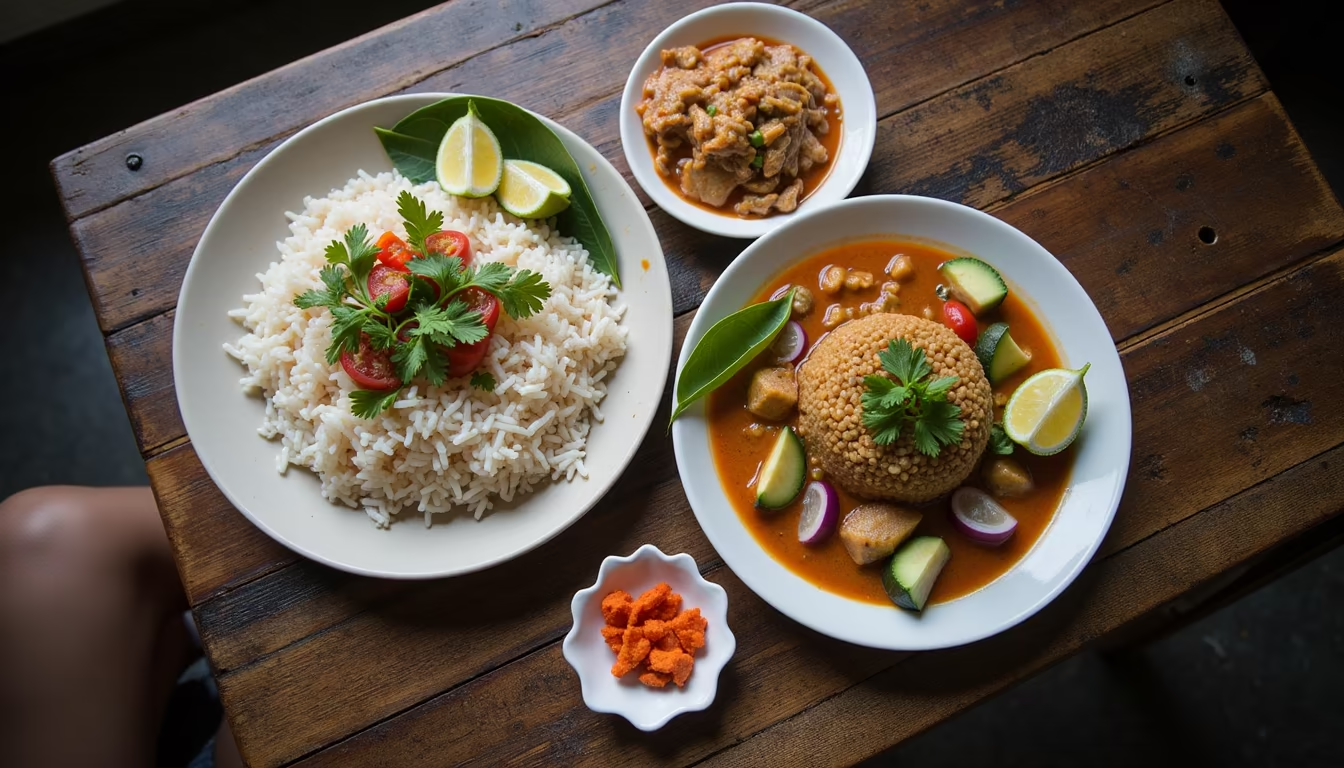
Cooking is one of the better-value things to do in Pai, because the price almost always includes all ingredients, the use of the kitchen, the recipes and a full meal. There is rarely a separate charge for the food you eat. Bring cash, since most small kitchens do not take cards, and book a day or two ahead in high season.
Families are well looked after. Many kitchens welcome children, give them simpler tasks, and adjust the chilli so the dishes are mild. Vegetarians and vegans are easy to accommodate too: cooks routinely swap shrimp paste and fish sauce for soy or bean alternatives, so a veg-friendly curry paste is no trouble if you mention it when booking. From cases we see often, the trick is simply telling the kitchen your needs in advance rather than on the day.
Who a cooking class is for (and who can skip it)
From what we see with guests, this activity divides people cleanly, so it helps to be honest before you book.
You'll love it if
- You want a hands-on, social half-day rather than another viewpoint.
- You like to take a real skill home, not just photos.
- You travel with family or have dietary needs a kitchen can tailor.
You might skip it if
- You only have a few hours in Pai and want quick, dramatic scenery.
- You would rather eat out than spend a morning cooking.
- Standing at a stove in the heat is not your idea of a holiday.
In practice, the guests who enjoy it most treat it as a relaxed, tasty morning with new friends, not a culinary exam. Almost everyone leaves full, happy and clutching a recipe sheet.
A few tips to get the most from your class
Small things make a class better, and we pass these on to guests all the time. Come a little hungry, since you will eat several dishes, and wear light clothes because an open kitchen gets warm. Bring a phone for photos of each step, as the recipe sheet plus your own pictures jog the memory once you are home.
Tell the kitchen about chilli levels and any allergies when you book, not on the day, so they can shop for the right ingredients. If you travel with children, ask for the gentler tasks and a milder paste. From what we see with guests, a quick message the day before, confirming the time and pickup, makes the whole morning run smoothly.
Where to stay so your class day is easy
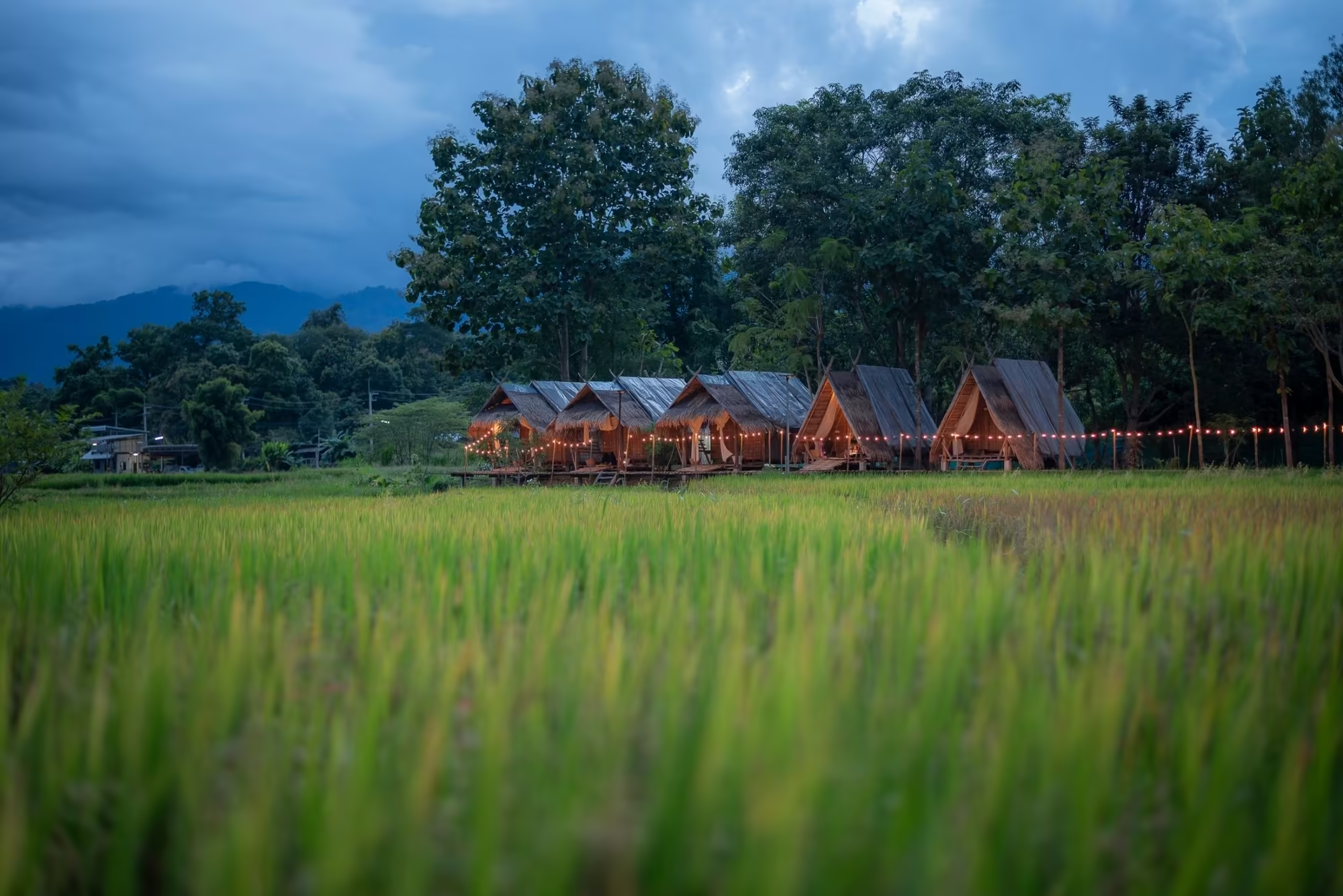
Most cooking kitchens sit a short scooter ride from the centre, often out toward the rice fields, so where you sleep shapes how smooth the day feels. We run six small, owner-managed stays around Pai, and we match guests to the one that fits how they travel. For families and food lovers we tend to steer toward a calm, rice-field setting with easy parking and a quiet kitchen-garden feel.
If you want the full picture of areas, prices and the trade-offs between the town centre and the countryside, read our honest rundown of where to stay in Pai before you lock anything in. Booking direct with us means you skip the booking-site markup, and because we live here we can recommend the kitchen that best fits a mild-chilli family table or a fully vegan menu.
Related Pai activities worth pairing with a class
A cooking class slots neatly into a wider day. A morning class pairs well with an easy afternoon ride, and a full-day class is best on its own with a slow evening to follow. For the full menu of the valley, skim our overview of things to do in Pai and slot the kitchen into a day that suits your pace rather than racing between sights. If you are still working out your route into the valley, our guide on how to get to Pai covers the minivan from Chiang Mai and the famous 762 curves.
A cooking class will never be the loudest thing you do in Pai, but it is one of the few you can taste again at home. Book a day or two ahead, tell the kitchen about chilli and diets, and let us handle the bed so the food is the fun part.