By BestHotelPai Team · Updated July 24, 2026
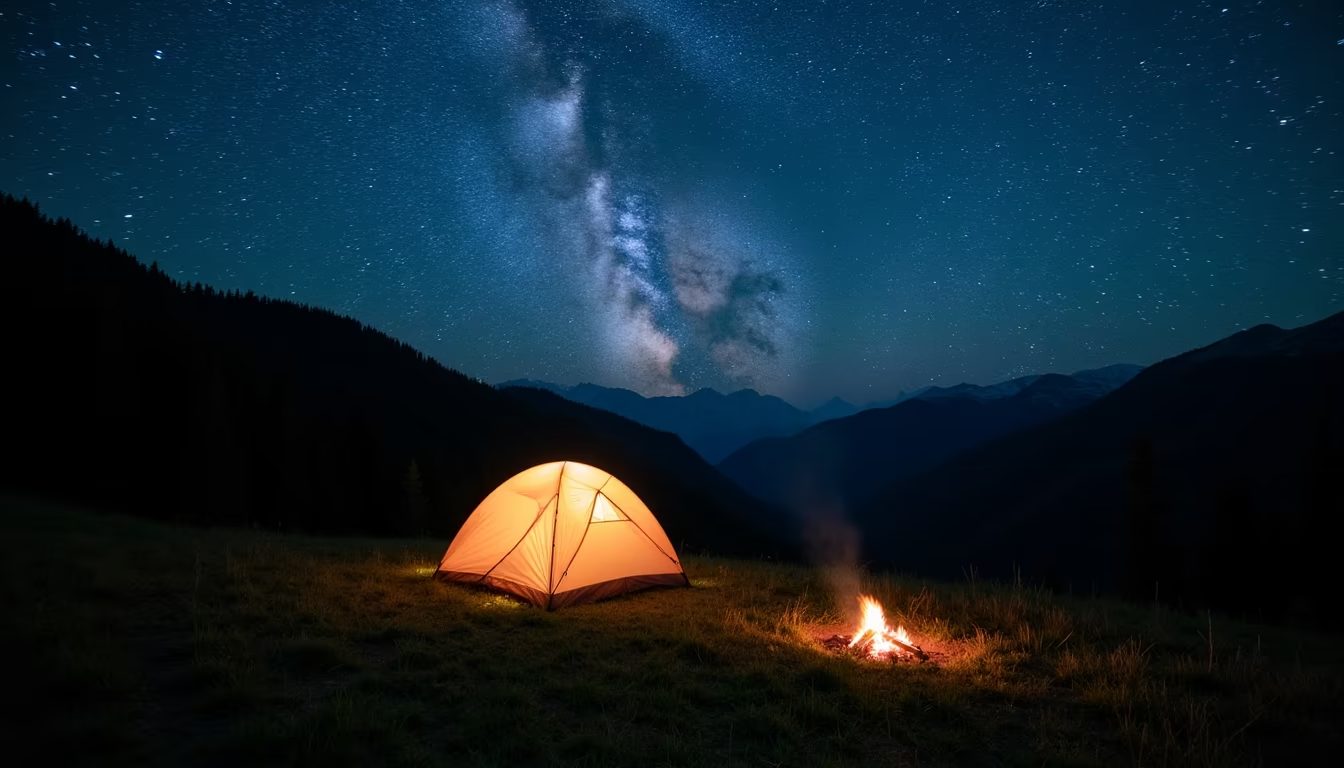
In short Pai camping means sleeping under the stars in the Pai valley, usually on a hillside guesthouse plot, a riverside field, or inside Huai Nam Dang National Park nearby. The cool, dry season from November to February gives the clearest skies. Bring a warm layer, expect simple facilities, and book a soft bed for the nights you would rather not rough it.
Most travellers picture Pai as a sleepy town of cafes and waterfalls, and forget that the valley turns into one of northern Thailand's quietest open-sky bedrooms after dark. We live here, we host guests year round, and the question we hear most from adventurous visitors is simple: can you really sleep outdoors in Pai without it being a hassle? The honest answer is yes, with a few local rules of thumb that save you a cold, wet, or confusing night.
This guide walks you through where to pitch a tent, when the sky is clearest, what gear actually matters at 600 metres of altitude, and how a night of pai camping fits alongside a warm bed at one of our owner-run stays.
Where you can actually camp in Pai
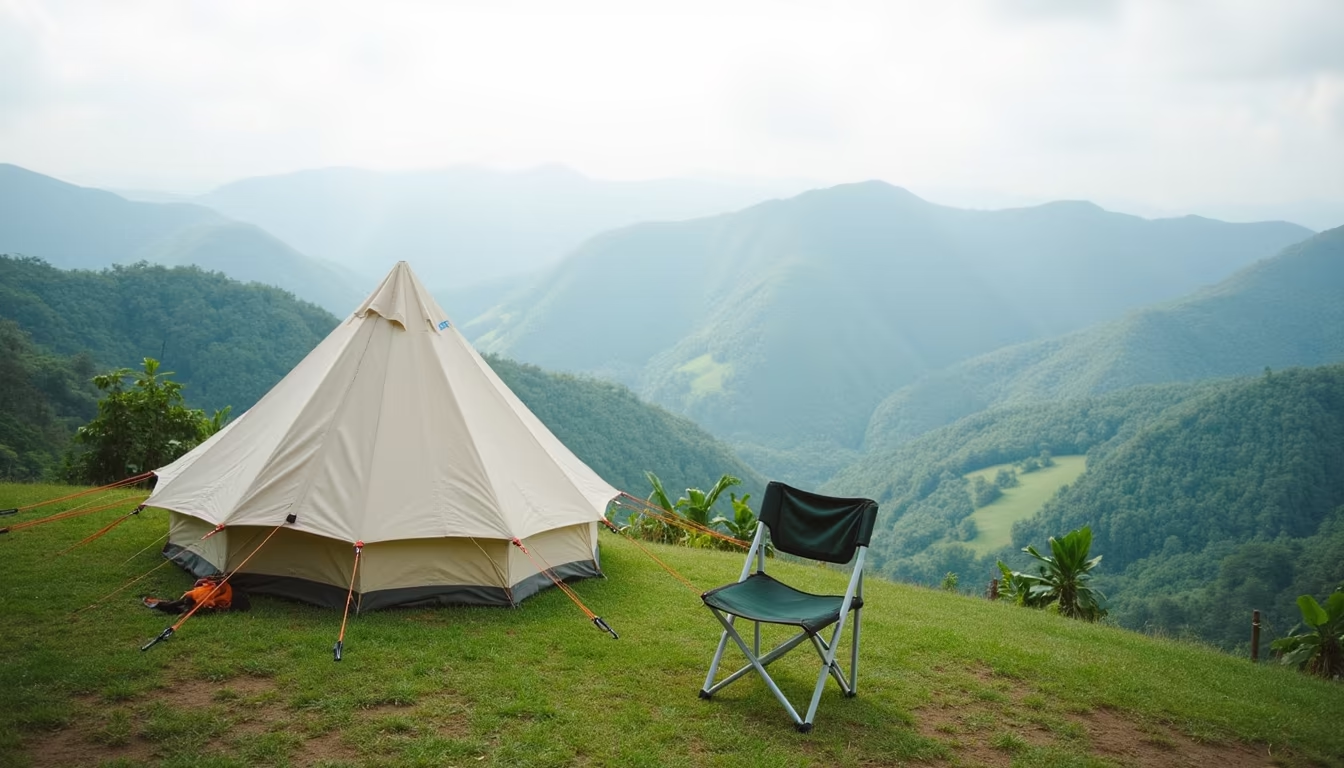
Pai is a valley ringed by hills, so the camping spots split into three honest types. Each suits a different traveller, and the difference matters more than most blogs admit.
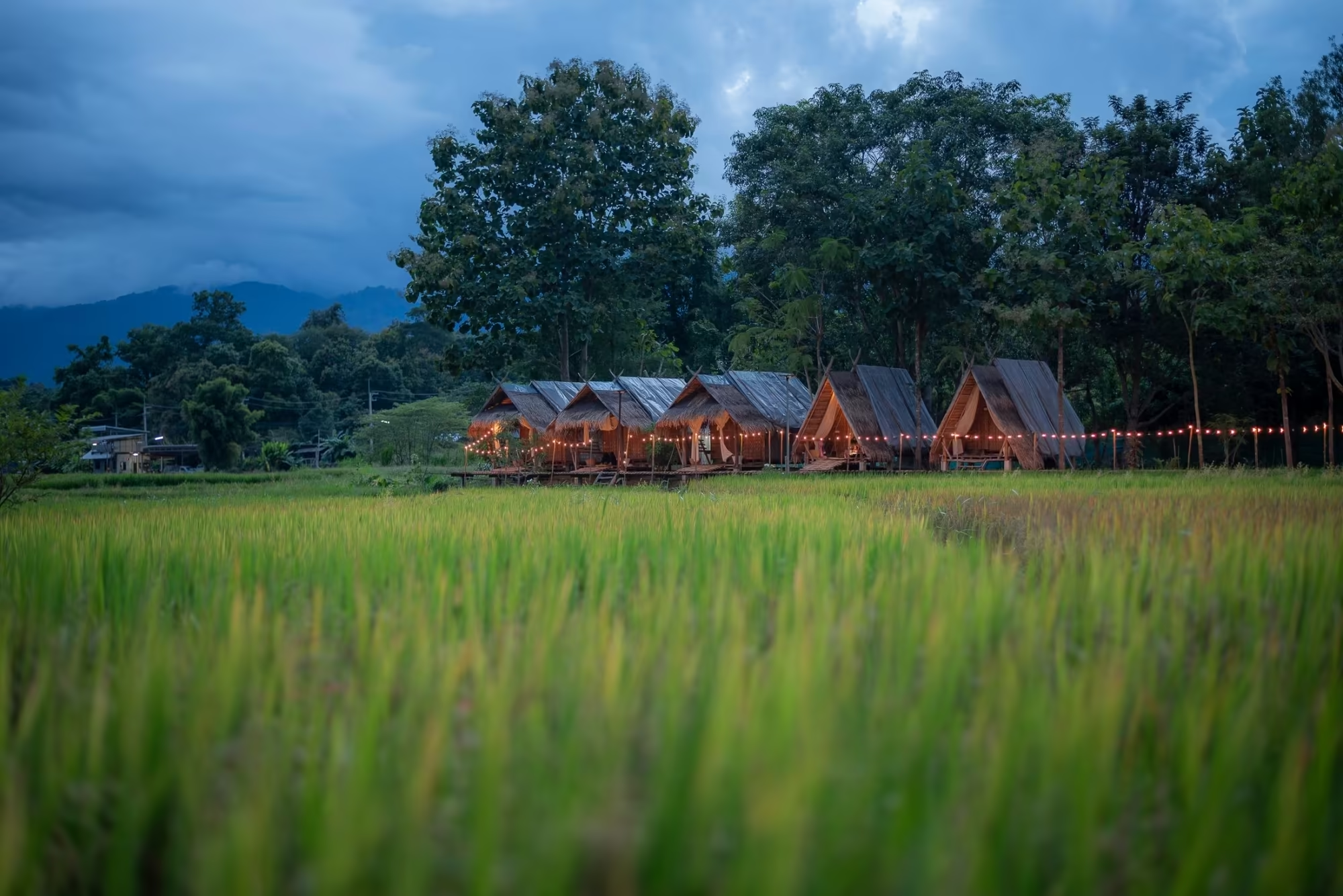
Hillside view camps sit on the slopes north and west of town. You wake to mist pooling over the rice fields, which is the photo everyone chases. Riverside fields hug the Pai River and stay a touch warmer at night. National park camping happens up at Huai Nam Dang, about an hour by road, where the altitude climbs and the cold bites harder.
| Camp type | Best for | Night temp (cool season) | Facilities |
|---|---|---|---|
| Hillside view camp | Sunrise mist, photographers | 10-15°C | Shared bathroom, simple cafe |
| Riverside field | Couples, first-time campers | 13-17°C | Toilets, sometimes hot water |
| Huai Nam Dang park | Adventurers, sea-of-fog hunters | 3-10°C | Basic, bring everything |
From what we see with guests, the biggest surprise is the cold. Pai sits in a mountain bowl, and the temperature drops fast once the sun is behind the ridge. People arrive in shorts and regret it by 9pm. The second surprise is how simple the facilities are. A hillside camp is not a glamping resort. You get a flat patch, a shared toilet block, and a view worth far more than five-star sheets.
Which type should you pick? If this is your first night in a tent, start riverside, where the ground is gentler and town is a short scooter ride away. If you came to Pai chasing that ocean of cloud at dawn, climb higher. The reward scales with the altitude, and so does the chill.
When is the best time for sleeping under the stars in Pai?
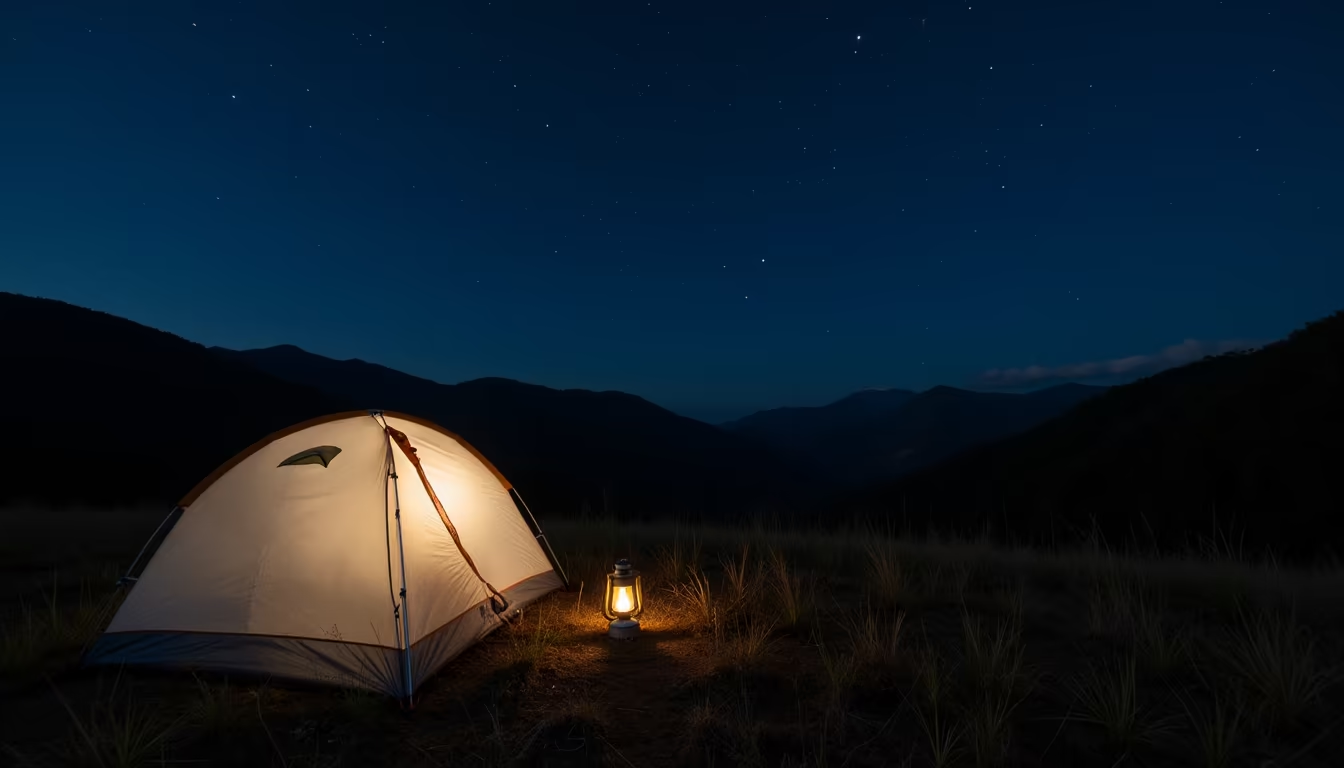
Timing decides whether you get a clear night sky or a soggy tent. The valley has three clear seasons, and only one of them is true camping weather for most visitors.
The cool, dry season runs roughly November to February. Skies stay clear, the air is crisp, and the famous sea of fog forms on cold mornings. The hot season from March to May brings haze from regional burning, so the stars dim and the air can sting. The rainy season from June to October turns hillside plots to mud, though a clear night after rain can be spectacular if you gamble on it.
For a reliable night of sleeping under the stars in Pai, aim for the cool season. According to Thailand's national parks authority, mountain parks in the north like Huai Nam Dang open their tent grounds mainly through this dry window, a pattern you can confirm on the national parks reference before you travel.
Is a hot-season camp ever worth it? Sometimes, if you head higher to escape the valley haze. But for first-timers we steer you toward November to February every time.
What to pack for pai camping
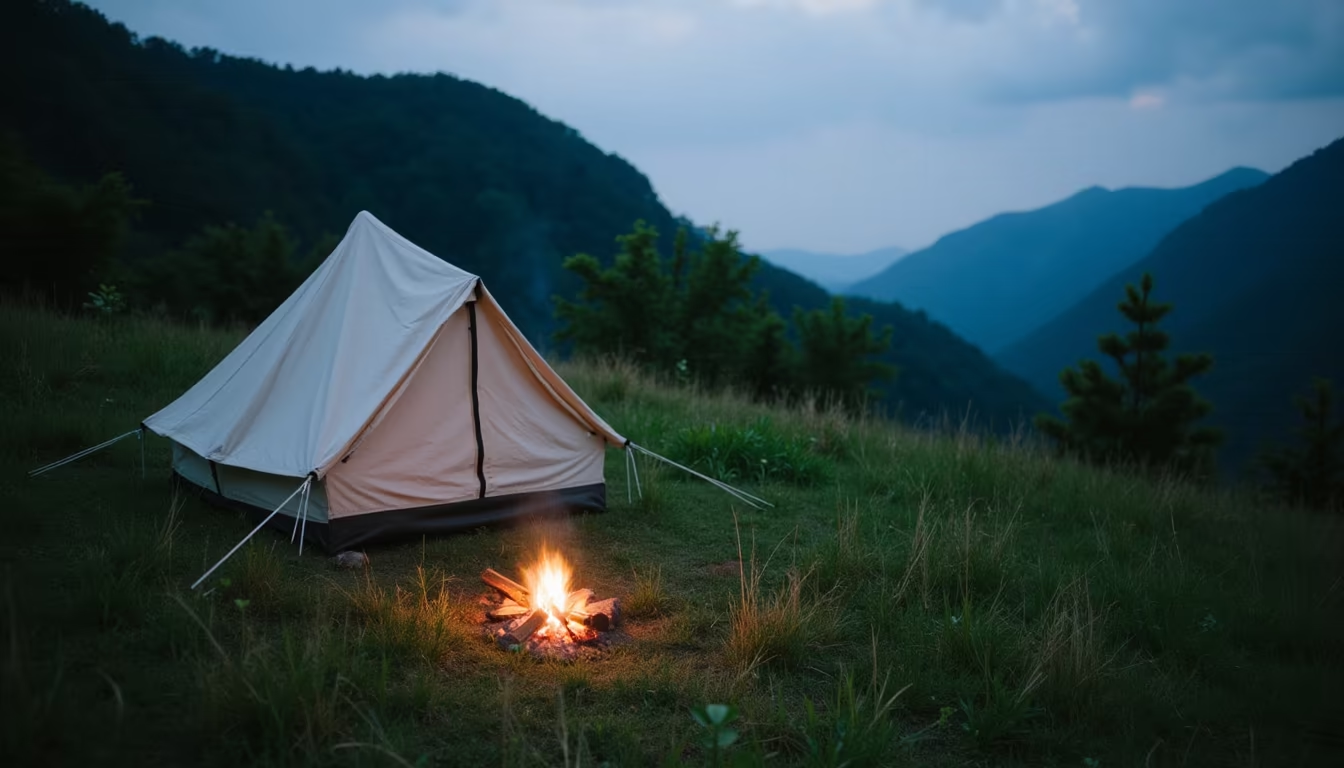
You do not need expedition gear, but a few items separate a magical night from a miserable one. We have lent out blankets to more shivering guests than we can count, so trust the locals on this.
- A warm mid-layer and beanie. Even in the dry season, hillside nights reach single digits up high.
- A proper sleeping mat. The ground pulls heat from your body faster than the air does.
- A headtorch. Camps run on solar or generators, so light is scarce after 10pm.
- Insect repellent. Riverside fields have mosquitoes even in cool months.
- A dry bag. Mountain mornings leave everything damp with dew.
In practice, most campers we host rent a tent and mat on site rather than haul their own across Thailand. Ask ahead, because not every plot keeps spare gear and weekends fill quickly. We also tell guests to charge power banks in town first. Camp electricity is patchy, and a dead phone on a foggy mountain at 6am is no fun.
One more local note on food. Most camps sell coffee and a simple breakfast, but dinner is hit or miss. We suggest grabbing something from the Pai walking street before you ride up, or asking your host to point you to the nearest noodle stall. A hot meal makes the cold far easier to enjoy.
3 ways guests mix camping with a soft bed
Here is the local secret that nobody selling tents will tell you. Almost nobody camps every night in Pai. The romance of the stars is real, but so is the wish for a hot shower and a deep sleep after a long ride in. The travellers who enjoy Pai most mix one or two camping nights with comfortable nights at a small stay.
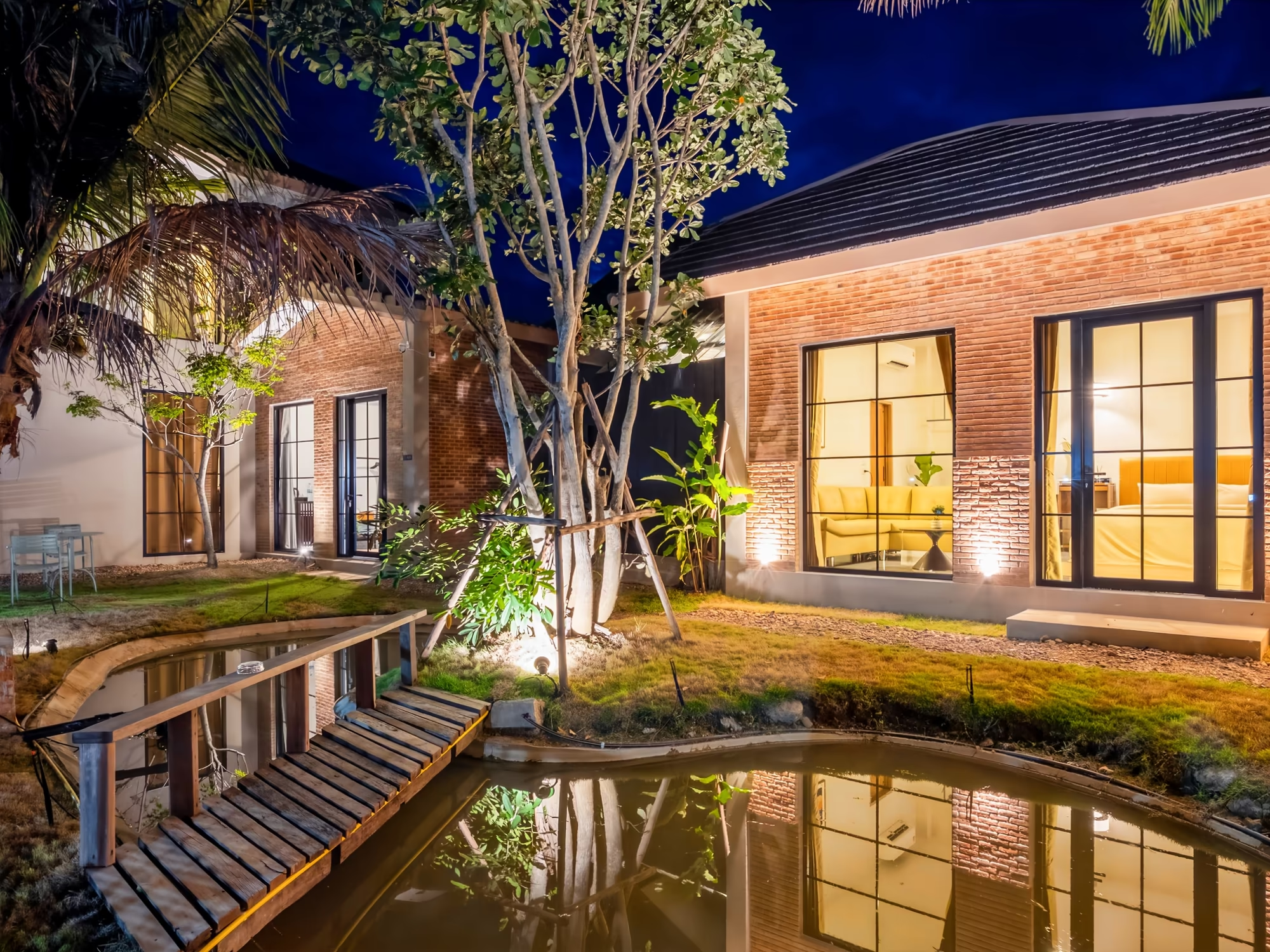
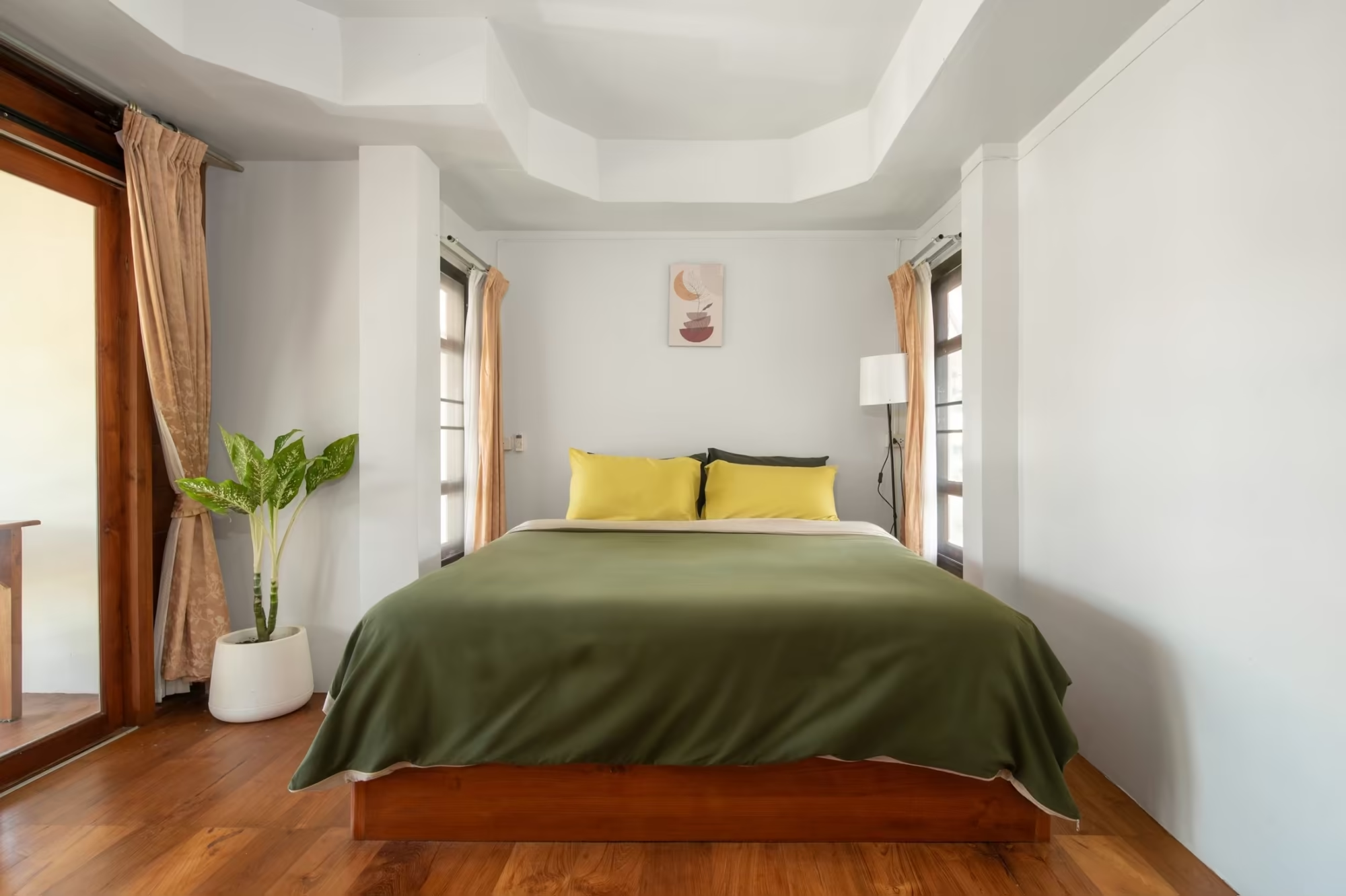
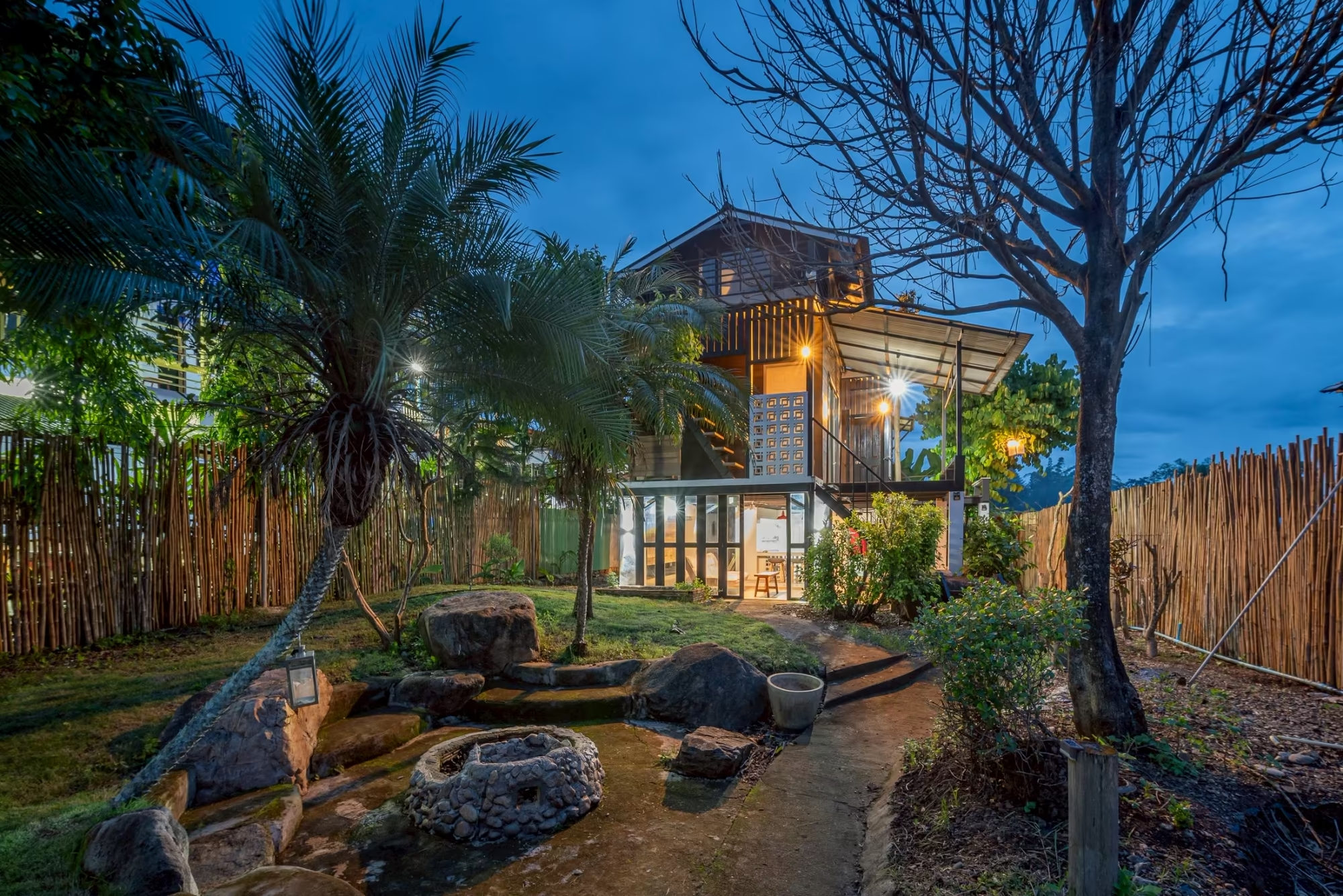
That is exactly why we run owner-managed houses across the valley, from mountain-view rooms that echo the camp sunrise to quiet riverside retreats. If you want the wake-up mist without the cold ground, a mountain-view room gives you the same horizon through glass. Browse the options on our where to stay in Pai guide, and pair your nights outdoors with the kind of stay that fits your trip. Planning the journey first? Our notes on how to get to Pai cover the winding road so you arrive with energy to spare.
Booking direct with us means you talk to the people who actually live here, not a call centre. We tell you straight when a plot is muddy, when the road is foggy, and which night the sky will likely be clear.
Related Pai guides for your trip
Camping is one slice of the valley. If you are still shaping your itinerary, a few of our other local guides pair well with a night outdoors. Read our things to do in Pai overview for the waterfalls and viewpoints worth a detour, and our Pai Canyon notes for the most famous sunset spot near most camp plots.
When you are ready to lock in a bed, our full Pai accommodation guide lays out every owner-run house by vibe and budget, so you can match your camp nights with the right indoor base.
A night under the Pai sky stays with you long after the trip ends. Plan it for the cool season, pack one warm layer, and keep a real bed waiting for the morning after. Send us your dates and we will help you do both, the honest local way.