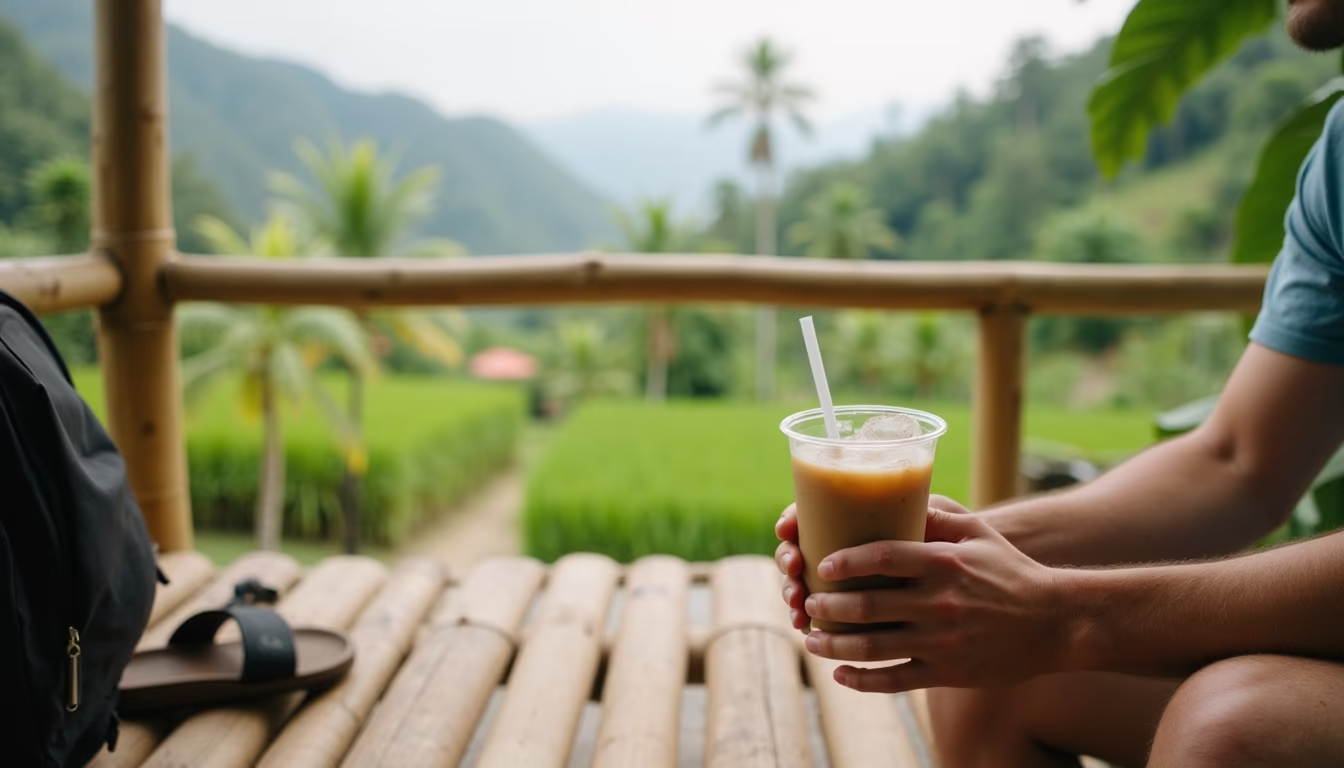
By BestHotelPai Team · Updated August 18, 2026
In short Pai backpacking is very doable on roughly 700 to 1,200 baht a day, covering a hostel or budget bungalow, street food, a rented scooter, and free natural sights. Keep costs down by booking your bed direct, eating at the walking street night market, and renting a motorbike to skip paid tours. Travel in the cool season and bring warm layers.
700 baht a day. That is roughly what a careful backpacker spends in Pai once you add up a hostel bed, street food, and a rented scooter. We say that as people who live here and watch travellers stretch a thin wallet into a happy week, scooter days, swimming holes, cheap noodles, and all. The trick is knowing which corners to cut and which ones to keep, because a few of them really matter once the mountain nights turn cold.
We are a small group of local hosts who run six stays in town, and we watch backpackers arrive every day with very different wallets. So this is a real cost breakdown, not a fantasy "5 dollars a day" headline that ignores the cold nights and the winding road to get here.
How much does backpacking Pai cost per day?
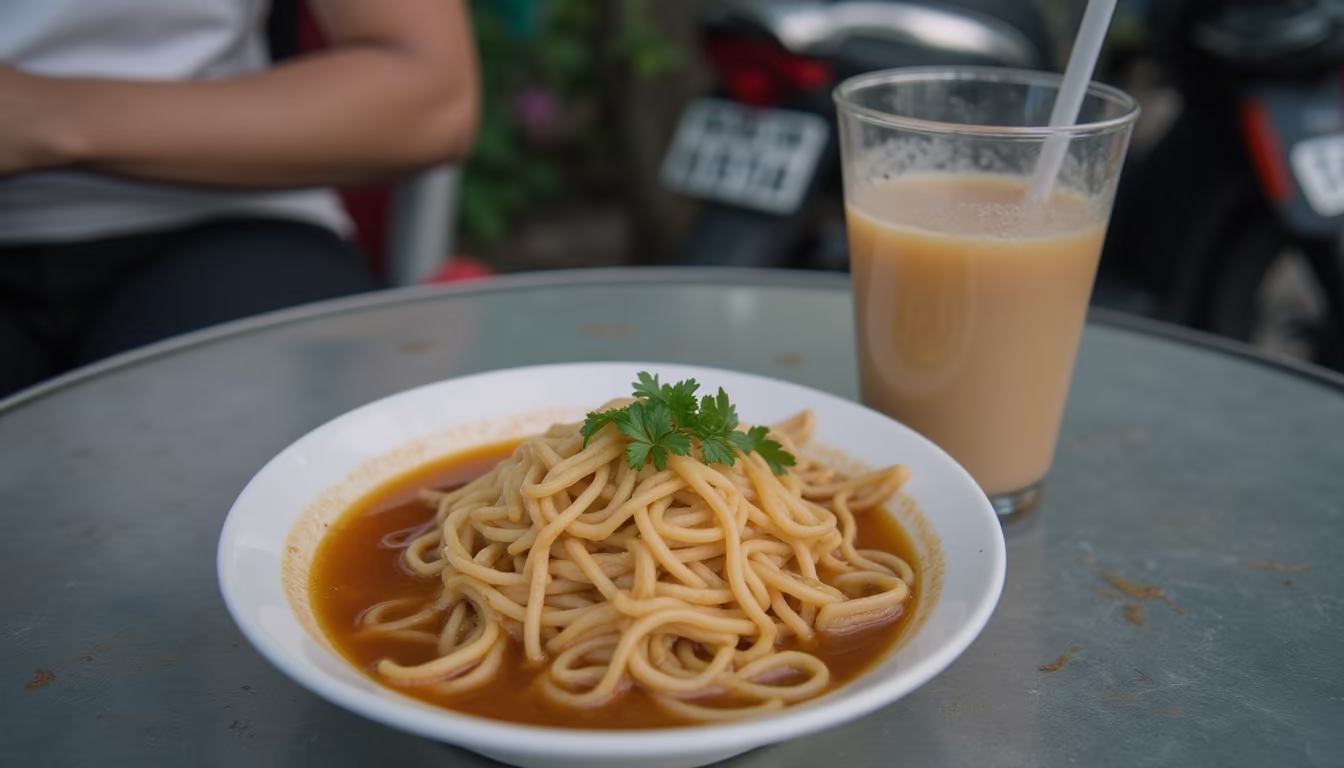
Let us start with the number everyone wants. For a typical backpacker who sleeps in shared or simple rooms, eats local, and explores by scooter, daily spending lands somewhere between 700 and 1,200 baht. Go slower and cook a few meals and you can dip under that. Add cocktails, tours, and private rooms and you climb above it.
Here is the rough breakdown we share with budget guests when they message us before arriving.
| Daily cost | Shoestring | Comfortable budget |
|---|---|---|
| Bed (hostel / bungalow) | 150 to 300 baht | 400 to 700 baht |
| Food (3 meals) | 150 to 250 baht | 250 to 400 baht |
| Scooter rental + fuel | 130 to 180 baht | 150 to 200 baht |
| Activities / drinks | 0 to 100 baht | 200 to 400 baht |
| Rough daily total | ~450 to 800 baht | ~1,000 to 1,700 baht |
From what we see with guests, the single biggest budget swing is not food or transport. It is how you book your bed and whether you pay an agency to do things you could easily do yourself by scooter.
Getting to Pai cheaply (the road that surprises people)
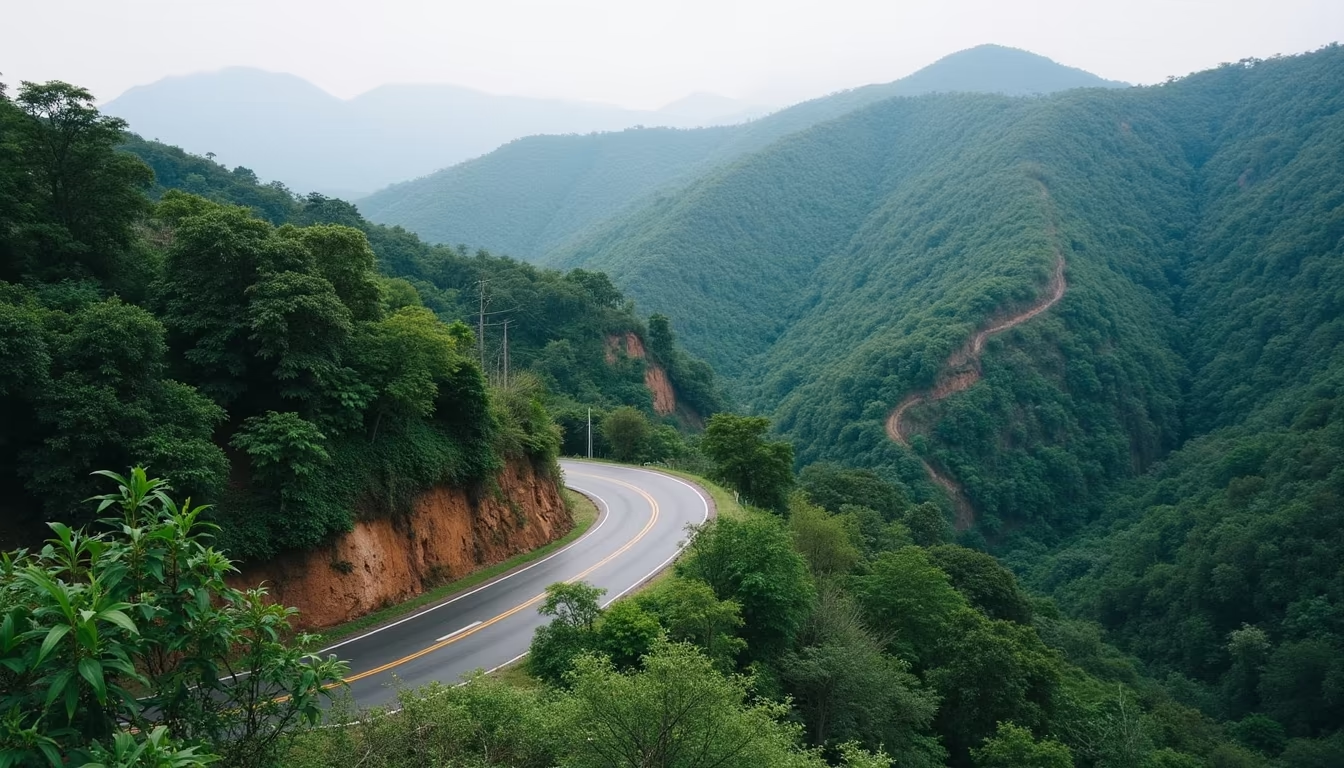
The classic backpacker route is a shared minivan from Chiang Mai, usually 150 to 250 baht for the roughly three-hour trip up the mountain. The catch is the road: 762 curves, famous enough that travellers buy "I survived the road to Pai" shirts. If you get carsick, sit up front and skip a big breakfast.
You can also rent a motorbike in Chiang Mai and ride up yourself, which many backpackers do, though the bends demand a confident rider. Either way, our full how to get to Pai guide lays out times, prices, and pickup points. For the wider regional picture before you travel, the Tourism Authority of Thailand describes Mae Hong Son as a remote, mountainous province, which is exactly why the journey is slow and scenic rather than a quick hop.
Can you really explore Pai for free?
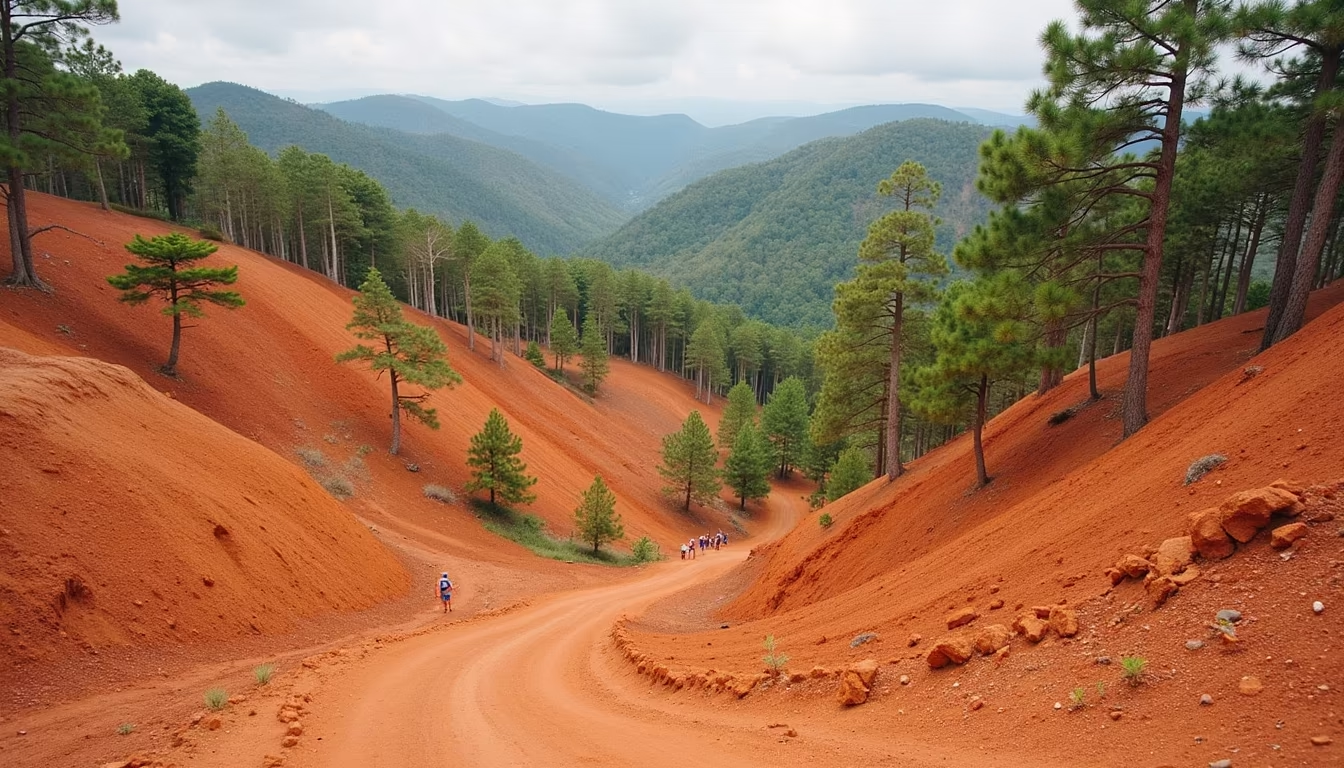
Here is the good news for a thin wallet: most of Pai's best moments are free or nearly free. You do not need a single paid tour to have a brilliant few days.
- Pai Canyon at sunset: free to enter, with narrow red ridges and a wide valley view. Read our Pai Canyon guide before you go.
- Waterfalls: Mo Paeng and Pam Bok are free or cost only a small donation, perfect for a hot afternoon dip.
- The walking street night market: free to wander, with street food from 30 to 60 baht a plate.
- Rice-field cycling and viewpoints: a scooter and a half-day costs almost nothing in fuel.
- Hot springs and the Memorial Bridge: low or no entry fees depending on the spot.
Some sights sit inside protected park areas where a small fee applies and visitors are asked to carry out their rubbish; Thailand's Department of National Parks publishes the rules for these reserves, so it is worth checking before a longer hike. Why pay for a packaged tour when a 150-baht scooter reaches almost all of it? That single question saves backpackers the most money in Pai.
Hostels in Pai, Thailand, and how to sleep cheap without freezing
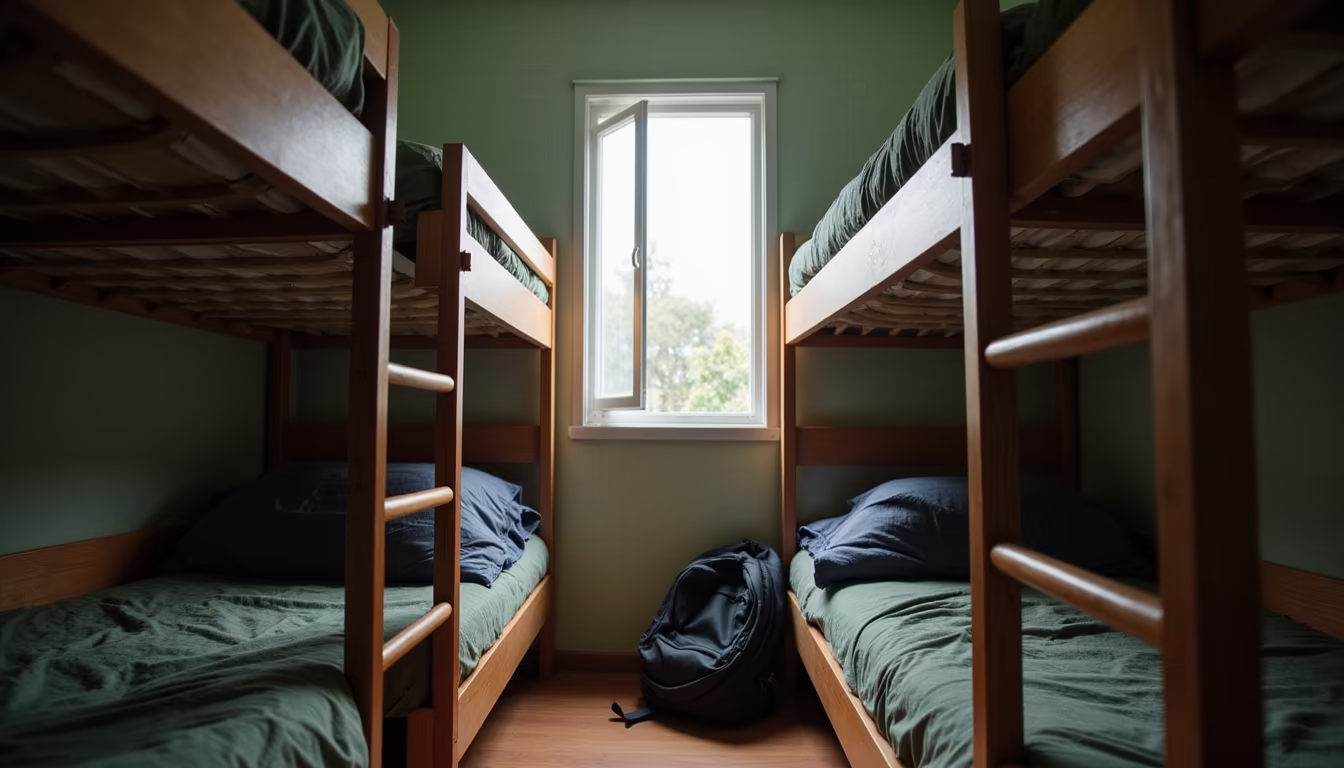
Beds are where budgets are won or lost. Hostels in Pai, Thailand, start around 150 to 250 baht for a dorm, while simple private bungalows run from 400 baht. The cheapest beds are not always the best value though, and here is the honest catch nobody mentions: Pai gets genuinely cold from November to February, and the rock-bottom rooms often skimp on warm bedding and hot water.
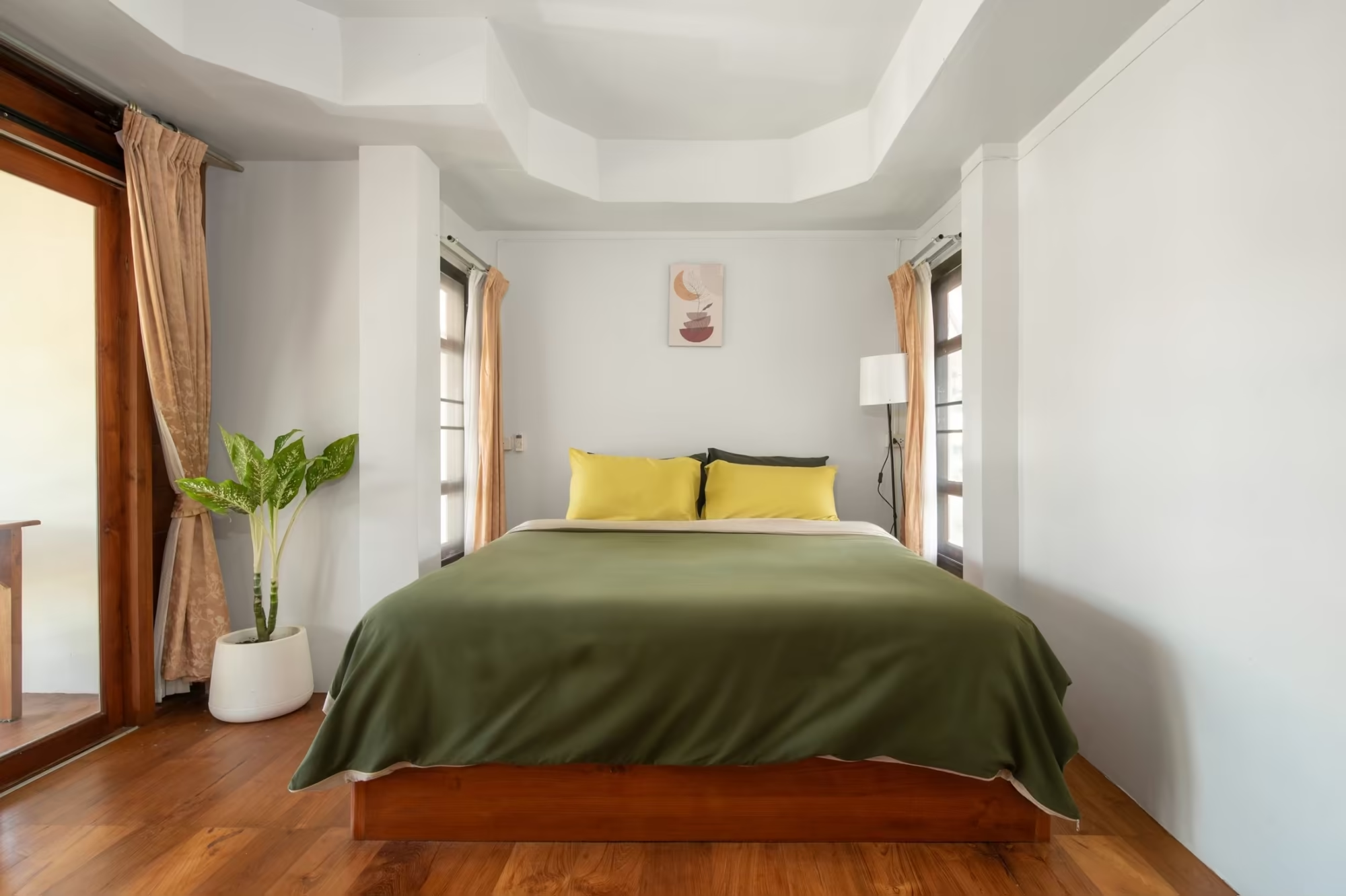
In practice, a slightly nicer budget room with a real blanket, a hot shower, and a kettle is worth the extra hundred baht or two when the valley fog rolls in at dawn. A shivering night is a false economy. We learned this watching guests trade up after one cold evening, every single cool season.
The other money lesson is booking direct. Big booking sites add commission that the property quietly bakes into the nightly rate. When you message us straight away, you skip that markup, which is how booking direct can land you up to 10% less than the booking sites for the same bed. No middleman, just the people who own the place.
Where backpackers stay cheap with BestHotelPai
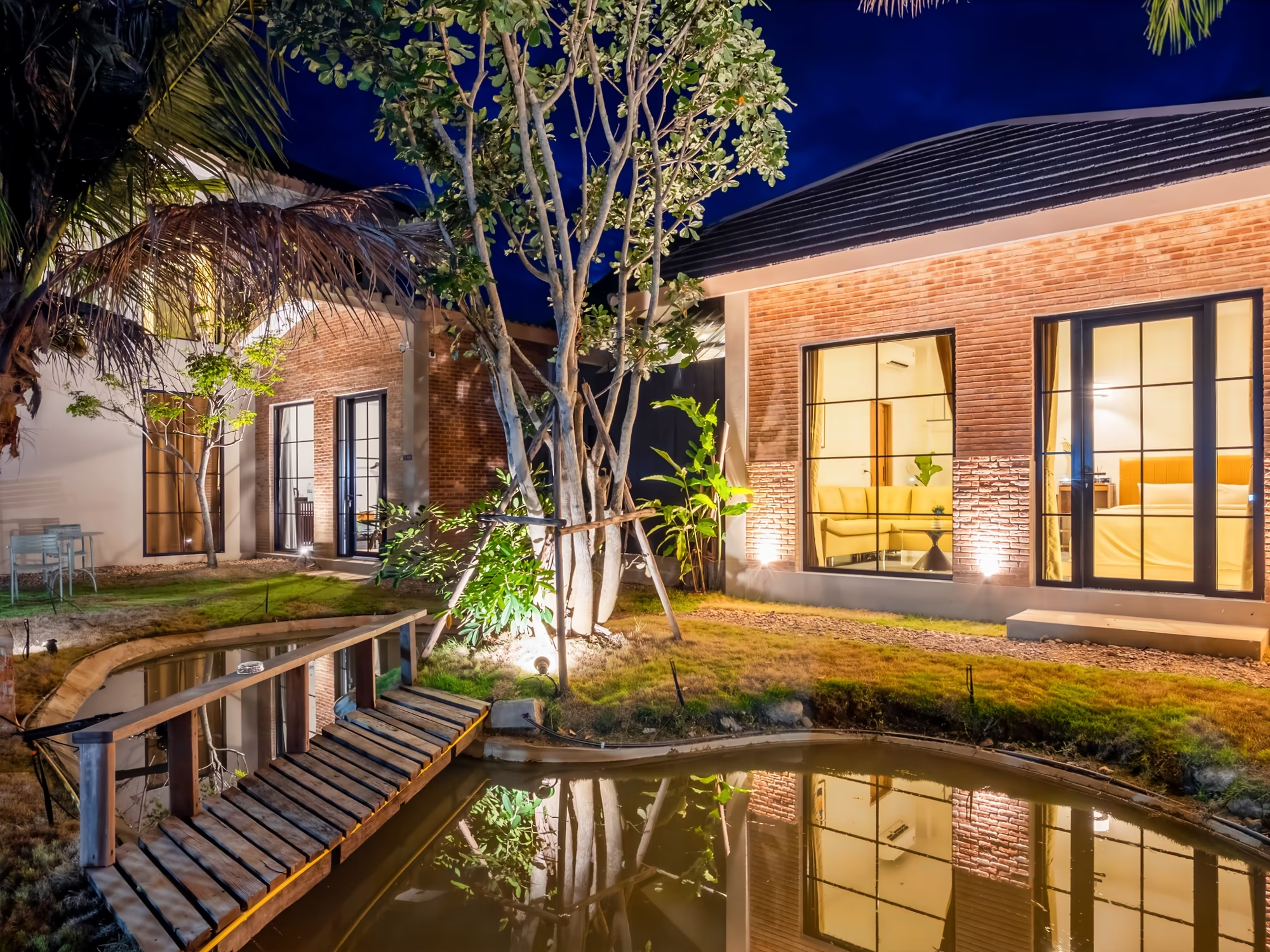
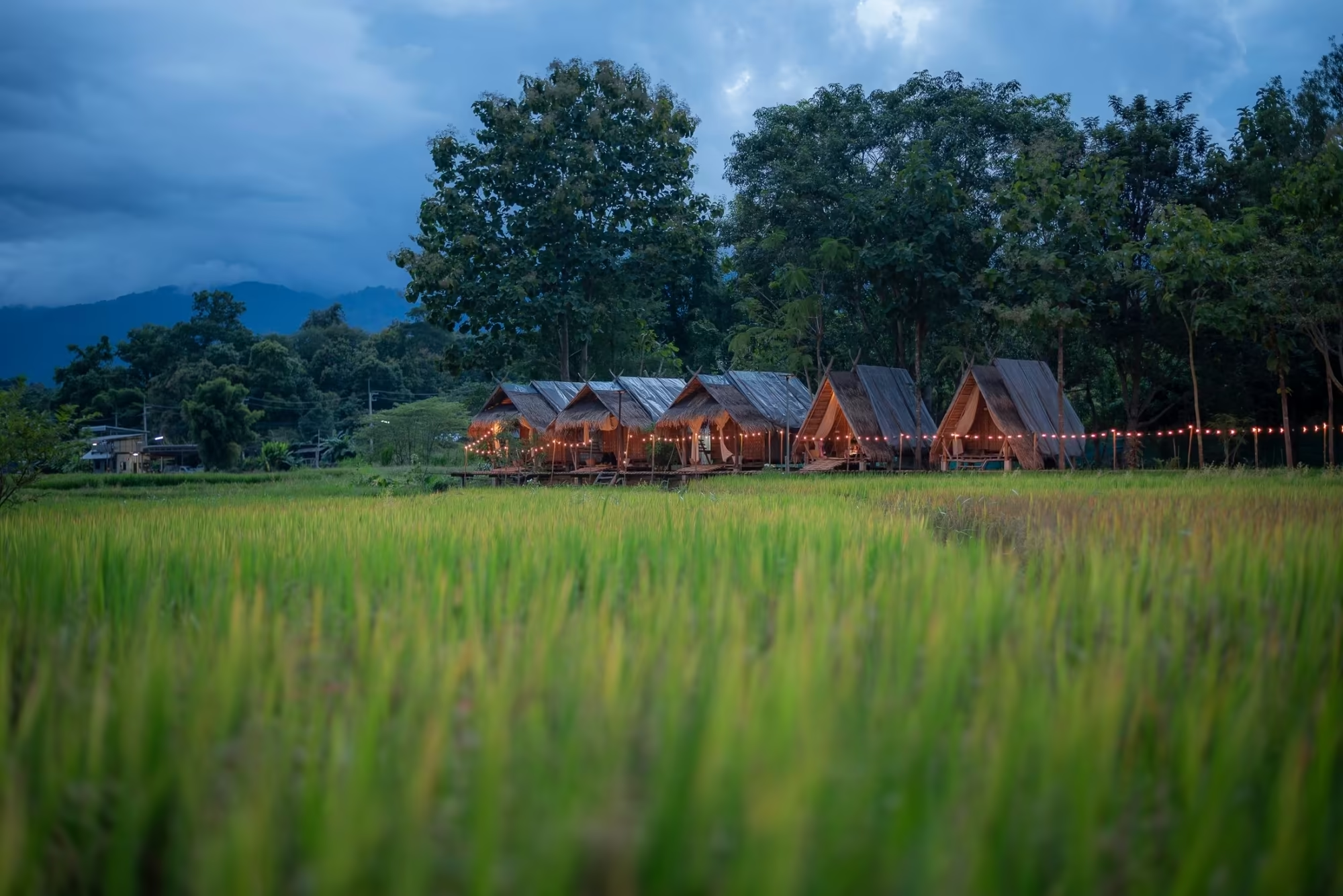
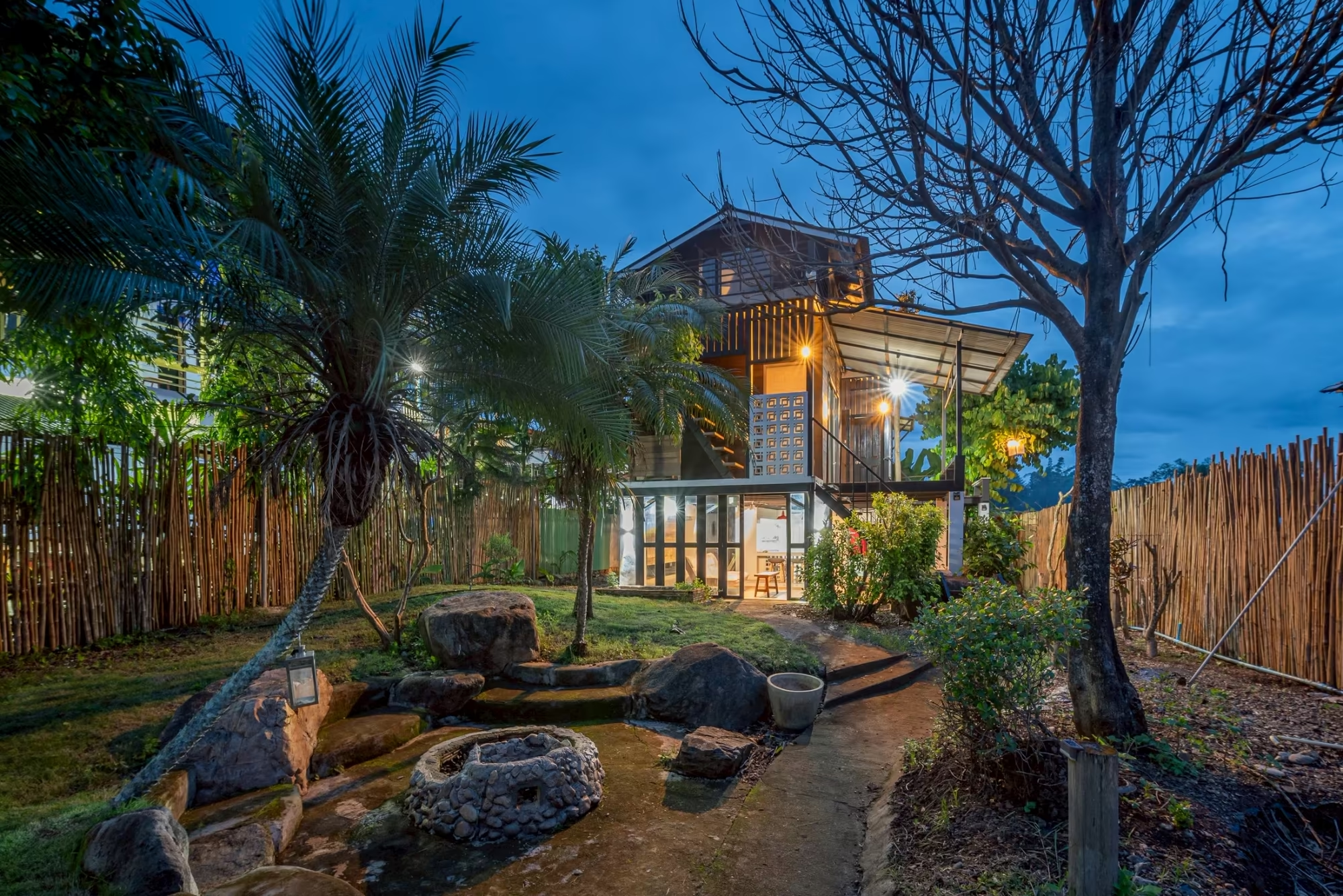
Not every backpacker wants the same thing. Some want a social dorm and a beer with strangers; others want a quiet bungalow in the rice fields for the price of a city hostel. Because we run six small stays across town, we can match you to the right one instead of pushing a single property.
If you are watching every baht but still want warm bedding and a hot shower, tell us and we will steer you to our most wallet-friendly rooms with mountain or rice-field views. Browse the options first on our where to stay in Pai guide, then send us your dates and budget and we will be honest about what fits.
When is the cheapest time to backpack Pai?
Timing changes your budget more than most travellers expect. The cool season from November to February brings the most pleasant days, blue skies, and the famous sea of fog at dawn, so it is the busiest and priciest window. Beds fill fast and the cheapest rooms go first, so book early if you want a warm one.
The green rainy season from June to October is the quiet bargain. Warm afternoon showers pass quickly, the hills turn lush, and room rates soften with the smaller crowds. From what we see with guests, budget backpackers who do not mind a daily downpour get the best value in these months. March to May is hot and can be hazy from regional farm burning, so it is the season we steer sensitive travellers away from.
Is Pai right for your kind of backpacking?
Pai rewards the slow, curious backpacker: the kind who likes scooter days, swimming holes, cheap noodles, and lazy cafe mornings. If that is you, it is one of the best-value stops in northern Thailand and easy to stretch over a week.
It is a softer fit if you need nightlife until dawn, big shopping, or beaches, because Pai is a small mountain town and proudly so. And one honest warning we repeat every season: anyone arriving from November to February who feels the cold should budget for a warmer room. Saving fifty baht on a bed you cannot sleep in is not a saving at all.
Backpack Pai smart and it stays cheap: book your bed direct, eat at the night market, rent a scooter instead of joining tours, and never skimp on a warm room in winter. Send us your dates and budget whenever you are ready and we will sort an honest, comfortable base for the rest.