By BestHotelPai Team · Updated July 22, 2026
In short Motorbike rental in Pai runs roughly 120 to 250 baht a day for a 110cc to 125cc automatic scooter, with full-tank fuel and a passport photocopy usually all you need to ride off. For safety you want an International Driving Permit with a motorcycle class, a helmet that actually clips shut, travel insurance that covers two wheels, and a slow first hour to learn the bike before you tackle Pai's hills.
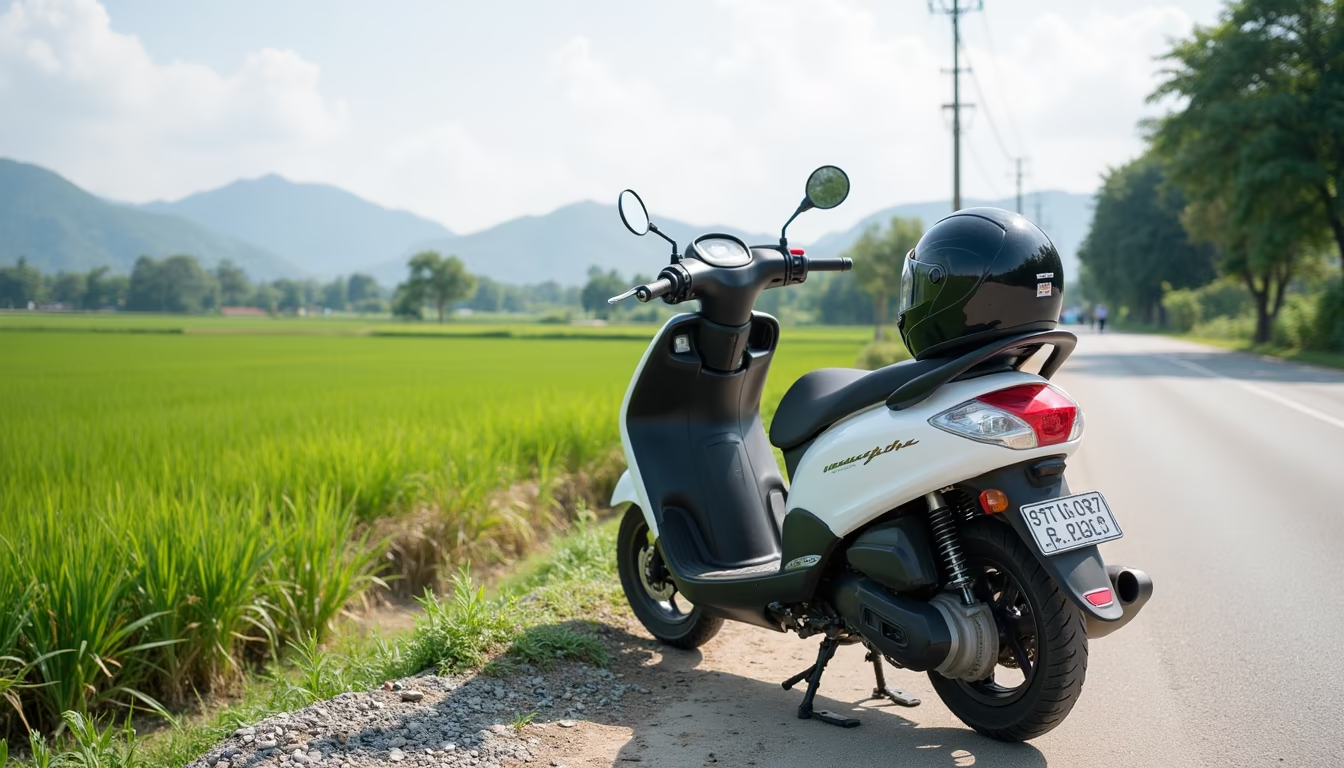
762 curves sit between Chiang Mai and Pai, and that single number explains both why a motorbike is so tempting here and why the town clinics stay busy through high season. The loop of waterfalls, canyons and mountain viewpoints is spread across narrow back roads that no songthaew truly covers, so two wheels genuinely unlock the place. The same hills that make the ride beautiful are also where most tourist falls happen.
We run six small stays here and we give the same honest briefing to almost every guest who walks in, so we wrote it all down. Below is the plain version of motorbike rental in Pai: real prices, the paperwork that actually matters, who should and should not ride, and how to handle the loop without becoming one of those clinic stories.
What motorbike rental in Pai actually costs
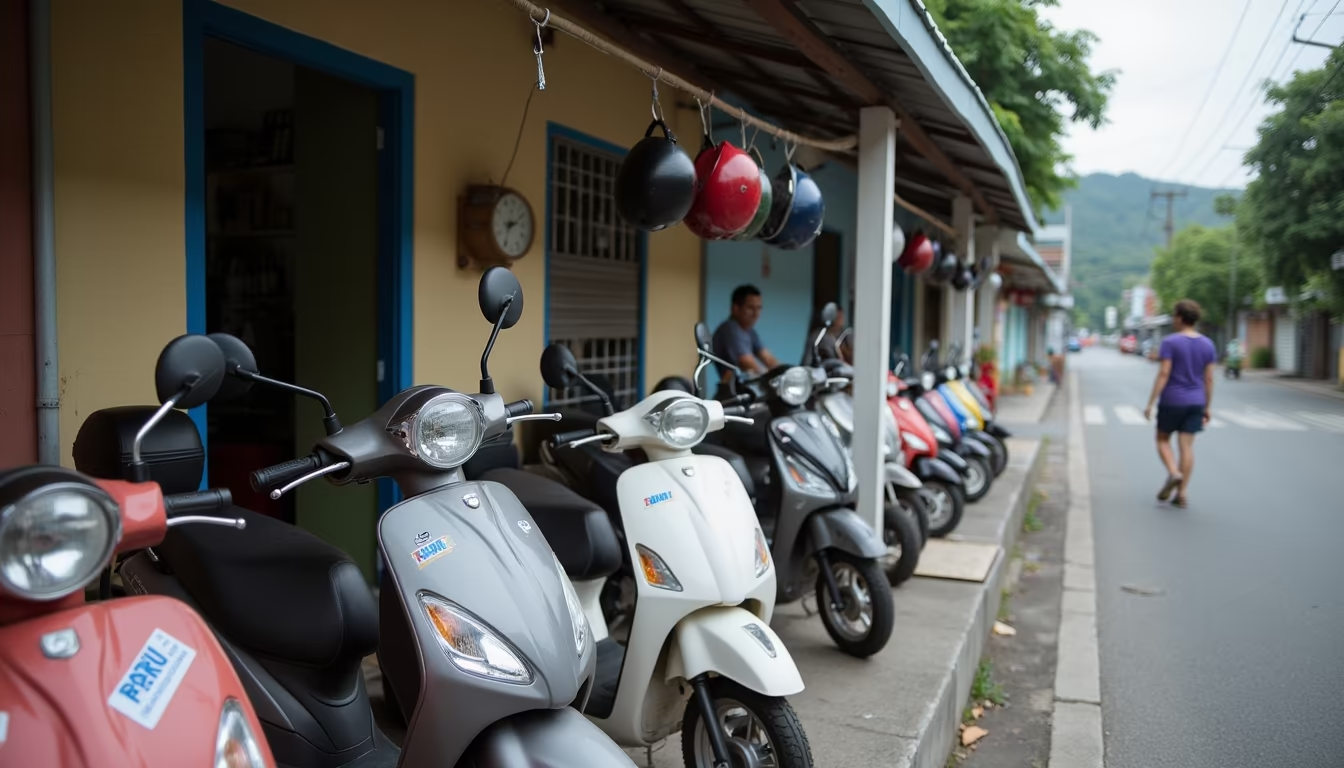
Rental shops cluster along the Walking Street area and near the bus station, and prices barely move between them. A basic semi-automatic Honda or Yamaha sits at the cheaper end, automatic scooters cost a touch more, and the bigger 150cc bikes or dirt bikes for the rougher trails to Pam Bok or the Land Split run higher. In practice, the headline daily rate is only half the story: fuel, a deposit, and sometimes a second-helmet fee all stack on top.
| Bike type | Typical day rate | Best for |
|---|---|---|
| 110cc automatic scooter | 120-180 baht | Town, cafes, paved waterfalls |
| 125cc-150cc scooter | 180-250 baht | Two riders, the canyon, Yun Lai |
| Semi-auto / manual | 100-150 baht | Confident riders, steep hills |
| Dirt / trail bike | 300-500 baht | Land Split, off-road trails |
Fuel is cheap: a full tank on a small scooter covers most of the loop with change to spare, and roadside stalls sell it by the bottle when the stations are far. Always photograph the bike from every angle before you ride off so a pre-existing scratch never lands on your bill.
The paperwork: licence, deposit, and the passport question
Here is where honesty matters, because plenty of blogs gloss over it. To ride legally in Thailand you need a valid motorcycle licence from home plus an International Driving Permit (IDP) that carries the motorcycle class. The friendly shop that rents to anyone with a thumb is not doing you a favour: without the right licence, your travel insurance can refuse a claim, and that is the part that turns a small fall into a five-figure problem.
For the deposit, you will be asked for either cash (often 1,000 to 3,000 baht) or your passport. We tell every guest the same thing: leave cash or a photocopy, never your actual passport. A lost or "misplaced" passport ruins a trip far more than a forfeited deposit. Much of the loop also skirts protected forest land, and the official guidance from Thailand's Department of National Parks reminds visitors to respect park rules and road conditions inside those areas, which matches what we see go wrong when riders treat the back roads like a racetrack.
Please verify your own licence and insurance details against your provider's current terms before you ride, since coverage rules change and only your insurer can confirm what applies to you.
Riding the Pai loop safely: the road, the helmet, the rain
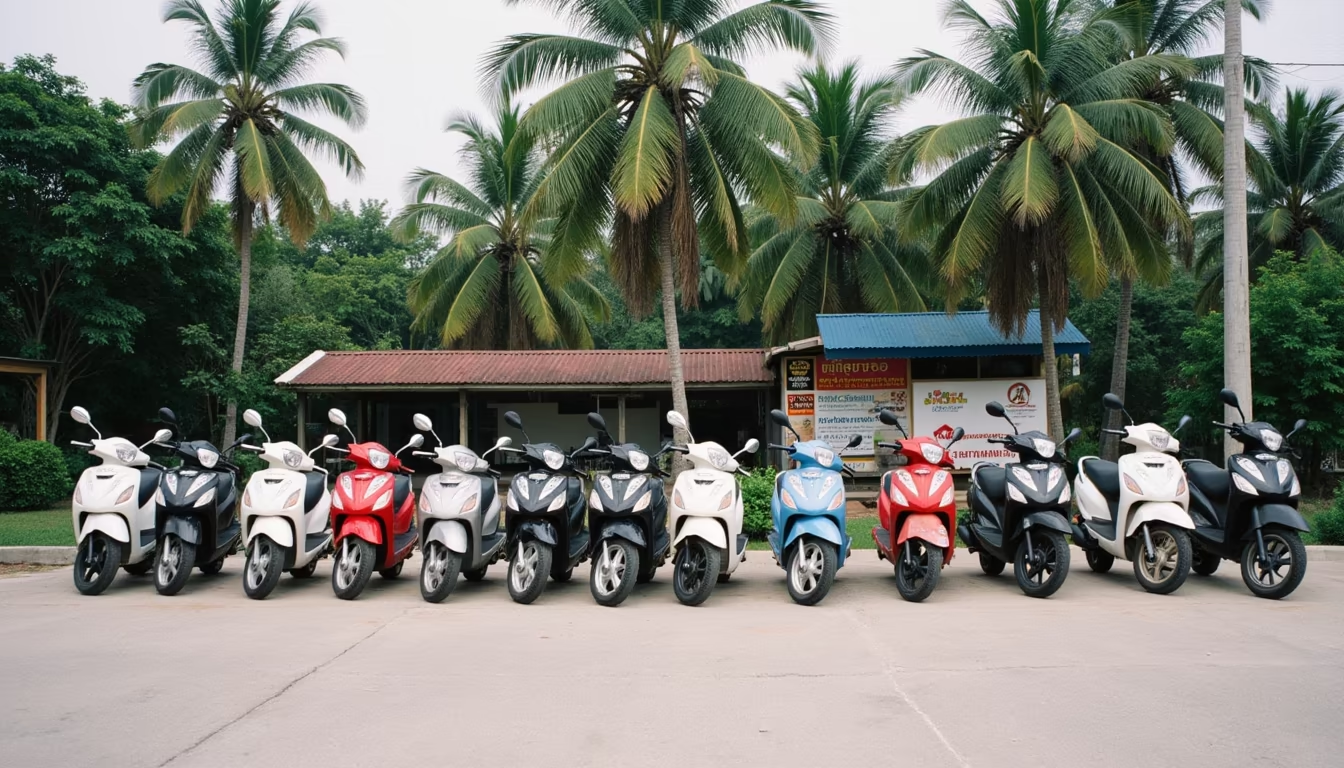
The single most important habit is the boring one: wear the helmet and clip it shut. The next is to ride the first kilometre slowly in a quiet lane, because rental scooters all brake and accelerate slightly differently. From what we see with guests, the two classic Pai incidents are the same every season. The first is the "Pai tattoo," a burn from resting a bare calf against a hot exhaust while parked. The second is gravel on a downhill bend after rain.
- Cover your skin: closed shoes and long sleeves beat shorts and flip-flops the moment you touch gravel.
- Ride for the surface: mountain roads collect sand, leaves and wet patches on the inside of curves; brake before the bend, not in it.
- Avoid night riding: the loop has no street lights, free-roaming dogs, and the occasional buffalo. Be parked by dusk.
- Mind the rainy season: roughly June to October the afternoon storms make the steep sections genuinely slippery.
If you have never ridden, Pai is a romantic idea but a hard classroom. Consider renting a bicycle for town, joining a shared tour for the far viewpoints, and saving the scooter for when you have a little experience.
One more thing on the bike itself: do a two-minute check before you trust it. Squeeze both brakes and feel that they bite firmly, push the bike forward to confirm the tyres are not bald, click on the headlight and indicators, and listen for a smooth idle. If anything feels loose or rattly, swap it for another bike at the shop right away rather than discovering the fault halfway up a hill. A good rental shop will happily change it, and the ones that argue tell you everything about how they maintain the rest of their fleet. We keep a short list of the shops our guests come back happy from, and we are glad to share it.
Who should ride, and who is better off skipping it
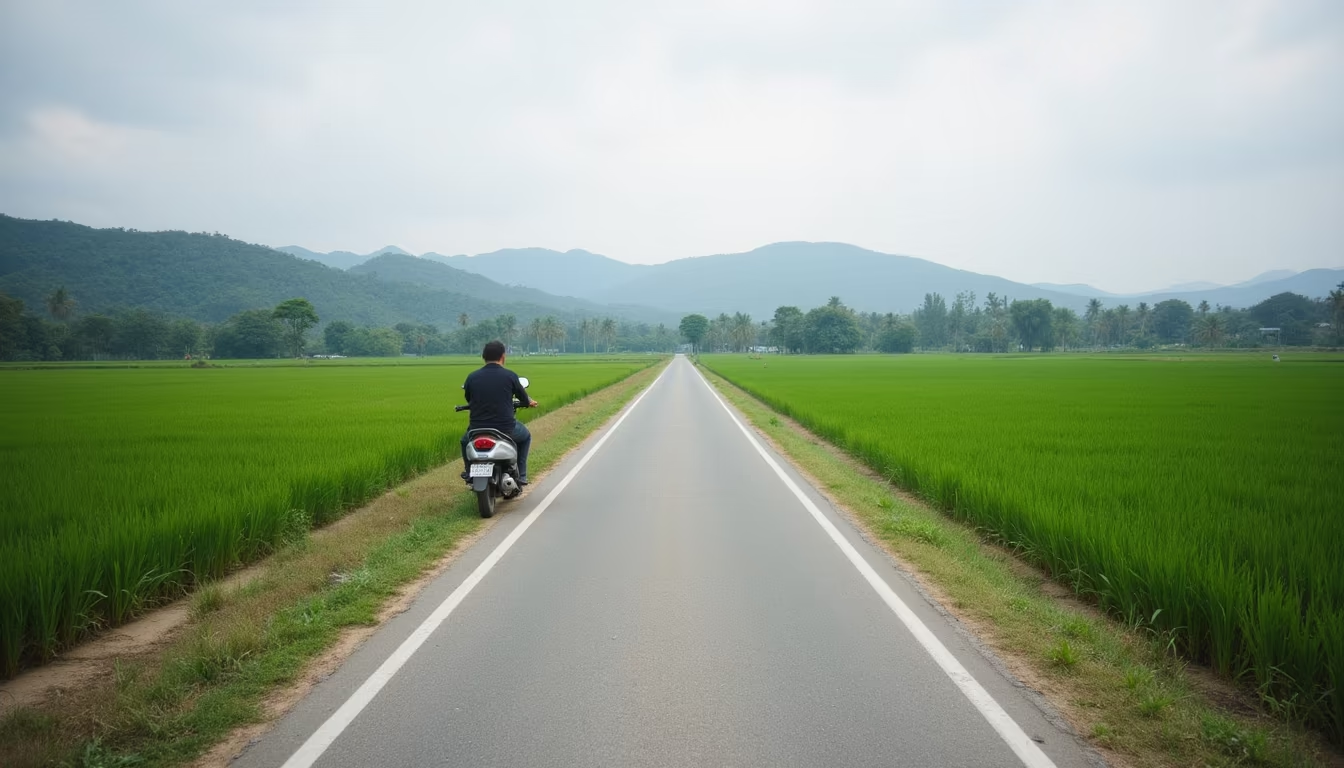
So how do you know if the scooter is for you? Be honest with yourself before the shop hands you a key, because Pai rewards good judgement and punishes bravado. The riders who do well here already have a licence, have ridden a scooter or motorbike before, and are happy to go slowly. The ones who end up at the clinic are usually first-timers who learned on the spot, friends riding two-up after a night out, or anyone trying to film themselves on a downhill curve.
| Good fit to ride | Better off not riding |
|---|---|
| Licensed, some scooter experience | Never ridden before this trip |
| Comfortable on hills and curves | Nervous in traffic or on slopes |
| Travel insurance that covers two wheels | No cover, or planning to ride after drinks |
If you land in the right column, you still get the whole loop: shared day tours, a bicycle for town, and a friendly local driver for the far viewpoints all work beautifully, and nobody will know you skipped the scooter.
Where to stay so the whole loop is on your doorstep
The reason motorbike rental and accommodation are the same decision is distance. Stay in the centre of town and you save fuel and tired legs at the end of a riding day, but you trade away the quiet. Stay out among the rice fields and you wake to the view, but every cafe run becomes a ride. Picking the right base is half the trip, which is why we put together a plain guide to choosing your Pai base by area and traveler type.
| Base area | Ride to town | Who it suits |
|---|---|---|
| Walking Street centre | Walk / 2 min | First-timers, nightlife, no-ride days |
| Rice-field edge | 5-10 min ride | Couples, photographers, calm mornings |
| Hillside / viewpoint | 10-20 min ride | Confident riders chasing the view |
Once you know your riding plan you can also map the day around the easy wins: the paved Pai Canyon route is a gentle ride and a perfect first outing to test your bike before you commit to anything steeper.
FAQ riders ask us at check-in
Wondering what everyone asks before they grab a key? These are the questions we field at the front desk almost daily, with the short honest answer for each.
- Can I ride two-up on a 110cc? Yes, but it feels underpowered on the steep climbs to Yun Lai. A 125cc handles two riders far better.
- Do I need to refuel before returning? Most shops want the same fuel level you left with, so a quick top-up at the station near town saves an argument.
- Is one day enough? One full day covers the easy paved sights; two days lets you reach the farther viewpoints without rushing the curves.
Rent the right bike, carry the right paperwork, ride the first hour slowly, and Pai turns from a place you visited into a loop you actually rode. We are happy to point you to the safer shops and the quieter roads when you arrive.