By BestHotelPai Team · Updated July 25, 2026
In short The long neck village pai refers to small Kayan (Karen) communities living near town, where some women wear traditional brass neck coils. A respectful visit means going independently or with a small ethical guide, paying the modest entry directly, asking before photos, buying handwoven goods, and treating residents as hosts in their home rather than a photo prop.
A guest held her phone across the breakfast table last week, open to a photo of women wearing stacked brass coils around their necks, and asked us quietly whether she should go at all. It is a fair thing to wonder about. The honest truth we always give is that the long neck village pai experience can become either a genuine cultural meeting or an awkward human zoo, and which one you get is decided almost entirely by how you arrive and how you behave once you are standing there.
Because we live and host in Pai, we would rather hand you the real picture than a glossy tour-brochure version. So let us walk through the Kayan people themselves, the misconceptions worth dropping before you go, the practical do-and-do-not list, and finally who this trip suits, so your visit keeps money with the families who actually live here.
First, who are the Kayan, and why is "long neck" a misleading name?
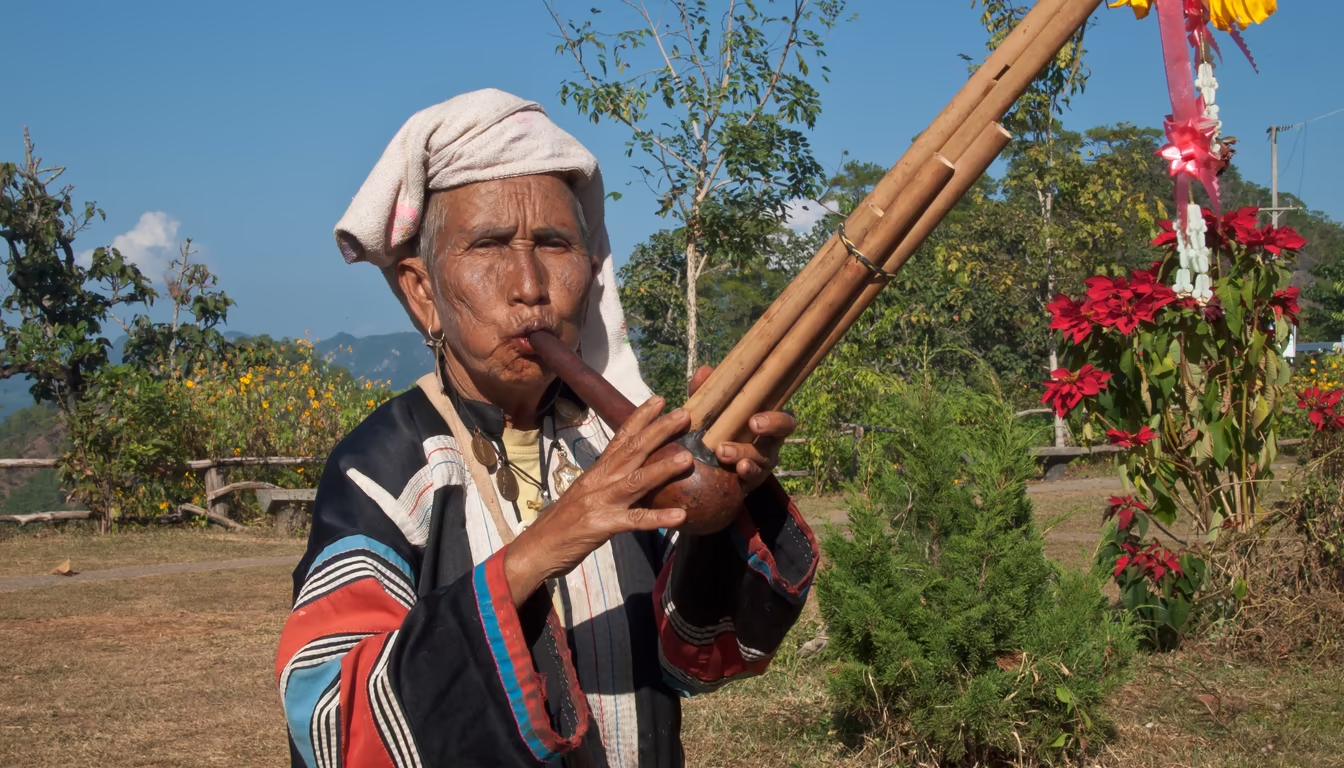
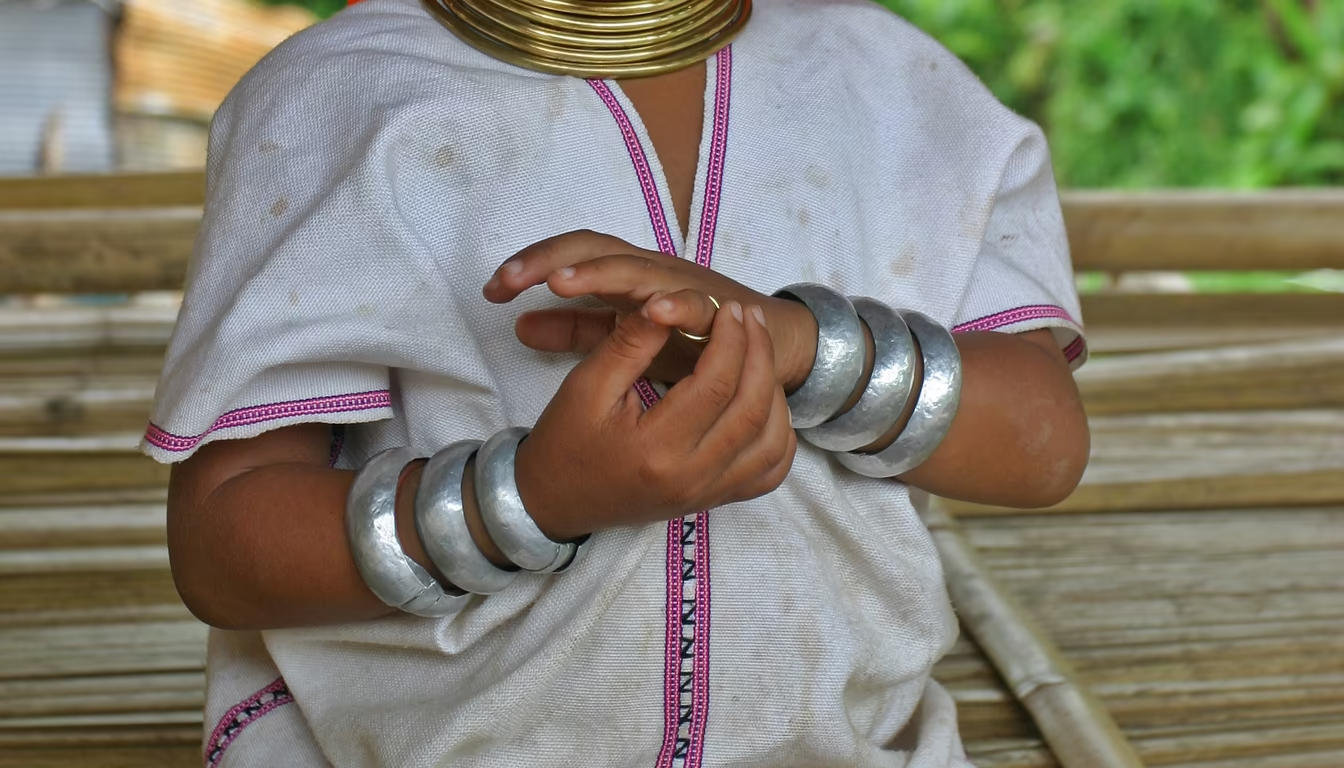
The women you will see are Kayan, a subgroup of the Karen people who originally come from the borderlands of eastern Myanmar. Many families left conflict areas decades ago and now live in Mae Hong Son province, the same province Pai sits in. The brass coils are a tradition tied to identity and beauty within Kayan culture, worn from childhood and added to over the years.
The coils do not actually stretch the neck. They press down on the collarbone and rib cage, which creates the visual impression of a longer neck. We mention this because guests often arrive with the idea that something painful or forced is happening, when for many wearers it is a personal and cultural choice they speak about with pride. Mae Hong Son province sits in Thailand's far northwest hill country, near the Myanmar border, as you can confirm on the official Tourism Authority of Thailand province page, and according to that regional overview the area is home to several hill-tribe communities.
Where the long neck village near Pai actually is
There is no single grand "village" with a ticket gate and a car park, despite how some agencies present it. Near Pai there are a few small Kayan settlements, and there are also larger, more established communities closer to Mae Hong Son town, about three hours further west. Around Pai itself the community is modest: a cluster of homes, a few weaving stalls, and families going about ordinary daily life.
From what we see with guests, the confusion usually starts in town, where booking desks sell a packaged "long neck tour" that lumps the village in with an elephant camp and a waterfall. That packaging is where a lot of the awkwardness comes from, because it frames living people as one stop on a checklist.
| How you go | Roughly | Feel of the visit |
|---|---|---|
| Independently by scooter | 15 to 30 min from town plus small entry | Quiet, unhurried, you set the pace |
| Small ethical guide | Half day | Context and translation, respectful pace |
| Big packaged minibus tour | Full day, several stops | Rushed, crowded, photo-stop feel |
Two myths worth dropping before you arrive
Travellers tend to carry two ideas into the village that simply are not accurate, and shedding them changes how the morning feels.
The first myth is that everyone there performs on cue for tourists. In reality you are walking through a working settlement: children head to school, laundry hangs in the sun, lunch gets cooked. The second myth is that buying a scarf is somehow patronising. It is the opposite. Weaving is a livelihood here, and a purchase is the most direct, dignified way your visit leaves something behind. Drop both ideas and you arrive as a guest rather than an audience.
So how do you visit the long neck village pai respectfully?
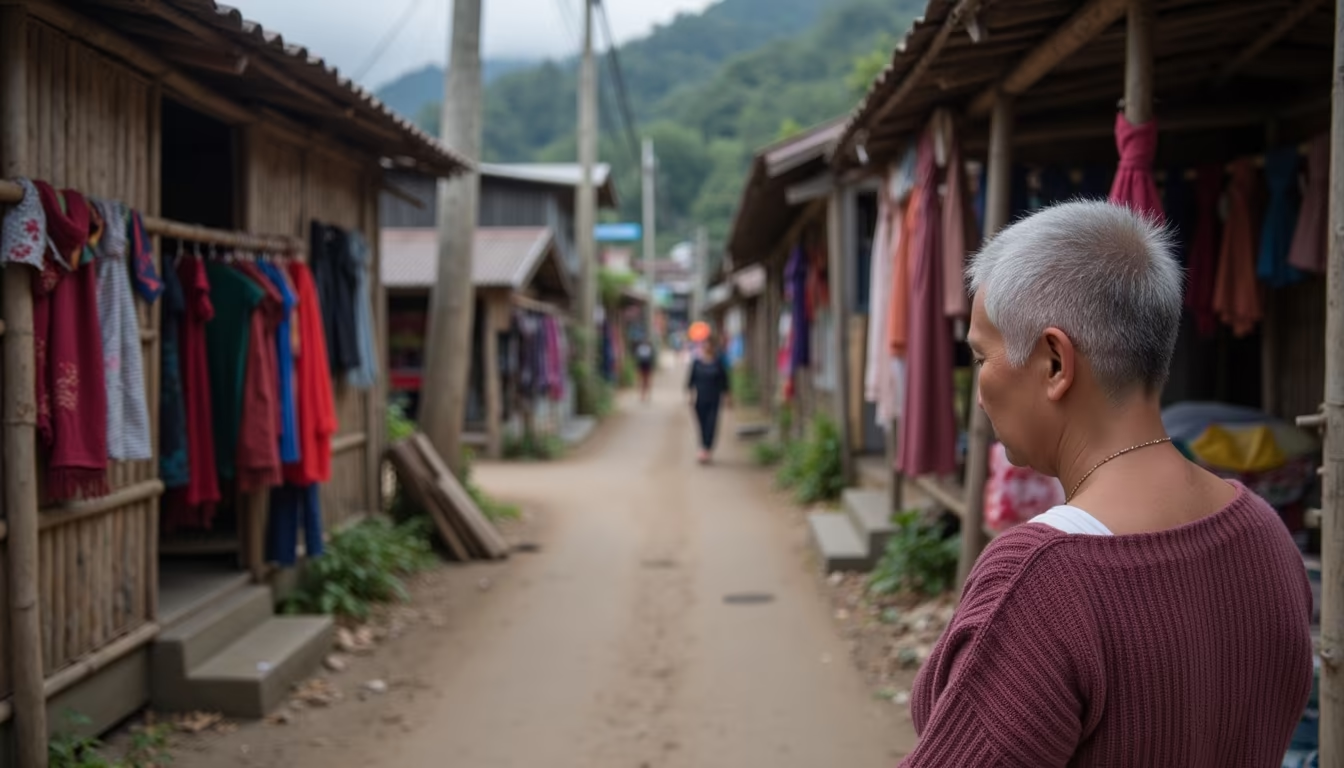
Respect is not complicated, it is mostly about treating the place as someone's home, because it is. What does that look like in practice? Here is what we suggest to every guest who asks us.
- Ask before you photograph. A smile and a gesture toward your camera is enough. If someone declines, put it away with a thank you.
- Pay the entry directly and buy something handwoven if you can. The scarves and small textiles are made on site, and that income stays with the families.
- Skip the bundled elephant-ride packages. If a "deal" feels like a checklist of living people and captive animals, that is a sign to book differently.
- Talk, do not gawk. A short, warm conversation, even through gestures, changes the whole tone from spectacle to meeting.
- Dress modestly and keep your voice down. You are a guest walking past kitchens and bedrooms.
In practice the guests who come back happiest are the ones who slowed down, bought a scarf, and spent twenty quiet minutes rather than racing in for a photo. Please also remember this is a real community whose situation is sensitive, so confirm current visiting conditions and any entry details with a local host or guide before you go, rather than relying only on an old blog post.
Is this trip right for you, or not?

We would rather be honest than sell every guest the same day out. Here is how we sort it.
It suits you if
- You are curious about Kayan culture and happy to slow down, chat, and buy a handwoven piece.
- You prefer going independently or with a small guide over a packed minibus circuit.
- You want to make sure your money reaches the families rather than a tour desk.
It is probably not for you if
- You only want a quick photo to post and would feel uneasy about that afterwards.
- You are short on time and would resent a calm, unhurried morning.
- The packaged elephant-and-waterfall bundle is the only way you would go.
Timing the morning right
Mornings are calmest, before the packaged tours roll in around midday. The cool, dry season from November to February is the most pleasant for the ride out and back, while the green season brings rain in the afternoons. If you are already mapping your days, our guide on things to do in Pai helps you slot the village into a relaxed half day rather than a rushed dash. Because the community sits a short ride from town, it pairs naturally with a slow morning at a viewpoint or a riverside cafe.
Related stays near the village, and how to book direct
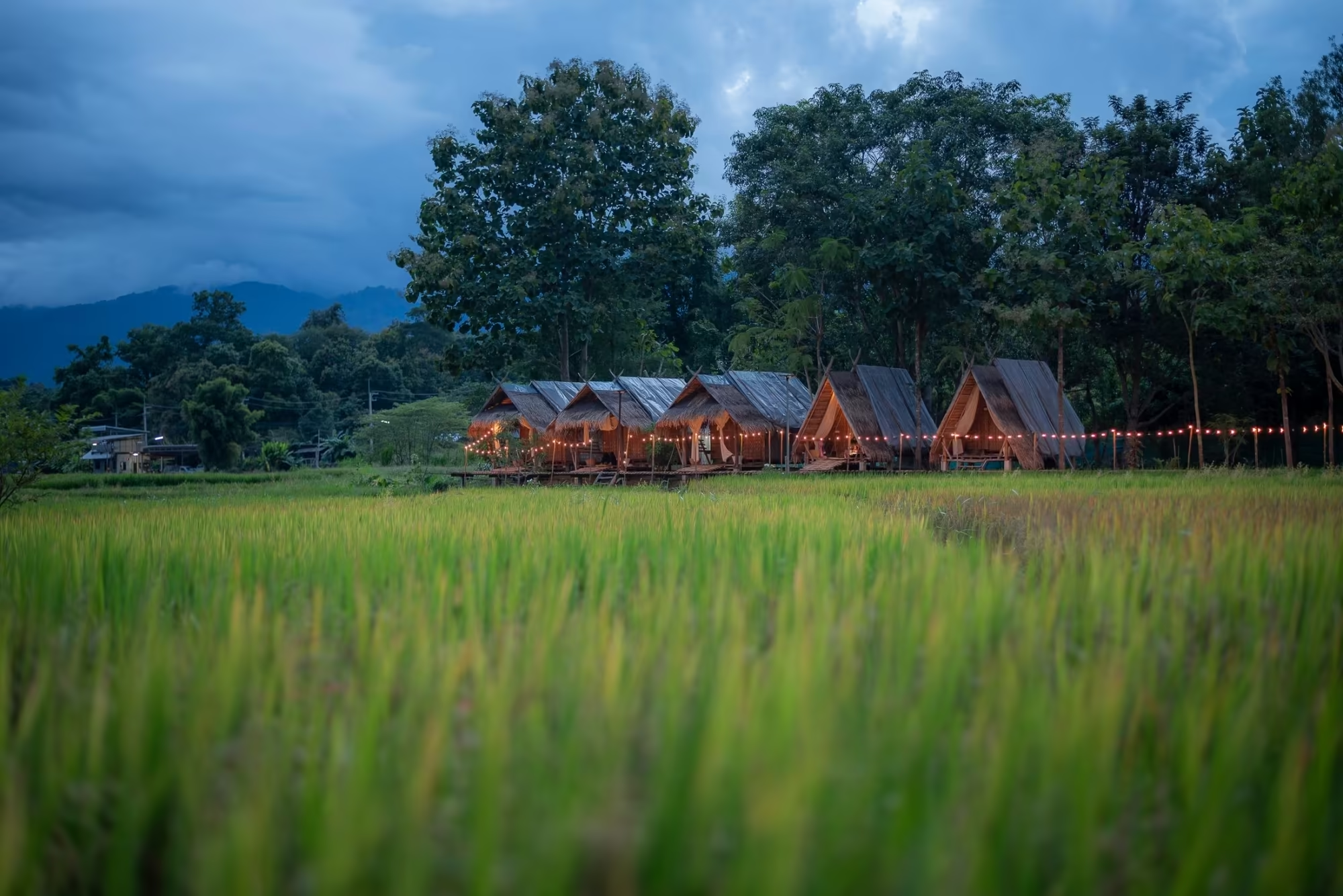
The village is an easy ride from most of central Pai, so the real question is what kind of stay suits your trip. A family-run rice-field place or a quiet boutique room near town both work well, and staying with owner-run hosts means you can simply ask us how to reach the community ethically rather than getting funnelled into a packaged tour.
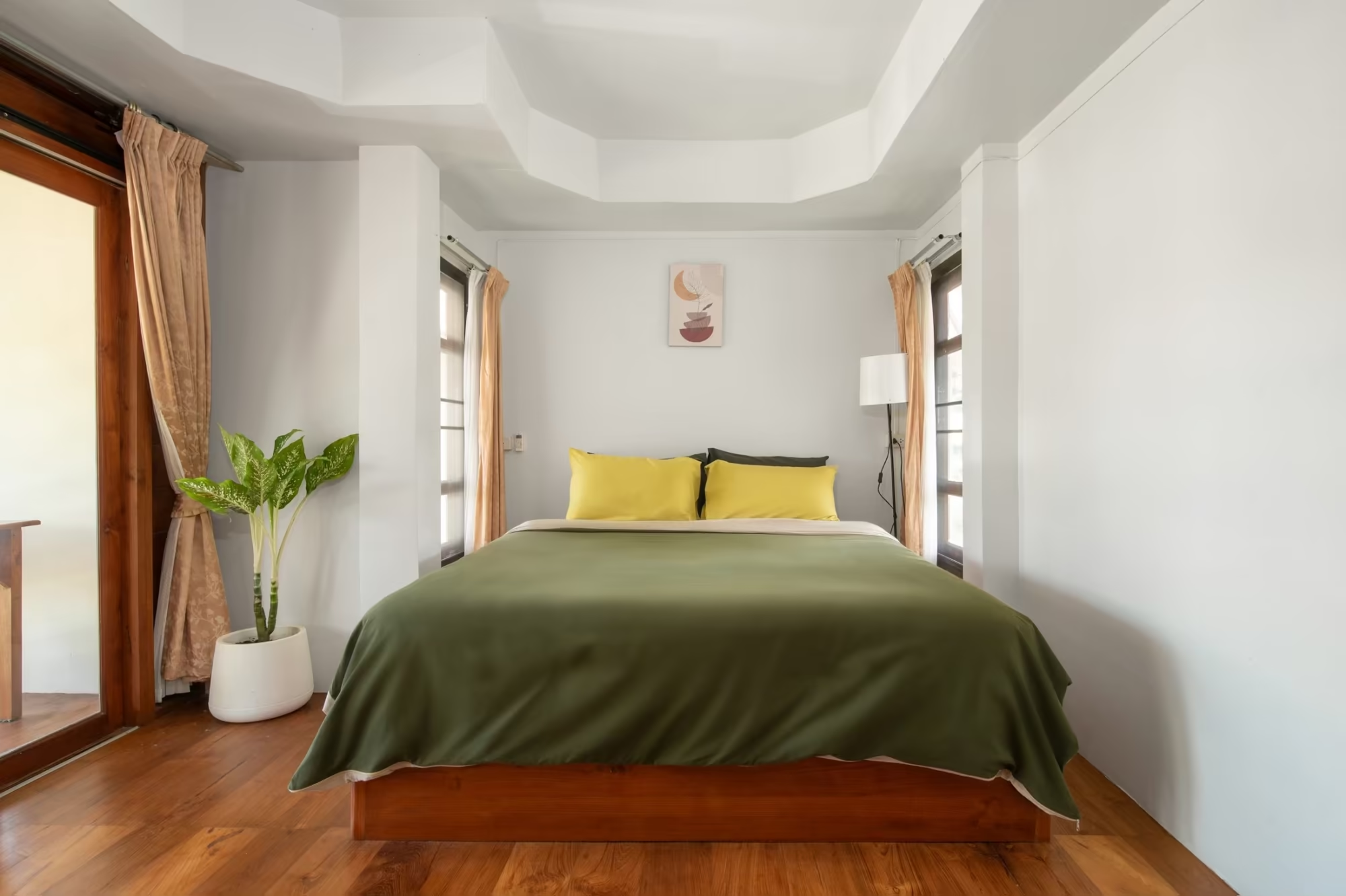
If you want a calm, design-led base for unhurried days like this, we point couples and slow travellers toward The Arch Casa, our boutique stay near town. To compare every option and what each suits, start with our where to stay in Pai guide. Booking direct with us means you talk to the actual owners, not a call centre, and the saving stays in Pai.
A visit done with care leaves both you and the families better off, and it costs almost nothing extra to be thoughtful. Come slow, ask first, buy a scarf, and let us help you plan the rest of your Pai days around it.