By BestHotelPai Team · Updated August 12, 2026
In short Is Pai safe? Yes. Pai is a small, friendly mountain town with very low violent crime, where the main risks are the winding 762-curve road in, scooter accidents, and burning season smoke from roughly March to April. Watch those three things, keep normal travel sense about valuables, and you will find a relaxed, welcoming place.
Is it really wise to bus into a remote mountain town in northern Thailand for your first solo trip? A guest asked us exactly that last month, half-packed and nervous, after a friend warned her that Pai was "sketchy." We hear versions of that worry constantly, so let us settle it plainly. Pai is one of the gentler, more welcoming places in northern Thailand, and the things that actually trip travelers up have nothing to do with crime. They have to do with a famously curvy road, rented scooters, and a smoky month or two. This guide walks through each real risk and the simple habits that handle it.
The honest picture: how safe Pai actually feels day to day
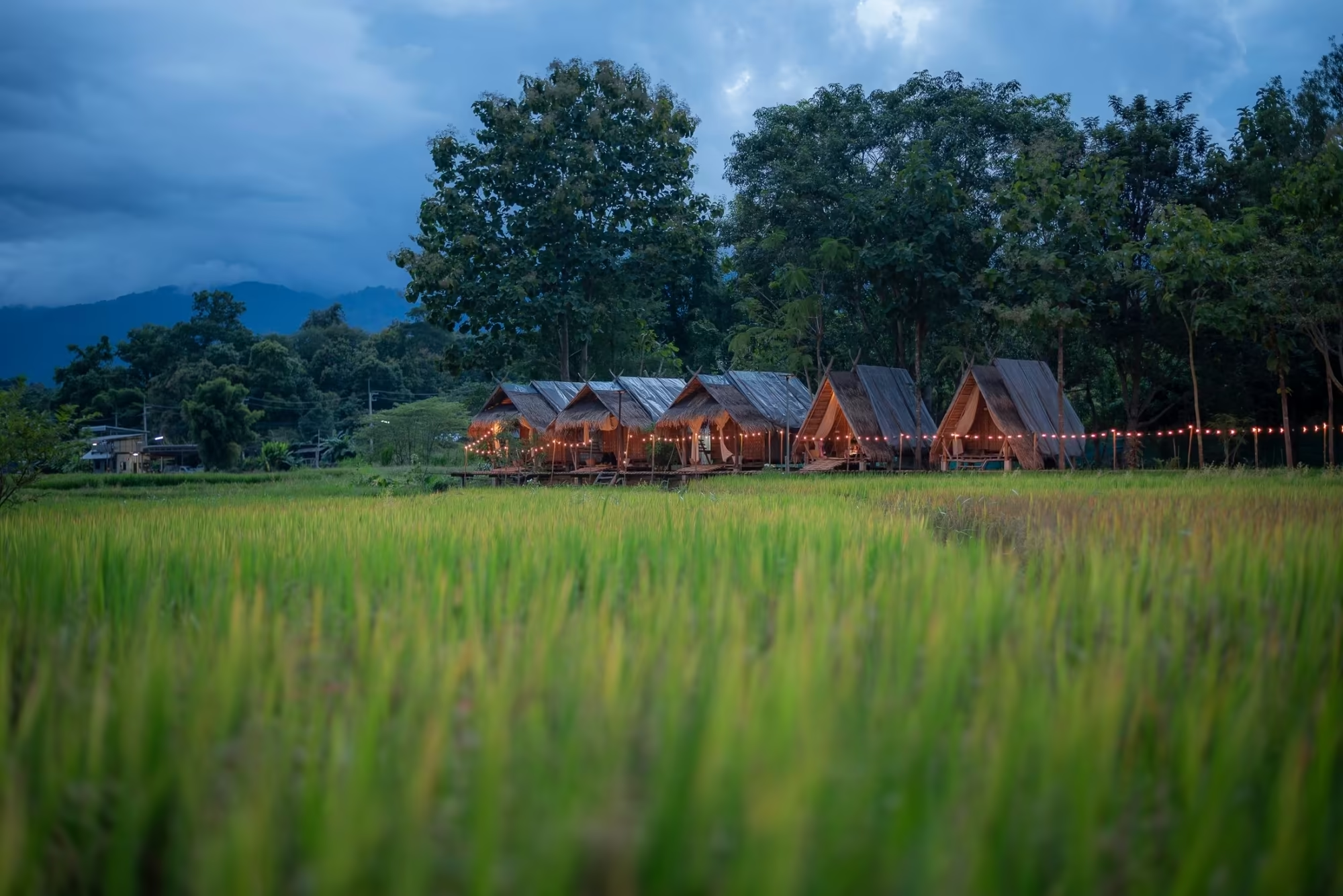
Pai is a village of a few thousand people in a valley in Mae Hong Son province, ringed by rice fields and forested hills. It grew up as a backpacker and digital-nomad hub, so the streets stay busy and well lit into the evening and locals are used to travelers. Serious crime against visitors is rare. From what we see with guests, the genuine problems are almost never theft or violence; they are sunburn, dehydration on a hot waterfall hike, and the occasional scraped knee from a scooter.
That said, do not switch off your common sense. Petty opportunistic theft can happen anywhere people leave a phone on a cafe table or a bag loose on a scooter. The province sits inside a protected highland zone, and the official tourism authority describes Mae Hong Son as a mountainous, forested region best enjoyed in the cool season, which shapes most of the advice below. According to the Tourism Authority of Thailand, the area is geared toward nature travel rather than nightlife-heavy tourism.
Risk one: surviving the 762 curves and the scooter trap
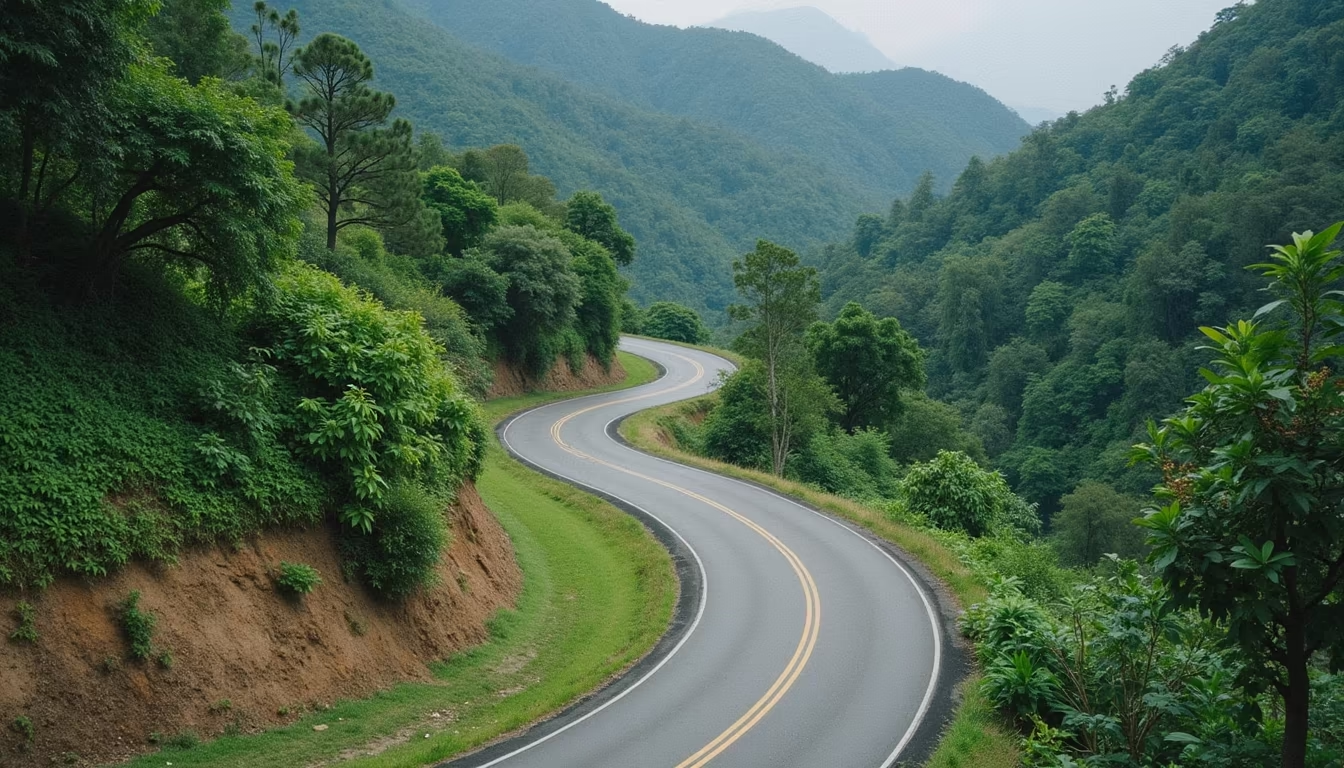
If anything earns Pai its reputation, it is the journey, not the town. The route from Chiang Mai climbs over the mountains with 762 marked curves, and most accidents involving travelers happen on this road or on the scooters people rent once they arrive. In practice the road is fine when you respect it. The trouble starts when a first-time rider takes a small scooter up a wet mountain bend at speed.
How we coach guests who ask
- Treat the scooter, not the journey itself, as the real decision: rent one only if you have genuinely ridden before.
- Helmet on every single time, even for a five-minute hop to a cafe.
- Never ride after a drink, and skip night rides on unlit mountain stretches.
- Check your travel insurance, since many policies exclude scooter claims unless you hold a motorcycle license.
- If you get motion sick, sit at the front and bring tablets, the bends are relentless for the first hour.
The table below is how we rank the everyday risks travelers ask us about, from the ones worth real attention to the ones people worry about far more than they should.
| Concern | How worried to be | The one habit that fixes it |
|---|---|---|
| Riding a scooter on the bends | High if inexperienced | Only ride if licensed, helmet always, no night or wet-road riding |
| Burning-season air | Medium, seasonal | Avoid March to April if you have a lung condition |
| Slippery waterfalls and currents | Medium after rain | Follow posted signs, no swimming in fast water |
| Theft or violent crime | Low | Normal care with phone, bag, and passport |
If you would rather skip the riding question entirely, the van or a private driver is the calm choice. Our notes on getting up the mountain to Pai compare every option.
Risk two: smoke, water, and the mountains themselves
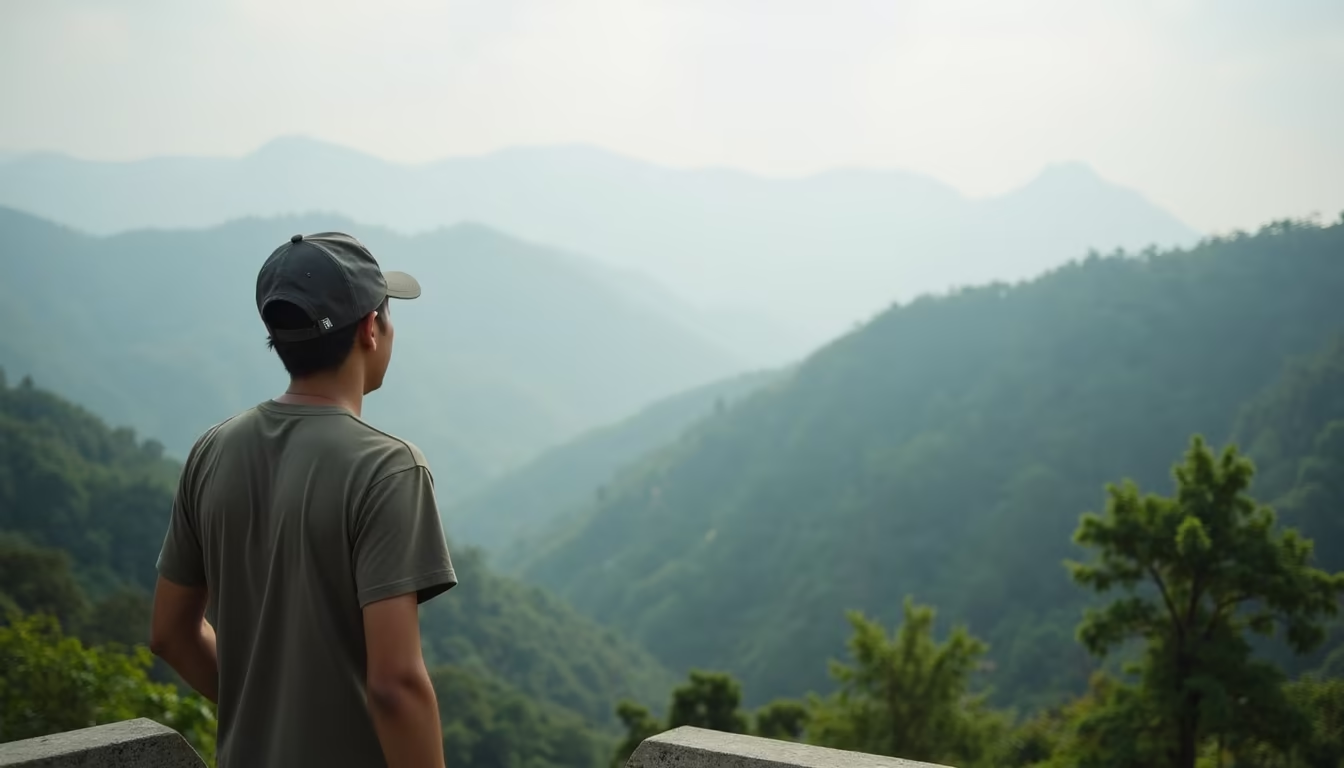
The biggest seasonal issue is not crime, it is air. From roughly March to April, farmers across the north burn fields and forests, and the smoke settles into valleys like Pai. Air quality can drop sharply, which matters if you have asthma or sensitive lungs. If you are coming in that window, check an air-quality app daily, and consider visiting in the cool, clear months of November to February instead.
Pai also sits among national-park land and waterfalls. Rocks near falls get slick, currents rise fast after rain, and trails can be steep. The national parks service publishes safety and seasonal guidance for these protected areas, and according to the Department of National Parks, visitors should follow posted signs and avoid swimming in fast water during the rainy season. Bring water, tell someone where you are going, and do not climb fences for a photo. For the spots worth seeing and how to visit them sensibly, see our roundup of the best things to do around Pai.
A quick FAQ on who Pai suits and what to watch
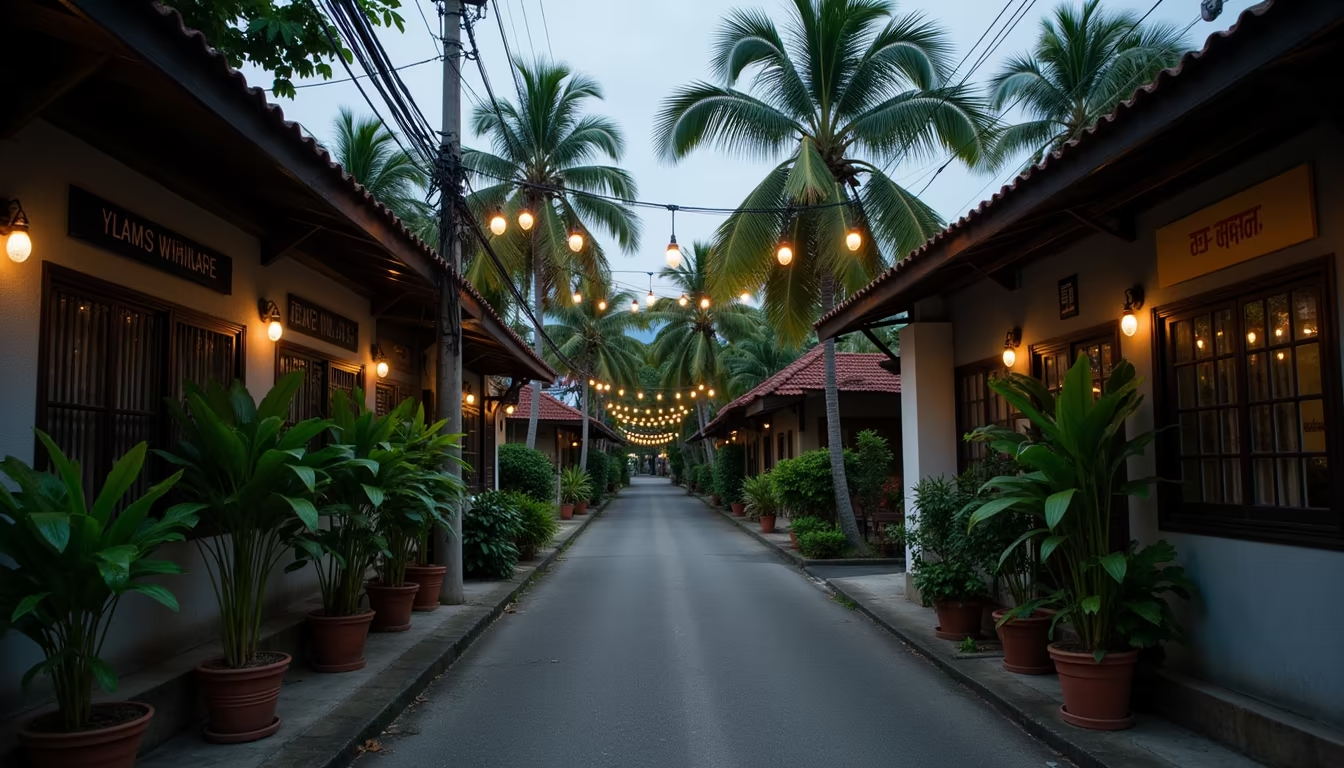
Pai has long been a favorite for solo and female travelers because the vibe is mellow, the town is walkable, and there is a steady community of other long-stay visitors. Most solo guests tell us they felt comfortable walking back from the night market or a cafe in the evening. The sensible habits are the same ones you would use in any small town abroad: tell someone your hiking plan before a remote waterfall since signal drops in the hills, keep an eye on your drink at busy bars, and use a trusted driver late at night.
Is Pai good for families and older travelers?
Yes, as long as they pick the car or van over a scooter and base themselves close to town. The people who struggle are those who arrive in burning season with a lung condition, or who try to ride a motorbike for the very first time on a mountain. If that is you, plan around it rather than canceling the trip.
Is petty crime a problem for visitors?
Rarely, in our experience. The usual sense applies: do not leave a phone unattended on a cafe table or a bag dangling off a parked scooter, and keep your passport in your room safe rather than your day pack.
Where to stay and related local help we can give
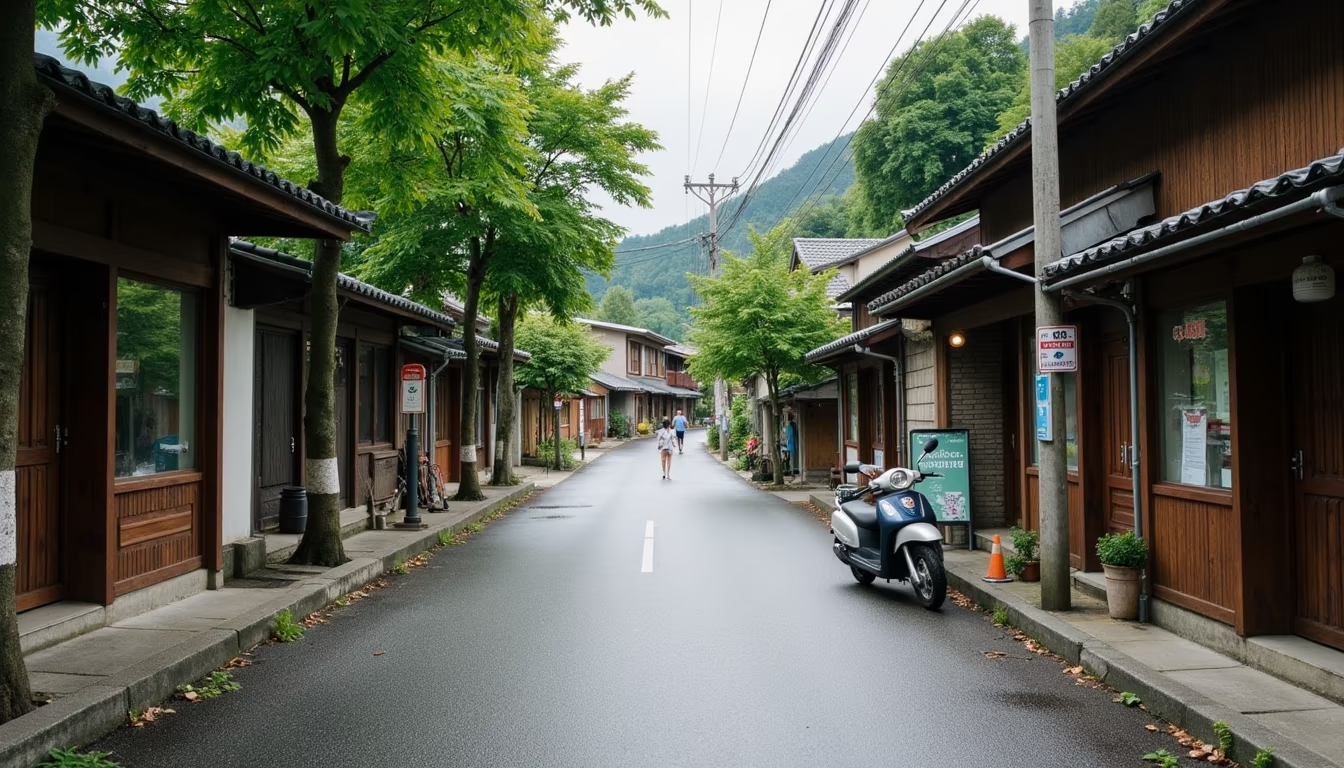
A big part of feeling safe is simply choosing the right area and a host who actually answers the phone. The streets around the walking street are the most convenient and well lit, while quieter rice-field and hillside stays trade a little distance for calm and views. We run six small stays ourselves, so when you book direct we can tell you honestly which one fits your trip, arrange a trusted airport or bus pickup, and be reachable if something comes up at 11pm. That is harder to get from a faceless platform. Compare the neighborhoods and our places on our guide to picking the right area in Pai.
You should still confirm current road, weather, and air-quality conditions against the latest official information before you travel, since seasons and bookings shift. Message us if you want a local read on the exact week you are coming.
So, is Pai safe? For the vast majority of travelers, yes. Respect the mountain road, ride scooters only if you truly know how, plan around burning season, and use ordinary travel sense, and you will find a gentle, friendly town that many of our guests end up staying in far longer than they planned. When you are ready, we are one message away.