By BestHotelPai Team · Updated July 29, 2026
In short The Bamboo Bridge Pai Thailand, locally called Boon Ko Ku So, is a long handwoven bamboo walkway crossing rice paddies toward a small forest temple, about 9 km southeast of Pai town. Aim for sunrise in the green season (roughly August to October) or the golden harvest in November. A small donation supports the monks who maintain it.
Why do so many people leave the Bamboo Bridge disappointed when others call it the best morning of their whole trip? The answer is almost always timing. The walkway never moves, but the rice underneath it does, and a visitor who shows up in the wrong month finds bare brown soil where they expected a floating emerald sea.
We are a small family of local hosts running six stays around Pai, and we send guests toward Boon Ko Ku So most weeks of the year. This guide skips the recycled blog clichés and gives you the version we tell people at breakfast: the exact season to aim for, the donation system, the short ride out, and how to avoid the mid-morning crowd.
So what exactly is Boon Ko Ku So?
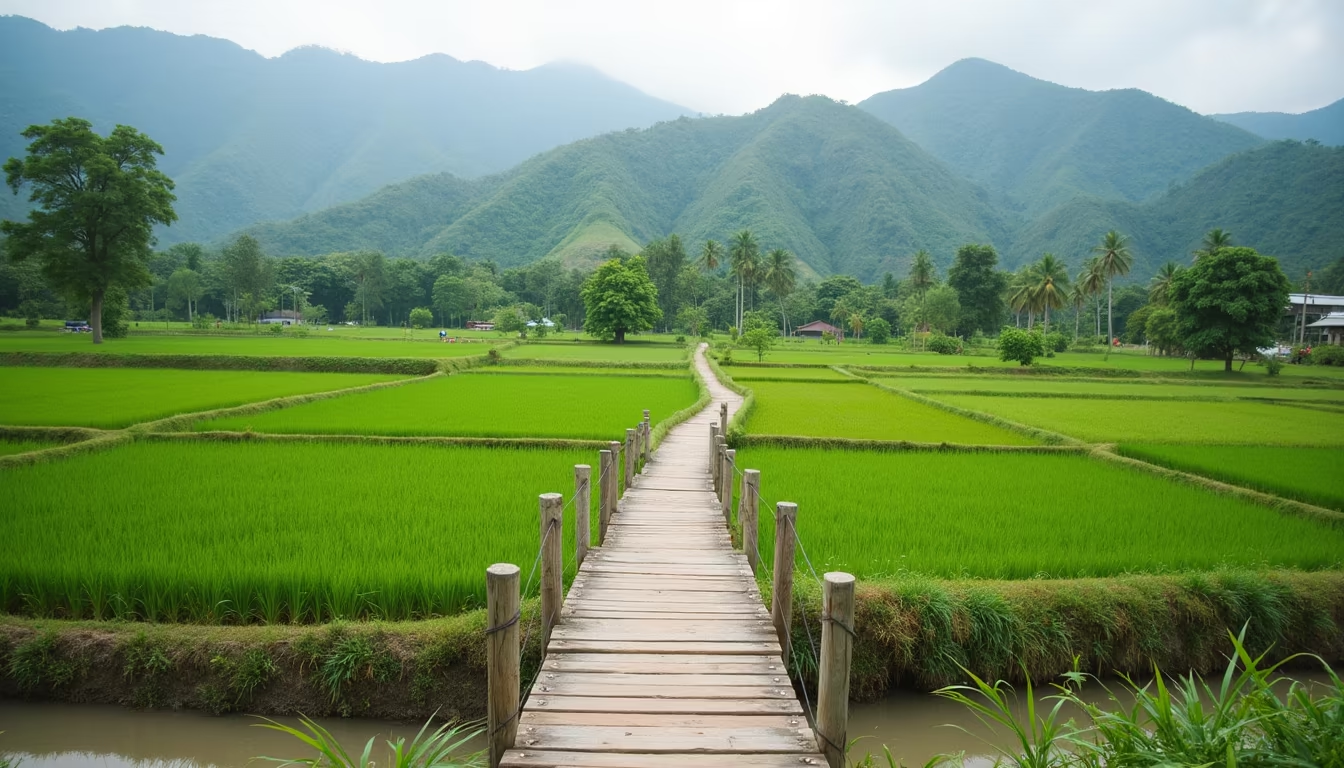
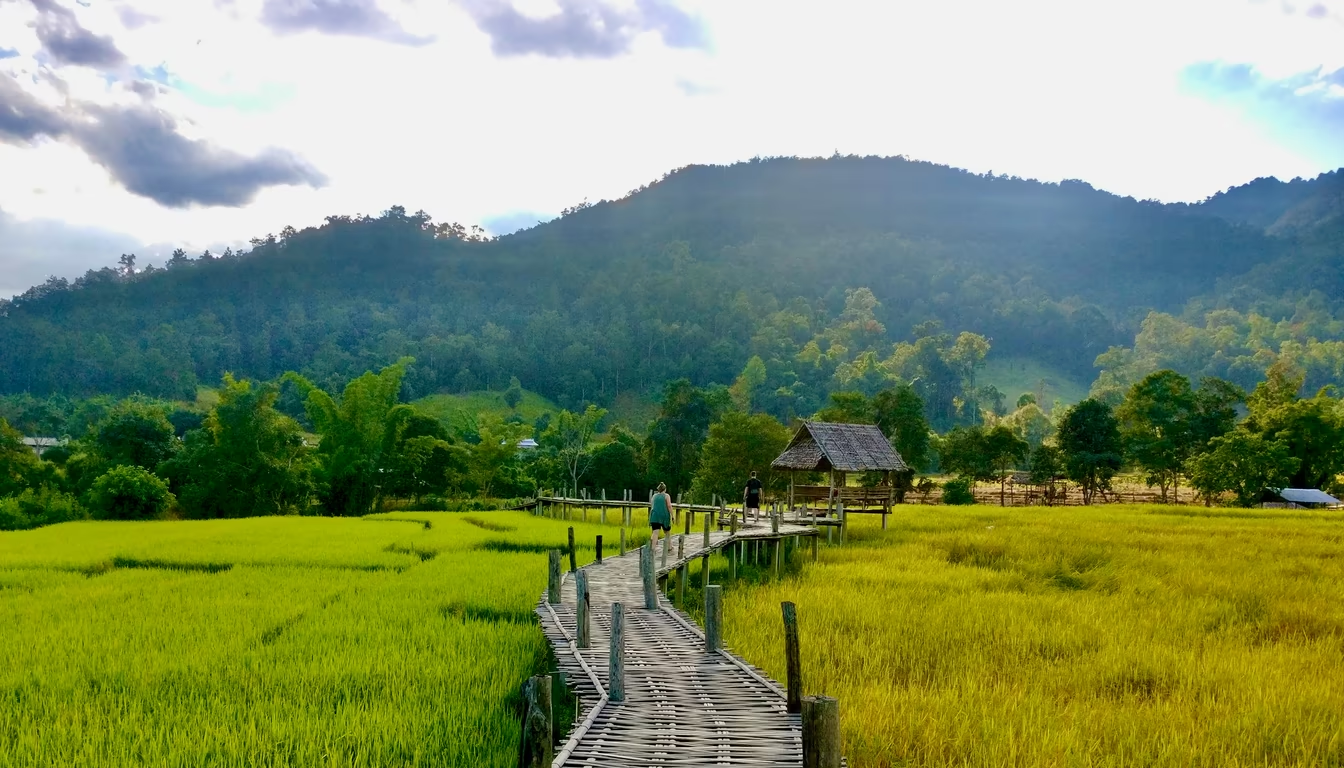
Boon Ko Ku So sits in Ban Pam Bok, a quiet farming pocket southeast of Pai town in Mae Hong Son province. The name roughly means "merit-making bridge", and that origin story is the whole charm of the place. Villagers and monks wove it from bamboo so a local monk could reach a meditation forest across the flooded paddies without trampling anyone's rice. It was never built for tourists. It is a working path that simply happens to be lovely.
The feel takes first-timers by surprise. The bamboo flexes and clicks under your feet, the walkway is barely wide enough for one person, and on a still dawn the only sounds are birds and rustling rice stalks. The path ends at Wat Pa Huai Khai Khiri, a plain forest temple where you can sit, breathe, and look back across the valley. The whole region sits within the highlands that Thailand's Department of National Parks oversees, and you can confirm the wider area's seasons and access on the Department of National Parks of Thailand site before you travel. According to that authority, these northern uplands run coolest and greenest in the late-rainy and early-cool months, which lines up exactly with the best walkway season.
A detail most visitors miss: the structure is rewoven by hand. Bamboo weathers, so monks and villagers rebuild damaged spans each year, lashing fresh poles into the framework with simple ties rather than nails. Stepping across it, you are walking on something genuinely temporary and communal, not a fixed concrete attraction. That impermanence is part of the meditation theme the monk who inspired it cared about, and it is why no two seasons feel quite identical here.
When should you actually go?
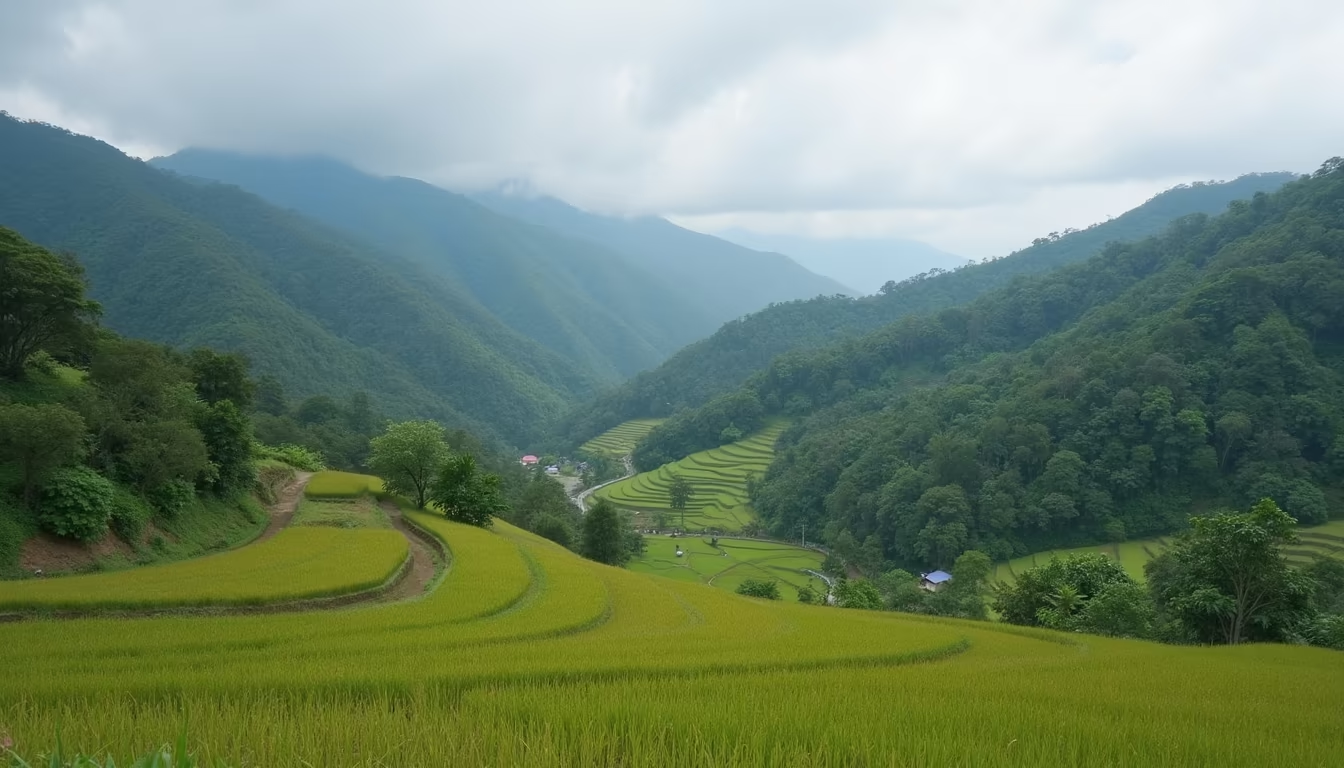
The single most common mistake we see is a guest arriving in the dry months and finding cracked brown earth instead of the green sea from the photos they saved. The walkway is always standing. The magic is the rice, and rice keeps a strict calendar.
| Period | What you see | Crowds |
|---|---|---|
| Aug to Oct | Lush green rice, the postcard view | Light to moderate |
| November | Golden rice near harvest, warm light | Busiest, peak season |
| Dec to Feb | Cut fields, cool mornings, misty | Moderate |
| Mar to Jul | Dry, brown or plowed paddies | Quietest |
From what we see with guests, sunrise is worth the early alarm. The light is soft, the bamboo is cool underfoot, and by mid-morning the heat and the day-trip vans tend to arrive together. In practice, if you reach the field before 8am you can have long stretches of the walkway entirely to yourself.
How do you get there, and what does it cost? The BestHotelPai rundown
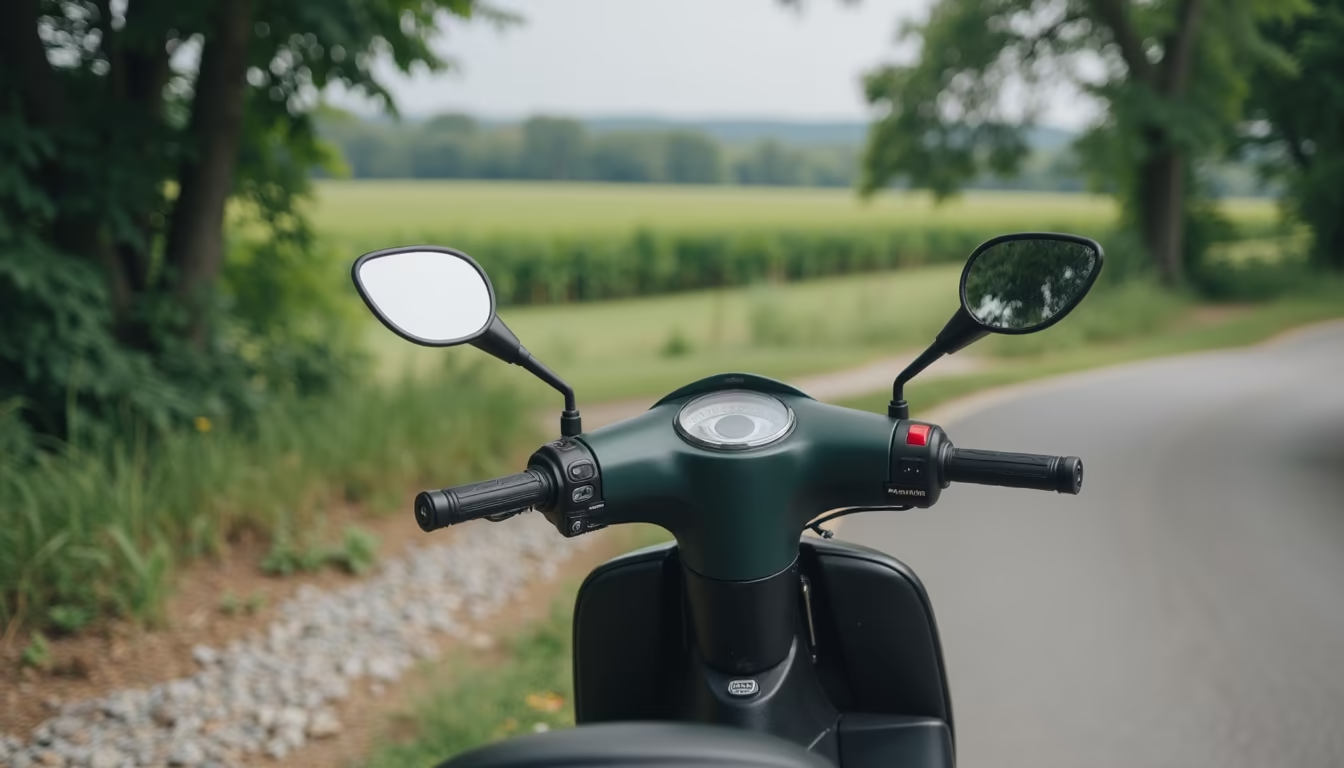
The bridge is about 9 km from town, a 15 to 20 minute ride. The easiest way is the scooter most travelers already rent in Pai, and the road is paved most of the way with a short gravel finish near the parking area. If you are not confident on two wheels, a private songthaew or a half-day driver works well, and we are happy to arrange one for guests.
- Entry: no fixed ticket, a donation box (around 20 to 50 baht) supports the monks and upkeep.
- Parking: small free lot at the field edge, plus a few local cafes and snack stalls.
- Walk: the full loop to the temple and back is roughly 1.6 km, flat and easy, allow 45 to 60 minutes plus photo time.
- Footwear: flat shoes or sandals with grip, the bamboo can be slick with morning dew.
- Bring: water, a hat, a light layer for the cool dawn air, and small notes for the donation box (large bills are awkward here).
- Photography: a low angle along the walkway exaggerates the lines of poles disappearing into the green, and the soft side-light just after dawn flatters the rice far more than flat noon glare.
It pairs neatly with other quiet spots in the same direction. Many guests link it with the nearby Pam Bok waterfall or carry on later to Pai Canyon for the sunset. If you want a full sample day, our guide on things to do in Pai maps out how the south-of-town sights string together without backtracking.
Who is it really for, and who can skip it?
Honest answer: in green season it is absolutely worth it, one of the calmest and most photogenic mornings in Pai. In the dry months it is still a peaceful walk, but you are coming for the temple and the silence rather than the famous green view, so set your expectations accordingly. We tell guests to check the rice season before they build a whole morning around it.
It rewards early risers, couples, photographers, and anyone who prefers slow travel over adrenaline stops. It does less for travelers chasing harsh midday photos or expecting a built-up attraction with cafes and railings everywhere. Treat it as a living temple path: dress modestly, keep voices low, and step aside for the monks. You should also confirm current access and any seasonal closures with local sources before you set out, since rural conditions change with the rains.
Where to stay near the Bamboo Bridge Pai Thailand
Because sunrise is the best time, staying somewhere quiet on the rice-field side of town makes the early start far easier than rolling out of a noisy walking-street guesthouse. Pai is small, so nothing is truly far, but a calm rural base means you wake to the same scenery you came to see.
| If you want | Best fit |
|---|---|
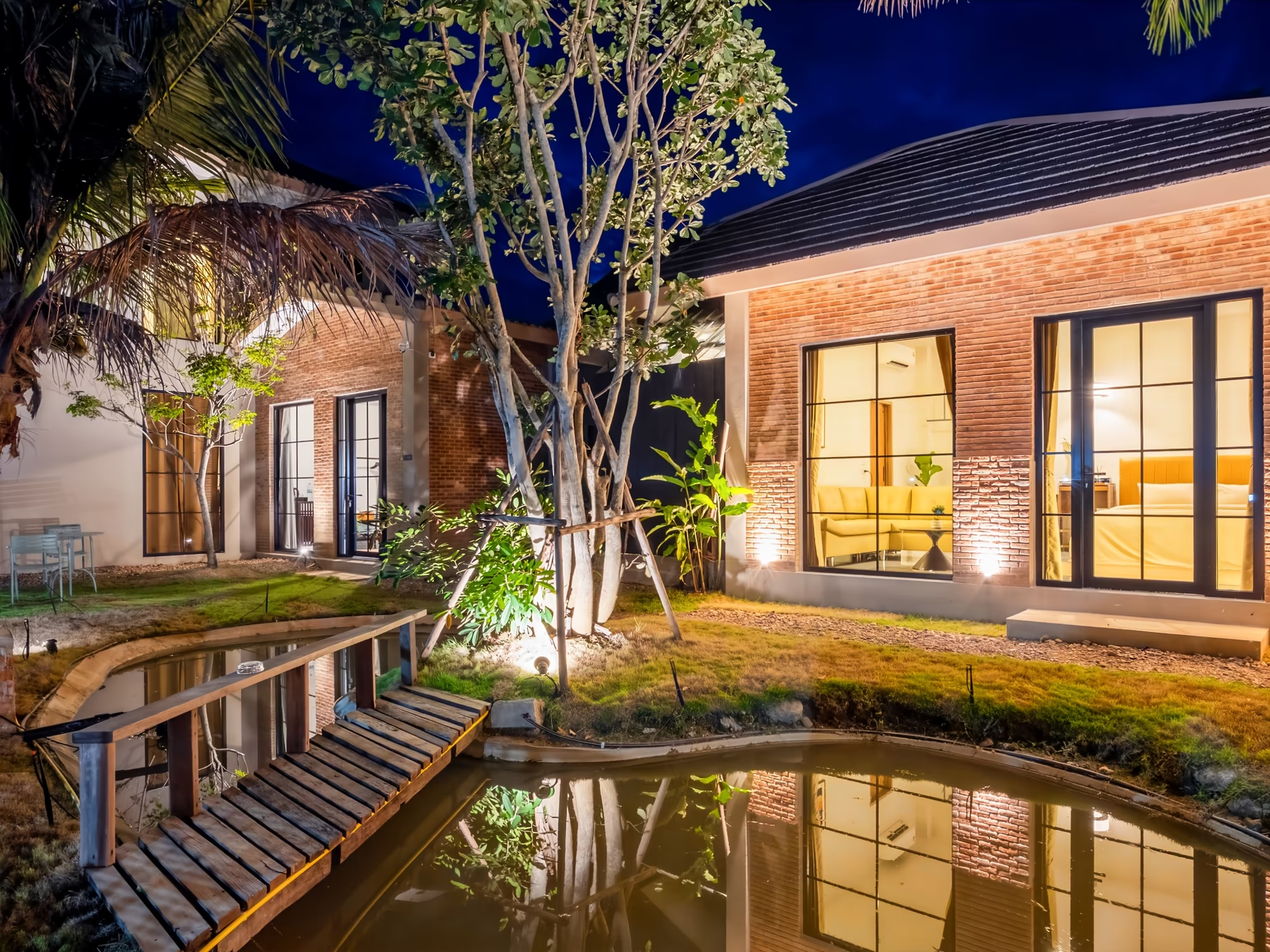
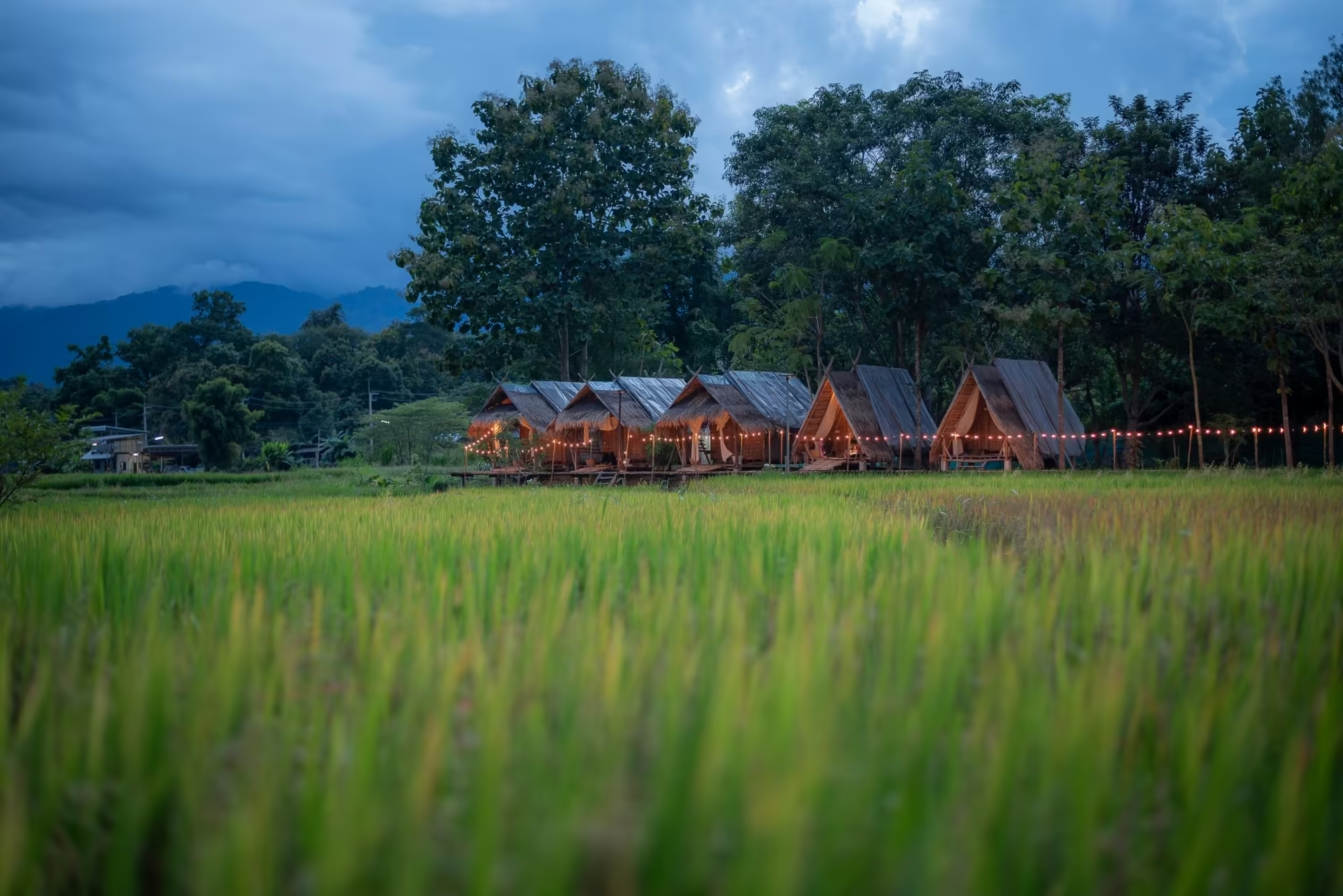
| Rice-field calm and easy sunrise runs | A nature stay among the paddies |
| Design and a romantic base | A boutique villa |
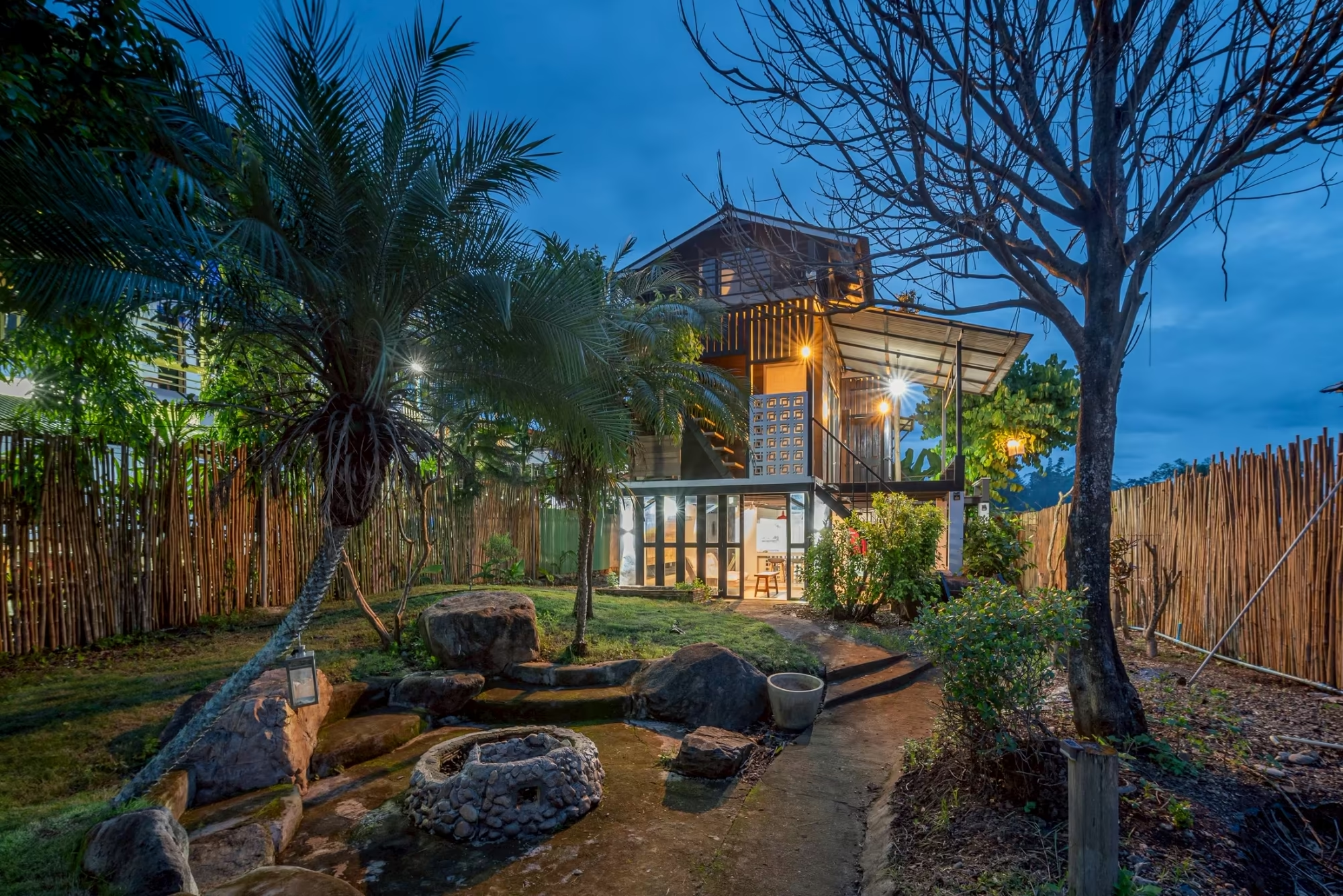
| Mountain views and a quiet retreat | A hillside view stay |
We run these stays ourselves, so we can point you to the one closest to the bridge and lend you a scooter map for the dawn ride. See the full breakdown on our where to stay in Pai hub, and if a private morning driver suits you better than riding, just ask us when you book.
The Bamboo Bridge is one of those Pai mornings people remember long after the trip. Get the season right, set off before the heat, and stay somewhere quiet enough to make the early start effortless. We are local, we know the timing, and we are glad to help you do it the easy way.