By BestHotelPai Team · Updated July 19, 2026
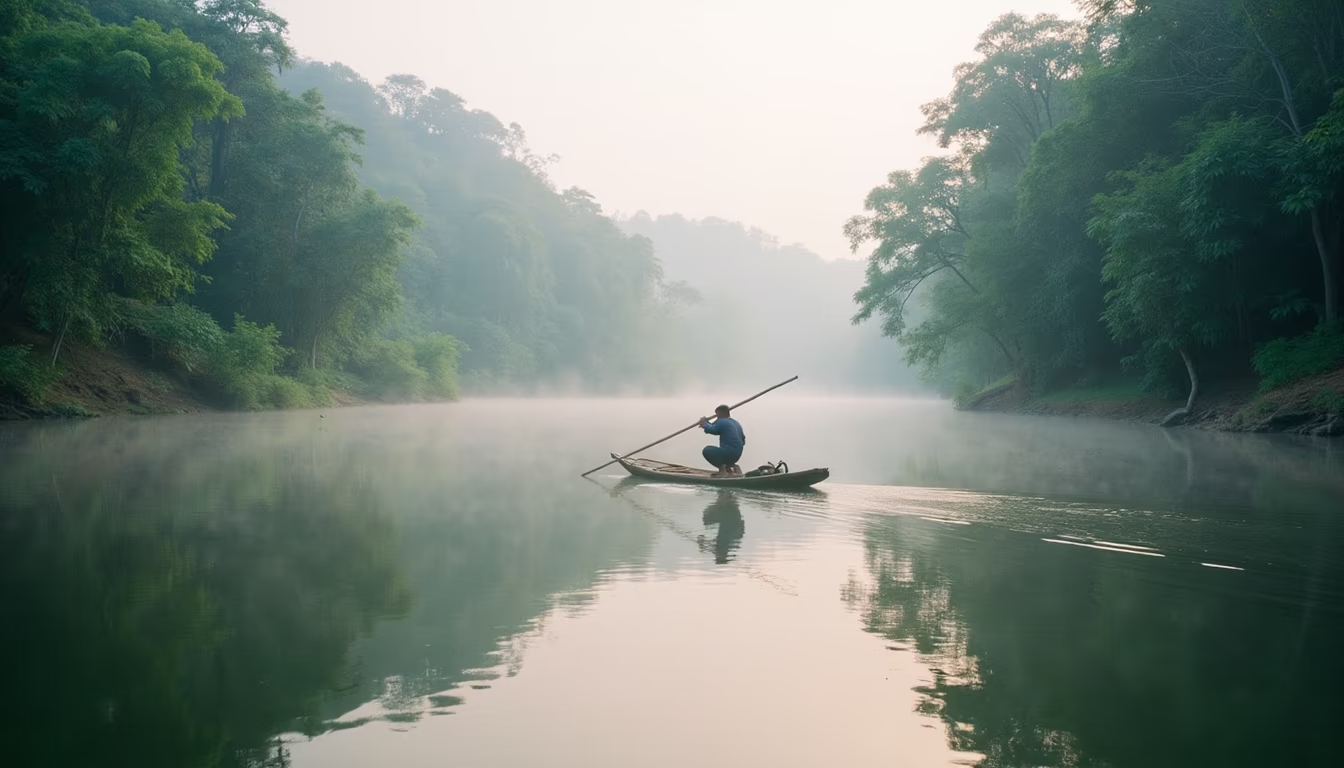
In short Bamboo rafting in Pai is a slow float down the Pai River on a hand-poled bamboo platform. It runs best from roughly July to early November, when rains lift the water. A guided half-day means one to two hours afloat, costs about 500 to 900 baht per person, and suits calm-seekers far more than thrill-chasers.
Will the bamboo raft scrape the gravel? Or will the current carry you clean and smooth? That one question decides your morning on the Pai River. We field it at breakfast more than almost anything. So here is the honest local answer, start to finish.
This guide is the order we would give a friend. When the water runs right. How to book without overpaying. What to pack. Who the float suits. Where to sleep so the launch sits minutes away. No filler. Just the plan.
Step 1: Know what bamboo rafting in Pai actually is
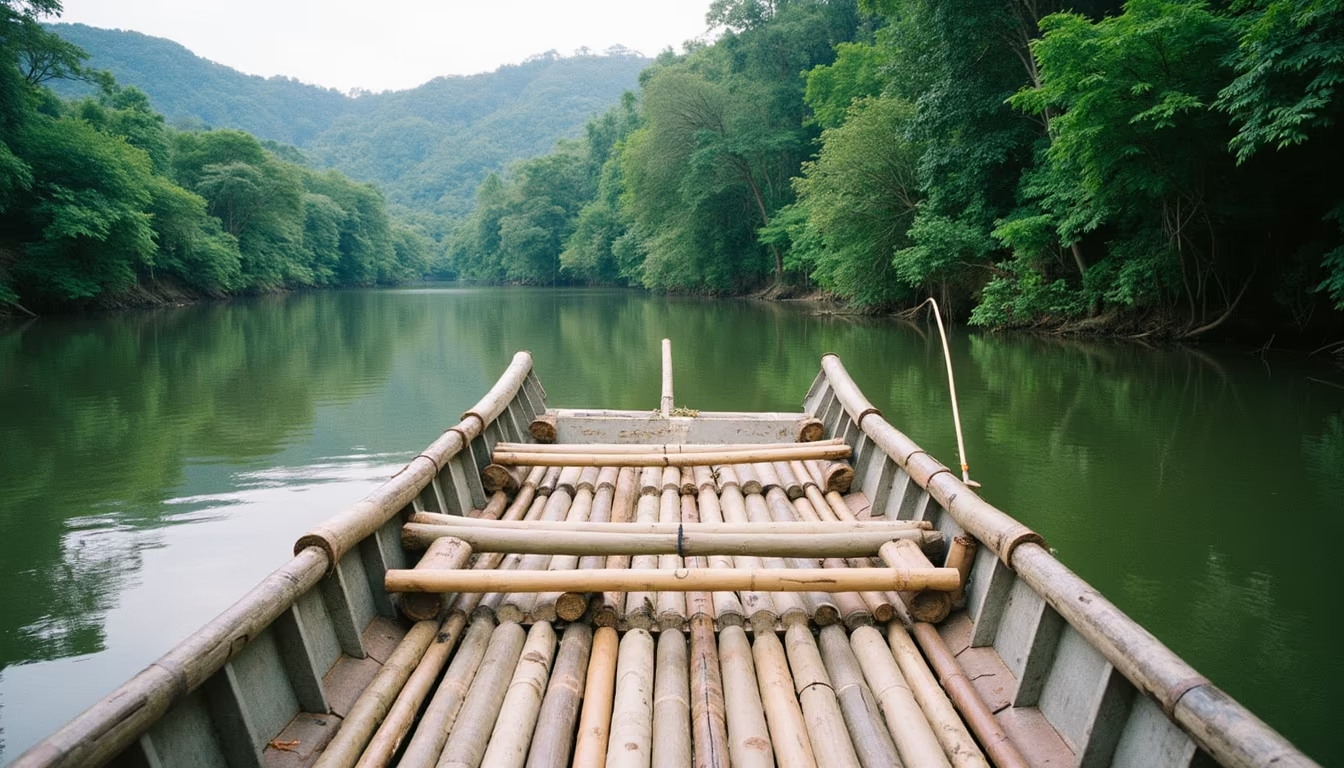
Picture a flat deck of thick bamboo. Poles lashed tight with rattan. Wide enough for a small group plus a poling boatman. No engine. No rapids. You drift. The boatman steers with a long pole and reads the shallows.
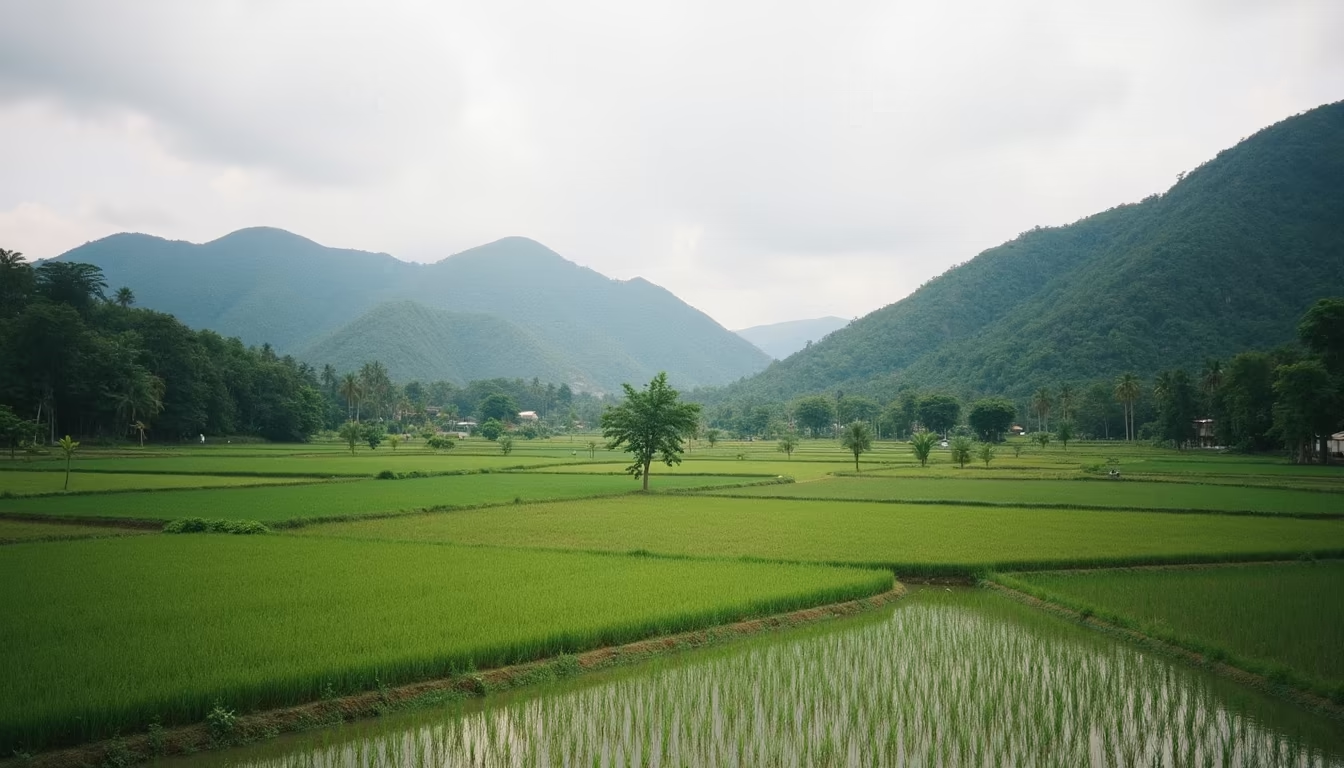
This is not the wild rafting near Chiang Mai. Think moving picnic bench, not adrenaline ride. You sit low, trail a hand in the cool water, watch buffalo and rice terraces slide by. From what we see with guests, people who expect rapids feel flat. People who come for quiet leave grinning.
Why so gentle? The valley is wide and the flow is slow outside the peak rains. The Mae Hong Son basin folds through low forested hills cut by easy rivers, as the Mae Hong Son provincial government describes its own geography. We cite the official source rather than guess a flow figure, since levels shift week to week.
Step 2: Pick the season when the river runs right
Season is everything here. Too dry and the deck scrapes shingle. Too wild and the trip gets pulled for safety. The sweet spot sits at the tail of the rains into the cool months.
According to seasonal guidance from the Tourism Authority of Thailand, the north sees rain from roughly June to October and clear cool air from November to February. We line our advice to that official pattern, not exact dates, since each year drifts.
| Season | Months | River condition | Good for rafting? |
|---|---|---|---|
| Cool, dry | Nov to Feb | Clear, moderate, shallow late | Yes, scenic and comfy |
| Hot, dry | Mar to May | Low, slow, often too shallow | Limited, many pause |
| Rainy, full | Jul to early Nov | High water, lush banks | Best window overall |
One caveat we share daily. In the August and September downpours, guides may pause a day or two until the water settles. Ask the night before. A flexible plan beats a cancelled, soaked dawn.
Step 3: Book a half-day and pack the right kit
A typical float starts mid-morning. You meet at a riverside launch a short hop from the centre. Quick safety brief. Life jacket on. Push off for one to two hours. A pickup truck brings you back. Some operators tack on a waterfall or a hot-spring stop.
Prices sit in a tidy band. Reckon on 500 to 900 baht per person for a guided half-day. A bit more for private or bundled trips. In practice the lower end means a shared deck and a fixed clock. Paying up buys a smaller group and a flexible start.
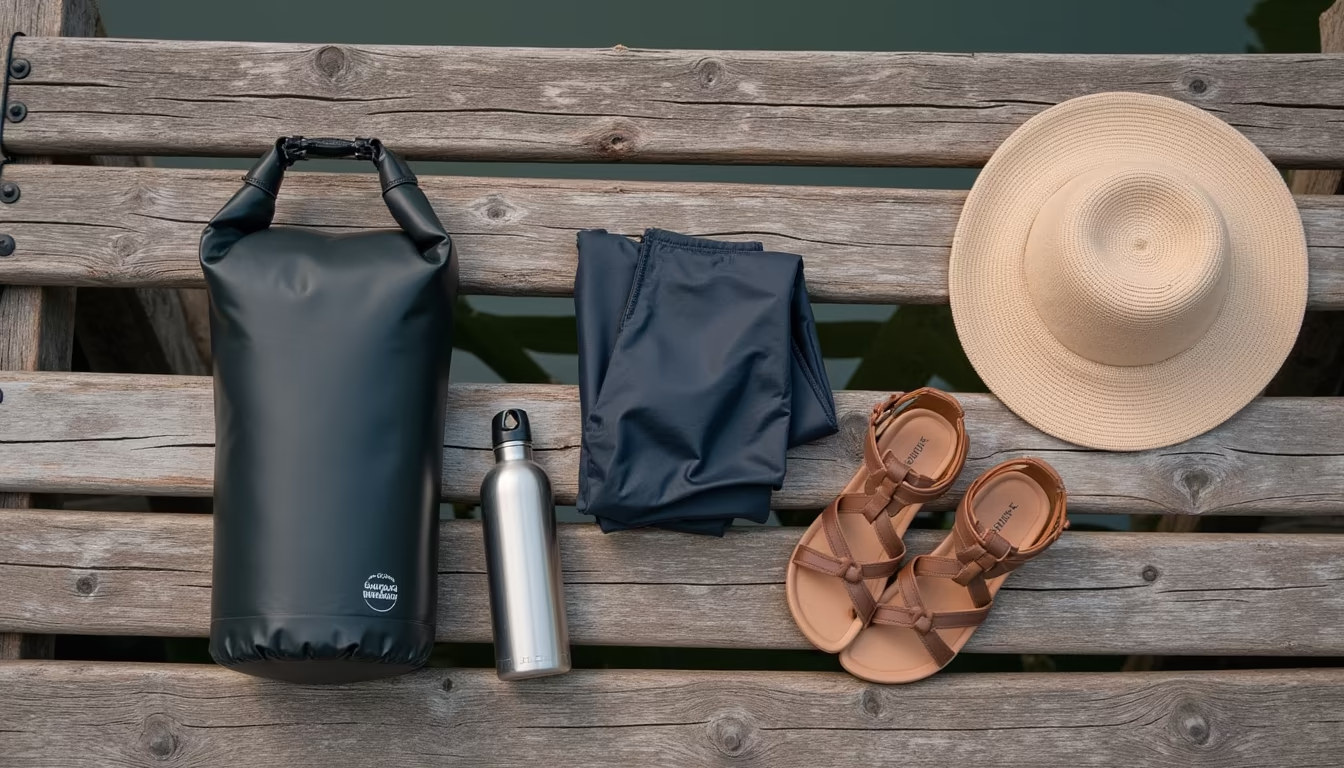
- Wear: quick-dry clothes, strapped sandals, never loose flip-flops.
- Bring: a sealed dry pouch for your phone, plus sunscreen.
- Skip: anything you cannot afford to lose overboard.
- Time it: grab a morning slot, since wet-season storms build fast by afternoon.
Prefer feet to a deck? The same valley holds plenty of things to do in Pai, from waterfalls to the photogenic bamboo footbridge over the paddies, all a short scooter ride from the water.
Step 4: Choose bamboo over a kayak or rubber tube
Bamboo is not your only craft. A kayak or an inflatable tube each ride differently. Different pace. Different crowd. Different mood. Which fits the morning you want?
Bamboo wins on stillness. It carries a small group together at one low waterline. A kayak gives control and speed but wants arm work. A tube just spins where the current sends it. For first-timers craving calm, the poled deck is the gentlest seat of the three.
| Craft | Effort | Best for |
|---|---|---|
| Poled bamboo deck | None, the boatman poles | Calm scenery, small groups, photos |
| Kayak | Moderate paddling | Active pairs wanting control |
| Inflatable tube | Almost none, just steer | Lazy spinning drift, hot afternoons |
One detail nobody expects. The deck rides barely a hand above the surface. You sit eye-level with dragonflies and skimming swallows. That low waterline is why couples keep telling us the float felt more intimate than any boat.
Step 5: Read the river the way the boatman does
Half the fun is watching the craft work. Knowing the trick turns a passive ride into a quiet lesson in old river skill.
Poling technique matters. The boatman plants the pole astern. He levers off the gravel bed. He feathers the bow through each braided channel. Seasoned giant bamboo culms. Rattan lashings. Buoyant hollow chambers. A flexing springy deck. The riffle line. The eddy fence. The shingle bar. The takeout ramp. Riders straddle the culms, spread their ballast, and trim the deck so the upstream lip never ships water. A practised poler picks the deepest thread and ferries across the flow with short angled strokes. Those small reads separate a dry float from a soggy one.
Who the bamboo float suits, and who should skip it
Honesty beats a sale, so we will say it plainly. The Pai River float is gentle by design. Perfect for some. A letdown for others. Knowing your camp saves a wasted morning.
It rewards slow riders. Sightseers who want hands free. Parents settling kids onto a stable deck. Photographers chasing low river light. It disappoints anyone hunting whitewater drops. It stalls outright in the dry months when the bed runs to shingle. From cases we see often, the happiest riders booked it as a wind-down, not a workout.
Step 6: Sleep near the launch for an easy river morning
The trick to a smooth day is sleeping close to the launches. They cluster south and west of the centre, near the river bends. Stay high on the mountain and you burn your fresh dawn on a scooter ride before you even reach the bank.
We run six small, owner-managed stays around Pai. We match each guest to the part of town that fits the plan. For a river-and-paddy morning we lean toward a riverside or valley-floor room. Wake up, grab coffee, roll to the deck in minutes. Compare them all on our where to stay in Pai guide, sorted by area and vibe, not star ratings.
Book with us direct and you talk to the actual host. The one who knows if the river ran high this week. That local read is hard to pull from a faceless booking site. It is the whole reason we keep these stays under our own roof.
Bamboo rafting in Pai: quick FAQ
A few rapid answers before the full set below.
Do I need to swim? No. The deck is stable and life jackets are standard, so non-swimmers ride fine in normal flow. How long is it? One to two hours afloat, plus the transfer back. Can I bring a phone? Only in a sealed pouch, never loose. Is it year-round? Mostly, though the dry tail of the hot season can pause it when the bed runs shallow.
Bamboo rafting will not race your heart, and that is the point. You remember it for the hush, not the splash. Time the season, sleep by the river, ask a local first. Then climb on, push off, and let the valley do the rest.